Trichloroethylene: More Than a Solvent—A Persistent Dilemma
Tracing the Roots: The Story Behind Trichloroethylene
Trichloroethylene didn’t land on the industrial scene by accident. Folks started using this colorless, volatile liquid nearly a hundred years ago, thinking they had uncovered a wonder solvent. Back in the early twentieth century, industries needed a cleaner that could strip away oil and grease like nothing else. Chemists in Europe worked out how to synthesize trichloroethylene by breaking apart acetylene with chlorine, figuring out the right temperatures and catalysts so the reaction made sense on a commercial scale. By the 1930s, manufacturing plants all over Europe and the United States had swapped in trichloroethylene for dangerous compounds like carbon tetrachloride, which had aimed to clean metal parts but tended to poison workers slowly and invisibly. There’s a reason people grabbed this stuff—it worked, fast and reliably.
Tough Cleaner: An Honest Look at Trichloroethylene
Understanding trichloroethylene starts with knowing what it is. It smells sweet, runs thin like water, and evaporates fast once exposed to the air. People often lump it with other “chlorinated solvents” because chlorine atoms crowd each molecule and help it chop away at greasy residues. Trichloroethylene owes its strength to how it shakes off bonds that hold oil and dirt together. Lighter than some other industrial cleaners, denser than water, it neither mixes nor floats, which lets workers skim it or separate it out from other waste streams. It doesn’t catch fire easily, which made it popular in noisy, busy settings like engine shops and assembly plants, where sparks and open flames made everyone jumpy about accidents.
Physical and Chemical Realities
You pour trichloroethylene into a metal tub, and pretty soon, the air fills with a vapor you can’t quite see. Its boiling point sits below 90 degrees Celsius, so heat—even a little—lifts it right out of an open container. It dissolves grease with almost reckless efficiency, sticking to oils and greases, even yanking away waxes from metal surfaces. Chlorine atoms bonded tight to carbons mean it resists breaking down at room temperature, and this chemical stubbornness keeps it in soils and groundwater years after a spill. It doesn’t rust metals or eat up most plastic containers, which adds to its stubborn appeal on a busy factory floor.
Labeling and Regulations: Clearer Warnings, Tougher Standards
You don’t see trichloroethylene on store shelves but dig through any manufacturing inventory and labels flag it under a host of cautionary warnings. In decades past, labels said little more than “use in a well-ventilated area” or “avoid skin contact.” Times changed, and now those jugs show more, listing chemical formulas, hazard pictograms, and advice on both storage and spill response. Globally, agencies like OSHA and the EPA have kept raising the bar on how factories can handle it. The shift came only after workers, exposed day in and day out, started showing higher risks of chronic illnesses and even cancer. These newer standards demand lower workplace exposure and push companies to swap in safer alternatives where possible.
How Trichloroethylene Comes Together
Manufacturers built up trichloroethylene production around simple chemical tricks. You feed acetylene and chlorine gas through metal tubes, cranking up the heat and pressure. If the mix is just right, you end up with trichloroethylene and some unwanted side products. Early manufacturing setups skipped over many safeguards, letting leaks and fugitive emissions pour into the air and water. Today, cleaner technologies reclaim more waste and use closed systems to keep workers out of harm’s way. Despite every effort to tweak the process, the main reactions haven’t changed much. Once trichloroethylene exits the reactors, purification steps strip away leftover chemicals, so what ends up in drums and tanks meets strict quality and performance expectations.
Reactivity and Modification
Mix trichloroethylene with strong bases or heat it in the presence of ultraviolet light, and new products show up—mainly other chlorinated hydrocarbons, sometimes even phosgene gas, a chemical with a reputation no one wants near their shop. Fire departments remind everyone: burning trichloroethylene doesn’t just make smoke; it can spit out clouds of toxic, corrosive gases, making fire-fighting a dangerous job. Chemists look for ways to break it down safely, investing research dollars into advanced oxidation or biodegradation methods. Engineers now design groundwater treatment systems to knock it out of contaminated aquifers using chemical injections, ultraviolet reactors, or tailored bacteria.
Names and Nicknames
People have called trichloroethylene plenty of things—TCE, tri, Triclene, and Ethylene trichloride. In some old machinery guides and cleaning manuals, you’ll catch less formal names: “vapor degreaser,” or, misleadingly, “solvent.” The list of synonyms tells a story—it’s woven into the working language of factories, repair shops, laundries, and electronics plants. But no matter the name, the risks tag along all the same.
Safety and the Workday Reality
Walking onto a job site still using trichloroethylene, you notice the locked cabinets, the mandatory gloves, eye protection, and sophisticated ventilation setups. Safety data sheets explain how a splash on the skin might cause irritation while breathing vapors for hours on end can numb your senses, cloud your judgment, and sap your health. I once watched an older coworker scrub his arms after spilling solvent, his hands trembling. Only later did I grasp the decades of risk built into these old work habits. Warnings stick in my thoughts—too many workers chalked up headaches, confusion, and worse to ‘just part of the job’ until stricter standards proved how wrong that was. Firms that value longevity now run regular air monitoring and offer medical checkups for exposed staff.
How We Use It: Applications Old and New
Manufacturers once relied on trichloroethylene for practically any tough job—cleaning oily machine parts, degreasing intricate medical tools, and stripping wax from textiles. Even the dry cleaning trade grabbed on, using it as a replacement for flammable solvents. In electronics, factories soaked circuit boards in vapor baths, banking on trichloroethylene’s reliability and speed. Over time, folks figured out that the same qualities which made it an industrial miracle also made it stubbornly persistent in the environment. Firms in aerospace, automotive, and electronics still use it, but pressure from inside and outside the industry drives a steady move toward alternatives. Water-based cleaners, biodegradable solvent substitutes, and advanced supercritical fluids stand ready to claim their share. The cost of cleanup and health claims keep shifting decisions away from trichloroethylene’s legacy.
Science Keeps Digging: The Research Race
Researchers in labs run experiments to figure out how trichloroethylene acts, how it breaks down, and how it works inside human bodies. Toxicology studies decades ago found evidence that linked it to kidney cancers, immune disorders, and reproductive risks. Fast-forward to today, scientists keep unraveling how small doses build up in our organs, focusing new lines of study on genetic changes and subtle neurological effects. The EPA spent years weighing these results and now lists trichloroethylene as a carcinogen. Industrial hygiene teams and environmental chemists race to find new ways to measure, control, and fix legacy pollution, with universities and startups teaming up to speed progress.
Facing the Downside: Toxicity and Trouble
Trichloroethylene became a health concern once illnesses cropped up among factory workers and people living near disposal sites. Families learned their drinking water contained leftovers from unlined waste ponds or leaky barrels, spurring lawsuits and community action. Headaches, dizziness, and nausea were the first signs, followed by chronic ailments in those exposed for years. Medical research shows how trichloroethylene can damage the central nervous system, liver, and kidneys. Many countries set strict limits for both workplace air and public drinking water—pressure that shifted industries to look harder for alternatives. Tales from affected neighborhoods drive home a truth: technical fixes alone can’t erase long-term health consequences.
The Path Forward: New Solutions, Old Lessons
What’s next for a compound with so much history and risk? Change rolls in slowly. Some firms swap out trichloroethylene for less harmful solvents. Others invest in closed-loop cleaning systems and leak-proof storage. Cleanup technologies make headway, with soil vapor extraction and bioremediation turning once-contaminated sites back into safe ground. Regulators keep updating lists of banned or restricted uses, while engineers and technicians learn from past mistakes, designing safer and greener processes. I’ve seen younger employees skeptical of loose safety practices that older generations once tolerated—and this skepticism drives a healthy workplace culture shift. Factories and communities that once depended on trichloroethylene for daily operations reshape themselves by demanding safer products and stricter controls. The journey underscores an old truth in chemical stewardship: progress means learning the hard lessons, talking honestly about risks, and not leaving future generations to carry the burden of short-term convenience.
What is trichloroethylene used for?
One Chemical, Many Jobs
People call it TCE, but its full label is trichloroethylene. In factories, folks often reach for TCE to clean metal parts, clear the grime, and strip away grease that just water won’t touch. Take a stroll through an old machine shop or talk with someone who’s repaired airplane engines, and you’ll hear about vats of this stuff used to bathe parts before they make their way into jets, cars, or tractors. A lot of folks also remember it from dry cleaners, where it lifted grease and stains far better than soap.
From Making Products to Cleaning Them
TCE’s not only about cleaning. It worked its way into the production of refrigerants, mainly hydrofluorocarbons, giving it a second life in the world of air conditioning and coolers. Electronics folks liked it too, since it could wash circuit boards without frying delicate pieces. Its magic formula made it an easy answer for industrial messes.
I’ve seen its use shrink as rules tightened, but it never disappeared. In older neighborhoods, back in the day, folks sometimes used TCE as a spot remover at home because it seemed to wipe away tough stains like magic. That “magic,” of course, came with a price.
Health Risks Lurking Under the Cap
Every job I had around auto shops taught me to stay wary of the harshest chemicals. TCE isn’t just tough on grease—scientists know it links to cancer, can mess with your immune system, and carries risks for the liver and kidneys. The CDC and EPA list TCE among chemicals that can turn the air you breathe in old industrial sites or the water in certain wells into a long-term hazard.
Kids living near old factories sometimes drank water that dipped through soil tainted with TCE, which means nobody just talks about it as a shop problem. This chemical sneaks into groundwater, travels, and sticks around for a long time. The more people study it, the clearer it gets: the cost to health adds up quickly.
Safer Alternatives on the Table
I remember the gradual switch in many workplaces—greener solvents, water-based cleaners, upgraded equipment that didn’t use TCE at all. Places that used to rely on TCE started paying closer attention after co-workers got sick or after headlines highlighted lawsuits. There’s now a solid push to cut it out of systems entirely. The EPA has even moved to ban many uses of TCE, urging industry to drop it in favor of safer choices.
Engineers and shop managers I speak to today look for cleansers with fewer risks or move away from chemical cleaning when possible. It’s slower, sometimes costs more, but the savings in health and safety make the extra time worth it.
Steps Toward a Healthier Change
Companies and governments hold a lot of responsibility, but anyone living near an area with old industrial use can push for testing and remediation. I’ve talked to community organizers who went door to door collecting signatures and made sure abandoned sites didn’t stay messy. Free testing, public reports, and real transparency help people stay safe.
In the end, every decision to leave TCE behind—whether in a home, a business, or a city—became easier after hearing real stories of folks who paid the health price. Paying attention to where chemicals live and finding safer tools isn’t just smart business, it’s about taking care of lives that stretch far beyond the shop floor.
Is trichloroethylene hazardous to human health?
What is Trichloroethylene?
Trichloroethylene often gets used in degreasing metal parts and in some cleaning products. Its sharp, almost sweet smell tends to stand out. My first encounter with the chemical came while helping a neighbor clean out an old garage that belonged to a machinist. The jugs of oily fluid in the corner, long forgotten, were labeled with names that have grown notorious in the health world.
Health Concerns that Refuse to Disappear
Get a whiff of it or work around it for long enough, and trouble can start. According to research from the National Institutes of Health and the World Health Organization, trichloroethylene is known to increase the risk of kidney cancer, liver cancer, and some forms of lymphoma. Short-term exposure can bring headaches, dizziness, or confusion. At low levels, these symptoms fade after a clean breath of air, but it doesn’t take high doses for harm to stack up over time.
Growing up in a rural area dotted with old machine shops, I saw several friends' parents diagnosed with strange illnesses. Years later, I realized many had worked with solvents in confined spaces. Stories like this echo too often in working-class towns across the country. It’s not hearsay; the link between long-term exposure to trichloroethylene and serious disease falls in the “strongly supported by evidence” column of public health findings. The U.S. Environmental Protection Agency classifies the chemical as a human carcinogen.
How Exposure Happens
Factories and auto shops catch the most headlines for trichloroethylene exposure, but homes aren’t always safe either. It can seep through groundwater and creep into basements as vapor, especially near industrial sites or landfills. I know families who spent thousands on home air quality testing after learning their well water drew from an aquifer beneath an old manufacturing site.
Some products on the shelves at hardware stores may still hold traces of this solvent. Dry cleaning, spot removal, and even some glues used to feature it until tighter regulations forced companies to rethink formulas.
The Regulatory Landscape and What Could Change
Rules have not kept up with real risks in every country. European Union lawmakers have long restricted trichloroethylene’s use in most industries, pushing toward safer substitutes. Some communities in the United States still struggle to clean up water contamination. Almost every study, investigation, and court case involving trichloroethylene points to the same outcome: tougher rules, better enforcement, and more transparency go a long way in protecting families and workers.
Switching to less toxic cleaning products, offering proper ventilation in workspaces, and providing clear training to anyone handling industrial solvents makes all the difference. I’ve met mechanics who started wearing masks and gloves after a rash of mysterious illnesses swept through their shop. Local governments, company leaders, and public health advocates all need to pull together to make these changes routine, not just reactive.
Looking Ahead
It takes everyone—neighbors, lawmakers, and workers themselves—to demand safer workplaces and cleaner water. Solid information and honest conversations shine a light on old, dangerous practices. Reducing exposure, phasing out hazardous chemicals, and checking environmental hot spots for contamination should sit high on any to-do list for a healthier future.
How should trichloroethylene be stored and handled safely?
Why Trichloroethylene Calls for Respect
Trichloroethylene, often called TCE, doesn’t show up on grocery store shelves for a reason. Most folks who have worked with industrial solvents recognize TCE’s power and its risks. It dissolves grease with ease and helps in metal degreasing, but it packs unpleasant health risks. Breathing in its fumes for too long or touching it without gloves can invite headaches, dizziness, or worse health problems over time. People who handle it regularly should understand why it’s better to sweat the details up front than to deal with a mess — and a health scare — later.
Sensible Storage Goes Beyond Labels
TCE belongs in a cool, well-ventilated spot, away from sunlight and heat. Storing it indoors, in a chemical storage room or dedicated cabinet, cuts breakdown and evaporation. Forgetting to read those faded warning labels leaves everyone open to trouble. Steel cans with tight-fitting lids block leaks. Glass often stays in the lab since it breaks too easily for most shop floors. TCE hates moisture; contact with water encourages the growth of acids inside the container, so keep those lids sealed. Keep it away from food, drink, and fire, since it lights off faster than people imagine.
Personal Protection Isn’t Optional
A good mask makes the difference between an easy day and a rough night for anyone handling TCE. I once saw a coworker get a noseful by skipping the respirator for “just a minute.” He coughed for hours. Nitrile gloves resist TCE’s bite better than latex, and safety goggles beat squinting, especially when splashes surprise you. Aprons or coveralls help, too. Always check gear for holes and clean up after handling — solvents like TCE find bare skin quickly.
Spill Control: Practical Steps Matter
Even tiny spills spread fumes through the workspace. It makes sense to know where the absorbent pads sit before starting work. I’ve seen people think a few paper towels would do. Wrong. Commercial absorbents or sand work best, and the used stuff goes in a closed, labeled drum for disposal. Fans near an open spill hurt more than they help, pushing fumes around. Ventilation should pull air away from people and outside, not just stir things up.
Label Everything and Warn Coworkers
Nothing leads to accidents faster than mystery bottles or missing signs. Clear labels and safety signs make life easier for everyone in the shop. Training coworkers about TCE, what it smells like, and where it’s stored builds a safety net. If you see someone skipping steps or using containers with mystery liquids, a gentle reminder often avoids big problems.
Disposal Keeps Law and Health in Mind
Pouring TCE down the drain wrecks more than pipes, and it breaks the law in many places. Solvents like this head to hazardous waste collection. It might cost the company, but the planet and people living nearby thank you in the long run. Checking the latest local rules and disposal schedules keeps both fines and guilt at bay.
Better Practices, Safer Work
Handling trichloroethylene safely starts with common sense and clear procedures. Following industry best practices protects everyone, from workers on the floor to folks in neighboring spaces. Safety with TCE isn’t about being cautious out of habit — it’s about heading home safe at the end of the day, and keeping future cleanups simple. Consistent training, solid equipment, and respect for the chemical draw a clear line between a regular workday and a costly mistake.
What are the environmental impacts of trichloroethylene?
What Is Trichloroethylene and Why Should We Care?
Trichloroethylene — people in industry call it TCE — has been used for nearly a century to clean metal parts and create other chemicals. It showed up in workplaces because it’s an aggressive degreaser, clearing grime from everything from engine parts to clocks. Most folks haven’t noticed its name, but traces turn up in air, soil, and tap water in thousands of communities.
How TCE Gets Loose in the Environment
Factories handle TCE to strip grease, so old spills or leaky storage tanks spill it into the ground. Dry-cleaners and military bases made their fair share of messes too. TCE doesn’t sit still. It seeps into soil and travels with groundwater. Without proper cleanup, these leaks stick around for decades, slowly moving in underground plumes that spread far from where the mess started. Once above ground, TCE turns to vapor and finds its way into nearby homes and workplaces through tiny cracks in concrete floors. Inhalation becomes a threat people didn’t bargain for when buying a house or showing up to work.
Why TCE Sticks Around
Sun and bacteria break down some chemicals easily, but TCE proves stubborn. In soil and deep water, TCE resists breaking apart. Contaminated groundwater becomes a dirty legacy, impacting wells and streams for generations. The federal Agency for Toxic Substances and Disease Registry points out: once TCE hits drinking water, removing it isn’t a cheap or fast job. Even home filter systems struggle with heavy TCE contamination. My own town faced a groundwater warning a decade ago, and local wells had to be retired while engineers dug up subsurface plumes — a fix with a price bigger than the county’s annual budget. The EPA estimates over a third of Superfund cleanups involve TCE in some form.
Health and Ecosystem Worries
TCE’s not just a nuisance for water or air. Fish, frogs, and even the bugs in the soil feel its effects. The American Academy of Pediatrics links it to nerve and immune system harm, and evidence keeps stacking up about its cancer risk. Low levels in air or water bring headaches, nausea, and over long stretches, far worse. I’ve seen neighbors worry when public water reports flag “volatile organics” — the concern isn’t just bad taste or odor; it’s what regular exposure could do to young kids or expecting moms. Wildlife gets dealt the same hand. Streams laced with TCE harm fish and other aquatic life, changing communities that depend on clean water.
Steps Toward Cleaner Communities
TCE rarely stays out of the headlines for long — someone discovers vapor intrusion, or a local school gets built atop an old dump. Stronger oversight has come, but enforcement and cleanup decisions drag. Switching to safer degreasers helps, but chemical companies and military outfits still hold huge stockpiles. States like California and Minnesota have acted to ban or phase out TCE. That doesn't erase what’s already in the ground, but it keeps new spills from adding to the trouble. Community watchdogs have a part too: regular groundwater testing and clear public warnings let families make safer choices. Federal aid for site cleanup could go further. No magic answer, but history shows the sooner folks tackle old TCE sites and change policies, the fewer surprises kids grow up with in their drinking water and air.
What precautions should be taken when working with trichloroethylene?
The Role of Vigilance in Handling this Solvent
Trichloroethylene hits the spot for degreasing metals and stripping things clean, but it brings risks you can’t shrug off. After a stint in an industrial plant during my twenties, I still remember the sharp odor and the signs plastered on the wall about what to do in case you spilled or inhaled too much. This chemical has carried warnings for decades; it's not the stuff you want near bare skin or delicate lungs. The reality is, workers exposed to it for long stretches run a greater risk of cancer, heart problems, and nerve issues. These facts aren't rumors—they come from the CDC and the EPA, and they're backed by decades of studies.
Everyday Precautions that Make a Difference
The first shield starts with proper ventilation. Watching my coworkers prop open doors or push fumes outdoors with powerful fans, the difference in air quality was obvious. Good airflow moves vapor out and keeps the air clearer. Not every workspace comes with built-in, high-end exhaust, but every manager can insist on moving work outside or to open garages where fumes have somewhere to go.
PPE can sound like a burden. The goggles fog, gloves feel sweaty, and the mask pinches your nose. Still, nobody with experience laughs off those layers; a splash or a whiff can clean your sinuses one day and land you in the clinic years later. Nitrile gloves stand up to trichloroethylene better than others. Chemical goggles and a face shield protect eyes from accidental sprays. Vapor-proof respirators take the guesswork out of breathing safely—paper masks just won’t cut it.
Setting Up for Safe Handling
Trichloroethylene needs to stay in tightly-sealed containers, far from heat or anything that sparks. Watching a drum leak and realizing how quickly fumes settled in, I never forgot the power of a decent seal and regular checks for cracks. Clean up spills right away with absorbent pads, and never let rags soaked in this solvent pile up—fires can start before you smell smoke. Each workplace should keep spill kits within reach, and anyone handling the solvent should know right where these supplies are stored.
Labels deserve attention. Over the years, I’ve seen old cans with nearly wiped-off words and faded hazard signs. There's no reason for guessing games in busy shops. Every container should stand out—a clear label, a strong seal, and stored out of sunlight or anywhere children wander in.
Training and Empowerment
Proper training goes beyond handing out a pamphlet on “Chemical Safety.” Anyone working with trichloroethylene ought to hear real talk: symptoms of exposure, emergency steps, and the story of someone who didn’t take the warnings seriously. A worker who knows the risks makes better decisions. That confidence, built through hands-on practice and honest conversations, outweighs any checklist hanging in the break room.
Emergency plans need more than words on paper. Regular drills keep nerves steady if something goes wrong. Spill response, eye wash stations, and first aid don’t lock up in a backroom—they stay visible, ready for use. Supervisors who set the tone for safety, who challenge any shortcut, change the culture of a jobsite for the better. Nobody wants to find out the true cost of mishandling trichloroethylene after the fact.
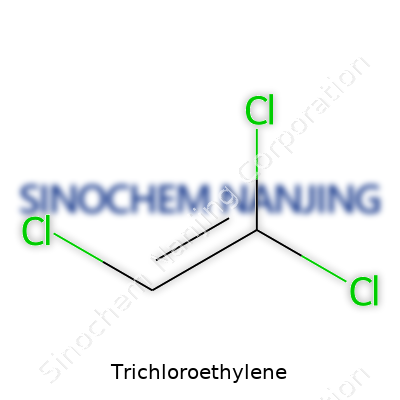
| Names | |
| Preferred IUPAC name | Trichloroethene |
| Other names |
TCE Ethylene trichloride Trichloroethene 1,1,2-Trichloroethylene Acetylene trichloride |
| Pronunciation | /traɪˌklɔːrəˈɛθɪliːn/ |
| Identifiers | |
| CAS Number | 79-01-6 |
| Beilstein Reference | 1209224 |
| ChEBI | CHEBI:27338 |
| ChEMBL | CHEMBL42837 |
| ChemSpider | 5378 |
| DrugBank | DB00108 |
| ECHA InfoCard | 100.001.095 |
| EC Number | 201-167-4 |
| Gmelin Reference | 786 |
| KEGG | C01439 |
| MeSH | D014245 |
| PubChem CID | 6576 |
| RTECS number | KX4550000 |
| UNII | KPC7FF48O8 |
| UN number | 1710 |
| Properties | |
| Chemical formula | C2HCl3 |
| Molar mass | 131.39 g/mol |
| Appearance | Colorless or blue liquid with a chloroform-like odor |
| Odor | Chloroform-like |
| Density | 1.46 g/cm³ |
| Solubility in water | 0.98 g/L (20 °C) |
| log P | 2.42 |
| Vapor pressure | 74 mmHg (20°C) |
| Acidity (pKa) | 14.0 |
| Magnetic susceptibility (χ) | −8.2×10⁻⁶ |
| Refractive index (nD) | 1.477 |
| Viscosity | 0.53 mPa·s (20 °C) |
| Dipole moment | 0.89 D |
| Thermochemistry | |
| Std molar entropy (S⦵298) | 282.7 J·mol⁻¹·K⁻¹ |
| Std enthalpy of formation (ΔfH⦵298) | -277.6 kJ·mol⁻¹ |
| Std enthalpy of combustion (ΔcH⦵298) | -2106 kJ/mol |
| Pharmacology | |
| ATC code | D08AX16 |
| Hazards | |
| Main hazards | Toxic if inhaled, causes skin and eye irritation, may cause cancer, suspected of causing genetic defects, harmful to aquatic life with long lasting effects |
| GHS labelling | GHS02, GHS07, GHS08, GHS06 |
| Pictograms | GHS02, GHS07, GHS08 |
| Signal word | Danger |
| Hazard statements | H351, H319, H315, H336, H401, H412 |
| Precautionary statements | P261, P271, P280, P301+P310, P303+P361+P353, P304+P340, P305+P351+P338, P308+P313, P403+P233, P405, P501 |
| Autoignition temperature | 410°C |
| Explosive limits | Lower 7.8%, Upper 11.8% |
| Lethal dose or concentration | LD50 oral rat 4920 mg/kg |
| LD50 (median dose) | LD50 (median dose): 4,920 mg/kg (oral, rat) |
| NIOSH | TXC |
| PEL (Permissible) | 100 ppm |
| REL (Recommended) | 25 ppm |
| IDLH (Immediate danger) | 1000 ppm |
| Related compounds | |
| Related compounds |
Tetrachloroethylene Dichloroethylene Chloroform Carbon tetrachloride Vinyl chloride |



