Toluene: Not Just Another Solvent
Historical Development
Toluene walked onto the global chemistry stage just as industry began to reach for more backbone in processes. Chemists in the nineteenth century sniffed out toluene by distilling pine oil and later realized it turned up in crude oil and coal tar. Over decades, this clear liquid quietly went from lab oddity to backbone of fuel, paint, and chemical manufacturing. Those gasoline-boom decades of the 20th century made sure toluene kept busy as a blending agent, a solvent, and an octane booster. Demand climbed in lockstep with the rise of mass production, plastics, synthetic fabrics, and a world chasing colors brighter and adhesives tougher.
Product Overview
Most folks who use toluene—whether in an auto shop, chemical lab, or paint factory—first notice the strong, sweet smell. Toluene isn't rare: manufacturers crank it out in bulk mostly from catalytic reforming of petroleum fractions at refineries. It’s found in plenty of everyday items, from nail polish remover to permanent markers, but its real power comes to light behind the scenes. For those in manufacturing, toluene makes complex formulas possible, letting paints go on easy, resins set smooth, and adhesives stay just the right mix of flexible and tough.
Physical & Chemical Properties
Clear as water and runny as it too, toluene boils at about 110 degrees Celsius—not much higher than a pot of soup. The liquid's sharp aroma gives away its volatile nature. Toluene dissolves greases and oils that water won't touch, a quality that made it popular in cleaning and degreasing. It sings in organic chemistry circles for its non-polar profile, dissolving plastics and resins that resist nearly everything else. Tack on low electrical conductivity and you find plenty of specialized uses where purity and performance count. These properties anchor its role in the toolbox of modern chemistry and industry.
Technical Specifications & Labeling
Any jug, drum, or container of toluene carries warnings and technical details rooted in decades of regulatory science. Pure toluene must meet tight chemical specs, such as minimal water and non-aromatic content, plus controls on benzene (a related, much riskier cousin). Labels on chemical containers give hazard signals, boiling points, fire warnings, and respiratory cautions in bold print. In many workshops, storage rules specify sturdy containers and extra ventilation, since the vapor builds up quick and can get dangerous if left unchecked.
Preparation Method
Pulling toluene from nature isn’t like picking apples. The most common route starts with crude oil’s aromatic fractions or coal tar left after coking. Refineries use reforming—cracking big hydrocarbons into smaller pieces—to goose up the levels of aromatics, then separate out toluene using distillation. It’s practical chemistry: heat up that refinery mix, pull off cuts that boil at the right temperature, purge impurities, and keep pushing for higher purity. Over the decades, plants have squeezed more toluene out of every barrel and learned to tweak purity for demanding applications, especially where contaminants would wreck sensitive downstream processes.
Chemical Reactions & Modifications
Toluene steps into the lab ready to play. The methyl group on its benzene ring makes it eager for substitution reactions, nitration, halogenation, and oxidation. Convert toluene to benzaldehyde, benzoic acid, or TNT—each well known and rooted in practical chemistry. Nitration of toluene lays the groundwork for explosives, while controlled chlorination produces intermediates for dyes and pharmaceuticals. Oxidation means the road toward substances that turn up in food preservatives and viral drugs. This flexibility means toluene supports whole chains of synthetic chemistry, passing the baton to products both everyday and indispensable.
Synonyms & Product Names
Long before chemical regulations demanded it, trade and common names swirled around toluene: methylbenzene, phenylmethane. Some older industries stick to “toluol,” a throwback from German chemical traditions. For regulators and scientists, the CAS number sorts out any confusion, assuming everyone respects the label.
Safety & Operational Standards
People working around toluene learn early to take its health impacts seriously. Inhaling vapor brings headaches, dizziness, and long exposure can attack the nervous system and liver. Regulatory limits usually cap workplace air at a few dozen parts per million, forcing in exhaust fans and good ventilation where toluene flows. You can’t just toss it down the drain, either—safe disposal measures prevent groundwater contamination and manage fire risk. Fire safety drills become second nature; the liquid ignites almost as easily as gasoline, so even a small leak turns into a hazard zone. That said, working with toluene safely isn’t rocket science. Training, readiness, and plain caution keep accidents rare.
Application Area
Toluene’s fingerprints can be found across plenty of industries, whether it’s oil and gasoline blending that keeps engines knocking less, or in paint solvents that let artists and automakers lay down smooth, vapor-fast coats. The chemical does serious work dissolving raw ingredients in adhesives, cleans up after electronics soldering, helps extract active compounds in pharma, and gives runways in rubber and tire production a chemical edge. Even folks working on flavorings and fragrances have used toluene as an extraction solvent before regulation stamped that out. Tech labs continue to rely on it for making advanced polymers and carbon materials.
Research & Development
Academic and industrial labs continue to push toluene chemistry beyond its historic roots. New catalysts promise greener, less wasteful conversion to fine chemicals. Some startups chase circular economy dreams, recovering toluene from post-use streams or finding bio-based routes starting with renewable sugars. Sensors for toluene, both for air quality and process analytics, now measure low concentrations in real time instead of just spot checks. Modern materials research often uses toluene as a solvent to process next-generation organic semiconductors or carbon nanostructures, pointing toward cleaner production methods, smaller devices, and less toxicity.
Toxicity Research
Science doesn’t ignore toluene’s downsides. Large studies in workers exposed to high concentrations have tracked increased risks for neurological effects, memory loss, and liver or kidney stress. Like many solvents, toluene crosses into the bloodstream quickly, and repeated exposure builds up harm over time, especially for those not using gloves and masks. Inhalant abuse once plagued some communities, leading to social and health struggles. Researchers now probe fine molecular details of toluene’s impact, showing how it interacts with proteins in the brain, alters metabolism, and drives changes at the genetic level. Awareness drives better protective regulations, smarter training, and pushes industries to seek safer alternatives where possible.
Future Prospects
Toluene won’t vanish from chemistry anytime soon, but calls for sustainability, worker safety, and environmental protection force the industry to think harder. Demand for greener solvents is nudging researchers toward biodegradable or less harmful substitutes, and process engineers squeeze harder to recover and recycle every drop. Plants aim to minimize fugitive emissions and wring out more value from each step in the supply line. In energy, toluene pops up as a potential liquid organic hydrogen carrier in some ambitious clean tech plans—no longer just a chemical workhorse but part of solutions for safer energy storage. Meanwhile, digital tools, stricter standards, and growing awareness about long-term health risks keep guiding how companies use, store, and dispose of toluene, grounding innovation in both ethics and evidence.
What is toluene used for?
Everyday Products Hide Surprises
Anyone who has ever painted a room, built a model airplane, or used nail polish remover has probably encountered toluene. The name doesn’t jump out the way “acetone” does, but it’s there, doing silent work behind the scenes. Toluene gives paints and coatings a silky smooth finish, helping everything go on without bubbles and drips.
The big players in construction and DIY, like paint thinners and varnishes, rely on this chemical for a simple reason — it dissolves substances that water can’t touch. Toluene cuts through stubborn globs, spreading sticky resins more easily, so the results look professional and last longer. Professional painters benefit the most, but even weekend warriors at home catch a break.
Chemistry Beyond the Paint Can
Digging a little deeper, the world of plastics wouldn’t run nearly as well without toluene. This chemical acts almost like a backstage coordinator, helping to make products such as polyurethane foam seats, synthetic rubber (think car tires), and a wide cast of adhesives. The process usually starts with toluene, before those materials get transformed into something with bounce or flexibility.
Few shoppers realize that a visit to the gas station puts toluene into play. Gas companies add it to boost octane ratings. This means engines run smoother, under higher pressure, with less knocking and pinging. Additives like this help keep cars rolling on busy highways and backroads alike, offering that bit of extra zip when stepping on the pedal.
Factories Lean on Its Power
Industrial settings favor toluene for more reasons than just cleaning brushes and thinning paint. In the world of electronics, you find factories using it to clean circuit boards before assembly. Electronics manufacturing doesn’t forgive mistakes, so a chemical that strips away grime and residues matters. Just a little trace of oil or leftover flux can ruin delicate connections, causing headaches far beyond the shop floor.
Printing inks and leather tanneries also bring toluene into the mix. The sharp, solvent smell lingers in some print shops and factories, hinting at the chemical’s presence. Here, it plays a part in inks spreading out evenly or leather turning smooth and supple. These may seem like small details, but any printer or cobbler chasing quality can spot the difference.
Health and the Environment Get Attention
Once someone realizes how common toluene is, the question of safety jumps to mind. There’s good reason for that. Toluene vapors can cause headaches, dizziness, or worse when inhaled at high levels. In my college days, a summer job at a hardware store meant unloading boxes filled with paint cans for hours. Strong ventilation made all the difference — otherwise, the sneaky fumes could turn a shift sour in no time.
OSHA, the EPA, and similar organizations have guidelines on handling toluene and other solvents safely. Simple habits, such as using gloves and working with windows open, keep problems at bay. Safer alternatives keep popping up, but for now, the best move is to respect what strong solvents do and keep exposure as low as possible both at work and at home.
Encouraging Smarter Practices for the Future
Finding ways to use less toluene or substitute greener ingredients in products remains the key to healthier workplaces and cleaner air. Companies testing water-based alternatives and eco-friendlier materials take an important step forward. The rest of us can choose low-emission paints and make sure we always read instructions for safe use. Every careful choice adds up.
Is toluene hazardous to health?
Understanding Toluene's Everyday Reach
Toluene sits on the ingredient list of a surprising number of products—cleaning solutions, paint thinners, glues, nail polish removers, and even some permanent markers. Plenty of people have worked with paint or household adhesives without thinking twice about what’s inside, but those familiar odors signal something more than a mess waiting to dry. Toluene, found across industries and DIY projects alike, raises genuine health concerns for anyone spending time around it.
What Toluene Does Inside the Body
Inhaling fumes or getting toluene on your skin isn’t like catching the smell of fresh-baked bread. Toluene moves fast through the lungs or skin into the bloodstream, winding up in major organs such as the brain and liver. People exposed to high concentrations, especially in unventilated spaces, often complain of headaches, dizziness, or a sense that their thoughts slow down. Forgetting tasks or struggling to focus is common in strong fumes. My own time in a college art studio, helping clean paint brushes, proved headaches and that odd sense of fatigue kick in easily if there’s not enough fresh air.
The World Health Organization links toluene to nervous system problems and suggests links to liver and kidney issues with ongoing exposure. Lab studies point to potential reproductive harm. It isn’t just workers at paint factories who need to keep an eye out—anyone around solvents can feel its effects when proper precautions get ignored.
Community and Worker Exposure Risks
Folks regularly exposed at work face the highest risk. The CDC and OSHA record cases of “painter’s syndrome,” a cluster of symptoms tied to years of breathing chemicals like toluene—trouble concentrating, memory loss, and sometimes mood problems that don’t go away. My uncle, who spent three decades finishing furniture in tight workshops, still talks about how coworkers would lose focus, even get irritable from long days around fumes.
Residential exposure creates concerns too. Children playing near recent home renovations, or families living close to industrial plants, can end up breathing in low but steady levels. Toluene also shows up in urban air, mostly from car exhaust. This adds pressure on neighborhoods already dealing with poorer air quality, which, over time, raises the odds of asthma and other chronic issues.
The Path Toward Safer Habits and Materials
Nobody needs a chemistry degree to protect themselves. Simple steps make a real difference. Good ventilation—opening windows, using fans—clears up fumes before they build. Gloves and masks cut skin contact and inhalation risks for those handling products day in, day out. For families, storing paint and solvents tightly sealed in garages instead of living areas goes a long way.
Product labels matter too. Less-toxic replacements exist for many cleaning and craft supplies. Using water-based paints and adhesives, avoiding unnecessary solvent use, or reaching for green-certified brands keeps home and workspace air cleaner. States like California have set limits on toluene in consumer products for just these reasons, showing that change is possible at scale.
Nobody expects the world to quit using solvents overnight, but there’s real power in knowing what’s in that bottle on the garage shelf. Keeping homes and workplaces healthier doesn’t cost a fortune or disrupt daily life—all it takes is some attention to habits and a willingness to switch things up. Toluene’s risks are real, but so are the tools to keep those risks in check.
How should toluene be stored and handled?
What Makes Toluene Really Tricky?
Toluene brings a sharp, sweet smell that sticks to your clothes and opens your eyes to how strong everyday chemicals really are. It’s flammable and pretty unforgiving if treated lightly. A spark from a busted light bulb or a cell phone left in the wrong place can make a storage room go up before you know it. The clear, colorless liquid might look harmless in a glass, but it attacks your nervous system in high doses and fills up your lungs before you catch on.
Good Storage Makes All the Difference
Anyone who’s spent time moving drums or jugs at a paint or auto shop knows that toluene can’t just be tucked onto an old wooden shelf. You want steel cabinets, grounded for static, with enough airflow to keep fumes from forming a dangerous cloud. Locking the cabinets gives peace of mind, especially in a busy place where folks look for quick fixes and might ignore warning signs. Fire-resistant storage stops accidents cold and slows down anything that goes wrong.
Labeling matters more than people admit. Bright, chemical-resistant stickers, clear hazard triangles, all the right words—those aren’t about satisfying some far-off inspector. They tell the part-timer or visitor what’s really inside if trouble starts. Mixing toluene with the wrong solvents—like strong acids or oxidizers—creates enough heat and fumes to make cleanup a nightmare, so separate storage space brings real value.
Practical Handling Tips Everybody Should Know
I’ve seen careless handling costs stack up at several workshops. Pouring or siphoning toluene with bare hands or T-shirts invites skin burns and headaches that last the whole day. The best shops don’t turn handling into a science project—they keep gloves, goggles, splash aprons, and face shields close by. Nobody relies on luck when their health is on the line.
Spill control counts for even more than packaging. Absorbent pads, neutralizers, and emergency showers all serve as your last defense when lids go loose or containers tip over. Shops with good habits clean up spills right away, bag the waste up as hazardous material, and keep detailed logs for local agencies. OSHA and EPA rules aren’t just paperwork—they become real fast after one fire call or ambulance visit.
Training and Real Accountability Save Lives
Training isn’t a yearly slideshow, in my experience. It comes from showing new hires how splash guards work, what “fume off” smells like, and which doors to avoid during deliveries. Managers pay for hands-on safety drills, not for compliance but for people’s lives. I’ve watched tight crews stop small leaks dead in their tracks, every step clear and rehearsed.
Smart storage and careful handling rely on everyone pitching in. Toluene never “just works out.” Routine inspections, quick fixes to cracked seals, grounded shelves, and routine training keep the worst from happening. Investing in proper cabinets, signage, and gear doesn’t just meet guidelines—it sends people home safe, week after week. The right choices always cost less than the price of a single accident.
What are the safety precautions when working with toluene?
The Real Risks Behind Toluene
Toluene shows up in paint thinners, glues, and cleaning agents. Most folks who use it know the sweet smell, but the fumes aren’t just annoying—they hit your nervous system and can mess with your lungs and skin. Short exposure can make a room spin and cause headaches. Breathing it for too long or getting it on your skin, and you can wind up with lasting nerve problems, memory trouble, or even liver and kidney damage.
Keeping Air Clear Means Everything
Working inside? Let’s talk air movement. Good ventilation stands as your best friend against toxic fumes. I learned early to keep doors and windows open wide, but that’s just the bare minimum. Local exhaust—the kind that sucks fumes straight out of your breathing space—turns a risky job into a manageable one. Some shops invest in fume hoods. I’ve seen places run box fans with open windows as a “quick fix,” but that barely cuts it when you’re handling gallons of the stuff.
Personal Protection—More than a Checklist
Nitrile gloves stay tough against splashes. Latex melts when toluene hits it, so always check your labels. Lab coats and chemical goggles block splashes—sounds simple, but I’ve watched co-workers tough it out in just T-shirts and cheap glasses. One accident with a knocked-over can left a friend with scars that could’ve been avoided by wearing sleeves and face protection. A half-face cartridge respirator rated for organic vapors helps with those jobs where ventilation alone can’t keep up.
Keep Fire Hazards on Your Mind
Toluene lights up quicker than most household solvents. Just one spark from a faulty power tool or static electricity while pouring, and things get out of hand fast. Static can build up just pouring liquid—grounding metal containers with a clip keeps everyone safer. Cigarettes, space heaters, or anything with an open flame belong nowhere near your workbench. I’ve made it a habit to always know where the fire extinguisher sits and run regular checks on electrical cords.
Proper Storage and Disposal
Don’t keep toluene in random soda bottles or coffee cans. It needs to go in sealed, properly labeled containers—metal works best, and many shops store them in fire-resistant cabinets away from exits and standards. Never pour leftover toluene down the drain. Local hazardous waste programs often accept leftover solvents, sometimes as easily as dropping off used oil. Rags soaked in toluene hold invisible danger; given the right conditions, they can start a fire on their own. Seal them up in metal cans with tight-fitting lids until waste pickup.
Training and Emergency Action—No Afterthought
Everyone in the workshop should know what to do if someone starts feeling dizzy or gets toluene in their eyes. Eye wash stations and showers stay essential—seconds count when an accident happens. Mixing up batches or transferring between containers brings most mistakes, so it pays to slow down, use funnels, and stay sharp. Regular training has spared me and my team more than once.
Creating a Safer Work Culture
No amount of safety signs fix risky habits if nobody speaks up. Honest conversations, real-life stories, and keeping safety gear right in reach beat out a thousand warning posters every time. Safety with chemicals like toluene sticks in your head when you see what happens after taking shortcuts.
Can toluene be mixed with other chemicals?
Understanding Toluene’s Place in the Lab and Industry
Toluene lives in many everyday products, hiding in paint thinners, nail polish removers, and cleaning solutions. Chemists and workers across industries recognize it as a familiar and reliable solvent. It makes sense; toluene’s knack for dissolving stubborn substances stands out, especially when tackling resin-based paints or adhesives. Outside of home improvement, factories and labs count on it for making rubber, explosives, and plastic bottles.
Risks and Complexities Beyond the Laboratory
Mixing toluene with other chemicals doesn’t always come down to a simple yes or no. Toluene remains flammable and toxic. OSHA and the CDC call out its health risks—dizziness, headaches, organ damage, and worse—if workers handle it without protection or sound ventilation. Ask anyone who’s spent time on a chemical plant floor: strict labels and loud warning signs keep the workplace safe for a reason.
Chemical compatibility brings another layer to the discussion. Take ethanol, acetone, or xylene. These solvents often partner with toluene in paint and varnish companies because their properties match. But reach for the wrong container, and mixing the wrong acid or strong oxidizer with toluene could spark fire, release toxic gas, or trigger a full-blown hazardous reaction. It’s not theoretical; incidents across labs and industry have led to injuries, costly clean-ups, and environmental damage.
Real-World Rules: What Actually Happens With Toluene Mixtures
Most experienced workers remember the rule: just because the liquids mix doesn’t mean they play well together. Even trusted solvents like Toluene and acetone bring unique hazards. Their volatility means one stray spark turns a routine job into a disaster scene. EPA records show that chemical spills involving toluene can harm water and soil for years.
In my experience—first as a chemistry student in cramped college labs, later inside factories—the real challenge comes from vigilance. Everyone feels tempted to skip a test or ignore a protocol for the sake of speed, especially after a few similar blends go smoothly. The trouble? Complacency invites risk. Even routine mixtures get unpredictable if the temperature changes, one compound contains an impurity, or the ventilation drops off.
Building a Safer Approach to Mixing Chemicals
Workers and hobbyists share responsibility here. Regulatory agencies set rules, but safety in mixing relies on grit, focus, and up-to-date training. For anyone handling toluene, the most important habits include checking the SDS (Safety Data Sheet) every time, storing incompatible chemicals apart, fitting the workspace with proper fume hoods, and wearing protective gear. Many companies use checklists and digital tracking systems to make sure nothing gets overlooked, even during busy shifts.
Recycling or safely disposing of leftover toluene mixes deserves serious attention. Community hazardous waste programs and industrial recycling prevent those chemicals from seeping into water or poisoning landfill workers. It takes extra effort, but the community’s well-being depends on this step.
Mixing toluene with other chemicals might sound routine, but it’s never simple. Personal protection, environmental stewardship, and vigilance separate a safe mix from a costly mistake.
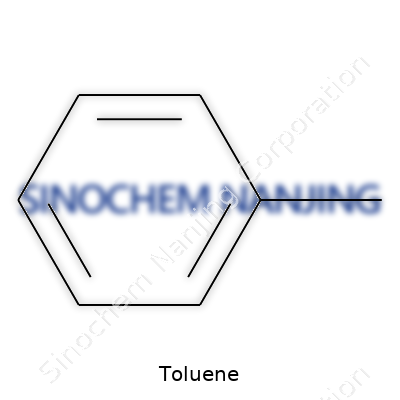
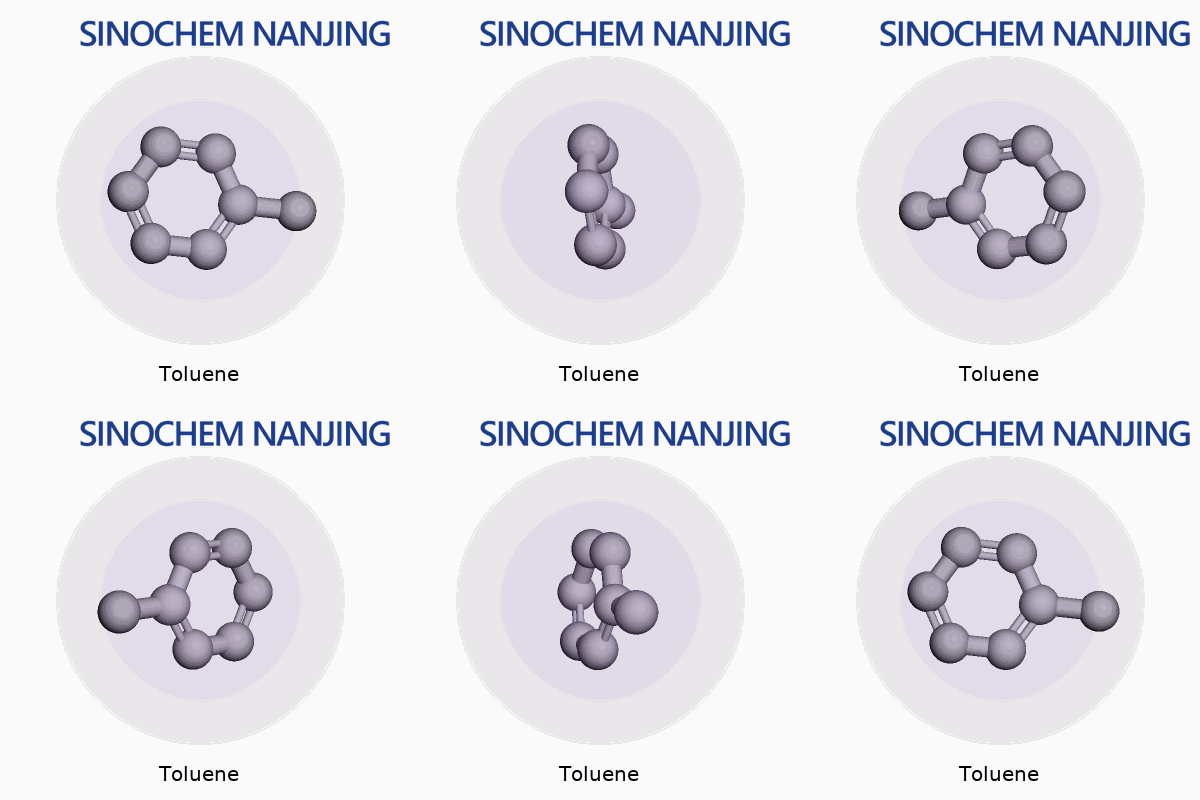
| Names | |
| Preferred IUPAC name | methylbenzene |
| Other names |
Methylbenzene Phenylmethane Toluol |
| Pronunciation | /ˈtɒl.juː.iːn/ |
| Identifiers | |
| CAS Number | 108-88-3 |
| Beilstein Reference | Beilstein 1908140 |
| ChEBI | CHEBI:17578 |
| ChEMBL | CHEMBL277238 |
| ChemSpider | 968 |
| DrugBank | DB01927 |
| ECHA InfoCard | 03c72c47-30f8-4634-ab6c-90c32be38da0 |
| EC Number | 601-021-00-3 |
| Gmelin Reference | 203 |
| KEGG | C01452 |
| MeSH | D014333 |
| PubChem CID | 1140 |
| RTECS number | XS5250000 |
| UNII | 3SY5LH9AII |
| UN number | UN1294 |
| Properties | |
| Chemical formula | C7H8 |
| Molar mass | 92.14 g/mol |
| Appearance | Clear, colorless liquid with an aromatic odor |
| Odor | Aromatic odor |
| Density | 0.867 g/cm³ |
| Solubility in water | 0.52 g/L |
| log P | 2.73 |
| Vapor pressure | 28.4 mmHg (20°C) |
| Acidity (pKa) | 43 |
| Basicity (pKb) | 28.9 |
| Magnetic susceptibility (χ) | −7.0 × 10⁻⁹ |
| Refractive index (nD) | 1.496 |
| Viscosity | 0.59 mPa·s |
| Dipole moment | 0.36 D |
| Thermochemistry | |
| Std molar entropy (S⦵298) | S⦵298 = 126.8 J·mol⁻¹·K⁻¹ |
| Std enthalpy of formation (ΔfH⦵298) | ΔfH⦵298 = 50.0 kJ/mol |
| Std enthalpy of combustion (ΔcH⦵298) | −3909.0 kJ·mol⁻¹ |
| Pharmacology | |
| ATC code | D08AX13 |
| Hazards | |
| GHS labelling | GHS02, GHS07, GHS08 |
| Pictograms | GHS02,GHS07,GHS08 |
| Signal word | Danger |
| Hazard statements | H225, H304, H315, H336, H361d, H373, H411 |
| Precautionary statements | P210, P233, P240, P241, P242, P243, P261, P264, P271, P273, P280, P303+P361+P353, P304+P340, P305+P351+P338, P312, P337+P313, P370+P378, P403+P233, P403+P235, P405, P501 |
| NFPA 704 (fire diamond) | 2-3-0 |
| Flash point | 4°C |
| Autoignition temperature | 480°C (896°F) |
| Explosive limits | 1.2–7% |
| Lethal dose or concentration | LD50 oral, rat: 5000 mg/kg |
| LD50 (median dose) | LD50 (median dose): 5,000 mg/kg (oral, rat) |
| NIOSH | NIOSH: XS5250000 |
| PEL (Permissible) | 100 ppm |
| REL (Recommended) | 100 ppm |
| IDLH (Immediate danger) | 500 ppm |
| Related compounds | |
| Related compounds |
Benzene Xylene Benzyl alcohol Benzaldehyde Cresol Cumene |



