Tert-Pentanol: A Deep Dive into Its Role, Risks, and Future
Historical Development
My experience working in process chemistry brings a certain respect for posts like tert-pentanol, also known as 2-methyl-2-butanol, which has managed to hang around laboratories and industry spaces for decades. In the years after World War II, chemical production ramped up to answer new needs in solvents, pharmaceuticals, and specialty chemicals. Tert-pentanol earned a spot in textbooks mostly because of its unique branched structure and the balance it strikes between volatility and stability. Early research in alcohol production aimed for cheap and efficient sources of fuels and additives, but chemists soon noticed this compound’s potential in areas where simple ethanol or more basic pentanols fell short. Its method of manufacture, through hydration of the corresponding alkene or reduction of pinacolone, marks a shift in how industries started chasing higher yields and purities by tweaking both batch and continuous methods. Over time, the way tert-pentanol is made has depended on shifts in feedstock prices and changing environmental rules, forcing constant adaptation.
Product Overview
Most folks outside the field might overlook the impact of a molecule like tert-pentanol, yet it serves as a bridge between fundamental chemical theory and practical reality. Unlike methanol or ethanol, which get all the fame for fuels and booze, tert-pentanol works behind the scenes. As a solvent, it dissolves compounds that stump straight-chain alcohols. It pops up in flavorings and fragrances because it can be shaped into esters with unusual notes—though those applications take care to respect strict toxicological standards. Its low toxicity in small amounts compared to some longer-chain alcohols has kept it in the running for those rare in-between jobs. Policies tightening on volatile organic compounds still call on tert-pentanol’s profile, especially when its unique properties solve problems other solvents can’t.
Physical & Chemical Properties
The first time I handled tert-pentanol in a teaching lab, I paid attention to its sharp, camphor-like smell—a clue to its branching, which changes how it interacts with both humans and machines. It sits as a colorless liquid with a boiling point around 102 to 104°C, melting near -16°C. This places it roughly between isopropanol and the higher n-pentanols when ranking volatility. Its density hovers about 0.81 g/cm³, showing the typical trend that branching in alcohols means slightly lower mass per volume than their straight cousins. Its solubility in water comes in moderate—enough for blending with some polar solvents but not quite the free-for-all you get with ethanol. The tertiary carbon keeps it less prone to oxidation, making it less likely to break down under air exposure, which helps for storage but changes fire safety.
Technical Specifications & Labeling
Labeling for tert-pentanol reflects the push toward transparent safety standards. From working directly with chemical suppliers, I’ve seen technical datasheets list it often at 99% or higher purity for lab or industrial use, tracked by gas chromatography. Even small impurities, such as water or lower alcohols, can change performance in downstream synthesis, so these details matter. I’ve never met a professional who ignores the clear flammability warning on containers of tertiary alcohols, and for good reason. Labels show the CAS number 75-85-4, and nearly every label warns against skin and eye exposure, nodding to its moderate irritant nature. Precautionary symbols, risk and safety phrases, and evaluation under REACH (in the EU) or TSCA (in the US) have become part of any reputable shipment, reflecting the slow but steady tightening of chemical tracking worldwide.
Preparation Method
Most plants today handle tert-pentanol production by hydrating 2-methyl-2-butene under acidic conditions, although some stick with the Grignard route starting from isobutylene derivatives. Acid-catalyzed hydration means the process might need corrosion-resistant reactors and careful neutralization of acidic waste. Having worked near such setups, I’ve seen how even slight changes to water content or catalyst strength can shift yields by a few percent, which adds up fast at commercial scales. Batch processes sometimes suit smaller orders for high-purity needs, but the chemistry really shines in continuous flow where the alcohol can be separated by distillation and scrubbed for impurities. Recent years have brought more chatter about greener methods, like using solid acid catalysts or water under supercritical conditions to trim down hazardous byproducts. From an operator's viewpoint, every tweak to cut energy use or waste wins favor—and regulators pay attention to spills, emissions, and worker exposure now more than ever.
Chemical Reactions & Modifications
Tert-pentanol sits at a crossroads of reactivity. The tertiary alcohol moiety resists oxidation more than primary or secondary variants, so it avoids turning into acids or aldehydes under mild conditions. When pushed under strong acidic conditions, dehydration forms the same alkene that’s used to make it, which comes in handy for equilibrium shifts. Esterification serves as perhaps the most valuable downstream reaction for flavor and fragrance makers. My own experience making tert-pentyl acetate comes to mind—this reaction easily goes to completion with acid catalysis and offers a less common ester profile for perfumers. Chlorination or sulfonation at the alcohol center runs into trouble, as the tertiary carbon’s bulk slows many reactions, but skilled chemists find ways to build complex intermediates from this backbone. Its structure limits certain modifications compared to n-pentanol but shields other sites, giving more control over selectivity in multi-step synthesis.
Synonyms & Product Names
Chemicals like these gather a long list of synonyms reflecting their checkered commercial and academic lives. In catalogs, you’ll see tert-pentanol labeled as 2-methyl-2-butanol, tert-amyl alcohol, and methylbutanol. Older literature sometimes calls it dimethylpropanol, especially in texts covering fermentation or early petrochemical work. For buyers, these naming traditions still create headaches—one has to cross-check not just names but also structural formulas to avoid mistakes in procurement or compliance. Now, digital inventory tools help, but for anyone reading older safety data sheets or patents, matching synonyms to current standards stays an everyday task.
Safety & Operational Standards
Spending time in plant environments, I’ve come to respect the safety culture around chemicals like tert-pentanol, not because it’s the worst danger out there, but because moderate hazards encourage complacency. Its strongest health effects stem from vapors irritating eyes and the respiratory tract. Spills on skin produce itching or redness, and its moderate toxicity on ingestion means that all containers need clear hazard pictograms. Fire risk climbs thanks to a fairly low flash point—around 45°C—so proper ventilation and grounding of containers go beyond box-ticking. Over time, focus on secondary containment, portable spill kits, and continuous monitoring has become non-negotiable for any facility handling bulk solvent. Training has shifted toward real scenarios—how a modest leak in a lab hood can spike room concentrations, or how improper storage next to acids may create reactive mixtures.
Application Area
Tert-pentanol quietly powers a range of industries, often in supporting roles. I’ve seen it featured in the formulating of brake fluids and anti-knock agents in fuels, where its volatility and combustion properties offer a mid-range solution between short-chain and longer-chain alcohols. In labs, it’s a trusted solvent for resins and dyes, especially when neither straight nor aromatic hydrocarbons do the trick. Perfume and flavor makers grab it or its esters for specific fragrance notes, but always double-check toxicology reports as regulators get tougher on synthetic additives. Even pharmaceutical research circles back to this molecule—its tertiary nature offers a side-door into building blocks that evade standard metabolic paths in drug candidates. Though some uses face restrictions as green chemistry and consumer safety standards rise, the flexibility of tert-pentanol keeps it a valuable item on many shelf lists.
Research & Development
The best R&D labs understand that molecules like tert-pentanol have more to offer than current applications suggest. Research has focused on both the chemical reactivity and how to source it more sustainably. Projects in the last decade keep circling around bio-based routes—fermentation pathways that could, in theory, kick in if petroleum feedstocks grow more expensive or face regulatory crackdowns. There’s steady interest in tweaking catalysts or starting materials to use less energy or produce less waste. The branch structure makes tert-pentanol a useful probe in studies of solvent effects, especially in reactions needing an unusual mix of hydrophobicity and hydrogen-bonding. Analytical chemists keep refining purity tests and trace-contaminant analysis—these advances let industries comply with tightening product safety laws. For safety research, focus tilts toward understanding chronic low-level exposure, looking for early signals of health effects among workers and in wastewater streams.
Toxicity Research
In practical toxicology, tert-pentanol behaves as a moderate hazard—never the worst in a lineup, but not one to take lightly. Acute exposure through inhalation or skin contact brings irritation; large ingestions can depress the central nervous system. Studies in animals show damage only at high doses, but the gap between industrial handling and animal studies reminds us why personal protective equipment matters even for “standard” solvents. Regulatory agencies classify it as an irritant, not a carcinogen, but long-term inhalation or accidental liquid contact still command respect in safety training. Biodegradation data show moderate persistence—a mixed blessing, as it lasts long enough in the environment to be measurable, but not so long as to be a persistent organic pollutant. For workplaces and researchers, reviewing new epidemiological data every few years helps refresh internal risk assessments and shape better standard operating procedures.
Future Prospects
With every round of regulatory tightening and supply chain shifts, tert-pentanol faces both new hurdles and fresh opportunities. The greener chemistry push keeps everyone searching for bio-derived or upcycled raw materials, yet the molecule’s unique properties make replacement tricky for certain formulations. As standards lock down tighter on what goes into flavors, fragrances, or specialty solvents, the future lies in transparency and traceability: smart manufacturing practices, tamper-proof supply chains, and greener production routes will carry credentials that buyers and regulators demand. New research into tertiary alcohols’ behavior in both living systems and technical processes points to more specialized uses ahead—maybe as solvent supports for emerging battery chemistries or safer intermediates in pharmaceutical pipelines. The field will keep balancing the legacy of reliable performance with mounting responsibility to safeguard workers, end-users, and the broader environment.
What is Tert-Pentanol used for?
The Stuff in the Lab Nobody Talks About
Most folks hardly notice the chemistry swirling through their routines, but tert-pentanol crops up more than you’d think. Its scientific name—2-methyl-2-butanol—sounds like something reserved for white coats and Bunsen burners. Yet, it quietly works in labs, factories, and even cleaning aisles.
Dissolving the Invisible: Solvents and Synthesis
In research, I’ve seen tert-pentanol used as a solvent. It gets chosen partly for its ability to mingle with both water and oil-like substances. Mix the right chemicals together, and it helps reactions run smoother or faster compared to options like its cousin isopropanol. It’s not as gentle-smelling as ethanol, but in the lab, performance often comes first.
Chemists rely on tert-pentanol because its branching makes it less likely to break down during a reaction. That matters for scientists working with sensitive compounds. Stir in tert-pentanol; results often turn out steadier and more predictable. For making flavors, fragrances, and drugs, little details like this keep the quality high and waste down.
Outside the Flask: Household and Industrial Roles
Labs are just the beginning. In the world of cleaning products, tert-pentanol pops up too. Some industrial and specialized household cleaners rely on its solvent power. Its molecular shape gives it a knack for breaking up greasy messes. I’ve watched maintenance crews in university buildings gravitate toward products that list it in the ingredients—grease in sinks and floors rarely stands a chance.
Paint and coatings often depend on tert-pentanol. It slows down how quickly liquids evaporate, letting paints level out and coatings set up with a smooth finish. I’ve painted apartments with DIY products using this blend, and touch-up jobs always benefited from fewer brush marks or weird clumps forming.
Making Pharmaceuticals Work Better
Drug makers often reach for tert-pentanol during the early stages. It helps shape molecules and extract certain active ingredients that refuse to line up with most other solvents. For some sedatives and muscle relaxants, safety rules around purity and dosage link back to properly using chemicals like tert-pentanol when making key compounds.
The Safety Conversation
On campus, safety training always covered handling tert-pentanol with respect. Its vapors irritate eyes and lungs in enclosed spaces. Skin contact is not recommended, either. Regulations push for ventilation, gloves, and eye protection during use. That step doesn’t scare folks off—it just points toward a culture of care that science and industry owe to their workers.
Compared to more common alcohols, tert-pentanol doesn’t show up on grocery shelves. You won’t find it in hand sanitizer. Yet, inside the chemistry of cleaning, painting, and drug synthesis, its role feels anything but minor.
Looking at Greener Paths
My chemistry mentors always pushed for less risky and more sustainable alternatives. Right now, tert-pentanol production mainly traces back to fossil fuels. Researchers tinker with bio-based sources and better recycling. Large companies keep an eye on rules about volatile organic compounds, nudging the field toward lower-emission substitutes.
The challenge falls on both manufacturers and users—to keep science moving without losing sight of safety and sustainability. Tert-pentanol may be a background player in that story, but anyone who has scrubbed a stubborn surface clean or watched a reaction come together knows its importance isn’t up for debate.
Is Tert-Pentanol safe to handle?
Everyday People Meet Lab Realities
Working with chemicals isn’t just a job for scientists in high-tech labs. Home hobbyists, students, and even DIY cleaners can come across exotic names like tert-pentanol. This alcohol, sometimes called tert-amyl alcohol, smells a bit like camphor and dissolves in water well enough to make it seem friendly. Dealers sell it in glass bottles, and you’ll find it in some cleaning solutions or as an intermediate for fragrances. The name might feel far from everyday life, but the risks don’t politely stay in chemistry textbooks.
Hazards Hide in Plain Sight
Let’s strip away the technical language. Tert-pentanol affects the body just like other stronger alcohols. The skin absorbs it, and lungs don’t take kindly to its vapors. Touching the liquid or breathing it in carries risks. Short exposures can cause headaches, dizziness, or nausea—most folks don’t expect that from a simple alcohol. Longer exposures build up bigger problems: the central nervous system slows, thinking grows fuzzy, and muscles feel heavy. Splashes sting the eyes, and spills could irritate the nose or throat.
Fire departments keep tert-pentanol behind locked doors for good reason. The flash point, roughly 40°C, means the liquid burns if left near heat. Even a knocked-over beaker and a spark become a recipe for trouble. Mixing tert-pentanol with other chemicals can release harmful fumes, not just alcohol smell. All that said, it still gets used by industry. Processes in pharmaceutical, rubber, or flavor manufacturing call for tert-pentanol’s properties. Technology depends on these raw materials, but that doesn’t erase the daily danger.
Poor Handling, Real Consequences
One late shift in an undergraduate chemistry lab showed me that unfamiliar names don’t mean “less risky.” One spill landed on the bench, the fumes lingered, and by the end of cleanup, my lab partner fought a headache. We had gloves and goggles, but the lab lacked steady airflow, so the stuff hung in the air. Watching a friend suffer through the effects of careless handling drove the lesson home—labels demand respect, no matter how rare the substance seems.
Plenty of stories say the same thing. Janitors using random bottles find their eyes watering when cleaning up unknown spills. Small business owners buy chemicals off the internet, certain they’re easy to manage. Minor slip-ups invite harm.
How to Keep Safe
Staying safe with tert-pentanol starts with a decent respect for the bottle. Always work in a spot with proper airflow. Open the windows, fire up the fume hood, or use outdoors if possible. Gloves and goggles matter. Stubborn odors signal exposure—the nose and eyes warn before lasting effects take hold.
Fire blankets and extinguishers need to sit close when using volatiles. No smoking, no open flames. Store the bottle where children can’t reach, away from heat or direct sunlight. Never pour leftovers down the drain—check local rules for safe disposal or contact a hazardous waste service.
The Bottom Line
Tert-pentanol keeps its risks quiet, but the dangers loom real. Knowledge, strong habits, and good gear keep injuries rare. With chemicals, overconfidence creates more victims than surprise.
What is the chemical formula of Tert-Pentanol?
Getting to Know Tert-Pentanol
Some people probably haven’t heard of tert-pentanol before. Its proper name is 2-methyl-2-butanol, and its formula is C5H12O. This compound doesn’t pop up in everyday conversation, but those with a chemistry background often find it in labs, especially in organic experiments. Tert-pentanol belongs to the alcohol family—a group familiar to anyone who’s ever cleaned with rubbing alcohol or sipped a glass of wine. Despite that, tert-pentanol isn’t something you want to drink or handle carelessly.
Structure Makes the Difference
Five carbons, twelve hydrogens, one oxygen. That’s the count that sets tert-pentanol apart. To break things down, “tert” means the oxygen is attached to a carbon at the center of a group rather than at the end—creating what chemists call a “tertiary” alcohol. This little detail, small as it seems, makes tert-pentanol less reactive in some settings than its straight-chain cousins and highly useful for people designing experiments or looking for a specific type of chemical reaction.
Importance in the World of Chemistry
Tert-pentanol might not sound vital, but there’s a reason it lands on the shelves of research labs. Its unique structure makes it a handy solvent and a starting material for all sorts of other chemicals. In my experience working with solutions and extractions, a tertiary alcohol like this can act as a stabilizer—keeping compounds separated or helping with purification techniques. It pushes reactions in certain directions, letting scientists fine-tune outcomes. For those working in pharmaceuticals, flavors, or fragrances, these properties make tert-pentanol a real workhorse.
Safe Uses and Public Health Concerns
It’s not all good news, though. Handling any laboratory alcohol brings risks. Tert-pentanol has a strong, sharp smell, and breathing in the vapor or spilling it on your skin can cause burns or other problems. That reminds me of my first days in the lab: the teacher stressed gloves and ventilation, habits that still stick with me. Fire is the other big concern. Like many organic solvents, tert-pentanol lights up fast and burns hot—accidents happen easily without the right storage and respect.
Accidental exposure or misuse could threaten more than lab workers. In 2020, a study from the CDC looked at chemical exposures, noting that accidental ingestion and handling of industrial alcohols like tert-pentanol lead to thousands of ER visits each year. The message is clear—training and careful lab practices aren’t optional.
Learning from Science and Searching for Solutions
Better labeling, improved protective equipment, and making safety protocols available to everyone reduce the chance of injury. Digital safety data sheets help, and so does clear communication between staff. Government oversight plays a role, too. Agencies like OSHA and the EPA monitor workplace safety and chemical releases, helping set rules for storage and disposal.
There’s progress being made on “greener” alternatives as well. Some researchers are developing chemicals that offer the same benefits with fewer risks, lowering the environmental impact and making labs safer. Still, chemistry education remains central—teaching young scientists not just what tert-pentanol is, but why it demands respect.
How should Tert-Pentanol be stored?
Why Storage Demands Attention
People sometimes forget how tough some chemicals can be. Tert-pentanol isn’t some harmless kitchen ingredient. I’ve spent enough time around labs and plant operations to know that treating it as “just another liquid” invites all kinds of headaches. Not every solvent gives off an odor strong enough to make you notice a tiny spill. This one does, and for good reason—tert-pentanol vapors feel rough on the nose and can mess with your head before you notice the spill grows. So storing it right matters not just for keeping a tidy shelf; it matters for safety and health.
Practical Storage Choices to Protect People and Property
Keep tert-pentanol in tightly sealed containers, and go for glass, stainless steel, or special plastics. Many labs mess up by using containers that don’t hold up. I once saw a cheap plastic jug start warping after just a few months of holding alcohols like this. It pays to know your materials.
Leave it in a cool and dry spot, away from open flames or anything that sparks. Fires at chemical plants often start with a simple mistake—a bottle near a forgotten heat source, an exposed wire, or something as basic as a stray cleaning rag. Tert-pentanol boils at a lower temperature, and those vapors can catch fire faster than a lot of folks realize. Flammable liquid storage cabinets cost extra, but that extra buys peace of mind.
Good ventilation helps too. Even in a storeroom, lingering vapors want to find the quickest path to your lungs. Make sure the air moves—installing fans or using chemical fume hoods keeps air fresh and helps keep workplace headaches away. At home, most people don’t keep solvents like this, but in classrooms, old labs, and creative studios, stale air can fool you into thinking you’re safe when you’re not. Fresh air makes a difference.
Label Everything and Don’t Cut Corners
A missing label on a solvent led to one of the worst nights I ever spent in a plant. Tert-pentanol won’t forgive sloppy recordkeeping. Mark every bottle with the chemical’s full name, the date it went in storage, and the source. That basic step stops confusion and prevents accidents.
People forget things. They rotate jobs, or a container gets moved and nobody knows what’s inside. Proper labeling and good logs keep new faces from making mistakes that put people in the hospital.
Getting Rid of Old or Contaminated Stock
Don’t dump leftovers down a drain or toss half-full jugs in the trash. Local waste handlers want you to call first before sending solvents their way, and for good reason—contaminated fluids poison water and hurt wildlife. Plenty of recycling programs help with alcohol recycling, and most chemical suppliers offer take-back schemes. This protects both your neighbors and the planet.
Training Beats Assumptions
Many injuries happen not because people ignore rules, but because nobody showed them where the rules come from. Honest, regular training saves lives. It also gives workers or students a healthy sense of respect for the stuff they’re working with. Tert-pentanol needs that respect. Walking through storage protocols, emergency steps, and good practices means fewer frantic calls and a safer workday for everyone.
What are the hazards of Tert-Pentanol exposure?
Risks in Everyday Settings
Tert-pentanol, also called tert-amyl alcohol, gets used in labs and manufacturing. Once, while working on a research team, I watched bottles of this chemical handled with thick gloves and constant ventilation. We had strict rules for a reason. This clear, alcohol-like liquid doesn’t look threatening—but a whiff tells you it isn’t the same as household rubbing alcohol.
Absorption and Immediate Effects
Take in the vapors or touch it to your skin, and most people notice a headache, dizziness, or even a burning feeling right away. Eyes sting. The throat gets scratchy. Some can feel confused or weak. This isn’t rare. The CDC notes these symptoms after short bursts of exposure. In my experience, workers underestimate the speed these effects come on. Someone spilled tert-pentanol on a sleeve, and minutes later couldn't focus. We rushed for the eyewash and emergency shower, and that quick action helped, but the lesson stuck. Gloves, fume hoods, and rapid responses aren’t optional.
Longer-Term Health Hazards
Short-term effects sound alarming, but breathing this vapor often, or getting it on your skin every week, piles on the damage. Over time, liver and kidney problems can start. It can also affect the central nervous system, which controls movement and language. There’s some evidence repeated exposure may raise the risk of long-term cognitive changes or organ toxicity, though studies remain limited. Most regulatory agencies set workplace limits on tert-pentanol vapor. Still, these limits only work if people respect them and test the air.
Fire and Environmental Risks
Tert-pentanol also brings a real fire danger. Its fumes catch fire at lower temperatures than water boils. A spark—sometimes static from taking off a sweater—can ignite the vapors in an enclosed lab. Fire drills and spill kits exist for situations like these. Once, during a routine inspection, a container lid turned out loose, and the strong smell warned everyone. We fixed it right away, and avoided a dangerous event. Small mistakes can snowball if ignored.
Protecting People at Work and Home
Good protection relies on practices as much as safety gear. Clear labeling, good ventilation, and personal equipment like gloves and goggles form the front line. Training matters just as much. A trusted health and safety manual gives everyone the information to react fast. Companies also need to keep air sensors calibrated, label everything, and strictly limit where chemicals are stored. Labs with active training and drills usually see lower injury rates, because crews know how to act instead of freezing up.
Reducing Unsafe Exposure
On top of safety routines, substitution makes a big difference. Some industries swap tert-pentanol with safer solvents, cutting risks before they show up. Wherever replacement isn’t practical, closed systems limit fumes escaping. Regular safety audits catch small leaks or forgotten stockpiles before accidents happen.
Safer Future Practices
Every place using or storing chemicals like tert-pentanol owes its staff honesty about hazards and a real plan for emergencies. Respect for training, clear labels, and quick cleanups protect people. As safer alternatives become easier to find, workplaces can trade risky chemicals for ones that don’t endanger health. Until then, the habits built around routine precautions keep everyone out of trouble.
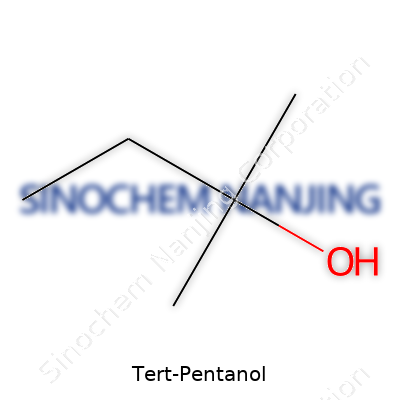
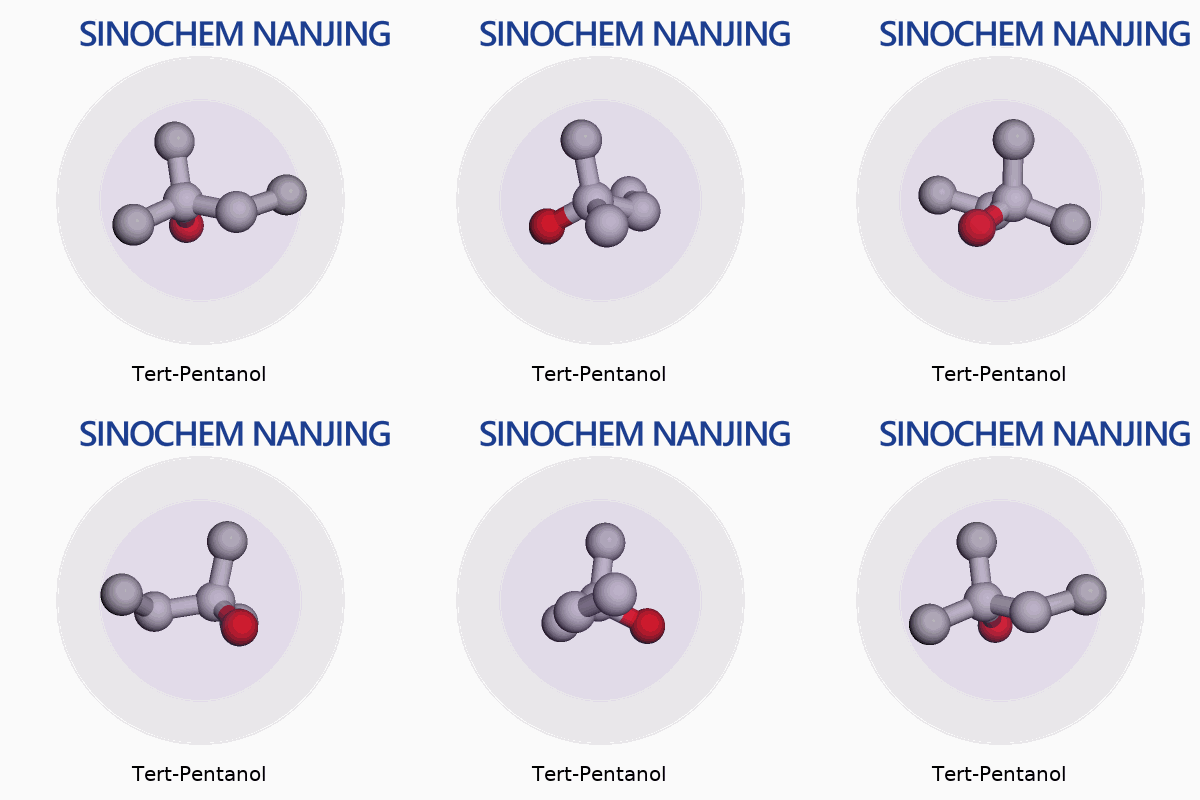
| Names | |
| Preferred IUPAC name | 2-Methylbutan-2-ol |
| Other names |
tert-Amyl alcohol 2-Methyl-2-butanol 2M2B |
| Pronunciation | /ˌtɜːtˈpɛntənɒl/ |
| Identifiers | |
| CAS Number | 75-18-3 |
| Beilstein Reference | 1718733 |
| ChEBI | CHEBI:37721 |
| ChEMBL | CHEMBL16360 |
| ChemSpider | 10988 |
| DrugBank | DB02638 |
| ECHA InfoCard | 100.162.134 |
| EC Number | 203-047-4 |
| Gmelin Reference | 9342 |
| KEGG | C02034 |
| MeSH | D054327 |
| PubChem CID | 12248 |
| RTECS number | SA9100000 |
| UNII | IPI1SLB1Z2 |
| UN number | UN1105 |
| CompTox Dashboard (EPA) | DTXSID2040729 |
| Properties | |
| Chemical formula | C5H12O |
| Molar mass | 88.15 g/mol |
| Appearance | Colorless liquid with a characteristic odor |
| Odor | Pungent |
| Density | 0.812 g/mL at 25 °C |
| Solubility in water | soluble |
| log P | 0.88 |
| Vapor pressure | 2.7 mmHg (20°C) |
| Acidity (pKa) | 15.9 |
| Basicity (pKb) | 15.2 |
| Magnetic susceptibility (χ) | -7.80 × 10⁻⁶ cm³/mol |
| Refractive index (nD) | 1.408 |
| Viscosity | 2.9 mPa·s (20 °C) |
| Dipole moment | 1.53 D |
| Thermochemistry | |
| Std molar entropy (S⦵298) | 130.7 J·mol⁻¹·K⁻¹ |
| Std enthalpy of formation (ΔfH⦵298) | –347.8 kJ/mol |
| Std enthalpy of combustion (ΔcH⦵298) | -3333.8 kJ/mol |
| Pharmacology | |
| ATC code | N07BB03 |
| Hazards | |
| GHS labelling | GHS02, GHS07 |
| Pictograms | GHS02,GHS07 |
| Signal word | Warning |
| Hazard statements | H226, H315, H319, H335 |
| Precautionary statements | Precautionary statements: P210, P280, P261, P304+P340, P312 |
| NFPA 704 (fire diamond) | 1-2-0 |
| Flash point | Flash point: 45 °C |
| Autoignition temperature | 220 °C |
| Explosive limits | 1.2–8.0% |
| Lethal dose or concentration | LD50 Oral rat 1320 mg/kg |
| LD50 (median dose) | LD50 (median dose): 1600 mg/kg (oral, rat) |
| NIOSH | SN4550000 |
| PEL (Permissible) | 100 ppm |
| REL (Recommended) | 50 ppm |
| IDLH (Immediate danger) | 1000 ppm |
| Related compounds | |
| Related compounds |
n-Pentanol Isopentanol Neopentanol |



