Tert-Butanol: A Closer Look at an Overlooked Alcohol
A Twist in the Timeline: The Historical Thread of Tert-Butanol
Ask a chemist about alcohols, and the conversation quickly moves to ethanol and methanol; tert-butanol rarely enters the spotlight. Its story, though, winds back to the late 19th century, where fiddling with different carbon frameworks led to a new shape for the simple alcohol group. Tert-butanol came into focus during the surge of organic chemistry’s golden age as chemists mapped out isomeric alcohols. The compound made its mark later in fuel research, as its branched structure set it apart from its linear cousins, shaping the way researchers understood volatility, combustion properties, and solvent capabilities. Interests in tert-butanol peaked during eras of fuel innovation and synthetic chemistry, tracing a path through petroleum refineries and into labs investigating new plasticizers and flavor compounds.
What is Tert-Butanol: Substance Behind the Name
At its core, tert-butanol is a branched-chain alcohol with the structural formula C4H10O. Among its synonyms, you’ll hear it called tert-butyl alcohol, 2-methyl-2-propanol, t-butanol, or occasionally pinacolyl alcohol in niche uses. The structure means this is one of the simplest tertiary alcohols, with three methyl groups hogging space around the central carbon, and the OH group giving it its alcoholic punch.
Hands-On with the Substance: Physical and Chemical Behavior
Tert-butanol shows up as a colorless, sometimes crystalline solid at room temperature. It gives off a sharp, camphor-like odor that sets it apart from much milder-smelling relatives. It mixes well with water thanks to its alcohol group, which lends it a solid niche as a solvent in many extracts and industrial cleaner blends. With a melting point just a hair above room temperature, a glass of tert-butanol left on the lab bench turns from solid to liquid as the air warms up by only a few degrees. Its boiling point sits just above 80°C, showing its volatile nature despite its bulky frame.
Technical Details and Labeling Nuances
On chemical labels you’ll spot the formula C4H10O or alternatively C(CH3)3OH. It is often flagged as flammable, an eye and respiratory irritant, and sometimes as hazardous to aquatic environments. These aren't just legalese—handling large quantities in poorly ventilated areas kicks up enough vapor to make working conditions uncomfortable and possibly unsafe. It falls under various regulatory codes, including those from OSHA in the US and the European REACH framework, both highlighting the need for clear labeling and smart handling.
Making Tert-Butanol: Industry’s Route and the Lab Approach
Industrial production usually starts from isobutene, thanks to its ready availability from oil refineries. Adding water to isobutene in the presence of acid catalysts nudges the reaction toward tert-butanol. In labs, chemists occasionally build it up from sodium or potassium salts of tert-butyl derivatives, then treat these with acid or water to drive off the target alcohol. Though the chemistry isn’t flashy, the relatively high yield and simple purification make it a repeat player in both scales, turning out tons for commercial needs.
Tert-Butanol in Action: Chemical Reactions and Potential for Tweaks
The story of tert-butanol’s reactivity shows a revealing twist—unlike primary and secondary alcohols, this one resists oxidation to acids. Its shield of methyl groups means potassium permanganate and other oxidizers mostly leave it alone. But exposure to strong acids leads to an eager elimination, tossing out water to create isobutylene, a feedstock for other plastics and intermediates. Chemists also use it to prepare tert-butyl ethers, which pop up in fuel blends to boost combustion and cut emissions. Some experiment with tert-butanol in Grignard reactions, or to deliver protective tert-butyl groups when synthesizing pharmaceuticals. Once in a while you find it acting as a freeze-point depressant or a flavoring ingredient, although food use stays tightly controlled.
Common Names in the Field
If you work in a warehouse or lab, you’ll hear “tert-butanol” or “t-butanol,” but paperwork often throws out “2-methyl-2-propanol” or “tert-butyl alcohol.” Regulatory lists and chemical inventories might shorten it even further or reference its CAS number, all depending on context and region. These flips between names can trip up even seasoned chemists, highlighting the need for clear communication on safety data sheets and delivery orders.
Working Safe: Handling Standards and Best Practices
Chemists and technicians treat tert-butanol with the same respect owed to volatile, flammable liquids. Standard practice means working in exhaust hoods, using splash-proof goggles, and keeping sparks away. Vapor buildup can overpower a room before the odor gets too strong, so storage in tightly sealed containers and regular checks for leaks figure into routine safety checks. Clean-up protocols stress fast response to spills, not only to prevent slips but to reduce the risk of inhalation or skin contact, as the alcohol acts as a moderate irritant. Disposal must follow hazardous waste rules, directed more by its flammability and aquatic toxicity than sheer human health risks.
Where Tert-Butanol Shows Up: Application Fields
Big facilities use tert-butanol as a solvent in manufacturing drugs, dyes, and coatings. In refining, it shines as an oxygenate in gasoline, aiming to boost octane and cut out some pollutants from exhaust pipes. The food industry flirts with tert-butanol-derived flavors, but oversight locks down its direct use in edible products. Some labs reach for it when building delicate organic molecules, counting on its unique mix of volatility and bulk to shape sensitive reactions. Even ice packs and anti-freeze blends sometimes tap into its ability to drop freezing points without stirring up the same toxic worries as methanol or ethylene glycol.
Research and Development: Science Still at Work
The scientific community sees tert-butanol not as a block to progress, but as a sturdy steppingstone for future fuels, pharmaceuticals, and materials. Research explores the impact of tert-butanol-based additives in cleaner-burning engines, and studies probe its unique influence when used as a co-solvent for challenging syntheses. In pharmaceuticals, tert-butyl groups remain a hot topic in medicinal chemistry, offering new ways to shield or release active molecules. These factors keep tert-butanol in the playbook for labs pushing toward greener, more specific chemistry with fewer unwanted byproducts.
Toxicity: Health and Environmental Impact
Most lab staff recall tert-butanol as a mild irritant that can catch workers off guard with headaches or dizziness after long exposure. Animal studies put its acute toxicity lower than methanol, but chronic exposure links to nervous system symptoms and possible liver strain. Environmental concern rises because this alcohol doesn’t quickly break down once it hits water, forcing wastewater treatment facilities to work harder. Certain states flag it for closer monitoring in industrial discharges, warning about long-term aquatic toxicity if concentrations spike. Responsible handling and tight effluent controls protect both workers and local waterways.
Looking Forward: Where Tert-Butanol Could Go
With regulatory pressure mounting on traditional fuels and growing demand for flexible, high-octane additives, tert-butanol stands to gain fresh attention. Its low toxicity and ready blendability give engineers an alternative to riskier substances like MTBE or benzene. Ongoing research into bio-based starting materials could one day let refineries produce tert-butanol from renewable sources, not just fossil ones. The pharmaceutical and chemical industries continue to explore its role in shaping new drug molecules and specialty polymers. As the world looks for smart ways to balance performance, cost, and safety, tert-butanol’s unique blend of properties moves it out of the background and into the conversation about cleaner technology and smarter chemistry.
What is Tert-Butanol used for?
Everyday Uses of Tert-Butanol
Tert-Butanol might not come up in a regular grocery store chat, but plenty of products around the house carry the fingerprints of this volatile alcohol. Sitting in labs across the world, it serves chemists because it mixes easily with water and a stack of organic solvents. Walk into any paint aisle, and you’ll find some thinners rely on tert-butanol for its ability to dissolve tough compounds without turning paints to sludge or giving off strong odors that stick around for days.
I've spent time cleaning out stubborn adhesives, and nothing breaks down residue quite like solvent mixes that include this chemical. Even pros in the auto or painting industry lean on tert-butanol when cleaning spray guns or prepping surfaces. For those industries, speed and reliability matter. Drying times stay predictable, and the finish comes out smoother.
Powering Industry Behind the Scenes
Beyond the hardware store and home, tert-butanol supports large-scale manufacturing. It plays its part in making flavors and scents, showing up as an ingredient to help build the flavor of chewing gum and some ice cream blends. Food scientists know how the smallest ingredient can shift a recipe, and regulations demand that food-grade chemicals meet high purity standards. Tert-butanol stays on that list of “safe in small doses,” which stems from years of research by regulatory bodies like the FDA and EPA.
Pharmaceutical companies trust tert-butanol as a building block for certain drugs. In my own reading about cold medicines and muscle relaxants, I noticed some rely on molecules made from this compound. Production managers look for consistency and reliable reaction times, and this molecule offers both. Medicines must land on pharmacy shelves with dependable quality, point blank.
Helping Fuel and Environment
Gasoline on its own burns fast and hot but leaves behind higher pollution. Certain alcohols get blended in to burn cleaner. Tert-butanol is one of these. The United States, Europe, and several Asian countries have blended small amounts into fuels to help lower emissions or meet government mandates. I’ve seen reports that show even the smallest changes in chemical mix can alter local air quality for the better.
Even after blending with gasoline ends, tert-butanol pops up as an oxygenate. It boosts octane, easing engine knocking and making engines run smoother. Mechanics know the frustration of a poorly running engine and welcome anything that knocks less. Fuel system companies keep integrating it for this reason, despite growing use of other compounds like ethanol.
Safety and Environmental Questions
Everybody using chemicals—lab techs, factory workers, and painters—relies on proper handling information. Tert-butanol evaporates fast, and inhaling too much can cause dizziness or headaches. I’ve seen clear signs in workshops cautioning about working with any alcohol-based substance, and tert-butanol lands on that list. Gloves, eye protection, and good ventilation count for more than simple box-checking.
Spill management in plants and fire hazards draw the attention of safety officers. Environmental teams track what washes down the drain to avoid groundwater contamination. Until a safer, more sustainable alternative takes over, careful use, recycling wherever possible, and solid oversight matter most in keeping people and water supplies protected.
Innovation and Looking Forward
Industry looks for ways to get more performance with less risk. Chemists, factory managers, and independent researchers keep experimenting—some explore bio-based production from renewable sources, hoping to leave a smaller carbon footprint than oil-based production. Cost, scaling, and regulatory hurdles all play a part in how quickly any transition happens. For now, tert-butanol handles tough jobs where precision, effectiveness, and reliability lead the list, but the search for greener, safer chemicals doesn’t stop.
Is Tert-Butanol hazardous or toxic?
Digging Deeper Into Tert-Butanol’s Health Effects
Tert-butanol sometimes catches chemists off guard with its sharp odor and its quick turn from liquid to vapor. This isn’t one of those compounds you find in a household product off the shelf, but it turns up in labs, the chemical industry, and certain fuel additives. If you’ve ever spent time in a lab with tert-butanol, its potency sticks in your memory. There’s a reason for that—exposure comes with real risks.
The United States Environmental Protection Agency lists tert-butanol as a volatile organic compound. You inhale its vapors, and your respiratory system reacts. Throat and nose irritation hit first. Spend enough time in a closed space with the fumes, and dizziness, headaches, or even a sense of drunkenness follow. I remember a technician once calling the lab director over after getting light-headed, not realizing that a small spill had released more vapor than expected. It’s a wake-up call—ventilation matters.
Short-Term Exposure: Not Just an Annoyance
Tert-butanol burns when it touches the eyes or skin. Accidental splashes happen, and the burning sensation is intense. Washing the area seems simple, but the discomfort lasts awhile. That short burning doesn’t paint the whole picture, though. More severe issues include nausea and potential central nervous system effects after high exposures—nobody wants to test this out.
Swallowing tert-butanol doesn’t top anyone’s to-do list. Swallowing even a modest amount brings vomiting, drowsiness, confusion, or in serious cases, coma and respiratory depression. Medical literature links larger ingestion to toxicity similar to alcohol poisoning, given how tert-butanol acts as a depressant. For workers and anyone near large quantities, the use of gloves and goggles matters. Safety data sheets warn clearly; ignoring them brings real risk.
Long-Term Hazards and Regulatory Action
The research into long-term exposure isn’t as conclusive yet, but animal studies have raised reasonable caution flags. In some studies, lab rodents developed tumors after extended, high-dose exposure. Scientists still debate whether these results translate to people, yet regulators keep an eye on new research. California labels tert-butanol as a chemical that could cause cancer, mainly to stay on the cautious side.
One study stands out for workers: repeated skin contact dries out and irritates the skin, sometimes leading to dermatitis. Many lab technicians switch gloves often and review procedures after even minor exposures. Preventing repeated exposure isn’t just about comfort; it means avoiding health issues that develop in slow motion.
Managing Risks At Work and Beyond
Not everyone in a lab faces the same risks. Chemists who run distillations or clean up spills work up close with tert-butanol more often, so fresh air flow, protective gear, and proper storage count for a lot. In places with good training and solid protocols, incidents plummet. Mistakes most often happen when someone skips a step or underestimates how reactive tert-butanol can be.
Disposal policies also stop environmental incidents. Tert-butanol burns cleanly, but direct dumping threatens water and soil. Disposal companies and hazardous waste teams handle it carefully under federal regulations. It takes discipline—a fact that everyone handling solvents learns quickly.
Staying Safe: Tools That Work
Education and training do more than any warning label. Experienced hands talk about spills or accidents openly so newcomers respect the hazards from the start. Anyone who uses tert-butanol adopts the practice of checking labels, airing out workspaces, using gloves, and keeping the chemical in closed containers whenever possible. These habits stick, because they keep people out of the ER.
Tert-butanol isn’t notorious compared to some chemicals, but its dangers shouldn’t slip anyone’s mind. The science, the law, and plenty of painful anecdotes all nudge people toward respect—and readiness—for the hazards this compound brings.
What is the chemical formula and CAS number of Tert-Butanol?
Understanding Tert-Butanol
Tert-butanol goes by the chemical formula C4H10O, and it lands in scientific databases under the CAS number 75-65-0. Folks who deal with chemicals every day know that these strings of letters and numbers come up more often than grocery lists. Knowing this exact formula and registration means safety data sheets reach the right hands, fire marshals know what’s in the storeroom, and companies avoid costly mistakes mixing incompatible substances.
Everyday Use and Public Safety
Even outside the chemical industry, we interact with things like tert-butanol more than we think. It acts as a solvent for materials in paints, inks, and fragrances. Some gas stations add it to fuel blends. I remember chatting with a friend working at a water plant. He said small spills from transport trucks could trouble drinking water supplies, which made me realize how quickly basic chemical literacy turns into real community health.
The formula and CAS number aren’t just trivia. I once checked a label at a construction site and spotted that familiar 75-65-0. A mistake here—choosing one alcohol for another—can upset everything from workplace safety to end product quality. Those numbers act as the silent backstage pass, giving workers a universal way to identify exactly what’s inside every barrel, drum, or bottle.
The Question of Risk
Like many chemicals, tert-butanol isn’t dangerous in every context, but it deserves respect. It’s flammable, and breathing in fumes can irritate airways. Fact sheets say it affects the central nervous system if ventilation in labs or factories doesn’t cut it. Years ago, at a vocational school, I saw learners race to finish projects. The smarter ones always paid just as much attention to lab labels as their class notes. These habits protect people and keep surprises to a minimum.
OSHA and similar agencies echo this advice. They print the chemical formula and CAS number on safety documents, so nobody wastes time hunting for basics during emergencies. Fires, accidental releases, or improper disposal all become easier to handle when information travels as quickly as accidents do.
Living with Chemicals: Practical Solutions
There’s a gap between research and real-world safety. Labeling must stay front and center, especially as chemicals get handed off across borders and shipping networks grow dense. Digital inventory systems help, but so does training—giving every staff member the confidence to recognize compounds by their identifiers. In old jobs, I found that walking the warehouse with fresh eyes caught more mismatched labels than audits ever did.
Regulation can always get better, but consistency starts on the shop floor and in the lab. If school curriculums treated chemical formulas and CAS numbers as everyday vocabulary instead of specialist jargon, fewer mishaps would make headlines. Tert-butanol, or C4H10O, proves this idea every day. Its formula and number turn a faceless liquid into a known quantity, helping people stay safe, businesses remain compliant, and communities avoid disaster.
How should Tert-Butanol be stored?
Understanding Tert-Butanol
Tert-Butanol is common in labs and found in plenty of industrial processes. People use it as a solvent and in the production of flavoring agents, just to give a few examples. This chemical comes with a sharp, almost medicinal smell. It's flammable and harmful to breathe, so nobody wants to take shortcuts dealing with it. I’ve worked in lab environments where handling alcohols like these can turn routine tasks into hazards without a proper approach.
Risks Are Real—Why Caution Matters
Tert-Butanol can catch fire quickly, even at room temperature. If you don’t store it right, leaks or vapor buildup might turn a supply closet into a disaster zone. One memory that sticks with me is cleaning up a spill before understanding how volatile these vapors can get. Vapors heavier than air drift along floors and reach open flames or sparks in places you wouldn’t expect. Cases from chemical safety boards show how poor storage habits, like using old or mismatched containers, have led to dangerous fires and injuries.
Picking the Right Storage Containers
Metal safety cans with spring-closing lids and flame arresters offer decent protection. Manufacturers design these for flammable liquids, not for drinks or water. Tert-Butanol can eat through plastics that aren’t rated for chemicals. Glass bottles with tight-sealing, chemical-resistant caps fit smaller amounts, but these belong in designated flammable storage cabinets. Keeping original labels visible, with all handling and hazard warnings, proves crucial during emergencies and regular inventory checks.
Keeping Temperature and Ventilation in Check
Flammable chemicals store best in cool, well-ventilated places. Temperatures should stay below 25°C (77°F). Everyone in science remembers the importance of avoiding sunlight or heat sources—direct sunlight or radiators raise the risk, even with safety cabinets. Vapors need somewhere to go. Good airflow, especially in chemical storerooms, carries those vapors out and away instead of allowing a slow buildup. Installing air extraction systems, like ventilated hoods or ductwork, helps a lot more than just cracking a window.
Isolation and Compatibility
One lesson hammered home in every chemical safety training: never mix storage space with incompatible substances. Tert-Butanol should stay separate from oxidizers like peroxides, acids, and nitric acid. Combining these makes things unpredictable—think explosions, intense heat, or toxic gas. Flammable-liquid cabinets with fire-resistant linings and proper signage help keep things isolated and organized. Recording what goes in and out of storage, and double-checking compatibility lists, saves everyone from unwelcome surprises.
Personal Safety and Routine Checks
Gloves and goggles are the bare minimum during any handling. Chemical-resistant aprons and proper footwear close off routes for accidental splashes. Regular inspection of containers catches leaks or crusted-over seals before they turn into worse problems. Spill control kits should sit close by, stocked with absorbents and neutralizers meant for alcohols, not just generic pads.
Planning for Problems
Every person responsible for Tert-Butanol storage should know the location of safety data sheets and follow site-specific emergency plans. Local fire codes give clear directions—exceeding those recommendations usually means better protection. Consulting with chemical hygiene officers pays off, especially for larger stockpiles or facilities near people and sensitive infrastructure. Accidents happen even with knowledgeable teams, but diligence and regular training make a real difference.
What are the safety precautions when handling Tert-Butanol?
The Risk Just Walking Past Tert-Butanol
Most people won’t bump into tert-butanol at the grocery store. In labs and factories, it’s much more common. With its flammable fumes and sharp, medicinal odor, this chemical never pretends to be harmless. Spill some on your hands, and you won’t forget: it stings, dries skin, and can sneak into your system fast.
Why Familiar Tools Matter
Old-timers in chemistry can remember the first time safety goggles fogged up from fumes. Tert-butanol only needs a few seconds to make eyes burn. Protective glasses stay on because the alternative is seeing everything through a red blur. A sturdy lab coat and well-fitted gloves seem simple, but they keep the stuff off your body. Once you feel that cold splash on your skin, you’ll want your gear every time.
Good Air Helps More Than Any Mask Alone
A lab with stale, still air makes every breath risky. Inhalation can bring headaches, dry coughs, and a strange taste that lingers for hours. That’s why fume hoods aren’t just for show. Strong, steady ventilation pulls vapor away, and after years of lab work, stepping outside the hood for just a second can end with regret. Good exhaust systems cost money, but no one regrets investing in actual breathing room. The CDC notes that repeated inhalation of tert-butanol aggravates the nervous system, so fresh air isn’t optional.
Handling Spills and Storage Like It's Routine
Some colleagues treat chemical spills as rare flukes, but new techs quickly learn spills happen in every lab. Tert-butanol spreads fast and evaporates faster. It shouldn’t meet sparks, open flames, or exposed heating elements. I remember one warehouse worker losing a week’s pay to repairs because a loose wire lit off a small puddle. Storing tert-butanol in tightly sealed containers and far from heat sources is the norm in places that take safety seriously. The National Fire Protection Association highlights that this chemical needs storage away from oxidizers as well.
No Substitutes for Real Training
Training sometimes feels tedious. Still, only regular drills get hands moving calmly in a real emergency. People need to know how to grab the right spill kit, ventilate a space, and wash a splash out of their eyes fast. Speed makes the difference between a minor scare and a hospital visit. Reports from OSHA often link injuries to basic gaps in safety culture—steps skipped out of routine, not intent.
The Value in Reading Chemical Labels
Labels can look crowded, but they hold keys to safer handling. Tert-butanol’s warnings about flammability and skin contact aren’t just legal fluff. Some workers run cleanups down to muscle memory, but missing a new hazard season or supplier’s tweak can lead to mistakes. Keeping a habit of reading every new shipment’s sheet keeps everyone in the loop and one step ahead of accidents.
Using Common Sense Backed by Real Data
Practical safety with chemicals doesn’t just come from fear—it grows from work crews sharing stories, experience, and updated research. For tert-butanol, the evidence stays clear: Respect for flammability, proper gear, ventilation, quick spill response, and solid training all combine for real risk reduction. By rooting careful habits in facts and hands-on routine, handling this solvent becomes just another day at work, not a gamble.
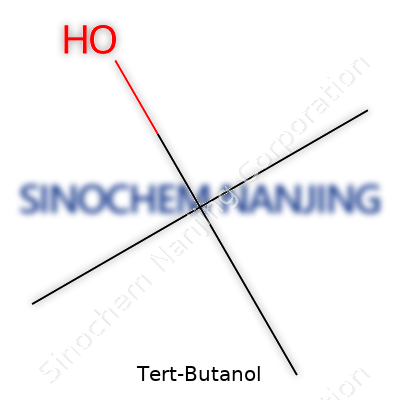
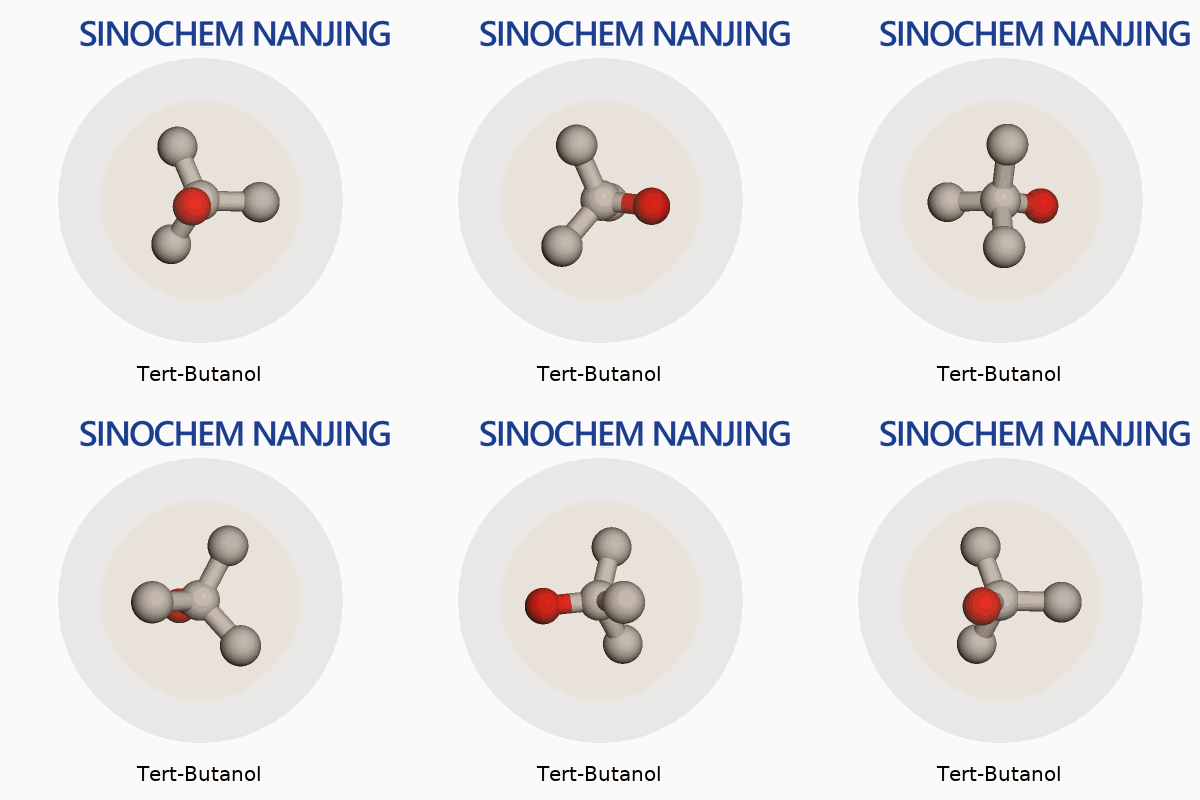
| Names | |
| Preferred IUPAC name | 2-Methylpropan-2-ol |
| Other names |
tert-Butyl alcohol t-Butanol 2-Methyl-2-propanol Trimethylcarbinol TBA |
| Pronunciation | /ˌtɜːrtˈbjuːtənɒl/ |
| Identifiers | |
| CAS Number | 75-65-0 |
| Beilstein Reference | 2697154 |
| ChEBI | CHEBI:45898 |
| ChEMBL | CHEMBL15360 |
| ChemSpider | 5767 |
| DrugBank | DB03171 |
| ECHA InfoCard | 100.112.963 |
| EC Number | 200-889-7 |
| Gmelin Reference | 83438 |
| KEGG | C00472 |
| MeSH | D015813 |
| PubChem CID | 6386 |
| RTECS number | EO1750000 |
| UNII | 3E8HAB4S2E |
| UN number | UN1120 |
| CompTox Dashboard (EPA) | DTXSID2020636 |
| Properties | |
| Chemical formula | C4H10O |
| Molar mass | 74.12 g/mol |
| Appearance | Colorless liquid or crystalline solid |
| Odor | Camphor-like |
| Density | 0.78 g/mL |
| Solubility in water | Miscible |
| log P | 0.35 |
| Vapor pressure | 40 mmHg (20°C) |
| Acidity (pKa) | 17 |
| Basicity (pKb) | 15.5 |
| Magnetic susceptibility (χ) | -7.72 × 10⁻⁶ |
| Refractive index (nD) | 1.387 |
| Viscosity | 3.15 mPa·s (at 25°C) |
| Dipole moment | 1.67 D |
| Thermochemistry | |
| Std molar entropy (S⦵298) | 84.0 J·mol⁻¹·K⁻¹ |
| Std enthalpy of formation (ΔfH⦵298) | -328.1 kJ/mol |
| Std enthalpy of combustion (ΔcH⦵298) | -2726 kJ/mol |
| Pharmacology | |
| ATC code | V03AB37 |
| Hazards | |
| GHS labelling | GHS02, GHS07 |
| Pictograms | GHS02,GHS07 |
| Signal word | Warning |
| Hazard statements | H225, H319, H336 |
| Precautionary statements | P210, P233, P240, P241, P242, P243, P261, P264, P271, P280, P303+P361+P353, P304+P340, P305+P351+P338, P312, P337+P313, P370+P378, P403+P235, P405, P501 |
| NFPA 704 (fire diamond) | 1-3-0 |
| Flash point | 11.7 °C |
| Autoignition temperature | 750 °F (399 °C) |
| Explosive limits | 2.4–11.0% |
| Lethal dose or concentration | LD50 Oral Rat 3500 mg/kg |
| LD50 (median dose) | LD50 (median dose): 3500 mg/kg (oral, rat) |
| NIOSH | KW2975000 |
| PEL (Permissible) | 100 ppm |
| REL (Recommended) | 150 ppm |
| IDLH (Immediate danger) | 800 ppm |
| Related compounds | |
| Related compounds |
Isobutanol tert-Butyl chloride tert-Butyl hydroperoxide tert-Butylamine Methanol Ethanol |



