Taurine: A Down-to-Earth Look at Its Development, Use, and Future
Historical Development
Taurine once got its name from ox bile, since that’s where it first appeared in scientific records in the early 1800s. Researchers noticed a simple molecule with a sulfur atom, but didn’t grasp its importance right away. People saw taurine as just another organic acid, tucked away in animal tissues. With time, chemists realized this molecule plays several roles in the body, especially in the heart and brain. Over the years, popularity soared as studies found links to heart health, liver support, and brain development. Today, taurine isn’t just a lab curiosity but a staple in energy drinks, nutritional supplements, pharmaceuticals, and pet foods.
Product Overview
Taurine features in a broad range of products. Powder and granule forms get mixed into energy drinks, sports supplements, and baby formulas. Pharmaceutical-grade taurine finds its way into tablets and injection solutions. Pet and livestock feeds rely on bulk taurine powder to support heart and eye health in animals that struggle to synthesize enough themselves. Food-grade taurine plays a key role as a nutritional additive in infant formulas, soft drinks, and fortified foods, following strict quality standards. Major suppliers provide taurine with detailed purity specifications and certificates, making it easier for formulators to meet both quality demands and regulatory requirements.
Physical & Chemical Properties
Taurine stands out because it is both an amino sulfonic acid and not an amino acid in the protein-forming sense. It appears as a white, odorless crystal or powder, easy to dissolve in water, giving it practical value in drink mixes and liquid supplements. Chemically, it’s 2-aminoethanesulfonic acid, with a molecular formula C2H7NO3S. This means it carries a sulfonic acid group instead of the usual carboxylic acid of amino acids. Melting point sits around 328°C, and taurine stays stable under normal storage. Its taste is almost nonexistent, so it vanishes into recipes or formulations without changing flavor—a real plus for the food and supplement world.
Technical Specifications & Labeling
Suppliers deliver taurine with rigorous technical documentation. Typical specs require a purity greater than 98%, often listed right on certificates of analysis. Moisture content holds tight—around 0.2% or less—since excess water leads to clumping or faster spoilage. Labels must specify source, batch, manufacturing method, and certification numbers for safety and traceability. Identity test protocols lean heavily on infrared or nuclear magnetic resonance (NMR) spectroscopy, confirming each batch’s identity. For food, beverage, or pharma use, labels call out whether taurine is synthetic or semi-synthetic, along with any allergens, to stay transparent to end-users. Regulatory agencies, including the US FDA and EFSA in Europe, maintain guidance on exact taurine content and allowable daily intakes in finished goods. These rules help guard public safety and ensure honest marketing.
Preparation Method
Early taurine production depended on animal extracts, but today’s supply runs almost entirely from chemical synthesis for ethical and economic reasons. Most taurine on the market forms through the reaction between ethylene oxide and sodium bisulfite to create isethionic acid, which is then ammoniated to yield taurine. This synthetic method slashes costs and provides high-purity product with minimal risk of contaminants. In some cases, cysteine—a natural amino acid—gets used as a precursor, oxidized and then ammoniated in a different industrial process. These methods produce the scale needed for global consumption, with stringent filtration, crystallization, and drying steps ensuring tight control over purity and physical form.
Chemical Reactions & Modifications
Taurine is chemically sturdy, but under lab conditions it can take part in reactions at both the amino and sulfonic acid sites. Researchers have built taurine analogs by attaching extra chemical groups, hoping to tune biological activity for drug development. Sulfonation of other molecules sometimes uses taurine’s unique sulfonic acid, adding water solubility or improved stability for specialized applications. In industrial chemistry, taurine lends itself as a raw material for surfactants and other niche products. Its resistance to typical acid/base conditions means it stays put when used in foods or beverages, which boosts shelf-stability in finished products.
Synonyms & Product Names
Beyond “taurine,” the compound circulates under names such as 2-aminoethanesulfonic acid, H2NCH2CH2SO3H, Tau, and Aminoethylsulfonic acid. In regulatory and commercial paperwork, buyers often spot these synonyms, depending on whether the product’s going into nutrition, pharmaceuticals, or animal feed. Energy drinks and supplement brands label taurine openly to emphasize its performance or “energy-boosting” angle. Meanwhile, veterinary applications sometimes shorten it to "Tau" for feed premixes. Pharmacological research texts stick to the full chemical title for clarity and traceability in experimental protocols.
Safety & Operational Standards
Across most uses, taurine ranks as a low-risk ingredient. Toxicological assessments by food safety authorities put it well below danger levels for humans and most animals. Industrial guidelines recommend basic PPE—dust masks or gloves—when handling raw powder to avoid irritation. Large-scale producers tackle safety with constant monitoring of airborne dust, spill containment, and thorough training for workers. Finished product testing requires assays for heavy metals, microbial counts, solvent residues, and physical contaminants. Each shipment comes with a chain-of-custody trail back to the batch. For food or beverage use, manufacturers often double up on third-party tests to guarantee no unlisted substances slip in. Animal feed suppliers need documentation showing taurine’s compliance with country-specific feed safety rules, especially for sensitive animals like cats, who can’t synthesize taurine and face health problems without it.
Application Area
Demand for taurine shows up strongest in energy drinks, with formulas that feature doses from 500 mg to 2,000 mg per can. Companies market taurine as a supporter of mental focus and endurance. Infant formula makers rely on taurine to mimic breast milk, reaching levels around 6 mg per 100 mL of reconstituted formula to support growth and neural development in babies who can’t nurse. Veterinary products, especially cat foods, depend on taurine supplementation since felines risk blindness and heart issues if diet lacks it. Medical research explores use of taurine in heart failure, diabetes, and liver diseases. Sports nutrition remains another fertile field, as exercisers seek out products that promise benefits for recovery and hydration. Some oral care products and topical ointments include taurine for its claimed antioxidant properties, keeping the product’s reach expanding each year.
Research & Development
Taurine keeps researchers busy, with new papers dropping on its roles in health and performance. Early hopes of major boosts in athletic performance hit some snags, but smaller benefits for heart health and hydration keep piling up in peer-reviewed studies. Basic science links taurine to calcium regulation, neurotransmitter function, and antioxidant protection, making it a versatile tool in the lab. Pharmaceutical R&D teams examine taurine derivatives for new medicines, especially for heart rhythm disorders, epilepsy, or liver injury. Some biotech companies work on fermentation-based taurine production to reduce chemical waste and environmental impacts, nudged by consumer interest in greener ingredients. Advances in analytics—especially mass spectrometry and metabolomics—deepen our understanding of how taurine moves through the body and interacts with other nutrients, opening up more targeted clinical trials.
Toxicity Research
Early toxicity checks placed taurine in a low-risk category, even at high intakes. Several animal studies gave repeated high doses, showing little harm apart from mild digestive upset at extreme levels. Human trials using energy drinks and supplements confirm acute safety in healthy adults, so long as daily intake stays in the 3 to 6-gram range set by leading health agencies. Some concerns point toward high taurine in combination with caffeine or alcohol, but clear links remain weak so far. Authorities urge caution for pregnant women or individuals with kidney disease, given uncertainties about extreme or chronic dosing. Testing continues to set more precise upper safe limits, especially as products containing taurine multiply and dosages rise in popular supplements.
Future Prospects
Rising consumer interest in health, sports nutrition, and pet care points to a busy future for taurine. Market analysts expect continued growth as more people turn to fortified foods, energy products, and preventive healthcare routines. Biotechnology firms researching more sustainable production draw attention from both industry and environmental advocates. As global populations age, taurine’s links to heart and brain health fuel development of targeted supplements for older adults. Big questions remain: will next-generation taurine analogs bring breakthroughs in pharmaceuticals? Will stricter regulations shape which products reach store shelves? The story of taurine hasn’t finished yet, and industry insiders, scientists, and end-users all play a part in writing the next chapter.
What is taurine and what does it do?
What Is Taurine?
Taurine turns up in a lot of places—most recognizably, the back of energy drink cans and in some sports supplements. Chemically, it’s considered an amino sulfonic acid. Despite being called an amino acid, taurine stands apart from the handful that build proteins. The body makes it naturally, mostly in the liver, using other amino acids like methionine and cysteine. The name comes from the Latin word for bull, but commercial taurine doesn’t rely on animal parts. Most manufacturers use lab-based processes to produce the ingredient found in food and drinks.
What Does Taurine Do in the Body?
Science sees taurine as a multi-tasker. The largest amounts show up in the brain, heart, and muscles. I remember reading a study out of Japan that put taurine’s role in heart health front and center. People with low taurine levels often face higher risk for heart failure and hypertension. It assists in keeping the heartbeat regular and supports the movement of calcium in and out of heart cells.
Taurine keeps the nervous system balanced as well. It helps dampen overstimulation in the brain. Some researchers believe it might help protect the brain from stress and age-related wear. Athletes sometimes swear by taurine for recovery because it seems to blunt some of the damage exercise causes in muscle cells. In hospital settings, newborns (especially preemies) sometimes get taurine in their nutrition formula since their bodies do not make enough on their own.
Do Energy Drinks Give You a Real Boost?
Energy drinks build their image on taurine’s supposed energizing effects. From personal experience, downing a can before a workout perks me up, but science links that boost more to caffeine than taurine. Controlled research shows taurine on its own doesn’t spike energy levels; instead, it might gently support focus and keep fatigue at bay. Some rodent studies suggest taurine may affect fat metabolism, but that research hasn’t shifted real health policy.
Too many cans in a short time—especially mixed with alcohol—raise bigger concerns. High doses combined with other stimulants have fueled debate among doctors and public health experts. Heart rhythm changes and even seizures have popped up in extreme cases, usually when people combine energy drinks with booze or other drugs. Moderation, in my experience, usually keeps things safe.
Taurine in Daily Life and Diet
The average person taking in a balanced diet gets some taurine from animal-based foods like meat, fish, and dairy. Vegans and vegetarians may get less, though most bodies churn out enough on their own. A 2022 global nutrition review flagged taurine as important mainly in special situations—premature infants, specific heart conditions, or rare metabolic disorders. Supplements, energy drinks, and powders do not bring much for the average healthy adult. Still, some sports nutritionists recommend it for older adults with heart disease.
Better Direction for Use and Understanding
Rather than fear or hype taurine, getting reliable information helps. Health professionals can screen for rare deficiencies. Sports nutrition should rely on peer-reviewed research instead of marketing language. Parents and young people need clear, up-to-date guidance on the real risks behind mixing energy drinks and other substances. Research continues, and like with anything in nutrition, the best results come from moderation and paying attention to the body’s signals.
Smart choices and balanced information always win. Reliable sources, regular checkups, and an honest look at reasons for using supplements put taurine in its proper context.
Is taurine safe to consume?
What Is Taurine?
A lot of folks spot taurine listed on the back of energy drink cans or on vitamin shelves at the grocery store. It’s an amino acid that the human body makes naturally. We don’t just get it from supplements or drinks, either—it’s in meat, fish, and some dairy. Our bodies put taurine to work in many places: supporting the heart, keeping the brain’s electrical activity in check, and helping move fluids around in our eyes. There’s never been solid science labeling it as a "miracle fix," but its reputation in the health world comes from some actual biological value.
Why Do So Many Products Boast About Taurine?
Coffee only takes you so far. Energy drinks or booster shots promise more, and taurine often gets marketed as the star player in that formula. In truth, most research finds that it doesn’t "energize" the body the way caffeine does. Instead, taurine helps regulate muscle contractions, keeps cell hydration balanced, and supports nerve growth and recovery.
What’s wild is many of these products pack several ingredients with stimulant effects—think caffeine, ginseng, and sugar—so pinpointing taurine’s exact role gets tricky. The headlines about unusual heart events after energy drink binges? They rarely implicate taurine on its own.
Digging Into the Research
I poked around for years in nutrition studies and sat with registered dietitians. Medical reviews tend to land in the same spot: taurine, by itself, hasn’t shown cause for alarm in healthy people at normal amounts. Clinical trials put it in doses up to 3,000 mg daily and watched for problems—nothing alarming turned up. The body flushes out what it doesn’t use, mostly through urine.
Problems seem to roll in when taurine lands in mega-concentrated drinks loaded with caffeine and sugar. The stimulant overload proves much more dangerous than the taurine. The European Food Safety Authority backed this up: energy drinks with less than 3,000 mg of taurine per serving didn’t cause toxic effects when used responsibly.
People with kidney issues, heart disease, or kids with developing bodies don’t get the same all-clear. Their bodies process things differently. Overdoing anything, including taurine and its entourage of caffeine or sugar, always flips the risk switch. The American Academy of Pediatrics came down hard against letting kids or teens have energy drinks; taurine didn’t get banned on its own, but the risk jumps with gobs of sugar and stimulants.
A Few Solutions and Smarter Choices
The best advice: check the label. Taurine by itself doesn’t usually present a threat to most folks. Two or three servings a week of energy drink or preworkout can slip by without issue for healthy adults. But daily use, plus more stimulants and sugars, ups the risk for jittery hearts or sleep struggles.
If you’re taking meds or have heart worries, ask a doctor before downing anything with extra amino acids or stimulants. Parents need to keep an eye on teens, who can swap sodas for potent boosters with little warning.
Eating a balanced diet brings in enough taurine for almost everyone. Most never need a supplement. Listen to your body and don’t follow hype from marketing. Chasing "boosts" the natural way—more rest, more water, real food—still beats any energy shot from a can.
What are the benefits of taking taurine supplements?
Understanding Taurine: More Than an Energy Drink Buzzword
Every time I see taurine written on an energy drink can, my mind drifts to late nights studying or finishing a grueling shift. For a long time, I only thought of it as fuel for the exhausted. But once you look beyond flashy marketing, taurine reveals itself as an amino sulfonic acid playing several roles in how our bodies function. Heart health, brain function, athletic performance—many people have started popping taurine capsules, hoping for a boost. Let's break down what taurine really does.
Heart and Muscle Support You Actually Feel
Doctors and nutrition experts have looked at taurine for its connection to heart health. Research in both humans and animals shows taurine helps regulate blood pressure and supports heart muscle strength. In Japan, where rates of heart disease remain far lower than in places with similar lifestyles, taurine intake stands out as a dietary difference. One long-term study followed people at risk for heart disease: those with more taurine from food appeared to have lower blood pressure and better cholesterol profiles. These are the kinds of results that hit close to home for those in my family who deal with high blood pressure or cholesterol spikes.
Brain Function and Mental Clarity
Beyond the body, taurine impacts brain health too. In medical research, taurine improved focus in people who struggled with cognitive fatigue—something I noticed during long stretches at a desk or during sleepless weeks. Scientists have suggested that taurine might balance signals between brain cells, making it easier to stay alert and process information. While it won't turn anyone into a genius overnight, people who struggle with attention or mental stamina sometimes report a difference once they add taurine to their routine.
Muscle Recovery and Exercise Performance
Athletes keep talking about taurine for a reason. During heavy exercise, muscle tissues use up taurine. Without enough, muscle cramps become more common, and fatigue shows up faster. In one study, men who took taurine supplements improved exercise capacity and reported faster recovery afterward. As someone who picks up sore muscles like trophies every spring, this research feels personal. Slipping a supplement into my daily routine after long runs often helped cut back on muscle tightness and that drained feeling the next day.
The Big Picture: Safety and Smart Use
Some trends around supplements should make people stop and think. Taurine has a strong track record for safety, with daily doses of up to 3,000 milligrams considered safe for most people. Medical experts still encourage a food-first approach, since seafood, meat, and dairy naturally carry taurine. Supplements work best to fill gaps, not replace healthy meals. Anyone with kidney or liver problems, or those taking specific medications, should talk to a healthcare provider before adding extra taurine. Side effects remain rare, but responsible use always trumps hype.
Where Do We Go From Here?
I see taurine as another tool, not a shortcut. People searching for better focus, more stamina, or stronger hearts can talk to doctors about whether a taurine supplement fits into their routines. Better labeling and more transparent research would help too, so we all know what we're getting and why. The next time I stand in line, energy drink in hand, I'll keep the bigger picture in mind—because what keeps you going shouldn't have to be a mystery.
Are there any side effects of taurine?
What Taurine Really Does in the Body
Step into any gym or open a popular energy drink, and taurine seems to pop up everywhere. Known as an amino sulfonic acid, taurine shows up naturally in your body, especially in the brain, eyes, heart, and muscles. Food sources—meat, fish, dairy—offer steady taurine for most people. Companies love promoting its supposed performance-boosting perks, but very few folks actually stop to ask whether it causes any harm.
Peeling Away the Hype: Common Side Effects
My own curiosity pushed me to talk with nutritionists and review scientific studies. After digging through the evidence, it’s clear that taurine side effects don’t look like what internet rumors suggest. Healthy adults usually handle standard dietary taurine without any trouble. Even research looking at doses given in supplements—1,000 to 6,000 mg daily—shows rare side effects. Occasionally, people mention minor stomach upset, headache, or feeling a bit queasy. Energy drinks, however, muddy the waters with stimulants and sugars that mask what taurine itself is doing.
Who Might Need Extra Caution
Not everyone sits in the clear. Folks with kidney problems or severe heart disease should talk to their doctor before loading up on taurine supplements. Some early research hints that those with bipolar disorder could see mood swings get worse, but the evidence feels thin for making sweeping statements. Mixing taurine with caffeine in energy drinks has drawn concern from health experts after a few high-profile cases of heart issues, mostly involving excessive consumption. Looking at taurine alone, the real risks show up at doses way above what anyone would find in food or the standard supplement aisle.
Kids and Teens: A Category of Their Own
Young people still growing should not be using taurine supplements without medical supervision. Most of the studies focus on adults, and long-term effects in kids remain a giant question mark. A diet with enough protein usually covers the bases for healthy youth. Doctors sometimes use taurine under careful watch in special cases, such as premature infants with rare disorders, but those situations differ wildly from grabbing a bottle of sports drink.
Cutting Through Marketing Noise
One thing that jumps out in my own experience: energy drink companies push products with wild claims, often wrapping taurine together with sugar and heavy doses of caffeine. The rapid kick from these drinks rarely comes from taurine but rather from stimulants. Public confusion grows when brands play up taurine as a “miracle” ingredient, glossing over the fact that most folks eating a balanced diet already get plenty.
Responsible Use and Practical Steps
Nobody wants to turn basic questions about health into a guessing game. Prioritizing whole foods over supplements tends to give our bodies what they require. For those thinking about taking taurine pills or powders, reading reliable sources and speaking to a skilled healthcare provider makes a lot of sense. The U.S. Food and Drug Administration lists taurine as “generally recognized as safe,” but that safety label assumes reasonable dosing. As with any supplement, more isn’t always better.
The Bottom Line for Everyday Folks
Taurine mainly poses little risk for most healthy adults who stick to normal food or mainstream supplement doses. Massive overconsumption has not been studied well enough to get the green light. Kids, people with certain health conditions, and those chasing bigger and bigger doses for athletic edge should take a step back and get medical advice. Staying informed, choosing whole foods, and keeping things moderate serve everyone better than buying into marketing noise.
Can I take taurine with other supplements or medications?
Taurine On Its Own
People reach for taurine looking for better focus, workout recovery, or energy. It’s a familiar sight in energy drinks and sports supplements. Taurine acts as an amino acid, helping with nerve function and hydration on a cellular level. Many see good results with daily use. But once bottles begin crowding the kitchen counter—magnesium, zinc, creatine, or a daily multivitamin—it’s fair to wonder if mixing everything together will improve things or make them worse.
The Issue with Mixing Supplements
Most folks don’t notice a problem tossing taurine into their daily lineup. Taurine gets along with common supplements like vitamin C, B vitamins, and magnesium. Years ago, I started adding taurine to a basic routine of magnesium and vitamin D after a doctor suggested it for muscle health in the winter. No side effects came up and energy felt steadier during the day. Science backs some of these combinations, showing that taurine and magnesium may help each other with blood pressure control and better sleep.
Things change as soon as prescription medication enters the picture. Taurine lowers blood pressure in some studies. If you already take anything for blood pressure or have a heart condition, adding taurine could tip the balance. Blood thinners, heart medications, and diabetes drugs deserve special caution—interactions don’t always show up right away, but a drop in blood pressure or blood sugar could sneak up and cause a problem. Nobody wants to wind up in the ER over a mix-up that seemed harmless.
Why Coordination Counts
Almost everyone I talk to feels a little overwhelmed sorting out which pills go together. Health info online gets confusing pretty fast. Even pharmacists get repeat questions about taurine’s safety and interactions, because most supplement labels don’t give people the full picture. A health care provider helps spot issues someone scrolling the web might miss. For instance, taurine mixes fine with caffeine in energy drinks, but too much caffeine, taurine, and pre-workout supplements can raise heart rate and blood pressure—leading to jitters or worse.
Labels on supplements rarely tell the whole story. I once tried a mix of taurine, B-complex, and a “focus blend” from a vitamin shop on a recommendation. The experience left me jumpy and wiped out by lunchtime. After checking with my doctor, I learned the blend also packed caffeine, which made the combination too much for my system. The lesson: read every label and check for hidden ingredients.
Smart Steps for Mixing Supplements Safely
A good rule is to list every supplement and medication in one place—whether they’re over-the-counter, prescription, or just something picked up at a health food store. Show this list to a doctor or pharmacist before adding taurine. Ask questions about how it fits in with your medications, daily routine, and overall health goals.
Quality matters, too. Stick with reputable brands and see that each product lists dosages plainly. Watch for red flags like “proprietary blends” that hide exact amounts. Road-testing a new combination shouldn’t feel like a gamble.
If a new issue comes up—headaches, heart palpitations, or digestive trouble—stop the mix and track symptoms. Trust how your body feels. Changes might seem minor, but they can add up. Open communication with a doctor helps fine-tune supplements so health goals don’t take a wrong turn.
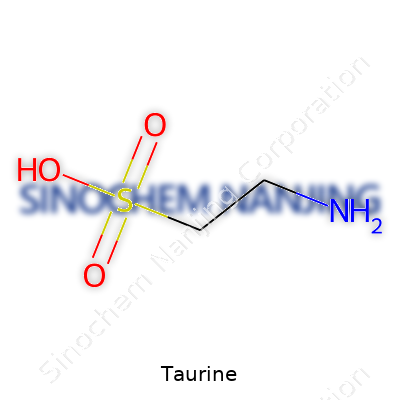
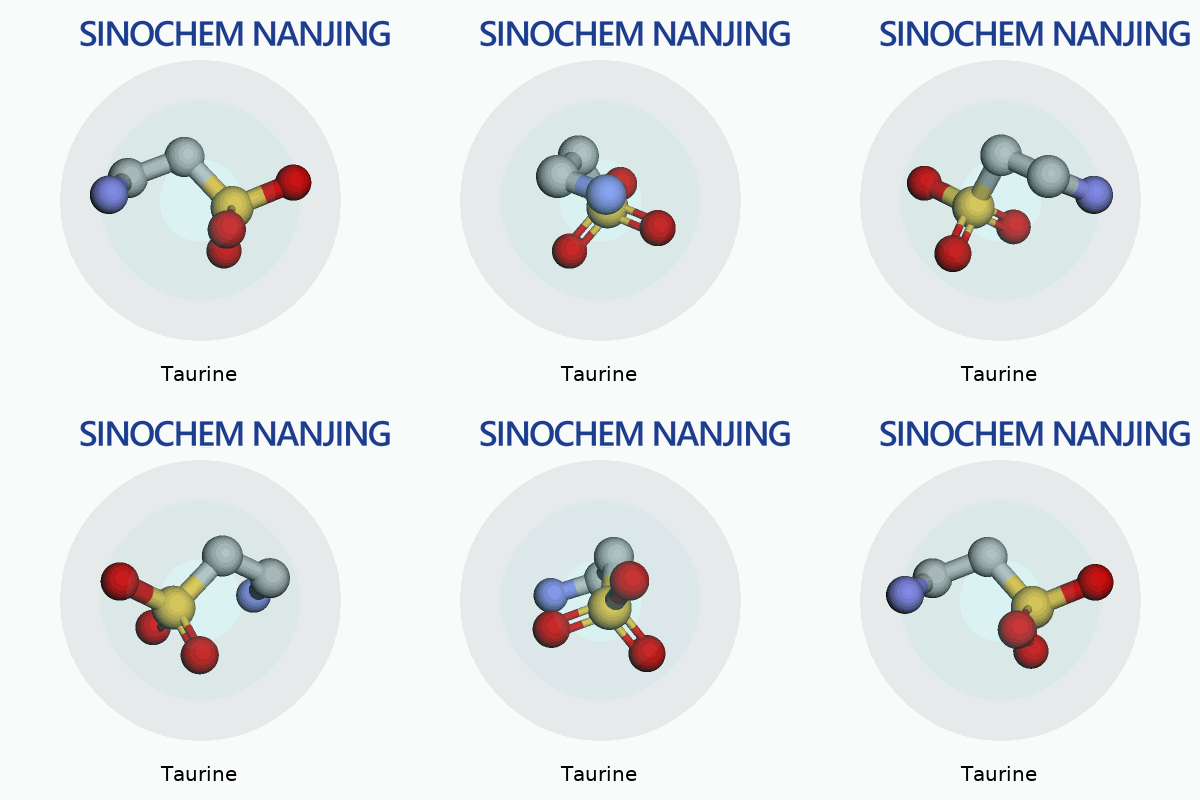
| Names | |
| Preferred IUPAC name | 2-aminoethane-1-sulfonic acid |
| Other names |
2-aminoethanesulfonic acid Tauric acid Aminoethylsulfonic acid |
| Pronunciation | /ˈtɔːriːn/ |
| Identifiers | |
| CAS Number | 107-35-7 |
| Beilstein Reference | 1718735 |
| ChEBI | CHEBI:15891 |
| ChEMBL | CHEMBL1137 |
| ChemSpider | 986 |
| DrugBank | DB01942 |
| ECHA InfoCard | echa.europa.eu/information-on-chemicals/infocards/100.010.555 |
| EC Number | 200-868-2 |
| Gmelin Reference | 57713 |
| KEGG | C00245 |
| MeSH | D013686 |
| PubChem CID | 1123 |
| RTECS number | WS0940000 |
| UNII | YU55MQ3IZY |
| UN number | UN3077 |
| CompTox Dashboard (EPA) | DTXSID7023297 |
| Properties | |
| Chemical formula | C2H7NO3S |
| Molar mass | 125.15 g/mol |
| Appearance | White crystalline powder |
| Odor | Odorless |
| Density | 1.00 g/cm³ |
| Solubility in water | Very soluble |
| log P | -2.8 |
| Vapor pressure | Vapor pressure: Negligible |
| Acidity (pKa) | 1.5 |
| Basicity (pKb) | “Taurine has a pKb of approximately 5.77.” |
| Magnetic susceptibility (χ) | -46.6·10⁻⁶ cm³/mol |
| Refractive index (nD) | 1.607 |
| Dipole moment | 3.5404 D |
| Thermochemistry | |
| Std molar entropy (S⦵298) | 143.6 J·mol⁻¹·K⁻¹ |
| Std enthalpy of formation (ΔfH⦵298) | -577.8 kJ/mol |
| Std enthalpy of combustion (ΔcH⦵298) | -358.0 kJ/mol |
| Pharmacology | |
| ATC code | A16AA27 |
| Hazards | |
| GHS labelling | GHS07, GHS09 |
| Pictograms | ☠️⚡💊 |
| Signal word | Warning |
| Hazard statements | H315: Causes skin irritation. H319: Causes serious eye irritation. H335: May cause respiratory irritation. |
| Precautionary statements | Keep container tightly closed. Store in a cool, dry place. Avoid breathing dust. Wear suitable protective clothing. In case of contact with eyes, rinse immediately with plenty of water and seek medical advice. |
| NFPA 704 (fire diamond) | 0-1-0 |
| Flash point | > 230 °C |
| Autoignition temperature | 400 °C (752 °F; 673 K) |
| Lethal dose or concentration | LD50 (oral, rat): > 5000 mg/kg |
| LD50 (median dose) | LD50 (median dose): 5,000 mg/kg (rat, oral) |
| PEL (Permissible) | Not established |
| REL (Recommended) | 500–2000 mg per day |
| IDLH (Immediate danger) | Not listed |
| Related compounds | |
| Related compounds |
Homotaurine Isethionic acid Peptone Taurultam |



