The Real Story of Sulfuryl Chloride: More Than Just a Chemical Reagent
Historical Development: From Curiosity to Cornerstone
Sulfuryl chloride has earned its place in the annals of industrial chemistry. It didn’t pop up overnight. Pioneers in the late 19th and early 20th centuries tinkered with reactions involving sulfur dioxide and chlorine, searching for easier ways to make organochlorine compounds. Early chemical industries recognized that this substance could transform sluggish, messy chlorination into a much cleaner affair. As chemical manufacturing expanded, sulfuryl chloride stood out for its versatility and knack for enabling highly specific reactions. The World Wars, with their demand for new materials and explosives, drove research forward, stretching the capabilities of this compound. This history demonstrates how advancements owe much to persistence and curiosity before profit and patents entered the scene.
The Stuff Itself: Smell, Appearances, And What’s Inside
In plain sight, sulfuryl chloride comes off as a colorless to slightly yellow liquid with a sharp, unpleasant odor. Truth be told, the smell is more than a warning; it's a built-in alert system to caution handlers. It packs a heavy punch in terms of reactivity. With a boiling point a little above room temperature and high vapor pressure, it does not sit patiently in its bottle, begging caution even before the cap comes off. Its formula, SO2Cl2, tells us it's related to both sulfur dioxide and chlorine, which helps to explain its unique behavior. It dissolves in organic solvents but breaks down instantly in water, releasing sulfuric and hydrochloric acid—an unforgiving combination.
Technical Specifications & Labeling: The Facts That Matter Most
Labels tend to read like a roll call of hazards and warnings instead of a sales pitch. Most suppliers squeeze out a sulfuryl chloride at over 98% purity, intended for lab and industrial use. Strong corrosion and toxicity mean it sports hazard symbols for gas under pressure, corrosiveness, and acute toxicity. That insistence on correct labeling goes beyond bureaucracy. Poor handling of this substance has caused countless accidents—spills, toxic exposures, and equipment failures. Labels remind us that this is a chemical with a track record, and ignoring those warnings carries consequences.
Making Sulfuryl Chloride: Time-Refined Methods
Making sulfuryl chloride doesn’t call for wizardry, but absolute rigor in practice. Factories combine sulfur dioxide gas and chlorine, relying on either sunlight or a catalyst like activated carbon or charcoal to push the reaction. The result, SO2Cl2, condenses into the liquid that’s then purified through distillation. This synthesis has changed little in decades because it works and fits the requirements of both efficiency and cost. Cutting corners or skipping proper ventilation can result in disaster. With new calls for greener manufacturing, researchers today examine alternative energy sources and safer plant designs, though SO2 and Cl2 remain the key players in its manufacture.
Chemical Reactions & Tweaks: The Heart of its Value
Put sulfuryl chloride in a room with organic chemists and you’ll hear talk about chlorination, sulfonation, and synthesis. It often adds chlorine to hydrocarbons, offering a clean alternative to old-school chlorine gas methods. The chemical decomposes in water into sulfuric acid and hydrochloric acid, making water-based cleanups risky or even dangerous. In the lab, reactions involving sulfuryl chloride provide ways to introduce sulfonyl and chloride groups to molecules, yielding dyes, pharmaceuticals, agrochemicals, and specialty polymers. Chemists sometimes use it as a chlorinating agent in the synthesis of acyl chlorides, sulfonamides, or in oxidations. This range of applications explains why demand keeps ticking upward, even as safety calls for ever-tighter controls.
Synonyms & Product Names: Many Names, One Legacy
In catalogs and research papers, sulfuryl chloride goes by several names. Some refer to it as sulfuric dichloride, while others use the older English spelling sufuryl chloride. In industry, you might spot abbreviated labels like SO2Cl2 or read about it as a “chlorinating agent.” The varied naming history reflects chemical naming conventions more than commercial branding, which helps researchers track older literature and avoid confusion with similar compounds.
Safety and Operational Realities
Ask anyone who’s spent time with this chemical: respect and preparation save lives. Vapors damage eyes, lungs, and skin in seconds, so operators suit up in acid-resistant gloves, goggles, aprons, and—when working outside fume hoods—full face protection. Proper ventilation is non-negotiable. Facilities now monitor continuously for leaks, and storerooms come equipped with acid-neutralizing kits and emergency showers. Training routines stress exactly what to do in emergencies, since simple errors can cascade fast. Despite warnings, accidents persist, often tied to inexperience or failure to swap out worn-out equipment. Safety comes down to vigilance, investment in infrastructure, and an uncompromising attitude toward PPE and response planning.
Where Sulfuryl Chloride Makes Its Impact
Factories making pesticides, detergents, pharmaceuticals, and even some polymers rely on this chemical at key stages. Agrochemical companies use it to introduce chlorine into complex molecules, impacting everything from weed control to insecticide effectiveness. Dye industries depend on its reactivity for producing pigments that don’t bleach out or fade quickly under sunlight. Pharmaceutical explorers value it when synthesizing certain active molecules, particularly when old reagents fail to give predictable yields. Municipal water facilities no longer favor direct application, but process chemists in wastewater treatment still consult sulfuryl chloride protocols for troubleshooting difficult contaminants. Each field leans on this chemical for its ability to deliver reliable, specific transformations—despite the ever-present safety risks.
Research & Development: Fresh Approaches and New Cautions
R&D labs tackle sulfuryl chloride’s dark side by searching for safer substitutes and new reaction controls. Projects focus on limiting by-products, reducing worker exposure, and capturing emitted gases before they vent into the environment. Automated reactors, miniaturized flow systems, and advanced containment gear now define the bleeding edge of process improvement. Researchers investigate catalytic systems and energy-efficient approaches to meet tightening regulations. Some experiments use light-activated catalysts or harness microwaves to shrink reaction times and improve selectivity. Investors and companies see promise in green chemistry, knowing that regulatory fines and public backlashes are unforgiving when incidents or pollution arise.
Toxicity Research: Weighing Hidden Costs
Years of handling accidents and animal studies leave no illusions about the toxic load. Even brief exposure to vapors irritates the eyes and upper respiratory tract. Prolonged or repeated contact can result in lasting lung damage or chemical burns. Long-term data on chronic exposure show links to asthma-like symptoms and potential liver and kidney effects. Regulatory agencies like OSHA, NIOSH, and the EU flag strict permissible exposure limits, reinforcing the need for airtight operations. In large doses, the risk escalates to life-threatening lung damage. The need to track and contain emissions after accidents explains why local communities question siting of manufacturing plants near residential zones.
Looking Ahead: Life After Sulfuryl Chloride
The future of sulfuryl chloride contains both promise and pressure. On one hand, markets still rely on its efficient, high-yielding chemistry. As new demand springs up for specialty polymers and pharmaceuticals, production shows no sign of slowing down. On the other, calls for sustainable chemicals and cleaner technology grow louder. Regulatory authorities weigh new restrictions, especially as environmental groups highlight its high hazard profile and legacy of spills. Emerging tech like continuous-flow reactors promises to cut risks by minimizing human involvement, but adoption takes time and real investment. The push toward safer work environments, greener alternatives, and stricter monitoring is not going away. Progress depends on the willingness of industry leaders, researchers, and regulators to rethink every aspect of its use—from synthesis to disposal. The next chapter hinges on balancing essential chemistry with greater accountability—to protect workers, neighbors, and the earth itself.
What is sulfuryl chloride used for?
An Unsung Workhorse in Modern Chemistry
People rarely talk about sulfuryl chloride at dinner tables, but those who dig into chemistry know it crops up in some surprising places. The stuff doesn’t grace magazine covers or take credit for its work, yet it does a lot for medicine, agriculture, and industry. My own curiosity about chemical manufacturing led me to labs where this colorless, fuming liquid regularly finds a place on shelves—usually behind lock and key. If you’re picturing green smoke or old-school villain lairs, dial it back: the story with sulfuryl chloride shows how gritty old chemistry supports daily life.
Uses in Pesticide and Pharmaceutical Production
Manufacturers turn to sulfuryl chloride for making pesticides. I remember standing by a reactor as the team carefully transferred tiny amounts of the chemical, avoiding skin contact at all costs. Even with gloves, nobody gets slack around this compound. Its job here isn’t glamorous: it helps produce active ingredients that farmers use to keep crops safe, and in a world where food waste challenges everybody, this matters. Fact checkers, including those at the Environmental Protection Agency, track use carefully because misuse creates real hazards for people and nature alike.
Drug companies also keep sulfuryl chloride in their toolkit. This chemical plays a role in making some antibiotics and blood pressure pills. Scientists break complex molecules and piece them together in fresher, more useful forms, and sulfuryl chloride works like a heat lamp speeding up the action. The U.S. National Institutes of Health credits the chemical for making certain active pharmaceutical ingredients easier and cheaper to produce. Reduced costs feed through to pharmacies and, with any luck, people’s wallets.
The Chemical Industry’s Swiss Army Knife
This liquid isn’t just for specialty work. Industrial chemists call on it for manufacturing dyes, flavors, and even cleaners. I once visited a paint factory where a foreman explained that sulfuryl chloride helped tweak pigments so shades landed consistently on car bodies and home walls. Most folks never think what goes on when they pop open a fresh can of paint, but sulfur chemistry sits behind those steady colors.
Risks, Regulation, and Common Sense
There’s no sugarcoating it: this chemical has a rough side. Exposing skin or lungs to even modest amounts can cause burns or make breathing tough. I’ve watched old hands in production facilities follow strict routines: chemical goggles, rubber gloves, plenty of ventilation. The Centers for Disease Control and Prevention posts accident reports every year. Mistakes are rare, thanks to solid training, but things can go south if equipment leaks or workers skip steps.
Tighter regulation should continue. Companies must report any sizable stockpiles to authorities to help fight illegal drug production (sulfuryl chloride can play a part in illicit manufacturing). Better labeling, regular onsite checks, and safety briefings protect both workers and neighbors.
Looking Ahead: Safer Alternatives and Responsible Use
Research teams keep poking for substitutes that do sulfuryl chloride’s job without carrying the same risk. Green chemistry labs seek out less toxic compounds as awareness grows. At the same time, recycling programs and modern containment methods ensure less waste heads to landfills or waterways. My own experience tells me progress is steady, not swift, but every new process that dials down danger means a win for real people, not just lab reports.
By recognizing both the value and the hazards sulfuryl chloride brings, industry leaders and policymakers can nudge future breakthroughs in a safer direction without throwing out the helpful parts that modern society relies on.
What are the safety precautions when handling sulfuryl chloride?
What You’re Handling: Sulfuryl Chloride in Real Labs
Sulfuryl chloride gets used for everything from making pesticides to handling synthetic chemistry projects in the lab. The stuff hits hard with its fumes and reacts fast with water or alcohols. From years working in chemistry labs, I’ve seen what happens when small leaks get overlooked or when someone gets distracted during transfers. Noses sting in seconds, and if even one person skips goggles, there’s a real risk of permanent damage. This isn’t a spot to cut corners.
Risks Worth Taking Seriously
Sulfuryl chloride creates toxic gases — most of all, hydrogen chloride and sulfur dioxide — the moment it hits moisture. These gases burn eyes, throat, and lungs. Liquid contact with skin leaves deep burns. Even capped bottles can vent irritating vapors on a humid day. Reading stories about accidents, the facts don’t lie: hospital trips rise when gloves or goggles get skipped. The stuff is also a fire hazard if water lands on a spill or if a container breaks near organic solvents. Every chemist who has had to do a teardown of a fume hood after an accident can tell how hard clean-up becomes if safety slips.
Building Real Procedures in Labs
Smart labs treat sulfuryl chloride like a hungry lion. Work only under fume hoods that pull real volume — just checking the sash is low isn’t enough. I always check for visible fogging or weird smells before starting, even if that means an extra minute lost. Double-nitrile or heavy-duty rubber gloves save hands, since this liquid chews through thin gloves fast. A solid face shield or goggles with a full seal goes on before the bottle crack opens. One subtle problem: don’t let sleeves run short, since wrists get burned in seconds from the lightest splash. Long lab coats, tucked gloves, and zero skin showing has kept my own skin out of trouble more than once.
Chemical-resistant trays under the workspace help catch spills, and absorbent pads make cleaning up drops faster. No one brings food, drinks, or open electronics near the zone. Less obvious but just as key, every container stays tightly capped. Moving bottles goes in locked carriers designed for acids, not in an arm or loose box. Double labeling means no mystery when someone else finds a forgotten flask weeks later.
What to Do in Case of Trouble
Panic makes things worse. If sulfuryl chloride touches skin or gets splashed into eyes, start rinsing with water right away — longer than you think is enough, minimum fifteen minutes. Emergency showers and eyewash stations must stay clear, working, and within reach. Notify everyone nearby, because lingering vapors put others at risk. For a spill, grab a gas mask — not just a dust mask — and dump absorbent material onto the puddle before calling for hazardous waste services. Evacuate if there’s a fire or if people start coughing, since the vapors spread quickly even without visible smoke.
Better Culture Counts More Than Rules
Most accidents come from rushing or forgetting routine steps. Newcomers lean on the habits of veterans. The best labs I’ve worked in expect questions. No one rolls their eyes if you double check before cleaning or storing sulfuryl chloride, and everyone knows how to use an emergency kit. Training with real-life stories — the time acid etched a bench or when gloves failed — makes the lessons stick deeper than just printed rules. Safety talks before every major synthesis, not just once a year, build the trustworthy habits that save skin and lungs, year after year.
What is the chemical formula of sulfuryl chloride?
Looking Beyond Just the Letters: SO2Cl2
Anyone who’s worked with chemicals for even a little while can spot the formula for sulfuryl chloride: SO2Cl2. It sounds simple—sulfur, oxygen, chlorine—but there’s a lot packed into those six tiny characters. I’ve seen this compound pop up in labs and industry settings, often with a ton of caution tape around it. Learning the structure is only step one; understanding its uses and risks is where things get real.
Digging Into the Role of SO2Cl2 in Chemistry Labs
Sulfuryl chloride isn’t just something you memorize for a test. In practical settings, technicians reach for it because it delivers chlorine efficiently. Forget fumbling with chlorine gas tanks—this liquid compound gives the same reactive chlorine, just in a way that’s easier to store and transport. For making pesticides, dyes, or pharmaceuticals, efficiency matters. Each molecule splits into sulfur dioxide and chlorine with heat or light, which means reactions move quickly and predictably, a blessing for anyone tired of waiting around for sluggish reactions.
Handling Dangers: The Truth About SO2Cl2
Just because you’ve read its formula and know what it breaks down into doesn't mean you’re ready to work with it. I learned quickly that this compound is not gentle. Inhaling its vapors—or even getting a drop on your skin—can cause pain and illness. It decomposes to sulfur dioxide and hydrochloric acid gas, both of which burn lungs and eyes. Working with SO2Cl2 demands thick gloves, solid ventilation, and goggles—not optional gear, but basic survival tools in chemical work. From small college labs to giant chemical plants, everyone faces the same risks.
Facts back up how seriously this should be treated. The CDC has documented health hazards from sulfuryl chloride exposure. The National Institute for Occupational Safety and Health sets tight exposure limits. I once watched a demonstration where just a few spilled milliliters led to an emergency evacuation—and that was in a room full of people who knew the compound inside-out. The emergency protocols weren’t an afterthought. They were built into the day’s work because the risks don’t give second chances.
Moving Toward Safer Chemistry
It’s more than just memorizing a formula for a quiz—it’s about knowing what those elements mean once the bottle is open. Businesses keep searching for substitutes that pack the same reactive punch without the health and environmental headaches. Sometimes, alternatives cost more or fall short in performance, so the dreaming continues: finding ways to protect workers while keeping progress moving. Good practices help—fume hoods, spill protocols, safety culture all matter. Sharing knowledge and experience, rather than treating these hazards like secrets, does too. Having seen the mistakes and the near-misses, I’m convinced that staying humble in the presence of reactive chemicals like SO2Cl2 is the wisest choice in any lab or plant.
How should sulfuryl chloride be stored?
It’s Not Just About Sticking a Drum on the Shelf
Sulfuryl chloride wakes you up with its dangers. I’ve handled chemicals for years, and this one always demanded extra respect. At first glance, it looks like any other colorless liquid, but don’t let that lull you into carelessness. The moment moisture seeps in, you’ll get a nasty, suffocating mist of hydrochloric acid and sulfur dioxide. More than once, I’ve seen a newbie discover how quickly rust builds up on nearby tools or just how aggressive the fumes can get. The stuff eats through metal caps and corroded drum rings fast if you don’t get your setup right.
Tight Seals and Temperature Count for Everything
A tight, moisture-blocking seal remains your best defense. There’s no shortcut here. I learned early that recycled drums, unless lined properly and in pristine shape, fail you at the worst time. If I’ve seen one thumb-screwed bung weep in the dead of summer, I’ve seen a dozen. Glass bottles with Teflon-lined caps work best for small amounts; for bulk, I go with tanks designed for pressurized service, lined with a suitable polymer. Never trust steel by itself. Stainless alloys won’t save you, either. A drop of condensation sneaks through, and the fumes spread along the floor, sharp and acrid, triggering the nearest detector if you’re lucky.
Humidity Sets Off Chain Reactions
Sulfuryl chloride breaks down in the presence of water vapor. Corrosion and hydrolysis aren’t just possible—those are near guarantees if someone stores it in humid spaces. Product loss isn’t the real problem. You get leaks and overpressure, sometimes a messy acid puddle near the container. I always keep it in a cool, dry area, far from drains, vents, and out of sunlight. High temperatures speed up decomposition and can raise container pressure. Overlook that, and you’ll end up swapping out expensive vent filters much too soon or, worse, you’ll have to call in the hazmat team.
Ventilation and Emergency Planning
Workplaces that handle sulfuryl chloride should air out the storage area with local exhaust, not just an open window. A simple crack won’t draw out vapors dense as these. Every responsible shop I know uses explosion-proof fans and keeps air flowing away from occupied areas. We post clear signs, gear up with acid suits and goggles, and keep spill response kits right by the door. The time a small leak led to an evacuation sticks with me—alarms screeching, foam clogging the drains. Storing chemicals like this with an eye to ventilation keeps headaches at bay.
Training and Audits Save Time—And Maybe Limbs
All the safety data, the personal anecdotes, and the advice from seasoned workers boil down to one thing: no guessing, no shortcuts. I’ve walked through facilities where periodic audits caught corroded jars and odd sludge under tanks—always from overlooked humidity or old stock. Regular training stops risky habits before they start. Replacing gaskets, checking seals, updating logs, and rotating old stock save both money and peace of mind.
Safer Storage Makes for a Safer Workplace
If you care about the health of your team and your building, you won’t just toss sulfuryl chloride in a corner and hope for the best. Choosing the right containers, keeping humidity out, keeping air moving, and drilling staff on emergency steps all go hand in hand. I trust these lessons more than any rulebook because I’ve watched the cost of neglect pile up—in repair bills, in ruined equipment, and, once, in someone’s overnight hospital stay. Handle this chemical right, and you protect more than just inventory.
What are the health hazards associated with sulfuryl chloride exposure?
Daily Life Around Chemicals Isn’t a Distant Story
Every day, someone works in a place with sulfuryl chloride. It shows up at manufacturing sites, labs, and even in smaller workspaces where nobody ever expected to handle something so dangerous. I remember watching a close friend in the chemical trade handling substances like this and seeing that little goes wrong—until it does. When safety breaks down, or a leak happens, sulfuryl chloride doesn’t give people much time to react.
What Actually Happens After Exposure?
Sulfuryl chloride brings a sharp, choking gas into the air as soon as it makes contact with moisture. Eyes burn, throats swell, and even a whiff can force someone out of a room. Skin feels the bite right away. Blisters and ulcers develop quickly, especially where the liquid or vapor sticks. There’s something sneaky about this chemical. A little exposure tricks people into thinking it’s just a strong smell, but hours later, lung damage shows up. It breaks down healthy tissue, causes fluid in the lungs (pulmonary edema), and sometimes, things spiral fast enough for someone to collapse from lack of oxygen before they can dial for help.
Doctors don’t just worry about the lungs. Contact with the skin or eyes scar people for weeks. The pain from a splash grew so unbearable for one worker I talked to that he described it as “hot metal” pressed into his palm—and that injury left scars that never lifted. Emergency departments frequently see burns, vision damage, or permanent breathing problems because people didn’t understand what they were facing.
Why Every Worksite Owes People More Than Gloves and Goggles
No piece of protective gear can swap for real education. It’s tempting to rely on gloves, goggles, and ventilation. People trust in those tools until a rushed job means something goes wrong. Safety glasses fog up. A hood slips. The smallest tear in gloves lets vapor rush to the skin. Present, visible warnings, regular drills, and honest talk about symptoms might change the story for the better. Every worker deserves straightforward safety training before that first day with sulfuryl chloride—not in a binder, but face-to-face, with something real at stake.
Health agencies like OSHA and the CDC lay out strict guides for handling and storing this chemical. They demand eye wash stations at arm’s reach, proper air extraction, and medical checks for workers. Those rules come from real cases, from nurses and doctors who watched injuries unfold. They aren’t guidelines to skip. Small plants and warehouses can’t brush aside those costs. Dismissing these as “overkill” puts everyone at risk.
Looking Ahead: Tough Questions to Ask Employers and Regulators
The continuing use of sulfuryl chloride in so many sectors urges questions about responsibility. Have companies kept their teams safe from the hidden risks of delayed lung injury? Have regulators enforced real-world safety, not just paperwork checks? Everyone involved from the supply chain, to lab managers, to the folks in charge of first response, should look at the data: persistent exposure links to cases of chronic bronchitis, scarring of lung tissue, and life-changing disability.
Solutions start with stronger oversight. Regular surprise inspections, anonymous worker feedback, and funding for emergency response training all help. The stories of burned skin, scared workers, and damaged lungs bring home a truth: safety drills and upfront honesty beat any glossy safety chart. In an industry that often prizes speed and profit, human health can’t play second fiddle.
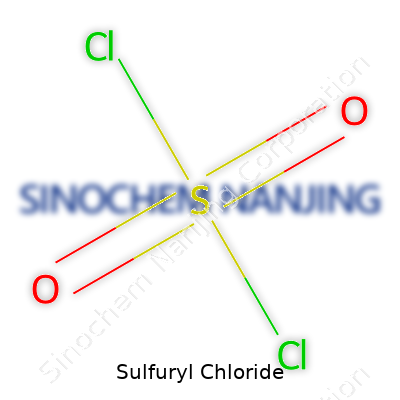
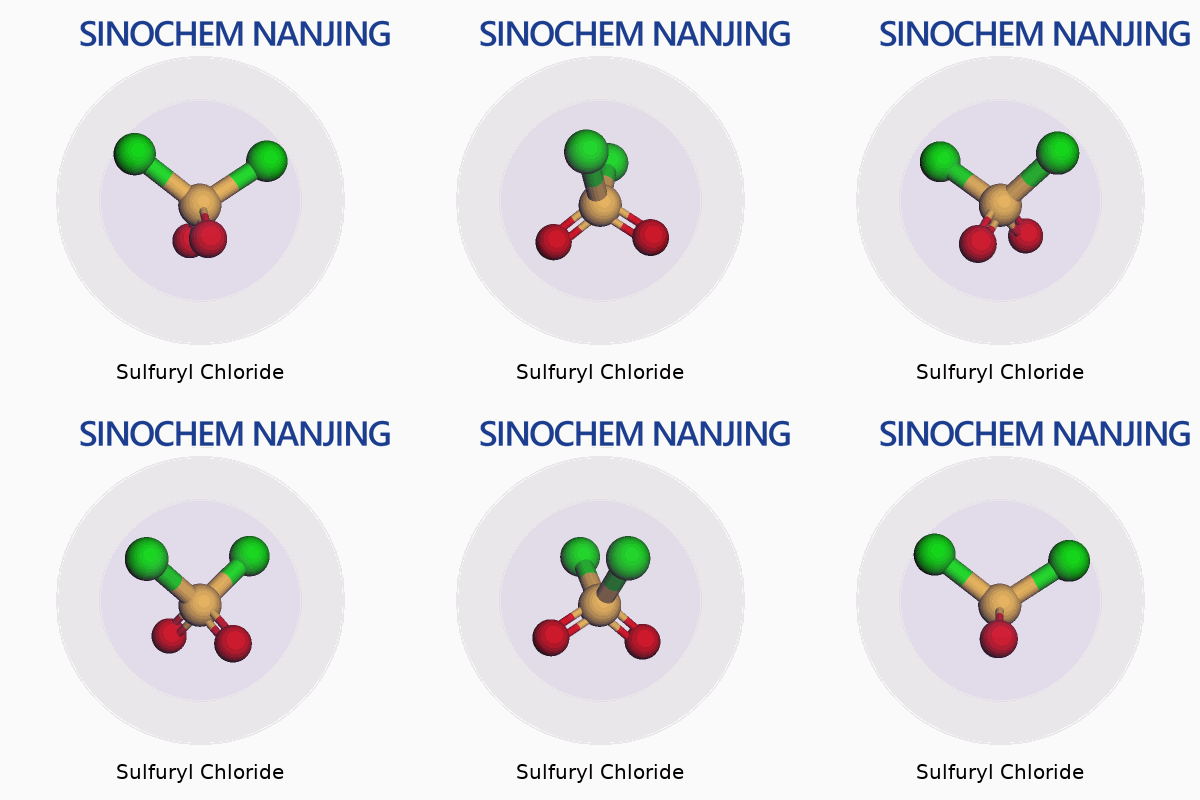
| Names | |
| Preferred IUPAC name | Sulfonyl dichloride |
| Other names |
Sulphuryl chloride Sulfuric chloride Chlorosulfonic chloride Sulfur oxychloride Sulfur dioxide dichloride |
| Pronunciation | /ˈsʌlfjəriːl ˈklɔːraɪd/ |
| Identifiers | |
| CAS Number | '7791-25-5' |
| Beilstein Reference | 356661 |
| ChEBI | CHEBI:29767 |
| ChEMBL | CHEMBL1357 |
| ChemSpider | 15417 |
| DrugBank | DB11438 |
| ECHA InfoCard | ECHA InfoCard: 100.029.768 |
| EC Number | 016-060-00-3 |
| Gmelin Reference | Gmelin 1554 |
| KEGG | C01420 |
| MeSH | D013439 |
| PubChem CID | 24501 |
| RTECS number | WS4900000 |
| UNII | UG7C07000X |
| UN number | UN1834 |
| Properties | |
| Chemical formula | SO2Cl2 |
| Molar mass | 134.96 g/mol |
| Appearance | Colorless to pale yellow fuming liquid |
| Odor | Pungent |
| Density | 1.667 g/cm³ |
| Solubility in water | Reacts |
| log P | -0.48 |
| Vapor pressure | 19.6 kPa (20 °C) |
| Acidity (pKa) | -7 |
| Basicity (pKb) | -5.3 |
| Magnetic susceptibility (χ) | −49.7×10⁻⁶ cm³/mol |
| Refractive index (nD) | 1.515 |
| Viscosity | 1.65 mPa·s (20°C) |
| Dipole moment | 1.62 D |
| Thermochemistry | |
| Std molar entropy (S⦵298) | 340.7 J·mol⁻¹·K⁻¹ |
| Std enthalpy of formation (ΔfH⦵298) | -364.0 kJ/mol |
| Std enthalpy of combustion (ΔcH⦵298) | -382.1 kJ·mol⁻¹ |
| Hazards | |
| Main hazards | Toxic by inhalation, causes burns, reacts violently with water, releases corrosive and toxic gases. |
| GHS labelling | **GHS labelling of Sulfuryl Chloride:** "Warning, Corrosive, Oxidizer, Acute Toxicity, Skin Corrosion/Irritation, Serious Eye Damage, Environmental Hazard |
| Pictograms | GHS05,GHS06 |
| Signal word | Danger |
| Hazard statements | Hazard statements: H314, H331, H302, H319, H335 |
| Precautionary statements | P260, P261, P264, P271, P273, P280, P301+P330+P331, P303+P361+P353, P304+P340, P305+P351+P338, P310, P311, P321, P363, P370+P378, P391, P403+P233, P405, P501 |
| NFPA 704 (fire diamond) | 3-0-2-OX |
| Autoignition temperature | 230 °C |
| Lethal dose or concentration | LD50 oral rat 180 mg/kg |
| LD50 (median dose) | LD50 (median dose): Oral rat 150 mg/kg |
| NIOSH | VZ3150000 |
| PEL (Permissible) | PEL (Permissible Exposure Limit) for Sulfuryl Chloride: "1 ppm (5 mg/m³) as an 8-hour TWA (OSHA) |
| REL (Recommended) | 0.1 |
| IDLH (Immediate danger) | 3 ppm |
| Related compounds | |
| Related compounds |
Sulfuryl fluoride Thionyl chloride Sulfuryl bromide Sulfur dichloride Sulfur tetrachloride |



