Salicylic Acid: More Than Just a Household Name
Historical Roots Worth Remembering
Digging through the history of salicylic acid, it's clear this molecule has come a long way. Early accounts stretch back to Hippocrates, who wrote about willow bark easing pain and fevers. Pharmaceutical chemistry started to move forward in the 19th century, when German chemist Hermann Kolbe found a way to synthesize salicylic acid and free it from natural plant extracts. This shift allowed more consistent and scalable production. Over time, its most famous derivative, aspirin, followed suit. Salicylic acid’s roots show that innovation often grows out of time-tested folk wisdom and then takes off as science unpacks its secrets. Every time we reach for a blackhead treatment or an over-the-counter painkiller, we tip our hats to centuries of collective trial and error that built the foundation for these products.
What Sets Salicylic Acid Apart
Salicylic acid’s reputation in skincare circles comes from its structure and function. With the formula C7H6O3, it looks simple, but the arrangement matters. It’s a white, powdery solid, somewhat bitter, and it dissolves well in alcohol but stubbornly resists water. This makes it handy in topical gels and ointments, letting it hone in on oily, clogged skin. In the lab, you’ll see it described as a beta hydroxy acid. That means it can dive deep into pores and break down excess oils and debris, unlike alpha hydroxy acids that mostly stay up on the skin’s surface. That’s part of why dermatologists lean toward salicylic acid for breakouts and rough patches.
No-Nonsense Approach to Technical Standards & Labeling
The world of technical requirements and proper labeling can seem like a maze. Yet here, precise details make all the difference. Every bottle or tube holding salicylic acid needs clear concentration information; go above 2% in consumer skincare, and you’re pushing legal limits in many places. Pharmaceutical grade purity takes priority, since contaminants can turn a helpful product into trouble. Labels must also give clear safety guidance because misuse isn’t just a minor inconvenience—it can cause real harm, especially for people with sensitivities.
How It’s Made, Plain and Simple
Lab synthesis hinges on the Kolbe-Schmitt reaction. Chemists take sodium phenolate and treat it with carbon dioxide at high pressure and temperature. Acidification follows next, yielding salicylic acid as a solid precipitate. Some industrial players stick to this route because it’s reliable and scalable. There’s less interest in extracting it from plants these days, since efficiency and cost matter so much in industrial production. Each batch faces scrutiny, since even a tiny variation in process can affect safety, potency, and shelf life.
Chemical Reactions & Clever Modifications
Salicylic acid isn’t just an endpoint—it’s a springboard for chemical creativity. The most famous reaction it undergoes is acetylation, which swaps out a hydrogen atom for an acetyl group. That’s how we get acetylsalicylic acid, or aspirin. Beyond that, its structure welcomes tweaks that can lead to new medicines or materials. These modifications help chemists shape molecules for new uses: tweaking pain relief, enhancing topical action, or even adjusting how fast the product absorbs into the skin. Molecule tweaking is nearly endless, and ongoing experimentation keeps this field lively.
What’s in a Name? Synonyms Tell the Story
In labs, pharmacies, and ingredient lists, salicylic acid answers to many names. You’ll hear people talk about 2-Hydroxybenzoic acid, ortho-hydroxybenzoic acid, or sometimes simply “BHA” in the skincare world. Its presence under different guises can trip up careful shoppers, making transparency in labeling all the more essential. The lineup of names tracks the molecule’s reach across medicine, chemistry, and cosmetics.
Staying Safe with Standards and Protocols
No one wants a well-meant product to backfire. Safety demands start in the factory and follow right through to your bathroom shelf. Skin irritation, toxicity at high doses, and potential allergic reactions all call for clear warnings and formulation caps. In the United States, agencies like the FDA put limits on concentration and intended use. Europe isn’t far behind, and countries with high standards keep pressure on producers to play it safe. Workers in manufacturing don gloves and goggles to keep powders out of their lungs and eyes. In my lab days, nobody skipped the safety briefing; burned skin and short breath weren’t things anyone wanted as souvenirs.
Where You Find Salicylic Acid in Action
Salicylic acid’s most visible work happens in skincare aisles and acne treatments. Flip over the package, and it tops the list for fighting pimples and clearing blackheads. Dermatologists rely on it to tackle rough skin, warts, and even calluses. In pharmaceuticals, it is a key step in aspirin production—a staple medicine for pain and heart health. You also spot it in preservatives, dyes, and even some toothpaste formulas. This reach proves that a humble chemical can punch well above its weight class.
Research & Development: From Classic to Cutting Edge
Laboratories worldwide treat salicylic acid as both a tool and a subject for experimentation. Work continues to find new delivery methods—patches, encapsulated forms, or slow-release gels, to mention a few. Researchers keep an eye on medical applications ranging from dandruff treatments to more stable pain relief formulas. At a conference, I watched a team reveal a modified salicylic acid molecule with better skin penetration and fewer side effects, showing how the field never stops moving. Each new experiment could mean a leap in how this chemical improves lives.
Toxicity Research: Hard Limits Keep People Protected
Everybody knows salicylic acid can sting at the wrong concentration or on sensitive skin. Toxicology studies set boundaries to prevent harm, especially to children or people with medical conditions. Overdosing presents risks: ringing ears, confusion, and in rare cases, dangerous blood changes. For topical use, limited absorption means the margin for safety stays wide—but systemic exposure through oral intake or broken skin still demands respect. Studies guide product design, making sure consumers get benefits without nasty surprises.
Gazing Ahead: Future Prospects of Salicylic Acid
Future visions for salicylic acid look beyond breakouts and aspirin pills. Green chemistry seeks to make its manufacture cleaner. Researchers consider pairing it with newer molecules for smarter medicines and targeted therapies. Interest is growing in making application more selective and reducing side effects, possibly through nanotechnology or new forms of encapsulation. The next chapter could focus on gentle, sustainable uses, serving both personal care and medical needs with more precision and less waste. Commercial interest remains strong, and the long track record suggests salicylic acid isn’t going anywhere soon—except, maybe, into applications we haven’t yet imagined.
What is salicylic acid used for?
The Everyday Power of a Simple Ingredient
Walk into any drugstore and scan the acne aisle. You’ll see salicylic acid plastered across bottles and tubes promising clearer skin. This ingredient, pulled from willow bark, has earned its place on bathroom shelves everywhere, including mine. Teenagers, adults with stubborn blackheads, or anyone waging war against breakouts probably know this name all too well.
Fighting Acne Where It Forms
Salicylic acid cuts through oil and dead skin clogging up pores. Blackheads and whiteheads form when pores get stuffed up and bacteria moves in. Scrubbing doesn’t really help much—sometimes it just pushes debris deeper. Salicylic acid acts as a chemical exfoliant, breaking bonds between old skin cells and letting them wash away. The pores stay clear, and pimples have less room to build up. Studies show that regular use—without overdoing it—leads to fewer blockages and softer skin texture. People with oily complexions see the biggest difference, but even dry skin can benefit if used gently and paired with moisturizer.
Peeling for Smoother Skin
Dermatologists often turn to salicylic acid for chemical peels, especially for folks battling acne scars or dark spots left behind after a breakout. Compared to harsh mechanical exfoliants, salicylic acid peels don’t scratch or worsen redness. Instead, the acid seeps into oily pores and encourages skin renewal from the inside out. A few sessions and you start noticing marks fade, with skin feeling less rough or bumpy. I’ve sat through these peels myself and, with proper prep and sunscreen afterward, the results are impossible to ignore.
Treating Warts and Corns
Warts show up uninvited, often on hands and feet. Corns build up from friction in shoes. For both, over-the-counter salicylic acid sticks help break down the thick, tough skin. Apply a patch or liquid daily, and the higher the concentration, the stronger the effect. It’s important to follow instructions closely, since healthy skin can get irritated. This routine has saved me from more than one painful trip to a podiatrist. The American Academy of Dermatology confirms that consistent use works for most small warts—though patience is key, since results take time.
Beyond the Medicine Cabinet
Salicylic acid plays a minor role in shampoos meant for dandruff or psoriasis. These shampoos help lift away scales and reduce flaking on the scalp. For anyone with itchy, crusty skin patches or cradle cap, these formulas can bring a lot of relief. Using too strong a product can dry out hair or skin, so going with a lower percentage and alternating with gentle cleansers helps balance things out.
Looking Out for the Health of Your Skin
It’s tempting to load up on every product with buzzwords and promises. I’ve learned through trial and error that reading ingredient lists and understanding what my skin tolerates makes the biggest difference. Consulting a dermatologist before using higher-strength salicylic products prevents unnecessary irritation or allergic reactions, especially for sensitive skin. Moderation tends to work best.
Salicylic acid remains a practical part of skincare and basic foot care routines. Used wisely, it helps tackle annoying skin problems that otherwise linger too long. Armed with information from trusted sources and paying attention to your own skin’s reactions, it becomes a useful ally in daily self-care.
Is salicylic acid safe for daily use?
Taking a Closer Look at Salicylic Acid
Salicylic acid shows up in more bathroom cabinets than almost any other skincare ingredient. It promises clear skin, smoother texture, and fewer breakouts, which draws in a lot of folks dealing with acne or oily skin. You don’t have to dig through beauty blogs for long before someone swears by daily use, but questions about long-term safety rarely stay quiet for long. Is it really ok for most people to use salicylic acid each day?
What Daily Use Means for Your Skin
Anyone who’s spent time fighting blackheads or whiteheads recognizes salicylic acid as the go-to tool. It's a beta hydroxy acid, and that means it moves through the oil on your face, diving right into pores. Every time I used a salicylic acid cleanser in my early twenties, I noticed smoother skin, but also some days with red patches on my cheeks. I learned pretty fast that daily use isn’t always a good idea for everyone.
Studies back up personal stories. Dermatologists point out that, for many healthy adults with oily or acne-prone skin, low concentrations — around 0.5% to 2% — are gentle enough for daily use. The Food and Drug Administration marks these levels as safe and effective based on years of research. Still, dry or sensitive skin doesn’t always fare as well. People with eczema, rosacea, or just plain sensitive skin find themselves dealing with peeling, burning, or even new breakouts if they use salicylic acid too often.
Is There Such a Thing as Too Much?
I remember reading customer reviews full of enthusiasm about overnight transformations, and I’ve been tempted to keep applying more than I really needed. It’s tempting, but that little bit of impatience has a price. Overusing any beta hydroxy acid, including salicylic, strips the protective barrier on the top of your skin. Instead of radiance, you get inflamed, flaky patches, or a tight, stinging feeling. Skin experts warn against doubling up — a toner and a serum or a cleanser and a lotion — since layering often causes unexpected reactions, even in people who assume their skin “can handle anything.”
Who Should Approach with Caution?
Pregnant or breastfeeding individuals should pause before adding salicylic acid to their routine. Research shows only small amounts from topical use make it into the body, but experts say it’s better to err on the side of caution, especially around the first trimester. Children, or those using prescription acne medication like tretinoin or benzoyl peroxide, should also get a healthcare provider’s opinion before mixing salicylic acid into their routine.
Making Daily Use Work for You
Gentle approaches win in the long term. Start slow: applying once or twice every few days lets skin adapt, especially for those who haven’t tried acids before. I learned that letting my skin rest, swapping in non-active moisturizers when things get red, keeps me from dealing with skin that looks worse than before. Patch testing, using fragrance-free formulas, and listening to warning signs like itching and stinging keeps things safe.
Golden Rules for Safe Skincare
Salicylic acid remains a strong ally for those with oily, acne-prone skin seeking clear pores. Those with delicate, reactive, or dry skin do better steering clear of daily use, or picking products with much lower concentrations. Listening to dermatologists, knowing your limits, and starting slow avoids most problems. You can get good results without making your skin miserable, especially by respecting your own skin’s boundaries instead of racing for overnight results.
Can I use salicylic acid with other skincare ingredients?
Getting to Know Salicylic Acid
Salicylic acid has stuck around for decades because people see results. This beta hydroxy acid tackles pores, works on breakouts, and often creates a smoother surface. If you have spent years testing drugstore gels and fancy spa goods for stubborn bumps, you already know it’s a go-to for oily and acne-prone skin.
Mixing With Vitamin C
Skincare companies push a lot of products, and vitamin C headlines many of them. I remember getting excited about brightening serums and getting frustrated when my skin stung after layering them with salicylic acid. Salicylic acid sits at a lower pH, aiming for exfoliation, while vitamin C wants a slightly different pH range to do its antioxidant work. Using both can cause irritation or even waste ingredients since one might cancel out the other. Dermatologists and clinical researchers recommend spacing out applications—use vitamin C in the morning and salicylic acid at night.
Layering With Retinol
Retinol and salicylic acid promise smoother skin. Both target texture and clogged pores but bring up the risk of over-exfoliation when mixed. I learned the hard way; my cheeks looked sunburned after a week of using them together. Many professionals suggest alternating days or picking one active for a season and switching later on. Some people build up tolerance, but most folks face dryness or sensitivity if they double up too soon.
Combining With Niacinamide
Niacinamide wins fans across skin types because it can calm redness, strengthen the barrier, and support balancing oil. Pairing with salicylic acid usually works out fine. Almost every dermatologist I’ve talked to groups these two as safe together since niacinamide softens potential bite from stronger acids. If you want to address both clogged pores and uneven tone, this duo fits into the same routine.
Using Moisturizers or Hyaluronic Acid
Every acid—salicylic, glycolic, or lactic—can leave your skin feeling tight if you overdo it. After washing or treating breakouts, layering on moisturizer makes a huge difference. Hyaluronic acid pulls in water and gives skin bounce. Moisturizers that include ceramides or fatty acids lock in hydration and reduce flaking. I see more success stories (especially among teenagers starting acne treatments) when people use a gentle hydrating product to cover any dryness from salicylic acid runs.
Physical Exfoliants: Proceed With Caution
Old-school scrubs tempt people who like an instant smooth feeling. Scrubbing after a salicylic acid application easily leads to raw skin. Chemical exfoliants like salicylic acid do their job by loosening debris—adding rough beads or brushes can break the skin barrier. Most board-certified dermatologists point out that too much exfoliation causes microtears and flare-ups. Sticking with one method tends to protect the skin more than doubling up.
The Bottom Line for Everyday Users
Finding what works means starting slow and seeing what your own skin can handle. Most ingredient combos boil down to understanding their strengths and listening to your skin’s signals. If redness, peeling, or sensitivity shows up, take it as a hint to simplify your lineup. Every face reacts differently, so small patch tests beat playing chemist across the entire face. When in doubt, ask someone with real training—board-certified dermatologists love talking through routines and can spot real trouble before it gets out of hand.
What are the side effects of salicylic acid?
Understanding the Appeal—and the Risks
I remember buying my first bottle of acne cleanser at a pharmacy. The shelves were stacked with face washes and gels promising clear skin, most of them packed with salicylic acid. It looked like a miracle fix for breakouts. What the bright labels didn’t talk about are the side effects that can come with using salicylic acid, especially if you don’t know what your skin can handle.
Skin Reactions: Dryness and Peeling
Salicylic acid belongs to a group of chemicals called beta hydroxy acids. It works by diving deep into your pores to break up dead skin and oil. This sounds great—until you start seeing redness, flaking, and irritation. Range of dryness hits people who use it too often or choose a product with a higher concentration. I’ve seen friends end up with cracked, irritated skin because they believed that if a little is good, much more must be better. That’s a myth.
For some people, especially folks with sensitive skin, even a small amount brings on stinging or burning sensations. Going heavy on scrubs or layering it with other harsh ingredients—like retinol or benzoyl peroxide—often leaves your face feeling raw. According to dermatologists at the American Academy of Dermatology, these side effects rise in the winter months when humidity drops, making everything drier to begin with.
Allergic Reactions: Not as Rare as People Think
Some people find out about their allergy to salicylic acid the hard way. Instead of mild redness, they get swelling or hives, sometimes blisters. Full-blown allergic contact dermatitis makes skin problems worse than the original acne ever did. For those with an aspirin allergy, this risk goes up, since both aspirin and salicylic acid come from the same chemical family—something many folks aren’t told in stores.
Systemic Effects: When Too Much Gets In
Most salicylic acid products for skin use low concentrations, but overuse or applying to large areas breaks the rule. Especially with children or people with kidney or liver issues, too much can end up absorbed in the body, raising the risk of what's called salicylate toxicity. Symptoms include ringing in the ears, headaches, dizziness, and confusion. There are even rare hospital cases involving chemical burns from excessive use. Health Canada and the FDA both warn against slathering these treatments on broken or inflamed skin since this increases the chance of salicylate soaking in.
Finding Safer Ways to Use It
Most teens I know don’t read the fine print, but dermatologists always say: start slow, choose lower concentration, and use a good moisturizer. Spot-treating instead of spreading acid all over the face makes a big difference. Reading ingredient lists becomes essential because mixing several “acne-fighters” often brings more pain than improvement.
If reactions show up, give your skin a break. Seek advice from a professional before trying again, especially for those with other skin conditions like eczema or psoriasis. Too often people think of over-the-counter products as risk-free. Being aware helps you get the benefits of salicylic acid without paying for it in discomfort.
How long does it take to see results from salicylic acid?
Understanding Skin’s Timetable
Acne often triggers the search for a quick fix. Salicylic acid grabs attention because it doesn't just sit on the surface. It dives into pores, loosening up the stuff that clogs them—dead skin cells and oil. That unique action means people get their hopes up for fast results.
Most folks, after years of breakouts and trying everything under the sun, want to see clear skin by the end of week one. Real talk: that’s not how skin works. On average, the skin sheds and renews itself every 28 days. Salicylic acid needs that window to really show its effect, since it works with this natural process rather than rushing it. In my own experience, small changes—less redness, fewer new breakouts—start around week two. By weeks three or four, stubborn blackheads start shrinking and the overall skin texture looks calmer.
What the Science Says
Researchers have tracked outcomes for people using over-the-counter salicylic acid. One clinical study published in the Journal of Drugs in Dermatology found that using a 2% salicylic acid wash led to noticeable improvements in inflamed acne around 12 weeks. Some saw a reduction in pimples and smoother skin even as early as three weeks. Dermatologists agree: celebrate progress in increments, not overnight miracles.
Results depend a lot on skin type. Those prone to oily skin or clogged pores usually notice faster changes. People with dry or sensitive skin may experience some dryness and flaking before things improve. A patch of peeling skin doesn't mean the product isn't working, but respecting that reaction and moisturizing helps avoid irritation.
Layering: What Helps, What Hurts
People often want to speed things along by piling on more acne-busting ingredients. In my own journey, pairing salicylic acid with gentle products—think mild cleansers and oil-free moisturizers—kept irritation down and allowed it to work uninterrupted. Harsh scrubs or mixing with strong retinoids caused more harm than good. Blasting skin with too much too fast led to soreness, peeling, and, in some cases, rebound oiliness or new breakouts.
Those with darker skin tones—like mine—occasionally face post-acne marks even after inflammation clears. Salicylic acid helps lighten those dark spots over time, especially with regular sunscreen use to prevent fresh marks from forming.
Building a Routine that Delivers
The best results came once I followed a steady routine. Applying a dime-sized amount to clean, dry skin, waiting a few minutes before adding a moisturizer, and sticking to this every night (or every other, if sensitivity popped up) worked best for me. Missing a few days here and there didn’t ruin progress, but consistency always made the difference by month’s end.
For anyone getting impatient, dermatologists often remind clients to photograph their skin every week. Those snapshots, lined up side by side after a month, reveal changes the mirror hides day to day. For most of us, seeing is believing—especially if acne has chipped away at self-confidence for years.
Tips to Get the Most from Salicylic Acid
Stick with a single product for a solid three to six weeks before judging results. Always introduce new treatments slowly. Moisturize every day, even if your skin feels oily. Reach for sun protection because treated skin burns and scars more easily. If irritation gets worse or new symptoms appear, pausing for a few days or consulting a dermatologist often solves the puzzle.
Be patient and remember that no one owes clear skin to anyone but themselves. With time, the right approach writes a different story on every face.
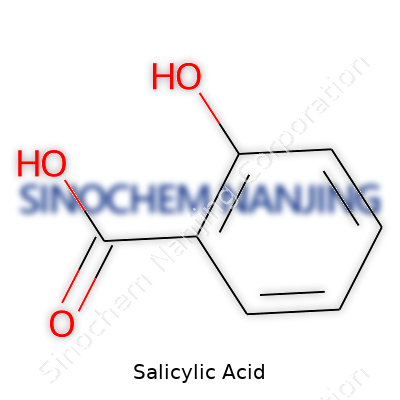
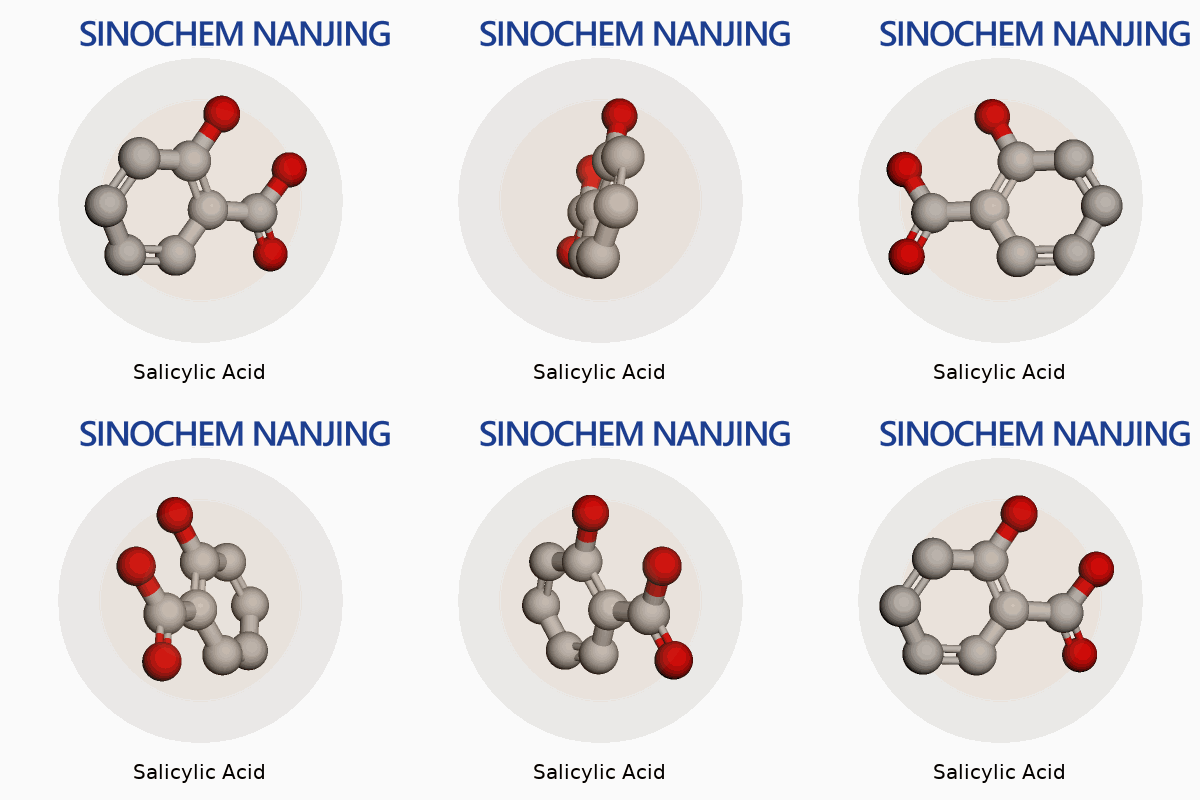
| Names | |
| Preferred IUPAC name | 2-Hydroxybenzoic acid |
| Other names |
2-Hydroxybenzoic acid Ortho-hydroxybenzoic acid Salicylate |
| Pronunciation | /ˌsæl.ɪˈsɪl.ɪk ˈæs.ɪd/ |
| Identifiers | |
| CAS Number | 69-72-7 |
| Beilstein Reference | 1207036 |
| ChEBI | CHEBI:16914 |
| ChEMBL | CHEMBL25 |
| ChemSpider | 5292 |
| DrugBank | DB00936 |
| ECHA InfoCard | 100.002.090 |
| EC Number | 204-317-7 |
| Gmelin Reference | 12650 |
| KEGG | C00780 |
| MeSH | D017449 |
| PubChem CID | 338 |
| RTECS number | VO0525000 |
| UNII | O414PZ4LPZ |
| UN number | UN2585 |
| Properties | |
| Chemical formula | C7H6O3 |
| Molar mass | 138.12 g/mol |
| Appearance | White crystalline powder |
| Odor | Odorless |
| Density | 1.44 g/cm³ |
| Solubility in water | Slightly soluble |
| log P | 2.26 |
| Vapor pressure | <0.1 mmHg (20 °C) |
| Acidity (pKa) | 2.97 |
| Basicity (pKb) | pKb = 10.97 |
| Magnetic susceptibility (χ) | -58.0×10⁻⁶ cm³/mol |
| Refractive index (nD) | 1.553 |
| Viscosity | Medium viscosity |
| Dipole moment | 2.76 D |
| Thermochemistry | |
| Std molar entropy (S⦵298) | 165.7 J·mol⁻¹·K⁻¹ |
| Std enthalpy of formation (ΔfH⦵298) | -492.5 kJ/mol |
| Std enthalpy of combustion (ΔcH⦵298) | -3180 kJ/mol |
| Pharmacology | |
| ATC code | N02BA05 |
| Hazards | |
| GHS labelling | GHS02, GHS07 |
| Pictograms | GHS07 |
| Signal word | Warning |
| Hazard statements | H302, H312, H315, H319, H332 |
| Precautionary statements | P210, P264, P280, P301+P312, P305+P351+P338, P330, P337+P313, P501 |
| NFPA 704 (fire diamond) | 2-1-0 |
| Flash point | 157°C |
| Autoignition temperature | 410°C |
| Lethal dose or concentration | LD50 oral rat 891 mg/kg |
| LD50 (median dose) | LD50 (median dose) of Salicylic Acid: 891 mg/kg (oral, rat) |
| NIOSH | SA 0175000 |
| PEL (Permissible) | 5 mg/m3 |
| REL (Recommended) | 2% |
| Related compounds | |
| Related compounds |
Aspirin Methyl salicylate Sodium salicylate Acetaminophen Ibuprofen |



