Propylene Glycol Propyl Ether: A Clear Look at a Modern Solvent
Historical Development
Propylene glycol propyl ether didn’t just show up on the shelves one day. Its story began alongside the growth of the chemical industry and a hunger for better solvents to keep up with changing demands in manufacturing and consumer products. Back in the late twentieth century, chemists looked for alternatives to classic, harsher glycol ethers. The goal focused on boosting performance in cleaning and coatings, but with less environmental baggage and lower toxicity. Propylene glycol propyl ether carved out its place coming from innovations in propylene oxide chemistry and processes that allowed selective placement of propyl groups. As regulations tightened against emissions and health hazards, this molecule drew attention for offering a decent balance—good solvency, lower volatility, and better air quality profiles. Over the past thirty years, adoption has ramped up, seen in everything from paints to industrial cleaners to electronics manufacturing.
Product Overview
The label "propylene glycol propyl ether" covers a colorless liquid with a mild odor. Chemists recognize it for its strong solvency, which helps it dissolve greases, resins, and various polymers others struggle with. Producers offer different grades, but most users seek it out for its middle ground—it escapes the old dangers of some glycol ethers without losing punch in cleaning power. Manufacturers source it from propylene oxide and n-propanol, which rubs shoulders with other alcohol groups in its family. This chemical supports a market that expects materials to tackle grease, ink, and dirt but stay friendlier to workers and ecosystems.
Physical and Chemical Properties
A bottle of propylene glycol propyl ether flows quickly, showing its low viscosity. It doesn’t spark or flash easily but carries a faint, sweet scent if you give the cap a sniff. Its boiling point hovers above many lower alcohols, which gives users an edge in processes that need moderate evaporation time, like paint blending or degreasing. Its miscibility with water goes a long way in formulating all-purpose cleaners or stripping agents that won’t separate or leave puddles. Unlike some glycol ethers that stick around in the air or threaten with a bad toxicity record, this solvent offers reasonable vapor pressure and supports air quality targets. Its chemical stability also means users don’t deal with rapid breakdowns or unwanted side products under normal settings.
Technical Specifications and Labeling
Walk into a supply shop and you see propylene glycol propyl ether labeled by purity, water content, and residual solvents. Regulatory bodies require accurate hazard statements, especially for eyes and skin, plus proper guidance for emergency response. Container labels often draw on GHS (Globally Harmonized System) pictograms. Shelf life and storage standards get attention because moisture and temperature swings can shift the chemical’s properties. Producers supply clear paperwork for compliance, and that’s not just a legal hoop—downstream users in coatings, cleaning, or electronics depend on reliable data to keep production lines safe and predictable.
Preparation Method
Chemists synthesize propylene glycol propyl ether through reaction of propylene oxide with n-propanol, usually in the presence of a catalyst. This route leverages common feedstocks, but demands control over byproducts and purity. Batch reactors often do the heavy lifting. Handling propylene oxide isn’t a casual affair; it needs tight controls to avoid dangerous side reactions or off-flavors, especially if chemical or pharmaceutical users require high grades. After synthesis, distillation strips out water, unreacted starting materials, and lighter fractions that might hurt performance or safety. The challenge centers on producing consistently pure material, even as raw material costs or market pressures shift.
Chemical Reactions and Modifications
Propylene glycol propyl ether sits among chemicals that don’t pick unnecessary fights with other compounds under most conditions. Strong acids or bases can crack its molecular backbone, but under ordinary use in paints or cleaners, it proves reliable. Functional groups lurking in the molecule give formulation chemists room to tweak performance by blending or combining with other ethers, alcohols, or esters. Although it doesn’t lend itself easily to wild chemical changes, users can modulate solubility or volatility by varying chain length through related glycol ethers. As chemical regulations get stricter, users look for solvents that stay stable and do their job without morphing into something more toxic or volatile by accident.
Synonyms and Product Names
Different suppliers call propylene glycol propyl ether by various synonyms, including PnP (for propylene glycol n-propyl ether), 1-propoxy-2-propanol, or PGPE. Sometimes, labels split into alpha and beta isomers, even though most buyers want blends for broader compatibility. These synonyms pop up in MSDS paperwork, hazard communication documents, and customs filings. The bureaucratic tangle sometimes complicates international trade. For manufacturers looking to harmonize supply chains or avoid confusion, clear and accurate synonym tracking is more than a formality.
Safety and Operational Standards
Unlike historic solvents like benzene and some chlorinated cleaners, propylene glycol propyl ether offers reduced long-term health risk if used responsibly. Workers should avoid eye and skin contact, since the material may irritate with heavy exposure. Good ventilation manages vapor inhalation. Given its moderate flash point, users still treat it with respect during storage and bulk transfers. Regulatory agencies monitor airborne concentrations, and workplace standards line up with general chemical handling protocols. Real-world operators rely on gloves, goggles, and procedural training. Storing with incompatible substances, such as strong oxidizers or acids, brings risks, so chemical bundling and spill containment play into safe warehouse design. MSDS sheets spell out fire-fighting measures, accidental release steps, and first-aid aids. Community right-to-know laws push for further transparency, smoothing the way for local emergency response teams.
Application Area
Propylene glycol propyl ether finds itself at the center of many modern cleaning and coatings jobs. Janitorial crews use it to cut through oily residues and stubborn dirt, especially where traditional heavy-duty degreasers pose indoor air hazards. Paint manufacturers mix it into latex and alkyd blends, chasing a balance between evaporation rate, surface tension, and open time for brushes or sprayers. Print shops and ink formulators harness its solvency to manage pigment dispersion, adjusting drying times so finished products avoid smears but don’t dry too soon. In electronics, propylene glycol propyl ether pops up in cleaning flux and prepping PCBs, where residues must evaporate cleanly without turning boards into a static magnet. Some agricultural and construction materials depend on its solvency to dissolve dispersants, adhesives, or additives. This flexibility arms manufacturers and users with fewer trade-offs on performance, health, or compliance.
Research and Development
Research teams keep fine-tuning propylene glycol propyl ether’s applications, especially as new environmental goals tighten the screws around what chemicals remain on the table. Universities and in-house R&D labs explore further lowering toxicity or boosting biodegradability. Some chemists look into blending it with green solvents or bio-based alternatives, spinning out hybrid solutions for specialty cleaning or coatings with smaller carbon footprints. Advanced sensors and testing methods strengthen purity control and trace analysis. In cleaning applications, researchers study surface residue and how propylene glycol propyl ether’s properties drive cleaning on nano and micro levels, aiming to meet the demands of semiconductor or optical industries where even invisible smudges can sink a whole batch. With data-driven product development, the sector moves toward tailored solutions that keep up with safety, speed, and tight tolerance requirements.
Toxicity Research
Toxicologists pay attention to propylene glycol propyl ether because chemical safety doesn’t rest on good intentions. Older glycol ethers faced hard questions about fertility and chronic health impacts, so the move to newer compounds includes more rigorous animal studies, occupational health surveys, and long-term environmental tracking. Most animal studies have not flagged carcinogenicity with this solvent, but exposure at high levels stresses organs like liver and kidneys. Worker safety depends on setting and following exposure limits. Wastewater engineers analyze breakdown products to avoid accidental contamination downstream. Regulators keep reevaluating the available science, tightening permissible levels as new studies emerge. Transparency matters more now, and chemical end-users keep a close eye on toxicology updates, since shifting science often means revised labels, new workplace protocols, or changed sourcing practices.
Future Prospects
Chemical markets rarely sit still, and propylene glycol propyl ether isn’t immune to shifting pressures. As new environmental rules take hold, more customers seek solvents that stay effective but create fewer regulatory headaches. Supply chains look fragile, with raw material costs and geopolitical crisscross affecting access and pricing. Some researchers aim to create next-gen versions made with less fossil fuel input or that degrade faster in the environment after use. Innovations in coatings and cleaning—think rapid-cure inks for 3D printing or high-durability finishes for smart devices—push suppliers to stretch what’s possible with the basic glycol ether backbone. In my own experience watching manufacturing trends, customers keep asking for “greener” without wanting to pay in performance or safety. The best solutions rarely involve switching one molecule for another, but rather a full approach—redesigning processes, retraining staff, and sometimes, making tough choices about function, cost, and responsibility. Propylene glycol propyl ether stands as an example of progress, but real change depends on listening hard to both the chemistry and the communities who live and work with these products.
What is Propylene Glycol Propyl Ether used for?
Everyday Products Use It for a Reason
I don’t think most people realize how often they run across propylene glycol propyl ether, or PGPE. It’s clear, colorless, and doesn’t carry a strong odor. You grab a multipurpose cleaner at the supermarket or a can of spray paint at the hardware store, and PGPE is likely lurking on the ingredient list. It isn’t a trendy name, but it definitely plays a big role behind the scenes in making products work better and safer for everyone.
How PGPE Helps Cleaning Products Work
PGPE works as a solvent in cleaning products. If you’ve scrubbed kitchen tiles or wiped down a greasy counter, you’ve probably seen how tough stains can be. Soap and water alone often don’t cut it, especially with oil-based messes. By breaking down oils and grease, PGPE helps cleaning agents actually remove grime. This means a bottle of glass cleaner with PGPE leaves fewer streaks and more shine—not just water pushed around the surface.
The Paint Industry Depends on It
Anyone who’s spent a Saturday afternoon repainting a bedroom wall knows thin, even coats make all the difference. PGPE gives paints and coatings that smooth, workable consistency. It helps pigments stay suspended, keeps formulas stable, and stops paints from drying out too quickly. Artists or anyone using brushes and rollers depend on solvents like PGPE to get a finish that looks good and lasts longer. For industrial painters, less downtime on drying or cleaning translates to saving time and money in a big way.
Printing and Inks Get a Boost
If you ever wondered how glossy magazines, advertising flyers, or even food packaging keep colors so bold and accurate, PGPE deserves some credit. It keeps ink flowing from printer heads, prevents clogs, and helps dry ink without smudging. Quick, even drying supports sharper images and faster print speeds. PGPE delivers on all three fronts, which is why print shops and publishing houses use it often.
Safety and Environmental Considerations
PGPE doesn’t escape scrutiny. People ask how safe it is, especially when used in the home. The good news, from my own review of regulatory updates, is that health organizations find very low toxicity when it’s used as intended. It breaks down in the environment and doesn’t build up in living things, which puts it ahead of some older solvents banned for health risks. That said, workers who mix it in factories, or people using strong cleaners, should take care to avoid breathing in fumes or spilling it on their skin. Gloves, good ventilation, and following labeled instructions make a difference here.
Looking at Greener Solutions
PGPE wins points for being less harsh than older solvents, but cleaner, greener options continue to show up. Research keeps pushing for ingredients that break down faster and leave less impact. I’ve seen plant-based solvents and surfactants pop up in cleaners at local stores. They promise safer results and lower environmental concerns. Change in the chemical industry doesn’t happen overnight, but steady demand for safer choices actually moves companies to innovate. Choosing products with clear, honest labels encourages that shift, even if PGPE remains an important tool for now.
Is Propylene Glycol Propyl Ether safe to use?
The Ubiquity of Solvents in Daily Life
Everyday products in the home, from window cleaners to paints, owe a lot to the science of solvents. Propylene Glycol Propyl Ether (PGPE) belongs to a family of glycol ethers that help blend ingredients, clean surfaces, and enhance application. Manufacturers rely on PGPE because it tackles grease while leaving little residue behind. In workplaces, crews wipe glass and metal using sprays containing it, breathing in its scent and skin sometimes catching it too.
What Scientists Know So Far
Toxicologists have put PGPE through the wringer. Research at facilities like NIOSH and reports from the European Chemicals Agency point toward a low toxicity under normal household or light industrial use. When inhaled at low concentrations found in products on shelves, studies in humans and animals show mild effects, such as eye or nose irritation, if any at all. Lab workers exposed every day over months needed higher amounts to start feeling ill effects. This mirrors my own experience growing up with parents who managed a small janitorial business—most of their crew never reported health concerns, unless someone was especially sensitive or worked unprotected in poorly ventilated spaces.
Skin contact usually results in little more than dryness for most people, though rare cases of redness or rash can crop up. Drinking PGPE or spilling a bottle on yourself will likely lead to trouble, but that's true for almost any solvent. Labeled warnings and usage directions highlight these risks, but accidents and misuse can still happen.
Regulatory Oversight and Consumer Trust
Governments play referee for chemicals in household and workplace products. PGPE doesn't land on any major restricted substances lists in the U.S. or the European Union, as long as manufacturers stick to safe concentrations. Regulatory bodies look for hints of carcinogenicity, reproductive harm, and environmental persistence. PGPE passes these checks when used as directed. It's biodegradable over time, which shrinks its long-term environmental footprint.
This doesn't mean a free pass to ignore precautions. Some workers and consumers ignore gloves or skip open windows, expecting modern products to pose no harm. Real safety comes from respecting these chemicals—not just from strict oversight. I learned the hard way after college summer jobs painting apartments. The difference between a headache at closing time and no symptoms at all boiled down to a working exhaust fan and proper gloves.
Healthier Practices and Future Progress
PGPE's safety record looks good when handled appropriately, but there's always room for better practices. Choosing products with clear labels, following storage and usage directions, and keeping rooms ventilated lets users keep exposure well below risky levels. Companies can do more by investing in safer alternatives or designing formulas that lower ingredients like glycol ethers without sacrificing performance.
For anyone working with chemicals every day, regular training and easy access to protective gear make a difference. Small changes, like swapping disposable gloves or keeping cleaning dates staggered, cut down on unnecessary exposure. More companies supplying clear ingredient lists empower consumers to make informed decisions based on their own tolerance, allergies, or environmental commitments. PGPE may be safe compared to some heavy-duty solvents, but honest information and a bit of care keep it that way.
What are the handling and storage requirements for Propylene Glycol Propyl Ether?
Understanding Propylene Glycol Propyl Ether
Propylene Glycol Propyl Ether (PGPE) pops up in paints, cleaners, and inks. It serves as a solvent because it’s good at dissolving many ingredients. Its liquid form looks clear and doesn’t come with a strong smell, which sometimes tricks people into underestimating the risks. Those working in maintenance or manufacturing often have firsthand interactions with it. Overlooking careful handling can lead to health problems or property damage.
Risks Involved in Handling
PGPE can irritate eyes and skin quickly, especially after repeated or prolonged contact. Breathing high levels of its vapor leads to dizziness or headaches, and spills create slip hazards. I remember co-workers at a print shop using it for ink cleanup. Single glove pairs didn’t last. They quickly learned that cheap gloves meant red knuckles and headaches halfway through the shift. Choosing the wrong kind of protection or taking shortcuts led to foggy focus and a miserable work day.
Long-term, chronic exposure brings even more risks, including central nervous system effects. And PGPE, although not as flammable as some solvents, still catches fire at higher temperatures, especially if fumes build up or spread to warm areas. Static electricity, open flames, or sparks present real concerns, even when nobody is actively paying attention.
Steps for Safer Handling
Every person working with PGPE needs proper gloves—nitrile usually outperforms latex or vinyl for holding up against solvents. Splash-proof goggles and long sleeves cut down on accidental skin and eye contact. Splashing happens fast, especially if people hurry. Open containers demand quick and careful movement. In workshops I've visited, having eyewash stations within reach makes a difference when trouble strikes. Nobody wants to run a hundred feet with burning eyes.
Strong ventilation helps, too. Shops using fans or exhaust hoods keep vapor from building up and reduce the chance of headaches or worse. Simple fans near open doors don’t cut it. Local exhaust, vented straight outdoors, pulls hazardous air away from the breathing zone. Spills should get wiped up with absorbent material right away, then put in a sealed container marked for hazardous waste. Leaving rags or paper towels laying around piles up flammable debris risks.
Storage Requirements to Lower Risks
PGPE stores best in tightly sealed containers, kept away from heat, sparks, and flames. Metal storage cabinets with self-closing doors work best. Labels need to stay clear and durable, because fading text means confusion. In my experience, shops that take time to label and date every container have fewer headaches. Storage areas should stay cool and out of direct sunlight. Temperatures above room level push up vapor pressure, which means higher fire risk.
The fewer people entering chemical storage, the better. Only trained workers belong there. Spill kits, gloves, goggles, and paperwork should stay close to the storage area so people don’t go looking for help while a leak gets worse. Never store food, drinks, or personal items nearby. Eating lunch next to solvent drums sets up for contamination nobody wants. Keep incompatible chemicals out—strong acids, strong bases, and oxidizers shouldn't share shelves.
Supporting Worker Health and Safety
Clear steps matter: Use the right gear, ventilate well, wipe spills immediately, and store PGPE safely away from heat or food. Supervisors can help by holding regular training and giving workers easy access to safety gear. These habits limit exposure and stop small mistakes from becoming big emergencies. This builds trust—colleagues will speak up about broken labels or a missing spill kit if leaders practice what they preach. In my work, most long-term problems show up where simple steps get skipped or rushed. It’s not about being perfect—just paying attention, each day, every time.
What are the physical and chemical properties of Propylene Glycol Propyl Ether?
Understanding the Basics
Propylene glycol propyl ether isn’t a name most people say every day, but you likely cross paths with it more often than you realize. This solvent appears in paints, cleaners, inks, and coatings. Saying the full name can sound like a mouthful—so many just call it PGPE. It’s a colorless liquid with a faint odor, and at first look, it seems harmless, almost like water. The real story sits in its physical and chemical properties, which are why it shows up across so many industries.
Physical Side of the Story
PGPE doesn’t evaporate as fast as some other solvents, making it a top pick for products that need longer working time. Its boiling point clocks in at around 149°C (roughly 300°F), so it can handle a fair bit of heat without vanishing. It mixes easily with water and many organic liquids, blending into paints or cleaners without a fuss.
Walk past a cleaning aisle and spill a little window cleaner—what allows it to wipe clean off the glass usually traces back to solvents like PGPE. With a density close to water (about 0.87 g/cm³), it pours without a heavy hand, giving just enough body to solutions without dragging them down. That balance between volatility and solubility is a big reason industrial chemists keep it on hand.
Chemical Properties That Matter
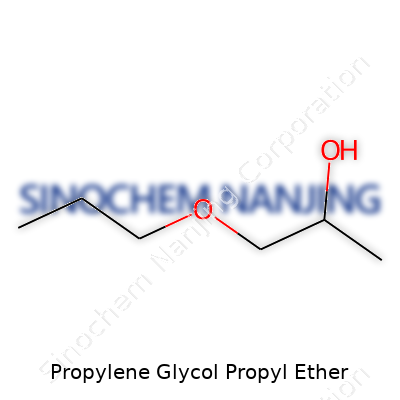
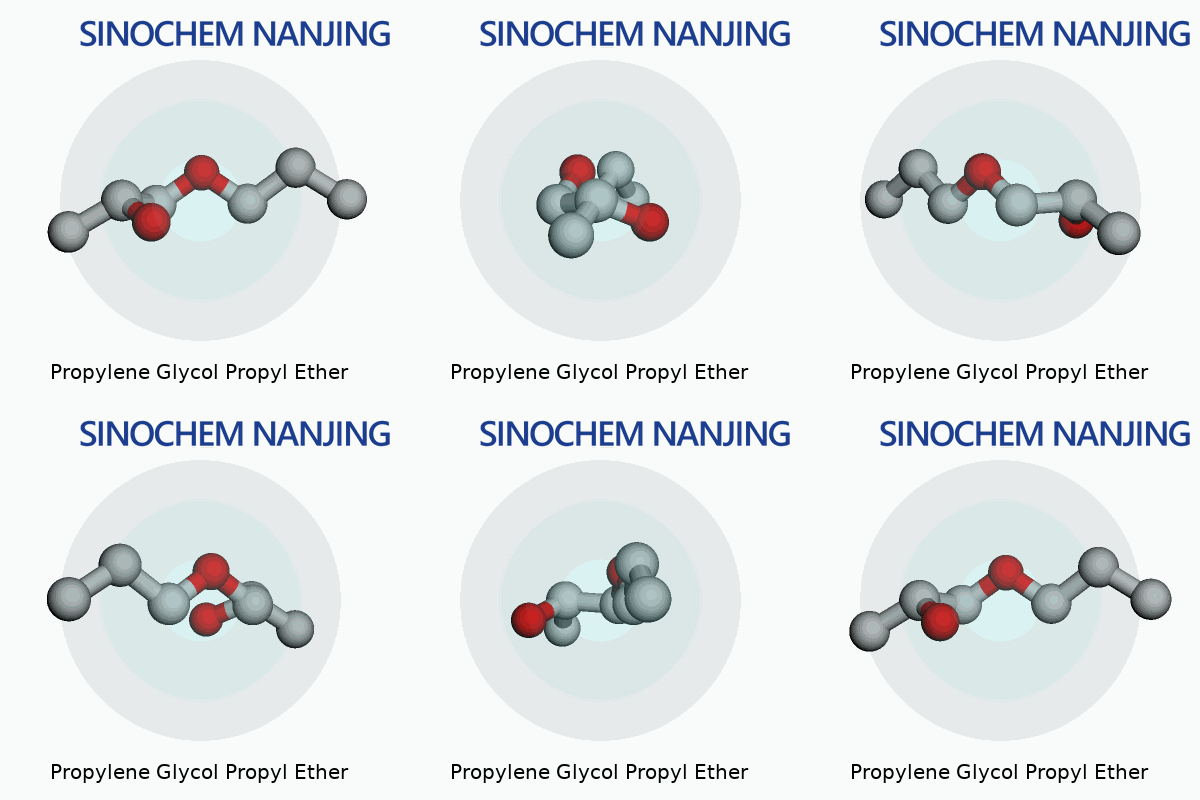
Structurally, PGPE features an ether linkage and a secondary alcohol group. To break it down, it means it won’t break down or react quickly unless you throw some pretty strong conditions at it. It forms stable solutions with both polar and non-polar substances, granting versatility in mixing.
Not going to break into flames at room temperature, but once temperatures rise, its vapors can still catch fire with a flash point hovering near 48°C (118°F). You see the word “flammable,” and most folks get why you don’t want to store it near open heat sources in a factory or workshop. It’s not explosive unless mishandled, but safe storage always gets top marks.
One thing sticking out is how PGPE generally resists breaking down in sunlight or air. Some solvents yellow or give off odd smells after sitting on a shelf, but this one holds up—good news for manufacturers who want shelf-stable products.
Why All This Matters in Daily Life
Cleaning products, paints, and coatings often carry more risk than noticed at first glance. PGPE’s properties help reduce streaks, spreading smoothly on glass or metals. Its relatively low toxicity means it doesn’t pose the same risks as harsher solvents, but repeated or heavy exposure still calls for gloves and ventilation—a lesson learned from years of cleaning classrooms and workshops.
Any solvent that finds its way into the water supply can pose issues for wildlife and water treatment plants. Biodegradability counts, and PGPE breaks down more easily than some older options, yet it still requires care during disposal. Proper use and disposal keep your air cleaner, your hands safer, and your community a little less exposed to long-term chemical buildup.
Smart Handling and Safer Choices
Choosing solvents isn’t just about performance. Health and safety matter for everyone involved. Ventilation, gloves, training—these work alongside the science, making sure a useful solvent remains just that, not a hidden hazard. Companies and workers can look for alternatives if local regulations change, but until then, understanding the nuts and bolts of PGPE pays off wherever solvents get used.
How should Propylene Glycol Propyl Ether be disposed of?
Looking Closer at Chemical Waste
Anyone who has worked in a lab, facility, or even just painted their garage knows that not every liquid down the drain is “just water.” Take Propylene Glycol Propyl Ether, which pops up in cleaners, coatings, inks, and solvents. A single careless disposal can turn a helpful tool into a threat. At home, most people do not realize that something clear and sweet-smelling brings environmental risks.
Why Tossing It Isn’t the Solution
Tipping chemicals straight into a household sink might seem harmless, but wastewater plants rarely filter out solvents effectively. Even small spills find their way into groundwater or nearby rivers if allowed to linger in drains. Studies from the Agency for Toxic Substances and Disease Registry note that certain glycol ethers can break down slowly, impacting aquatic life long before anyone notices a problem.
Over time, I’ve seen city workers juggle unexpected contamination alerts because a small business or hobbyist figured “a bit can’t hurt.” Environmental damage sneaks up that way. You might not see dying fish or sick neighbors, but the damage to water sources and soil builds quietly.
Community Responsibility and Small Actions
We each play a part in pollution—big businesses and individuals share this load. Many neighborhoods offer hazardous waste days. This option protects sanitation workers and safeguards drain systems. Years back, bringing spent solvents or paint thinners to a local waste collection event felt like a chore. I kept putting it off, unsure it mattered. Later, seeing how routine dumping complicated the city’s work turned me around. Community workers can safely neutralize or incinerate this chemical when collected properly.
Local guidelines usually show where to take unused chemicals; some waste stations even sort by type, sending organics and solvents for energy recovery or safe fuel blending. Calling the nearest public works or sanitation office often yields a straightforward drop-off location. I’ve found these options offer peace of mind, especially compared to the guilt that sticks after reckless disposal.
Risks Inside the Trash Can
Avoid pouring Propylene Glycol Propyl Ether onto soil, into septic tanks, or with regular household garbage. Absorbent materials like cat litter or sand only hide hazards; trash compactors burst containers, letting fumes out. Landfills struggle to trap industrial solvents, risking harm to nearby habitats. Many states fine residents for tossing hazardous substances in with routine waste—these rules protect air and water for everyone. For people working with small volumes at home, check container labels for specific instructions and never assume one product works like another.
Making Safer Choices
Reading up on disposal practices pays off. States sometimes adjust recommendations based on rainfall, population, or industry trends, so it helps to stay updated on local policies. At work, I’ve learned that training staff about correct disposal often takes less time than cleaning up mistakes. Labels and safety data sheets (SDS) detail proper handling and end-of-life steps. For chemical users, using eco-friendly alternatives and buying what’s needed reduces end-of-use risks and cuts costs over time.
Every person who takes safe disposal seriously supports public health, cleaner water, and better neighborhoods. We all share in keeping solvents like Propylene Glycol Propyl Ether from crashing the ecosystem. Doing things right doesn’t require a Ph.D. or a big budget—just a little information and the habit of asking about the safest route out.
| Names | |
| Preferred IUPAC name | 1-propoxypropan-2-ol |
| Other names |
1-Propoxy-2-propanol Propylene glycol n-propyl ether PGPE PnP 1-Propanol, 2-(propoxy)- Dowanol™ PnP |
| Pronunciation | /ˈproʊpɪˌliːn ˈɡlaɪˌkɔl ˈproʊpəl ˈiːθər/ |
| Identifiers | |
| CAS Number | 1569-01-3 |
| Beilstein Reference | 1270413 |
| ChEBI | CHEBI:82256 |
| ChEMBL | CHEMBL165769 |
| ChemSpider | 14721 |
| DrugBank | DB14106 |
| ECHA InfoCard | 01e7eeb0-43a5-44a3-bf41-1bd7b3750085 |
| EC Number | 920-857-2 |
| Gmelin Reference | 82271 |
| KEGG | C19648 |
| MeSH | D065449 |
| PubChem CID | 7906 |
| RTECS number | UB8570000 |
| UNII | ECF2L4PS03 |
| UN number | UN3082 |
| CompTox Dashboard (EPA) | DTXSID5020457 |
| Properties | |
| Chemical formula | C6H14O2 |
| Molar mass | 132.20 g/mol |
| Appearance | Colorless transparent liquid |
| Odor | Faint odor |
| Density | 0.87 g/cm³ |
| Solubility in water | soluble |
| log P | 0.56 |
| Vapor pressure | 0.5 mmHg @ 20°C |
| Acidity (pKa) | 15.1 |
| Basicity (pKb) | 15.1 |
| Magnetic susceptibility (χ) | '-7.38×10⁻⁶ cm³/mol' |
| Refractive index (nD) | 1.404 |
| Viscosity | 2.6 mPa·s (25 °C) |
| Dipole moment | 3.52 D |
| Thermochemistry | |
| Std molar entropy (S⦵298) | 389.3 J·mol⁻¹·K⁻¹ |
| Std enthalpy of formation (ΔfH⦵298) | -486.6 kJ/mol |
| Std enthalpy of combustion (ΔcH⦵298) | -4240 kJ/mol |
| Pharmacology | |
| ATC code | D01AE24 |
| Hazards | |
| GHS labelling | GHS02, GHS07 |
| Pictograms | GHS02,GHS07 |
| Signal word | Warning |
| Precautionary statements | P264, P280, P305+P351+P338, P337+P313 |
| NFPA 704 (fire diamond) | 1-1-0 |
| Flash point | 66°C |
| Autoignition temperature | 200°C (392°F) |
| Explosive limits | 1.1 - 14.0% |
| Lethal dose or concentration | LD50 oral rat 3089 mg/kg |
| LD50 (median dose) | 1,900 mg/kg (rat, oral) |
| NIOSH | SN4300000 |
| PEL (Permissible) | Not established |
| REL (Recommended) | 15 mg/m³ |
| Related compounds | |
| Related compounds |
Di(propylene glycol) propyl ether Dipropylene glycol n-propyl ether Propylene glycol n-butyl ether |



