Piperidine: A Closer Look at Its Journey, Properties, and Role in Modern Science
Tracing the Path from Early Days to Modern Labs
Digging into the past of piperidine, you find a molecule entwined in the story of chemistry stretching back to the 19th century. Early researchers, longing to crack the code of plant alkaloids, singled out piperidine from black pepper derivatives. As chemists chiseled away at organic synthesis, piperidine moved from a plant curiosity into a workhorse behind key breakthroughs—especially in pharmaceuticals and materials science. Not all revolution starts noisy; sometimes, it hums along quietly, building the foundation for new drug classes and synthetic pathways that later grab headlines. Research labs and chemical manufacturers recognized early on that this six-membered heterocycle did more than just take up space in chemical reaction schemes; it played an indispensable role in making those reactions work better and gave birth to compounds still at the center of medical and industrial research.
Getting to Know the Core: Product Overview
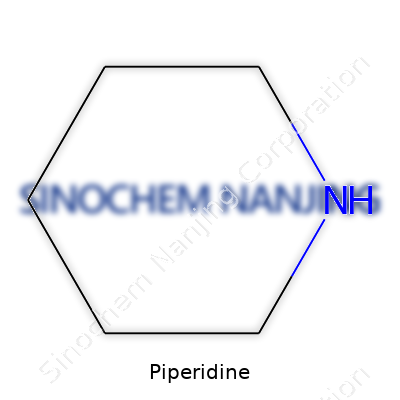
Piperidine might sound like a mouthful, but it comes down to a simple nitrogen-containing ring. Most often, you catch it as a colorless liquid with a not-so-pleasant fishy aroma. It packs enough punch to cut through the noise in both lab use and industrial processes. It’s no background player—blueprints of antipsychotic drugs, liquid crystal substances, and a slew of agricultural chemicals rely on it. Chemists don’t treat piperidine as some disposable intermediate. Its value sits in the clever reactivity and structure that spurs new molecules into existence. For those who make things happen in the lab, piperidine means both opportunity and challenge: opportunity in developing new molecules, challenge in making sure everything stays safe and under control.
What Makes Piperidine Tick: Physical and Chemical Properties
Looking at the bottle, you won’t guess how versatile piperidine turns out to be. With a boiling point often landing near 106 degrees Celsius and full miscibility with water, it runs circles around similar organic amines in terms of handling and mixing. It takes on acids in the blink of an eye—forming salts used in many chemical reactions. As a base, it doesn’t sit the strongest among amines, but it pulls its weight thanks to the six-membered ring giving stability and just the right nudge in both nucleophilic and basic reactions. This lets researchers swap out hydrogens, add functional groups, and build up all sorts of molecular frameworks needed by their industries.
Labeling and Technical Touchpoints in Today’s Regulatory Maze
Anyone who deals with piperidine learns quickly that this is not a chemical to take lightly. Strict labeling, including hazard pictograms and regulatory statements, forms a critical part of how it’s handled, shipped, and stored. In America and Europe, agencies put it on watchlists due to its possible misuse in the synthesis of illicit substances. Labs must take note of safety data sheets, wear appropriate gloves and goggles, and install strong ventilation. Label codes and technical specifications aren’t there for show—ignoring them can cost not just laboratory time but also health, and sometimes legal standing. Everything from container material to storage temperature comes under scrutiny. This might add paperwork, but in the grand scheme, it keeps chemists, logistics workers, and the wider public one step ahead of accidents and illicit use.
How Chemists Prepare Piperidine: Classic and Modern Approaches
The story of making piperidine isn’t stuck in the past. At first, it came out of destructive distillation of alkaloids like piperine stripped from black pepper. Today’s industrial chemists look for cleaner, more scalable routes—hydrogenation of pyridine stands out as a favorite. High pressure, heat, and a metal catalyst get pyridine to shed double bonds and take up hydrogens, shaping it into piperidine. Sometimes, the trade-off is between cost and purity, so process tweaks happen constantly. Green chemistry movements push for lower waste, friendlier solvents, and tighter control on emissions. I know from my time close to the bench that method choice often makes or breaks a lab’s output, affecting not just chemical yield but whether regulators raise an eyebrow.
Watching Reactions Unfold: Piperidine in Synthesis and Modification
If you want to keep up with chemical innovation, it pays to follow what piperidine does inside the flask. Its nitrogen plays the troublemaker, grabbing electrophiles and setting off substitution or addition reactions. Medicinal chemists count on piperidine as a scaffold, tweaking it to build drugs for treating everything from depression to hypertension. Beyond pharmaceuticals, piperidine dances through the formation of agricultural fungicides and pesticides, driving transformations at a molecular level that block fungi or insects. Building block might sound humble, but it underplays the influence this ring brings to both synthesis and everyday products not many consumers stop to think about.
By Any Other Name: Synonyms and Recognized Product Names
The chemical world loves its synonyms, and piperidine collects a few. You might hear it called hexahydropyridine among traditionalists. In pharma catalogs and material safety data sources, it shows up under both international and local trade names. Drug reference books and chemical supply lists often refer to it in terms that nod back to academic naming systems, but piperidine remains the standard label on most research benches. The spread of synonyms sometimes leads to confusion, especially where regulations or safety protocols differ on the basis of naming.
Grinding Down the Risks: Safety and Operational Know-How
Safety is more than a checklist with a substance like piperidine. Its volatility and strong odor can knock you back—so can the health effects if even a splash lands where it shouldn’t. Exposure leads to irritation of eyes, skin, and breathing passages. Chronic contact ups the ante with risks tied to nervous system symptoms. From what I’ve seen, labs that cut corners eventually pay the price—fume hoods, closed handling, and training sessions aren’t extras. They form a hard line against the sort of accidents that can cripple a research program’s reputation and staff health alike. Chemical manufacturers and users work closely under government guidelines, with routine checks, strict inventory logs, and disposal routes that plug loopholes in public and environmental safety.
Piperidine at Work: From Industry to Medicine and Beyond
Industry throws plenty of work in piperidine’s direction: it takes on roles in making flavorings, rubber chemicals, and textile treatments. None of these jobs match the molecule’s lead role in pharmaceuticals, though. Whole generations of antipsychotics, anesthetics, and anti-tubercular drugs won’t exist without this nitrogeneous ring. In my experience, research groups exploring central nervous system drugs, pain control, and even anti-viral treatments regularly dip into piperidine chemistry. Crop protection draws on it too, bringing new classes of pesticides to farmers looking to keep up with pests that seem to outwit yesterday’s products. Even material scientists find piperidine’s use as a structural motif for designing molecular electronics and advanced liquid crystals.
Stoking Progress: Piperidine in Ongoing Research and Development
The pace of discovery rarely leaves piperidine behind. Medicinal chemistry projects spin new analogs that keep diseases at bay, chasing everything from antibiotic resistance to new cancer therapeutics. Researchers tracking sustainable chemistry focus on recycling piperidine-containing waste streams and cutting down carbon footprints from its synthesis. Drug design, computational chemistry, and material science all treat piperidine as not just a stepping stone but a centerpiece for innovation. Collaborators in biotech and academia bet on tweaking the piperidine core to sharpen drug efficacy and reduce side effects. From my vantage, no other scaffold consistently attracts such broad and deep investment from academics, startups, and multinationals alike.
Toxicity Research: Balancing Progress with Responsibility
For every breakthrough, questions about safety shadow the optimism. Toxicology studies have mapped piperidine’s effects in animal models and cell cultures. Acute poisoning causes neurological symptoms, respiratory distress, and pronounced irritation. Regulators act on these data points, setting exposure limits for workers, reviewing buildup in wastewater, and keeping a tight rein on occupational health. Biodegradability, environmental impact, and chronic toxicity remain active areas of investigation. Looking ahead, researchers invest time in finding greener analogs, alternate solvents, and better antidotes for accidental exposures. Building up a real culture of safety means more than waiting for an accident report to drive reform; it comes from actively engaging toxicological insight at every production and laboratory step.
What Comes Next: Future Prospects for Piperidine
There’s no sidestepping the fact that demand for versatile nitrogenous rings like piperidine will keep rising as industries chase lighter, smarter, and more effective chemical solutions. Chemists expect more sophisticated syntheses, robotic systems for safer handling, and digital monitoring for the next generation of labs and plants. Green chemistry will not just be a buzzword—it will dominate conversations about how to scale production without multiplying risk. Gene editing, personalized medicine, and smart materials hint at applications just around the corner, many still in the early research stages. Piperidine’s fundamental chemistry all but guarantees it a place in these efforts. Scientists, regulators, and the public share the same stake: turning molecular possibility into tangible progress, without trading away health or safety.
What is piperidine used for?
What People Outside Chemistry Circles Miss About Piperidine
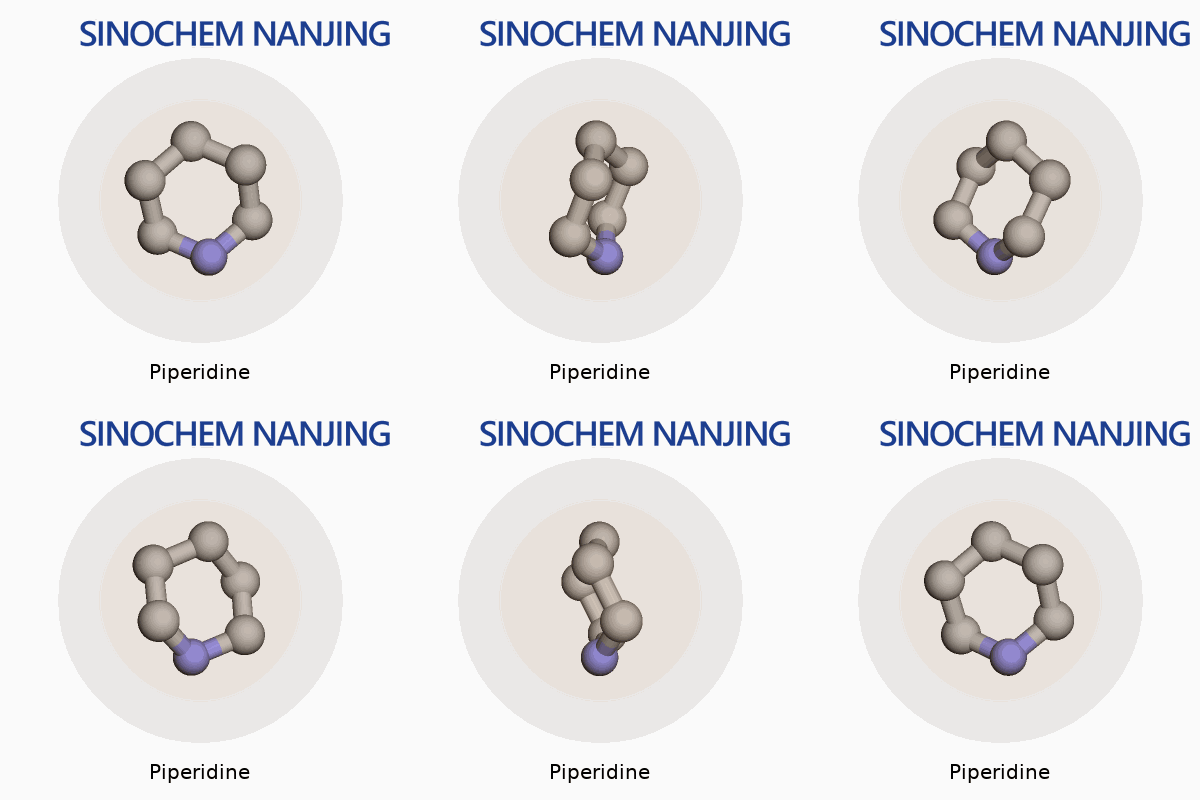
If someone brought up piperidine at a family dinner, most folks would probably shrug and change the subject. Yet this chemical pops up in more places than most imagine. Scientists know it as a six-membered ring packed with five carbon atoms and a nitrogen. That gives it a sharp, peppery smell, and it’s been around since the mid-1800s, first isolated from black pepper. Sounds exotic. But this compound’s nickname as “the quiet builder” hits closer to the mark.
Medication: The Backbone Nobody Talks About
Piperidine shapes the backbone of all sorts of medicines lining shelves in the local pharmacy. Drugs treating allergies, pain, depression, and even schizophrenia call on it for their structure. A familiar example: haloperidol, prescribed for mental health needs, relies on piperidine to do its job. The same goes for certain antihistamines. The structure of piperidine isn’t something folks see or taste, but tweak it a little, and the treatment changes dramatically. This adaptability matters to researchers chasing the next medical breakthrough. They find this little ring keeps showing up in success stories.
Pesticides and Everyday Protection
Fields of tomatoes, pepper vines, grapes — these all battle bugs and pests. Piperidine helps build certain pesticides that keep crops healthy and business afloat for farms surviving on thin margins. What’s sometimes lost in debates about chemicals and farming: without reliable compounds protecting crops, fresh produce disappears or grows too expensive for most tables. Piperidine-based pesticides help balance these competing needs. That steers clear of waste, keeps prices reasonable, and supports economies built on agriculture.
Spotlight on Potential Misuse
No sugarcoating — piperidine has seen its reputation dinged by bad press. On the street, it slides into the illegal drug trade, where it acts as a building block for substances like phencyclidine (PCP). Law enforcement pays close attention, and governments include it in lists of monitored chemicals. Legitimate users in pharmaceuticals and agriculture face more paperwork and scrutiny as a result. Instead of just tossing up barriers and hoping problems fade, public agencies and manufacturers are finding smarter tracking, real-time reporting, and clear guidelines go further. More education across supply chains can reduce risk and still keep science moving ahead.
Making Synthesis Greener
Old-school chemists didn’t fuss much about waste or environmental impact. Times have changed. Today, the industry sees increasing interest in “green chemistry.” That means less hazardous solvents, smarter purification, and strategies focused on recycling leftover material. A big pharmaceutical company recently cut water use and waste by shifting to a new way of making piperidine derivatives. Improvements like that ripple out: less risk to workers, lower cost to businesses, cleaner results for the surrounding community.
Open Questions and Next Steps
Piperidine operates behind the scenes, touching both public health and the food we eat. Conversations happen now about how to secure supply while meeting demand. Making sure everyone in the supply chain follows clear safety and documentation helps. Supporting next-generation synthesis wins over people uneasy about chemicals in the environment. Above all, spotlighting what’s gone right and pushing for small, real-world changes create momentum. That means more transparency, stronger laws for dangerous uses, and continued research to open up safer and greener options for everyone.
Is piperidine hazardous or toxic?
What Is Piperidine?
Piperidine falls into the category of chemical compounds with a strong, sometimes fishy smell. Chemists know it as a key building block in the lab. You’ll find it playing a role in pharmaceutical synthesis, rubber processing, and even flavorings. It’s got more than its fair share of practical significance.
Hazards on the Job: What Workers Learn
In my time around research labs and stories from colleagues in the chemical industry, folks seldom take piperidine lightly. This stuff packs a punch—you spill it, you smell it instantly, and it stings your eyes and nose. Its vapors make their presence known quick. Eyes water, throats itch, and sometimes worse: headaches or dizziness set in fast if the area isn’t well-ventilated. Plenty of safety incidents come from gloves thinning out, runny noses, or a splash gone wrong.
According to the National Institute for Occupational Safety and Health (NIOSH), even low levels in the air—just a few parts per million—can lead to respiratory irritation. Short-term exposure may bring eye or skin burns. Contact with the skin, even without a cut, can lead to burning sensations and redness. Anyone handling the liquid without solid protective gear risks a nasty chemical burn. Swallowing or breathing it in by accident poses much greater risks.
Digging Into Toxicity: What Science Says
Toxicology studies show piperidine affects the nervous system in higher doses. Animal testing reveals tremors or trouble breathing after enough exposure. The U.S. Environmental Protection Agency considers it a hazardous substance for a reason—touch it carelessly, breathe it in for too long, or accidentally get some in your system, and trouble often follows. There’s talk of potential liver injury as well if exposure drags on. Nobody in the know rings this stuff up as a “safe” chemical just because it pops up in everyday items.
I’ve seen researchers respect the stuff, fencing it off with chemical fume hoods and heavy-duty gloves. Hospitals prepare to treat chemical burns if necessary. None of this comes from overreacting; it’s simply a proven way to stay safe.
Why It’s Important Outside the Lab
Some folks worry about piperidine’s connection to illicit drugs—certain stimulants get made using it as a chemical precursor. This means government regulations often track its sale and storage. Pharmacies, labs, and chemical distributors all keep records and restrict who can buy bulk amounts.
Outside of controlled settings, the risk of the average person running into piperidine at dangerous concentrations stays low. Still, accidents sprinkle across teaching labs and storage facilities every year. Cleanup crews and emergency rooms sometimes share stories of someone forgetting their goggles or gloves and getting burned.
Keeping Harm at Bay: Real Solutions
I learned early that working with chemicals like piperidine starts with good habits. Lab workers stress the basics: work with it in ventilated areas, check your gloves for holes, keep eyewash stations nearby. Simple? Yes—but these steps stop most accidents cold. E-learning modules now walk new lab workers through piperidine hazards, using case studies instead of old textbook warnings.
It helps to see real consequences. Seeing a fellow grad student need a chemical burn rinse—then recover because they’d followed the drill—sticks in the mind more than any warning poster. Emergency departments also keep clear treatment procedures ready because quick action can minimize long-term damage.
Why Awareness Still Matters
The most useful tool against piperidine hazard isn’t some expensive equipment; it’s information. Science teachers, lab managers, and health professionals keep updating training. They share up-to-date research, new federal guidelines, and stories from the field. The dangers don’t mean piperidine should disappear from useful work. Instead, we learn to respect it, handle it right, and keep a sharp eye on safety protocols at every step.
What is the molecular formula of piperidine?
Understanding Piperidine’s Formula
Piperidine has a molecular formula of C5H11N. That means it holds five carbon atoms, eleven hydrogens, and one nitrogen, all bound up in a six-membered ring. On the surface, that might not sound exciting, but peek under the hood and there’s a story worth listening to. Chemistry taught me that simple formulas often have complex reach, and piperidine is no exception.
Why Piperidine Matters in Everyday Life
Pharmaceutical science leans heavily on structures like piperidine. When I worked in a research lab, piperidine-based molecules kept popping up in new drug candidates—painkillers, antidepressants, treatments for high blood pressure. Its backbone fits nicely into bigger molecules, lending flexibility and stability. The simple structure helps build complex drugs without a lot of fuss. If you have a bottle of over-the-counter pain medicine at home, odds are piperidine touched it somewhere in its history.
From the Lab Bench to Industrial Demand
Piperidine isn’t just a medicine maker’s tool. Agrochemical producers use it, too. My family runs a small farm, and the reality of crop protection hits home hard. Weather shifts, bugs swarm, and reliable harvests get riskier each year. Certain pesticides built with piperidine save entire fields from ruin—and for small producers, that’s the difference between profit and loss. Still, as demand climbs, questions about sustainable production surface. Large-scale synthesis can generate a lot of waste, which nobody wants running into their soil or water.
Synthesizing Piperidine Sustainably
Traditional synthesis starts with pyridine and hydrogen, but that route uses a lot of energy. Some manufacturers have switched over to greener methods, capturing byproducts and recycling catalyst materials. The chemical community pays close attention to ways to reduce waste and energy use. The EPA tracks emissions and sets strong standards, and it’s good to see many in the industry moving toward responsible production. But chemical waste doesn’t vanish by itself. I’ve met a few innovators turning piperidine production into a cleaner process by using water-based reactions and renewable feeds, which bodes well for the environment.
What’s Next for Piperidine Research
Researchers keep finding new uses for this six-membered ring. One friend in academia investigates how piperidine-based drugs might target rare neurological conditions. Another sees it as a way to help batteries hold more charge. The flexibility of this molecule keeps doors open for sustainable tech and medicine alike. More people are pushing for safer handling guidelines, better recycling, and transparency in sourcing—steps the chemical industry truly needs.
Facing Challenges, Finding Solutions
Those of us who care about both science and everyday safety shouldn’t overlook potential downsides. Piperidine can be hazardous if mishandled. Training lab technicians, updating labeling, and reinforcing spill response protocols all play a part in keeping workplaces safer. I’ve seen hospitals and clinics take chemical stewardship seriously because it’s not just a compliance issue; it’s about protecting real people working with these substances.
Piperidine, as simple as its formula may look, holds a powerful place at the intersection of progress and responsibility. With broader awareness and stronger policy, this small molecule can keep serving both breakthrough science and safer communities.
How should piperidine be stored and handled?
Understanding the Risks
Piperidine turns up in labs all over the world, thanks to its value in pharmaceutical research, chemistry, and even in the creation of advanced materials. If you’ve ever worked around this compound, you probably remember its strong, fishy smell. That’s your nose giving you a warning: piperidine is no friend to human skin, lungs, or eyes. I’ve watched new lab technicians underestimate this stuff, only to regret it later.
Direct contact can burn the skin. Even its vapors irritate and can trigger coughing fits or headaches. Accidental splashes create not only pain but keep you from working for days, since burns take time to heal. The aggressive smell lingers in labs that don’t ventilate properly, and that never means anything good for the people inside.
Critical Storage Practices
Locking away piperidine isn’t about following some mythical rulebook. One simple truth: accessible, improperly stored bottles mean someone gets hurt. No win there. So, always keep piperidine in tightly sealed, leakproof containers. Polyethylene and polypropylene hold up well and don’t react with the chemical.
Glass shelves lining a bench might look organized, but piperidine prefers dark, cool places. Bright light and heat raise the pressure inside the bottle and increase the odds of a dangerous spill. I store mine in chemical cabinets, away from direct sun and sources of spark or flame. The stuff is flammable – something too many forget, until the consequences get personal. It shouldn’t sit next to acids, oxidizers, or most lab solvents. Incompatible chemicals and poor organization have led to more than one lab accident that made small news headlines.
Safe Handling Needs Grit and Consistency
Any chemist worth their salt puts gloves on before reaching for piperidine. Not the thin ones from the grocery store, but nitrile or rubber gloves, checked for holes. Safety glasses stop surprise splashes and the eye damage they cause. I keep a face shield handy when I’m pouring larger volumes – experience has taught me the hard way.
Work only in a chemical fume hood, even if you trust your sense of smell. It doesn’t catch up to the health consequences. Good ventilation moves vapors out as soon as they escape. I have watched colleagues try shortcuts, only to end up with headaches that didn’t go away quickly. Respirators sit close at hand if the work gets dusty or involves spills.
What Happens When Things Go Wrong
Once, I witnessed a minor spill, and it instantly reminded everyone how quickly piperidine can become a problem. Emergency showers and eye-wash stations saved the day, but a slow response or lack of equipment could have changed the story entirely. Always read SDS sheets and keep them nearby. They give you that edge if an accident happens.
Disposal matters too. Pouring piperidine down the drain invites legal headaches and environmental risk. Lab waste gets sent for proper handling, tracked all the way to disposal. This isn’t red tape – it’s about protecting people downstream and keeping regulations off your back.
Bringing Common Sense to the Table
Respect for piperidine means never taking shortcuts. That goes for storage, handling, and disposal. Gear up, label containers, and train coworkers till every step becomes muscle memory. Treating the compound with caution doesn't slow research down – it keeps projects and people moving forward.
What industries commonly use piperidine?
The Backbone of Drug Discovery
Ask folks working in pharmaceuticals about key building blocks, and piperidine often makes that shortlist. Decades of drug development lean heavy on this nitrogen-based ring. Painkillers, antihistamines, psychiatric medicines—the list keeps growing. Chemists rely on piperidine’s flexible six-membered structure to craft molecules that fit the lock-and-key demands of living systems. Many well-known medications trace their lineage to reactions based on piperidine.
Research published by the American Chemical Society mentions how piperidine's structure lets scientists add or change features of drug candidates. This isn't jargon—it's a workhorse approach that helps pharmaceuticals move from lab bench to pharmacy shelves quickly and with fewer dead ends. Piperidine saves time, which saves lives.
The Flavors and Fragrances Industry
Smell and taste shape so many experiences, and chemical companies hunt for molecules that trigger the senses in new ways. In the world of synthetic flavors and fragrances, piperidine helps experts design new aromas and tastes. This little ring can tweak the scent profile of a perfume to make it last on skin, or balance the taste in sugar-free gum. Every bottle of a bestselling fragrance owes a part of its complex makeup to the chemistry behind compounds like piperidine.
Reports from industry analysts like Grand View Research point out just how much demand for complex scents rises each year, and behind that trend sits chemistry knowledge about building blocks such as piperidine.
Fine Chemicals and Agrochemicals
Modern farming banks on more than just tradition. Pest control relies on safe and effective compounds, and piperidine forms part of this effort. Pesticides and herbicides often need rings like piperidine to function correctly, boosting their ability to target bugs or weeds without hurting crops.
Agricultural scientists revisit the chemistry around piperidine each time regulations change, or new threats appear. Finding safer, more biodegradable chemicals starts in the lab, and piperidine often sits at the start of that chain. Pinpointing exactly where piperidine ends up on farmland isn’t simple, but the numbers show it’s a common ingredient in keeping fields productive.
Polymers and Advanced Materials
New materials drive innovation, whether for electronics, renewable energy, or better packaging. Many manufacturers seek out small molecules that let them tweak how their plastics behave. Piperidine steps up here, too. Plastic coatings that shrug off water, flexible fibers that warm up but don’t break—these higher-performance materials sometimes trace their unique abilities to starting points involving piperidine.
With more companies searching for recyclable or biodegradable plastics, chemists focus on harnessing the versatility in these small rings. Turning research breakthroughs into everyday products often starts with quietly powerful ingredients, piperidine included.
What Needs Attention
Demand for piperidine brings up health and safety questions. The same properties that make it useful in medicine also give reason for tight controls in manufacturing. The Drug Enforcement Administration keeps a watchful eye on piperidine because of its misuse in producing illegal substances. Companies must take transparency and compliance seriously to keep trust high and production safe.
Safer handling starts with good training and better engineering in plants. Risk management ties directly to community health outside factory walls, and every industry using piperidine holds a piece of that responsibility. It’s worth investing in newer processes that cut hazardous waste or switch to greener alternatives where possible. Collaboration between researchers, regulatory bodies, and end-users keeps progress both smart and safe.
| Names | |
| Preferred IUPAC name | azinan |
| Other names |
Hexahydropyridine Azacyclohexane Piperidin |
| Pronunciation | /paɪˈpɛr.ɪˌdiːn/ |
| Identifiers | |
| CAS Number | 110-89-4 |
| Beilstein Reference | 1098703 |
| ChEBI | CHEBI:1805 |
| ChEMBL | CHEMBL1266 |
| ChemSpider | 727 |
| DrugBank | DB05832 |
| ECHA InfoCard | '03e5d0b9-f6a2-45ac-b4e9-506d0daf0d3f' |
| EC Number | 200-900-5 |
| Gmelin Reference | 8420 |
| KEGG | C00538 |
| MeSH | D010901 |
| PubChem CID | 312 |
| RTECS number | TK7875000 |
| UNII | 88HGH4UXMP |
| UN number | UN2401 |
| Properties | |
| Chemical formula | C5H11N |
| Molar mass | 85.15 g/mol |
| Appearance | Colorless to pale yellow liquid |
| Odor | fishy |
| Density | 0.862 g/cm³ |
| Solubility in water | miscible |
| log P | 0.84 |
| Vapor pressure | 4.2 kPa (at 20 °C) |
| Acidity (pKa) | 11.12 |
| Basicity (pKb) | 2.88 |
| Magnetic susceptibility (χ) | -7.6 × 10⁻⁶ |
| Refractive index (nD) | 1.458 |
| Viscosity | 0.76 cP (20 °C) |
| Dipole moment | 2.29 D |
| Thermochemistry | |
| Std molar entropy (S⦵298) | 138.42 J·mol⁻¹·K⁻¹ |
| Std enthalpy of formation (ΔfH⦵298) | -7.7 kJ/mol |
| Std enthalpy of combustion (ΔcH⦵298) | -3762.7 kJ/mol |
| Pharmacology | |
| ATC code | N04BC04 |
| Hazards | |
| GHS labelling | GHS02, GHS05, GHS06, GHS07 |
| Pictograms | GHS06,GHS08 |
| Signal word | Danger |
| Hazard statements | H302, H312, H314, H332 |
| Precautionary statements | P264, P271, P280, P301+P312, P304+P340, P305+P351+P338, P309+P311, P330, P403+P233, P405, P501 |
| NFPA 704 (fire diamond) | 3-3-0 |
| Flash point | 49 °F |
| Autoignition temperature | 444 °C |
| Explosive limits | 1.1% - 10.4% |
| Lethal dose or concentration | LD50 oral rat 200 mg/kg |
| LD50 (median dose) | LD50 (median dose): Oral (rat) 430 mg/kg |
| NIOSH | SKN09460 |
| PEL (Permissible) | 5 ppm |
| REL (Recommended) | ENM:1000001 |
| IDLH (Immediate danger) | 200 ppm |
| Related compounds | |
| Related compounds |
Morpholine Pyrrolidine Piperazine Pyridine N-methylpiperidine |



