Phloretin: A Deep Dive Into Science, Safety, and Opportunity
Historical Development
Phloretin carries a story rooted in natural sciences. First separated from the root bark of apple trees in the 19th century, its earliest discovery opened up fresh curiosity for botanists and pharmacists. Apple trees, serving as a traditional source, soon steered research to other members of the Rosaceae family, including pears and cherries. By the mid-1800s, chemists had worked out extraction protocols using water or ethanol, setting a path for industrial production. Over decades, researchers moved from simple extraction toward pure isolations, motivated by the molecule’s antioxidant and anti-inflammatory promise. The consistent evolution in extraction and purification led to increased purity and yield, which changed the way manufacturers and researchers approach bioactive compounds drawn from fruit sources.
Product Overview
Phloretin appears today in powders, crystalline solids, and solutions, often sold as a white or slightly off-white substance. Ingredient formulators find phloretin in skin creams, medical supplements, and even certain food additives. A pack of phloretin does not just represent a simple plant extract—it signals years of research, evolving regulatory expectations, and complex global markets. In cosmetics, formulators focus on its potential to brighten skin and fend off oxidative stress. In dietary supplements, companies point to its connection with improved glucose absorption and potential support for metabolic health. These multi-market roles raise tough questions about purity, authenticity, and real-world benefits.
Physical & Chemical Properties
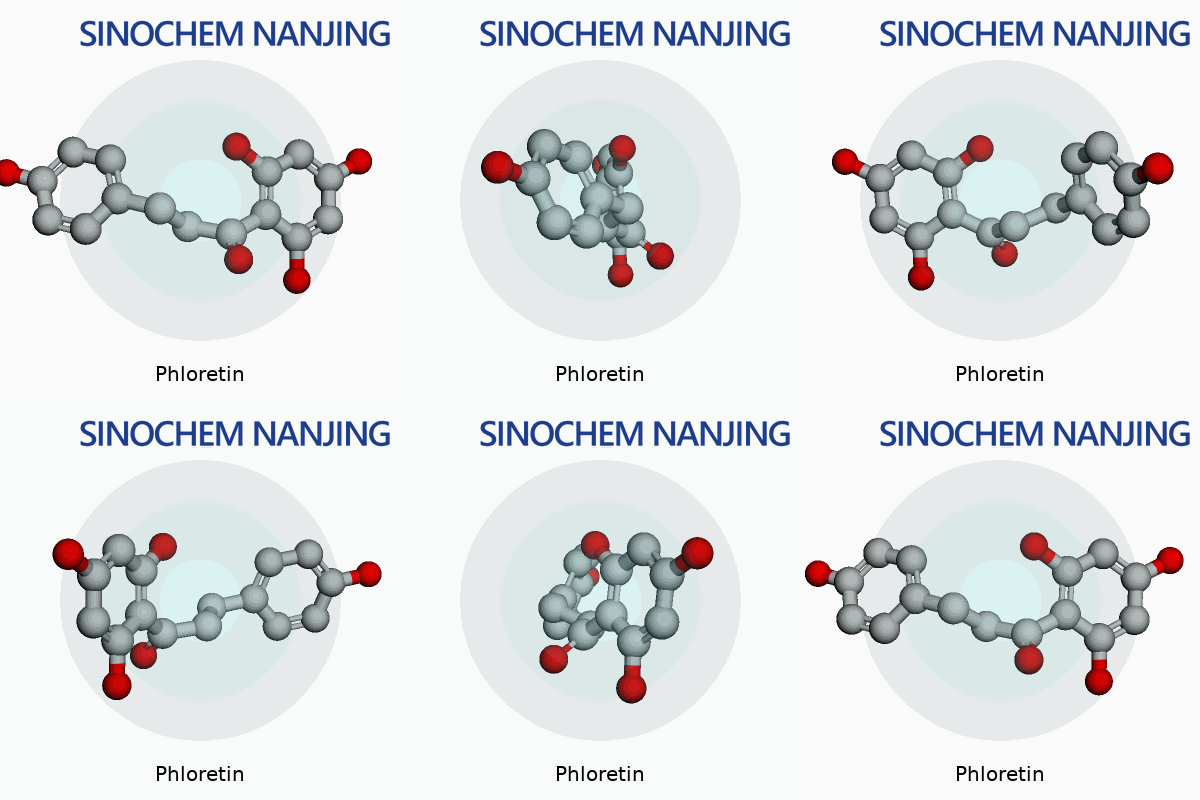
Phloretin stands as a dihydrochalcone—scientists write the formula as C15H14O5. It melts around 267°C, showing stability under normal storage, though it tends to break down with strong acids or bases. In ethanol and DMSO, it dissolves fairly well, but water solubility sits on the lower side, so manufacturing routes often demand co-solvents or special delivery systems. The planar structure, with two aromatic rings and four hydroxyl groups, empowers its strong antioxidant action. Under lab conditions, the molecule stays robust, but in finished products subject to air or sunlight, stability can challenge long-term shelf life. Developers and formulators have tried combinations with ascorbic acid or ferulic acid to anchor stability for cosmetic preparations.
Technical Specifications & Labeling
Product documentation always deserves scrutiny. Phloretin typically arrives with quoted purity above 98%, measured with HPLC. Moisture content and ash levels often carry thresholds below 2%. Identification testing, using tools like IR and NMR spectroscopy, backs up authenticity claims. Labels need to reference batch numbers, manufacturing dates, country of origin, and a valid shelf-life. Conforming to current good manufacturing practices (cGMP) guides every step from weighing through final packing. Some products show QR codes for traceability or offer certificates of analysis to end-users on request. Regulatory authorities in both North America and the European Union look closely at ingredient purity and documentation, so accurate records matter for both safety and consumer trust.
Preparation Method
Manufacturers extract phloretin using solvents like ethanol or methanol, often from dried apple tree bark or root. The harvested bark gets ground and filtered, then extracted in heated solvents for several hours before concentrating under reduced pressure. Purification steps, including crystallization or column chromatography, separate phloretin from other plant phenolics. Some industrial protocols enlist hydrolysis, converting phloridzin—a related glycoside from apples—into phloretin with controlled acid treatment. Scale-ups demand attention to extraction efficiency, recycling of solvents, and waste management, aligning with sustainability standards. At every step, maintaining low temperatures and minimal light exposure can limit unwanted degradation of active components, a lesson learned from years working on phenolic extractions.
Chemical Reactions & Modifications
Chemists have explored diverse modifications to tweak phloretin's solubility and bioactivity. Glycosylation attaches sugar groups, forming phloridzin or other derivatives, which show higher water solubility—a feature critical for oral supplements. Esterification at free hydroxyl groups can boost skin absorption, helping in transdermal creams or patches. Under oxidative conditions, phloretin undergoes ring cleavage or forms dimeric byproducts, which labs routinely monitor during stability studies. Modern formulations look at combining phloretin with synergistic antioxidants—sometimes linking molecules through covalent bonds or embedding them in liposomal carriers, increasing both shelf stability and targeted delivery for personal care and pharma markets.
Synonyms & Product Names
Phloretin carries various names in the industry. Synonyms include Dihydronaringenin, 2',4,4',6-Tetrahydroxydihydrochalcone, and CAS No. 60-82-2. Product trademarks pop up in international markets, often blending "phyto," "apple," or "bio" to highlight botanical provenance. Companies may bundle phloretin with other apple-derived phenolics, branding such blends as “apple polyphenols” or “fruit chalcones.” Accurate labeling helps prevent misidentification—something crucial as customers, especially those buying for pharmaceutical or cosmetic use, demand confirmation of exact chemical identity.
Safety & Operational Standards
Handling phloretin poses minimal hazard under typical storage, though dust can irritate eyes and respiratory passages. Workers in processing plants take precautions with goggles and gloves when weighing or blending powder, minimizing direct contact and inhalation risk. Storage in sealed, light-resistant containers at room temperature preserves quality. Safety data sheets recommend prompt cleanup of any spills and dictate ventilation in areas where large powder volumes circulate. The European Union’s REACH legislation and the United States EPA focus on handling, worker exposure, and any environmental release that could occur during manufacturing and storage. Producers integrate audits and routine risk assessments into their quality management practices, ensuring products remain compliant with expanding regulatory expectations across food, cosmetic, and supplement sectors.
Application Area
Phloretin’s promise turns up in diverse fields. Skincare champions laud its antioxidant support, aiming to shield skin cells from reactive oxygen species linked to aging and photodamage. Dermatologists often recommend serums or creams blending phloretin with vitamin C and ferulic acid for enhanced protection and visible brightening. The supplement industry includes phloretin as part of broader metabolic health formulas, referencing studies that examine glucose absorption and potential benefits for people managing blood sugar fluctuations. Food scientists explore adding apple-derived phloretin to juices or nutrition bars, looking for ways to retain activity post-pasteurization. In the research sector, phloretin lands on lists for cancer prevention, though evidence remains preliminary and requires more clinical studies before drawing any sweeping conclusions.
Research & Development
Much of phloretin’s current R&D traces to investigation into natural antioxidants and glucose transporter inhibitors. Recent years saw more advanced work on improving bioavailability. Liposomal encapsulation, polymer conjugates, and nanoparticle suspension count among areas where labs have noted better absorption and sustained release. Universities and private labs race to document health impacts, often recruiting volunteers in double-blind studies to measure blood glucose, free radical scavenging, and topical skin effects. Patents rise each year for novel forms—in some cases, firms combine phloretin with newer delivery agents to create products that bypass traditional stability issues. Regulatory feedback moves this work out of academic journals and into practical guides relied on by R&D teams at small and global firms.
Toxicity Research
Current studies show phloretin as safe at planned doses for supplements and topical use. Animal models support this record, with high-dose oral or dermal exposure causing limited adverse effects—usually only at levels far beyond what any consumer product contains. Mutagenicity and carcinogenicity screens have returned negative. Some reports note transient gastrointestinal upset in oral trials, but these incidents fade with lower dosing or after short periods. Regulators emphasize the importance of ongoing surveillance as product categories expand, so updated studies look for potential cumulative effects or unexpected reaction pathways once phloretin meets biological systems in real-world populations.
Future Prospects
Phloretin clearly draws more attention year after year. The market for cosmeceuticals keeps rising, and interest in plant-based actives remains robust. Ingredient suppliers and end-product brands compete to create patent-protected formulations that maximize skin penetration, shelf life, or targeted supplementation. In my own experience observing both the supplement and cosmetic trends, success goes beyond purity specs or packaging claims—real impact comes from research that links mechanism to outcome and communicates both benefits and limitations clearly to retailers and consumers. Collaboration between industry and academic labs points to new blends of phloretin with synergistic plant phenolics, backed by sound pharmacokinetic research. Agencies overseeing supplements and cosmetics ask for ongoing safety data, pushing brands and labs to generate evidence with larger randomized trials and new toxicological methods. As research deepens and technical refinements move lab discoveries into everyday products, phloretin’s future looks set to remain dynamic, complex, and always evolving alongside real-world needs and scientific results.
What is Phloretin and what are its benefits?
What Sets Phloretin Apart
Phloretin comes from apples and other fruit trees, mostly in their bark. Years ago, I discovered its name not from a scientific paper, but in a skin care aisle promising fresher, brighter skin. The thing is, few people hear about this odd-sounding compound outside beauty circles or nutritional science. Yet, researchers and skincare enthusiasts keep talking about what it can do for health and the skin.
Powerful Antioxidant Support
Fruits always get credit for antioxidants. Phloretin ranks high among them. Many studies show it can neutralize free radicals, those unstable molecules linked with skin aging, chronic inflammation, and cell damage. This translates to protection people can depend on, especially in today’s world full of pollution and sunlight exposure. The science shows real results; a study published in the Journal of Agricultural and Food Chemistry points out phloretin’s knack for stalling oxidative stress at the cellular level.
Better Skin—Not Just Marketing
Plenty of skin care products list antioxidants, but few have as many third-party studies behind them as phloretin. Dermatologists often suggest it for uneven pigmentation and sun spots. I’ve spoken to a few who noticed patients reporting a smoother texture and less visible discoloration after steady use. Combined with vitamin C and ferulic acid, phloretin forms a sort of shield, making sunscreen work better and easing redness.
Support for Metabolism and Blood Sugar
Researchers also look beyond skin when it comes to phloretin. Certain animal studies say it can help balance blood sugar by nudging glucose transporters in the body. In folk medicine, apple tree bark—rich in phloretin—served as a remedy for swelling and fever. Science today confirms anti-inflammatory effects, which may explain why traditional uses held up so long. For people managing their metabolic health or fighting off occasional inflammation, phloretin offers a natural source of support.
Downsides, Dose, and Realistic Expectations
No single ingredient holds all the answers. Real-life experience and research both say phloretin gets best results mixed with other proven antioxidants. Safety studies have not shown major side effects from topical or dietary amounts, though testing in pregnancy or long-term use remains light. Most serums come with 2-5% phloretin alongside other compounds, which echoes what’s been tried in published studies. Buying from trusted brands and checking for peer-reviewed testing on their formulas provides a smart way to stay safe.
Easy Ways to Try Phloretin
Apples, pears, and their juices hold small amounts of phloretin. The most convenient way to find it in a routine: topical serums, usually paired with other antioxidants. Because these blends target sun damage and fine lines, they often suit folks over thirty or anyone working outdoors.
Paths Forward—From Orchard to Medicine Cabinet
Over time, interest in plant compounds like phloretin just keeps growing. The more we see credible research on apples and related fruits, the more people look for targeted ways to protect their skin and metabolic health. As always, checking credentials on any supplement or skincare brand, speaking with a health professional, and trusting peer-reviewed research makes a strong foundation for healthy experiments. Apples gave us more than a lunchbox classic—they quietly offer something special for better skin and wellbeing, too.
How does Phloretin work in skincare products?
Where Phloretin Comes From
Phloretin comes from apple tree bark. Digging through research, I found that people first turned to it because they saw pop science about apples providing skin benefits. It took a few lab studies to show why this compound deserved a spot in daily skin routines.
Why People Talk About Phloretin
Plenty of ingredients on the shelf promise brighter skin, but I remember seeing clear data that phloretin gives skin a tangible line of defense. Free radicals from sun, dirt, and even blue light from our screens break down collagen and start the aging process. Phloretin works as an antioxidant, knocking out unstable molecules before they can do real damage.
A 2013 peer-reviewed study in the Journal of Investigative Dermatology highlighted how phloretin can shield skin from infrared and UVA rays. That means while your sunscreen blocks UVB, phloretin stands guard over the rest of the spectrum. People looking to cover all their bases start to notice healthier, more even skin tone after a few weeks with this ingredient in play. Living in a city myself, I’ve watched close friends use antioxidant serums and see their dark spots fade over time.
What Sets This Ingredient Apart
Unlike some vitamin C serums that break down quickly and sting if you use a lot, phloretin tends to play well with sensitive complexions. Based on my own patch testing, redness and breakouts rarely show up. Phloretin even helps vitamin C penetrate better into the skin, which is why some formulas pair the two together.
Dermatologists often highlight that phloretin supports the structural proteins in the skin. Collagen and elastin fibers start to unravel as we age, thanks to environmental attacks. Rather than just sitting on the surface, phloretin helps slow down the enzyme activity that breaks these proteins apart. Regular use strengthens skin over months, not just days.
E-E-A-T Principles Behind Phloretin Use
Verification stands at the core of solid skincare advice. Leading dermatologists, including Harvard Medical School faculty, have spoken about the antioxidant properties of phloretin. The benefit becomes especially clear for people trying to tackle both pigmentation and fine lines. Photoprotective effects show up in both research and in practice—something that keeps earning phloretin a spot in dermatology conferences and reputable journals.
Trust in skincare grows when results match scientific claims. My own routine, built through years of trial, works best with serums that rely on data-driven ingredients. Phloretin falls into this group. It gives me and thousands of other users a real, noticeable improvement against signs of damage. User-reported reviews consistently mention improved texture and glow, often within weeks.
How Skincare Can Use Phloretin for More People
Some of the challenge with antioxidant formulas comes from stability and absorption. Companies often blend phloretin with ferulic acid or vitamin C to help keep the product potent. Consumers should look for brands sharing stability testing and clinical before-and-after photos.
Products with phloretin work best when used in serums, applied after cleansing and before moisturizing. Layering advice can depend on skin type, but most people benefit from using these formulas every morning. Wearing broad-spectrum sunscreen on top helps protect skin as a full system, not just with isolated ingredients.
Looking ahead, better public education and clearer product labeling would help more people understand the power of this antioxidant. More transparency from brands, plus unbiased dermatologist recommendations, can steer people toward safe, effective skincare choices.
Is Phloretin suitable for all skin types?
Understanding Phloretin in Skin Care
Phloretin comes from the peel and pulp of apples and some other fruits. It lands in serums and creams for a simple reason: researchers have noticed its edge as an antioxidant. Skincare brands often promise it shields the skin from everyday air pollution and sun damage, both of which can speed up aging and cause dark spots. Dermatologists mention phloretin for its knack at fighting free radicals, those unstable molecules constantly sparked by UV rays and bad air. These claims don’t come out of nowhere. Studies show phloretin interrupts oxidative stress and calms skin inflammation at the cellular level.
Real-World Experience: Does Phloretin Work for Everyone?
Products with phloretin appear everywhere now, but stories differ as soon as you dig into personal experience. People with normal or oily skin tend to report the most reliable results. My own skin leans toward combination, and I noticed a brighter tone within a few weeks using a phloretin serum. Not once did I see unexpected irritation or clogged pores.
Things get tricky for those with ultra-sensitive or extremely dry skin. Some users mention mild redness or stinging—especially if formulas pair phloretin with strong acids or alcohol-based solutions. These aren’t just odd cases. Board-certified dermatologist Dr. Ranella Hirsch points out that the molecule itself rarely sparks allergy, but the delivery system can set off trouble for reactive skin. Some formulas pile on fragrances or other actives, which complicates things for people with eczema or rosacea. Phloretin works best in a clean, streamlined ingredient list.
Mature skin types chasing firming effects or fading sun spots often gravitate toward vitamin C serums. Phloretin works well here, and research supports its teamwork with vitamin C and ferulic acid. Adding this trio boosts overall environmental protection and makes anti-aging formulas work better for a broader set of users, though extra-sensitive types still need to watch for tingling.
What Science Says About Phloretin and Different Skin Types
Phloretin leads in antioxidant support, but scientists warn that skin barrier health matters most. If someone’s skin barrier feels compromised by harsh exfoliation or chronic dryness, even proven actives like phloretin can sting or backfire. Researchers at Ohio State University found phloretin’s protective qualities show up best among people with stable barrier health. They recommend introducing antioxidants slowly, starting a few times per week, and keeping an eye out for burning or dryness.
Teens and people prone to acne generally tolerate phloretin well, especially in lightweight, oil-free formulas. Acne-prone users should still double-check formulas for pore-clogging ingredients, since not all phloretin products stick to “non-comedogenic” standards.
Solutions for Safer Use
A smart move is to patch test any new product before committing to daily use. People with a history of allergies or reactions to fruit extracts should start with a tiny amount under the chin or behind the ear. Sticking with dermatologist-developed brands limits the risk of hidden irritants. If irritation pops up, stopping right away makes sense. Consulting a board-certified dermatologist saves wasted time and money on formulas that don’t fit uniquely reactive skin.
Phloretin looks promising as an antioxidant, but it never turns into a one-size-fits-all fix. Individual skin biology, product formulation, and daily routine shape whether phloretin feels soothing or harsh. Paying close attention to ingredient lists and skin signals keeps skin healthy and happy through the experiment.
Are there any side effects or precautions when using Phloretin?
Everyday Products and Sneaky Side Effects
Phloretin shows up in plenty of skin care routines. It comes from apples and pears and has built a reputation for helping keep skin looking young while fighting damage from pollution and UV rays. Most people probably see it featured in serums, sometimes combined with vitamin C, aiming for a brighter, stronger complexion. It makes sense folks want to try it—who doesn’t want healthier-looking skin? Still, not every trendy skincare ingredient deserves blind trust.
What Happens To Sensitive Skin?
I remember the first time I tried a phloretin serum. My skin stung a bit at first. Later, a couple of tiny patches of redness popped up on my cheeks. Reading around, this didn’t seem unusual. Many skin-care fans will say phloretin feels gentle, but for some, redness, burning, or itching shows up. Those with rosacea or eczema often notice these effects more strongly. For folks prone to allergies, it helps to remember that even fruit-derived ingredients can trigger angry reactions.
Dermatologists report that though phloretin’s side effects rarely cause major problems, allergic reactions and contact dermatitis appear from time to time, especially if someone is already sensitive or allergic to apples, pears, or similar fruits. The patch test routine isn’t overkill—it’s smart. Just putting a dab on your inner arm can save you from a red, uncomfortable face.
Watch Out for Overuse and Mixing
Lots of us get overexcited with new skin products, thinking if a little works, more will work better. With phloretin, slathering on thick layers or using several antioxidant serums at once raises risk for irritation. Some brands blend phloretin with vitamin C or ferulic acid. Vitamin C is acidic and can dry or tingle, so the combination requires extra caution for sensitive types. Overdoing these products or mixing too many ingredients can backfire, leading to peeling, dryness, or inflammation.
Also, using phloretin while doing treatments with retinol or exfoliating acids, like glycolic or salicylic, can make skin feel raw. Space out treatments or alternate days if you want to keep skin happy.
What About Taking Phloretin by Mouth?
Some supplement suppliers push phloretin pills for antioxidant boosts. Research in animals hints at benefits, like controlling blood sugar levels. The trouble: scientists don’t have much solid data on long-term safety in humans. Digestive trouble, including nausea or cramps, has been mentioned, but since no big studies exist, nobody can say for sure what regular use will do. Pregnant and breastfeeding people should skip oral phloretin until it’s better studied.
Sticking To Safe Habits
Phloretin doesn’t show obvious risks for most healthy adults when dabbed on the skin. For anyone on prescription skin medicines or with a record of sensitive reactions, checking with a healthcare provider makes sense before starting anything new. Keeping an eye out for redness or new irritation helps, and stopping use at the first sign of trouble prevents worse issues. The beauty industry thrives on new miracle ingredients—thoughtful, slow testing will always beat impulsive slathering when it comes to protecting your skin and health.
How should I use Phloretin in my skincare routine?
What Phloretin Really Does for Skin
Phloretin comes from apples and the roots of some fruit trees. You’ll spot this antioxidant in a handful of high-end serums—think SkinCeuticals Phloretin CF. It protects the skin from pollution, sunlight, and other daily stressors. I first used phloretin out of curiosity, not because I needed a new miracle ingredient. At the time, I worked in a city with air thick enough to taste. It didn’t take long to notice my cheeks feeling less irritated, and my skin tone slowly stopped looking so uneven.
How To Use Phloretin in Daily Care
Anyone jumping into preventive skincare wants to keep it practical. The best spot to use a phloretin serum is right after cleansing but before layering on heavier serums or moisturizers. Clean skin allows antioxidants to sink in without a barrier. I usually pat my face dry, apply a few drops of phloretin serum, and let it settle. After a minute, I follow with moisturizer and a solid sunscreen. Sunscreen is not negotiable, since antioxidants do their work best as a team. Without sun protection, even the best routine misses the mark.
Why Phloretin Matters for Certain Skin Types
Dermatologists, like Dr. Ranella Hirsch, point out that people with combination and oily skin often see fewer breakouts and less discoloration when they stick with phloretin. I struggled with post-acne red marks for years. Vitamin C helped a little, but phloretin combined with ferulic acid made enough difference that I skipped makeup on some days. Research backs up these real changes—a Journal of Investigative Dermatology study confirmed that phloretin shields against some UV light and evens pigment irregularities.
Common Problems and Easy Fixes
Some phloretin serums sting sensitive skin, especially right after exfoliating. Using phloretin every other morning instead of daily often keeps irritation away. I also started mixing a drop into moisturizer to soften the punch, especially in winter. Paying a high price doesn’t guarantee better results; some affordable versions work just as well, as long as the concentration sits around 2% and comes in opaque packaging. Oxygen and light break these antioxidants down too quickly.
Making Ingredients Work Together
Pairing phloretin with ferulic acid and vitamin C works because they help stabilize each other. Most top-rated serums use this trio for a reason—science keeps showing better results when they work together. Double layering similar antioxidants, though, sometimes leads to flaking or dryness. After swapping a vitamin C serum out for a formula with all three, my skin stopped reacting and looked more consistent in tone. For those adding retinoids or exfoliating acids at night, phloretin stays gentle enough not to trigger extra peeling or redness.
Choosing Products with Confidence
Checking the full ingredient list matters. Avoid fragrance if you react easily. Water-based phloretin serums absorb quicker and wear lighter than oil-based ones. Dermatologists and skincare educators, such as Dr. Shereene Idriss, recommend introducing new actives slowly. Patch test every new serum, especially if you deal with allergies or ongoing redness. Brands with published clinical data—think peer-reviewed studies, not just influencer posts—usually offer more reliable results. Trusting your own skin’s response means more than sticking with hype or brand names.
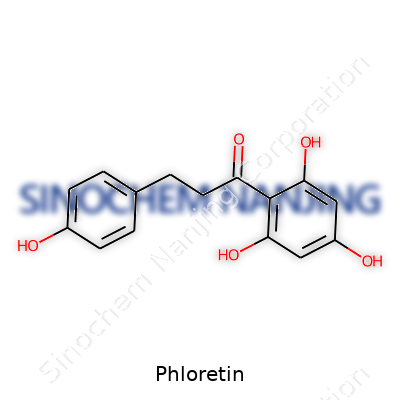
| Names | |
| Preferred IUPAC name | 3-(4-hydroxyphenyl)-1-(2,4,6-trihydroxyphenyl)propan-1-one |
| Other names |
Floridzine Phloretine NSC 407292 |
| Pronunciation | /ˈflɔːr.ə.tɪn/ |
| Identifiers | |
| CAS Number | 60-82-2 |
| Beilstein Reference | 1918763 |
| ChEBI | CHEBI:18077 |
| ChEMBL | CHEMBL456 |
| ChemSpider | 5460 |
| DrugBank | DB02106 |
| ECHA InfoCard | 100.061.096 |
| EC Number | 1.14.13.125 |
| Gmelin Reference | 174576 |
| KEGG | C08267 |
| MeSH | D010742 |
| PubChem CID | 4784 |
| RTECS number | TL8750000 |
| UNII | S7P9H3UF51 |
| UN number | UN2811 |
| Properties | |
| Chemical formula | C15H14O5 |
| Molar mass | 274.29 g/mol |
| Appearance | White to off-white crystalline powder |
| Odor | Odorless |
| Density | 1.231 g/cm³ |
| Solubility in water | Slightly soluble |
| log P | 2.22 |
| Vapor pressure | <0.00001 mmHg (25°C) |
| Acidity (pKa) | 7.73 |
| Basicity (pKb) | 10.07 |
| Magnetic susceptibility (χ) | -6.2×10⁻⁶ |
| Refractive index (nD) | 1.625 |
| Dipole moment | 5.12 D |
| Thermochemistry | |
| Std molar entropy (S⦵298) | 321.1 J·mol⁻¹·K⁻¹ |
| Std enthalpy of formation (ΔfH⦵298) | -1207.9 kJ/mol |
| Std enthalpy of combustion (ΔcH⦵298) | -3071.0 kJ/mol |
| Hazards | |
| Main hazards | Causes serious eye irritation. May cause respiratory irritation. May cause an allergic skin reaction. |
| GHS labelling | GHS labelling: Not classified as hazardous according to GHS (Globally Harmonized System). |
| Pictograms | GHS07, GHS09 |
| Signal word | Warning |
| Hazard statements | H315: Causes skin irritation. H319: Causes serious eye irritation. H335: May cause respiratory irritation. |
| Precautionary statements | Keep out of reach of children. If swallowed, get medical help or contact a Poison Control Center right away. For external use only. Avoid contact with eyes. If irritation occurs, discontinue use and consult a physician. |
| Flash point | 102.3 °C |
| Autoignition temperature | 385 °C |
| Lethal dose or concentration | LD50 (rat, oral): > 2000 mg/kg |
| LD50 (median dose) | LD50 (median dose): 3,850 mg/kg (oral, rat) |
| NIOSH | Not established |
| PEL (Permissible) | Not established |
| REL (Recommended) | 24.00 |
| IDLH (Immediate danger) | Not established |
| Related compounds | |
| Related compounds |
Phlorizin Dihydrochalcone Phloretic acid Naringenin Eriodictyol |



