Octene: Substance of Quiet Power in Modern Industry
Historical Development
The story of octene starts well before it became a fixture in labs and factories. Chemists began grappling with the fascinating world of alkenes in the late 1800s, trying to piece together how unsaturated hydrocarbons might reshape daily life. My own introduction to the stuff came from an old chemistry professor, who recounted how the drive for better fuels in the 20th century brought octene out of the shadows. Refiners looking for higher-performance gasoline noticed octenes—especially 1-octene—could help punch up octane ratings and keep engines running smoother. When plastics research exploded in the 1950s, octene stepped confidently into a larger role as a comonomer, nudging polyethylene toward strength and flexibility that turned heads in manufacturing circles.
Product Overview
Out on the shop floor or in the lab, octene appears as a clear liquid with a sharp, somewhat sweet odor. People working around it describe a common chemical tang, much like other medium-chain alkenes. Octene covers a family of isomers, but the straight-chain 1-octene is the workhorse, acting as a building block in countless industrial reactions. Octene isn’t flashy, but its contribution to crucial processes—from polymers to surfactants—is undeniable. Knowing what octene brings to the table, one can’t ignore its influence, whether stored in steel drums, pumped through chemical plants, or reacting away inside a controlled chamber.
Physical & Chemical Properties
Octene sports a molecular formula of C8H16 and weighs in at 112 grams per mole. The unsaturation from its double bond gives it a touch of reactivity that makes chemists’ lives interesting. It sits as a liquid at room temperature, boiling in the neighborhood of 121°C, and shows a flashpoint that demands attention and care in handling. Its density comes close to 0.715 grams per cubic centimeter, a solid reminder that it floats on water, demanding proper containment. Mix it with air in the right proportions, and octene becomes flammable—a factor that safety engineers can’t overlook. As with other alkenes, octene’s double bond drives much of its chemistry: it grabs halogens, adds hydrogen, and sets the stage for a variety of useful transformations.
Technical Specifications & Labeling
Working with octene in commercial settings means paying close attention to purity and isomer content. For polymerization use, absolute purity proves vital, as a stray contaminant can send an industrial reactor in the wrong direction. Labels and data sheets mark out hazard codes, boiling point, and storage guidance, but it’s up to workers to absorb the habit of respect when moving or mixing this material. In my own experience, every drum needs a clear chain of custody, airtight lids, and checks for leaks that can vaporize into a potential fire risk. Well-rehearsed labeling standards help prevent confusion and keep everyone on the same page.
Preparation Method
Industrial octene production leans heavily on oligomerization of ethylene. Chemical plants use catalysts—often nickel or chromium on a solid substrate—to stack ethylene molecules in precise ways, teasing out the ideal 8-carbon chain. This method offers control over the isomer produced, though refinery routes have been known to churn out a mix that needs sorting. I once watched a plant engineer light up describing the process: towers pumping, heaters churning, all finely calibrated to pull octene from flowing gas streams. Cleaner methods have emerged as green chemistry pushes refiners to wring more efficiency from less energy and to cut emissions.
Chemical Reactions & Modifications
Octene never stays the same for long in a chemical plant. The double bond opens a door to addition reactions, letting octene react with hydrogen to form normal octane or with halogens to produce valuable derivatives. It acts as a comonomer for producing linear low-density polyethylene, which finds its way into everyday products from packaging to construction film. Functionalizing the double bond—attaching new chemical groups—has given researchers a way to create surfactants and specialty lubricants. In organic synthesis, I’ve seen octene serve as a starting point for more complex structures, thanks to its willingness to participate in reactions such as epoxidation, hydroformylation, and metathesis.
Synonyms & Product Names
Though the precise name on a label might read “1-octene,” you may also see terms like “octylene,” “n-octene,” or even more technical names that call out the structural isomer. In catalogues and on invoices, familiar names set expectations for purity and content. It always pays to double check that you’re really getting the isomer desired—one small error can make a big difference downstream.
Safety & Operational Standards
Folks working with octene must treat it as a flammable, volatile organic liquid. Strict controls on ventilation and minimizing ignition sources form the backbone of safe operations. Engineers specify explosion-proof electrical equipment, run regular leak checks, and demand proper personal protective equipment: gloves, goggles, and face shields. Facility training includes spill drills and clear evacuation plans. Acute exposure brings risks, from irritation to the eyes and throat to headaches and dizziness, so good practice means using fume hoods and keeping emergency showers close by. Long-term safety means checking in with occupational health guidelines and routinely monitoring air quality in storage and processing rooms.
Application Area
Octene serves as a quiet enabler in a range of industries few laypeople think about. Its role in plastics turns up in the grocery store as film wrap, in garbage bags, and tucked inside many electronics as flexible connectors. In surfactants, octene sits at the root of detergents and cleaning agents, giving them the punch to cut through grease. Lubricants often call on octene derivatives for improved thermal stability and longevity in demanding engines and gearboxes. Looking around a modern home or car, traces of octene’s chemistry pop up in the smooth functioning of plastics, glues, and coatings, though few ever notice.
Research & Development
Academic groups and corporate labs keep probing what octene can do, searching for cleaner syntheses and improved catalysts to wring even more value from each molecule. Researchers tweak polymerization tactics, chasing better balance between toughness and flexibility in new plastic grades. Synthetic chemists see octene as an elegant entry point for new molecules, from specialty solvents to pharmaceutical intermediates. My visits to R&D labs have shown me how much creativity lurks in these projects—teams swapping out catalysts, running new analytical tests, always eager to squeeze a few percent more efficiency or uncover a new commercial avenue.
Toxicity Research
The conversation around octene’s health impact hinges on exposure management. Acute toxic effects come mostly from inhalation or skin contact, bringing headaches, drowsiness, or mild respiratory irritation at higher concentrations. Research so far hasn’t tied octene closely to long-term carcinogenic risks, but prudent handling remains a must. Agencies provide exposure limits for airborne concentrations in factories, and safety data sheets underscore the importance of prompt decontamination and medical checking after accidental exposure. Years on chemical safety committees showed me that real safety grows from a culture of vigilance, not from paperwork alone.
Future Prospects
Octene won’t fade into the background anytime soon. Surging demand for advanced plastics and efficient lubricants keeps the market lively. The push for more sustainable chemistry promises to shape how octene gets produced and put to use. New bio-based feedstocks and more precise catalytic processes stand to cut emissions, boost yields, and lower operational risks at scale. Engineers in the sustainability field eye octene as a stepping stone on the road to greener materials—materials that can help cut waste and deliver better performance without weighing down the environment. Strong research funding and industry engagement will keep octene front and center in the continuing story of modern chemistry, ensuring the world keeps squeezing value and progress out of this humble but essential hydrocarbon.
What is Octene used for?
Beyond the Lab—Octene in Everyday Life
Most folks never hear about octene, but this chemical shapes a surprising number of things we all use. Octene doesn’t sound exciting at first—it’s a colorless liquid, made from oil or natural gas. Just like so many things in chemical plants, the value comes from what octene makes possible, not the substance itself.
Powering Plastics That Last
If you ever look at flexible water pipes, packaging film, or those snap-on bottle caps, chances are octene played a part. Manufacturers use it as a co-monomer to make certain types of polyethylene, especially the stuff that needs to bend, stretch, and tough out daily use. These are called linear low-density polyethylenes (LLDPE). In my own work with polymer experts, I’ve seen firsthand how octene helps keep packaging reliable. It strengthens the plastic, making it tough enough for heavy bags but still flexible—preventing tears and frustration for everyone hauling groceries.
Helping Cars and Engines Run Smoother
Octene’s role sneaks into car engines, too. It helps produce additives that improve how engine oils handle stress and temperature swings. Through something called "alkylation," octene changes base chemicals so lubricants don't break down as quickly, and engines avoid costly wear. Back when I checked on a friend’s motorcycle shop, he swore by lubricants built with these additives. Engine parts just lasted longer, and customers noticed the difference.
The Chemistry Behind Everyday Cleaners
Surfactants—the chemicals that put the clean in most soaps and detergents—often need octene for their main ingredient chains. Scientists tweak molecule sizes using octene to get the right balance of foaming and cleaning power. This helps detergents rinse away grease without damaging hands or household surfaces. Folks rarely think about the chemistry behind a simple dish soap, but the mix wouldn’t work as well without careful blending from compounds like this.
Octene’s Footprint and Responsibility
With its ties to plastics, lubricants, and cleaners, octene finds its way into rivers, soil, and—by extension—our bodies if nobody’s careful. Waste from manufacturing and plastic pollution already raise red flags. In recent research, microplastics have shown up everywhere from rainfall to the deepest lakes. This has driven demand for better recycling technologies and safer disposal. Many chemists now push for biodegradable options that cut down on octene-derived pollution, and companies face pressure to improve collection and recycling methods.
Rethinking Chemical Building Blocks
While octene still provides a backbone for many consumer products, the world is facing tough questions about reliance on fossil-derived chemicals. Bioplastics, waste-to-chemical processes, and renewable sources promise less pollution and lower emissions. Real-world change only comes when science, regulation, and industry habits all catch up. I’ve met research teams turning agricultural waste into chemical feedstocks, offering hope that someday people won’t rely so heavily on oil and gas just to make things like octene. The path isn’t easy, but every new breakthrough chips away at old habits. That’s how chemistry quietly shapes the world ahead.
What are the chemical properties of Octene?
What Octene Brings to the Table
Octene is an alkene with eight carbons. Most often, people talk about its linear version, especially 1-octene, which carries a double bond right at the end of its chain. That double bond is more than just a detail – it puts octene in the game for all kinds of industries, from plastics to additives. With a molecular formula of C8H16, octene stands as a regular hydrocarbon with one piece that makes chemists excited: the unsaturated bond, which means it has room to react.
How Octene Behaves Chemically
Take any regular alkene – the double bond is always up for a reaction, and octene’s no exception. That double bond reacts with all sorts of substances. React it with hydrogen and you’ll get octane, a saturated hydrocarbon. Mix it with halogens, and you get dihaloalkanes. Its double bond takes part in addition reactions quite readily compared to alkanes. Oxidizing agents like potassium permanganate or ozone cause it to break and form smaller fragments – an important property for folks in chemical labs and manufacturers alike.
Octene’s lighter – check its boiling point around 121°C. That’s not as light as pentene or hexene, but it’s plenty volatile, which creates some challenges for storage and transport. The flammability means keeping octene near open flames or static electricity is asking for trouble. Breathing in octene vapors can lead to headaches, nausea, and dizziness. Anyone working with it gets to know quickly why good ventilation always comes first in a lab or plant. There, my own training days made me tough on safety gear, and seeing how easily it ignites, that’s just common sense.
Why Its Properties Matter
One piece making octene popular is its ability to serve as a “comonomer.” In polyethylene production, adding a bit of octene helps tweak the plastic’s flexibility and toughness. Its reactivity gives plastic engineers a lot more control over material design. You won’t find rigid uniformity in the end product—octene’s inclusion lets producers craft plastics that won’t crack as easily under stress or repeated bending.
Octene dissolves in nonpolar solvents. Put it in water and not much happens – it floats. Toss it in something like hexane or toluene and it mixes without fuss. That lets processing plants shift octene between phases, separate it using distillation, and refine it for different uses. Chemical engineers appreciate how reliably octene acts under steady temperatures and pressures during those handling steps.
Managing the Challenges
The industry relies on strict controls for handling octene. Regular leaks turn hazardous. Sensors, flame arrestors, and closed-system transfers keep problems from spiraling. People working with octene learn to respect its hazards because the potential consequences hit fast. Strict operational rules and training aren't just regulatory hurdles – they shield communities and workers from worst-case scenarios. Proper labeling and good oversight in warehouses prevent fires and chemical exposure, two things anyone who has spent real time in the industry can say never lose their edge.
Disposal happens with care. Combustion units or controlled chemical recycling keep octene from entering the environment in ways that can build up quickly, for example in groundwater. It’s one thing to talk about chemical properties in a classroom. Watching cleanup crews work after an accidental release leaves a lasting impression about why following best practices beats shortcuts every time.
Facts from Experience and Data
Octene keeps playing a big part in advancing materials engineering, not just in plastics but personal care and lubricants too. Its chemical properties mean both opportunity and responsibility. Understanding how it behaves, and keeping the right precautions, makes sure communities and workers benefit from its real-world uses while minimizing unwanted risk. Playing by the book, trusting reliable data, and learning from real experience lets octene stay an asset instead of a headache.
How is Octene produced?
What Is Octene, And Where Does It Start?
You see octene every day, even though the name doesn’t roll off the tongue. Supermarkets, highways, electronics shops—all of them rely on the plastics and chemicals built from this colorless liquid. Think plastic wrap. Think pipes. Octene builds the backbone of these materials. Getting it isn’t magic. It takes chemistry, energy, and careful management of natural resources.
How Is Octene Made?
Octene starts with oil and natural gas pulled out of the ground. It doesn’t pop out ready to use—producers have to wrestle with the hydrocarbons in crude oil or natural gas. The path to octene begins when refineries crack long chains of molecules—think ethylene, propylene, and even heavier pieces you’ll find in a barrel of oil. Through a process called alkene oligomerization, smaller molecules like ethylene, which flows out of oil refineries and steam crackers, link together.
The most common piece for octene is 1-octene. To get there, plants use either Fischer-Tropsch synthesis or the Shell higher olefin process (SHOP). The SHOP process reacts ethylene over a nickel catalyst, stringing two-carbon ethylene units together. This builds a spread of even-numbered alkenes; octene gets fished out of this mix. This isn’t a one-step game. Operators have to separate the different length molecules with distillation towers—huge metal columns running day and night, heated by fossil fuels, cooled by water systems, and full of trays and columns designed to let lighter molecules rise and heavier ones sink.
Challenges In Production—and Impact
Octene production relies hard on fossil feedstocks. In an energy-constrained world, this causes big headaches. The process chews through natural gas and oil, and every ton of octene means a hit on resource reserves and a bump to emissions. Waste heat pours out of the distillation steps, and chemical plants run at high pressure and high temperature, drawing from regional water supplies and releasing CO2. This puts pressure on producers to clean up the process—nobody wants cancer-causing leaks or flares bright enough to light up the sky.
I once stood outside a refinery and saw flares burning methane and ethylene, leftovers from these chemical reactions. The sound alone—the whoosh of escaping gas—reminded me that even small gains in efficiency matter on this scale.
Pushing for Greener Chemistry
Some companies try to cut out dirty parts of the process by recycling off-gases, recovering heat for other industrial needs, or shifting to renewable electricity. Researchers dig into biobased routes, looking at fermentation or renewable feedstocks. These aren’t pie-in-the-sky ideas: plants in Europe and Asia already mix in renewable power where they can.
Recycling plastics—pulling used polyethylene apart to get pure ethylene again—also helps. With recycled ethylene, SHOP and Fischer-Tropsch can keep running, but with a lighter footprint. Chemists also hunt for new catalysts that use less energy, work at lower temperatures, or resist poisoning.
Why Octene Matters and What Comes Next
Society won’t give up flexible packaging, clean water pipes, or battery housings overnight. The octene flowing into plastics and specialty chemicals shapes almost every device and structure around us. Engineers and chemists face the tough job of balancing demand with the climate reality. Every improvement shaves off some risk and waste. For those who care where materials come from, understanding octene’s journey pushes forward smarter design and choices that matter, from lab to factory to the products in our homes.
Is Octene hazardous to health or the environment?
The Place of Octene in Daily Life
Octene, a fairly common hydrocarbon, slips into daily life mainly through products that use plastics. Polyethylene, a familiar plastic, often relies on octene as a co-monomer. Gone are the days when most folks paid attention to which chemicals shaped their plastic bags, bottles, or even some toys. That lack of awareness sometimes leads to worry—does octene bring health or environmental risks? These are important questions for anyone trying to shop responsibly or protect loved ones.
What We Know About Health Risks
Research on octene itself is limited, but looking at similar hydrocarbons, long-term exposure could irritate the skin, eyes, and lungs. In tightly regulated settings like chemical plants, workers use gloves and masks to cut their risk. The average person faces almost no chance of direct exposure, since most octene ends up fully reacted in the plastic structure, not floating loose in the air or sticking to hands. In practice, I’ve never heard of someone picking up sickness from touching a polyethylene bag, nor have data shown it commonly happens.
The worry bubbles up with manufacturing accidents or large spills, when octene might leak into soil or water. At those moments, inhaling vapors or getting the liquid on skin could present acute risks. The American Conference of Governmental Industrial Hygienists (ACGIH) recommends limiting workplace exposure to alkenes like octene because of nausea or dizziness after heavy contact. These real risks push manufacturers to enforce safety practices.
Octene and the Environment
Getting a handle on octene’s environmental impact means looking at both its immediate and long-term behavior. Octene, being a volatile organic compound (VOC), evaporates into the atmosphere if spilled. In air, it breaks down after a few days thanks to sunlight and natural chemical reactions, producing less hazardous substances. That helps, compared to persistent chemicals that stick around for decades.
If octene gets into waterways, aquatic life could struggle for a period, especially fish and insects sensitive to hydrocarbons. Yet, octene doesn’t usually build up in food chains or remain in soil for long. This sets it apart from substances like PCBs or heavy metals, which linger and can harm ecosystems for generations.
From my time living near an industrial zone, I saw local regulations get strict about how companies store and handle such chemicals. State agencies often demand spill-control plans and regular audits. These rules matter more than ever, since one bad accident undoes years of preventive work. Whenever I witnessed enforcement slip, complaints about odors or strange residues in streams spiked quickly.
Pushing for Safer Practices
It’s tempting to insist on banning every risky-sounding chemical, but experience shows a better path in constant monitoring and transparency. Manufacturers can publish their safety logs and steps taken to prevent leaks, boosting public trust. Regular training for workers and emergency responders helps local areas prepare for accidents without panic or confusion. Consumers can also call for materials made using green chemistry, where safer alternatives receive priority over cost-cutting shortcuts.
Researchers have started chasing new ways to make plastics with plant-based feedstocks that sidestep octene altogether. More support for this kind of science moves industries away from fossil fuel chains bit by bit, reducing not just single-chemical risks but much of the pollution profile, too.
What industries commonly use Octene?
Building Blocks for the Plastics World
Step into any supermarket or electronics store and you’ll spot something molded or wrapped in polyethylene. Octene, one of the unsung heroes of the chemical world, plays a major role here. Producers use octene as a comonomer, blending it with ethylene to create linear low-density polyethylene (LLDPE). The outcome: grocery bags, food wraps, frozen food packaging, and thin, flexible films. Think about those cling wraps that seal in leftovers – octene shapes their feel, boosts puncture resistance, and adds that signature stretch. The global plastics industry, reaching approximately $600 billion in value, leans on octene to make these everyday essentials tougher and lighter.
Automotive Industry Gets a Boost
Beneath the hood, octene transforms basic chemistry into real-world solutions. LLDPE produced with octene turns up under dashboards, inside door panels, and as protective layers for wiring. Automakers pick octene-based compounds because they stand up to heat and hard knocks. Plastic blends with octene stay flexible in cold starts and don’t crack under the summer sun. On the personal level, having worked with mechanics, I know they appreciate parts that outlast daily wear—replacing components less often means vehicles spend less time on lifts, and that translates into savings for both shops and drivers.
Lubricants: Keeping the World in Motion
Oil isn’t just for engines. Rows of conveyor belts or rows of turbines demand a different kind of lubricant—one made using chemicals like octene. Oligomerization, a process that strings together octene molecules, gives rise to high-performance polyalphaolefins (PAOs). These synthetic oils run inside everything from factory gearboxes to wind turbines. I’ve watched maintenance crews choose PAOs on cold mornings. The machines crank right up and don’t gum up in the heat; long service intervals mean companies save money and cut waste. Global demand for synthetic lubricants topped $36 billion last year, and octene found its way into many barrels.
Adhesives and Sealants
Octene doesn’t stop at plastics and oils. Hot-melt adhesives, used in everything from packaging to shoemaking, depend on copolymers with octene for flexibility and stickiness. That quick-seal glue pack on bread bags—octene gives it easier handling and resilience. I’ve talked to small business owners in manufacturing who say adopting those adhesives sped up their assembly lines, improved product durability, and trimmed overhead on repairs.
Surfactants and Detergents
Octene pops up in cleaners and detergents. Chemical makers use it as a starting point to create alcohols and surfactants. The cleaning power in dish soap or laundry powder partly owes its punch to chemicals that begin with octene. Production volumes of these surfactants stretch into the millions of tons per year worldwide, giving octene a place in kitchens and laundromats around the world.
Looking at What’s Next
Octene’s broad reach in multiple sectors highlights how interconnected industries truly are. The push for greener materials and recycling across plastics, packaging, and automobile parts challenges octene suppliers to improve both their footprint and output. Biobased versions, new catalysts, and better recycling processes could shift octene’s story over the next decade. The world will always need durable packaging and reliable machinery; changing how octene is made and used can make those demands easier to meet and the results safer for the planet.
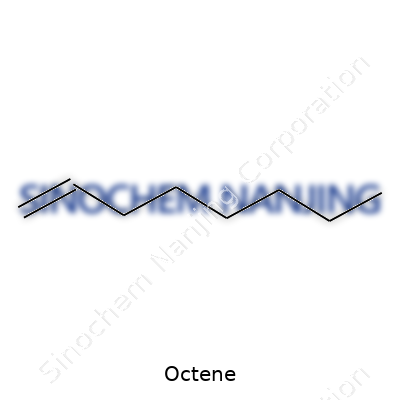
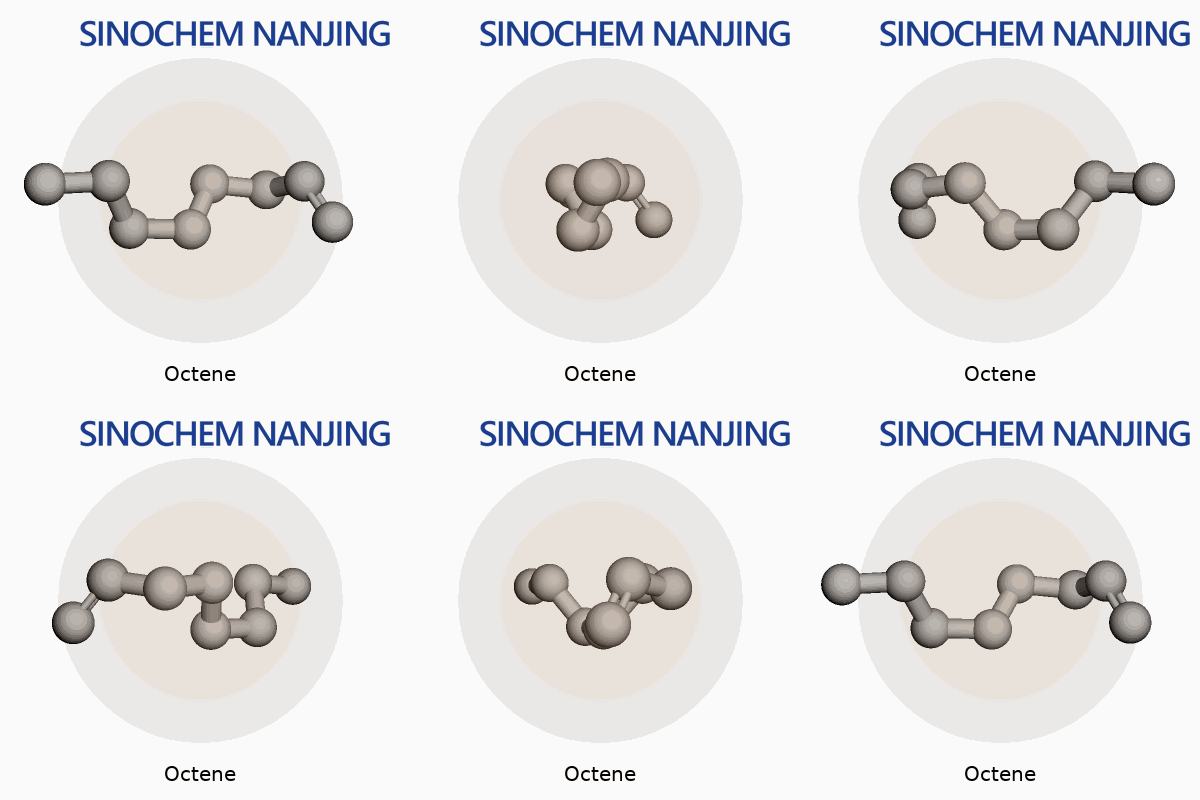
| Names | |
| Preferred IUPAC name | oct-1-ene |
| Other names |
Caprylene 1-Octene n-Octene |
| Pronunciation | /ˈɒk.tiːn/ |
| Identifiers | |
| CAS Number | 111-66-0 |
| Beilstein Reference | 1900083 |
| ChEBI | CHEBI:38299 |
| ChEMBL | CHEMBL14259 |
| ChemSpider | 53253 |
| DrugBank | DB14182 |
| ECHA InfoCard | ECHA InfoCard: 100.003.405 |
| EC Number | EC 208-565-6 |
| Gmelin Reference | Gm. 69 |
| KEGG | C08362 |
| MeSH | D010036 |
| PubChem CID | 4460 |
| RTECS number | RG2175000 |
| UNII | U5OQJ9RZZ5 |
| UN number | UN2300 |
| CompTox Dashboard (EPA) | CompTox Dashboard (EPA) of product 'Octene': **DTXSID6020127** |
| Properties | |
| Chemical formula | C8H16 |
| Molar mass | 112.21 g/mol |
| Appearance | Colorless liquid |
| Odor | mild odor |
| Density | 0.715 g/cm³ |
| Solubility in water | Insoluble |
| log P | 3.8 |
| Vapor pressure | 2.8 kPa (at 20 °C) |
| Acidity (pKa) | ~44 |
| Basicity (pKb) | Octene has a very low basicity (pKb value is very high, typically > 20), essentially considered non-basic. |
| Refractive index (nD) | 1.418 |
| Viscosity | 2.06 cP |
| Dipole moment | 0.74 D |
| Thermochemistry | |
| Std molar entropy (S⦵298) | 236.0 J·mol⁻¹·K⁻¹ |
| Std enthalpy of formation (ΔfH⦵298) | -9.6 kJ/mol |
| Std enthalpy of combustion (ΔcH⦵298) | -2046.4 kJ/mol |
| Pharmacology | |
| ATC code | V03AX24 |
| Hazards | |
| GHS labelling | GHS02, GHS07 |
| Pictograms | GHS02, GHS07 |
| Signal word | Danger |
| Hazard statements | H225, H304, H315, H336, H411 |
| Precautionary statements | P210, P233, P240, P241, P242, P243, P261, P273, P301+P310, P303+P361+P353, P304+P340, P331, P370+P378, P403+P235 |
| NFPA 704 (fire diamond) | 1-2-0-NULL |
| Flash point | 32 °C (Closed cup) |
| Autoignition temperature | 220 °C |
| Explosive limits | Explosive limits: 0.9–6.5% |
| Lethal dose or concentration | LD50/oral/rat: 12 g/kg |
| LD50 (median dose) | LD50 (median dose) of Octene: 12,100 mg/kg (rat, oral) |
| NIOSH | RN3670 |
| PEL (Permissible) | 100 ppm |
| REL (Recommended) | 200 ppm |
| IDLH (Immediate danger) | IDLH: 75 ppm |



