Octane in Focus: A Closer Look at its Past, Present, and What's Ahead
Historical Development: Tracing the Roots of Octane
Gasoline engines have evolved along with their fuels. Octane, known best for its role in fuel performance, didn't just appear on the scene with the modern car. Its story started as chemists and engineers tried to wring more power and efficiency from engines during the early days of motoring. Back then, engine knock was more than a minor nuisance—it could wreck an engine. Engineers found that the structure of a fuel’s molecules affected its resistance to knock. In the 1920s, research led by the likes of Graham Edgar showed that iso-octane stood up to knock better than most hydrocarbon cousins. That discovery pushed refineries to hunt out ways to boost octane content. From the earliest knock resistance tests to the leaded fuel era and onwards into unleaded reformulations, the octane rating turned into a yardstick for fuel quality, with major research and investment shaping the way motorists fill up today.
Product Overview: What Octane Brings to the Table
Octane serves as a handy emblem for fuel quality, but the name captures more than just a number at the pump. Chemically, it means a group of hydrocarbon isomers with the formula C8H18, the most important being iso-octane (2,2,4-trimethylpentane). In daily life, octane rating says how likely a gasoline sample is to withstand compression without knocking. Hard-driving engines crave higher-octane fuel—they squeeze fuel-air mixtures tighter, so knock resistance matters more and more as engine tech pushes skyward. You never see octane poured straight into a tank, but it influences blend decisions every day in refineries around the world.
Physical & Chemical Properties: What Sets Octane Apart
Under everyday conditions, pure octane appears as a colorless liquid with a faint petroleum-like smell. Its boiling point hovers just over 125°C, which means it evaporates at room temperature fast enough to be of interest for fuel blending. Octane floats on water since its density runs lower; it doesn’t mix with water and burns clean in open air, producing carbon dioxide and water vapor if combustion completes. Chemists value its stability and clear reactivity pattern, especially in controlled lab work, where octane’s structure acts as a sort of reference. Unlike aromatics and certain other hydrocarbons, octane doesn’t carry major toxicity risks in modest exposure, but nobody mistakes it for a safe household chemical.
Technical Specifications & Labeling: Numbers that Matter
At the pump, octane rating dominates attention. In countries like the US, you spot Research Octane Number (RON), Motor Octane Number (MON), or the average of the two. This value isn’t just academic—engines built with high compression ratios demand gasoline with octane ratings north of 91 (AKI), or the risk of unstoppable knock jumps sky-high. Poorly calibrated or mislabeled fuels cause headaches for drivers and mechanics alike. Regulatory bodies oversee specifications so engines and fuels work in lockstep, keeping both performance and safety on track. Labels must stay accurate, since fueling a car with the wrong grade doesn’t just cost performance—it shortens engine life.
Preparation Method: From Crude Oil to Usable Fuel
Modern refineries turn crude oil into a mix of components with blending in mind. For octane-boosting, processes like catalytic reforming, alkylation, and isomerization take straight-run fractions and rebuild their molecules into higher-octane structures. Alkylation, for example, shuffles light hydrocarbons in the presence of acid, coupling isobutane with olefins to craft iso-octane. Isomerization tweaks the straight-chain octane into branched forms, raising its knock resistance. Leaps in reforming tech shifted the balance away from older, lead-based boosters. Decisions on which method to favor depend on crude quality, refinery setup, product demand, and ever-tightening fuel regulations.
Chemical Reactions & Modifications: Tuning Octane’s Structure
Octane’s backbone stands up to routine handling, but chemists know how to break or rebuild its chains under controlled settings. Typical combustion—in a piston or a lab—tears octane into carbon dioxide and water. In industry, selective hydrogenolysis, halogenation, and even cracking allow more tailored conversions. Isomerization fits in here, taking the linear n-octane molecule and rearranging its branches for new properties. Reactivity shifts with structure: more branching translates to a higher octane rating, so chemists keep finding room to push for better performance without slipping into high-toxicity territory.
Synonyms & Product Names: Keeping Track of the Names
Octane goes by several aliases in technical contexts. Most of the time, folks refer to the name “octane” loosely, but the chemical world draws lines between straight-chain n-octane and various branched “iso-octanes,” among others. Officially, 2,2,4-trimethylpentane captures the branch-heavy iso-octane used for octane referencing in tests. Elsewhere, terms like "gasoline blending component" or trade names on bulk shipment labels show up in the paperwork. For researchers, precision in these labels matters—different isomers behave in distinct ways when blended into commercial gasoline.
Safety & Operational Standards: Guardrails for Handling
Handling octane and its blends requires care, especially at scale. The liquid’s flammability calls for firm operational rules: storage in tight-sealed, ventilated tanks; clear signage on transfer lines; avoidance of ignition sources; and consistent use of personal protective equipment in handling. Spills pose fire risks and evaporative hazards, especially indoors. Regulatory standards like OSHA guidelines and international chemical codes hammer home these rules. At the consumer level, drivers rarely handle pure octane, but it’s vital to appreciate why fuel depots and refineries prioritize safety training and equipment upkeep. Preventing accidents doesn’t just keep staff safe—it shield surrounding communities from preventable disasters.
Application Area: Where Octane Makes a Difference
Octane shapes more than just what comes out of a gas nozzle. Modern engines—especially turbocharged, high-compression variants—push combustion to the edge, needing the knock-resistance that high-octane fuels deliver. Race cars, aviation engines, and even research testbeds run on specially blended high-octane fuels to keep detonation at bay while chasing more power. The aviation world historically relied on leaded, high-octane fuels for piston engines, but the future points toward unleaded blends and bio-derived alternatives. In chemistry classrooms, octane serves as a teaching tool, demonstrating concepts from isomerism to boiling point trends. The reach stretches far past what most drivers see when fueling up.
Research & Development: Keeping the Edge Sharp
Fresh advancements in octane chemistry align with changing engine technologies and tighter environmental regulations. With alternatives to traditional gasoline like biofuels and synthetic hydrocarbons gaining ground, researchers hunt for new ways to boost octane without spiking emissions or process costs. Catalysts that wring higher yields from existing refinery streams, enzyme-based bioprocessing, and even genetic engineering in feedstocks find room for innovation. Laboratories test new additives that bring high-octane performance while reducing harmful tailpipe gasses. Each improvement has implications for supply chains, emissions, and engine reliability—keeping researchers focused on practical, scalable methods rather than science fair tricks.
Toxicity Research: Health Under the Microscope
Exposure questions hound every chemical story, and octane is no exception. Research communities sift through animal models and workplace exposure data for risks linked to octane vapors and direct skin contact. Current data says short-term exposure at low concentrations doesn’t trigger dramatic health effects, though long-term or intense exposure in unventilated spaces leads to headaches, nausea, and even central nervous system symptoms. The stories change if octane carries contaminants typical of blended fuels, or if it burns incompletely in engines without emission controls. Community health and worker protection stand front and center in policy discussions—prompting callouts for stricter monitoring, improved detection tech, and broader health screening in parts of the world where fuel storage and refining aren’t always well-regulated.
Future Prospects: The Road Ahead for Octane
Engine design and fuel chemistry drive change in tandem. With electric vehicles and hybrid tech hogging headlines, the outlook for octane may look different than decades before. Yet internal combustion engines won’t disappear soon—there’s a massive installed base and a demand for high-octane fuels that improve efficiency and squeeze emissions lower. Synthetic production, bio-derived feedstocks, and new blending technologies will likely boost availability of high-octane components without leaning on legacy solutions like tetraethyl lead. Policy could change demand, especially if regulators tighten tailpipe or lifecycle emissions standards. Research into advanced refining processes, safer handling, and lower-impact additives will keep the discussion open for years ahead. High-octane fuel could end up as a bridge from traditional motoring to a lower-carbon world, smoothing the shift while engineers and policymakers iron out new standards and drivers adapt to whatever comes next.
What is Octane and how does it work?
What Octane Means for Everyday Driving
Most people spot the word “octane” at gas stations, but that row of numbers on the pump means more than a quick decision between regular or premium. Octane shows how well gasoline can resist something called engine knocking or pinging. That’s that rattling, unpleasant sound coming from the engine when fuel burns unevenly. High-octane fuel puts up better resistance to this problem.
Long ago, I drove a beat-up sedan with a threadbare engine. Using regular gas, I sometimes heard odd knocking, especially when merging onto highways. Mechanics traced it to low-octane fuel. Later, I learned that higher-octane gas helps engines perform better, especially under stress. It doesn’t give you extra power—unless the engine asks for it—but it keeps things running smoother, prevents small explosions inside the cylinders, and extends engine life.
How Octane Works Inside Your Car
In gasoline, octane refers to a chemical in the fuel, but the “octane rating” tells you about the blend’s performance. Engineers call it resistance to pre-ignition. If your vehicle’s engine is high-compression or turbocharged, exhaust gas heats the fresh fuel-air mixture before it’s time for the spark plug to do its job. Low-octane gas might explode too early under that pressure, causing rough sounds and possible damage over time.
A car built for regular gasoline runs just fine without the fancy stuff. But fill a sporty engine with low-octane fuel and the computer might dial back power to avoid knocking, hurting both performance and efficiency. Following the manufacturer’s suggestion is more than marketing—it keeps your engine healthy.
The Broader Impact of Octane Ratings
Some folks argue that using premium gas is a waste of money unless the manual recommends it. They’re right. The Federal Trade Commission and AAA both caution that premium doesn’t clean your engine or give better mileage unless the engine needs it. If you own a modern car, the computer adjusts the ignition timing, so you’re unlikely to destroy your engine after one fill-up, but regularly choosing the wrong fuel can shorten engine life over time.
Across the world, other countries often rely on higher-octane ratings as the standard. In Europe, nearly every gas pump offers numbers like 95 or 98. This shift allows modern, efficient engines to run with higher compression ratios, helping with fuel economy and emissions. The U.S. has started catching up, as carmakers aim for smaller, turbocharged engines that squeeze more power from each drop. Higher-octane fuel opens opportunities for cleaner, leaner cars without big trade-offs.
Looking to the Future
Right now, scientists keep searching for new fuel blends and additives, hoping to raise octane without adding pollution. Ethanol, made from corn or sugarcane, naturally boosts octane, so more gas stations offer E15 or E85 blends. Some states push for higher minimum octane levels to support future engines.
Drivers could support this shift by educating themselves on manufacturer recommendations and fueling up with the right octane for their engines. Reading the car manual saves money and headaches. As our vehicles and fuels evolve together, understanding the number on the pump puts a bit more power in every driver’s hands.
How do I install and set up Octane?
Rolling Up Your Sleeves With Octane
Jumping into Octane for the first time feels a lot like setting up a new home computer in the early days. Things make more sense as you move through each step, and some patience pays off. For anyone eyeing faster, better-looking renders for their 3D projects, Octane stands out for its raw speed, tight GPU integration, and photo-realistic results.
Why Octane Matters
People don’t always realize just how much time rendering eats up in a project until they’re stuck waiting for a basic animation to finish. I’ve watched many creative folks spend hours fine-tuning lights and materials, only to wait ages for results that don’t hit the mark. Octane changes the game for these artists and designers because it can deliver those detailed, real-world textures and shadows with an intuitive workflow. You end up with more room to experiment and more shots at making your work look the way you see it in your head.
Getting Ready: What You Need
Before diving into installation, take stock of your computer. Octane relies on an NVIDIA GPU that supports CUDA, and the better your graphics card, the faster your renders. Double-check your drivers. Trying to run it on outdated drivers leads to errors or sluggish performance, which nobody enjoys.
What you’ll want to gather:
- A system with at least one CUDA-capable NVIDIA GPU
- The latest drivers for that GPU
- An active internet connection
- A valid Octane license, either standalone or through a supported plugin
Walking Through the Installation
Head to OTOY’s official site to grab the installer. Pick the version that matches your operating system. Start with the standalone edition if you want to play around without digging into another 3D app. If you use something like Blender, Cinema 4D, or Maya, look for their specific Octane plugins – those help the engine slot right in beside your favorite tools.
After downloading, run the installer as an administrator. That avoids permission headaches. Accept the license terms, point the installer to your preferred folder, and let it do its work. If you opt for a plugin, make sure you have the host application installed first. Most plugins walk you through a simple “install and activate” process that links your Octane license to your software account.
Setting Up Your License
Octane uses a sign-in system that checks your license every time it starts. Log into your OTOY account and activate your key. This tethers Octane to your hardware, and you can always release your license later if you move it to another machine. Trouble at this stage often comes from antivirus or firewalls blocking the app’s internet check, so double-check your settings if Octane can’t validate.
Dialing in Your Settings
After you open Octane, set up your render devices. Head to Octane’s preferences to tell it which GPUs to use. Give the system a test render, like a simple sphere with a glossy material, to check if everything’s working. If you see quick, smooth renders, you’re golden. If results look slow or you get crashes, circle back to driver updates or consider if your graphics card needs an upgrade.
Troubles You Might Hit and Fixes
Many run into issues like missing CUDA devices or licensing errors. I’ve found updating drivers solves most GPU headaches. If you can’t activate your license, OTOY’s support forums respond quickly and cover most problems in detail. Keeping your system clean and organized pays off, as messy files and folders can cause plugin issues or crashes.
Pushing Further With Octane
After setup, explore Octane’s online community. Experienced artists share tips, materials, and scene files. Tutorials help speed up learning for advanced features. Tapping into these resources means you’re not starting from scratch, and your renders start looking sharper and more professional right out of the gate.
What are the main features of Octane?
What Makes Octane a Standout in Fuels
Octane always grabs attention during conversations about fuels and engines. Here’s what really matters about it: this rating shows how well gasoline can handle the heat and pressure inside an engine without causing knocking or pinging. For drivers, knocking means rough running and less power. For car owners, it means possible long-term engine damage.
How Octane Ratings Affect Performance
Drivers who fill up at the pump see choices like 87, 89, or 91. These numbers stand for octane ratings. Lower numbers work for most daily drivers, but high-performance engines run best with higher octane. Engines built for more horsepower compress fuel more than regular engines. With low octane, these engines experience knocking, lose efficiency, and can even get damaged over time. Just ask any car enthusiast who’s tried to cut corners with cheap gas—they usually regret it come repair time.
Science Behind Octane
Fuel doesn’t only move your car; chemistry keeps everything running smoothly inside the engine. Octane comes from hydrocarbon compounds—iso-octane resists knocking, while n-heptane does not. When engineers design engines, they create systems where precise fuel mixtures spark at exactly the right moment. The higher the octane number, the more pressure the fuel can take before igniting. That’s crucial in today’s turbocharged and high-compression engines, like many you’ll see in newer sports models. You won’t get the performance those carmakers promised without the right octane.
Environmental Impact
Higher-octane fuels help engines burn cleaner. For example, research from the U.S. Department of Energy shows engines designed for high-octane fuel often emit less pollution. Automakers keep pushing efficiency, especially with stricter emission rules. A higher octane rating gives them more room to dial in better mileage and cleaner burning. Drivers benefit too—less knocking leads to smoother rides and often improves fuel economy.
Value in Everyday Use
For most people with standard cars, regular octane does the trick. But for anyone driving something with a “premium fuel only” sticker, ignoring those instructions means wasted money at best and possible repairs at worst. Mechanics see enough cases where low-octane fuels lead to engine trouble—clogged sensors, worn pistons, or spark plug fouling—to know that saving pennies at the pump rarely pays off.
Real-World Solutions and Next Steps
Education crosses the finish line here. Drivers shouldn’t have to guess or rely on rumors about which fuel works best. Car manuals spell it out, but gas cap warnings help too. Some stations even offer leaflets or labels explaining how ratings work. If you want to protect your investment and keep emissions down, pick the octane number your engine asks for. Regulators could push clearer labeling and tougher standards to help drivers make informed choices. Automakers already design many engines to adapt to different fuels, yet following their recommendations helps both wallets and the environment. And blend improvements—like using ethanol with higher native octane—mean more reliable fuel choices for the future.
Personal Experience with Octane
Anyone who’s owned a family car and later a sporty coupe knows the difference. Back in college, I ran a regular sedan on the cheapest stuff available. Never had an issue. Years later, I bought a turbocharged coupe and tried saving a few bucks with lower-octane fuel. The performance drop was obvious—and the sound of knocking was impossible to ignore. After that, I took manufacturer advice seriously. Good fuel helps engines last longer and keeps drivers out of the repair shop.
Is Octane compatible with my existing system or framework?
Looking at the Technical Groundwork
Octane promises improvements in performance and developer experience, so a lot of teams want to fold it into old workflows. It’s easy to wonder whether it’ll play nicely with what you already have. In my years working with complex deploys and sticky legacy code, I’ve found that compatibility really comes down to three things: system requirements, framework specifics, and how much you rely on older APIs.
Understanding Octane’s Core Requirements
Octane leans hard on modern PHP features. PHP 8.0+ isn’t negotiable. Many older production environments, especially in shared hosting or organizations slow to upgrade, still linger on PHP 7.x. If your stack hasn’t caught up, even the smoothest code won’t launch.
Beyond the language version, Octane taps into extensions like Swoole or RoadRunner. Not every server supports these out of the box. The Swoole extension, for instance, asks for root access and certain operating system builds. Those deploying on Windows or restricted Linux environments often hit a wall right at install.
Impact on Common Frameworks
Most people looking at Octane run Laravel or something with close ties. Laravel’s native support for Octane gives a smoother ride, but even then, the jump isn’t always trivial. Middleware, session handling, and queues each behave a bit differently under Octane. For example, the traditional file-based session storage starts breaking down, since Octane keeps state alive between requests. Relying on Redis or another cache-backed session driver usually solves these pain points. In diverse team settings where some devs stick to older habits, this switch can surprise people who expect everything to “just work.”
Third-party Laravel packages show their age here. Those built on top of assumptions about request lifecycles or global state often conflict with a persistent worker model. All sorts of tiny bugs creep in: stale data, cached config, leftover sessions. Testing every package can feel like debugging a haunted house, and open-source maintainers don’t always patch things up overnight. That’s why many teams dip a toe in before shifting critical workloads.
Evaluating Custom Code and Legacy Integrations
Teams with homegrown middleware, custom API integrations, or old-school queue workers get the most surprises. I’ve seen projects stall for weeks as devs hunt down edge-case errors triggered only by Octane’s event loop. Long-lived objects or cached database connections look innocent at first, but on high-traffic apps, these time bombs explode. Occasional, ghostly bugs become daily headaches.
Weighing the Benefits Against the Pain
Performance gets a big lift. Requests feel snappier. Resource limits seem to fade. But you don’t get this for free: developers must retrain muscle memory and accept a few scars along the way. Fast-tracking a move to Octane without an audit opens the door to bigger headaches.
Start by updating to PHP 8.x. Test on a staging server before moving production traffic. Swap file-based sessions for Redis or DynamoDB. Inventory your packages and replace or patch flagged ones. Lean on the Octane and Laravel communities—plenty of lessons have been learned, and someone else’s roadblock is usually mapped out online.
Jumping into Octane rewards teams who keep their stack clean, maintain current dependencies, and aren’t afraid of digging through stack traces. For those dragging legacy tech behind them, expect some heavy lifting before all the parts mesh together.
How much does Octane cost and are there different pricing plans?
Understanding What Octane Wants to Charge You
So you’re thinking about trying Octane, and now you’re staring at their pricing page, weighing your options. I remember the first time I looked up the cost of one of these customer engagement platforms. There’s a mix of sticker shock and the urge to get the best deal. Money matters, and so does time, so let’s break down the real costs here without the marketing lingo.
The Basic Plan: Starter for Small Players
Octane typically offers a starter plan, and for most people running smaller shops, this is where the journey begins. They usually price this tier at around $50 to $100 each month. This isn’t exactly pocket change, and you’re basically getting the chance to send messages on WhatsApp, SMS, or email to customers, plus support for building simple chatbots and answering common customer questions. This price fits founders who want to automate a piece of their operation but do not want to hand over a huge chunk of their profits.
Raised Stakes: Growth Plans and Expanding Toolkits
Bigger operations, or shops aiming for fast scale, probably land on the “Growth” or “Pro” plan. This spot on the ladder generally sits between $200 and $500 each month. Here, Octane throws in more advanced features like in-depth analytics, more chatbot flows, priority support, and access to integrations with Shopify or CRM tools. Unlocking these extra tools can make a tangible difference—especially if your team keeps glancing at rising customer inquiries that pull focus from your main gig.
Is There an Enterprise Price? You Bet
Teams with major sales goals and busy stores often graduate to the enterprise tier. This is where pricing moves into “call us for a quote” territory. Based on similar software, monthly payments cross $1,000 easily and can reach several thousand dollars each month. What you get at this level are very large messaging limits, custom onboarding, dedicated account managers, and the flexibility to tie in with complex software stacks. It’s not just a question of what you pay each month—the costs cover constant support, higher SLA guarantees, and custom development work that’s supposed to fit your specific operation.
Comparing the Spend to What You Get
I’ve demoed and used a handful of these tools across businesses, and one lesson sticks: it’s easy to chase features without knowing what ekes out the biggest return for your customers. Founders sometimes sign up for the mid-tier plan, excited about “advanced automation,” only to use maybe half the features. The entry-level plan usually fits until your support tickets or customer messages pile up faster than staff can handle.
To sort out if the cost makes sense, think about message volume. If your store gets flooded with dozens of daily chats, spending $200+ monthly on a workhorse platform starts to justify itself. If you only get the occasional question, it’s worth questioning if you’re paying for more than you need. Every upgrade should trace directly back to either a noticeable workload cut or a strong bump in customer satisfaction.
A Quick Note on Billing and Flexibility
One ongoing frustration across SaaS platforms: annual contracts versus month-to-month billing. Octane often lures businesses toward a longer-term commitment through discounts. Before signing anything, ask for a demo or a trial month, taking time to measure just how much those features help. It’s better to test-drive than regret dropping hundreds each month on a product that winds up gathering digital dust.
So, How Should You Choose?
The right plan depends on your message volume, the size of your customer base, and your team’s technical comfort. There’s no sense overpaying for bells and whistles your crew can't or won’t use. By focusing on the real-world value and how the platform streamlines your workflow, you’ll be less distracted by shiny dashboards and more focused on making your customer experience stronger—for a price that isn’t eating up too much of your revenue.
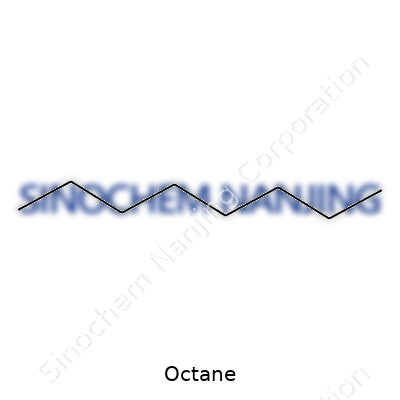
| Names | |
| Preferred IUPAC name | octane |
| Other names |
Octagás Tetraetilplomo Gasolina de alto octanaje Antidetonante |
| Pronunciation | /ˈɒk.teɪn/ |
| Identifiers | |
| CAS Number | 111-65-9 |
| Beilstein Reference | 1900226 |
| ChEBI | CHEBI:37808 |
| ChEMBL | CHEMBL1289 |
| ChemSpider | 8647 |
| DrugBank | DB01396 |
| ECHA InfoCard | EC#: 203-892-1 |
| EC Number | 208-759-1 |
| Gmelin Reference | 111370 |
| KEGG | C06033 |
| MeSH | D010017 |
| PubChem CID | 356 |
| RTECS number | RG9900000 |
| UNII | C9236B63H8 |
| UN number | UN 1203 |
| Properties | |
| Chemical formula | C8H18 |
| Molar mass | 114.23 g/mol |
| Appearance | Octane appears as a colorless liquid. |
| Odor | Gasoline-like |
| Density | 0.702 g/cm³ |
| Solubility in water | 0.00066 g/L |
| log P | 5.18 |
| Vapor pressure | 1.49 kPa at 20°C |
| Acidity (pKa) | 50 |
| Basicity (pKb) | > 20 (very weak base) |
| Magnetic susceptibility (χ) | -8.1×10⁻⁶ |
| Refractive index (nD) | 1.397 |
| Viscosity | 0.507 cP |
| Dipole moment | 0.00 D |
| Thermochemistry | |
| Std molar entropy (S⦵298) | 249.7 J·mol⁻¹·K⁻¹ |
| Std enthalpy of formation (ΔfH⦵298) | -249.9 kJ/mol |
| Std enthalpy of combustion (ΔcH⦵298) | -5470.0 kJ/mol |
| Pharmacology | |
| ATC code | R03CC13 |
| Hazards | |
| Signal word | Warning |
| Hazard statements | H225, H304, H315, H336, H411 |
| Precautionary statements | Keep out of reach of children. Read label before use. If medical advice is needed, have product container or label at hand. Avoid release to the environment. Dispose of contents/container in accordance with local regulations. |
| NFPA 704 (fire diamond) | 2-4-0 |
| Flash point | 40 °C |
| Autoignition temperature | 220 °C |
| Explosive limits | 1–6.5% |
| Lethal dose or concentration | LD50 (oral, rat): 12,000 mg/kg |
| LD50 (median dose) | LD50 (median dose): 5.0 g/kg (oral, rat) |
| NIOSH | TC-84A-9225 |
| PEL (Permissible) | PEL (Permissible) of Octane: 300 ppm |
| REL (Recommended) | 20W-50 |
| IDLH (Immediate danger) | 750 ppm |
| Related compounds | |
| Related compounds |
Methane Ethane Propane Butane Pentane Hexane Heptane Nonane Decane |



