Looking Closely at Octadecyl Alcohol: More Than Just a Chemical Ingredient
Historical Development
Octadecyl alcohol—better known as stearyl alcohol—has traveled a path from natural byproduct to modern industrial staple. Its first significant commercial production traced back to the push for milder surfactants and lubricant additives in the early 20th century. Tinkerers and chemists, hunting for ways to turn animal fats and vegetable oils into useful waxes, landed on this long-chain fatty alcohol as a reliable option. The growth of the cosmetic industry after World War II really opened the doors for stearyl alcohol, as people were eager for creams that soothed skin without leaving a greasy layer. Demand kept rising as folks working in plastics and pharmaceuticals figured out just how versatile the substance could be, so refineries and chemical manufacturers started to scale up. Even now, the route to octadecyl alcohol lies mostly in hydrogenating stearic acid, a fatty acid found in both animal tallow and plant oils. It is remarkable to think that something once made in small batches for soap is now a backbone ingredient for all kinds of industries.
Product Overview
Manufacturers and formulators appreciate octadecyl alcohol for its waxy texture and pliable consistency at room temperature. It doesn’t carry a strong odor, which helps when blending it into lotions or ointments. Its hydrophobic tail, essentially a string of eighteen carbon atoms, delivers a tactile smoothness and also acts as a thickener or stabilizer. Its widespread use owes a lot to this gentle profile. Unlike some industrial additives that irritate skin or give off harsh fumes, octadecyl alcohol keeps to itself and plays well with other ingredients. In personal care, it brings structure and helps creams retain their shape in the jar. In plastics and rubber, it softens and lubricates without leaching hazardous chemicals. The fact that it’s often sourced from renewable fats and oils gives it an edge, especially as businesses and consumers alike push for greener alternatives.
Physical & Chemical Properties
Solid at room temperature, octadecyl alcohol appears as a white, waxy material. It melts at just under 60 degrees Celsius, which makes it handleable even in relatively cool environments. Insoluble in water but blending smoothly with oils, its performance sits well with both oil-based and some emulsion products. Chemically, the alcohol group at one end of the molecule makes it just active enough for moderate reactions. Unlike lower-chain fatty alcohols, stearyl alcohol stays solid until modest heating. That solid form is key: it gives body to solid and creamy blends, slows the rate at which water escapes, and serves as an effective occlusive. For industrial blending or tablet pressing, that solid state keeps manufacturing lines running efficiently, as the material’s consistency supports both automation and manual handling.
Technical Specifications & Labeling
Producers must hit strict quality targets, because products like creams, tablets, and plasticizers depend on reliable ingredient performance. Purity levels for stearyl alcohol generally exceed 98 percent, screened for heavy metals and residues from the hydrogenation process. Cosmetic and pharmaceutical regulations in regions such as North America, Europe, and East Asia require lot-based tracking and documentation of both origin and composition, especially when plant-based sources serve vegan or “clean beauty” consumers. Ingredient lists on retail packages or raw material shipments almost always refer to “stearyl alcohol” or the less common “octadecanol,” since global naming standards have tried to clear away confusion by using International Nomenclature of Cosmetic Ingredients (INCI) designators. There’s a certain trust in that label—an expectation that both ingredient supply chains and final products operate above board, which brings peace of mind for both businesses and families using these goods at home.
Preparation Method
Nobody can overlook the fact that most octadecyl alcohol on the market comes from either animal or plant fats, split and then hydrogenated to yield purified stearyl alcohol. Hydrogenation turns stearic acid, which is a saturated fatty acid, into the corresponding alcohol by adding hydrogen under pressure in the presence of catalysts like nickel. The chemistry works at scale because feedstocks are widely available—palm oil, tallow, and sometimes cocoa butter serve as robust sources. Physical refining, fractional distillation, and recrystallization round out the process to achieve the desired purity and consistency. Industrial scale-up of these processes allowed the price of stearyl alcohol to remain accessible, making it friendly for mass-market personal care and industrial production.
Chemical Reactions & Modifications
Stearyl alcohol stands as a backbone for dozens of further chemical tweaks. Surfactants—a key in household cleaners and shampoos—come from reacting octadecyl alcohol with ethylene oxide or sulfuric acid to give derivatives like steareth-2 or stearyl sulfate. These modifications tailor its ability to create or stabilize emulsions. Esterification, where the alcohol groups combine with various acids, turns the raw alcohol into softening agents and emollients found in high-end lotions and pharmaceutical creams. The molecule’s length makes it stable under many reaction conditions, a trait that has led researchers and companies to favor it as a test bed for new surfactant and lubricant developments.
Synonyms & Product Names
It’s common to see octadecyl alcohol listed under several synonyms, depending on the target industry or region. Stearyl alcohol and 1-octadecanol dominate the labels in personal care and technical documents. INCI, CAS, and even old trade names appear interchangeably on supplier lists. Variations in spelling or language crop up—especially in global markets—yet product documentation has moved towards harmonization for buyer transparency. Still, some regions maintain older terms like “wax alcohol C18,” a nod to its structure. For buyers, this means a bit of vigilance when sourcing or comparing technical sheets, and keeping an eye out for naming conventions that hint at either natural or synthetic origins.
Safety & Operational Standards
Workshops, plants, and laboratories handling octadecyl alcohol typically follow occupational health guidelines to limit dust, prevent slips, and avoid contamination. Its low toxicity simplifies matters, yet best practice calls for goggles or gloves during transfer or melting steps, especially in scaled-up industrial settings. There’s no escaping the need for regular inspections of air quality and surface cleanliness, as waxy deposits can gunk up machinery or floors if left untended. Fire risk sits lower than with volatile oils, since stearyl alcohol takes serious heat to ignite, but storing it with other flammable chemicals still demands common sense and standard operating procedures. Managing cross-contact with allergens remains critical for pharmaceutical and cosmetic firms, as end-customers rely on labeling accuracy and traceability to prevent adverse reactions.
Application Area
Stearyl alcohol turned into a favorite for skin creams, conditioners, and stick deodorants, as it brings both structure and a silky skin feel without clogging pores. This is why so many over-the-counter lotions, leave-in conditioners, and makeup bases count it among their main ingredients. Beyond beauty, its role in plastic films, lubricants, and tablet binders keeps industrial lines running smoothly. Pharmaceutical firms use stearyl alcohol in controlled-release drug formulations, relying on its melting point and chemical inertness to tailor release profiles. The paint and coatings crowd turns to it for a slip agent or matting additive. Even agriculture gets a piece of the action, as plant protectants and adjuvants lean on its water-repellent properties to boost sticking power on leaf surfaces.
Research & Development
Recent research focuses less on finding “new” uses and more on tackling environmental and production challenges. Sustainable sourcing dominates. As palm oil-based stearyl alcohol faces scrutiny for links to deforestation and human rights issues, researchers chase solutions in non-food oils, algae processes, and waste stream upcycling. Green chemistry approaches to hydrogenation—using milder catalysts and fewer harsh chemicals—have gained ground, with several pilot programs exploring reusable catalysts or closed-loop systems to cut environmental footprints. Some research teams look at molecular tweaks: adjusting chain lengths, branching, or blending with other alcohols to create bespoke surfactants tuned to new market demands. Regulatory pressures prompt work on improved labeling, allergen detection, and purity tests, supporting both consumer trust and supply chain transparency.
Toxicity Research
Most toxicity studies rate stearyl alcohol as safe for both topical and oral exposures at typical use concentrations. The molecule’s long chain and saturated structure resist absorption or bioaccumulation, and decades of patch testing show very low rates of allergy or irritation in the general population. Regulatory agencies keep a close watch for contaminant residues or adulterants, since manufacturing shortcuts sometimes lead to unexpected impurities. Researchers remain vigilant about rare sensitivities and work to ensure octadecyl alcohol remains an asset, not a liability, in the products that line store shelves worldwide. Of course, nobody takes large, direct oral doses, and there have been edge-case reports of irritation if dust or vapors build up in closed spaces. Routine monitoring and batch testing, along with rapid response to any new adverse event reports, have helped maintain a positive safety profile in both laboratory and field applications.
Future Prospects
If there’s one thing the stearyl alcohol story shows, it’s that everyday chemicals can evolve as society’s expectations change. Demand for traceable, renewable content will almost certainly accelerate, pushing both producers and scientists to document sourcing, eliminate hazardous intermediates, and squeeze efficiency from every processing step. Consumer tastes tilt toward “clean” and ethical ingredients, so businesses that invest in closed-loop hydrogenation or new feedstocks stand ready to capture that next generation of buyers. Digital tracking, real-time analytics, and blockchain tools may soon tie each kilogram of stearyl alcohol back to its original crop or lot. As climate and labor realities upend traditional supply chains, companies in pharmaceuticals, cosmetics, and industry know they can’t count on “business as usual” much longer. Instead, nimble adaptation, solid science, and relentless focus on purity, safety, and transparency will shape the next chapter for octadecyl alcohol—still an invisible but vital player in so many products relied on every day.
What is Octadecyl Alcohol and what is it used for?
A Closer Look at Octadecyl Alcohol
Octadecyl alcohol, known by its common name stearyl alcohol, belongs to a class of alcohols called fatty alcohols. It’s made from natural fats and oils found in plants and animals. Its formula, C18H38O, gives it the “octadecyl” part of the name, since there are 18 carbons in the molecule. The substance looks like white, waxy flakes or granules and, at room temperature, it feels a lot like paraffin wax. You’ve likely come into contact with octadecyl alcohol without even realizing it, especially if you use lotions, shampoos, or some household cleaners. It isn’t rare or exotic—companies make it in huge volumes across the world, both from naturally sourced oils like coconut and petroleum-based feedstocks.
Everyday Products and Applications
Some people only think about ingredients after they notice a rash or something unexpectedly greasy on their skin. As someone with sensitive skin, I pay close attention to ingredient lists, especially in personal care items. In these products, octadecyl alcohol works primarily as an emulsifier and thickener. It helps oil and water mix together, which is no small feat, and gives creams a firm, stable texture that feels rich but not sticky or heavy. In shampoos, it softens hair and helps prevent static, leading to fewer bad hair days and less breakage. The U.S. Food and Drug Administration lists it as safe for use in cosmetics, and health agencies globally reach the same conclusion, provided the final formulation meets purity guidelines.
Its uses aren’t limited to beauty. Pharmaceutical companies turn to octadecyl alcohol to stabilize ointments and pills. Tablet coatings need ingredients that offer both physical protection and a pleasant texture—a challenge made easier by adding fatty alcohols. Octadecyl alcohol also appears in some food packaging materials, industrial lubricants, and even textiles. It’s nothing flashy, but products without it feel different: less smooth, more prone to separating, and often harder to use. For a manufacturer, a smoother cream or a pill with an even coating can mean fewer customer complaints and fewer returns. For people like me, it means fewer allergies and fewer ingredients with hidden side effects.
Safety and Environmental Impact
People sometimes worry about the effects of synthetic ingredients or complicated-sounding chemicals in their homes. I understand that hesitation, since my own family prefers naturally-sourced personal care items when possible. Octadecyl alcohol ranks as one of the safer additives. The Cosmetic Ingredient Review panel, which reviews ingredient safety, calls it non-toxic and non-irritating in typical consumer uses. Even so, high concentrations can cause minor irritation to some people, so it pays to check product labels and patch test when trying something new, especially if you have conditions like eczema or contact dermatitis.
The story takes another turn with environmental concerns. Octadecyl alcohol breaks down in nature, especially when made from renewable sources. Its production, though, still carries a carbon footprint, and chemical manufacturers must control emissions and manage waste. Whenever possible, eco-friendly brands use sustainably sourced plant oils to make fatty alcohols, and growing consumer demand encourages more companies to go that route. Sustainable sourcing creates fewer pollutants, supports communities where crops grow best, and reduces reliance on fossil fuels. It’s not a perfect solution, but every step away from petroleum-derived materials matters once we start adding up household products in a typical bathroom or pantry.
Looking Ahead
I pay attention to science-backed facts. Decades of research and widespread use show octadecyl alcohol offers important benefits to product stability, usability, and skin feel. Better transparency and environmental responsibility from manufacturers would help consumers feel more at ease about what goes into their personal and household products. Companies now have every reason to keep improving the way they source and produce ingredients like this—because people care about safety, performance, and what long-term choices do to the planet. Better options for everyone start here.
Is Octadecyl Alcohol safe for use in cosmetics and personal care products?
Why It Ends Up in So Many Products
Octadecyl alcohol, also called stearyl alcohol, shows up all over the place. From hand creams to shampoos, even in lipstick, this fatty alcohol softens formulas and makes them feel smooth. Years ago, I started noticing how every other soap and lotion listed it on the back. It’s a key ingredient because it makes products glide easily while keeping skin from drying out.
What Science Says About Safety
Plenty of research has examined whether octadecyl alcohol actually harms skin or overall health. Cosmetic Ingredient Review (CIR) experts dug into decades of data and didn’t find evidence of skin toxicity or irritation for everyday use. The U.S. Food and Drug Administration even classifies it as Generally Recognized as Safe in personal care products. That’s a big deal, because the FDA draws that line after looking at a lot of studies.
The European Union, known for tough cosmetic standards, also approves octadecyl alcohol as a safe cosmetic ingredient. Allergic reactions are rare, with patch tests confirming most people’s skin tolerates it with no trouble. If someone does react, it’s more likely because the product includes perfumes or dyes, not the alcohol itself.
Fake News and Real Ingredients
It’s easy to find rumors circulating on social media about “alcohol” in skincare, warning people it dries out the skin. What gets lost is the difference between ethanol (the drying kind) and fatty alcohols like octadecyl alcohol. These fatty alcohols actually lock in moisture and help thicken products. At home, I’ve used creams loaded with stearyl alcohol and noticed less irritation compared to alcohol-free drugstore lotions.
Better than the Alternatives?
Anyone with sensitive skin learns quickly that not all moisturizers feel the same. Octadecyl alcohol doesn’t just help texture—it forms a barrier without a greasy after-effect. Plant-based origins offer another benefit. Many formulas source it from coconuts or soy, not petroleum. Teams behind eco-friendly and vegan beauty products like it for this reason. I’ve met formulators who switched to stearyl alcohol specifically to keep products silky while sticking with plant ingredients.
What Still Needs Work
There’s always a chance for someone to have a personal allergy. Dermatologists often recommend testing new creams on a patch of skin, especially if someone reacts to a lot of stuff. Some companies keep their plant-based sources for octadecyl alcohol a secret, which bothers folks worried about allergies or ethical concerns. Clear labeling goes a long way in building trust and helps people avoid guesswork if problems pop up.
Long-term exposure brings other questions, not for consumers but for workers who handle industrial strengths daily. Workplace standards could see improvement with better training and protective equipment to make sure nobody faces chronic skin contact. Keeping everything transparent means people can feel confident using daily products on their faces, hands, and hair.
Steps Forward: Making Informed Choices
Being open about ingredients and their sourcing lays the groundwork for consumer trust. Either through mobile apps or QR codes on packaging, companies can invite users to scan, check sourcing, and learn if stearyl alcohol comes from palm oil, coconuts, or another plant. Educating shoppers helps folks avoid knee-jerk reactions to social media rumors and fosters smarter choices. At the end of the day, having facts handy helps all of us navigate the shelves with confidence.
What are the common applications of Octadecyl Alcohol in industry?
Why Octadecyl Alcohol Matters
Octadecyl alcohol, also called stearyl alcohol, plays a big part in manufacturing and daily life. It comes from natural fats and oils, mostly through hydrating stearic acid. Years working with raw materials taught me how this waxy solid delivers value far beyond the lab. Companies rely on it to keep products smooth, stable, and effective. For anyone curious about what goes into shampoos, plastics, or even lubricants, this compound turns up more often than most would expect.
Beauty and Personal Care
Think about lotion or conditioner that never feels greasy. The secret owes a lot to octadecyl alcohol. Manufacturers choose it to soften and thicken creams, giving that velvet touch most people like. As an emollient, it soothes skin and keeps moisture inside—a trick crucial in beauty products. No formulator wants a body wash to separate after sitting a month on a store shelf, so this alcohol adds structure and life. Cosmetic chemists have spoken for years about its reliability and safety, and major brands have trusted it for decades.
Food and Pharma Functions
In food processing, stearyl alcohol has a less direct but useful role. It’s not there to season or sweeten; it helps tablets keep their form and acts as an anti-foaming agent in certain processes. Some pills get smoother with octadecyl alcohol, making them easier to swallow. In pharma, it can help drugs dissolve slowly, letting the body absorb medicine in a controlled way. Regulatory agencies support its use within strict safety limits, and I’ve seen how careful measurement keeps quality high.
Industrial and Technical Uses
Beyond cosmetics and pills, this fatty alcohol finds work in plastics and lubricants. It gives plastics a tough, waxy shine and helps mold release agents glide without sticking. If you have ever popped a new toy out of a mold, odds are good that octadecyl alcohol helped. In coatings and polishes, it improves water resistance and surface finish. For textile makers, it tames fibers, making fabrics easier to work with and giving clothes that soft hand feel.
Cleaning and Household Products
Walk through a supermarket aisle, and cleaning supplies with stearyl alcohol line the shelves. It works inside surfactants and detergents to break up grease and dirt. Home cleaners lean on this compound for stable foaming and easy rinsing. Even candles and wax products borrow its smooth texture to extend burn time and scent release.
Finding Smarter Solutions
With growing demand for biodegradable and eco-friendly choices, industries search for greener sources and upgraded processes. Sourcing octadecyl alcohol from sustainable palm or vegetable oils encourages fewer fossil-based inputs. Stringent supply chain checks and transparency offer trust to both buyers and end users. Supporting research into plant-based chemistry and closed-loop recycling keeps the future of fatty alcohols on the right track, protecting both worker health and the environment while keeping quality high.
Does Octadecyl Alcohol have any side effects or health risks?
Why Look at the Safety of Fatty Alcohols?
Octadecyl alcohol, often called stearyl alcohol, gets used in a long list of everyday products. You might see it on labels for lotions, conditioners, deodorants, or even some processed foods. It's a waxy substance, derived from plants or animal fats, that makes things feel smooth and helps mix oil and water. I’ve always felt uneasy seeing unfamiliar names in products I use daily, so every time I come across something like this, my first instinct is to dig into the science and safety.
Skin Use and Potential for Irritation
For personal care products, the spotlight sits on skin reactions. Common sense tells us everyone's skin reacts differently, but clinical research helps us see the bigger picture. Most studies and regulatory assessments, such as those published by the Cosmetic Ingredient Review (CIR) panel, say this fatty alcohol rarely causes irritation or allergic responses in most people. I’ve read feedback from estheticians and dermatologists who trust it for their sensitive-skinned clients, mainly because it doesn’t clog pores and supports creamy textures in moisturizers.
Some rare cases exist—mainly in folks who deal with particularly reactive skin—where repeated use has led to contact dermatitis. That said, these are exceptions, not the rule. If I had a history of strong reactions to skincare products, I'd probably do a patch test before slathering on a new cream. Large population studies show that for the average adult, chances of a big reaction run low.
Digestive and Inhalation Safety
Manufacturers sometimes use octadecyl alcohol in tiny amounts in foods and pharmaceuticals. Regulatory agencies like the US Food & Drug Administration assign it “generally recognized as safe” status for these uses. The gut breaks it down much like it does natural dietary fats. High doses could upset digestion, but these levels don't show up in typical use. Inhaling this substance isn’t a usual risk either, since it's solid or creamy at room temperature and isn’t volatile.
Concerns about Long-Term Build-Up
A lot of people—I include myself here—worry about chemicals building up in the body or environment. Here, the research feels pretty comforting. Studies tracking absorption and elimination in both rats and humans say our bodies don’t store this stuff. It leaves the system, mostly through waste, without sticking around to cause trouble down the road. Environmental fate tests label it readily biodegradable. This doesn't mean we should dump it by the bucketload, but the risk of lingering harm appears tiny.
Risk for Children and At-Risk Groups
Kids and folks with allergy issues deserve a closer look. Pediatrics groups haven’t flagged octadecyl alcohol as a risk to children when used normally on skin or hair. For anyone with severe allergies, regular label-checking pays off. My personal take: if you or a family member has had problems with fatty alcohols or similar ingredients before, consult a healthcare provider before use.
Improving Transparency and Safety
Product makers carry the weight of making ingredients clear and easy to understand. Tools like the Environmental Working Group’s Skin Deep database help break down risks in plain language. Access to research studies and regulatory statements lets anyone cut through chemistry jargon. I believe the best step for consumers is a mix of trusting evidence-based guidelines and listening to your own experience.
More brands now take feedback seriously, removing allergy-triggering ingredients after hearing from shoppers. Pressure from consumers—asking questions, demanding simple labeling, reporting adverse reactions—pushes the industry to keep improving transparency.
Where can I buy Octadecyl Alcohol and what is its typical price?
Why Octadecyl Alcohol Matters
Octadecyl alcohol, sometimes called stearyl alcohol, shows up all over the place, from the back of your favorite shampoo bottle to heavy-duty manufacturing lines. I came across it first in a DIY skincare group. Back then, the only thing on my mind was whether it felt greasy blended into homemade lotions. Turns out, the substance does more than just smooth creams. It thickens, stabilizes, and softens. In industry, folks use it for shaping plastics, producing surfactants, and even as a specialty lubricant.
Where to Buy Octadecyl Alcohol
Searching for a chemical like this isn’t as simple as picking it up from the corner store. Stepping into a local pharmacy or grocery store won’t help. Specialty chemical suppliers fill this essential gap. Fisher Scientific, Sigma-Aldrich (now part of MilliporeSigma in the US), and Alfa Aesar all list octadecyl alcohol for sale on their websites. For buyers outside academia or manufacturing, these outlets still welcome orders, though a company name often speeds things up. Small cosmetic raw material suppliers, including MakingCosmetics or Lotioncrafter, also keep stearyl alcohol in stock, though they usually sell cosmetics-grade purity, not reagent grade.
Some platforms, such as Alibaba or Amazon, feature listings for octadecyl alcohol, though quality control varies. I wouldn’t recommend ordering from online retailers blindly, especially for projects involving skin products or in regulated environments. Stick with reputable chemical distributors and always check for a Certificate of Analysis for peace of mind.
How Steep Is the Price?
Pocketbooks feel the pinch depending on the quantity and grade you need. In my experience as a hobbyist, smaller packages (200–500 grams) of cosmetic grade run between $10 and $25. Buying in bulk—for example, a 25 kg sack directly from a chemical supplier—knocks down the price considerably. Large orders can drop to $4–$7 per kilogram, especially when sourced from global suppliers in China or India. Reagent-grade or high-purity forms, as required in pharmaceutical or laboratory settings, always cost more. On Sigma-Aldrich’s catalog, a 100-gram bottle can reach $60–$100 based on purity level.
Buyers should always factor in shipping, hazardous materials surcharges, and local regulations. I once found a great price online, only to discover shipping charges doubled my final bill. Some countries restrict import of certain chemicals or demand special paperwork, so that part can’t be skipped if you’re thinking of placing an overseas order.
Putting Trust and Quality First
It’s tempting to chase the lowest price, especially with commodity chemicals. Improper storage or poor-quality batches waste more money in the long run. At my last workplace, a shipment of off-brand octadecyl alcohol threatened to shut down a month’s worth of experimental runs; it left us scrambling for trusted suppliers. Companies with ISO certifications or transparent sourcing often shine in this area. Request batch-specific documentation to verify purity, melting point, and any unwanted residues.
Being a Responsible Buyer
Sourcing chemicals responsibly isn’t just about budget or convenience. I’ve seen first-hand how mishandled chemicals lead to environmental headaches and worksite troubles. Anyone buying octadecyl alcohol for home projects should always research safe handling and storage. Reliable suppliers provide Safety Data Sheets and answer questions about standard practices. They help keep people and projects safe.
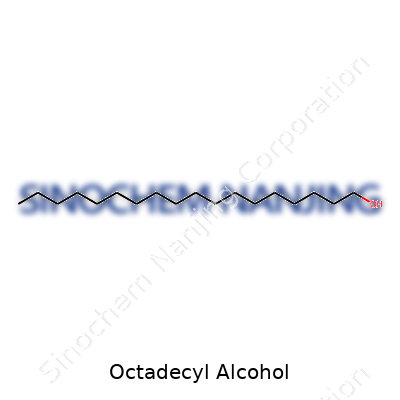
| Names | |
| Preferred IUPAC name | Octadecan-1-ol |
| Other names |
Stearyl alcohol 1-Octadecanol n-Octadecanol Octadecan-1-ol |
| Pronunciation | /ˌɒk.təˈdeɪ.sɪl ˈæl.kə.hɒl/ |
| Identifiers | |
| CAS Number | 112-92-5 |
| Beilstein Reference | 1361261 |
| ChEBI | CHEBI:28837 |
| ChEMBL | CHEMBL14247 |
| ChemSpider | 15401 |
| DrugBank | DB14129 |
| ECHA InfoCard | 100.004.307 |
| EC Number | 203-982-0 |
| Gmelin Reference | 1660 |
| KEGG | C08299 |
| MeSH | D000824 |
| PubChem CID | 8219 |
| RTECS number | ALU2172000 |
| UNII | K4JFF2G8GB |
| UN number | UN 2817 |
| Properties | |
| Chemical formula | C18H38O |
| Molar mass | 270.493 g/mol |
| Appearance | White solid or flakes |
| Odor | Odorless |
| Density | 0.829 g/cm³ |
| Solubility in water | Insoluble in water |
| log P | 7.80 |
| Vapor pressure | <0.01 hPa (20°C) |
| Acidity (pKa) | 15.5 |
| Basicity (pKb) | pKb: ~-1 (very weak base) |
| Magnetic susceptibility (χ) | -6.9e-6 cm³/mol |
| Refractive index (nD) | 1.430 |
| Viscosity | Viscosity: 11.5 mPa·s (at 100 °C) |
| Dipole moment | 1.770 D |
| Thermochemistry | |
| Std molar entropy (S⦵298) | 550.3 J·mol⁻¹·K⁻¹ |
| Std enthalpy of formation (ΔfH⦵298) | -480.2 kJ/mol |
| Std enthalpy of combustion (ΔcH⦵298) | -11320.7 kJ/mol |
| Pharmacology | |
| ATC code | Cera alba |
| Hazards | |
| Main hazards | Causes skin and eye irritation. |
| GHS labelling | GHS07, GHS08 |
| Pictograms | GHS07,GHS08 |
| Signal word | Warning |
| Hazard statements | H315, H319 |
| Precautionary statements | P210, P233, P240, P241, P242, P243, P260, P264, P271, P273, P280, P301+P310, P302+P352, P303+P361+P353, P304+P340, P305+P351+P338, P307+P311, P312, P314, P321, P330, P332+P313, P333+P313, P337+P313, P362+P364, P370+P378, P403+P233, P403+P235, P405, P501 |
| Flash point | > 194 °C |
| Autoignition temperature | 285 °C |
| Lethal dose or concentration | LD50 (Rat, oral): 28 g/kg |
| LD50 (median dose) | LD50 (median dose): Oral-rat LD50: 20 g/kg |
| NIOSH | NA0490000 |
| PEL (Permissible) | PEL (Permissible Exposure Limit) of Octadecyl Alcohol: 15 mg/m³ |
| REL (Recommended) | 10 mg/m³ |
| Related compounds | |
| Related compounds |
Lauryl alcohol Cetyl alcohol Behenyl alcohol |



