N-Hexane: A Closer Look at a Powerful Yet Controversial Solvent
The Road to N-Hexane: Tracing Its Historical Roots
N-Hexane doesn’t make the news often, but anyone who’s wandered down the corridors of a chemical plant or even dug deep into a university's chemistry lab has met its influence. People first isolated hexane back in the 19th century from crude oil, pulling it out alongside its hydrocarbon cousins. As refiners learned to separate hydrocarbons more efficiently, n-hexane eventually became prized for its unique set of physical and chemical traits. This compound’s early life was more obscure, hidden in shadows cast by bigger-name solvents, until the demand for lighter, cleaner options pushed researchers and industry to notice what n-hexane could do. History shows that as people solved problems in extraction, adhesive manufacturing, and analytical chemistry, n-hexane soon wore many hats.
The Essence of N-Hexane: More Than Just a Solvent
N-Hexane is a straight-chain hydrocarbon, something your chemistry teacher would sketch as six carbons in a neat line, bristling with hydrogen atoms. People value it for the way it dissolves oils and greases, cuts through plant matter, and evaporates cleanly with barely a trace. That’s why the solvent gained a real foothold in seed oil extraction—think soybeans and canola. Once producers swapped out older, heavier agents for lighter n-hexane, yields went up and costs dropped. In my own time poking around industrial settings, I saw this solvent replace more troublesome choices precisely because it left products purer and did the job faster. But there’s a give-and-take: the same qualities that make n-hexane useful also raise questions about health and safety.
The Physical and Chemical Profile: Getting Granular
N-Hexane looks like a clear, volatile liquid that does its best work at room temperature. Scratch beneath the surface of its familiar smell—that gasoline sharpness—and you’ll find a low boiling point, which means it evaporates in a flash. That property gets it into tight spaces and out again without sticking around, useful for anyone cleaning parts or extracting flavors. Chemically, n-hexane doesn’t put up much resistance; it reacts with strong oxidizers and can catch fire if mishandled. Its non-polar nature makes it an ace at dissolving oils, but immune to water, which limits where it can go in food and beverage processing. These consistent features explain why companies flock to it for precise applications, but also why safety protocols never skip over n-hexane.
Technical Details & What’s on the Label
If you swab through the details on a drum of n-hexane, you’ll find purity sits front and center—often above 95 percent for industrial use, sometimes higher for laboratory-grade products. The labels won’t just warn about flammability; they shout it. You see warnings about keeping the product tightly sealed and stored away from heat sources or static electricity risks. Each container spells out dangers relating to skin and eye contact, and lays out steps for ventilation. As regulations have shifted, you’ll notice labels now reflect international guidelines, including those from the United States and Europe, showing a global consensus about keeping this solvent’s handling above board. It’s a good reminder that behind every tank or bottle sits a system of testing, monitoring, and risk management shaped over decades.
How Industry Makes and Tweaks N-Hexane
Most commercial n-hexane is pulled from crude oil by fractional distillation—essentially, boiling the mixed hydrocarbons and capturing each one as it vaporizes at its own unique temperature. The crude is split and purified, sometimes with additional treatment to boost purity or polish away less pleasant odors. Chemical manufacturers tweak the process depending on what the end user needs, and sometimes even blend n-hexane with similar hydrocarbons for a custom solvent mix. Watching these processes in a refinery setting reveals an interplay of care and urgency, since the stakes go up the larger the volume in play.
Chemical Reactions and How Chemists Work with It
N-Hexane isn’t just a background player. In a chemist’s hands, it reacts reliably with strong acids or oxidizers, and can form peroxides if left exposed to air and light, creating hazards in storage. While not commonly a reagent itself, n-hexane finds use in creating calibration standards for instruments like gas chromatographs, and can strip or clean compounds without adding unwanted reactivity. People often ask about the dangers of storing it in open containers for even short periods because atmospheric oxygen and UV light can quietly do their work producing dangerous byproducts. In academic research and in specialized manufacturing, strict protocols cover how to handle leftover hexane and any waste to avoid accidental reactions.
What People Call N-Hexane: Synonyms and Product Names
Walk into a warehouse and n-hexane’s precise chemical name isn’t always what you’ll hear. Technicians and suppliers often refer to it as hexyl hydride, or just hexane, yet that can be misleading since "hexane" alone covers several similar molecules. You might catch another name—normal hexane—on a shipping invoice or see brand names from major chemical suppliers stamped on drums. This tower of synonyms has real consequences, especially as quality requirements tighten or regulatory definitions change. I’ve come across shipments marked “hexane” that didn’t meet the specs for critical food processing, with small differences in impurity levels throwing off whole batches. Clarity on terminology has more value than most guess, especially in cross-border trade or during product recalls.
Staying Safe With N-Hexane: More Than Just Gloves and Goggles
Talk to someone with years on the factory floor and they’ll tell stories about solvents gone wrong. With n-hexane, the list of operational standards goes well past the basics. Good ventilation is non-negotiable, and any possibility of ignition inside a workspace must be eliminated. Workers carry out regular air monitoring, since chronic exposure links to nerve damage—a hard lesson learned from past industrial overexposure cases. Storage demands grounded containers, fire suppression gear, and real-time tracking of consumption and disposal. Tackling safety for this solvent means not settling for the bare minimum. I’ve watched teams test the air before entering a new workspace, double check PPE, and demand lock-tight records on solvent movement. These extra layers anchor operational culture in worker health, not just compliance.
Who Uses It: Real-Life Applications
N-Hexane’s reach stretches from food to pharmaceuticals to electronics. Its biggest role shows up in vegetable oil extraction. By pulling oil out of plant material effectively and cleanly, n-hexane produces the cooking staples lining supermarket shelves. Electronics makers value its ability to degrease without harming sensitive parts. Labs put it in sample prep and sometimes as a calibration standard for equipment. Shoe factories, glue makers, and print shops all draw on its strengths, though growing awareness of its health risks has some moving to alternatives where they can. This ongoing tradeoff—efficiency versus safety—runs through every decision point for companies and regulators alike.
Where Research Is Headed
A growing number of academic groups dig into n-hexane’s effects, both good and bad. Analytical chemists refine methods for ultratrace detection of the solvent in food oils and environmental samples. Biomedical researchers map out how even short-term exposure affects nerve cells, searching for early warning signs in factory workers. Others scan for ways to make processing more efficient with less exposure, writing improved protocols for extraction and purification. Companies spend money developing monitoring devices able to catch whiffs of hexane down to fractions of a part per million, betting on prevention as smarter than cleanup. My own work overlaps these areas—what stood out over the years is how quickly insights from one field ripple to the next, driving safer, smarter standards and helping people weigh real-world risks and rewards.
The Real Hazard: Chasing the Full Picture on Toxicity
Reading the toxicology reports on n-hexane gives a view into industry learning hard lessons. N-Hexane exposure doesn’t just give folks headaches or dizziness—sustained contact or inhalation can cause lasting nerve damage, especially in poorly ventilated settings. Countless case studies from Asia, North America, and Europe single out factory workers affected by chronic exposure, sometimes with symptoms showing up only after months on the job. Research points strongly toward particular breakdown products in the body—namely 2,5-hexanedione—as the main villain behind the nerve effects. Regulatory agencies have responded by cutting back allowable exposure and stepping up mandatory monitoring. Still, accidents and overexposure pop up, a sobering reminder that glossy protocols on paper don’t always reflect what happens in manufacturing or extraction sites. Campaigns that emphasize early detection, medical screening, and worker empowerment offer real hope in shifting the needle away from preventable harm.
Looking Ahead: How Industry and Society Will Navigate N-Hexane's Role
The next chapter for n-hexane is being written on several fronts at once. Health agencies push for lower exposure limits, but deep-rooted industrial practices don’t turn on a dime. Investment keeps moving into research for safer alternative solvents, especially those coming from renewable resources or carrying lower toxicity profiles. Companies weigh the risks and rewards: sticking with n-hexane for its performance, or taking costly steps into new territory. Policy-makers get pulled between safeguarding public health and protecting industries tied to oilseed extraction, electronics, and adhesives. The conversation is shifting, though—it’s no longer just about whether n-hexane works, but how to prevent its downsides from hitting home. Whether that means tighter air monitoring, smarter extraction techniques, or a full transition to next-generation solvents will depend on constant vigilance, honest reporting, and a willingness to put long-term well-being above short-term savings.
What is N-Hexane used for?
A Common Solvent With Widespread Uses
Dive into the drawers of almost any industrial laboratory or large-scale factory, and you’ll find bottles of n-hexane tucked away. What looks like a clear, unremarkable liquid is actually an important tool across multiple industries. It’s a staple for many workers, especially those handling extraction in the food sector, cleaning electronics, or producing adhesives and textiles.
How N-Hexane Powers Extraction and Cleaning
My own years in food technology opened my eyes to how key certain solvents become once you’ve witnessed them in action. N-hexane earned its reputation for quickly separating vegetable oils from seeds and crops. From soybeans to sunflower, this compound plays a big part behind the scenes, helping companies squeeze out every nutritious drop of oil. Fast evaporation and non-reactivity with the oil itself make it popular for this step. That simple bottle on a shelf has a direct impact on the cooking oils sold on grocery shelves.
It’s not just about food. At electronics repair shops, workers often reach for n-hexane to get rid of grease or stubborn grime on intricate surfaces. Its ability to dissolve oily residues speeds up the process. Anyone who’s ever worked on circuit boards or precision equipment will tell you that neatness matters. A quick swipe with n-hexane means fewer short circuits and fewer ruined devices.
The Other Side: Worker Safety and Environmental Impact
Convenience and efficiency often come with risk. Ask any experienced lab manager about workplace hazards, and the conversation will turn to solvents like n-hexane. Breathing in fumes or touching it directly over long periods can damage nerves and cause headaches, dizziness, and in more serious cases, paralysis. Real stories from factories keep circulating—people who’ve lost their sense of touch in their hands because of too much exposure.
Occupational health agencies put strict exposure limits for good reason. Ventilation, personal protective gear, and air monitoring all matter more when a substance is this common. Even spill protocols shift: companies now need real accountability and staff training if they’re using solvents like this every day.
Aside from worker health, there’s the burden on the environment. N-hexane spills can harm soil and water. Its vapor contributes to urban smog. Regulations are stepping up, and it’s not just about being compliant for the sake of paperwork; it has a visible impact on neighboring communities.
Looking at Responsible Solutions
Plenty of research groups and companies have started changing how they use n-hexane. There’s a move toward swapping it out in some processes for less toxic alternatives. Vegetable oil processors, for example, run pilot projects with aqueous or supercritical CO2 extraction instead. Protective protocols keep tightening. Adding real-time fume detectors, enforcing mask-wearing, and organizing more hands-on safety training all make a difference.
Consumers play a part, too. When shoppers ask questions about how products get made and support brands that push for cleaner extraction methods, the pressure reaches up the supply chain. Even those working far from the factory floor have a voice when they know more about what goes into the products they use every day.
N-hexane is more than a hidden helper—it’s a test of both ingenuity and responsibility for those of us who depend on it, and for the world we share.Is N-Hexane hazardous to health?
What Is N-Hexane and Where Do We Bump Into It?
N-Hexane shows up in more places than some might expect. Factories rely on it for making glue, cleaning agents, and extracting vegetable oils. Shoe and textile workers often work near it for hours, sometimes without realizing what’s in the air. Even mechanics handling brake-cleaning products get exposed now and then. I saw it used at a local print shop, the strong smell lingering in the air, long after the machines stopped.
How N-Hexane Gets Into the Body
Most risks start with breathing. Outgassing happens especially where ventilation gets ignored, or protective equipment gathers dust in a corner. Skin can absorb it too, especially when safety gloves seem like an optional nuisance. Reports from industrial settings have linked poor air circulation or leaks to noticeable symptoms among workers—headaches, numbness, tingling hands.
The Harsh Truth About Health Effects
Living with numb fingers or shaky hands can turn a regular workday upside down. Research by the National Institute for Occupational Safety and Health (NIOSH) and other health authorities exposes the nerve dangers. Chronic exposure to this solvent targets the nervous system. Sometimes, fingers get clumsy; feet tingle or feel weak. For some, even day-to-day activities take a hit.
Reaching for hard facts, animal studies, and real-world incidents back up the danger. High concentrations spark even faster damage. In 2014, several workers at an electronics plant in China developed severe nerve issues—simply for not having enough fresh air and proper controls.
Short-term exposure means dizziness, nausea, and a cloudy head. A few minutes around a big spill can send someone to the clinic. Headaches show up for plenty of people, sometimes with chest tightness or irritation. Breathing N-Hexane regularly at work, problems get worse and stick around even after exposure stops.
Who Is Most at Risk?
People who work in small, stuffy rooms without decent air flow meet higher danger. Factory workers handling adhesives, solvents, and cleaners are in the bullseye. Recycled home workshop or DIY projects using strong glue hold risk too, especially in cramped garages. The World Health Organization and OSHA both recommend strong enforcement of exposure limits in these fields.
Workers aren’t the only ones to consider. Sometimes residues from products sneak into home environments—shoes brought inside, packaging supplies, repair materials used in the basement. Kids handle objects with unknown background, so risks stretch out beyond the jobsite.
Cutting Down on Hazards
Ventilation stands as the first practical shield. Windows left open, fans running, and industrial air scrubbers bring down risks. Glove manufacturers offer cheaper, chemical-resistant options these days, so removing N-Hexane from skin doesn’t need to break the bank. Tight control over how and where this solvent gets used quickly cushions the blow.
Routine air checks and easy-to-read safety sheets on walls don’t just meet rules—they remind busy teams about hidden dangers. Common sense works best with simple reminders and cleaner, better tools. Even switching to water-based alternatives makes a big difference. Some factories have ditched N-Hexane for safer options, reporting fewer sick days and tighter staff morale as a bonus.
Small Steps Make a Difference
Real improvements start with awareness and straightforward changes. Preventing hazardous exposure isn’t always about throwing out every product overnight. It’s about keeping people informed, watching for symptoms, and building a safer space one smart change at a time.
What are the storage requirements for N-Hexane?
Understanding the Nature of N-Hexane
N-Hexane shows up in spaces where solvents pull their weight: labs, adhesives, even shoe factories. It has a strong smell, clear color, and it flashes off quickly. But speed comes at a price. With a flash point sitting at -22°C and heavy vapors hugging the ground, N-Hexane doesn’t play nice with heat, sparks, or open flames. I remember working in a college research lab, and the instructor put the N-Hexane drum far from hallways or doors because it only takes one static spark to make a bad day much worse.
Picking the Right Containers and Rooms
< b >It isn’t enough to pop a label on a metal can and call it done.< /b > N-Hexane demands tanks or drums made from steel, tightly sealed and grounded. Glass may work in small amounts, but for bigger jobs, only metal stands up to both the chemical and safety demands. Containers must always come with clear markings: product name, flammability warnings, and manufacturing date. Never reuse food or drink containers — a mix-up could spell disaster.
I visited a friend's small plant where drums sat in a locked storage cage, shaded from the sun, and with plenty of warning signs. Fire-retardant paint covered the outside walls. Nobody wanted to test what would happen if a stray cigarette found its way inside.
Temperature and Ventilation: The Forgotten Factors
N-Hexane gives off vapors even at room temperature, so air movement matters. The best storage rooms use forced ventilation that keeps fresh air moving through at all times. I’ve seen vent systems run on simple fans, but a backup power source makes sense in storm-prone areas. Temperatures should stay cool, below 30°C, with as little sunlight as possible. Heat not only boils off more vapors, it warps containers and risks explosions.
Any room where more than a few liters get stored should have a spark-proof electrical setup, grounded lightning rods, and no regular fixtures that could arc or spark. Smartphones and extension cords can wait outside.
Spill Prevention and Fire Control
Concrete floors lined with chemical-resistant paint, with a shallow lip around the edge, keep leaks from spreading. Storing material on spill pallets helps catch drips before they wander too far. Across the aisle, extinguishers — foam or dry powder — stay ready, and buckets of sand offer a manual backup. Not a hint of water in case of fire, since splashing hydrocarbon flames only spreads the mess.
I learned the hard way during an audit that insurance companies take a long, hard look at safety documents. Upkeep logs, container inspections, and emergency response plans should live near the entrance. Fire departments may ask to see them in an emergency, and not having them could slow down a rescue.
Keeping Out of Reach and Keeping Records
N-Hexane’s dangers extend beyond fire. It can harm nerves if handled badly. Gloves, goggles, and respirators go hand-in-hand with handling the chemical, and proper signage around the storage room helps prevent accidents.
Accurate logs of inventory movement make it easier to spot leaks or missing containers before they become real problems. A surprise inspection once taught me to keep Safety Data Sheets available at all times. These documents list first aid steps and remind both workers and visitors what could happen if mistakes get made. Training never ends in environments with volatile chemicals.
Safe storage of N-Hexane means more than just locking it up. Good habits, decent equipment, and clear paperwork together keep things running smoothly — and keep everyone breathing easy.
What is the chemical formula of N-Hexane?
What Makes N-Hexane Unique?
N-Hexane goes by the formula C6H14. That means every molecule has six carbon atoms and fourteen hydrogen atoms, forming a simple hydrocarbon. Most people running a lab or working in a production plant know these formulas almost by heart, but there’s more to it than memorization. The structure influences what the chemical can do, how it interacts with other compounds, and even how it impacts health and the environment.
Hands-On Chemistry and Everyday Uses
The real world uses of N-Hexane can’t be overstated. It often ends up as a solvent in the extraction of vegetable oils from seeds and crops. In small workshops, folks turn to it for cleaning and degreasing engines or machinery. Its strong solvency powers are why many in manufacturing and lab settings prefer it over alternatives. I remember one summer working in a small-scale lab where N-Hexane was the go-to for separating plant oils. The process ran smoother than any other solvent we tested, but even back then, the older techs kept reminding me to double-check the ventilation.
Health Risks: Not Just a Distant Concern
Working with N-Hexane brings real, everyday health considerations. Inhalation can cause headaches, dizziness, and nausea. Over longer periods, workers exposed to high concentrations have developed nerve damage, especially in places where safety regulations falter. I have seen safety briefings where the focus wasn’t just on theory—real-life cases of numb hands and tingling feet make you rethink how you approach the chemical. Disposable gloves and goggles reduce risk, but what truly helps is active monitoring of air quality and limiting exposure times.
Environmental Impact and Responsibility
Spilled N-Hexane, even a liter or two, spreads fast and creates invisible risks. It evaporates quickly, but as a volatile organic compound, its vapors contribute to ground-level ozone, which harms crops and respiratory health. The story of N-Hexane highlights the need for tighter controls on air emissions and safe waste disposal. At work sites where spills received quick attention—absorbent pads, fans to disperse vapors, frequent air checks—the long-term problems dropped. Proper storage and strict inventory logs made more difference than any single high-tech fix.
Looking for Safer Paths in the Lab
Many researchers push for greener alternatives. Cyclopentane and heptane sometimes replace N-Hexane, but they have their trade-offs. It pays to stay alert for new solvent blends and improved personal protective equipment. Some labs test water-based alternatives, hoping to cut out volatile compounds entirely. Until a cleaner solution arrives, small changes like better glove selection and awareness training immediately protect people. Every worker, from new interns to veterans, shapes the safety culture. An old supervisor taught me that “reading the bottle’s label isn’t enough—understanding the risks and acting on them keeps the job, and people, safe.”
How should N-Hexane spills be handled?
N-Hexane: Not Just Another Chemical
Many folks know n-hexane from stories about industrial mishaps or safety trainings, but its risks stretch beyond the factory floor. N-hexane shows up in cleaning supplies, adhesives, and even extracts used in food processing. Workers sometimes get too comfortable, and that’s when accidents happen. The clear liquid seems harmless until you recognize its fast-acting vapor and highly flammable nature. Breathing too much of the stuff over time hurts nerves and causes lasting damage—ask anyone who’s spent weeks in hospital after a spill.
Why Quick Action Matters
I’ve seen too many cases where someone shrugged off a small n-hexane spill. That approach leads to bigger headaches: people passing out from fumes, explosive atmospheres forming in closed rooms, long cleanup headaches, legal issues, and even evacuation chaos. You never want to leave a chemical hazard for the next shift.
OSHA, NIOSH, and countless industry bulletins offer piles of warnings about exposure limits and fire risk. Fires or flashbacks from an inattention to spilled hexane move quicker than folks imagine. You need clear eyes and a steady hand, not a clipboard of checkmarks.
Step-by-Step Handling—Keeping It Real
Evacuation and Air ControlLet’s start with people. If you spot a spill larger than a small puddle, clearing the room keeps everyone alive. Shut down all open flames, and cut off sources of static electricity. Fire marshals sometimes harp on grounding and bonding, but that’s real advice—no one wants a fireball. Open windows and switch on exhaust fans if you know what you’re doing, but only if running electric fans won’t spark.
ContainmentQuickly throw absorbent pads or spill socks around the perimeter to block puddle spread. My old supervisor used to say, “Don’t just watch it run off the table.” Keep the liquid from drains because n-hexane that reaches sewers spells big trouble for water utilities and downstream communities. Clay-based absorbents work best here. Avoid sand or sawdust; they don’t do enough against vapor.
Personal ProtectionGloves and goggles count for something. You’ll want a cartridge respirator or supplied air if you’re cleaning anything over a few ounces indoors. Hexane vapor packs a punch, and you notice headaches or confusion if you breathe too much. Not everyone does, so watch out for your coworkers who claim to “feel fine.” You can’t tough out solvent poisoning.
DisposalCarefully shovel spent absorbent into steel drums or specially labeled bags. Hazardous waste rules demand no shortcuts—call licensed haulers who know local and federal requirements. One misstep with flammable waste can come back to haunt your company.
Long-Term Prevention—More Than Just Signs
Training helps, but nothing beats practical drills. Practice cleanup with water before the real thing. Store n-hexane in proper steel cabinets. Double-check that spill kits stay complete and accessible. Safety shouldn’t feel like a chore; proper habits save skin and jobs. Review SDS sheets often, not just when management walks through.
No one expects accidents, but n-hexane doesn’t care. The elements for disaster roll in quietly, and unless you respect the risks, you face harm that lingers for years. Treat every spill with urgency, and you’ll sleep better at night.
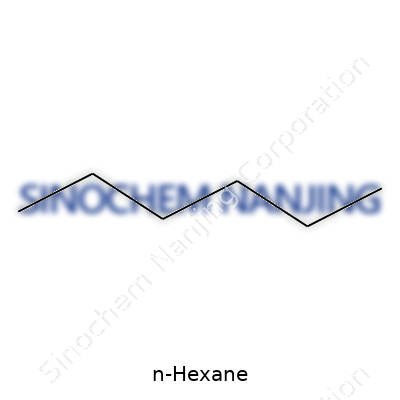
| Names | |
| Preferred IUPAC name | hexane |
| Other names |
Hexane n-Hexyl hydride Hexan Normal hexane Dipropyl Esano |
| Pronunciation | /ɛn-ˈhɛk.seɪn/ |
| Identifiers | |
| CAS Number | 110-54-3 |
| Beilstein Reference | 1718734 |
| ChEBI | CHEBI:29021 |
| ChEMBL | CHEMBL134 |
| ChemSpider | 35624 |
| DrugBank | DB02907 |
| ECHA InfoCard | 100.003.053 |
| EC Number | 203-777-6 |
| Gmelin Reference | 63538 |
| KEGG | C01710 |
| MeSH | D006526 |
| PubChem CID | 8058 |
| RTECS number | MN9275000 |
| UNII | 50C9TPX44F |
| UN number | UN1208 |
| CompTox Dashboard (EPA) | DTXSID4020718 |
| Properties | |
| Chemical formula | C6H14 |
| Molar mass | 86.18 g/mol |
| Appearance | Colorless liquid with a mild, gasoline-like odor |
| Odor | Gasoline-like |
| Density | 0.660 g/cm³ |
| Solubility in water | 13 mg/L (20 °C) |
| log P | 3.90 |
| Vapor pressure | 17.6 kPa (at 20 °C) |
| Acidity (pKa) | ~50 |
| Basicity (pKb) | > 15.15 |
| Magnetic susceptibility (χ) | −7.1×10⁻⁶ |
| Refractive index (nD) | 1.3749 |
| Viscosity | 0.31 mPa·s |
| Dipole moment | 0.00 D |
| Thermochemistry | |
| Std molar entropy (S⦵298) | 229.2 J·mol⁻¹·K⁻¹ |
| Std enthalpy of formation (ΔfH⦵298) | -198.7 kJ/mol |
| Std enthalpy of combustion (ΔcH⦵298) | -4163 kJ/mol |
| Pharmacology | |
| ATC code | V04CM06 |
| Hazards | |
| GHS labelling | **"GHS02, GHS07, GHS08"** |
| Pictograms | GHS02,GHS07,GHS08 |
| Signal word | Danger |
| Hazard statements | H225, H304, H315, H336, H361f, H373, H411 |
| Precautionary statements | P210, P261, P271, P280, P301+P310, P304+P340, P312, P331, P303+P361+P353, P370+P378, P403+P233, P403+P235, P405, P501 |
| NFPA 704 (fire diamond) | 1-4-0 |
| Flash point | -23 °C (-9 °F) |
| Autoignition temperature | 225 °C (437 °F; 498 K) |
| Explosive limits | Explosive limits: 1.1% to 7.5% |
| Lethal dose or concentration | LD50 oral rat 25,000 mg/kg |
| LD50 (median dose) | LD50 (median dose): Oral-rat 25 g/kg |
| NIOSH | NIOSH: MN9275000 |
| PEL (Permissible) | 500 ppm (1800 mg/m3) |
| REL (Recommended) | 50 ppm |
| IDLH (Immediate danger) | 1100 ppm |
| Related compounds | |
| Related compounds |
Hexanol Hexylamine Hexanoic acid Cyclohexane 2-Methylpentane |



