N-Ethylmorpholine: Industrial Relevance and a Forward Look
Historical Development
N-Ethylmorpholine didn't just spring up out of nowhere. Chemists have been tinkering with morpholine derivatives for over a century, motivated by an urge to modify simple molecules and squeeze more value out of traditional amine chemistry. Morpholine itself came into play in the late 19th century, when researchers first isolated this heterocyclic amine and recognized its surprising mix of solubility and basicity. N-Ethylmorpholine represents one in a series of amine substitutions, with work picking up steam through the 1950s and 60s as demand for specialty solvents and tailored reaction partners increased. As synthetic organic chemistry matured, researchers noticed that modifying the nitrogen in morpholine made it even more useful, carving a clear spot for N-alkylated derivatives, and ultimately N-Ethylmorpholine, particularly in pharmaceutical and polymer development.
Product Overview
N-Ethylmorpholine serves as more than a curious lab chemical—it's become a building block in industrial and laboratory settings. With a structure that features both a morpholine ring and an ethyl group, this compound delivers an intriguing balance of reactivity and stability. Unlike its parent compound, morpholine, the ethyl substitution gives it a bump in hydrophobic character, which can really matter when adjusting solvent properties or tuning the reactivity in synthesis. This molecule doesn't just find use as a lab reagent; folks in the coatings, textile, and pharmaceutical industries reach for it to enable various synthesis pathways and to tune reaction environments.
Physical and Chemical Properties
The everyday experience of handling N-Ethylmorpholine reinforces why its properties remain valuable. As a colorless to pale yellow liquid, it brings the convenience of a low-melting organic base, good solubility in water and organic solvents, and a noticeable odor that's hard to forget. Its boiling point hovers around 170°C, which means safe storage doesn't demand elaborate measures, though vapor precautions always remain important. Thanks to its basicity and nucleophilic character, it reacts efficiently with acids and electrophiles. That sharp, characteristic amine odor reminds seasoned chemists to stick with fume hoods and gloves—a regular fixture in any lab dealing with volatile amines.
Technical Specifications and Labeling
In practice, anyone sourcing N-Ethylmorpholine pays attention less to a product sheet and more to the real requirements that show up in the lab or plant. Purity sticks out as the top concern here. Too many side contaminants, and you end up with side reactions or impurities in your finished product—never a good outcome in pharmaceuticals, especially. Packaging gets chosen to keep the liquid contained and exposure minimized, whether that's amber glass for small amounts or coated drums for larger quantities. Labels spell out hazards and safety warnings, which matters more than ever with tighter chemical safety regulations rolling out nearly every year.
Preparation Method
Synthesizing N-Ethylmorpholine isn’t rocket science to the trained chemist, but it does demand careful conditions. The standard approach involves the alkylation of morpholine with an ethyl halide, usually under basic conditions to drive the reaction toward the desired N-ethylated product. Some practitioners choose to work with ethylene oxide as an alternative, though this carries its own risks and usually calls for a higher level of skill and equipment. Whichever the route, precise control of temperature, stoichiometry, and exclusion of water keeps yields high and byproducts low. Each batch ends with purification steps—distillation being the most common—to ensure product quality matches application needs.
Chemical Reactions and Modifications
Working with N-Ethylmorpholine often turns into a lesson in the flexibility of secondary amines. This compound stands up to a wide variety of chemical partners, and its lone pair on nitrogen opens up reactions with acids, alkylating agents, and electrophiles. In practice, that means chemists exploit it as both a reactant for synthesizing more complex molecules, and as a base in reactions that benefit from its moderate strength. In the lab, it shows up as a catalyst in organic transformations and sometimes as a stabilizer. People working in materials science have found ways to use its backbone to boost solubility or decrease crystallinity in certain polymers and finishing agents, showing again why one functional group swap can open the door to significant change.
Synonyms and Product Names
N-Ethylmorpholine goes by several alternate names, not a surprise in a world where chemical synonyms multiply as fast as new applications. Ethylmorpholine and 4-Ethylmorpholine pop up most often, though these can confuse folks not used to IUPAC nomenclature. Commercial labels from chemical suppliers sometimes shorten things to simply “NEM.” A seasoned chemist learns to check CAS numbers just as much as names since synonyms can vary between regions and suppliers, sometimes causing headaches for inventory managers and regulatory specialists.
Safety and Operational Standards
Handling N-Ethylmorpholine underscores the need for robust safety practices. Exposure risks range from skin and eye irritation to respiratory discomfort if vapors get into the air, which every chemist learns early in their training. Good industrial hygiene means working in well-ventilated spaces, using gloves and goggles, and relying on chemical fume hoods to limit inhalation. Safety Data Sheets warn against mixing with strong oxidizers and stress proper labeling and storage to avoid accidental release or mixing. Regular risk assessments and staff education on correct handling, spill procedures, and medical response protocols deserve priority—lax standards almost always lead to costly mistakes down the line.
Application Area
N-Ethylmorpholine became popular on merit, not hype. The pharmaceutical sector uses it as both a building block in drug synthesis and a base in transformations that need predictable reactivity. Textile companies adopt it as an intermediate for specialty finishes and processing aids. Coatings and ink producers value it for its ability to tweak drying times and film properties. Even in environmental testing labs, it finds a niche as a standard reagent. Its versatility stands out, matched by the respect it commands for safety.
Research and Development
Labs across the world continue to push the boundaries with N-Ethylmorpholine, looking for ways to drop the environmental load or extend its value in novel syntheses. Green chemistry trends drive teams to minimize residual waste, cut energy use, and find recyclable solvent systems. Folks working on medicinal chemistry are reaching for N-ethyl derivatives to fine-tune pharmacokinetics and improve selectivity. Collaboration between academic groups and industrial outfits spurs process improvements and yields new insight on functional group manipulation. Breakthroughs in catalysis and polymer science regularly trace back to work with simple but modifiable amines like this one.
Toxicity Research
Toxicological research points to a healthy respect for N-Ethylmorpholine's hazards, especially with repeated exposure. Acute toxicity studies highlight skin and eye irritation potential, as well as possible respiratory issues if vapors are inhaled above threshold concentrations. Animal studies show moderate toxicity, with most issues resolved after exposure drops off. In practice, long-term data in humans remains limited, so workers approach with caution, using personal protective equipment and engineering controls. Regulatory authorities require workplace air monitoring where regular use occurs, based on an evolving understanding of occupational exposure limits. This compound doesn't reach the hazard category of some older industrial amines, but complacency invites accidents—regular training and risk reviews pay dividends here.
Future Prospects
People expect ongoing change in how N-Ethylmorpholine gets used. Green chemistry continues to set the pace for new synthesis protocols, pushing manufacturers to look for feedstocks and processes with less impact on the environment. Pharmaceutical applications may benefit as medicinal chemists look for more targeted and effective therapies based on morpholine backbones. In emerging fields like advanced materials and sustainable agriculture, opportunities for amine-based functionalities remain open for innovation. The trend toward customization—especially in the world of specialty chemicals—keeps demand for N-Ethylmorpholine stable, as companies search for ways to fine-tune molecular properties without adding regulatory burden or cost. For all its seemingly simple structure, N-Ethylmorpholine holds a spot on the shelf as both a workhorse and a lever for progress, shaping new approaches to chemistry and manufacturing in ways that stretch beyond the lab bench.
What is N-Ethylmorpholine used for?
Understanding N-Ethylmorpholine
N-Ethylmorpholine holds a quiet spot on the periodic shelf, but it shapes everyday essentials more than most folks realize. This clear liquid, built from morpholine with an ethyl group attached, often shows up in labs and manufacturing floors. Its faint odor takes me back to my early days working in a university chemistry lab, labeling shelves with strange names and learning what each one meant for the people using the products we sometimes take for granted.
Making Paints, Coatings, and Everyday Plastics
If you’ve ever had a new coat of paint or tossed a water bottle in the recycling, N-Ethylmorpholine might have played a part. The chemical stands out as a catalyst in polyurethane production, which feeds into foam, adhesives, and elastomers. Polyurethane makes furniture more comfortable and car seats last longer. This base also gives a helping hand in epoxy resin curing, used in everything from flooring to the surface of school tables. Its ability to speed up these reactions without leaving behind harmful residue keeps workers and end-users safer.
Chemical manufacturing can hide a lot of complexity. Polyurethanes are built by mixing long-chain molecules, and catalysts like N-Ethylmorpholine kick off the process. Without this boost, everything would take too long, raising both costs and energy bills on factory floors. Researchers tracked polyurethane demand to pass $95 billion globally in less than a decade, and reliable catalysts help keep pace with how fast consumer preferences change.
Specialty Chemicals and Improved Safety
Cleaning up after chemical reactions in the lab or on the factory floor can get messy. N-Ethylmorpholine usually mixes with other solvents, making it easier to handle and less risky for those nearby. Its low boiling point means it vaporizes off with simple heat, so by the time a new product leaves for the store shelf, hardly a trace of it remains. Regulatory bodies like OSHA set strict exposure limits, yet the record shows few issues when proper safety gear and ventilation are in place.
Supporting Pharmaceutical and Agricultural Research
Research chemists lean on N-Ethylmorpholine for its role as a base in organic synthesis. I remember seeing this firsthand: pharmaceutical students whipping up intermediate compounds, guided by experienced hands. Drug discovery and crop science both draw from the same pool of chemical tricks. Versatile bases like this keep reactions clean and predictable, which keeps costs lower and batches more consistent. When the world needed newer, safer drugs to tackle rising health threats, reliable chemical tools kept everyone moving forward.
Looking Toward Safer Alternatives and Greener Chemistry
Push for environmental stewardship has sped up efforts to find friendlier substitutes. Wastewater plants already watch out for N-Ethylmorpholine, as a few industrial leaks over the years showed the importance of careful disposal. I’ve seen green chemistry groups work hard to nudge companies toward less hazardous options. Still, N-Ethylmorpholine lingers because of its track record and efficiency. Solutions going forward circle around better handling, tight spill protocols, and more funding toward alternative catalysis.
Conclusion
Even as newer chemicals make headlines, N-Ethylmorpholine continues to earn its place behind the scenes—in factories, universities, and every space where performance matters. Safer practices, company transparency, and support for innovation together form the best path for reducing risk without losing what works.
What is the chemical formula of N-Ethylmorpholine?
Getting to Know N-Ethylmorpholine
N-Ethylmorpholine has the chemical formula C6H13NO. Write it out, and you see six carbon atoms, thirteen hydrogens, one nitrogen, and a single oxygen. For many, these letters and numbers look like code, but for anyone working around chemicals—students, engineers, or even those in pharmaceuticals—this formula shapes the way labs and factories run each day.
Anyone handling these substances recognizes how a single chemical structure means more than a mix on paper. N-Ethylmorpholine sits on the shelf among industrial solvents, catalysts, and building blocks for other molecules. The presence of both nitrogen and oxygen in its ring gives it properties that don't show up in your everyday household chemicals.
Why Formulas Like C6H13NO Stick Around
A formula isn’t just trivia. It’s a roadmap. I once worked alongside a chemist frustrated by equipment failures, only to discover the choice of solvent came down to a missed methyl group on a related molecule’s formula. That tweak seemed minor but destroyed a full batch of product. The formula alerts us to the possible interactions, from reactivity to solubility.
N-Ethylmorpholine's formula shapes everything, including safety. Regulations require clear labels in every lab or workplace. If you mistake N-Ethylmorpholine for something like morpholine, the extra ethyl chain transforms its behavior—its boiling point, its flammability, even its effect on the skin or lungs. Anyone squinting at old labels or scribbled notes knows the headaches a mistaken identity brings.
The Role It Plays Across Industries
Pharmaceutical companies keep close tabs on products like N-Ethylmorpholine. Its nitrogen-oxygen pairing makes it a handy additive, improving how medications release in the body or nudging reactions to yield just the right mix. Chemical and coatings industries use it as a base to neutralize acids or tweak reaction speeds. Even a small change in formula creates a ripple effect, altering how a paint sets or a drug stays stable.
Labs using N-Ethylmorpholine deal directly with its precise molecular makeup. During my time prepping chemical solutions, seeing a formula like C6H13NO on a bottle meant confirming every container and pipette matched the real deal. The stakes run high once jobs and safety gear depend on accuracy. Keeping that formula clear and correct isn’t just a paperwork concern—it protects livelihoods and health.
Where Things Can Go Wrong—and How to Do Better
Cutting corners with formulas often leads to costlier mistakes. Mixing up N-Ethylmorpholine with a similarly named compound might sound rare, but those small errors compound over months and years. Facilities that double-check their shelf labels and invest in digital inventory systems spot trouble long before it lands in a production batch.
Training new staff goes a long way. Getting hands-on with samples, matching names to formulas, and running spot checks keep errors low and confidence high. Proper storage, updated labels, and clear communication keep the work environment dependable. I’ve seen teams turn around whole safety records just by getting the basics like chemical formulas right.
N-Ethylmorpholine, summed up in C6H13NO, isn’t just a name on a list. Every lab that respects its details builds safer, more reliable results—and avoids those disasters you only ever want to read in the paperwork, never in the headlines.
Is N-Ethylmorpholine hazardous or toxic?
What is N-Ethylmorpholine?
N-Ethylmorpholine pops up in a lot of industrial settings. Chemical plants use it for making pharmaceuticals, textiles, pesticides, dyes, and coatings. In the lab, it shows up as a solvent or catalyst. People working with it know that it brings convenience, but it also brings risk, a fact that shouldn’t get swept under the rug in the drive for productivity.
The Risks People Face
Anyone who’s hung around a busy lab knows to be wary of chemical fumes. N-Ethylmorpholine demands the same respect. Breathing it can irritate the throat and lungs, sometimes even leading to coughing and shortness of breath. Skin and eyes prove sensitive to direct contact, which means even small splashes set off burning, redness, and discomfort. Most Material Safety Data Sheets lay out these hazards in plain language, with research pointing toward the risk of more serious consequences at higher exposures—think headaches, dizziness, and even central nervous system effects.
Long-Term Questions
Short exposures matter, but stories from manufacturing floors tell us to look further. For workers handling N-Ethylmorpholine every day, repeated contact wears down natural defenses. Chronic exposure means more than just occasional irritation; it brings concerns about sensitization, chronic respiratory trouble, or skin problems. Some animal studies suggest that high exposures affect organs like the liver or kidneys, though researchers still tread carefully when drawing connections to day-to-day human impacts. People should not ignore near-misses or occasional headaches—these point to exposures that add up over weeks and months.
Environmental Risks
Beyond personal health, the chemical rarely stays put. Accidental spills or improper disposal impact soil and water. N-Ethylmorpholine dissolves easily and can migrate into groundwater. Fish and aquatic organisms show sensitivity to this kind of contamination, especially when chemical runoff remains unchecked. Regulations in Europe and North America flag N-Ethylmorpholine for careful waste management, not because it’s among the deadliest chemicals, but because its effects expand quickly in places where people and ecosystems already struggle.
Reducing the Danger
In my own experience, gloves and goggles work well only if people trust them and use them every time. Long sleeves and splash guards matter in busy, small-scale workshops where distractions creep in. Good ventilation stands out as a real defense. Simple fan systems or chemical fume hoods help dilute airborne vapor before it hits lungs or eyes. Training sessions stick with people if they use real-life stories, especially from long-time workers who saw what shortcuts cost their colleagues. Supervisors earn respect not by barking rules, but by taking hazard reporting seriously and following up fast on near-misses.
The Path Forward
It’s tempting to shrug N-Ethylmorpholine off as just another industrial chemical. Its hazards aren’t as dramatic as some of the headline-makers, but the daily grind of working with it tells a different story. Tighter regulations, routine health monitoring, and proper disposal give everyone a shot at safer work and a cleaner environment. Best practices aren’t about paranoia—they’re about keeping hands steady, minds clear, and communities healthier. In the end, chemicals make modern life possible, but safe habits and solid information help guard against costs that nobody wants to pay.
How should N-Ethylmorpholine be stored?
Why N-Ethylmorpholine Warrants Attention
N-Ethylmorpholine pops up in a bunch of workplaces, especially where folks make chemicals and pharmaceuticals. Its reputation as an effective solvent isn’t the full story. There’s a hefty safety tag attached to this colorless liquid.
I once witnessed a minor chemical spill in a cramped storeroom, and it taught me right away—most accidents build up out of simple carelessness. Bottles shoved too close, missing labels, tired shelving. N-Ethylmorpholine is flammable and can irritate the skin, eyes, and lungs. Treating storage as an afterthought only builds up risks.
Temperature Matters More Than Many Think
Some lab workers ignore the thermometer when stashing chemicals. I’ve done it; time pressure makes shortcuts tempting. But temperature changes don’t show mercy. N-Ethylmorpholine prefers cool, well-ventilated spots. Heat raises vapor levels and pressure inside bottles, leading to leaks or, in the worst case, an explosive pop if flames are nearby.
Setting an upper limit near room temperature (about 25°C, or 77°F) is a safer bet. Avoid window ledges and overhead shelves where warm air gathers. Sticking it in a chemical safety cabinet designed for flammable liquids keeps things steady and reduces stress.
Moisture and Air Exposure: Silent Problems
Air and N-Ethylmorpholine don’t make great partners. Prolonged contact can invite unwanted chemical changes. Humid air speeds up the trouble, especially in muggy climates or during summer months.
Properly closed bottles with screw caps—not glass stoppers—seal better. Leak-proof plastic or steel containers with clear, tough labels help staff find answers fast in emergencies. Every time the bottle opens, oxygen sneaks in, so pour carefully and seal it tight right after. Some labs close off the main bottle, using smaller transfer containers for each day. Small steps ease big headaches.
Shelving, Signage, and Training: More Than Just Rules
Keeping N-Ethylmorpholine on a low, solid shelf—never overhead or above head level—protects people from splashes or spills. Never pair it with oxidizers or acid canisters; this combination creates hot, nasty reactions. Separate storage for incompatible chemicals sounds tedious, but it’s simple once the setup is right.
Labeling has to be bold and permanent. Faded printer ink causes more confusion than one might guess. Think: clear hazard signs, chemical names in big print, and emergency procedures nearby. Emergency drip kits and eye wash stations within view make all the difference if something spills or splashes unexpectedly.
Creating Good Habits in Everyday Use
Even the best storage practices fall apart without strong routines. I’ve seen teams run smooth operations just by sticking to weekly checks. Someone walks through, inspects bottles for leaks, double-checks labels, and notes shelf conditions. Staff meetings after a near-miss don’t just tick a box. They help everyone remember why safety steps matter.
N-Ethylmorpholine plays an important role in labs and manufacturing, but it asks us to stay sharp. Cool, dry storage, smart labeling, steady training: these choices turn a risky material into something manageable. Mistakes love clutter and uncertainty; prevention starts by treating safety rules as smart habits, not extra chores.
What are the handling precautions for N-Ethylmorpholine?
What is N-Ethylmorpholine?
N-Ethylmorpholine pops up in several industrial settings, especially in the production of pharmaceuticals, resins, and rubber chemicals. It’s a colorless liquid with a distinctive fishy odor. Anyone who’s spent time in a chemical lab knows the importance of keeping things safe with liquids like this. With a low flash point and a tendency to irritate the skin, eyes, and respiratory tract, casual handling can lead to serious trouble.
Common Hazards and Human Impact
There’s no getting around the risk. Direct contact causes burns or dermatitis. Inhaling its vapors brings on headaches, coughing, or worse, respiratory distress. Spills can eat through clothing and corrode some surfaces. The risks stack up quickly for staff in manufacturing or laboratories if care slips or protective equipment gets ignored.
The National Institute for Occupational Safety and Health (NIOSH) points out that exposure limits keep people healthy on the job, and for good reason. Even short stints without gloves or eye protection lead to painful chemical burns. I once saw a co-worker forget his goggles during a routine transfer—his eyes streamed, and he missed days of work. Local exhaust ventilation kept vapors from building up, which made the difference between inconvenience and a hospital trip.
Smart Handling Starts with Preparation
Always wear the right personal protective gear. Nitrile gloves beat latex hands down. A lab coat, chemical-resistant apron, face shield, and safety goggles matter just as much as the product itself. Splash-proof gear sometimes feels clumsy, but the payoff comes in the form of avoided burns or lost workdays.
Storage should stay well-ventilated and cool, away from any flames, sparks, or sunlight. N-Ethylmorpholine likes to catch fire if someone skips basic fire safety. Flammable storage cabinets or drums with grounding wires prevent static discharge. Keeping quantities small and drum seals tight can help too, along with regular checks for leaks or bulging containers.
Practical Moves on the Workbench
Pouring or mixing this substance isn’t the same as handling run-of-the-mill solvents. I learned fast that slow, careful transfer and immediate cleanup of drips save headaches later. Neutralizing spills worked best for us using special absorbent pads and keeping emergency eyewash stations fully stocked nearby. If the chemical hits the ground or bench, washing down with plenty of water and using alkaline neutralizers stops further harm and cuts down on fumes.
Training and Routine Checks Save Lives
It’s never a set-and-forget situation. Teams perform rehearsals for spills and practice using emergency showers. Having clear labels and updated safety data sheets on hand cuts confusion during an accident. Equipment checks—especially fume hoods and exhaust fans—keep everyone honest. Supervisors walk the floor, and smart workers look out for each another.
Safer Alternatives and Process Improvements
Some companies move toward greener processes by swapping less hazardous amines for N-Ethylmorpholine when possible. Investing in automated handling reduces direct human contact. Closed systems and remote transfer cut down on exposure, which lessens accidents and keeps air in the room cleaner.
Final Word: Respect the Science, Protect People
Staying mindful about storage, protection, and preparedness makes handling N-Ethylmorpholine safer. Life in the lab always involves risk, but teamwork and best practices help keep injuries off the record. Companies and individuals thrive when respect for chemicals lines up with modern safety standards and a bit of common sense.
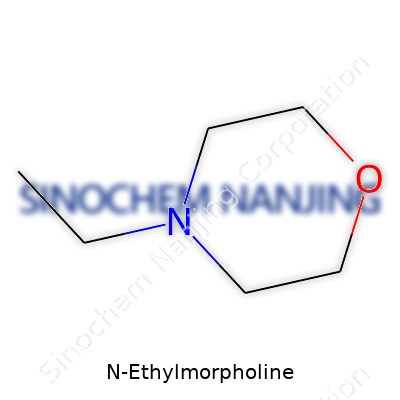
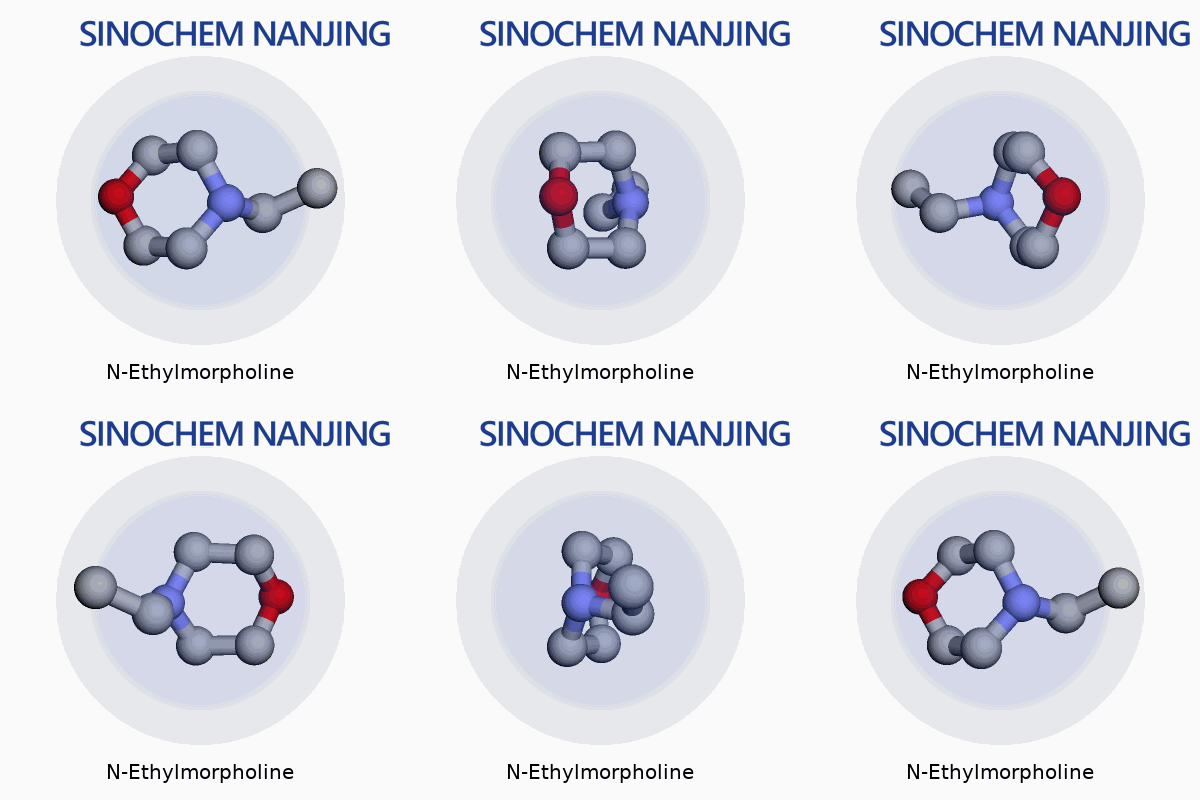
| Names | |
| Preferred IUPAC name | N-ethylmorpholin-4-amine |
| Other names |
4-Ethylmorpholine |
| Pronunciation | /ɛnˌɛθɪlˈmɔːrfəliːn/ |
| Identifiers | |
| CAS Number | 100-74-3 |
| Beilstein Reference | 1209220 |
| ChEBI | CHEBI:50152 |
| ChEMBL | CHEMBL24078 |
| ChemSpider | 69310 |
| DrugBank | DB01854 |
| ECHA InfoCard | 100.058.328 |
| EC Number | 203-747-8 |
| Gmelin Reference | 8662 |
| KEGG | C01893 |
| MeSH | D004821 |
| PubChem CID | 12011 |
| RTECS number | QJ0700000 |
| UNII | 657JZX112X |
| UN number | UN2810 |
| CompTox Dashboard (EPA) | DTXSID4036795 |
| Properties | |
| Chemical formula | C6H13NO |
| Molar mass | 101.16 g/mol |
| Appearance | Colorless to pale yellow liquid |
| Odor | Ammonia-like |
| Density | 0.924 g/mL at 25 °C |
| Solubility in water | Miscible |
| log P | 0.09 |
| Vapor pressure | 1.6 mmHg (20°C) |
| Acidity (pKa) | 8.36 |
| Basicity (pKb) | 5.74 |
| Magnetic susceptibility (χ) | -7.3e-6 |
| Refractive index (nD) | 1.428 |
| Viscosity | 1.9 cP (20°C) |
| Dipole moment | 3.06 D |
| Thermochemistry | |
| Std molar entropy (S⦵298) | 311.6 J·mol⁻¹·K⁻¹ |
| Std enthalpy of formation (ΔfH⦵298) | -250.6 kJ/mol |
| Std enthalpy of combustion (ΔcH⦵298) | -3666.4 kJ/mol |
| Pharmacology | |
| ATC code | N01AX13 |
| Hazards | |
| GHS labelling | GHS02, GHS07 |
| Pictograms | GHS05,GHS07 |
| Signal word | Warning |
| Precautionary statements | P210, P261, P280, P305+P351+P338, P304+P340, P312, P337+P313 |
| NFPA 704 (fire diamond) | 2-3-0 |
| Flash point | 31 °C |
| Autoignition temperature | 170 °C |
| Explosive limits | 2.2–10.4% |
| Lethal dose or concentration | LD50 oral rat 900 mg/kg |
| LD50 (median dose) | LD50 (median dose): Oral rat LD50 2560 mg/kg |
| NIOSH | RN 100-74-3 |
| PEL (Permissible) | PEL (Permissible Exposure Limit) of N-Ethylmorpholine: 20 ppm (TWA) |
| REL (Recommended) | 5 ppm |
| IDLH (Immediate danger) | 100 ppm |
| Related compounds | |
| Related compounds |
Morpholine N-Methylmorpholine N,N-Dimethylmorpholine N-Phenylmorpholine N-Ethylaniline |



