Methylene Chloride: Navigating a Chemical with History and High Stakes
Tracing the Journey: Where Methylene Chloride Came From
Methylene chloride—also called dichloromethane—has a legacy running back to the 1800s. Early chemists produced it from methane or chloroform using simple distillation and separation techniques. Its popularity soared with the boom in chemical manufacturing, mostly because it solved real-world problems where other chemicals failed. Think of paint strippers before methylene chloride: thick, sticky pastes that barely cut through stubborn coatings. Carpenters and renovators quickly switched once they saw this solvent’s speed. The convenience revolutionized not just the building trades but also laboratories and factories, where its uses multiplied fast. Factories turned to it to extract caffeine from coffee and tea, to degrease metals, and to whip up pharmaceuticals on a mega scale. None of this was due to luck—methylene chloride’s physical and chemical quirks made it stand out.
The Guts and Grit of the Molecule
In its pure form, methylene chloride pours as a clear, volatile liquid with a distinctive, sweet scent that regular folks recognize from paint removers. It evaporates at room temperature almost as quickly as acetone. The secret sauce lies in its polarity and its middling boiling point—right around 40°C—which lets it dissolve stubborn substances but escape from surfaces before chewing through them. Its density means even a small volume packs a punch in cleaning and extraction, and its non-flammability compared to other chlorinated compounds makes it a favorite where fire is a concern.
Labeling and Regulations: Where Science Meets Real Life
Any can or drum marked “methylene chloride” comes stamped with so many warning labels, even seasoned chemists take notice. Lawmakers haven’t been casual about this chemical, mostly because accidents piled up over the years. In the US, the EPA slapped on restrictions—regular folks can’t pick up paint strippers with methylene chloride at the corner hardware store anymore. That may sting for contractors used to its power but reflects a necessary recognition: too many have suffered acute poisoning in garages and workshops where fumes gathered too quickly. Story after story ran in the news about DIYers, hobbyists, or workers who ignored or missed warnings. Labels now feature skull-and-crossbones, bold statements about respiratory hazards, and strict instructions to work outdoors or under heavy-duty ventilation.
How Industry Produces and Tinkers with Methylene Chloride
Production centers on the gas-phase chlorination of methane—a tried-and-true reaction familiar to any high school chemistry student. Methane reacts with chlorine under controlled heat to give several products, including methylene chloride, which then gets separated through distillation. Over the years, producers figured out how to push yields higher, manage byproducts, and deliver a cleaner material, which reduces the burden on downstream users. On the lab bench and in manufacturing, chemists tweak the molecule only sparingly because once you switch out a chlorine, you land in new territory with totally different properties. That being said, methylene chloride serves as a springboard for making more exotic compounds in pharmaceuticals, agrochemicals, and specialty plastics.
Not Just a Name: Alternate Titles in Global Markets
Ask for dichloromethane in one market, methylene dichloride in another, or DCM on a chemical site. The synonyms pile up, sometimes confusing users or sending them chasing the wrong drum. Safety documents try to list every alias: DCM, methylene dichloride, and even “solvent 30” on some older paperwork. The names change, but the risks and the core properties don’t.
The Tightrope Act: Safety in Practice
No getting around it—methylene chloride is downright dangerous if used carelessly. Old-timers will share stories about stripping their garage floors without a mask or a fan, only to wake up dizzy or worse. Newer safety standards focus sharply on engineering controls like forced-air ventilation. Simple cloth masks don’t cut it here: you need real respirators, protective gloves able to withstand chlorinated solvents, and tough plastic eye protection. In my own lab, the fume hood hums constantly during any experiment involving this chemical. Routine safety drills and real-time air monitoring protect workers not just from the acute impacts—dizziness, metallic taste in the mouth, and even chemical burns—but also chronic risk. Over time, workers exposed to high levels can develop liver damage, or worse, end up in the ER after severe exposure in a confined space. OSHA and similar agencies don’t hesitate to slap down fines for lax protection, but the real cost comes from lives changed by exposure.
Legacy and Modern Use: Why Methylene Chloride Matters
For all its dangers, methylene chloride's utility keeps it rooted in industrial and laboratory life. Paint and adhesive removers became faster and more efficient. In food, it helped decaffeinate coffee and extract plant oils that other solvents left behind. Electronics manufacturers use it for precision degreasing when prepping silicon wafers—jobs where a speck of dirt means wasted millions. The pharmaceutical sector relies on it for purification and as a reaction medium where alternatives don’t deliver. Demands for the chemical in developing countries reflect the push to modernize everything from infrastructure renewal to pesticide production.
Cutting-Edge Research and New Frontiers
Researchers keep hunting for tricks to reduce human and environmental toxicity while maintaining the performance edge. Newer extraction solvents promise less toxicity but at higher cost or less efficiency. Lab groups across Europe and Asia are screening plant-based, biodegradable solvents to deliver the same dissolve-and-evaporate benefits. Still, for highly specialized work, like extracting rare earths or cleaning complex medical devices, the reliability of methylene chloride means few are eager to kick it aside. On the big-stage questions—what happens to the molecule after use—environmental scientists analyze breakdown products and lobby hard for better capture, recycling, and substitution. The future might see more chemical take-back programs, where spent solvents are chemically neutralized or reprocessed to keep them out of air, water, and landfill.
Toxicity: Facing the Harsh Science
Toxicologists paint a sobering picture. Even a brief whiff in a closed room can set off headaches, drowsiness, and nausea. Long-term exposures are linked to far more severe conditions, including nervous system impairment and possible cancer in animals and humans. Scientists debated the cancer link for decades, but mounting evidence has landed methylene chloride firmly in regulatory crosshairs. What makes this worse is how quickly the vapor builds up in small spaces—another reason repairs, refinishing, or laboratory procedures demand real hazard planning. Frontline medical workers, poison control teams, and even funeral home staff undergo special training just to handle contamination safely.
Next Steps: Where We Go From Here
Banning methylene chloride outright means forcing entire industries to change overnight—sometimes without clear alternatives. Most chemists accept this, but know that a phased approach, with robust education and better safeguards, is the way forward. Academic groups continue to evaluate plant-based or synthetic solvent fills, pushing for regulation based on real risk, not just the fear story. Manufacturers invest in closed-system equipment where workers never contact the chemical. For folks still using methylene chloride—on automotive lines, in electronics, or in small repair shops—best practice boils down to respect: an open window, a working fan, gloves that mean business, and the wisdom to step outside before trouble starts. Whether you're stripping a floor, testing a hypothesis, or debinding silicon wafers, understanding the full story cuts through hype and keeps everyone safer. That's not a minor detail—it could be what keeps a productive day from turning tragic.
What is methylene chloride used for?
Common Places You’ll Find Methylene Chloride
Take a walk down any hardware store aisle, and you’ll probably spot paint strippers. Methylene chloride, sometimes called dichloromethane, finds its way into many of those cans. Stripping old paint off furniture, removing graffiti, or prepping metal for a fresh coat—these jobs often rely on methylene chloride’s strong solvent properties. The stuff eats away layers fast, making projects less of a chore. That’s made it popular in home workshops and bigger industrial sites.
Over in factories, methylene chloride’s job list runs longer. Workers use it to clean grease or glue from metal parts. Companies lean on its quick evaporation when making pharmaceuticals or cleaning medical devices. It’s even used to decaffeinate coffee and tea. Most folks never think about the chemicals behind a simple cup of coffee, but methylene chloride helps remove caffeine without breaking down core flavors. Some people feel uneasy about the idea, but finished decaf coffee meets strict limits on any residues.
The Dangers Lurking in Plain Sight
Despite all those uses, methylene chloride isn’t something you want to handle carelessly. Breathing too much of its vapor sends folks to the hospital with headaches, dizziness, and sometimes much worse. Regular exposure over months and years links to an increased risk of cancer. Workers on industrial shifts know that real harm hides in the invisible vapor. Without good ventilation and masks, the risks rocket up. That’s true for home DIY projects, too—using paint stripper in a closed room can cause blackouts or worse.
In my own work painting and refinishing, I learned to respect chemicals like methylene chloride. Early on, I stripped paint with windows closed and no fan. I wound up sick for two days, not realizing the vapor gets into your lungs and bloodstream fast. After that, I set up fans, opened every window I could, and switched to safer products whenever I could find them. Now, I check the label twice before bringing any strong solvent home. Sharing this story is important; too many people skip the warnings or can’t find clear ones in the first place.
Weighing True Benefits Against the Hazards
Businesses and workers find methylene chloride tough to replace. Cheaper options like acetone or alcohol don’t always get the job done as quickly, and some leave behind residues. The harsh truth is, methylene chloride works. The challenge is balancing what it can do with what it can cost in health. In 2019, the U.S. Environmental Protection Agency banned its use in paint removers sold for personal use. Industrial users still rely on it, but with stricter handling and protections.
Making good choices comes down to honest information. Regulations help, but education fills the real gap. Labels should spell out the dangers, not hide them in small print. Stores can stock safer alternatives where possible, steering hobbyists toward less toxic choices. Workplaces need strong training and solid safety gear for those who still need to use this solvent. Trust builds when companies and regulators put people’s well-being before convenience or cost.
Methylene chloride isn’t just a chemical in a lab—it plays a role in homes and industries everywhere. Understanding both its strengths and the real harm it can do leads to better choices, safer homes, and healthier workplaces.
Is methylene chloride dangerous to health?
The Everyday Dangers Lurking in Paint Strippers
Some chemicals get a reputation for being useful and cheap. Methylene chloride, also called dichloromethane, shows up in all sorts of places: paint strippers, degreasers, adhesives, and even processes used for decaffeinating coffee. When people talk about making old furniture look new again or cleaning parts in an auto shop, they might have used this stuff. Many never stop to think about what it could do to their health—until the headlines start talking about deaths or lawsuits.
What Science Says About Health Effects
Decades of studies show methylene chloride can do real harm. The US Environmental Protection Agency and the Centers for Disease Control have flagged it as a respiratory danger. Inhaling even a small amount gives people headaches, dizziness, or nausea. In higher doses, it can knock someone out—fast. At least 85 people in the US have died from exposure since 1980, with many more suffering brain damage or heart problems. The risk shows up much faster if you use it in a closed room with little ventilation, but even open spaces can be risky.
This chemical evaporates quickly, turning from liquid to gas. Once that happens, the fumes fill the air. Breathing those fumes causes heart arrhythmias, nerve damage, or suffocation. Even skin contact isn’t safe. It soaks straight through your skin and gets into your bloodstream. Medical journals report cases where people passed out or had fatal heart attacks after exposure.
Cancer and Long-Term Exposure
The International Agency for Research on Cancer calls methylene chloride a “probable human carcinogen.” Workers who used it over the years have higher rates of certain cancers, including liver and lung. These findings come from detailed studies. The link isn’t just a guess—it rests on solid data from real world use.
Parents who work around this chemical or use methylene chloride-based products at home might bring the residue inside on their clothes or skin. Kids are especially at risk. Their bodies can’t process toxins as fast, so damage piles up more quickly.
Safer Alternatives Exist
Plenty of products claim to strip paint or remove grease without toxic solvents. They often cost a bit more or take longer to work, but they won’t send anyone to the ER just from breathing in the fumes. Home improvement stores now offer “green” paint strippers made with safer ingredients like soy or citrus. Cleaning manufacturers have moved toward formulas that cut through grime without dangerous side effects. That’s not a marketing stunt—people demanded safer choices because of the real damage this chemical caused.
Government Action and Personal Responsibility
Several countries, including the US, have banned or restricted methylene chloride for consumer use. Workers still face exposure on the job, but employers now have to provide better gear and training. OSHA sets strict limits for workplace air levels. Even with rules, personal vigilance matters. People doing home projects should avoid products listing methylene chloride. Always check the label. For those working in trades, using gloves, respiratory protection, and ensuring good airflow helps reduce the risk.
No one wants to give up powerful paint strippers or spot removers, but the facts are clear. Methylene chloride sends too many people to hospitals or worse. Taking the time to use safer options isn’t just smart. For some, it’s life-saving.
What safety precautions are needed when handling methylene chloride?
The Risks Lurking in the Workshop
Someone working in a garage or lab can spot methylene chloride on the label of paint strippers, solvent blends, and cleaning fluids. This solvent slices through old finishes and stubborn grease, but there’s a dark side to that power. Breathing in even small doses sickens people fast. Too much exposure can lead to dizziness, nausea, and even life-threatening heart problems. More than one tragic story links careless handling of this chemical to fatal accidents. I remember reading about a furniture refinisher who didn’t have fresh air moving through his workshop. The fumes crept up slowly and ended his day—and his life—far too soon. That’s a hard lesson no one should need to learn firsthand.
Smart Practices That Cut the Danger
Safety with methylene chloride doesn’t start and end with gloves and goggles. It demands respect for how easily vapors slip unnoticed into the air. Step number one, crack open windows and run exhaust fans. I once saw a coworker prop a box fan in the doorway just to clear out the fumes, and the difference was night and day—no heavy smell, no clammy feeling. For jobs in tight spaces, a respirator with cartridges rated for organic vapors beats a simple dust mask every time.
Direct skin contact burns and dries skin fast, so thick gloves made from butyl rubber or Viton work better than flimsy latex or nitrile. Safety glasses will keep splashes out of your eyes, but for mixing jobs, a full-face shield offers stronger protection. Aprons and long sleeves don’t just keep splatters off—they cut the risk of chemical soaking through thin work clothes.
Handling, Storage, and Clean-Up
Pouring methylene chloride carelessly invites spills and dangerous spills cause accidents. Measure just what you need, keep the container capped, and never use food or drink containers for storing leftover solvent. I’ve seen folks slip up and grab what they thought was water or soda—no good comes from that confusion.
Storing these chemicals in steel or heavy-duty plastic away from direct sun keeps the fumes from building up and containers from warping. A locked cabinet keeps unauthorized hands—kids, pets, untrained coworkers—far from trouble.
Cleanup takes just as much care as the job itself. Used paper towels, rags, or empty containers hold onto vapor and can hurt garbage handlers. Seal them in tight bags and ask about hazardous waste collection in your area. Never pour leftovers down the drain, since even small quantities wreck water systems and put sanitation workers at risk.
Better Solutions Exist
Paint and finish removers without methylene chloride have hit the shelves in recent years, made to tackle tough jobs without threatening lives. Look for formulations based on benzyl alcohol or soy-based blends if you want strong results with less risk. Some states in the U.S. already ban consumer sales of methylene chloride for this reason, and more are likely to follow.
For those required to use methylene chloride at work, short training sessions go a long way. A quick demo on using respirators or practicing spill drills cements the message. Make sure safety data sheets are never buried in the bottom of a filing cabinet—keep them close, review them often, talk about them during team meetings. Safety isn’t just about rules; it’s about habit. Treat every use as if it matters, because it does.
Can methylene chloride be used as a paint remover?
Real Experience With Paint Stripping
Anyone who’s taken on a serious renovation knows the challenge of stripping old paint. Years ago, helping my uncle restore an oak door frame, we found layer after layer of thick oil paint. The work was slow, even after trying sanding and scraping. That’s where the idea of using a chemical paint remover came up, and methylene chloride seemed like the fastest bet—at least for a while.
The Chemical’s Power—and Its Risks
Methylene chloride delivers results. It cuts through old paint like little else I’ve tried. Within minutes, thick coatings bubble and scrape away. Industrial shops often reach for it when working with stubborn finishes, especially on antiques that can’t take rough sanding or heat guns. The chemical gets into grooves, corners, and carved details where tools don’t reach.
The serious health risks are hard to ignore. Exposure can irritate skin and eyes. Breathing the fumes can feel overwhelming even with a mask on—dizziness, a pounding headache, and a lingering chemical taste. The EPA and CDC both flag methylene chloride as a workplace hazard linked to cancer, nerve damage, and even fatal accidents. In the past few years, entire states have moved to ban consumer use, forcing many stores to pull the product off shelves.
Why Safety Tops the List
Personal experience taught me that safety gear is only part of the story. One afternoon of working inside an old garage with just a cracked window wasn’t nearly enough ventilation. Even careful application and gloves can’t prevent every dose of exposure. News reports have highlighted tragedies involving hobbyists and professional contractors. The fumes are heavier than air, so they settle, especially in basements or bathrooms, and linger long after the job ends.
Families and pets can face risks long after the stripping is done, especially if tiny droplets or residue get carried around the home. Even the empty containers demand careful disposal through hazardous waste programs—a step I saw skipped by more than one novice, putting trash collectors and landfill workers at risk.
Healthier Alternatives Worth Considering
Citrus-based strippers, soy gels, and other low-toxicity options can work for smaller jobs or delicate furniture. Sure, they take more time and sometimes extra effort, but sacrificing a bit of speed for peace of mind makes sense. Heat guns paired with patient scraping deliver another route. No fumes, no chemical burns, just careful, steady work and maybe some calloused hands.
Large paint jobs, like exterior siding or whole rooms, may warrant professional help. Licensed contractors understand the safety protocols and have gear to contain hazards. In some cases, mechanical stripping—sanding or blasting—removes paint without chemical exposure.
Making the Right Choice
Home projects often tempt us to look for shortcuts, but the health risks from methylene chloride should give us pause. The dangers do not always show up right away. Instead of grabbing the strongest solvent off a shelf, weigh the risks—think about personal safety, household health, and the long-term impact on the environment. There’s real satisfaction in tackling tough jobs, as long as you get to enjoy the results—healthy, safe, and proud of a job well done.
Is methylene chloride banned or restricted in any countries?
The Global Crackdown and Its Realities
Growing up, I saw paint strippers in nearly every hardware store. Most smelled like trouble, but the ones with methylene chloride came with extra warning stickers. This chemical works wonders for slicing through gunk, yet the science keeps showing the cost on health isn’t worth the ease.
Take the United States. Since 2019, the Environmental Protection Agency (EPA) banned methylene chloride in consumer paint removers after dozens of deaths tied to home projects. Yet, the stuff didn’t disappear from shelves. Commercial contractors still get their hands on it, which means that risk doesn’t just go away because of one regulation. Every painter and handyman working in tight spaces still faces the danger of toxic fumes. The watchdogs say, “Use protections!”—but face masks and fans only go so far if the chemicals stay in play.
Looking at Europe
Europe took a harder line earlier. By 2012, most European Union countries made methylene chloride illegal in paint removers for regular folks. The European Chemicals Agency pointed to staggering numbers of accidental poisonings and long-term health risks—cancer, organ damage, nervous system trouble. Even professionals in Europe need special permission, plus airtight safety plans. Walking into a hardware shop in France or Germany, you won’t find this solvent near the paint section.
People who strip furniture for a living still can apply for authorization, but they need to prove they follow strict rules. Governments check up on them. That kind of oversight helps, but doesn’t guarantee everyone is protected.
Other Countries Taking Action
Canada scratched methylene chloride paint removers off shelves in 2023, catching up with some European restrictions. Australia controls it under chemical safety laws, with clear limits for workplace use and no over-the-counter sales for DIY jobs. South Korea, Japan, and China all have differing regulations—some tighter, some loose, often depending on how much chemical industry dollars shape their policies.
The World Health Organization tallies up the evidence. Breathing in vapors can put a person in a coma or worse. Getting it on your skin can cause burns. Facing daily exposure stacks the odds for long-term health problems. With widely available alternatives, more countries ask why take the chance.
Why Change Matters—and What Comes Next
People say, “If it’s legal somewhere, it can’t be that bad.” That mindset gets folks into trouble. In places with fewer resources for inspections and worker protections, bans don’t always mean safer work. It can just nudge the same practices into gray markets, where safety becomes a gamble.
Safer stripping agents exist. Some use soy or citrus, others rely on mechanical scrapers or low-strength solvents. These don’t always work as quickly, but nobody wakes up dizzy in the garage, gasping for air. Cleaners like these need real-world nudges from lawmakers, retailers, and professional groups if they’re going to replace the old standbys.
A healthier future means more countries moving beyond half-measures. The toolkit for jobs like paint removal needs a shake-up, mixing stronger education for users with new formulas that don’t punish lungs and brains. Retailers can help by clearing out the riskiest chemicals, and workplaces protect crews with better training and equipment. Progress gets made decision by decision: safe work, safer homes—nobody left guessing if a shortcut will cost a life.
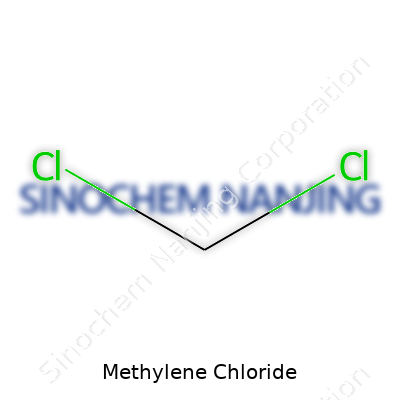
| Names | |
| Preferred IUPAC name | dichloromethane |
| Other names |
Dichloromethane DCM Methane dichloride Methyl chloride Freon 30 Solmethine Narkotil Sylene Aerothene MM |
| Pronunciation | /ˈmeθ.ɪˌliːn ˈklɔː.raɪd/ |
| Identifiers | |
| CAS Number | 75-09-2 |
| Beilstein Reference | 3587156 |
| ChEBI | CHEBI:132962 |
| ChEMBL | CHEMBL1357 |
| ChemSpider | ChEMBL1201209 |
| DrugBank | DB01637 |
| ECHA InfoCard | 03fae9a4-43e2-4c35-b505-4b9a911cacf2 |
| EC Number | 200-838-9 |
| Gmelin Reference | 6077 |
| KEGG | C00283 |
| MeSH | D002831 |
| PubChem CID | 6344 |
| RTECS number | PA8050000 |
| UNII | F84733051T |
| UN number | 1593 |
| Properties | |
| Chemical formula | CH2Cl2 |
| Molar mass | 84.93 g/mol |
| Appearance | Colorless liquid with a penetrating, ether-like odor. |
| Odor | Sweetish, penetrating |
| Density | 1.33 g/cm³ |
| Solubility in water | Slightly soluble |
| log P | 1.25 |
| Vapor pressure | 435 mmHg (20°C) |
| Acidity (pKa) | 13.7 |
| Basicity (pKb) | -7.3 |
| Magnetic susceptibility (χ) | -55.7×10⁻⁶ cm³/mol |
| Refractive index (nD) | 1.424 |
| Viscosity | 0.43 cP at 25°C |
| Dipole moment | 1.60 D |
| Thermochemistry | |
| Std molar entropy (S⦵298) | 86.3 J·mol⁻¹·K⁻¹ |
| Std enthalpy of formation (ΔfH⦵298) | -95.30 kJ/mol |
| Std enthalpy of combustion (ΔcH⦵298) | -519.2 kJ·mol⁻¹ |
| Pharmacology | |
| ATC code | D08AX09 |
| Hazards | |
| Main hazards | Toxic by inhalation, skin and eye irritant, possible carcinogen, may cause central nervous system depression, risk of liver and kidney damage, highly volatile and produces harmful vapors. |
| GHS labelling | GHS02, GHS07, GHS08 |
| Pictograms | GHS02,GHS07,GHS08 |
| Signal word | Danger |
| Hazard statements | H302, H312, H315, H319, H332, H351, H373 |
| Precautionary statements | P261, P280, P304+P340, P305+P351+P338, P312, P403+P233, P501 |
| Autoignition temperature | 556°C |
| Explosive limits | 12-19% |
| Lethal dose or concentration | LD50 oral, rat: 1600 mg/kg |
| LD50 (median dose) | LD50 (median dose): 1600 mg/kg (oral, rat) |
| NIOSH | NIOSH: PA8050000 |
| PEL (Permissible) | 25 ppm |
| REL (Recommended) | 0.6 ppm |
| IDLH (Immediate danger) | IDLH: 2,000 ppm |
| Related compounds | |
| Related compounds |
Chloroform Carbon tetrachloride Chloromethane Dichloroethane |



