Methylcyclohexane: Unpacking the Layers of a Modern Chemical Staple
Looking Back: The Path to Usefulness
Every major industrial chemical has a story, and methylcyclohexane is no exception. Once just another product of refining crude oil and cracking hydrocarbons, methylcyclohexane began as a curiosity of organic chemistry, but its significance grew with the synthetic boom of the twentieth century. Laboratories needed versatile solvents and reagents, and fuel technology pressed for stable, high-energy molecules. Refineries started paying closer attention to methylcyclohexane because it stood out—clean-burning, easier to store than many other liquid hydrocarbons, and reliable in performance. It’s this journey from side-product to mainstream industrial mainstay that shows how practical demands can shape the landscape of chemistry.
Unwrapping the Basics: What Makes This Molecule Interesting?
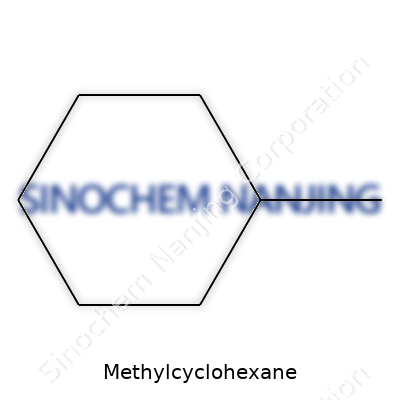
The structure looks simple, yet it packs a punch. Imagine a cyclohexane ring—six carbons hooked into a tight circle—with a methyl group hanging off the side. At first glance, it reads ordinary, but the small difference of a single methyl group shifts the chemical's properties in useful ways. Methylcyclohexane shows up as a colorless liquid, clear as water, with a faint scent that recalls gasoline. Thanks to its nonpolar nature and low reactivity under mild conditions, it finds its way into industries that demand a stable yet effective hydrocarbon. Factors like a boiling point a bit higher than cyclohexane, volatility, and solubility tell chemists what to expect and help determine how to store, ship, and use it.
The Nitty-Gritty: Physical and Chemical Personality
Methylcyclohexane’s boiling range, sitting around 101°C, means it handles a heating process without evaporating in a flash; this trait makes it fit for many applications requiring temperature control. Its relatively high vapor pressure and low melting point suit a liquid-handling setup, not just sealed drums in a warehouse. Non-polar solvents like methylcyclohexane dissolve hydrophobic materials, so paint makers and polymer processors appreciate having it on the shelf. Its low polarity also results in good compatibility with other hydrocarbons, which is why formulas sometimes substitute it for toluene or cyclohexane. From personal experience in a research lab, working with methylcyclohexane meant less worrying about unexpected side-reactions—its reluctance to engage in aggressive chemical interplay saves headaches.
Technical Specs: Labeling and Real-World Identity
Chemists label methylcyclohexane as C7H14, and its identity as a flammable liquid shows up not just on shipping labels, but in every safety plan that handles solvents. The correct name matters because, in a store of hundreds of hydrocarbons, subtle differences mean everything. Other names include hexahydrotoluene or hydrotoluene, reflecting its origin or method of synthesis. When buying for the lab, purity and water content top the checklist—I’ve found that even trace impurities skew experimental results or gum up fuel cell research. For large-scale users, batch-to-batch consistency isn’t just a box-ticking exercise; it protects quality downstream in products ranging from adhesives to pharmaceuticals.
How Methylcyclohexane Comes to the Table
Its preparation leans heavily on refining, where it typically results from hydrogenation of toluene. This process is part of petroleum upgrading, converting aromatic substrates into saturated rings. Industries seek efficient catalytic systems and mild conditions to maximize output and minimize greenhouse gases. Some research groups, especially in green chemistry, look for alternatives that run at lower temperatures or with less toxic catalysts. In the end, whatever route researchers favor, availability of the starting material, the cost, and the footprint of the process shape the commercial future of methylcyclohexane.
Chemical Moves: Reactions and Changes
On the bench, methylcyclohexane acts as a bystander most of the time. Its stable ring shrugs off mild acids and bases. At higher temperatures, or in the presence of strong oxidizers, it can undergo dehydrogenation, forming toluene. This reverse transformation links it back to the original feedstock and ties into hydrogen storage concepts. Scientists test its potential as a liquid organic hydrogen carrier, aiming to ferry hydrogen safely and efficiently for the energy transition. Reactivity under extreme conditions offers a window into treating spent solvents or converting it into other chemical building blocks, but outside the reactor, stability takes priority.
The Many Faces: Other Names and Identities
In catalogs, methylcyclohexane hides behind alternate monikers like hexahydrotoluene or hydrogenated toluene. Each name echoes a different facet of its preparation or use. This cocktail of labels sometimes confuses newcomers and old hands alike, but familiarity grows with use. Consistent nomenclature bridges the worlds of production, regulation, and application, and it reminds us that a single molecule can step into many roles.
Staying Safe and Orange-Barrel Rules
Handling methylcyclohexane demands respect for its flammability and vapor risks. In my time managing university storerooms, strict labeling and spill protocols kept everyone honest. It doesn’t take much vapor to reach the lower explosive limit and create a hazard. Wearing gloves and goggles won’t turn heads in a chemical plant, but ensuring good ventilation becomes a habit, not just a guideline. Regulatory guides from agencies like OSHA and the NFPA update frequently, reflecting new toxicity research and workplace observations. Workers learn quickly that rushing clean-ups or ignoring solvent vapor alarms leads to regretful stories and tighter rules. As more research appears on long-term exposure, industries tighten monitoring and encourage alternatives with safer profiles where possible.
Where It Shows Up: Uses and Value
What makes methylcyclohexane more than an afterthought are its everyday uses—a solvent in adhesives and paints, a standard in the calibration of analytical instruments, and a potential player in hydrogen storage. Its blandness on paper belies its usefulness; industries don’t choose chemicals for romantic reasons, but for how well they do the job. Paint makers value its evaporation profile. Fuel cell developers see a liquid carrier for hydrogen. Analytical chemists trust its predictable inertness. The sum of these qualities explains why methylcyclohexane keeps earning a place on the industrial toolbelt.
Chasing New Solutions: Research and the Road Ahead
Research labs eye methylcyclohexane from several angles: as a benchmark for testing new catalysts, a promising medium for storing chemical energy, and a more benign solvent in formulations. The push for a hydrogen economy casts fresh light on its dehydrogenation properties. Liquid-phase hydrogen carriers could help overcome stubborn obstacles facing compressed or cryogenic hydrogen transport. Some researchers now test catalysts that speed up hydrogen release at lower temperatures, tracking efficiency and emissions. Others search for less wasteful preparation processes or explore recycling spent solvents. These experiments fuel hope for a cleaner, more adaptable industry.
Weighing the Hazards: Toxicity and Beyond
Toxicity research leaves no chemical unturned. For methylcyclohexane, the story isn’t as grim as some of its aromatic cousins, but short-term inhalation can cause dizziness or headaches. Long-term data trickles in more slowly, but regulatory agencies keep a close watch, calling for tighter skin and inhalation exposure limits. Laboratories and manufacturers have responded by investing in better ventilation, stricter monitoring, and improved PPE. From personal experience in lab audits, funding and management buy-in speed up these improvements and bring peace of mind to everyone involved.
Looking Forward: New Directions and Challenges
The future leans on sustainability, and methylcyclohexane faces questions. Cleaner synthesis routes, energy-efficient hydrogen release, and safer handling practices attract research funding and industry interest. Conversations with process engineers show growing demand for safer, renewable feedstocks and green chemistry solutions. Meeting these goals means coordinating from the lab bench to the plant floor—finding catalysts that work at lower temperatures, designing closed systems that cut emissions, and sharing data on exposure and accident statistics. Methylcyclohexane might never headline news on its own, but staying relevant depends on adapting to a world that looks for lower risk, tighter regulation, and a lighter environmental impact.
What is methylcyclohexane used for?
A Useful Solvent: Beyond the Lab
Methylcyclohexane shows up in a lot of places. People working with paints, adhesives, and coatings know this chemical, often without thinking much about it. It works as a solvent — meaning it dissolves other substances — and helps create smooth finishes and workable mixtures. Because of its low reactivity, formulators trust it to thin paints or adhesives without causing unwanted surprises during drying.
I spent time around furniture makers and car shop guys who used products containing methylcyclohexane in varnishes and cleaning agents. It evaporates pretty fast, so it vanishes without a trace, leaving behind finished wood or a degreased engine part. That quick evaporation helps speed up the job.
Role in the Petrochemical Industry
Inside oil refineries and big chemical plants, methylcyclohexane plays a bigger role. Technicians use it in hydrogen storage systems and as part of research into cleaner fuels. Chemists often convert toluene into methylcyclohexane, store it, and turn it back when they want their hydrogen again. This cycle may sound science fiction, but it turns up in pilot projects focused on moving hydrogen safely for fuel cells or energy grids.
The fuel business also uses methylcyclohexane as a reference point in measuring octane numbers for gasoline. This technical stuff matters because a car relies on consistent, quality fuel to keep from knocking and running rough.
Manufacturing: Cleaning and Purifying
Manufacturers who need pure end products use methylcyclohexane for cleaning or extraction. It’s good at washing away unwanted grease or contaminants from metals and electronics parts. Factories use it in making rubber and resin, too. Many rubber compounds come out cleaner and easier to shape thanks to this chemical. It’s not just about chemistry; it’s about the everyday things we touch and use.
Health, Safety, and Environmental Aspects
Getting straight about chemicals means talking about risks. Methylcyclohexane shouldn’t be breathed in or splashed on skin. Long exposure can hurt your liver or nervous system and may irritate lungs and eyes. OSHA and similar organizations set strict rules to keep workplace air safe. Businesses must ensure good ventilation, protective gear, and regular checks on vapor levels.
Spills or misuse can hurt waterways and soil. This chemical floats on water and doesn’t break down fast, so it hangs around. Responsible handling goes beyond legal compliance. From my own shop days, we always kept spill kits near any solvent containers and never dumped waste down the drain.
Safer Alternatives and Future Developments
Many companies keep eyes out for greener solvents. Some research points to plant-derived alternatives, aiming to cut health risks without wrecking product quality. Switching over takes investment and testing, but the trend grows stronger each year.
Methylcyclohexane has played a big part in industry for decades. With better training, equipment, and management, folks stay safer on the job. At the same time, chemists and engineers keep searching for replacements, hoping to balance performance, price, and planet. Responsible use and open eyes — that’s the way forward.
What are the safety precautions when handling methylcyclohexane?
Understanding the Risks
Methylcyclohexane doesn’t look like trouble at first glance. It’s clear, smells a bit like gasoline, and shows up in plenty of chemical processes. Yet, anyone who has worked with volatile solvents knows the real problems come from what you can’t see. Vapors build quietly. Static can light them off before you realize. I’ve seen solvent fires flash up in the blink of an eye, so treating methylcyclohexane with respect is just common sense.
Keeping It Ventilated
Fresh air is key. Even a small spill in a closed workspace can land you in the danger zone, both from toxic fumes and the risk of fire. Chemical workers I spoke to never take chances with ventilation. They fit fume hoods, open windows, and turn on exhaust fans before ever opening the drum. Keeping the workspace open isn’t just about ticking a box. Once you catch a whiff of strong vapors, you're not thinking about the paperwork anymore—you want clean air.
No Room for Open Flames
It doesn’t take much for vapors to find a spark. Smoking, using power tools, or even switching a light can light up residual vapors if a spill happens. I remember one lab tech telling me about a fire that started because someone flipped a switch while pouring a solvent—tiny thing, big consequence. Folks working with methylcyclohexane usually leave all flames and heat sources outside, always.
Personal Protective Gear
Gloves matter. Splashing a solvent like this on bare skin gives you a burning, tingling reminder. Nitrile gloves, safety goggles, and a proper lab coat aren’t for show. My own hands have tingled plenty from skipping gloves just once. Proper eye protection matters even more—just one accident can cost you sight. Even a splash on your forearm gets annoying fast, and the odor sticks around even after you wash up.
Storage Matters
Pouring methylcyclohexane back into a labeled, grounded safety container lowers risks. Keep it away from the sunlight and away from oxidizers. Store it somewhere cool, where drips or leaks don’t wind up pooling around your feet. I’ve seen folks use flammable storage cabinets to keep this stuff out of direct reach, and it’s a move worth copying.
Responding to Spills and Accidents
Once on the floor, vapors cloud fast. Absorbent pads or sand come in handy, but quick action matters. I’ve had to help mop up more than one spill with a team, and padding slow leaks early beats calling a hazmat cleanup crew later. Anyone around methylcyclohexane keeps spill kits within arm’s reach; skipping that step never ends well.
Training and Awareness
Everyone in the lab or on the shop floor should know the risks and responses. Material safety data sheets sit ready, not filed away for an audit. Regular drills ingrain the right moves. Complacency breeds mistakes—I’ve watched seasoned techs get sloppy, and the room tenses up because everyone knows what’s at stake.
Better Safe Than Sorry
Working with solvents sharpens your sense of caution. Taking shortcuts smells like regret. Cutting-edge sensors and alarms help catch leaks early. Some shops use personal vapor detectors to keep tabs on exposure, and those little gadgets catch trouble before it gets close. Methylcyclohexane doesn’t forgive mistakes easily, and staying safe always comes down to the basics—ventilate, protect, store properly, clean up quick, and keep your mind on the task.
What is the chemical formula of methylcyclohexane?
The Basics of Methylcyclohexane
Methylcyclohexane shows up in many places I’ve worked in the lab. Its chemical formula, C7H14, sounds pretty straightforward. You stick a methyl group on cyclohexane, and there it is. Dig a bit deeper, and this molecule starts to tell a rich story about hydrocarbons, their structure, and what they do beyond the classroom walls.
Everyday Relevance and Safety
Plenty of people never think twice about molecules like methylcyclohexane, but those who have spent hours in an organic chemistry lab know its familiar sweet smell. Solvents like this aren’t just bottled up for chemists. Refineries rely on compounds in this family all the time, pulling them out of crude oil, turning them into fuels, and shipping them all over the globe. Methylcyclohexane boils at about 101°C and burns readily. It’s not the kind of thing you want near a spark but it’s not especially exotic, either.
Industrial Footprint and Environmental Impact
Refineries love methylcyclohexane as a hydrogen donor and as a model compound when researchers investigate catalytic reactions. It lets chemists see how hydrogen atoms move around, which helps when people want to make fuels cleaner, lighter, or just less polluting. Data from the U.S. Environmental Protection Agency show that VOCs (volatile organic compounds) like methylcyclohexane contribute to smog, especially in urban areas on sunny, stagnant days. Industrial leaks, poor handling, or accidents can turn this compound from useful to harmful pretty quickly.
Health and Regulation
Regulators have rules for a reason. I’ve handled methylcyclohexane with double gloves and goggles; even a small splash feels oily and leaves a scent on your skin. Inhaling the fumes too long brings on headaches or worse. According to the CDC and NIOSH, too much exposure to methylcyclohexane can cause dizziness, irritation, and central nervous system effects. In places where people work around solvents all day, proper ventilation and routine air monitoring matter to keep people healthy and safe at the end of each shift.
Making Smart Choices with Solvents
After years in the lab, you get picky about which solvents belong in which jobs and how to limit their footprint. Green chemistry isn't just a buzzword; people try swapping out high-impact solvents for something less hazardous or easier to recycle. With more chemical suppliers offering recovery and recycling options, it cuts down on waste, keeps lab costs in check, and lowers the chance of chemicals getting into soil and water. Many companies invest in training workers to recognize hazards on material safety data sheets—not because rules demand it, but because it keeps people safe.
The Bottom Line
People don’t have to memorize formulas like C7H14 to understand why methylcyclohexane matters. Chemistry connects to ordinary life through fuels, plastics, and even simple cleaning jobs. Respect for the molecule’s power—both the good and the hazardous—means better decisions for industry, safer workplaces, and a lighter eco-footprint. Past experience tells me that it’s worth the extra care each and every time.
Is methylcyclohexane hazardous to health or the environment?
Everyday Exposure: What We’re Dealing With
Methylcyclohexane gets used a lot in labs and industry—often as a solvent, sometimes as an intermediate for making other chemicals. If you’ve spent time in chemical manufacturing or research facilities, you may have seen workers handling drums of it, usually with gloves and good ventilation. Smelling it usually brings headaches or dizziness pretty quick. It’s flammable, so folks around it keep fire extinguishers handy. The fact that it evaporates so easily means it doesn’t just stay put where it spills or leaks. Once it’s in the air, anyone nearby can breathe it in.
Health Risks: More Than Just a Bad Smell
People who handle methylcyclohexane without enough protection sometimes complain about irritated eyes or throats, blurry vision, or problems focusing. It acts as a central nervous system depressant. Large exposures can knock someone out cold, and chronic low-level exposure can lead to memory and mood problems. The safety data sheets warn about longer-term effects too—including damage to the liver or kidneys after repeated exposure. Cancer hasn’t been a top concern for this compound based on what studies currently show, but reliable tracking on chemical risks sometimes takes decades to catch up with reality. Playing it safe means avoiding skin contact and never using it in a space without proper air flow.
Environmental Worries: Out of the Lab, Into the World
Beyond lab benches and warehouses, methylcyclohexane sometimes gets into the soil or water during transport accidents or industrial releases. Wildlife in those spots won’t thank us for making the area toxic. Fish and other aquatic species suffer if concentrations get high enough. Plants nearby can take a hit as well, depending on how much gets into their roots. Even if this chemical breaks down faster than some heavy-hitting poisons out there, that doesn’t let us off the hook. It can move through soil and water, giving it a chance to reach humans and animals who never signed up for chemical exposure.
Regulations and Gaps
OSHA sets exposure limits for methylcyclohexane at 500 parts per million, but keeping to those levels isn’t always simple. Not every small shop or research space runs regular air monitoring. Spill response in outdoor environments often takes time, allowing the compound to spread. Agencies keep rules in place but there’s only so much enforcement can do if folks downplay risks or skip regular safety checks. There are standards for safe disposal, but sometimes waste streams miss their mark, especially in places without tight oversight. A focus on safe containers and clear labeling keeps a lot of accidents from turning worse.
Better Practices Make a Difference
I’ve seen real improvements in places that train workers on the specific hazards of methylcyclohexane. Routine ventilation checks, glove use, and spill drills change the game. Companies that hold themselves accountable for what leaves their site—and where it ends up—don’t just avoid fines, they build trust and protect local communities. Green chemistry approaches push for alternatives with fewer health and environmental risks. Until replacements take over, respect for this compound’s hazards stays crucial. Protecting people and the environment starts with honest assessments, backed by well-enforced rules and simple common sense.
How should methylcyclohexane be stored and disposed of?
Methylcyclohexane Demands Respect
Anyone working with chemicals knows each has its own quirks and dangers. Methylcyclohexane fits right into that. It shows up on job sites as a solvent or gets used as a lab sample, but its real reputation comes from being flammable and hazardous if inhaled. I once had a job in a lab where we kept all solvents in a specific building, well-marked and away from main workspaces. That felt inconvenient at the time, but safety ended up mattering more than comfort—nobody wants to remember a workday for the wrong reasons.
No Shortcuts: Smart Storage Practices
Methylcyclohexane needs a storage approach that keeps people, facilities, and the environment safe. Flammable liquids like this go in tightly sealed metal or specialized plastic containers. These should stay inside storage cabinets classified for flammable chemicals. Heat sources, even something small like a light bulb or plug strip, have no place close by. Ventilation makes a difference, cutting down on vapor buildup and lowering any real risk of fire. Years back, a friend’s garage caught fire from a leaky can of something similar—it showed me just how quietly things can go wrong.
Some specifics help here. Store methylcyclohexane at room temperature, nowhere near oxidizers or anything reactive. Use clear labeling, and teach everyone that anything containing the word “methyl” probably comes with more risk than average. I always made time in new jobs to check the chemical cabinets and see if the storage rules were just writing on paper or something people lived by. It adds peace of mind.
Common Sense Disposal: Steps Everyone Should Follow
Pouring leftover methylcyclohexane down a drain or tossing it with regular trash? That’s a quick path to costly problems—environmental leaks, fires, even legal issues. This chemical belongs in sealed waste containers marked specifically for organic solvents. Most places with decent regulations require working with hazardous waste handlers. These professionals really earn their keep, keeping tracked records and following best practices.
Spill kits always stood close to solvent storage where I worked. I watched a new technician fumble a bottle, panic a little, and then remember spill training. They grabbed absorbent material, worked fast, and used the chemical waste bin for cleanup. Training days often felt long, but everyone could see the payoff in a moment like that. The company required us to log all incidents, even if nothing caught fire or nobody needed help. These logs kept big accidents away and showed up at every inspection.
Embracing Safety Over Convenience
Methylcyclohexane doesn’t leave much room for carelessness. Workers on the front lines need regular reminders about fire hazards, proper ventilation, and making zero compromises on labeling and separation from other chemicals. Investing in proper storage cabinets and regular waste collection might save money and even lives in the long run. Training every employee—and sticking to inspections—keeps everyone honest and confident. Most of all, nobody regrets patience and good habits when handling chemicals, but cutting corners can bring lifelong regrets.
Looking Ahead
Cleaner workplaces and stricter habits cut down risks. Teams who take chemical storage and disposal seriously keep each other safer and shield communities from the fallout of a single mistake. Simple changes, like better labeling or an extra training class, build a real safety margin. People often think bad accidents happen somewhere else—until they don’t. I’ve seen what goes wrong when people skip a step. For methylcyclohexane, safe handling always makes more sense than learning from a painful mistake.
| Names | |
| Preferred IUPAC name | Methylcyclohexane |
| Other names |
Cyclohexylmethane Hexahydrotoluene Hydrogenated toluene |
| Pronunciation | /ˌmɛθ.ɪl.saɪ.kloʊˈhɛk.seɪn/ |
| Identifiers | |
| CAS Number | 108-87-2 |
| 3D model (JSmol) | `CCCC1CCCCC1` |
| Beilstein Reference | 1437650 |
| ChEBI | CHEBI:15601 |
| ChEMBL | CHEMBL1377 |
| ChemSpider | 8847 |
| DrugBank | DB01944 |
| ECHA InfoCard | echa-info-card-100.006.930 |
| EC Number | 203-624-3 |
| Gmelin Reference | 60738 |
| KEGG | C06588 |
| MeSH | D008770 |
| PubChem CID | 7967 |
| RTECS number | GU4375000 |
| UNII | 39FM4QF833 |
| UN number | UN2296 |
| Properties | |
| Chemical formula | C7H14 |
| Molar mass | 98.19 g/mol |
| Appearance | Colorless liquid |
| Odor | Gasoline-like |
| Density | 0.77 g/mL at 25 °C |
| Solubility in water | insoluble |
| log P | 2.82 |
| Vapor pressure | 52 mmHg (20°C) |
| Acidity (pKa) | pKa ≈ 50 |
| Basicity (pKb) | 16.15 |
| Magnetic susceptibility (χ) | -60.7×10⁻⁶ cm³/mol |
| Refractive index (nD) | 1.423 |
| Viscosity | 0.68 mPa·s (25 °C) |
| Dipole moment | 0.10 D |
| Thermochemistry | |
| Std molar entropy (S⦵298) | 229.3 J·mol⁻¹·K⁻¹ |
| Std enthalpy of formation (ΔfH⦵298) | -156.5 kJ/mol |
| Std enthalpy of combustion (ΔcH⦵298) | –4712.8 kJ·mol⁻¹ |
| Hazards | |
| GHS labelling | GHS02, GHS07 |
| Pictograms | GHS02,GHS07 |
| Signal word | Warning |
| Hazard statements | H225, H304, H336, H411 |
| Precautionary statements | P210, P233, P240, P241, P242, P243, P261, P271, P301+P310, P303+P361+P353, P304+P340, P331, P370+P378, P403+P235, P405, P501 |
| Flash point | 40 °F (4 °C) |
| Autoignition temperature | AUTOIGNITION TEMPERATURE: 223°C (433°F) |
| Explosive limits | 1.2–7% |
| Lethal dose or concentration | LD50 oral rat 5350 mg/kg |
| LD50 (median dose) | LD50 (median dose) of Methylcyclohexane: 1670 mg/kg (oral, rat) |
| NIOSH | KHC |
| PEL (Permissible) | 500 ppm |
| REL (Recommended) | 150 ppm |
| IDLH (Immediate danger) | 1500 ppm |
| Related compounds | |
| Related compounds |
Cyclohexane Toluene Methylcyclopentane Ethylcyclohexane 1,2-Dimethylcyclohexane |



