Methylamine: Unpacking a Chemical’s Journey, Impact, and Promise
Tracing the Roots and Modern Demand
Methylamine’s story in chemical history tracks alongside advances in synthetic chemistry and industrial production. Chemists first isolated it in the 19th century, and its early uses stuck mostly to the lab. Over time, scale grew along with the chemical industry’s appetite for versatile building blocks. Watching markets shift, the demand has kept pace, fed by industries producing pharmaceuticals, crop-protection products, solvents, and even dyes. This is not a specialty chemical found behind locked doors—methylamine shapes consumer goods and services that reach everyone, sometimes far from public view. Odd to think that something so small—just a carbon and three hydrogens attached to a nitrogen—could unlock such a huge web of products. Methylamine’s single methyl group gives it a leg up over its ammonia cousin, opening paths for reactivity without making it unwieldy. What matters most is how it slots into bigger chemical puzzles. Sometimes regulations hover over it because it can be diverted for illegal activity, but that’s not the whole story. Society’s ongoing reliance on substances like this should make us ask tougher questions—about security, transparency, but also future benefit.
The Simple Core: Properties That Matter in Practice
You’ll spot methylamine as a colorless gas—less dense than air, tough to pin down by sight, and it’ll knock you back with a powerful ammoniacal smell. As someone who's spent time in labs, the pungency is hard to forget: you learn quickly why ventilation ranks top priority. Its molecular formula is CH3NH2; boiling point lands right under room temperature, so containers end up pressurized. Water grabs it well, so solutions for shipping aren't rare. That’s not just good sense; it makes handling both safer and more predictable. Chemically, it reacts fast, thanks to the lone pair on the nitrogen: it goes after acids, picks up methyls, hooks onto carbonyls. These aren’t just textbook curiosities—they fuel practical steps in synthesizing medicines, herbicides, and accelerators for rubber. Its volatility and solubility widen both opportunity and risk. Flammable and reactive with certain chemicals, methylamine demands honest respect. There’s no shortcut around that if you want to protect workers, communities, or the environment.
Making It Happen: Preparation and Tweaks
Most production these days pairs methanol and ammonia over a catalyst like alumina. The process runs continuously and spits out methylamine with side streams of dimethylamine and trimethylamine. Separating these flavors becomes a technical challenge, and costs rise depending on purity needs. I’ve seen the difference that small impurities can make—especially in pharmaceuticals, where even trace contaminants matter. Nothing about the process smells like a backyard operation; it calls for good design and skilled attention. Chemical flexibility means methylamine joins with acids to form salts, like methylamine hydrochloride, giving options for more stable storage. It jumps into alkylation reactions, forms amides with carboxylic acids, and participates in Hoffmann rearrangements. Each pathway can build complexity or offer a step to even more valuable compounds. The landscape unfolds with every reaction, showing how chemistry builds on itself, brick by brick.
Synonyms, Standards, Labeling, and Safety Realities
You might spot methylamine labeled as monomethylamine, aminomethane, or simply MMA on drums or paperwork. In the warehouse, the differences in name matter little compared to care needed to work with the substance. GHS labeling and local chemical safety sheets insist on clear hazard symbols. As someone whose hands shake a bit thinking about forgotten fume hoods or broken masks, attention to technical specs can’t slip. High reactivity with oxidizing agents and potential for fire demands rigorous checks, not trust in memory or luck. Toxicity is far from trivial: inhalation at low levels irritates the eyes, nose, and throat, and higher doses go after the lungs and central nervous system. OSHA and local rules set exposure limits, but the most careful operators know rules form the floor, not the ceiling, for safety. Proper gloves, goggles, and especially ventilation stop small mistakes from becoming big disasters.
Application Deep Dive
If you pop open the curtain behind modern pharmaceuticals, agricultural chemicals, and resins, methylamine shows up time and again. In the pharma world, it fuels production of antihistamines, analgesics, and antibiotics—often as an intermediate. Its role isn’t flashy, but it’s pivotal. In agriculture, methylamine links to fungicides and herbicides, helping feed and protect global crops. Rubber processing relies on it for accelerators, while dyes and solvents tap it to tweak molecular properties. This close connection to core industries brings responsibility. From supply chain security to process transparency, weak links invite not just economic losses but direct human harm. Falsified labeling might protect margins but sacrifices trust. There’s no path forward without engagement from all corners: chemists, regulators, and end-users included.
Research, Risk, and Room for Growth
Ongoing research looks both at making methylamine production greener and at finding new ways to harness its reactivity. Bio-based feedstocks or smarter catalytic routes could blunt the environmental edge, cutting emissions while maintaining yield. New regulatory scrutiny around precursor chemicals forces scientists and policymakers together, trying to outthink diversion while keeping real uses open. Tighter controls only work with education—people at every stage, from plant operators to border officials, have to understand more than just the letter of the rules. Toxicity research hasn’t stopped with rats in cages or cell cultures; now, computational modeling predicts not just acute responses but chronic impacts from trace exposures. This matters as environmental standards tighten and the traceability of chemical footprints gets more serious.
Where Innovation Could Take Methylamine
Future prospects for methylamine look tied to the march of new drugs, crop science, and performance materials. As someone who’s seen how even small changes ripple through supply chains, I think process innovations will pull ahead—lower waste, less energy, and tighter control all matter. Maybe tomorrow’s methylamine will come from renewable feedstocks, bolstering sustainability without trading off reliability. Clearer frameworks for risk management, better worker training, and digital tracking systems show promise, especially as global markets tighten scrutiny. Policy shouldn’t stop at just stamping out illicit use; it must also loosen paths for innovation, sharing best practices and research as widely as possible.
What is methylamine used for?
Everyday Chemistry Behind the Scenes
Step into a drugstore and shelves crowd with pills, lotions, and cleaning products. Behind these everyday items, someone had to make decisions about chemistry. Methylamine slides into that story, though most people haven’t heard of it. It shows up as a building block in countless manufacturing processes—medicines, crop treatments, dyes, water treatment, and more.
The Role in Agriculture
On every trip through a supermarket, food looks fresh and abundant. Agriculture gets a boost from chemical innovations. Methylamine helps build crop protection chemicals. It transforms into compounds that stop bugs and diseases from wiping out plants. Countless folks rely on these technologies because supermarkets can’t keep shelves stocked without steady harvests. After talking with local farmers, they often mention how changes in pesticides affect costs and their peace of mind. Methylamine links chemistry labs and the fields where our food grows.
Crafting Medicine and Therapies
Labs tapping into methylamine’s power have changed how we fight disease. Picture antihistamines lined up next to your bed or decongestants that clear a stubborn nose. They often start from simple molecules like methylamine. Drug creators use it to build more complex ones, step by careful step. During COVID, we all witnessed how complicated drug production became, with bottlenecks holding up needed supplies. Part of that story involves making sure there’s enough of foundational chemicals like methylamine around. The stakes run high; medicine cabinets across the world depend on reliable access.
Cleaning Up and Keeping Water Safe
Most people turn on their faucet and expect clean water. Few think about what keeps it safe to drink. Some water treatment chemicals get their start with methylamine. Manufacturers use it to build compounds that trap contaminants. On top of that, many cleaning supplies owe their effectiveness to ingredients born from methylamine chemistry. Living through two hurricanes last year, many folks in town couldn’t depend on clean water for weeks. Everyone had extra appreciation for the chemistry keeping water safe.
Colors, Fabrics, and Technology
Take a look around at the clothes people wear or the items used at work. Methylamine plays a role in making dyes that color fabric and plastics. Likewise, many companies use materials that cannot exist without this compound in the early stages. Electronics production even leans on it to build parts of electronic circuits, giving a boost to technology that powers our daily routines.
Risks and Solutions Moving Forward
Handling methylamine comes with hazards. It can be dangerous when not treated with respect, both in industrial and criminal hands. Safety training matters, and regulators keep a close watch on its uses. After seeing headlines about illegal drug labs misusing chemicals, most people feel uneasy. Transparency and good reporting help. Tracking who buys and uses methylamine isn’t simply red tape; it’s about protecting public safety. The industry continues to push better controls, and there’s pressure for government to keep oversight sharp without tripping up legitimate makers of medicine and other essential goods. Open conversations and strong community partnerships create trust so everyone can benefit from modern chemistry—without society paying the price for a few bad actors.
Is methylamine dangerous or toxic?
What Methylamine Means for Everyday Life
Methylamine doesn’t make headlines unless it’s mentioned in a crime report or a chemistry class. For many people, it’s just another word on a chemical drum. In reality, this stuff lies at a messy intersection between workaday industrial business and straight-up safety hazards. You find it in many manufacturing settings: making drugs for illnesses, fertilizers for crops, resins for plastics. You probably won’t stumble across a barrel behind your local supermarket, but folks who work in these fields come face to face with it often.
Health Hazards: Not Just Science Fiction
Breathing in methylamine or letting it touch your skin brings trouble. A friend of mine who worked in agriculture told stories about handling chemicals hundreds of times a day. One whiff of a leaky methylamine drum left him coughing, eyes stinging, with chest tightness all day. He didn’t need a doctor to know that stuff doesn’t belong in the lungs.
Just 100 parts per million in the air can lead to health effects if you're exposed for a while. Industrial guidelines, like those from OSHA, suggest lower limits—about 10 ppm—to keep workers safe. Symptoms show up fast: headache, dizziness, or in some cases burns on the skin and irritation in the eyes. This isn’t speculation; there are real-world cases where unprotected exposure sent people to the hospital with chemical burns or breathing problems.
Fire Hazards and Legal Use
There’s more to methylamine than just the personal health risk. This chemical catches fire much easier than water boils. Any workplace around methylamine has to treat storage and use like a science lab experiment—away from sparks, away from heat. Once, during a safety audit at a local factory, the manager showed me flame-proof storage rooms with warning signs everywhere. That kind of setup isn’t overkill. Spills and vapor leaks carry the kind of fire hazard that destroys warehouses in the blink of an eye.
Why It Makes Headlines
Methylamine hasn’t earned its reputation just from industrial mishaps. Some folks try to turn it into illegal drugs. Law enforcement has put tighter rules on where and how it’s sold. While most people in chemical plants have no link to illegal use, these rules affect everyone all the way down the supply line—longer wait times, tougher paperwork, higher prices.
Better Ways to Stay Safe
Good training beats fancy equipment. Looking back at my time as a safety trainer, the companies with routine drills and hands-on walkthroughs saw way fewer incidents than the ones that just handed out goggles and gloves. People need to recognize the sharp, fishy smell. They need to know what to do if they get it on their skin or spill some on the ground. Anyone working around methylamine should have backup respirators and neutralizing agents ready, right by the workbench.
Investing in leak detectors and safer engineering controls also helps. Even something simple, like better ventilation, stops a little spill from turning into a building-wide evacuation. Manufacturing sites should keep emergency showers and eyewash stations fully stocked and easy to reach.
Moving Forward with Facts
Methylamine earns its dangerous reputation for real reasons. It isn’t just about chemicals or compliance—real people can get hurt if workplaces cut corners. With practical training, solid rules, and the right equipment, most serious problems stay off the evening news and out of people’s lives.
What are the storage requirements for methylamine?
Tough Lessons from Chemistry Classrooms and Industry
Anyone who's ever done time in a college organic chemistry lab remembers the sharp, fishy stench of methylamine. I still recall the caution from my old lecturer: “One mistake and you’ll empty the building.” Back then, the stakes felt contained to a classroom, but step into the world of chemical manufacturing or pharmaceutical production, and the risks multiply. Storing methylamine safely ranks high among daily priorities for anyone who works with it. Ignoring the basics opens the door to disaster, both for your crew and your bottom line.
Why Storage Isn’t Just “Stick It on the Shelf”
Methylamine stands out for being volatile, corrosive and highly flammable. A small leak, even in a well-ventilated space, can trigger alarms or worse, lead to an ignition. Storage choices start with the container. Steel holds up well, but you’ll need to make sure it’s lined for extra protection—this stops the chemical eating through welds and joins. Glass doesn’t cut it for industry; it shatters too easily. Polyethylene tanks work in low-pressure contexts, but every piece of the puzzle, from seals to gauges, should be rated for strong alkalies and tough on leaks.
Keeping Hazards at Arm’s Length
Temperature control matters more than most people think. Methylamine boils fast at anything above freezing, so in hotter climates, tanks want cooling jackets or buried placement. I’ve seen outdoor drums left to roast in the sun; pressure inside builds fast and before long, something gives. A pressure release valve—rated specifically for this gas—helps, but routine checks make all the difference.
The next line of defense: ventilation. An enclosed room with poor airflow traps fumes. Even with a working gas detector, cleanup becomes a nightmare after just a few minutes. Fans and vent stacks keep vapors moving up and away, not settling low along the floor where they can catch a spark.
Regulating Risks—Paperwork and Common Sense
Regulators don’t play around here, and for good reason. Under U.S. Occupational Safety and Health Administration (OSHA) rules, methylamine stocks need tight inventory controls and ready access to safety data sheets. Spills trigger automatic incident reports, and health monitoring isn’t optional. The Environmental Protection Agency also tracks large supplies because of misuse potential. Carelessness in reporting can cost millions in fines—and public trust, which takes forever to regain.
Smart Practices for Safer Workers
People on the front lines deserve real training. In my time working chemical logistics, walk-throughs and drills cut down near-misses. Everyone in the chain from delivery to disposal should know how to spot frost lines on tanks, check seals for bulging, and respond to alarms with the right personal protective equipment. Labels need to be crystal clear, not just on bottles but across chain-link fences and loading docks.
Emergency gear—showers, eye wash stations, fire extinguishers—should be within easy reach. I learned the hard way that a blocked exit doesn’t seem like a big deal until trouble hits fast. Mock drills brought these weak spots into the open before real pain could happen.
Toward Better Storage: Finding New Solutions
Some companies now use remote sensors and digital logbooks to find leaks early and cut down paperwork. Building in double-walled storage tanks and designing overflow trenches that channel spills to neutralization pits show promise. Prevention wins over damage control every time. As more industries see the value in solid storage policies, workplace injuries and environmental impacts drop sharply—proving yet again that paying attention to the details up front beats any clean-up afterward.
Can methylamine be purchased legally?
Understanding Methylamine’s Place in Daily Life
Methylamine isn’t a household word, but its uses are surprisingly broad. Pharmaceutical companies need it to create medicines. Farmers use products that rely on chemicals made with methylamine. A lot of paint removers and cleaning agents come to life in factories where this stuff shows up. This chemical has a normal place on the roster of raw materials that keep a lot of industries ticking.
Red Tape Around Methylamine Sales
The legitimate demand for methylamine often gets tangled up with strict rules. In the United States and many other countries, government agencies take a close look at who buys this chemical and how much they order. The reason sounds dramatic, but it’s simple: methylamine shows up on the ingredient list for methamphetamine and some other illegal drugs. Any chemical that helps people break the law will get a closer look, and that’s the case here.
Anyone who wants to buy methylamine usually fills out forms, hands over business credentials, and sometimes even gets inspected by government officials. For someone at a regular hardware store or running an e-commerce site, methylamine isn’t sitting on a shelf next to bleach or acetone. It’s a “List I chemical” in the U.S., which means the Drug Enforcement Administration keeps it under strict control. That means only registered dealers and licensed buyers can get it, and every sale faces a paper trail.
Why Restrictions Show Up
Lawmakers didn’t decide to lock up methylamine just to make it hard for scientists or farmers. I’ve seen news reports where backyard chemists put entire neighborhoods at risk when an experiment blows up. In the wrong hands, chemicals like methylamine become more than a scientific curiosity. Meth labs pop up wherever rules get ignored, and the fallout goes beyond drugs. A fire or chemical leak can endanger dozens of families overnight. So, there’s a line between legitimate research and reckless risk, and that line shapes the current laws.
Finding Balance: Public Need vs. Public Safety
Nobody likes unnecessary paperwork, but pushing chemicals out into the public arena with no oversight isn’t realistic, either. Pharmaceutical companies and research labs face more hoops, but the process should keep dangerous recipes off the street. The current system isn’t perfect. Someone might still find loop holes or fake documents, but government inspectors and well-trained sales staff can spot unusual buying patterns or red flags when orders come through.
I noticed in my own experience that responsible suppliers double-check credentials, even at the cost of losing easy money. If a small town hardware store gets a call asking for gallons of methylamine, most managers will get nervous and ask questions. It’s a simple step, but it works. Educated employees and firm tracking systems close off a lot of opportunities for misuse.
Better Tools for a Complicated Problem
Chemicals play a part in so many sectors that simple bans rarely work. Instead, updating training for sales staff and tracking bulk orders seem like realistic ways to catch trouble early. Modernizing reporting systems so regulators and suppliers can actually talk to each other in real time might catch fake paperwork before it reaches a warehouse. Smart use of technology and constant vigilance will always work better than a pile of paper sitting in a file cabinet. The public needs chemicals like methylamine for medicines and farming, but it’s up to regulators, business owners, and retailers to make sure that access stays safe.
What are the safety precautions when handling methylamine?
Understanding the Hazards
Methylamine shows up in chemical plants, pharmaceutical labs, and sometimes in university research. It’s a strong-smelling gas or liquid, and it can hurt you in more ways than one. Breathing in just a little can sting your nose and throat, and if you touch it, the skin often burns. Methylamine isn’t only irritating; it can catch fire easily. Stories circulate about warehouse blazes caused by poor storage or careless handling. Nobody who works with it forgets the sharp smell or how fast things can go wrong.
Personal Protection
Nobody wants methylamine on their skin. I still remember the rush to rinse a colleague’s arm after a splash—it left red welts in minutes. Always use chemical-resistant gloves, a thick lab coat or apron, and goggles or a face shield. For most workplaces, a splash-proof fume hood matters. That simple habit—working under good ventilation—saves lungs and keeps headaches at bay. Respirators become vital if you expect a spill or need to clean up. Fit-checks on masks and gloves mean fewer surprises.
Safe Storage Practices
Storing methylamine safely means isolation. Keep it away from heat, open flames, and the sort of oxidizers that set off chain reactions. Solid drums and gas cylinders should rest in a cool, locked space with clear hazard signage. Leaks happen, and you need to know right away. Leak detectors and regular inspections flag trouble early. Most places keep spill kits close and train staff on quick responses, so a minor leak stays manageable.
Handling and Mixing
Every time someone prepares methylamine solutions, the risk sits in front of them. Use only approved, closed transfer systems. Pour slowly and avoid splashing—even after years of practice, pour-outs sometimes go sideways. A dedicated workspace and no food or drink nearby cut down on possible contamination. People often skip small steps, such as washing hands after tasks, but in my experience, those shortcuts land folks in the nurse’s office.
Emergency Response
The best labs hold regular drills. Find the eyewash and safety shower before even opening a container. If a spill occurs, block off the area, put on heavy protective gear, and call for specialized hazmat cleanup. Water dilutes methylamine well, but ventilation must clear the fumes. Fire extinguishers need to be rated for both chemical and electrical fires, since panic sometimes leads people to use water—the wrong move with some fires. Quick, calm decisions rely on real training, not just posted procedures.
Why Vigilance Matters
Over the years, I’ve watched seasoned chemists and rookies alike become careless. In 2020, the CDC recorded several incidents involving hospital visits after accidental exposure. Regulatory agencies like OSHA and NIOSH track incidents and provide real numbers to show the risks. Following rules may feel tedious, but the price for mistakes—burned skin, poisoned lungs—never seems fair. Real safety comes from respecting what methylamine can do, keeping healthy respect for the risks, and never skipping the basics.
Improving Safety Culture
Feedback sessions after every project help fix problems early. Staff need easy ways to report near-misses. Leadership has to walk the floor, not just sit in offices, so everyone buys into careful habits. Regular updates on new protective gear or better monitoring equipment keep teams alert. Learning from accidents at other sites—the kind nobody forgets—drives home that safety means constant effort, not box-ticking.
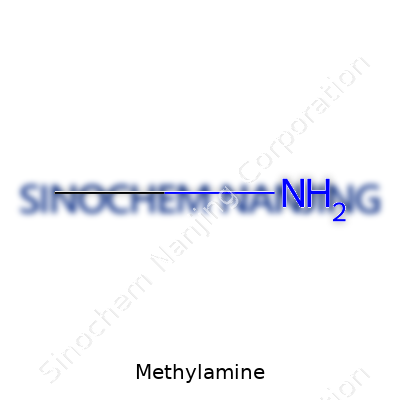
| Names | |
| Preferred IUPAC name | Methanamine |
| Other names |
Aminomethane Monomethylamine Methanamine |
| Pronunciation | /ˈmɛθ.ɪl.ə.miːn/ |
| Identifiers | |
| CAS Number | 74-89-5 |
| 3D model (JSmol) | CN |
| Beilstein Reference | 605292 |
| ChEBI | CHEBI:16835 |
| ChEMBL | CHEMBL1219 |
| ChemSpider | 692 |
| DrugBank | DB03757 |
| ECHA InfoCard | 100.000.007 |
| EC Number | 200-820-0 |
| Gmelin Reference | 766 |
| KEGG | C00231 |
| MeSH | D008766 |
| PubChem CID | 6329 |
| RTECS number | PV4900000 |
| UNII | 4Y2S0XC9SR |
| UN number | 1191 |
| CompTox Dashboard (EPA) | DTXSID1021575 |
| Properties | |
| Chemical formula | CH5N |
| Molar mass | 31.06 g/mol |
| Appearance | Colorless gas or liquid with a strong ammonia-like odor |
| Odor | fishy |
| Density | 0.657 g/cm³ |
| Solubility in water | Very soluble |
| log P | -0.57 |
| Vapor pressure | 1630 mmHg (25°C) |
| Acidity (pKa) | 10.6 |
| Basicity (pKb) | 3.36 |
| Magnetic susceptibility (χ) | -9.4×10⁻⁶ |
| Refractive index (nD) | 1.298 |
| Viscosity | 0.34 cP (at 20 °C) |
| Dipole moment | 1.31 D |
| Thermochemistry | |
| Std molar entropy (S⦵298) | S°₂₉₈ = 240.0 J·mol⁻¹·K⁻¹ |
| Std enthalpy of formation (ΔfH⦵298) | -22.6 kJ·mol⁻¹ |
| Std enthalpy of combustion (ΔcH⦵298) | -572.5 kJ·mol⁻¹ |
| Hazards | |
| GHS labelling | GHS02, GHS06, GHS05 |
| Pictograms | GHS02,GHS06 |
| Signal word | Danger |
| Hazard statements | H220, H280, H301, H311, H314 |
| Precautionary statements | P210, P233, P260, P264, P271, P280, P302+P352, P304+P340, P305+P351+P338, P312, P321, P337+P313, P403+P233, P403+P235, P405, P501 |
| NFPA 704 (fire diamond) | 2-4-2-A |
| Flash point | -10 °C |
| Autoignition temperature | 430 °C (806 °F; 703 K) |
| Explosive limits | 4.9% - 20.7% |
| Lethal dose or concentration | LD50 oral rat 233 mg/kg |
| LD50 (median dose) | LD50 (median dose): 698 mg/kg (rat, oral) |
| NIOSH | WI9275000 |
| PEL (Permissible) | 10 ppm |
| REL (Recommended) | 5 ppm |
| IDLH (Immediate danger) | 100 ppm |
| Related compounds | |
| Related compounds |
Dimethylamine Trimethylamine Ethylamine Ammonia Formamide |



