Methyl Sulfide: Navigating Its Role Across Science, Industry, and Safety
Tracing the Journey of Methyl Sulfide
Methyl sulfide, better known by many as dimethyl sulfide, stands out as a compound that science stumbled upon as far back as the 19th century, but only started to grasp its broader implications decades later. Those early chemists probably didn't expect the specialty chemical playing its part in daily life—from industrial processes to the subtle cues in food science. The recognition of methyl sulfide’s sulfurous odor didn’t just lead to classification and cataloging, but sparked years of research into natural sources. Oceanic emissions, decaying vegetation, and even the culinary world helped raise awareness that what some called a byproduct, others saw as a molecular messenger or an industrial workhorse.
Unpacking Its Character and Structure
Living with methyl sulfide in a laboratory, you quickly get familiar with its distinct aroma, which lingers with even a fraction of a drop. Its appearance doesn’t grab the eye—colorless and unassuming as a liquid at room temperature—but its volatility means it escapes into the air at the slightest chance. Boiling just above the freezing point of water, methyl sulfide moves between phases with ease. The molecular structure stays simple: two methyl groups stuck to a sulfur atom. This simplicity hides the chemical’s unique reactivity. Put it near an ignition source, and the flammability shows itself in sharp relief—making anyone handling it in bulk wary of open flames and static electricity alike. Its mix of moderate polarity and ready solubility in many organic solvents gets methyl sulfide a pass in both analytical and synthesis work.
Standards, Labeling, and Technical Realities
The labeling of methyl sulfide reflects a long lesson in chemical safety. Regulators underscore the need for clear hazard pictograms and warnings about its flammability and toxicity. Storage recommendations stress well-ventilated areas, away from oxidizers and sources of fire. Handling guidelines have evolved through a series of close calls and confirmed incidents across labs and factories. For every barrel shipped, paperwork matches up with requirements from agencies like OSHA and the European Chemicals Agency. Purity levels meet the expectations of whichever industry picks it up, whether for high-end synthesis or food flavoring trials.
The Pathways to Synthesis
The chemical industry makes methyl sulfide with a mix of old-school chemistry and modern efficiency. The classic approach treats methanol with hydrogen sulfide over a catalyst—a process that lines up with the shift toward greener chemistry, yet still bears the marks of its industrial roots. Engineers wrangle with reactor conditions to keep yields high and impurities low. Some researchers keep exploring ways to cut waste and energy use: moving away from fossil feedstocks, scaling lab-friendly enzymatic routes, and capturing the compound from biological sources. Each new pathway brings fresh questions about scalability and cost, especially under growing scrutiny for carbon and sulfur footprints.
Reactivity: Friend and Foe
Chemists prize methyl sulfide for more than its role as a building block. Under the right conditions, it transforms into sulfoxides and sulfones—handle these derivatives carefully, and whole classes of biologically active molecules or specialty solvents become possible. As a nucleophile, methyl sulfide interacts briskly with a range of electrophiles. That eagerness leads to useful reactions in organic synthesis and, at times, to headaches from unwanted side products. Oxidation stands out—exposing even a small amount to atmospheric oxygen can start a change that shifts the safety and odor profile. So, both in the lab and on the plant floor, vigilance stays high.
What’s in a Name? Synonyms and Identifiers
Depending on where you look, methyl sulfide appears as dimethyl sulfide, DMS, or by variations like methylthio-methane. The name might change, but the hazards and benefits remain the same. Knowing those aliases matters, especially for emergency responders or anyone trying to track shipments across borders and databases. Documentation often lists all trading and regulatory names, ensuring that handlers worldwide can spot risks and requirements instantly.
Beyond Regulations: Safety and Best Practice
Years in applied chemistry impress the same lesson: even chemicals that look docile on paper can surprise anyone who lets down their guard. Methyl sulfide doesn’t have a reputation for being among the deadliest, but inhaling a whiff in an unventilated space quickly disabuses that notion. Its potent smell serves as a built-in warning, but by the time it saturates the air, exposure might already reach uncomfortable levels. Firms invest in local exhaust ventilation, effective personal protective equipment, and regular leak inspections—not to be bureaucratic, but because even a minor spill can clear a building. Strict adherence to storage protocols pays off by preventing both fires and accidental releases, which usually come with hefty financial and reputational costs.
Where Methyl Sulfide Shows Up
In the world of commercial chemistry, methyl sulfide finds its place across a spectrum few would predict. Oil refineries use it as a process aid and marker for leaks. The food industry sees it as a flavor component, though always at levels well below those causing off notes or health concerns. Agricultural applications tap into its role either as a chemical intermediate or as a minor component in soil processes. Water treatment and pulp and paper manufacturing both see the compound as a part of wider sulfur management. Research facilities dig into its biological roles, seeking to map its pathways from ocean plankton to atmospheric sulfur cycles that help regulate climate.
The Push for Toxicity Data and Biological Understanding
Interest in methyl sulfide’s safety profile goes back as far as its industrial adoption. Inhalation produces irritation far more rapidly than some realize, especially in confined spaces. Concerns extend beyond acute effects to chronic exposure, particularly for people working close to emission points in large-scale plants. Regulatory authorities and industrial hygiene experts track permissible exposure limits and urge routine monitoring of workplace concentrations. Animal studies provide a window into high-dose impacts, but translating those findings to real-world risk sometimes frustrates both scientists and policymakers. Research ties exposure to negative respiratory symptoms and, in some animal models, neurological effects. Environmental regulators monitor emissions due to its volatile nature and impact on local air quality, driving companies to tighten up emission controls at stack and vent.
Outlook: From Environmental Impact to New Applications
The future of methyl sulfide stretches far beyond keeping chemical processes running. As a climate-related molecule, it has taken on new relevance—scientists study its release from oceans and the subsequent formation of cloud-forming aerosols, which may help buffer the planet from the full force of global warming. Policy conversations now include methyl sulfide as both a tool and a challenge, searching for ways to harness its positive roles in environmental systems while minimizing harm to people and property. Efforts to phase in safer production methods run alongside calls for deeper toxicological insight and more nuanced risk management. Academic and industrial labs share a common drive to discover less hazardous ways to synthesize, handle, and dispose of methyl sulfide, all while scanning for the next clever application in synthesis or environmental monitoring. In all these areas, trust in facts and careful research matters much more than hype or marketing. Following proper standards and learning from both the past and current work remains the only way to keep methyl sulfide a tool instead of a hazard.
What is Methyl Sulfide used for?
Why Methyl Sulfide Matters
Ask people about methyl sulfide, and most draw a blank. Yet behind that strange smell of cooked cabbage or the fresh scent at the ocean’s edge hides a big story. Methyl sulfide shows up in all sorts of places—industry, nature, even the air you breathe. A simple molecule, but it links together technology, the environment, and even our own health. I’ve bumped into methyl sulfide more than once working in labs and following environmental news: its uses run much deeper than a quick look suggests.
Industry Finds Many Uses
Factories lean on methyl sulfide for key processes. In the oil and gas fields, refiners use it to help extract sulfur, keeping fuel cleaner and meeting today’s tight emissions rules. The chemicals industry grabs methyl sulfide to make a line-up of products—from solvents to pesticides, and even some pharmaceuticals. Its simple structure lets chemists build on it, stacking more atoms onto its backbone. What I find interesting is how a tiny change in a molecule—like adding a sulfur atom—completely reshapes what it can do.
Pesticide makers add methyl sulfide to protect crops. Around the world, feeding growing populations pushes us toward higher yields. Compounds like methyl sulfide play a part in fighting off pests, though there’s always debate about safety and side effects. Drug companies, too, sometimes use it as a step along the path to new medicines. It helps create the chemical building blocks that wind up in antibiotics or treatments for chronic illness.
A Natural Touch—And an Environmental Puzzle
Step beyond industry, and methyl sulfide shows another side. It drifts off from compost heaps, seaweed, and wetlands. Out in the wild, marine plankton churn out tons of this gas every year. Some scientists even think methyl sulfide helps seed clouds and shift weather patterns. Turns out, chemicals made in a tide pool can reach the sky and start a chain reaction leading to rain.
The downside: methyl sulfide contributes to pungent odors that neighborhoods near landfills, wastewater plants, or farms know all too well. Foul smells aren’t just unpleasant—they can lead to complaints and spark questions about air quality and public health. While direct harm from low levels of methyl sulfide rarely pops up in research, constant exposure can make daily life hard for whole communities. Managing these emissions means better monitoring, smarter processing at treatment facilities, and open conversations between local residents and industry.
Room for Smarter Solutions
Regulators already flag methyl sulfide as a chemical worth tracking. Factories install scrubbers or filters to catch it before it leaves the smokestack. Farmers and plant managers have started to rethink how they handle waste to cut down the release of sulfur smells. Better detection, improved technology, and honest communication go a long way toward reducing the headaches that come along with its presence.
The world keeps getting smaller. Chemicals like methyl sulfide show up everywhere: from a patch of wild kelp to high-tech labs shaping new medicines. Understanding and respecting its powers—both good and bad—lets us build a safer, healthier world. In my experience, learning a bit more about these hidden actors helps me appreciate how even the smallest molecule can punch well above its weight.
Is Methyl Sulfide hazardous to health?
What Methyl Sulfide Really Is
Methyl sulfide pops up in conversations about air quality and industrial emissions, but few outside the chemical or environmental science fields know much about it. This colorless, flammable liquid creates a strong, sometimes unpleasant smell, close to rotting cabbage or cooked corn. Food processing plants, paper mills, and some chemical manufacturing sites deal with methyl sulfide regularly.
Direct Human Health Concerns
Concern about health comes from two main routes: breathing it in, and skin contact. Methyl sulfide enters the air during certain manufacturing steps, especially where heat or chemical reactions break down organic material. Inhaling small amounts can irritate sensitive noses and throats. At higher concentrations, people start to feel headaches, dizziness, and sometimes nausea. Those who work in places with poor ventilation know how a strong whiff can bring on a pounding headache or watery eyes.
Touching methyl sulfide doesn’t often cause problems, but those with sensitive skin can find redness and mild irritation after extended exposure. Long shifts without gloves or proper safety gear increase this risk. Despite the irritation, there’s no strong evidence linking methyl sulfide to long-term conditions like cancer, though one study from Japan found repeated, high-level exposures could raise the risk of liver injury in lab animals. Workers in well-run plants rarely hit those kinds of concentrations.
Air Quality and Public Exposure
Outside of manufacturing, most people only notice methyl sulfide after a big leak or accident. Not all cities or small towns near factories have air monitors that track this compound specifically. Short episodes of exposure affect vulnerable folks the most: those with asthma, young kids, or the elderly. During one paper mill incident in the southeastern United States, nearby homes reported complaints to the local health department about breathing troubles and sharp smells, with most issues clearing up once the air dispersed. Constant low-level releases would pose more serious risks, but modern environmental controls keep those rare.
Experience in Safer Environments
Years of working in labs and visiting production lines have shown the importance of personal protective equipment. After a chemical splash incident early in my career, I realized just how quickly skin can start to feel the effects of solvents and vapors. Since then, I’ve insisted on eye protection and gloves—even for tasks that look safe. Good ventilation and local exhaust hoods beat air fresheners every time when it comes to managing smelly or irritating vapors. Talking to plant operators, many swear by regular training and making sure all spills get cleaned up fast.
Lowering the Risks
Improving health and safety around methyl sulfide isn’t complicated, but it takes discipline. Factories need monitors that trigger warnings if concentrations rise too fast. Workers benefit from regular health checks and honest talks about symptoms they notice. Emergency response plans cut confusion during big leaks or spills, making sure no one waits in harm’s way. At home, anyone who catches a strong chemical odor near an industrial plant should call the local health department rather than try to tough it out. Strong smells are the body’s way of sounding the alarm.
Community meetings and transparent data about air emissions help everyone breathe easier. With smarter design and attention to detail, both workers and neighbors can stay safer around methyl sulfide and other strong-smelling chemicals.
How should Methyl Sulfide be stored safely?
Why Safe Storage Matters
I’ve spent years watching warehouses run into trouble by taking shortcuts with chemicals. Sometimes people figure “a little fumigation, a few more pallets, what’s the harm?” Then, things go sideways. Chemicals like Methyl Sulfide—often used in laboratories and industrial settings for making other compounds—can turn from simple, stinky liquids to hazards if not treated with respect. Safety isn’t something you can fudge. A moment’s carelessness invites accidents, property damage, or even toxic exposures that last a lifetime.
What Sets Methyl Sulfide Apart
Methyl Sulfide looks harmless enough, but its low flash point and strong odor make it tricky. Inhaling the fumes can irritate the nose, throat, and lungs. The vapor’s heavier than air, meaning it sinks and builds up along floors. That spells danger, particularly in closed, unventilated areas. The Environmental Protection Agency points out that accidental releases often lead to complaints and evacuations, even at levels below those that cause physical harm.
Experience taught me staying sharp with chemical storage isn’t a box-ticking chore; it’s about people’s lives and livelihoods, and the reputation of any business that uses or moves dangerous goods.
Building a Safer Storage Routine
Looking at real solutions—
- Choose the right container: Methyl Sulfide attacks many plastics. Go with tight-sealing metal drums or glass bottles built for chemical use. Never reuse old soda bottles or makeshift containers for storage. A single leak can turn a bad day into a disaster.
- Keep it cool and dry: Too much heat transforms Methyl Sulfide into a far more dangerous fire risk. Find a spot away from direct sunlight, heaters, or anything that can spark. Store at recommended room temperature, away from water sources, since spills and leaks react badly if water gets mixed in.
- Ventilate, ventilate, ventilate: I’ve seen workers fall ill simply because the room sucked up the vapors. Good air movement stops gas from settling. Powerful exhaust fans and open grates should move air out, with no chance for vapor pockets to build up. Transport vehicles and shipping containers should follow the same rule—always air them out.
- Label everything clearly: Rummaging for an unmarked bottle wastes time and trust. Each container has to wear a proper label showing the chemical name, date received, and hazard warnings. It doesn’t just help employees—it helps first responders in case something goes wrong.
- Keep chemicals apart: Mixing the wrong chemicals together creates everything from fires to toxic fumes. Methyl Sulfide should stay away from oxidizers, acids, chlorine, or any reactive materials. Segregated shelves, not cardboard dividers, offer real protection. In smaller spaces, even heavy-duty plastic tubs can help prevent accidental mixing from falls or leaks.
- Check for leaks, keep spill kits close: Regular inspections—weekly at least—catch drips early. Every site should stock a chemical spill kit, and train staff on its use. Cleaning up a spill means personal protective equipment, not just rags. Gloves, goggles, and a respirator help keep workers out of the hospital.
Training and Emergency Preparedness
Even a perfect system cracks if people aren’t trained. Walk employees through every rule. Emergency drills help, not just for fire but also for chemical leaks. Everyone needs to know where the eyewash station sits, how to pull the fire alarm, and who to call if things get out of hand. A culture of honesty—where workers report issues without feeling punished—keeps hazards from being swept under the rug.
A Path Forward
Safe storage of chemicals like Methyl Sulfide isn’t just regulatory red tape; it’s protection for anyone who steps onto the facility floor. Strong procedures, the right gear, and a team that knows how to use both—these turn dangerous materials into manageable risks. It’s about trust, consistency, and taking pride in the little habits that keep people safe, day after day.
What are the physical properties of Methyl Sulfide?
An Unassuming Compound With Notable Traits
Methyl sulfide, often known in labs as dimethyl sulfide or DMS, has a reputation for both its sharp smell and its quirky behavior in everyday settings. You walk past a warehouse or catch a whiff from some old cabbage, and there it is—the unmistakable scent of sulfur in the air. It’s more than a curious odor, though. There’s some basic science tucked inside this humble molecule, and it plays out in the real world more than folks might expect.
Volatility and Aroma: Not Just a Smell
The low boiling point stands out. Methyl sulfide turns from liquid to vapor at just 37 degrees Celsius. On a warm day, the stuff can go from bottle to air with barely a nudge, which means it doesn’t sit around politely waiting to evaporate. This property ties the compound to industrial mishaps and environmental complaints. A leaky tank or open drum can send the gas wafting through neighborhoods fast. If you work with DMS, good ventilation isn’t just nice to have—it’s non-negotiable.
What many people don’t realize: its strong odor comes at extremely low concentrations, sometimes as little as one part per billion. It’s a true warning sign in many respects. Our noses pick up DMS before our eyes see a spill or a tank failure, and that’s saved headaches and harm more than once in my own experience troubleshooting plant safety.
Solubility and Spreading Power
DMS dissolves readily in most organic solvents and mixes surprisingly well with water. This trait raises complications far beyond the lab. A spill won’t just float on the surface or puddle in one spot. Instead, it seeps and spreads, making cleanup tricky. Water treatment plants sometimes battle to remove it from influent, as DMS dissolves and stubbornly stays put. Bootstrapping filtration or simple bubbling doesn’t do the trick. Activated carbon and advanced oxidation tend to work better, but cost and complexity rise with every extra step.
Handling the Flammability Factor
Fire risk comes up with DMS. With a flash point around -36 degrees Celsius, it catches fire easily. That puts it in the same danger zone as gasoline, only with a rotten vegetable undertone to serve as a warning. I’ve watched training drills where a small DMS leak created an instant fireball—just a spark and it was off. Chemical storage rules take DMS seriously for this reason, and experienced technicians double-check grounding on containers more often than most other chemicals.
The Human Element: Health and Safety
Contact with DMS can irritate skin and eyes, and breathing in high levels brings nausea and headaches. Long-term effects aren’t fully mapped out, but no one enjoys the symptoms, and medical teams keep exposure guidelines strict. In spaces where ventilation struggles, personal protective equipment goes from optional to essential. Leak detection systems and scrubbers don’t just protect the building—they protect everyone in it.
What All This Means for Industry and Communities
Methyl sulfide’s physical quirks—ease of evaporation, wide solubility, low flash point, and noticeable odor—set it apart in chemical processing. Rather than treating it like any other solvent, crews handle it with upgraded safety gear, environmental controls, and continuous training. Municipalities with factories using DMS learned early to install air monitoring and invest in better plant designs. Both sides—industry and local residents—benefit when DMS’s sharp traits drive smarter policies instead of reactive fixes.
Over the years, I’ve seen modest investments in airflow upgrades and spill response plans save massive cleanup headaches. Environmental departments now recommend regular audits and real-time air sampling wherever DMS is stored or processed. These simple steps don’t just follow best practice—they reflect the lessons learned from a compound whose properties never let you take the easy route.
How do you handle spills or exposure to Methyl Sulfide?
Methyl Sulfide’s Real Risks
Methyl sulfide isn’t a household name, but anyone who's worked in labs or certain manufacturing plants knows its reputation for strong odors and slippery hazards. If you’ve ever caught that rotten cabbage smell that stings the eyes and nose, you’ll recognize it right away. Beyond the scent, the substance can cause serious health problems if left unchecked. Breathing it in can lead to headaches, irritation in the lungs, and even dizziness or confusion after enough exposure. The vapor spreads quickly, slipping through cracks and under doors. Not paying close attention to these characteristics leads to bigger headaches down the line.
Why a Lax Attitude Gets People Hurt
People get used to daily routines around chemicals, so there’s risk in letting guard down. I learned this early working in a research facility. One time, a drop ended up on my gloves during a hurried cleanup. The smell followed me all day and clung to my clothes. It was a reminder that shortcuts in chemical safety make the job harder, not easier. Methyl sulfide behaves differently than water or oil, so mopping or wiping usually spreads the mess or pushes fumes into the air.
Practical Steps for Safety
Personal protective gear changes everything. Wearing nitrile gloves, chemical splash goggles, and a long-sleeve lab coat keeps most of the chemical off your skin. Respirators protect your lungs, especially during bigger spills or in cramped spaces. Good ventilation—fans, open windows, or working fume hoods—cuts down on vapor quickly.
If a bottle tips or a pipe leaks, contain the spread with absorbent pads made for chemicals, not paper towels or rags. Specialized spill kits use granules or pillows that soak up and neutralize the mess safely. Sweep up everything once the spill stops growing, and double-bag the waste. All contaminated materials should move into sealed containers—don’t toss them near normal trash. Placing labels on the bag helps prevent accidents down the disposal chain. Most facilities have detailed safety data sheets laying out these cleanup steps, so there’s no guesswork involved.
Washing down the area with mild soap and water takes care of lingering residue but always patch-test a small spot first. Harsh cleaners sometimes trigger unexpected chemical reactions and create more fumes.
Preventing Repeat Incidents
Most people ignore review meetings, but these sessions after a spill help prevent repeats. In my old lab, after one spill, we swapped old screw-cap bottles for quick-close containers to stop leaks. Investing in solid storage and keeping containers upright does more than just tick a box; it keeps people from running into trouble later. Aisles free of clutter make escapes fast and let cleanup crews work quickly. New employees often pick up safe habits by watching experienced workers handle incidents as they happen. I always try to share my own mistakes so nobody has to learn the hard way.
Strong routines keep everyone safer. Double-checking supplies, knowing where spill kits live, and keeping the emergency contact sheet visible arms everyone for bad moments. Short marathons, not sprints, make the difference—working safe every day beats rushing, hands down.
Relying on Facts, Not Luck
According to the National Institute for Occupational Safety and Health (NIOSH), even brief exposure to methyl sulfide above recommended levels can cause health issues. The European Chemical Agency classifies it as hazardous for a reason. As regulations get stricter, smart companies take extra steps early, rather than scramble after violations. Quick reporting and sticking to the right protocol pay off many times over. Methyl sulfide only turns dangerous when ignored; focus and steady habits keep things manageable and everyone healthy.
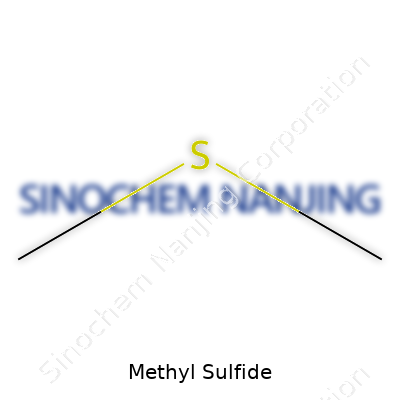
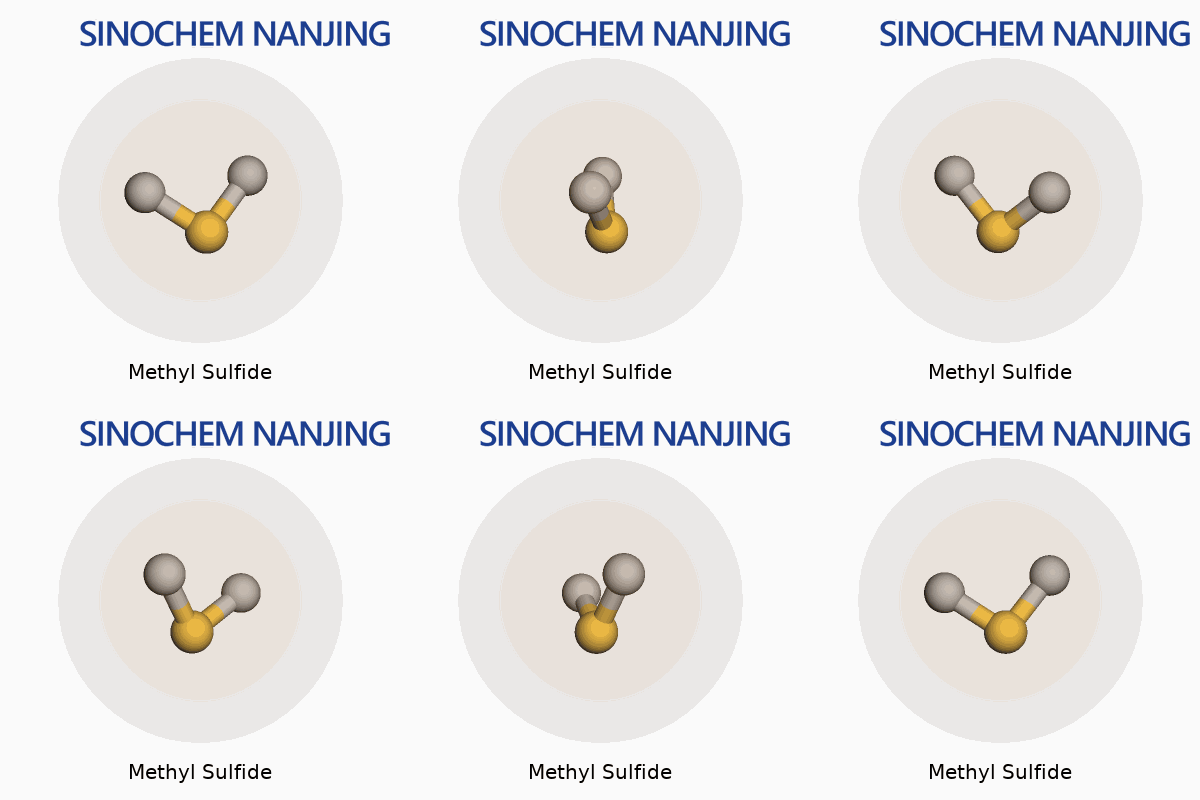
| Names | |
| Preferred IUPAC name | methanethiol |
| Other names |
Dimethyl sulfide DMS Methyl thioether Methane, thio- Dimethylthioether Stench gas |
| Pronunciation | /ˈmɛθɪl ˈsʌlfaɪd/ |
| Identifiers | |
| CAS Number | 75-18-3 |
| 3D model (JSmol) | `COC` |
| Beilstein Reference | 1444903 |
| ChEBI | CHEBI:16164 |
| ChEMBL | CHEMBL22610 |
| ChemSpider | 5377 |
| DrugBank | DB02163 |
| ECHA InfoCard | 100.032.139 |
| EC Number | 200-846-2 |
| Gmelin Reference | 819 |
| KEGG | C01438 |
| MeSH | D008779 |
| PubChem CID | 10448 |
| RTECS number | WS8575000 |
| UNII | WN7F1Q9P6E |
| UN number | UN1230 |
| CompTox Dashboard (EPA) | DTXSID3024373 |
| Properties | |
| Chemical formula | C2H6S |
| Molar mass | 62.13 g/mol |
| Appearance | Colorless liquid with a disagreeable odor |
| Odor | Disagreeable cabbage-like |
| Density | 0.847 g/cm³ |
| Solubility in water | Very soluble |
| log P | 0.82 |
| Vapor pressure | 534 mmHg (20°C) |
| Acidity (pKa) | 19.0 |
| Basicity (pKb) | 0.64 |
| Magnetic susceptibility (χ) | -30.4·10⁻⁶ cm³/mol |
| Refractive index (nD) | 1.444 |
| Viscosity | 0.386 cP (20°C) |
| Dipole moment | 1.53 D |
| Thermochemistry | |
| Std molar entropy (S⦵298) | 85.47 J·mol⁻¹·K⁻¹ |
| Std enthalpy of formation (ΔfH⦵298) | -20.6 kJ/mol |
| Std enthalpy of combustion (ΔcH⦵298) | -4562.7 kJ/mol |
| Pharmacology | |
| ATC code | There is no ATC code assigned to Methyl Sulfide. |
| Hazards | |
| GHS labelling | GHS02, GHS07 |
| Pictograms | GHS02,GHS07 |
| Signal word | Warning |
| Hazard statements | H225, H301, H311, H331, H400 |
| Precautionary statements | P210, P261, P271, P304+P340, P311 |
| NFPA 704 (fire diamond) | '1-4-0' |
| Flash point | Flash point: -18 °C |
| Autoignition temperature | 205°C |
| Explosive limits | 3.0% - 21.7% |
| Lethal dose or concentration | LD50 oral rat 535 mg/kg |
| LD50 (median dose) | LD50 (median dose): Rat oral 990 mg/kg |
| NIOSH | NIOSH: PV6125000 |
| PEL (Permissible) | PEL: 10 ppm (parts per million) |
| REL (Recommended) | 50 ppm |
| IDLH (Immediate danger) | 100 ppm |
| Related compounds | |
| Related compounds |
Dimethyl sulfide Dimethyl sulfoxide Methanethiol Sulfur dioxide |



