Melamine: More Than a Plastic, a Conversation About Chemistry and Consequence
The History of Melamine: From Laboratories to Kitchens
Melamine’s story began in the 19th century, when German chemists first extracted it during attempts to create new nitrogen-rich compounds. Back then, no one thought these off-white crystals would someday show up in both cabinet doors and headline news. By the early 20th century, melamine had crept out of scientific obscurity. Industrialists realized that blending it with formaldehyde produced plastics with strength, fire resistance, and a hard, glossy finish. Factories embraced melamine-formaldehyde resins for molded electrical fittings, dinnerware, and laminates. This wasn’t some fleeting trend. Kitchens and offices worldwide still rely on these durable goods—a testament to how basic chemistry can rewrite daily routine.
Product Overview: Why Melamine Draws Attention
Melamine on store shelves and factory floors is usually a white, crystalline solid. Folks know it best as the foundation of unbreakable plates, lightweight cups, durable countertops, and sturdy furniture surfaces. Affordable, easy to clean, and resistant to heat and stains—these aren’t minor perks. For schools, hospitals, and cafeterias, these features mean fewer accidents and longer-lasting supplies. But scratch the surface, and you’ll see deeper conversations about trust, safety, and transparency, especially after scandals in food adulteration surfaced globally. Whether you serve dinner on melamine or use it to mold electrical sockets, that double-edged legacy matters.
Physical and Chemical Properties: Not Just a Pretty Face
Melamine molecules contain triazine rings bristling with amine groups, which sounds technical but means the stuff doesn’t burn easily, stands up to harsh cleaning, and glues together tightly with formaldehyde to make hard plastics. On its own, melamine barely dissolves in water and resists most solvents you’ll find in a kitchen or workshop. Manufacturers bet on its stability and flame retardancy. But what works well in making plastics can go wrong in the wrong hands. The traits that help resist fire and breakage also turn melamine into a persistent interloper when improperly added to foods, refusing to break down in the body and causing harm, especially to kidneys.
Technical Specs and Labels: Reading Between the Lines
Labels on melamine dinnerware or resin-packed boards speak in terms such as “FDA approved” or “meets NSF requirements.” This can sound reassuring. Standards cover permissible levels of leaching—how much, if any, melamine can migrate from a plate to your food. Current science backs up limits: strict testing often shows little migration under normal use. That said, strong acid (like lemon juice) or high heat can cause some leaching, especially if the surface gets scratched or damaged. The specifics vary by region, with regulators in the EU, US, and China each drawing their own lines, usually below 2.5 mg/kg of food. It pays for consumers to know the testing doesn’t always mimic every kitchen slip-up or long-term habit.
Making Melamine: More Than the Sum of Its Parts
Melamine comes from a straightforward process: start with urea, heat it, and drive off ammonia. Industrial reactors handle tons of it every year, mostly destined for the plastics and coatings industries. To an outsider, this might look simple—a series of reactors and separators running on a tight schedule. Getting high yields without producing unwanted byproducts takes skill. Once producers get the raw product, they blend it with formaldehyde, kicking off a polymerization reaction that leads to a hard, glossy resin. Factories tweak temperature, pressure, and additives to dial in the properties needed for everything from decorative laminates to plywood adhesives.
Chemical Reactions and Modification: Building a Better Plastic
Melamine on its own doesn’t show off much. Mix it with formaldehyde, and the real action begins. Chains of molecules cross-link, forming an inflexible three-dimensional structure. Chemists found methods to control the size and branching of polymers, giving rise to resins for everything from circuit boards to paints. Innovations aimed at better flame retardancy or water resistance usually involve adding phosphorus-containing compounds, borates, or other tweaks. The core chemistry remains the same: anchoring amine groups across triazine rings for stability and resistance to breakdown. Researchers still look for safer alternatives to formaldehyde and greener ways to run the reactions.
Names and Synonyms: Different Labels, Same Core
Melamine may appear on ingredient panels or supply catalogues as cyanurotriamine, cyanuramide, or by trade names linked to specific resins and dinnerware. Academic books, customs declarations, and regulatory texts each use their own shorthand, but the backbone molecule stays consistent. This alphabet soup matters. It makes tracing supply chains and tracking global shipments more confusing, especially when imported goods come under scrutiny after new research or incidents. For policymakers and consumers alike, learning the synonyms helps untangle which products carry risks and which simply benefit from melamine’s strengths.
Operational and Safety Standards: Human Health at the Center
Manufacturers hold responsibility for making sure melamine-plastic goods meet strict operational controls. From dust containment in resin molding, to keeping surfaces free of pitting or cracks, corners can’t get cut without putting safety at risk. Workers in melamine production plants face risks linked to dust inhalation, so modern facilities install proper extraction vents, provide respirators, and test air quality often. Health regulators update standards as new studies surface, but it never hurts to double-check guidance, especially when using older plates or damaged goods. After the 2008 milk scandal in China, public awareness shot up. Agencies worldwide dropped limits for melamine as a deliberate food additive to near zero, sharpening their oversight on imports and ingredients.
Applications: More Than Tableware
Melamine shapes much of what surrounds us, far beyond dinner plates. Glue made from melamine resin binds plywood panels and holds together the floors in classrooms, gyms, and offices. Electrical housings in power outlets and junction boxes use melamine for its insulating properties and toughness under heat. Countertops, decorative laminates, and dry-erase boards all draw on melamine’s durable, stain-resistant finish. Waterborne paints and textile treatments borrow its hardness and fire resistance. The story of melamine is one of quiet utility—reliable, sturdy, and often taken for granted. Once you start looking, its reach becomes clear in public, private, and industrial spaces alike.
R&D and Toxicity Research: Searching for Clarity and Safety
Research on melamine hasn’t rested. Scientists run ongoing studies to figure out metabolic mechanisms and real-world exposure effects. After high-profile poisoning cases, animal studies and epidemiology linked long-term melamine intake to kidney stones and renal failure. Investigators also study breakdown products formed when melamine gets heated with food or exposed to acids, which can increase risks. Industry-sponsored labs and independent academics work to identify safer production pathways and reliable detection methods for food and water testing. In the lab, alternative resins appear—based on bio-derived chemicals, lower-toxicity cross-linkers, or even recyclable matrices. Each advance brings new questions about durability, price, and side effects.
Future Prospects: Rethinking Chemistry, Building Trust
Melamine’s future depends on the intersection of chemistry, public health, and trust. Plastics made with melamine resins still offer value for money, but the push from consumers to know what goes into kitchenware and food processing is only growing louder. Shoppers ask for clearer, more honest labeling. Regulators and independent labs roll out sharper detection tools, pushing producers to improve or rethink old formulas. Some in the plastics industry invest in new chemistries that cut out formaldehyde or use renewable feedstocks, aiming for a lower environmental footprint.
One thing’s clear from decades of melamine use: regulations, research investment, and consumer engagement together will drive innovation. As science uncovers more about long-term exposure and environmental effects, smart changes—whether cracking down on illegal uses, developing safer alternatives, or recycling current products—promise a safer, more transparent future for materials once seen as simply tough and ordinary.
What is melamine used for?
The Role of Melamine in Everyday Products
Melamine shows up in places most people wouldn’t expect. Around kitchens, many folks have stacked up plates and mugs that owe their toughness to melamine-based plastics. These dishes handle hot soup and rowdy children much better than standard ceramic or glass. Cafeterias, daycares, and homes have counted on this hardy plastic for decades. The resin delivers a nice blend of lightweight and strength, which cuts down on accidents and drops. That counts for something in a busy household or a school lunchroom.
What Drives Its Widespread Use?
Durability sets melamine apart from materials like glass or even other plastics. This resin stands up to hot beverages, washes in dishwashers, and shrugs off most accidents that land it on the kitchen floor. Melamine’s strength comes from the way it bonds: combine it with formaldehyde, and they form a network that resists heat and scratching. This property makes it a regular choice for countertops and cabinetry finishes. At home, I've seen melamine-faced chipboard outlast many other cheap DIY projects. People like it because their shelves or tabletops stay clean and don’t warp quickly.
Use in Industry and Manufacturing
Inside factories, workers encounter melamine as a building block for countless products. Paints and coatings often gain scratch resistance from melamine additives. Laminates, especially the kind on office furniture or flooring, carry a tough melamine surface that handles years of use. Plywood manufacturers often bond thin sheets using melamine-based glues. The result is furniture that costs less while keeping up appearances.
Melamine and Food Safety Concerns
Melamine has made headlines for all the wrong reasons, too. It doesn’t belong in food or infant formula, but a few shady suppliers tried it anyway to fake high protein scores in testing. The human body isn’t designed to handle melamine this way; kidney stones and worse can follow if consumed. After major scandals about fifteen years ago, governments clamped down. Food safety checks now look for melamine as part of their routine.
At my local supermarket, I still spot melamine plates on sale with clear “Not for Microwave Use” labels. Heat can sometimes cause trace chemicals to leach, which risks health over time. Glass, porcelain, or newer plastics beat melamine if microwaving is in the mix. For regular cold or room-temperature meals, the risk drops, but nothing beats using products as intended and checking safety notices.
Rethinking Plastics and Safer Alternatives
People pay more attention to what touches their food and drink now. Sustainable lifestyle choices drive some away from melamine dishes toward bamboo, glass, or stainless steel. Each material gives something unique, but deciding boils down to what fits each life. For busy families, tough melamine plates cut down on broken dishes. For those aiming for less plastic, going with glass or stainless options keeps the peace of mind high. Transparency about materials and testing can help restore trust and keep households safer.
Melamine brings value, no question, but it’s on manufacturers and consumers to keep health and safety foremost. Everyone should read labels, use products for their true purpose, and support brands that put wellbeing ahead of shortcuts.
Is melamine safe for food contact?
What Melamine Is and Why It’s Popular
Melamine is a kind of plastic you often see shaped into plates, bowls, and cups. I grew up seeing these sturdy, colorful dishes at picnics and cafeterias. The reason melamine racks up so much use comes down to its convenience—these dishes handle bumps, dropouts, and cleaning in a dishwasher better than most regular ceramics. Melamine resists breaking, stacks up easily, and holds vibrant colors, which explains why parents reach for these plates when snacks fly across the table.
The Health Question
Safety becomes a real concern once you discover chemicals can move from containers into food. Melamine itself isn’t meant to show up in our diet; some studies find melamine can leach into food, mostly when hot or acidic meals hit the plate. Research from food safety agencies, including the U.S. Food and Drug Administration (FDA) and the European Food Safety Authority, calls for clear limits on how much melamine can show up in food from dishes—2.5 milligrams per kilogram of food.
Everyday use at room temperature or for cold food appears safe according to the available science. Problems pop up when those plates head into the microwave or serve up tomato soup just off the boil. High heat boosts the chances that melamine particles sneak into the meal. Over the years, science has linked high levels of melamine with kidney trouble, showing up in devastating food safety scandals worldwide. As a dad, I look at study data showing what trace levels do—not just worst-case disasters. For most people, low exposure from proper use seems a minor risk, but those with kidney conditions or weakened systems might want to steer clear.
What Regulators Say
Government agencies set rules based on what studies show about exposure and health effects. The FDA, Health Canada, and EU food safety commissions all acknowledge some migration happens but say it stays well below health thresholds in normal conditions. They stick labels on melamine dinnerware warning people not to use these in the microwave. Proper labeling steps matter a lot with a product many folks buy for use with kids.
Alternatives and What We Can Do
Switching out melamine for glass, stainless steel, bamboo, or modern silicone eliminates the migration problem. As families with young children move toward less plastic, lightweight stainless steel dishes and cups seem like a natural fit. Glass feels sturdy yet fragile for outdoor eating or busy family tables where certain spills feel inevitable. Compostable bamboo and some newer plastics also cut chemical leaching, although they sometimes cost more.
Parents and school cafeterias ought to pay close attention to labels and choose when to swap materials. For those sticking with melamine, skipping microwaves avoids most risk. Avoid serving steaming soup or lemony pasta on these dishes. I find it affordable enough to use sturdy plastic only for snacks or picnics, keeping glass and metal for hot or acidic foods. It circles back to habit: safe handling keeps melamine a useful, low-cost option without rolling the dice on health.
Knowledge and Informed Choices
Melamine fits perfectly into a world built for convenience, but it pays to stay informed about safety facts. Reading up on research and listening to safety agencies gives real peace of mind. Updating how we use everyday stuff turns out to be the smartest, simplest move—for our own health, and for the people eating right beside us.
Can melamine dishes go in the microwave?
Microwaving with Melamine: A Real-World Breakdown
Most kitchens hold a stack of brightly colored melamine plates and cups. They’re lightweight, tough enough to survive picnics and kids’ birthday parties, and seem to last longer than memories. People tend to ask: can these trusty dishes go in the microwave?
Melamine looks indestructible, but that reputation doesn’t apply to every situation. Melamine is a type of hard plastic resin. It shows off in the dishwasher, but the microwave tests its limits. Food and Drug Administration guidelines warn against heating food or drinks in melamine containers. Heat can speed up the breakdown of the resin and may allow small amounts of chemicals to seep into food. One 2013 study from Taiwan found that hot temps might increase melamine migration out of dishware, especially with acidic foods—think tomato sauce or citrus.
I remember grabbing a bowl of soup in college, only to see the warning embossed on the bottom: “Not for microwave use.” The bowl made it through dishwashing cycles, fell off counters, and bounced back. Still, it wilted under the microwave’s power. Chemical safety matters more than toughness. Experts in food safety echo this caution. They see high temperatures as a problem because melamine breaks down above 160°F—pretty close to what soup can reach inside a microwave.
Some folks shrug, pop a melamine plate in for thirty seconds, and claim nothing happens. But the real risk doesn’t stand out after one use. Studies such as the one published in the journal JAMA Internal Medicine spotlighted that trace amounts of melamine can show up in the urine of people who eat food from such containers, especially with repeated heating. Chronic exposure, even in small doses, raises concerns about kidney function. The World Health Organization and European Food Safety Authority suggest limiting melamine intake for just this reason.
Looking for Alternatives
The good news is, there’s no shortage of microwave-safe dishes. Glass and ceramic, labeled “microwave-safe,” handle the heat without leaching chemicals. I switched out the stack of melamine plates for a few sturdier glass bowls and haven’t looked back. A glass bowl washes easy, and never leaves me wondering about what might seep into last night’s leftovers.
If the urge to keep using melamine dishes remains, think of them for cold foods—salads, sandwiches, fruit. They work great outside, pack up easy, and handle rough use. Just leave them out of the microwave rotation.
Making Informed Choices
Food safety decisions don’t happen in a vacuum. Every parent, college student, or busy cook juggles convenience and health. Recognizing the numbers and recommendations from organizations like the FDA keeps things grounded in evidence. Trustworthy advice comes with experts who put these products under stress, then examine the results. No one needs to panic and throw away every melamine cup, but a little awareness about how we use them keeps kitchen routines safer. At the end of the day, using the right dish for the job turns out to be the simplest fix of all.
How do you clean melamine products?
Everyday Stains, Real Solutions
Melamine dishes fill plenty of homes, picnic baskets, and office pantries. They look sharp, last longer than most cheap plastics, and don’t break as easy as porcelain. Over the years, I’ve stacked up a good deal of kitchenware made from melamine, mostly plates and mugs that survive the rough-and-tumble energy of kids and summer barbecues. Keeping them clean, though, raises more questions than you’d expect. Some folks treat melamine like any other dish, tossing it in the dishwasher and forgetting about it. Others claim all sorts of special tricks, sometimes with mixed results.
Suds, Scrubs, and the Big Myths
You can just use a soft sponge, warm water, and a bit of plain dish soap to get most stains off a melamine plate. A good gentle scrub works for ketchup, salad oils, and coffee rings that pile up during a long afternoon. Scouring pads or steel wool seem tempting when faced with stubborn marks, tea stains, or dark streaks—painfully, I learned this the wrong way. Harsh scrubbing wears beans into the surface of the plate. Abrasive cleaners and rough pads will scratch the glossy surface, dulling the colors and even allowing bacteria to settle in grooves.
Dishwasher-safe labels don’t always give you the full story. That high heat in your dishwasher weakens melamine over time. Some melamine products start to chip at the edges or lose their shine when cycled with the dry-heat option every day. I’ve seen my share of plates fade from heavy-duty cleaning that felt smart at the time. A gentle cycle with cooler water helps them last. Old stains, like the ones from beets or curry, stick around more than you’d like. I soak those in warm water and a tiny splash of baking soda. Letting the mixture work for ten minutes usually does the trick.
The Science Behind the Spills
Melamine resin holds up better than most plastics to heat and impact. It resists acids, so spaghetti sauce doesn’t leave permanent marks, and its hard surface keeps scuffs to a minimum. Still, melamine does have a weakness: heat above 160°F can break down the resin. That means no microwaving leftovers on a melamine plate, no matter how tempting it seems after a busy day. The FDA in the US tests these items for food safety, keeping an eye out for possible chemical leaching, especially when dishes show wear.
Some cleaning products promise a miracle shine, but ingredients like chlorine bleach damage that solid shell. Instead, vinegar or diluted hydrogen peroxide gets rid of stubborn odors without wearing away the finish. Air-drying on a rack, not stacked in a pile, keeps moisture from turning small scratches into growing stains.
Healthy Habits and Honest Choices
Lots of families wonder whether older melamine plates hold up to everyday use. If chips or deep scratches show up, it’s time to swap them out. Small cracks are tough to clean, and food or bacteria cling harder than you might expect. Choosing a gentle scrub and skipping hot cycles in the dishwasher help melamine last longer.
Keeping melamine clean is about common sense, a bit of regular attention, and knowing when to let a beloved plate retire. The benefits last longer when you take it easy on the polish and keep an eye on what dulls the sparkle. Kitchen tools do their job best with simple, honest care, not complicated tricks.
Are melamine products durable and break-resistant?
The Everyday Battle on the Kitchen Table
Melamine dishes see action every day in kitchens, cafés, schools, and campsites. People pick them for color, price, and their almost magical resistance to shattering. Drop a plate made from this stuff, and it usually bounces instead of bursting. That’s great news in homes with clumsy kids or slippery hands after washing up.
Melamine has earned its reputation as a sturdy, reusable plastic. The surface feels smooth, holds onto bright colors, and resists most stains. Families often hand them down or send them off with kids heading to dorms. Yet even with all their toughness, these dishes show weakness after rough handling or extreme temperatures.
Scientist’s Look at Melamine Durability
Many studies have shown that melamine formaldehyde resin, the compound used to form these products, bonds into a tight matrix. This kind of structure gives plates their strength and makes them far less prone to breaking than porcelain. The International Agency for Research on Cancer lists melamine objects as safe for day-to-day use unless you heat them up in a microwave or regularly fill them with acidic, steaming hot soup. Over time, small cracks can appear, and the surface may weaken, especially after too many spins through the dishwasher.
My own melamine coffee mugs served for years without fading or snapping, even after being dropped onto tile. But I noticed that deep cuts from metal utensils sometimes create weak spots. Cutting into grilled cheese with a sharp knife once, I left a groove that never smoothed out. A friend dropped a huge bowl on concrete; it bounced and kept serving salad the same day. Strength in most situations, but it's not steel.
Breakage: Myth or Reality?
Most people buy melamine for its "unbreakable" label. In reality, anything pushed too hard eventually gives way. Stack three heavy pots on a melamine dinner plate—cracks may show up after weeks. Expose it to super-hot foods, or leave it too close to a flame, and the plastic may warp. The product doesn’t shatter like glass or crockery, so a fall from the table rarely spells disaster. Parents like this quality, and restaurants count on it too.
A Consumer Reports analysis found that melamine stands up well to drops and bumps but begins to chip under repeated stress. Once those chips grow, plates become more likely to split. Nobody wants to eat salad off something that’s sprouting splinters. Tossing out cracked plates makes more sense for safety (no tiny shards in your pasta).
Finding Smarter Solutions
Manufacturers have responded to user complaints by improving melamine blends and teaming them with rubber grips or reinforcing the base. Thicker rims on bowls help stop chipping. Clear warnings now dot packaging about the risk of microwaving. Some brands are even mixing in bamboo or other fibers for added strength and a more natural look.
Want long life from these products? Skip the microwave, wash gently, and avoid strong blasts of heat. Store them so heavy pots don’t crush the stack. For schools, camps, and busy homes, melamine delivers on most promises. In my house, the oldest plates still carry birthday cake crumbs and taco toppings after a decade of bumps and spills.
Next time you weight up the pros and cons, ask yourself how much chaos your dishes must survive. Melamine won’t be immortal, but it takes a beating better than most alternatives. As we try to cut waste and limit breakage, that’s a durability story worth considering.
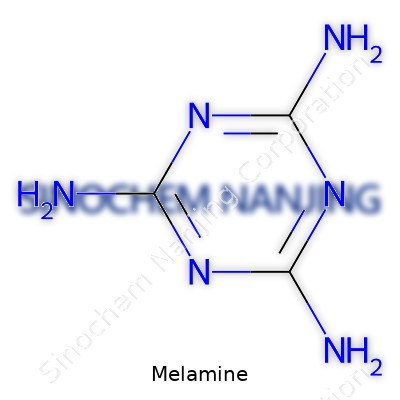

| Names | |
| Preferred IUPAC name | 1,3,5-Triazine-2,4,6-triamine |
| Other names |
1,3,5-Triazine-2,4,6-triamine Cyanurotriamide Triamino-s-triazine |
| Pronunciation | /ˈmɛl.ə.miːn/ |
| Identifiers | |
| CAS Number | 108-78-1 |
| Beilstein Reference | Beilstein Reference: 605384 |
| ChEBI | CHEBI:16881 |
| ChEMBL | CHEMBL1406 |
| ChemSpider | 5297 |
| DrugBank | DB03766 |
| ECHA InfoCard | ECHA InfoCard: 100.003.133 |
| EC Number | 203-615-4 |
| Gmelin Reference | 83312 |
| KEGG | C01444 |
| MeSH | D008550 |
| PubChem CID | 7955 |
| RTECS number | MC1400000 |
| UNII | F1C7C269SW |
| UN number | 1267 |
| Properties | |
| Chemical formula | C3H6N6 |
| Molar mass | 126.12 g/mol |
| Appearance | White crystalline powder |
| Odor | Odorless |
| Density | 1.57 g/cm³ |
| Solubility in water | 3.2 g/L (20 °C) |
| log P | -1.37 |
| Vapor pressure | 0.2 mmHg (at 25 °C) |
| Acidity (pKa) | 5.0 |
| Basicity (pKb) | 3.5 |
| Magnetic susceptibility (χ) | -7.3·10⁻⁷ |
| Refractive index (nD) | 1.662 |
| Viscosity | 20-500 mPa·s |
| Dipole moment | 1.12 D |
| Thermochemistry | |
| Std molar entropy (S⦵298) | 129.8 J·mol⁻¹·K⁻¹ |
| Std enthalpy of formation (ΔfH⦵298) | -241 kJ/mol |
| Std enthalpy of combustion (ΔcH⦵298) | -1407 kJ/mol |
| Hazards | |
| Main hazards | Harmful if swallowed, suspected of causing cancer, causes skin and eye irritation. |
| GHS labelling | GHS07, GHS08 |
| Pictograms | GHS07,GHS08 |
| Signal word | Warning |
| Hazard statements | H302, H319 |
| Precautionary statements | P261, P264, P270, P272, P273, P280, P301+P312, P330, P363, P405, P501 |
| NFPA 704 (fire diamond) | 1-1-0 |
| Flash point | > 315°C (599°F) |
| Autoignition temperature | 315°C |
| Lethal dose or concentration | LD₅₀ (oral, rat): 3161 mg/kg |
| LD50 (median dose) | LD50 (median dose) of Melamine: 3,161 mg/kg (oral, rat) |
| NIOSH | RN#60760 |
| PEL (Permissible) | 1 ppm |
| REL (Recommended) | 0.2 |
| IDLH (Immediate danger) | The IDLH (Immediate danger) of Melamine is "250 mg/m3". |
| Related compounds | |
| Related compounds |
Cyanuric acid Ammeline Ammelide Urea Cyanamide |



