Lycopene: A Down-to-Earth Look at Its Journey, Science, and Use
Historical Development
Lycopene, that deep red pigment seen in ripe tomatoes and watermelons, found its place in scientific literature more than a century ago. Chemists spotted its color long before they could describe its structure. For decades, lycopene just colored fruit. Then researchers started connecting diets rich in tomatoes to lower risks of certain chronic diseases, especially prostate cancer. Next thing you know, tomato paste became a health food, and food scientists everywhere started chasing after higher yields from different crops. Natural extraction soon gave way to engineered production methods. Today, you can spot lycopene all throughout the food and supplement aisles, which says a lot about what people want from nutrition—color, flavor, and a little nudge toward better health.
Product Overview
Lycopene pops up in everything from food coloring to supplements. You’ll find it in energy bars, fortified beverages, skin creams, and capsules. Supplement manufacturers love touting antioxidant benefits, while food processors go for its vivid color and label friendliness. Bulk lycopene usually gets delivered as an oil suspension or a crystalline powder. On the shelf, it promises more than just color—it signals “healthy choice” to a lot of shoppers, thanks in part to decades of heart health and cancer research. This has fueled a steady stream of new product launches aiming to get an edge in the growing wellness market.
Physical & Chemical Properties
This molecule stands out because of its bright hue, which comes from a chain of eleven conjugated double bonds. That structure makes lycopene extremely labile—it breaks down fast in heat, light, and air. Chemically, it weighs in at 536.85 g/mol, with the formula C40H56. You won’t find lycopene dissolving in water. Instead, oils and organic solvents grab on tight, while lycopene hangs back from anything remotely polar. Its melting point sits between 172°C and 175°C, but if you ever tried heating tomatoes, you’ve seen how easily lycopene degrades under normal cooking conditions. That instability pushes product developers to innovate stable delivery systems like beadlets, emulsions, and microencapsulations.
Technical Specifications & Labeling
Regulatory standards for lycopene, especially in food and supplement use, line up with purity and residual solvent criteria. In the United States, the FDA recognizes lycopene from tomatoes as GRAS (Generally Recognized as Safe), while Europe assigns it E160d for food color use. Labels on supplements often highlight “tomato lycopene” or “natural lycopene,” hinting at plant origin over synthetic options. Most specifications set minimum lycopene content above 5% for oil suspensions, up to 96% for crystalline forms. Heavy metal limits, residual pesticides, and microbial contaminants each have to come under established thresholds before products head to market. Shelf life claims depend on the stabilizer systems used, with some ingredients holding up in ambient storage for nearly two years when sealed correctly.
Preparation Method
Traditional extraction methods revolved around simple hot water washes, followed by organic solvent extraction. Hexane led the pack, sometimes with ethanol or acetone mixed in to loosen the pigment from cell walls. Supercritical CO2 later joined the list, winning points for lower solvent residues and cleaner environmental profile. After extracting pigment, the oil phase gets concentrated, filtered, and standardized. Enzyme-assisted extraction and fermentation methods now offer more “natural” label claims and improved sustainability. Commercial lycopene comes either as oil suspensions—good for capsules and beverages—or as powder, which is spray-dried or beadlet-encapsulated for food and nutra applications. The choice of method often affects cost, solvent residues, and lycopene stability on the shelf.
Chemical Reactions & Modifications
Lycopene loves reacting with oxygen. That means shelf life shrinks fast if you ignore antioxidants in your formula. Vitamin E and ascorbyl palmitate frequently help tamp down on oxidation in finished goods. There’s growing talk of esterified or glycosylated lycopene for improved water solubility, but those forms sit mostly in research labs for now. You don’t see much chemical modification on the market, with most companies sticking to “natural” claims. Still, researchers pursue microencapsulation and nanoemulsion systems, which help shield lycopene from exposure to light and oxygen, improving both uptake and shelf life without changing the core molecule. Chemical degradation, especially during storage or cooking, creates a roster of flavor fragments and breakdown products that food analysts keep a close eye on during process validation.
Synonyms & Product Names
Most folks call it lycopene, but the labels sometimes read “all-trans lycopene,” “tomato lycopene,” or, less often, “psi, psi-carotene.” Industrial buyers may check for CAS 502-65-8 or E160d. Finished goods sometimes flag “bioavailable lycopene,” “fermented lycopene,” or “high-potency tomato extract.” Most consumers just look for “lycopene from tomato” on dietary supplement bottles. Retail branding jumps between scientific accuracy and catchy wellness buzzwords, depending on the crowd being targeted in stores or online. For technical buyers, knowing the source and process (whether synthetic or natural extraction) often matters more than the nomenclature on the label.
Safety & Operational Standards
Lycopene from natural sources generally tracks a strong record for safety, both in food and supplement uses. The Joint FAO/WHO Expert Committee on Food Additives maxed out their daily intake guideline at 0.5 mg per kilogram of body weight. Most people eat far less through diet. High-dose supplementation has shown little toxicity in healthy adults, though isolated cases of lycopenodermia—harmless but persistent skin reddening—get attention in dermatology journals. Food manufacturers run routine safety tests for solvent residues, heavy metals, and micro, following standards from Codex Alimentarius, FDA, EFSA, and ISO. GMP compliance is non-negotiable at every step from extraction to encapsulation. Research facilities and supplement makers regularly test for authenticity (to screen for synthetic adulteration), shelf life, and stability, which is especially important for finished formulations.
Application Area
Besides its starring role in tomato-based foods, lycopene now colors everything from dressings to baby food, and turns up in premium pet treats, multivitamins, and face creams. Beverage makers use it for both visual punch and the chance to market “superfruit” ingredients. Cosmetic chemists seek it for its purported skin protection and anti-aging effects. Danone and Nestle have pushed functional foods with lycopene, while ingredient makers chase beverage stability and improved bioavailability for smoothies and shakes. Researchers in agriculture look to breed tomatoes and watermelons with higher natural lycopene content, aiming at natural fortification. Meanwhile, supplement brands keep touting heart, skin, and vision benefits, driving ongoing consumer interest.
Research & Development
The push for better lycopene keeps labs busy worldwide. Bioavailability forms a key focus, since raw lycopene in whole tomatoes offers less uptake than oil-based or microencapsulated forms. Clinical researchers run trials on everything from oxidative stress to cognitive decline. Tomato breeding programs in Israel, Italy, and California compete to deliver higher lycopene fruit with less agricultural input. Process engineers chase down smaller solvent footprints and safer extraction methods. Some startups look to genetically engineered yeast or algae to churn out sustainable lycopene, which could shake up price points and market access. New delivery systems—nanoemulsions, beadlet blends, and improved solubilizers—compete for supplement shelf space, trying to deliver higher uptake and better consumer trust. Food scientists continue checking lycopene’s stability through every production and storage condition, hoping to lock in both color and nutritional benefit through diverse supply chains.
Toxicity Research
Extensive toxicity trials point to lycopene’s safety for regular dietary intake, with adverse effects uncommon even at high supplemental doses. Studies in rodents and humans repeatedly show no mutagenic, carcinogenic, or teratogenic effects linked to isolated lycopene, provided doses stay under wild excess. Some clinical papers discuss harmless skin discoloration from over-consuming tomato-heavy diets. A few test tube studies flagged possible DNA damage at astronomical concentrations, but these levels never show up in normal diets. Long-term supplementation makes some doctors cautious, as extreme excess of any carotenoid could theoretically meddle with other fat-soluble vitamins. The current consensus: lycopene is one of the least risky bioactive plant compounds on global markets for both food and supplement use.
Future Prospects
Lycopene looks set to stick around in the food and wellness scene. Consumer demand for antioxidant-rich products keeps ingredient developers scrambling for natural, sustainable, and more effective lycopene. Advances in breeding, fermentation, and cell culture promise better supply stability, possibly trimming costs and environmental impacts in the process. Regulatory agencies continue tightening oversight, which ought to help keep quality high and fraud low. As more research goes into delivery systems and clinical benefits across wider demographics, lycopene could see broader use in medical nutrition, cosmeceuticals, and condition-specific supplements, expanding far beyond its origins in tomato-based sauces and ketchup. Shifts in consumer preference for clean labels and plant-based lifestyle choices mean lycopene’s story is nowhere close to ending.
What are the health benefits of Lycopene supplements?
Understanding Lycopene: More Than Just Tomato Hype
Lycopene lives in tomatoes, watermelons, pink grapefruits, and even a handful of guavas. Most of us probably learned about it from someone touting the “power of tomatoes.” Digging past the hype, lycopene acts as a strong antioxidant. Antioxidants take on those cell-damaging free radicals that stress our bodies—think pollution, stress, junk food—things most of us brush against every day.
What Science Says About Lycopene and Heart Health
Plenty of research points to real perks for the heart. The American Journal of Clinical Nutrition published studies showing that folks with higher blood lycopene levels see a lower risk of clogged arteries. Scientists believe lycopene keeps LDL cholesterol—the “bad” sort—from turning sticky and dangerous for arteries. I’ve watched relatives struggle with cholesterol for decades. Introducing more lycopene-rich foods often goes hand-in-hand with healthier numbers at the doctor’s office.
Lycopene’s Role in Fighting Cancer
You’ll find a lot of buzz about lycopene and cancer protection, especially prostate cancer in men. In a well-known Harvard study, those with the most lycopene in their diets faced a lower risk of prostate cancer compared to men barely eating tomatoes. More recent meta-analyses build on these links. Lycopene appears to protect DNA from damage and slow the growth of some cancer cells. Results look most promising in studies where lycopene comes alongside a balanced diet. Supplements can help fill the gaps for people who aren’t fans of tomato sauce or watermelon.
Vision, Skin, and Inflammation
Eyes and skin take a beating as we age and rack up sun exposure. Lycopene sits in the layers of our skin, where it curbs inflammation caused by sun damage and pollution. This might lead to smoother skin and fewer wrinkles. Clinical trials from Europe found that people taking lycopene supplements had less skin redness after exposure to UV rays. For eyes, lycopene helps fend off oxidative stress, adding another tool for protecting vision, especially alongside leafy greens.
Supplements: Useful or Unnecessary?
Real food often outshines supplements, but life doesn’t always allow for the perfect salad bar. Busy schedules, food intolerances, or lack of fresh produce can cut lycopene-rich foods from routines. Supplements bridge those gaps. The body absorbs lycopene best when eaten with some fat, since it dissolves in oil—think lycopene capsules or softgels with a little olive oil at dinner. Reputable brands matter. Some add unnecessary fillers or don’t contain the level of lycopene promised. Smart shoppers stick with companies that share third-party test results and transparent sourcing.
Practical Considerations and Solutions
Doctors sometimes suggest lycopene supplements for people at higher risk of heart disease or prostate issues, often alongside regular checkups and lifestyle changes. Still, adding lycopene won’t erase poor dietary choices. It plays a supporting role. People wanting to try a supplement should check for possible interactions, especially those on blood thinners or heart medication. Healthcare providers give the green light based on individual needs.
The takeaway: Lycopene supplements can help reinforce a healthy lifestyle—especially for hearts, skin, and cancer prevention. Nothing replaces a rainbow of whole fruits and vegetables, but for those who struggle to get enough, supplements can fill in the blanks when used wisely.
Are there any side effects of taking Lycopene?
What is Lycopene?
Lycopene brings that deep red color to tomatoes and watermelon. Plenty of people take it for its punchy reputation as an antioxidant. It sounds like a health magic bullet—one of those things you’re supposed to load up on for your heart, your skin, maybe even your brain. It’s found in the grocery store in the produce aisle, but there’s no shortage of pills and powders lining supplement shelves, too.
Why Do People Take Lycopene?
Doctors and researchers have looked at lycopene as something that might help lower the risk for heart disease or defend the skin from sun damage. Some early studies pointed out that people who ate more tomatoes had a lower risk for certain cancers, especially prostate cancer. The lycopene in all those tomatoes grabbed attention.
Many people trust supplements, often thinking more is better. But questions about side effects come up almost every time someone brings up a new pill—especially one promising big health benefits.
Are There Any Side Effects?
Eating tomatoes, pink grapefruit, or watermelon almost never causes trouble for healthy folks. The body handles lycopene in food pretty much without complaint. There’s way less risk from fruits and veggies.
Supplements tell a different story. Some folks who take high doses of lycopene pills report stomach pain, gas, diarrhea, or nausea. These side effects tend to be pretty mild as long as people don’t go overboard. The “too much of a good thing” warning rings true here, just like with most supplements.
There’s a skin condition called lycopenodermia—a deep orange skin tint—known to pop up if someone eats massive amounts of lycopene-rich food for months, though you rarely see that in real life. The skin color fades when intake goes back down.
People taking blood thinners or blood pressure medicines have another layer to consider. Lycopene supplements may interact with those drugs and change how they work in the body. That can raise the risk for unexpected side effects, especially for people already juggling several prescriptions.
Lycopene Research: Still Evolving
The Food and Drug Administration hasn’t approved lycopene as a treatment or prevention method for any disease. Most headlines about lycopene benefits rely on studies with small numbers of people, and many used tomato-based foods. The evidence isn’t nearly as solid as it is for something like cholesterol-lowering statins or blood pressure pills.
Scientists know more about lycopene’s safety from studies in countries with tomato-heavy diets. Problems from food sources rarely turn up. There’s more uncertainty with big doses in supplements, mostly because the average diet delivers way less lycopene than a supplement pill.
What Matters Most?
Anytime someone asks about a supplement, the best bet starts with talking to a doctor, especially if that person manages a chronic health issue. Trustworthy information focuses on facts, not hype, and recognizes what’s unknown. No supplement replaces a balanced diet. For people worried about cancer, heart disease, or other serious illnesses, lifestyle changes like eating more plants and moving more have a stronger track record than any one compound.
People usually do better when they get nutrients from meals instead of bottles. That’s held true for lycopene so far. There’s nothing wrong with a plate full of ripe tomatoes—but no pill works as a shortcut for real health.
What is the recommended dosage for Lycopene?
Lycopene and Its Role in Health
Lycopene shows up in tomatoes, watermelon, and even pink grapefruit, giving those foods their red color. It’s known for its antioxidant abilities, which help the body combat free radicals. Many researchers have spent years looking at how lycopene supports heart health, the immune system, and even prostate health in men. Some people hear about these possible benefits and rush to the supplement aisle, but figuring out how much you really need isn’t always easy.
Recommended Dosage: What Research Tells Us
Doctors and nutritionists usually suggest aiming for lycopene through real foods, not just supplements. Most clinical trials stick to supplement dosages between 5 mg and 30 mg daily. Some studies use 7 mg a day to see improvements in cholesterol, while others use closer to 15 mg or 20 mg to look at prostate health. The U.S. does not set an official daily value for lycopene, so these numbers come from what researchers have tested and what dietitians see in healthy diets.
If someone eats cooked tomatoes regularly—a cup of tomato sauce has about 10 to 15 mg—they usually match or beat what researchers test in supplements. Lycopene absorbs better from cooked foods with a little healthy fat, like olive oil. This explains why the Mediterranean diet gets such high marks for heart health. I always found that if I just add a few tomato-rich dishes to my week—like roasted tomatoes on pasta or summer watermelon—I don’t worry about specific numbers.
Too Much of a Good Thing?
No one reports serious danger from eating too many lycopene-rich foods. Most of the time, too much lycopene shows up as a harmless orange tint to the skin, which goes away over time. Supplements sometimes bring higher risk of stomach upset, especially above 30 mg a day, and the science on how they mix with medications is still evolving. People with low blood pressure or those taking certain heart meds should speak with a doctor, because lycopene could add to the effect of lowering blood pressure.
Some supplement makers promote mega-doses, but research hasn’t proven bigger is always better. Chasing numbers over 30 mg daily doesn’t look promising, and sometimes higher supplement intake brings more problems than benefits. Long-term studies still don’t say what happens with big daily doses for years, so keeping things moderate seems smart.
Practical Tips and Realistic Choices
For most healthy adults, getting lycopene from the plate makes life simpler. Cooking tomatoes with olive oil or snacking on watermelon on hot days provides natural, safe intake—usually right around 10 to 20 mg per day without much effort. For people who don’t like those foods, or for older adults noticing changes in heart or prostate health, a low-dose supplement around 10 mg to 15 mg daily gives a reasonable starting point. Always best to check in with a healthcare provider before jumping into higher doses, especially if someone takes regular medication.
I always look at the bigger picture. Lycopene supports health best as part of a colorful, balanced diet that leans on fruits and vegetables. No single supplement replaces the effect of great food choices and regular physical activity. Building habits around real food with natural lycopene beats chasing exact milligrams every time.
Is Lycopene safe to take daily?
Understanding Lycopene and Its Role
The red color in tomatoes draws more than just chefs. That pigment, lycopene, sits in a range of fruits and vegetables and often pops up in supplement aisles. Years ago, I read about its antioxidant punch and the research linking lycopene to a reduced risk of certain cancers, especially prostate cancer. Since then, I’d notice friends buying tomato extract supplements, convinced they’d sidestep disease by popping a daily capsule.
Eating food rich in lycopene isn’t anything new. Cultures that consume plenty of tomato-based dishes seem to show lower risks of heart disease and some cancers. The Mediterranean diet leans heavily on tomatoes, not just for flavor but for health benefits. Harvard’s School of Public Health points out that lycopene discourages “bad” LDL cholesterol from clogging arteries. So, it’s easy to see why supplement companies want people taking it every day.
Safety of Daily Lycopene
Research from the National Institutes of Health and peer-reviewed journals backs up lycopene’s gentle record. Several trials measured daily intakes ranging from 8 mg to 75 mg for months and reported no toxic effects. I still remember worrying the first time I tried a concentrated supplement; my doctor assured me that people would need to consume huge amounts to run into trouble. Too much can sometimes tint the skin orange, but nothing serious usually emerges.
A few points deserve thought. Not every supplement gets manufactured with care. Some brands pack unnecessary fillers or contaminants. Quality matters, so I always check whether products carry independent testing seals. Lycopene from food sources comes tangled up with fiber and vitamins, which don’t show up in pills. Cooking tomatoes with a drizzle of olive oil seems to help the body absorb this compound much more efficiently—a win for anyone who likes pasta or stews.
Who Should Be Careful?
Most healthy adults face little risk adding lycopene to their diets. Pregnant women or those taking medications for blood pressure or blood thinners should check with a physician. Supplements can interact with some drugs and might lessen their effect. People with known allergies or sensitivities to tomatoes should look elsewhere for antioxidants.
Long-term studies have given reassuring news, but some uncertainty always lingers. The Food and Drug Administration classifies lycopene as generally recognized as safe (GRAS) in foods—but supplements live under less scrutiny than medications. That makes trustworthy sourcing and proper dosing crucial.
Better Ways to Get Lycopene
In my kitchen, the tomato sauce always wins over a capsule. A single cup of cooked tomatoes gives as much lycopene as many supplements, plus fiber and vitamins. Lycopene likes fat, so mixing tomatoes with olive oil unlocks even more benefits.
Rather than chasing the next super supplement, simple eating habits look better in the long run. Bright salads, soups, and stews packed with vegetables cover many health bases—including lycopene—without worry. People tempted by supplement trends can pause and consider whether old-fashioned cooking provides what their bodies need.
Can Lycopene help prevent certain diseases, like cancer or heart disease?
Why Folks Keep Talking About Lycopene
Almost everybody recognizes tomatoes in their daily meals, but few think much about lycopene, the pigment responsible for that signature red. Conversations heat up around this nutrient for a reason: some claim it can guard us against diseases like cancer and heart trouble. This makes sense to me as I grew up with a plate full of homemade tomato sauces and always heard relatives say those staple foods “keep your heart and body happy.” Today, researchers ask: is there more truth than folklore in that old wisdom?
Piling Up the Science
Scientists don’t throw around claims lightly where public health sits in the balance. Several studies suggest lycopene works as an antioxidant, slowing down the damage done by free radicals. These unstable molecules have links to both cancer and hardened arteries. One big study from Harvard tracked tens of thousands of men and discovered men who often included tomatoes in their meals developed less prostate cancer than peers. Other research hints that lycopene-heavy diets might help lower levels of LDL, the “bad” cholesterol, which opens the door to possible benefits for the heart.
Nutrition researchers also notice that communities who eat foods rich in lycopene report fewer heart attacks and lower rates of certain cancers compared to places where tomatoes and watermelons aren’t as popular at the dinner table. Eating whole foods usually trumps taking supplements, as plant compounds usually work better in teams than alone.
Living Experience Matters: More Than Just Pills
I started looking into this seriously during college, when eating on a tight budget meant plenty of tomato-based meals. I didn’t feel like I was cutting corners because decades of Mediterranean living and research both lift up this plant-powered way of eating as downright protective. Lycopene alone doesn’t flip a switch to bulletproof health, but tomatoes, watermelon, and guava all add up to something more. None of my friends who chased down supplements ever felt better than those including real fruits and veggies at their meals.
Why Lifestyle Wins Every Time
People often want a magic bullet in a capsule, but food and daily habits show results over years, not weeks. Lycopene brings in support, but cutting down risk comes from cooking at home, eating colorful food, and moving your body enough to break a sweat. Telling someone to swallow a pill might sound easier, but the solution rarely lives in a bottle.
Smart Steps Toward Better Health
Doctors and dietitians never say one compound can “cure” cancer or heart disease, but adding rich colors to your plate nudges the odds in your favor. Sliced tomatoes with olive oil, grilled watermelon, and guava in smoothies bring far more than lycopene alone—fiber, other vitamins, and minerals dance together for full benefit.
If families worried about health swapped out just a few processed meals for simple homemade dishes packed full of natural reds, they’d start stacking up long-term advantages. I’ve watched older relatives do exactly this, and in my own routine, I noticed better energy and far fewer sick days by shifting to more plant foods.
Keep It Real
With so much hype, it’s easy to get swept up and think lycopene alone is the answer. Nothing matches home-cooked meals, filling your plate with color, and returning to basics. Your body recognizes food more than some capsule bought online, and the research keeps strengthening that truth.

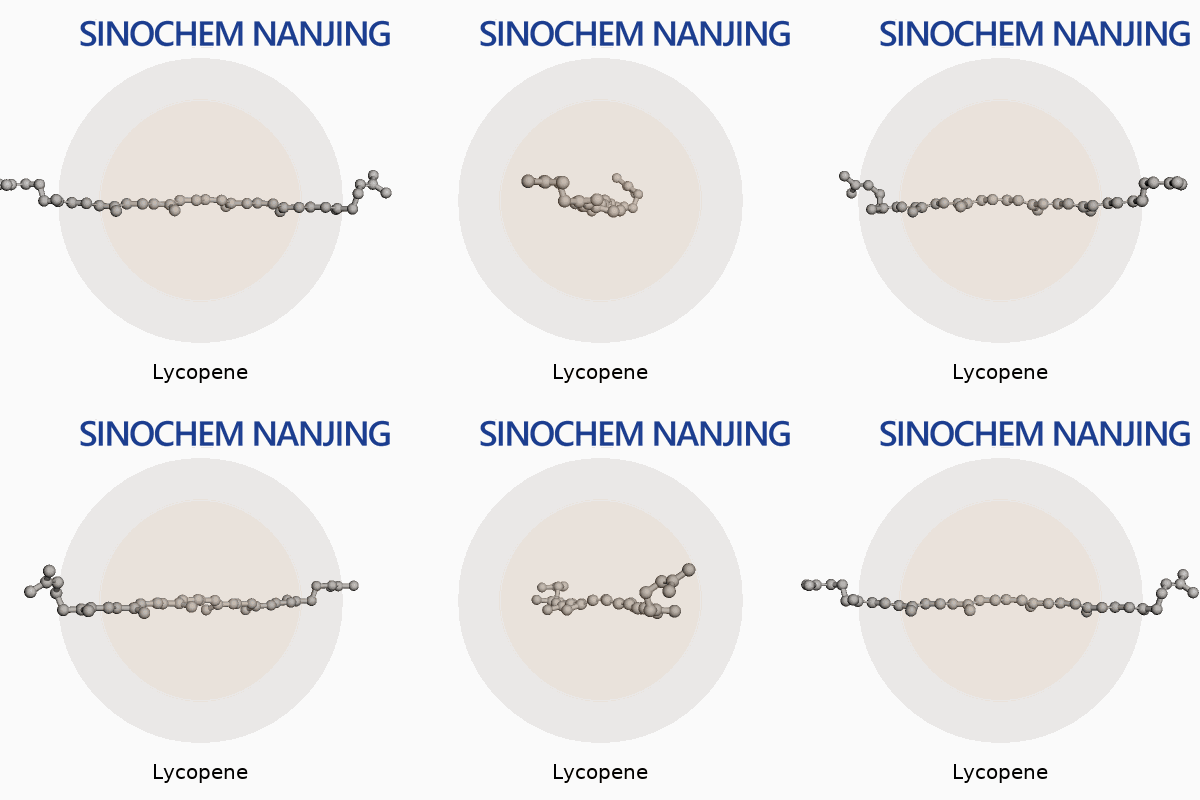
| Names | |
| Preferred IUPAC name | (6E,8E,10E,12E,14E,16E,18E,20E,22E,24E,26E)-2,6,10,14,19,23,27,31-octamethyldotriaconta-2,6,8,10,12,14,16,18,20,22,24,26-dodecaene |
| Other names |
Tomato extract Lycopersicon esculentum extract all-trans-Lycopene beta-Carotene red E160d |
| Pronunciation | /ˈlaɪ.kəˌpiːn/ |
| Identifiers | |
| CAS Number | 502-65-8 |
| 3D model (JSmol) | `3D/model/mol/Lycopene.mol` |
| Beilstein Reference | 1360593 |
| ChEBI | CHEBI:15945 |
| ChEMBL | CHEMBL639 |
| ChemSpider | 123483 |
| DrugBank | DB09163 |
| ECHA InfoCard | 100.011.548 |
| EC Number | EC 1.3.99.22 |
| Gmelin Reference | 71420 |
| KEGG | C04281 |
| MeSH | D015228 |
| PubChem CID | 446925 |
| RTECS number | OG6155000 |
| UNII | SQ178L3WQR |
| UN number | UN1170 |
| CompTox Dashboard (EPA) | DTXSID0025476 |
| Properties | |
| Chemical formula | C40H56 |
| Molar mass | 536.87 g/mol |
| Appearance | Red crystalline powder |
| Odor | Odorless |
| Density | 0.84 g/cm3 |
| Solubility in water | Insoluble |
| log P | 16.201 |
| Acidity (pKa) | 24.2 |
| Basicity (pKb) | 14.4 |
| Refractive index (nD) | 1.568 |
| Viscosity | Viscous liquid |
| Dipole moment | 1.02 D |
| Thermochemistry | |
| Std enthalpy of formation (ΔfH⦵298) | -221 kJ/mol |
| Std enthalpy of combustion (ΔcH⦵298) | -2872.5 kJ/mol |
| Pharmacology | |
| ATC code | A16AX10 |
| Hazards | |
| Main hazards | Suspected of causing cancer. |
| GHS labelling | GHS07, GHS08 |
| Pictograms | 🧴🍅💊 |
| Signal word | Warning |
| Hazard statements | No hazard statements. |
| Precautionary statements | Keep out of reach of children. If you are pregnant, nursing, taking any medications or have any medical condition, consult your doctor before use. Store in a cool, dry place. Do not use if seal under cap is broken or missing. |
| NFPA 704 (fire diamond) | 1-1-0-NA |
| Flash point | > 327.2 °C |
| Autoignition temperature | > 660 °C |
| Lethal dose or concentration | LD₅₀ (oral, rat): >5000 mg/kg |
| LD50 (median dose) | > 5 g/kg (rat, oral) |
| REL (Recommended) | 10 mg per day |
| IDLH (Immediate danger) | Not listed |
| Related compounds | |
| Related compounds |
Carotene Phytoene Phytofluene Neurosporene Beta-carotene Lutein Zeaxanthin |



