Isooctyl Alcohol: The Life and Evolution of a Key Chemical Substance
Historical Development
Isooctyl alcohol didn’t catch the world’s attention overnight. Its story traces through chemical labs bustling in the early 20th century, as researchers dug deeper into alcohols beyond what drinkers poured into glasses. Unlike ethanol, isooctyl alcohol appeared in complex industrial processes, with breakthrough work driven by the need for better plasticizers and a hunt for alternatives to previously dominant but toxic agents. Chemists found its branching and structure opened doors in new fields, moving conversations beyond what had led up through the era of industrial expansion. As plastics became more common and demand for safe, versatile solvents grew, isooctyl alcohol found itself in the spotlight, not just for what it could dissolve, but for the flexibility its molecule offered to chemists shaping a new era.
Product Overview
Isooctyl alcohol, sometimes called 2-ethylhexanol, is far from just another ingredient on a factory floor. Its production forms the backbone of manufacturing processes that go unnoticed by most people, yet touch their daily lives—coated fabrics, glossy paints, resilient plastic products. Its role links directly to a world built on synthetic materials, where softer plastics mean safer cables and waterproof coats that last through more than just a single season. For me, walking through any supermarket or hardware store feels like tracing this molecule's footprint, hidden within the tough yet flexible products that define modern convenience.
Physical & Chemical Properties
Isooctyl alcohol holds its own with an oily texture, boiling point well above water, and a strong, recognizable odor. It doesn’t mix with water easily, making it perfect for products where moisture resistance matters. The molecule’s branching skeleton, with eight carbon atoms, gives it a low freezing point, helping it remain a liquid even when temperatures drop far below freezing, unlike many simpler alcohols. Even its volatility plays a part; enough for use in coatings and solvents, yet not so high as to cause trouble during storage or application. This balance gives manufacturers breathing room and control, a quality rarely appreciated until something goes wrong in a production batch or product shelf-life test.
Technical Specifications & Labeling
Any chemical can seem daunting when you glance at the technical sheets, but solid data matters—not just for lab workers, but also for those on the warehouse floor. Pure isooctyl alcohol reaches high levels of clarity and colorlessness, with a specific gravity and refractive index that meet strict international standards. Its CAS number and various regulatory listings keep labs and manufacturers on the same page globally, reducing unacceptable deviations and mistakes. Proper labeling means safer transport and less risk, especially as this material travels from chemical plants to the places it’s transformed into household goods.
Preparation Method
Plants churn out isooctyl alcohol using established chemical techniques, with aldol condensation of n-butyraldehyde at the heart of most large-scale production. The process calls for skilled oversight, as temperature, catalyst selection, and pressure tightly influence product quality. From my time around chemical engineers, I’ve learned how small tweaks can swing yields and purity by large margins. One wrong decision ends in waste or a contaminated batch, which nobody wants, whether they’re aiming for high-end plasticizers or budget-friendly solvents. This reality pushes facilities to stay sharp, investing in monitoring equipment and training to steer clear of errors and inefficiency.
Chemical Reactions & Modifications
Isooctyl alcohol behaves as more than a final product. Its nature as a fatty alcohol means chemists modify it to build new molecules. Reacting it with acids, such as phthalic anhydride, forms plasticizers—materials that soften plastics and make them less brittle. It esterifies easily, making it a favorite starting point for specialty esters in everything from inks to hydraulic fluids. Some labs tweak it through oxidation to make aldehydes or acids, further expanding its reach into cleaning products and specialty chemicals. Watching it play out reminds me that industrial chemistry doesn’t just reshape molecules—it redefines entire industries and what’s available to regular people in stores and homes.
Synonyms & Product Names
The language around isooctyl alcohol sometimes confuses even those in the business. It’s commonly listed as 2-ethylhexanol, which fits as its preferred technical name. Other times, the name isooctanol pops up in trade circles, along with less-used labels highlighting its place among octyl alcohol isomers. This patchwork in names complicates logistics and trade, especially since reliable supply chains stall if paperwork or labels don’t match what regulators or customs officials expect. For users, knowing its synonyms isn’t about trivia; it’s about ensuring the right product makes its way from the warehouse to the production line without drama.
Safety & Operational Standards
Nobody likes to talk about accidents, but with chemicals like isooctyl alcohol, ignoring safety means courting disaster. Though not acutely toxic, the substance can hit skin or lungs hard with repeated exposure. Standard operating procedures demand gloves, eye protection, and efficient ventilation. Regulatory agencies worldwide, from OSHA to EU authorities, lay out clear safety guidance. In my own experience working in a research setting, regular training and strict protocols were non-negotiable, even on supposedly routine days. Fire risk deserves respect—like many organic chemicals, its vapors ignite under the wrong conditions. Good housekeeping, clear labeling, and up-to-date safety data sheets matter as much as production efficiency.
Application Area
Isooctyl alcohol earns its keep in plenty of industries. In the world of PVC plastics, it acts as a precursor for plasticizers, which keep everything from wire coatings to children’s toys flexible and resilient. Paint makers count on it for its solvency and flow control, letting pigments and resins spread smoothly across walls and furniture. Personal care uses are less common, but the molecule pops up now and then in fragrances and non-polar solvents. Agriculture and cleaning products also benefit from its robust chemical profile, including its role in surfactants that help break down dirt and grease. Sitting at the crossroads of so many sectors, isooctyl alcohol’s reach stretches much farther than many realize.
Research & Development
Research still pushes at the boundaries, exploring not only how to make isooctyl alcohol more efficiently, but also how to limit health and environmental impacts. Green chemistry efforts look for bio-based feedstocks, shifting away from petroleum in hopes of more sustainable supply chains. Merely improving yields or purity rates isn’t enough; big players and research labs chase catalysts that cut waste, use less energy, or rely on non-toxic reagents. Ongoing work in analytics and process automation tries to reduce accidents and exposure during scale-up or novel applications. This field stands as a reminder that every old chemical can learn new tricks, given enough scientific persistence and real-world industrial need.
Toxicity Research
Even chemicals with decades of use deserve ongoing scrutiny. Isooctyl alcohol typically causes mild to moderate irritation in animals and humans if handled improperly or inhaled in high concentrations. Recent toxicology studies dig into its chronic effects—long-term exposure has emerged as a concern for those working in manufacturing, storage, or transportation. These findings carry weight not just for workers, but for communities near production sites, prompting stricter air quality standards and calls for greener alternatives. Worksafe limits reflect these realities, adjusted as new health data arrives. Remembering the long-term impact of chemicals like isooctyl alcohol keeps safety, transparency, and honest risk assessment at the core of every production and policy decision.
Future Prospects
Isooctyl alcohol’s next chapter looks to be shaped by sustainability goals, regulatory shifts, and ongoing demand for plastics and coatings. Growth depends on better efficiency, fewer emissions, and minimizing residual contamination. As society demands greener products and stricter standards, chemical producers cannot afford to cut corners on environmental controls. Advances in bio-based isooctyl alcohol—a promising area—sit high on research agendas. These efforts link innovation with responsibility, pushing production away from fossil fuels and reducing carbon footprints. The future of isooctyl alcohol stands on a balance: the need for durable, flexible materials and the growing insistence that chemical processes do less harm to workers, communities, and the planet itself.
What is Isooctyl Alcohol used for?
What Makes Isooctyl Alcohol so Useful?
Years ago, I worked summer shifts at a chemical lab where the sharp, clean smell of alcohols filled the halls. Isooctyl alcohol, or 2-ethylhexanol, always showed up on our supply list. It’s not as familiar as rubbing alcohol, but it makes so many essential things work better, especially behind the scenes.
The biggest draw to isooctyl alcohol comes from its oil-loving, water-repellent nature. Factories rely on it to make plasticizers, particularly for polyvinyl chloride (PVC). PVC pipes, vinyl flooring, pool liners — all these products feel flexible because plant workers mix isooctyl alcohol with acid to create plasticizers. These plasticizers don’t get brittle like older, cheaper alternatives. Anyone who has stepped on a cold kitchen floor on a winter morning can guess how important durable, flexible vinyl becomes.
Cleaning Power and Coatings
Isooctyl alcohol earns its place in household and industrial cleaners thanks to how it cuts through grime. It boosts the power of surfactants, which means soap can grab more dirt. Workers in paint and coatings industries use it, too. Paints often include isooctyl alcohol so they spread in a smooth layer, dry at the right speed, and avoid ugly streaks or runs. Factory workers trust it to help pick up dust particles and keep processes flowing. It supports everything from car parts to wall paint to stain removers.
Solvents and Extraction
Plenty of processes need powerful solvents. Isooctyl alcohol does the job for pharmaceuticals and agricultural chemicals. Some drug recipes won’t work without it. It’s not rare to see it listed as a key ingredient in specialty chemical plants producing flavors, fragrances, and even vitamins. Agronomists and chemists trust isooctyl alcohol to pull out what matters most from raw materials, whether it’s the purest vitamin E or a delicate lavender scent.
Why Should Anyone Care?
Few people ever touch a bottle of isooctyl alcohol directly, but that doesn’t mean it doesn’t touch lives. My own workshop relies on PVC hoses and flexible tubing. The sturdy cables running along a hospital floor, the glossy finish on a kitchen countertop, the sunny yellow jacket built to survive downpours — all of them owe something to isooctyl alcohol. These products must last, stay safe, and avoid breaking down in weird ways, especially around kids or pets. Factories that choose cleaner, more stable ingredients cut down on dangerous byproducts and improve air quality for everyone living nearby.
Concerns and Safer Handling
Here’s where things get tricky. Not every country applies the same safety rules. Raw isooctyl alcohol irritates skin and lungs if handled carelessly, and spills near water can threaten fish. Facilities need strong rules for ventilation and waste. In my own experience, switching to up-to-date safety gear and better training cuts down on accidents. Smart companies trade old, high-emission formulas for greener versions, and chemical suppliers invest in cleaner production lines with fewer leaks.
Choices for a Better Tomorrow
Smarter manufacturing means safer homes and healthier workers. It pays to support brands that take care with their raw materials, and ask neighbors about what local plants release into the air and water. In labs or factories, a better world often comes down to choosing thoughtfully — for people, pets, and the planet. Isooctyl alcohol deserves a place in that fight as more than just an invisible helper; it’s a reminder of how the right chemical choices can ripple out to everyone.
What are the main applications of Isooctyl Alcohol?
Pushing the Performance in Plasticizers
Isooctyl alcohol plays a huge part in the world of plastic manufacturing. Walk into any place that makes cables, vinyl flooring, or synthetic leather, and odds are high you’ll bump into this alcohol, probably labeled as 2-ethylhexanol on a chemical drum. It goes straight into producing plasticizers like dioctyl phthalate (DOP) and dioctyl adipate (DOA), which make otherwise rigid plastics flexible and stretchable. Cables and hoses would crack every winter if they missed out on this boost. Numbers back it up, too. Over half of global isooctyl alcohol gets turned into plasticizers every year. With the world still wrapped up in PVC goods, the demand sticks around.
A Go-To Ingredient in Paints and Coatings
Besides helping plastics find their wiggle, isooctyl alcohol fuels the coatings and paints people use to protect buildings, cars, and gizmos. It acts as a solvent, thinning out heavy mixtures, improving spreadability, and making paint stick better. If you have ever painted a fence and the finish looked smooth instead of patchy, tip your hat to chemicals like isooctyl alcohol working quietly in the recipe. Paint without it tends to streak, clump, or take ages to dry. The construction and automotive scenes depend on this advantage to keep products looking sharp and lasting longer.
Helping Produce Lubricants and Fuels
Modern life leans on machines, and those machines are hungry for better lubricants and fuels. Isooctyl alcohol steps in as an intermediate, reacting with acids to form esters for high-performance synthetic lubricants. These esters withstand heat and pressure, so engines and gearboxes run smoother and survive harsh conditions. Aviation and automotive experts value these custom-made lubricants because they don’t gum up or break down easily. Biofuels also owe some efficiency to additives derived from isooctyl alcohol, which help them burn cleaner and store longer.
Other Practical Roles: From Cleaning Agents to Cosmetics
People seldom talk about what it takes to keep industrial spaces or homes spot-free. Some multi-purpose cleaners list isooctyl alcohol derivatives as they cut through grease and lift stains. These alcohol-based agents work fast with fewer streaks left behind. Over in personal care, formulators use these same chemical qualities to make lotions and creams smoother, helping fragrances last longer on skin. You find its fingerprints in detergents and emollients as well. Here, safety calls for respect—a little exposure is manageable, but factories stick with strict handling rules to avoid skin and eye irritation.
Room for Greener and Safer Options
There’s buzz in many circles—eco-groups, regulators, and chemical engineers—about finding greener ways to produce and use isooctyl alcohol. The main production route still uses petroleum feedstocks, and leftover waste becomes a problem if not properly treated. Some firms now explore bio-based production, using plant sugars or even waste oils, to bring down the environmental cost. As regulations about phthalates in toys and food wrappers tighten, research into alternative plasticizers and solvents ramps up. It’s not a flick-of-the-switch fix, but smart chemistry and clear rules point toward safer workplace standards and a lighter footprint for tomorrow’s products.
Is Isooctyl Alcohol safe to handle?
Making Sense of Isooctyl Alcohol Handling
Isooctyl alcohol turns up in labs, factories, and sometimes in cleaning products or coatings. Anyone who’s been around it will recognize the distinct, heavy odor it gives off, hinting at its chemical punch. From my years working around solvents and industrial chemicals, it's tough to forget the way this kind of alcohol feels if it lands on your skin or the throat burn you get after a bit too much time in an unventilated room. Some folks only think about safety data when handling something that looks dramatic—corrosive acids or flaming solvents. Isooctyl alcohol might not bubble or smoke, but it deserves a real look.
Why Respect Matters
Touching isooctyl alcohol with bare hands brings more than a slick feeling—it starts pulling natural oils right from your skin. Simple dryness can turn into raw, cracked patches after repeated contact. Safety data sheets show that direct exposure often leads to irritation. Developed rashes or even chemical burns don't sound like fun, and they’re not. Inhalation is a concern, too. Fumes build up quickly without fresh air, and headaches or dizziness won’t wait long. At higher concentrations, the risks go up, making long exposures a gamble nobody should take.
Every chemical worker I know tells a similar story: the real trouble shows up during everyday tasks. Spills feel routine. Gloves wear thin, especially the light ones. It’s easy to get complacent. I've heard about plenty of unintentional splashes that led to weeks of frustrated itching. There’s no badge of honor in skipping goggles or gloves, just lighter pockets and wasted sick days.
Following the Science
Occupational safety organizations lay out limits for isooctyl alcohol exposure. Regulations aren’t just bureaucratic boxes to check—they come from real-world injury reports and lab testing. The National Institute for Occupational Safety and Health flags this alcohol for skin, eye, and respiratory irritation. The American Conference of Governmental Industrial Hygienists sets exposure recommendations, steering workers clear of risky air levels.
Smart Handling: Lessons from the Field
Decades of spills, burns, and close calls add up to a simple truth: keep isooctyl alcohol off your skin and out of your lungs. Nitrile or neoprene gloves hold up best. Cheap latex tears fast, offering false comfort. I always favored splash-proof goggles. Planning for spills beats dealing with the aftermath. Good ventilation isn’t just a fancy hood; even open windows and a fan can make a big difference. Label containers clearly so nobody mistakes one liquid for another.
Surfaces stay contaminated a lot longer than you’d think. Guesswork on cleaning means risking later contact. Having a spill kit nearby pays off. Old habits like hand-washing before lunch make an impact, too. Training everyone, not just new hires, avoids slip-ups from folks who think they’ve “seen it all.”
Room for Improvement
Companies could do more to protect workers, especially where production lines run fast. Supervisors tracking glove changes and regular ventilation checks lowers exposure for everyone, not just frontline staff. Better education about what isooctyl alcohol can do—without scare tactics—helps people protect themselves and push for better controls. Both sides, management and labor, win when injuries drop and no lost time piles up.
Treat isooctyl alcohol with the same care you’d give any strong chemical. Respect for risks means fewer accidents and a healthier workday for everyone.
What are the physical and chemical properties of Isooctyl Alcohol?
Looking at Isooctyl Alcohol
Isooctyl alcohol, known in some places as 2-ethylhexanol, stands out as a colorless, oily liquid with a faint, sweet odor. Folks in the industry use it because of how it feels, flows, and interacts with other chemicals. With a boiling point around 184°C and a melting point close to -76°C, this alcohol remains liquid in nearly every climate you're likely to find in industrial use. Its density reaches about 0.83 grams per cubic centimeter—lighter than water—so it floats rather than sinks when mixed.
Solubility and Reactivity
Mixing isooctyl alcohol with water doesn’t get you much—less than 0.1% dissolves at normal temperatures. On the other hand, it dissolves well in many organic solvents: ethers, acetone, and most hydrocarbons welcome it in. The molecule carries a branched backbone, which blocks the kind of tight packing that would raise its melting point. This physical character leads manufacturers to turn to it when they need a plasticizer or something that won’t crystallize easily under normal storage.
The chemical structure includes both a long carbon chain and a single -OH group. That makes it part lipid and part alcohol, giving it some flexibility in both oil-loving and alcohol-loving environments. It isn’t volatile in the way lighter alcohols can be, cutting down fire risk somewhat—its flash point sits at 81°C, which is much higher than ethanol or isopropanol. Still, in big quantities, you need good venting and flame precautions.
Handling and Uses
This alcohol heads into many jobs. PVC makers use it to make plasticizers. Paint factories lean on it for producing solvents that don’t evaporate too quickly. Its low volatility means it doesn’t vanish from the mix instantly, giving time for processing. The mild, not sharp, smell turns it into a better choice for products kept indoors.
Human safety comes into view with skin or inhalation contact. It can irritate the skin and eyes—goggles and gloves aren’t optional, they’re necessary. As for spills, isooctyl alcohol floats on water and forms a film, raising concerns about water contamination in rivers and lakes. Standard containment procedures—booms, absorbent pads—keep most industrial settings safe.
Industry Challenges and Safer Paths
Chemical plants must control emissions to meet air and water safety standards. Isooctyl alcohol breaks down in the environment, but not instantly. Trace amounts can affect aquatic life. Public pressure and environmental rules drive companies to update containment, ventilation, and waste treatment systems. Investing in closed systems and vapor recovery keeps workers healthier and cuts leaks.
On the chemistry side, researchers dig for ways to use less hazardous alternatives. Progress moves slowly because few chemicals match this alcohol’s mix of properties. Plant operators who treat their people and the public with respect keep clear standards in place for storage, transport, and disposal. This approach limits accidents and gets everyone home safe, every shift.
Why Knowing Isooctyl Alcohol Matters
Understanding the properties of isooctyl alcohol isn’t just for chemists in a lab. Anyone storing, moving, or working with it needs to know how it behaves—how it floats, how little it mixes with water, how it reacts, and what it does if spilled. Getting the big picture on these facts means better health, stronger safety, and less harm for everyone, from plant floors to the wider environment outside.
How should Isooctyl Alcohol be stored and transported?
Understanding the Risks
Isooctyl alcohol, used widely in plastics, paints, and cleaning formulations, brings safety challenges that demand respect. From my time in industrial operations, I’ve seen how small lapses with volatile chemicals create big headaches. This alcohol gives off flammable vapors and can irritate skin or eyes. Ignoring storage protocols has no upside.
Safe Storage: More Than Just Shelving
Open floor space and sturdy drums are only the beginning. Isooctyl alcohol must stay away from sparks, heat sources, and direct sunlight. I recall walking into a warehouse with chemical drums basking under a skylight — a recipe for trouble, since heat can boost vapor pressure and leak risks. Metal drum containers with secure lids make sense if you keep them in dry, well-ventilated spots. When air flow works as intended, it lowers the chances of vapor buildup. Spill containment trays or bunded pallets also catch leaks before they spread, protecting both workers and the environment.
Label Up and Be Honest with Hazards
Mark every container with clear hazard labels, no shortcuts. Labels need to list flammability and proper handling instructions. Nothing sows confusion like faded codes on rusty drums. Good labeling helps first responders and the next shift know what they’re handling, which matters a lot in emergencies.
Transportation: Not Just About Driving
Lorries rolling down highways with isooctyl alcohol in tow follow strict Department of Transportation rules. Tanks and drums must be built of material that resists corrosion and won't react with the liquid. I once heard about a shipment delayed three hours because a driver spotted a dented drum. Faulty containers can leak or rupture during bumps and braking, exposing people and property to harm. Proper load securing cuts this risk — ratchet straps, padding, and blocks stop drums from shifting. Drivers need training in chemical risks, not just how to fill out forms.
Documentation and Traceability
Each load travels with a paper trail: product name, hazard class, quantity, emergency contacts. It’s not just red tape. This paperwork points fire crews and hazmat specialists in the right direction if accidents happen. Without logs, tracking down the source or destination of a spill wastes precious time and creates further risks.
Solutions Rooted in Training and Maintenance
Training counts for more than all the warning signs in the world. Staff should practice spill response, handling procedures, and fire drills. Fire extinguishers rated for chemical accidents should sit near storage rooms, never buried in a supply closet. Pumps, hoses, and seals all see regular checks — cracked gear gets replaced, not patched.
Thinking Ahead with Innovation
Some facilities use vapor monitoring to detect leaks early. Automatic ventilation and temperature controls keep the environment steady without relying on human memory. Simple improvements, like using color-coded containers and automated inventory tracking, help avoid mix-ups and lost stock. Investing in these updates up front pays off in peace of mind and fewer incidents.
Community and Compliance Matter
Neighbors and local authorities deserve transparency about what’s stored nearby. Regular fire marshal visits, well-maintained safety data sheets, and honest communication keep regulators satisfied and workers safer. As someone who’s managed audit visits, I can say nothing builds trust faster than a plant that treats both the product and the people with equal care.
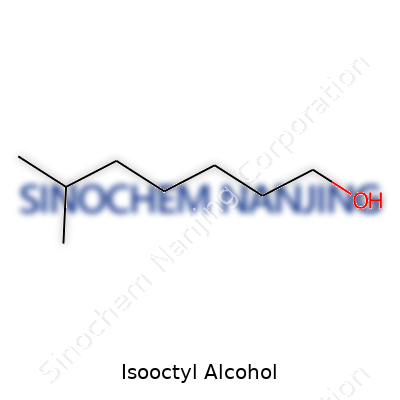
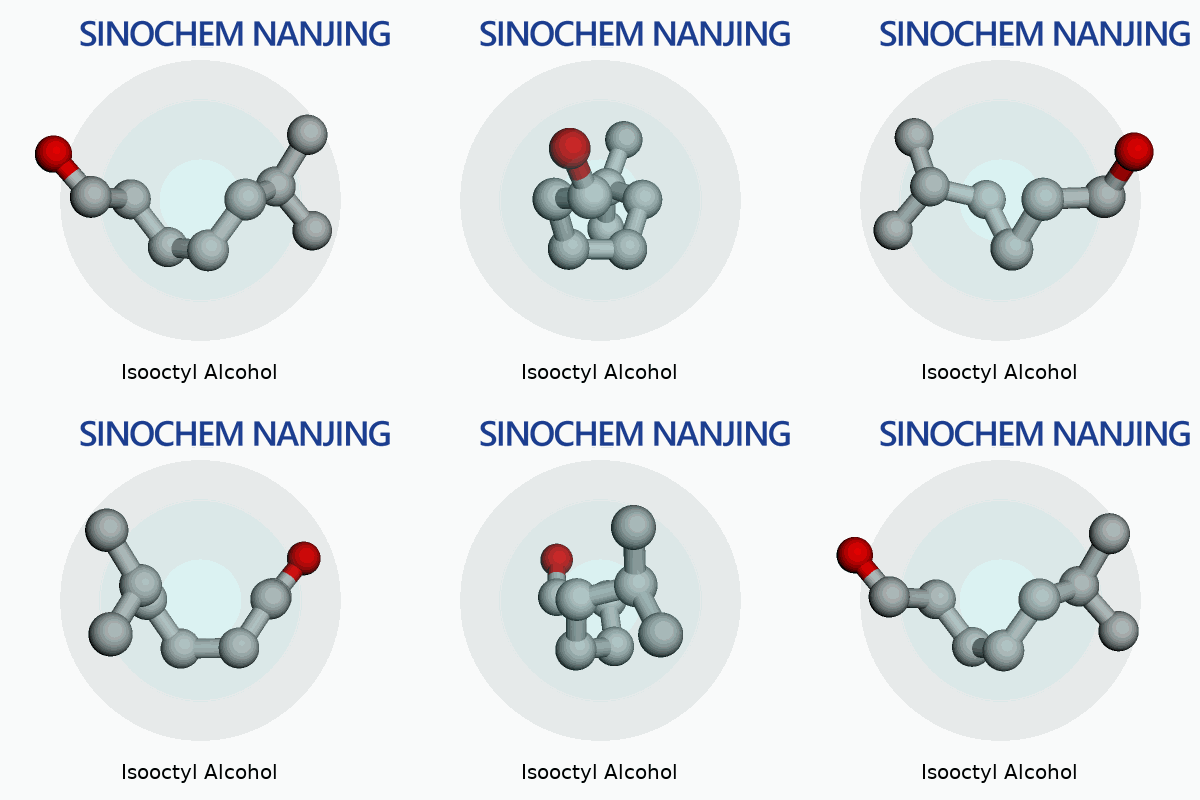
| Names | |
| Preferred IUPAC name | 4-Methylpentan-2-ol |
| Other names |
2-Ethylhexanol 2-Ethyl-1-hexanol Octanol-2-ethyl Isooctanol |
| Pronunciation | /ˌaɪ.soʊˈɒk.tɪl ˈæl.kə.hɒl/ |
| Identifiers | |
| CAS Number | 68526-83-0 |
| Beilstein Reference | 2021741 |
| ChEBI | CHEBI:30879 |
| ChEMBL | CHEMBL15963 |
| ChemSpider | 8889 |
| DrugBank | DB14183 |
| ECHA InfoCard | ECHA InfoCard: 100.003.466 |
| EC Number | 204-820-0 |
| Gmelin Reference | 68148 |
| KEGG | C06428 |
| MeSH | D007533 |
| PubChem CID | 31260 |
| RTECS number | TN6533500 |
| UNII | L601I3S41T |
| UN number | UN2282 |
| CompTox Dashboard (EPA) | DTXSID1020699 |
| Properties | |
| Chemical formula | C8H18O |
| Molar mass | 130.23 g/mol |
| Appearance | Colorless transparent liquid |
| Odor | Mild alcohol-like odor |
| Density | 0.834 g/cm³ |
| Solubility in water | Insoluble |
| log P | 3.3 |
| Vapor pressure | 0.04 mmHg (20°C) |
| Acidity (pKa) | 16.0 |
| Basicity (pKb) | 15.5 |
| Magnetic susceptibility (χ) | -62.8e-6 cm³/mol |
| Refractive index (nD) | 1.426 |
| Viscosity | 13.4 mPa·s (at 20°C) |
| Dipole moment | 2.89 D |
| Thermochemistry | |
| Std molar entropy (S⦵298) | 390.0 J·mol⁻¹·K⁻¹ |
| Std enthalpy of formation (ΔfH⦵298) | -443.6 kJ/mol |
| Std enthalpy of combustion (ΔcH⦵298) | -5690.5 kJ/mol |
| Pharmacology | |
| ATC code | C04AB02 |
| Hazards | |
| GHS labelling | GHS02, GHS07 |
| Pictograms | GHS02,GHS07 |
| Signal word | Warning |
| Hazard statements | H315, H319, H335 |
| Precautionary statements | P210, P233, P240, P241, P242, P243, P261, P264, P271, P280, P301+P312, P303+P361+P353, P304+P340, P305+P351+P338, P312, P314, P337+P313, P370+P378, P403+P235, P405, P501 |
| NFPA 704 (fire diamond) | 1-2-0 |
| Flash point | 81 °C |
| Autoignition temperature | 385°C |
| Explosive limits | Explosive limits: 0.7–8.4% |
| Lethal dose or concentration | LD50 (oral, rat): 3200 mg/kg |
| LD50 (median dose) | LD50 (median dose): 6,500 mg/kg (oral, rat) |
| NIOSH | RT2270000 |
| PEL (Permissible) | PEL: 50 ppm |
| REL (Recommended) | REL (Recommended)": "50 ppm (270 mg/m³) |
| IDLH (Immediate danger) | 500 ppm |
| Related compounds | |
| Related compounds |
2-Ethylhexanol Isobutyl alcohol Isoamyl alcohol Octanol n-Butanol |



