Iso-Propyl Acetate: Scratching the Surface of a Chemical Workhorse
Tracing the Timeline: Iso-Propyl Acetate's Journey
Iso-Propyl Acetate didn't just pop up in modern labs overnight. This chemical traces its roots back to early explorations into ester chemistry, long before the age of commercial solvents and standardized safety protocols. In the days of quick fixes and experimentation, chemists blended isopropanol and acetic acid, taking advantage of esterification’s simple setup. As industries matured, the market recognized iso-propyl acetate for more than its fruity smell. Pharmaceutical labs, paint shops, and the makers of fragrances all eyed this compound for what it could do, rather than how it filled a bottle or a beaker. Over time, as regulatory agencies tightened the screws on permissible solvents and refining standards, iso-propyl acetate stayed relevant–largely due to its milder toxicity compared to old-school solvents like toluene or certain chlorinated hydrocarbons.
Getting to Know Iso-Propyl Acetate
At a glance, iso-propyl acetate looks like another clear, colorless liquid lost in the shuffle of laboratory glassware. But scratch beneath the surface, and you find a fast-evaporating solvent that smells faintly of pears–an aroma you don’t forget quickly after opening a bottle. This compound falls into the ester family, so its performance often sits somewhere between ethyl acetate and butyl acetate, balancing solubility and evaporation rates depending on what the task calls for. It’s tough to find another chemical that can cut grease, dissolve inks, and help craft a perfume without raising immediate safety concerns, making it something of a quiet favorite in many sectors.
Diving Into Its Core: Physical and Chemical Behaviors
Iso-propyl acetate boils at about 89 degrees Celsius. Pour it on your hand, and you’ll notice quick evaporation–not advice, just an observation from running lab tests. It doesn’t hang around long in open air. It mixes readily with many organic solvents, but water only takes up a little before saturation hits. In a production process, that fast evaporation can help speed up paint drying or reduce tackiness in coatings. The chemical forms azeotropes with several alcohols, which chemists use as a feature, not a flaw. It burns cleanly, and its vapor sits on the heavier side, collecting low to the ground–a safety concern in poorly ventilated spaces. Its modest flammability should keep folks on their toes in a lab or shop using open flames.
The Numbers: Specifications Without the Jargon
Getting the purity right matters more than most admit. Pharmaceutical uses demand above 99% purity levels, while the flavors and fragrance sector prefers as few contaminants as possible to protect their product’s taste or scent. In practice, production batches undergo gas chromatography screens to weed out excess iso-propanol or acetic acid leftovers. The labeling should lay these values out–any shortcuts in this department raise doubts about the supplier’s commitment to quality and safety.
Digging Into Production: Making the Stuff
Every chemistry undergrad can set up a basic esterification between iso-propanol and acetic acid using a splash of acid catalyst. What separates a garage batch from the high-purity material on the shelf is a combination of distillation tricks, water removal by chemical drying agents, and meticulous batch control. On an industrial scale, reactors optimize contact between liquids, minimize side reactions, and recover heat. The exhausted mixture gets distilled, and the ester fraction collects ahead of the water-rich tailings. These methods keep costs in check and mitigate unnecessary waste.
Chemistry in Action: Reactions and Tweaks
Iso-propyl acetate won’t rest quietly in a bottle forever. Strong acids hydrolyze it back to its building blocks–a fact exploited in chemical syntheses. It reacts as a solvent in Grignard reactions where water content spells trouble, and it stabilizes sensitive compounds that can’t stand polar protic solvents. Some labs run transesterification reactions, swapping out alcohol groups based on specific needs. By controlling reaction conditions, chemists can guide iso-propyl acetate toward specific derivatives, steering clear of major decomposition at moderate temperatures.
What’s In a Name?
On labels and shipping paperwork, you might find iso-propyl acetate listed as 2-propyl acetate, isopropyl ethanoate, or even IPAc in shorthand. I’ve seen all of these in catalogs and database searches, which sometimes leads to confusion in cross-checking suppliers or regulatory lists. In research settings, this simple name difference creates headaches if someone scans an MSDS and misses the subtle synonym, risking misuse or overexposure.
Beyond the Lab: Safety You Can’t Ignore
A chemical like this can lull workers into a false sense of security because it smells pleasant and evaporates before getting sticky. But inhaling concentrated fumes brings on headaches and irritation that sneak up on folks in workshops with poor airflow. Storage should avoid direct sunlight and steer clear of ignition sources since vapors can ignite at relatively low temperatures. Proper labeling, spill control set-ups, and grounded transfer lines count more than most folks would expect. Following workplace limits for exposure isn't just box-checking–it spells the difference between a routine shift and a trip to the ER. There’s nothing theoretical about solvent fires or chemical burns, and first responders appreciate facilities that respect chemical safety guidelines more than flashy warnings or locked cabinets.
Pushing the Boundaries: Where Iso-Propyl Acetate Fits In
Walking through production floors, you spot this chemical cropping up in printing inks, cleaning agents, and specialty coatings. In pharmaceutical synthesis, iso-propyl acetate offers a less aggressive touch where polar solvents would ruin a batch or drag out drying times. Small-scale artisans use it for extracting essential oils without leaving behind heavy residues, though regulations often play catch-up to evolving uses. Its miscibility with ethers and alcohols opens up blending opportunities, especially in paints tailored for quick turnaround. The flavor industry puts iso-propyl acetate to work as well–but only within carefully controlled safety frameworks to ensure product purity.
Learning in Real Time: Where Research Leads
Research teams dig into the subtler behaviors of iso-propyl acetate in composite materials, looking for ways to boost finish quality or tweak drying profiles without toxic by-products. Analytical labs study its interactions with other organics, trying to reduce off-flavors in edible products or cut down hazardous waste during extraction. In coatings and adhesives, specialists ask tough questions about long-term exposure, migration rates through polymers, and potential by-products. Every breakthrough faces immediate field-testing–because application, not theory, shapes a chemical’s fate.
Safety Under Scrutiny: What the Data Show
Toxicologists keep a careful eye on how this chemical behaves in both acute and chronic exposures. Short bursts of high concentration lead to dizziness and respiratory issues, but most cases resolve with fresh air and rest. Long-term effects take more effort to track, requiring animal studies and occupational health records. Environmental assessments follow solvent spills through soil and water, flagging degradation products and persistence under varying conditions. A chemical that evaporates quickly brings less risk of soil and groundwater contamination than heavy, lingering solvents, but that’s no reason to handle it carelessly. Still, its modest systemic toxicity profile has given it a longer commercial life than many rivals.
Peering Ahead: Iso-Propyl Acetate’s Roadmap
Regulatory trends push manufacturers to swap hazardous solvents for milder alternatives with less baggage. Some startups tap into iso-propyl acetate’s lower toxicity to develop greener paint strippers and custom cleaning fluids, giving users effective performance with a lighter safety footprint. Scientists search for new catalysts that bump up yield and cut waste in the esterification process, lowering energy bills and improving sustainability. As the market looks for flavor additives and fragrance carriers with proven safety histories, iso-propyl acetate remains a contender worth close attention. If supply chains get squeezed or synthetic routes change, companies will hesitate to ditch an old standby unless the replacement checks every box for performance, price, and regulatory comfort. New research on bio-based synthesis and advanced purification offers hope of further reducing environmental impact, though commercial-scale production still faces hurdles. For now, iso-propyl acetate sits on the short list of workhorse chemicals that make modern conveniences possible, slipping easily between worlds of science, manufacturing, and craft.
What is Iso-Propyl Acetate used for?
Everyday Uses That Don’t Get Noticed
Opening a bottle of nail polish remover or smelling a new leather bag fresh from the store, you’re likely running into iso-propyl acetate. This colorless liquid brings a fruity, sweet scent, and manufacturers turn to it for that exact reason. Fragrances sometimes need a pleasant, fast-evaporating base. Iso-propyl acetate checks that box, making it a natural fit in perfumes and flavors. Years ago after college, I helped out in a small print shop, and the press workers loved iso-propyl acetate for cleaning ink-stained rollers. It cut through residue fast, dried up without fuss and didn’t leave much odor.
Not Just for Cosmetics: A Workhorse in Industry
Iso-propyl acetate may pop up in your home, but factories find even more reasons to stock it. Paint companies rely on it to thin coatings and adjust drying times. It serves as a strong but manageable solvent for inks, coatings, and adhesives because it dissolves resins and oils without eating through equipment or plastic packaging. Even in plastics manufacturing, it acts as a handy extraction agent, pulling flavors or chemicals out of complicated mixtures.
Take electronics: this solvent removes flux from circuit boards without damaging sensitive components. If you’ve ever handled circuit repairs or seen the shine of a freshly cleaned smartphone screen, there’s a good chance iso-propyl acetate played a role. Automotive plants trust it to prep surfaces before painting—a crucial step for lasting, bubble-free finishes.
Keeping Food and Pharmaceuticals Safe
Taste that hint of pear or banana in a piece of candy? Iso-propyl acetate often lurks behind flavor concentrates. The U.S. Food and Drug Administration allows its limited use in foods because it gives flavors a boost, then evaporates out in processing. In pharmaceuticals, the compound extracts active ingredients from plants and delivers clean, precise separation. The result: medications that absorb well and don’t contain harmful byproducts.
I once visited a pharmaceutical plant where safety protocols focused on solvents. They trusted iso-propyl acetate precisely because it leaves very little residue. Still, staff took care to monitor air quality as the fumes can cause headaches and dizziness in closed spaces.
Environmental and Health Considerations
No chemical is perfect, and iso-propyl acetate calls for responsible handling. Workers must run ventilation fans and wear gloves, as breathing too much vapor or touching large amounts may irritate skin and eyes. It evaporates quickly, which helps reduce spill risks but raises concerns about air emissions. Overuse in enclosed spaces can build up indoor pollution.
Waste management also matters. Pouring solvents down the drain leads straight to groundwater trouble. Companies that recycle or incinerate their waste help keep local water systems safe. Wherever solvents appear, cleanup and disposal must stay top of mind.
Safer Future and Smarter Choices
Chemists today look for safer, greener replacements all the time—especially in paints and household products. Some firms already blend iso-propyl acetate with less harmful chemicals, aiming for effective cleaning without the headaches or environmental impact. At home, picking low-odor nail polish removers or environmentally certified cleaners—even just opening windows—limits your own exposure.
The world relies on smart, safe, responsible chemical use. Iso-propyl acetate won’t disappear from industry shelves, but it does remind us all to pay attention to what goes into the products we use each day.
What are the safety precautions when handling Iso-Propyl Acetate?
Iso-Propyl Acetate: What You’re Dealing With
Iso-Propyl Acetate pops up in places like printing shops, paint factories, and sometimes even in nail polish remover. It's a colorless liquid that carries a fruity smell. Folks handling it often think of it as “just another solvent,” but that attitude invites trouble. Too many accidents start with simple lapses.
Why the Danger Matters
Breathing in the vapors irritates your nose, throat, and lungs, leaving you with a headache or nausea. Spill some on your skin and you might notice a rash. Eyes stay sensitive to its fumes. Worst of all, this solvent ignites easily—one spark in the air and you could see a flash fire before you know it.
OSHA lists Iso-Propyl Acetate as a hazardous chemical for good reason. Back in my college chemistry lab, a careless pour left my lab partner dizzy for hours. At my first job in a print shop, we saw a stack of oily shop rags go up in flames on a summer afternoon. Both times, training made the real difference. Simple steps formed the line between safety and disaster.
Protect Your Lungs and Skin
Ventilation works as the big lifesaver. Always crack a window or run an exhaust fan. Closed spaces let fumes linger, which only ramps up the risk of dizziness or passing out. Once, a co-worker opened a can inside a storage room to “just get a quick sample.” Within minutes, he turned pale and slumped down. Fresh air and quick thinking got him back on his feet; a simple exhaust fan could have kept the room safe from the start.
Gloves hold up just fine as a barrier. Nitrile stands up longer than latex, which tends to split when faced with large splashes. Eye protection should never be optional. Throw on some goggles each time you refill, pour, or clean up. Even skimping once can cost you your sight. Work coats and long sleeves keep your arms safe, and make sure every bit of skin finds a proper shield.
Dealing with Spills and Storage
Small spills on a bench often tempt people to just wipe and forget them. Proper soak-up with absorbent pads, toss them in a closed bin, then scrub the area down with a mild soap-and-water mix. Never let those rags pile up. Heat and pressure inside tightly-packed bins sometimes trigger spontaneous combustion, and nobody wants to see a garbage can turn into a bonfire.
Always store Iso-Propyl Acetate in steel containers with tight-fitting lids. Keep it away from heat, sparks, and open flames. Never settle for makeshift containers. Labels matter much more than most admit. Clear, legible stickers mean no one grabs the wrong bottle—even late at night, even in a rush.
Training Makes All the Difference
Every place using this stuff should run regular safety drills: not just quick chats, but real, hands-on work. Teach everyone what to do if a fire breaks out or a spill starts spreading. Encourage people to speak up if they spot a shortcut or accident waiting to happen. Chemicals like Iso-Propyl Acetate demand respect, and workplaces that foster a culture of safety stay free of close calls and ER visits.
Staying informed keeps people safe. Fact sheets from OSHA offer solid guidance, but nothing beats learning through regular training and personal responsibility. Never treat any chemical as “routine”—that’s where the biggest mistakes start creeping in.
What is the chemical formula of Iso-Propyl Acetate?
A Closer Look at Iso-Propyl Acetate
In the world of chemistry, simple molecules can do a lot. Iso-Propyl Acetate carries the chemical formula C5H10O2. Every molecule breaks down to five carbon atoms, ten hydrogens, and two oxygens. That single detail can tell experts quite a bit about its properties and risks. You see this ester showing up in everything from printing inks to the sweet scent in some perfumes.
Why C5H10O2 Matters
That formula means Iso-Propyl Acetate forms from combining isopropanol and acetic acid in the right conditions. The process links these ingredients into a liquid that evaporates quickly and binds well with plenty of other organic compounds. Many workers know it as a great solvent in factories, labs, or even home workshops.
Iso-Propyl Acetate isn’t just about usefulness. With a low boiling point of about 89°C (192°F), it leaves surfaces clean and residue-free in production lines. Its pleasant, fruity smell shows up in flavorings and fragrances—the same molecule behind both. Still, you cannot forget the risks just because it smells sweet.
Safety Comes Into Play
Spending a few years working with industrial solvents, I saw quick-evaporation liquids like Iso-Propyl Acetate get used for everything from electronics cleaning to coatings. But too much exposure brings headaches and dizziness. In closed rooms, vapors can irritate the eyes and lungs. The U.S. National Institute for Occupational Safety and Health (NIOSH) lists it as an irritant. Not every employer provided enough fresh air or protective gear. My advice to anyone working near this stuff—use fans, gloves, and goggles, and respect that sweet smell hides a powerful chemical punch.
There’s also a fire risk. Iso-Propyl Acetate fuels flames fast, so one spark near spills turns dangerous. At one plant where I consulted, training workers to spot and stop leaks made a real difference. The lesson stuck: always treat flammable solvents with caution, no matter how familiar the name may sound.
Practical Solutions and Responsible Use
Companies that rely on solvents like Iso-Propyl Acetate sometimes face tight regulations about air emissions. Switching to safer substitutes isn’t always realistic for every use, so investing in improved ventilation systems and safe storage takes priority. Spill training and emergency response drills reduce risk before trouble starts.
On the consumer side, reading product labels and following storage tips keeps families safer. Store bottles away from heat, and never mix with bleach or other cleaners—unexpected fumes cause problems.
Conclusion
Iso-Propyl Acetate and its formula, C5H10O2, give us a balance between function and safety. Science builds the products, but real-world experience reminds us to pay attention to the limits. Every choice made—from proper labeling to protective habits—means a safer place to work and live.
Is Iso-Propyl Acetate flammable?
What I Learned Handling Everyday Chemicals
Many of us don’t spend too much time reading the labels on bottles in the workplace, but chemical safety deserves a bigger spotlight. Iso-propyl acetate shows up in paints, inks, coatings, and even perfumes. If you’ve ever watched a spark fly in a workshop, you know how quickly things can change with a flammable vapor in the air.
What’s easy to overlook is just how low the flashpoint can be for chemicals like this. Iso-propyl acetate flashes at around -8°C—cold enough to ignite in a chilly storeroom with just a stray static discharge. Most people instinctively respect an open flame near gasoline, but would never expect a clear, sweet-smelling liquid used in flavoring or fragrances to catch fire just as quickly. Unlike water-based materials, the vapors from iso-propyl acetate evaporate fast and can creep under doors or across floors, riding air currents until meeting an ignition source.
Flashbacks from Factory Work
I once spent a summer helping maintain tools and containers in a small paint shop. One day, we reopened a can of a thinning solvent and got an overwhelming waft—a sharp, fruity smell, the result of these same volatile organics. A coworker tossed a paper towel he’d wiped with the liquid into a trash bin. Within minutes, something as simple as tossing a tool into the bin caused a spark, and the towel smoldered. Thankfully, we caught it quickly. ISO-propyl acetate wasn’t listed on the chemical inventory, but later I learned many shop-use thinners rely on acetate blends. Flammability played a bigger role than anyone noticed.
Numbers Don’t Lie
Iso-propyl acetate has a lower explosive limit near 1% concentration in air—once that point hits, any spark is enough to achieve combustion. Indoors, without ventilation, vapors can reach that limit quickly. OSHA and NIOSH both classify this chemical as a severe fire hazard. Data from incidents collected by the Chemical Safety Board also point to solvents like these being responsible for many workplace fires in the United States.
Managing the Risk matters
Clear rules matter more than any warning label. In my experience, storing flammable solvents in an approved metal cabinet separates potential disaster from routine work. Even something as basic as using spark-proof tools changes the outcome if a spill happens. Large shops often use fume hoods or keep containers grounded, but in smaller workspaces, chemical hygiene often gets overlooked. The Environmental Protection Agency recommends ventilation systems and limiting open containers. For anyone working outside major industry—artists, mechanics, or home hobbyists—paying attention to that tiny flame symbol can save a lot of trouble.
There isn’t any benefit in downplaying chemical fire risks. Maybe you don’t have to memorize every property, but knowing which products release flammable vapors and how to store them should be standard practice. I’ve learned a spilled beaker is less threatening when you keep it away from heat and electricity, and there’s rarely a second chance to correct a fire once it starts. Fire extinguishers, safety training, and proper labeling take care of a big part of the puzzle. Real safety often starts with a little respect for what’s in the bottle.
How should Iso-Propyl Acetate be stored?
The Risks Don’t Stay on Paper
Iso-Propyl Acetate sits among those chemicals that call for some respect and careful planning. I've walked through a few chemical storage rooms in my time, and it never takes long to spot corners cut for the sake of convenience. Yet, Iso-Propyl Acetate is both flammable and volatile. If it leaks or vapor builds up, trouble comes fast. Inhaling fumes indoors, mishandling containers, or ignoring a clear label: these details make the difference between safe storage and an emergency.
Conditions Matter: Not Just for the Lab Coat Crowd
This solvent asks for a cool, well-ventilated area out of direct sunlight. Too much heat starts a chain reaction—vapor pressure increases, containers swell, and lids can pop open without warning. Metal shelves and spark-producing tools, if left nearby, spell disaster. Humidity also raises the risk of corrosion on containers, which only makes leaks more likely, especially with long-term storage.
Containers: Not All Drums Are Created Equal
Sturdy, tightly sealed metal drum or high-quality plastic jug stands as the gold standard. Each time I pick up a drum, I double-check for dents or rust—anything suspect means moving the contents before a slow leak develops. Every chemical handler should know never to use food or drink containers, even if cleaned. Cross-contamination, loss of labeling, and accidents have landed people in the hospital before.
Label Everything, Every Time
A faded label turns a chemical shelf into a guessing game. I once saw a bottle without a tag make the rounds in a busy workshop. By the time it got tossed, nobody could say what was inside. OSHA regulations aren’t just red tape; they protect the people you work with. Date every container and note any transfer to a smaller bottle. If someone joins the team tomorrow, clear labeling helps them keep safe.
No Smoking, No Flames: The Rule Isn’t Just for Show
Fumes don’t just drift away. They linger, collect at low points, and wait for an open flame. Workers sometimes grow careless as days grow long, but open flames, static discharge, and even worn-out electrical cords bring real risks. A visit to the burn unit sticks with you. Build habits: check for ignition sources, and use explosion-proof lighting wherever possible.
Spill Kits Within Reach
Once, a 20-liter drum tipped over in a remote warehouse corner—by the time the smell hit, it had already drained beneath shelves. Fast action depends on knowing exactly where absorbent material, gloves, and containers for cleanup sit. Those kits should always hang near storage areas, not in a distant room.
Training Is Cheaper Than Cleanup
Handbooks never cover every real-world slip. A good crew stands ready because they know the small details: rotate stock so oldest gets used first, check expiry, review chemical safety sheets together. Nobody likes annual refreshers, but mixing complacency with flammable solvents brings a steep cost.
Simple Solutions Stick
Common sense beats complicated signs and safety posters. Keep it cool, dry, well-ventilated, and clearly labeled. Store away from flames and teach everyone how to clean up spills. Those handful of habits, tested over years in all sorts of shops and labs, keep rooms and people out of the headlines.
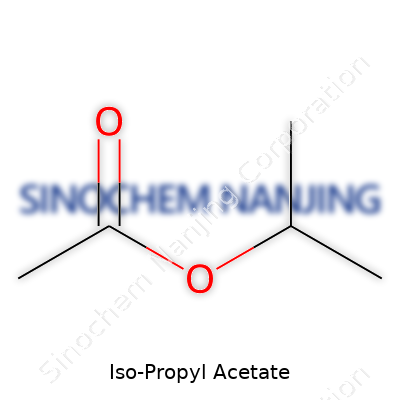
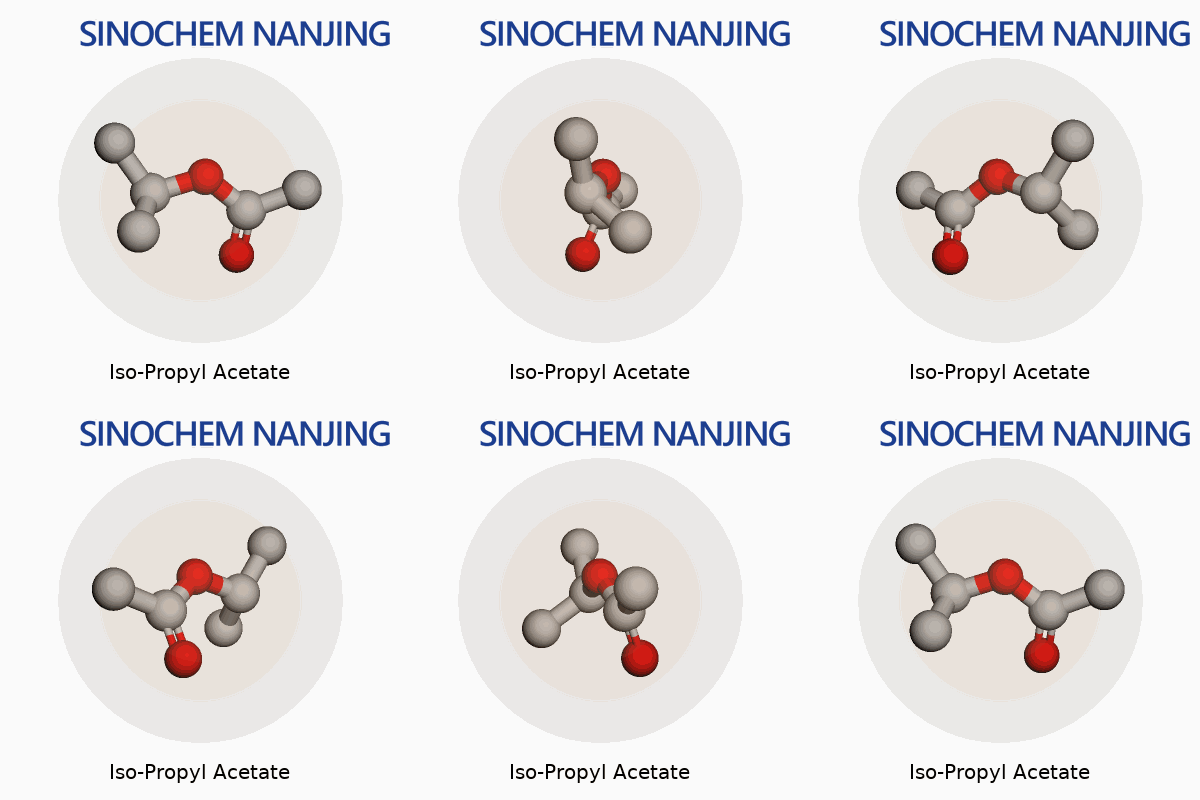
| Names | |
| Preferred IUPAC name | propan-2-yl ethanoate |
| Other names |
Acetic acid, isopropyl ester Isopropyl ethanoate Propane-2-yl acetate |
| Pronunciation | /ˌaɪsəʊˈprəʊpɪl əˈsiːteɪt/ |
| Identifiers | |
| CAS Number | 108-21-4 |
| 3D model (JSmol) | `Iso-Propyl Acetate` JSmol 3D model string (commonly, this is the **SMILES** or MOL format for use in JSmol): **SMILES:** ``` CCOC(=O)C(C)C ``` This string can be loaded directly into JSmol or other 3D molecular viewers. |
| Beilstein Reference | 1209283 |
| ChEBI | CHEBI:37994 |
| ChEMBL | CHEMBL141011 |
| ChemSpider | 6198 |
| DrugBank | DB02625 |
| ECHA InfoCard | 100.110.168 |
| EC Number | 108-21-4 |
| Gmelin Reference | 828 |
| KEGG | C06160 |
| MeSH | D017370 |
| PubChem CID | 8021 |
| RTECS number | NT5600000 |
| UNII | YD01N199JO |
| UN number | UN1220 |
| CompTox Dashboard (EPA) | DTXSID2021092 |
| Properties | |
| Chemical formula | C5H10O2 |
| Molar mass | 102.132 g/mol |
| Appearance | Colorless liquid with a characteristic fruity odor |
| Odor | fruity |
| Density | 0.87 g/cm³ |
| Solubility in water | 8.7 g/100 mL (25 °C) |
| log P | 1.30 |
| Vapor pressure | 23 mmHg (20°C) |
| Acidity (pKa) | 12.40 |
| Basicity (pKb) | pKb ≈ 15.5 |
| Magnetic susceptibility (χ) | -60.5×10⁻⁶ cm³/mol |
| Refractive index (nD) | 1.372 |
| Viscosity | 1.06 cP (at 25°C) |
| Dipole moment | 2.72 D |
| Thermochemistry | |
| Std molar entropy (S⦵298) | 282.6 J·mol⁻¹·K⁻¹ |
| Std enthalpy of formation (ΔfH⦵298) | -464.4 kJ/mol |
| Std enthalpy of combustion (ΔcH⦵298) | -3259.7 kJ/mol |
| Pharmacology | |
| ATC code | Y040 |
| Hazards | |
| GHS labelling | GHS02, GHS07 |
| Pictograms | GHS02,GHS07 |
| Signal word | Warning |
| Precautionary statements | P210, P233, P240, P241, P242, P243, P261, P264, P271, P280, P301+P312, P303+P361+P353, P304+P340, P305+P351+P338, P312, P331, P337+P313, P370+P378, P403+P233, P403+P235, P405, P501 |
| NFPA 704 (fire diamond) | 1-3-0 |
| Flash point | 2 °C |
| Autoignition temperature | 460°C |
| Explosive limits | 1.1–7.1% |
| Lethal dose or concentration | LD50 (oral, rat): 6,750 mg/kg |
| LD50 (median dose) | 6,750 mg/kg (rat, oral) |
| NIOSH | WA2110000 |
| PEL (Permissible) | 250 ppm |
| REL (Recommended) | 250 mg/m³ |
| IDLH (Immediate danger) | 1700 ppm |
| Related compounds | |
| Related compounds |
n-Propyl acetate Ethyl acetate Butyl acetate Isopropanol Acetic acid Isopropyl alcohol |



