Hydrogen Peroxide: More Than Just a Bottle Under the Sink
Looking Back: How Hydrogen Peroxide Got Here
You’ll find hydrogen peroxide in medical cabinets, hair salons, and big chemical plants. Long before it became a household staple, chemists in the early 19th century labored over puzzles most of us would never recognize. French chemist Louis Jacques Thénard figured out a way to synthesize hydrogen peroxide in 1818. He started with barium peroxide in an acid bath, producing a pale blue solution that must have seemed awfully mysterious. In the decades since, hydrogen peroxide has grown from a laboratory curiosity to an industrial player and a go-to at home for wound cleaning — and often misunderstood as just a fizzing antiseptic.
The Product in the Bottle
You twist off the cap and there’s usually a faint, almost metallic scent, especially if you use the common 3 percent solution from the pharmacy. Hydrogen peroxide looks like water, but it bites back: add a cut finger and you get foam and sting, the visible stress relief of microbial destruction. Most folks see the over-the-counter bottle, but industrial versions run up to 30–70 percent, nearly dripping with oxygen, used with powerful caution. This product exists on a fine line: dilute enough, it helps clean wounds and lighten hair; too strong and it will eat through skin and most anything organic.
Physical & Chemical Realities
Structurally, hydrogen peroxide hides a lesson in chemistry: it’s H2O2, looking like water but holding an extra oxygen atom. That extra oxygen means it doesn’t last — it wants to break apart. Light, heat, even dust push it to release oxygen in quick, sometimes explosive bursts. Its colorless appearance can fool newcomers, but its density and viscosity edge just above water. Hydrogen peroxide mixes easily, dissolves in water, yet those handling the high-concentration stuff quickly learn water alone won’t save you from a spill.
Technical Details and Honest Labeling
Any serious bottle of hydrogen peroxide comes with clear warnings and specs. Regulators in the US and EU have spent decades laying out what goes on the label. You get concentration, purity, stabilizer content, batch information, hazard symbols, and those infamous pictograms screaming “corrosive” or “oxidizer.” In practice, the supermarket solution sits at 3 percent for topical use, the beauty variety creeps to 6–12 percent, and industrial drums exceed 30 percent. Failure to respect these numbers can end with severe burns, off-gassing, or worse, which is why product labeling is no joke.
How It’s Made: A Walk Down the Chemical Pathway
Industrial production shifted gears since Thénard’s day. The anthraquinone process now rules the sector. Chemists cycle hydrogenated anthraquinone through a reaction with oxygen, then wash out the peroxide. This process repeats, making output large enough to keep up with modern demand. For smaller, precise applications, folks still use electrolysis or barium peroxide reactions. These days, industrial setups focus as much on containment as production, since even small slips during manufacture can result in dangerous situations.
Where Chemistry Gets Creative: Reactions and Modifications
Hydrogen peroxide doesn’t just act as a cleaner. In the lab, it’s a go-to for oxidizing reactions—adding oxygen where chemistry demands. Dye companies use it as a gentle, predictable oxidant; municipal water treatment plants count on it to deal with pollutants. Farmers leverage hydrogen peroxide for soil remediation, cleaning out persistent diseases without nasty residuals. Modify it with acids or catalysts and you get peracetic acid, gold for disinfection in the food industry. In rocket science, blend the concentrated stuff with a catalyst, and you create enough thrust to push early rockets skyward. The point: this liquid is more than a fizzing disinfectant.
All the Names: Synonyms and Aliases
Some call it hydrogen dioxide, others use “perhydrol” for the pure solution, and the shorthand H2O2 crosses industry boundaries. Legal paperwork, academic texts, and the label on the brown bottle at home refer to the same reactive molecule. Some old chemistry guides use oxydol or oxydrogen; these names faded but occasionally pop up in legacy documentation. Knowing these variations matters, since a synonym on a shipping manifest or patent can shift how a product is regulated or understood.
Staying Safe: Standards That Matter
Hydrogen peroxide requires respect rather than fear. Regulations stack up based on strength and end use. At lower strengths, it’s less of a hazard, though eye and skin precautions matter. Federal regulators classify 30 percent and above as hazardous, limiting access, transport, and storage. Laboratories and factories rely on strict ventilation, storage in specialized containers, and protocols that keep peroxide away from organic material, reducing the risk of runaway reactions. A whiff of strong hydrogen peroxide can burn nasal passages. Industrial-grade stores require temperature controls and non-reactive containers, while safety training becomes a regular routine for anyone working near bulk supplies.
More Than a Cleaner: Where Hydrogen Peroxide Works
In my own household, hydrogen peroxide lives under the sink, ready for small cuts and mildew spots. City water plants use tankers of the stuff to neutralize organic muck, break down industrial waste, or trim levels of nitrites and sulfides. Laundry operators and pulp mills tap into its bleaching power without the toxic legacy of chlorine. Dentists use it to bubble away infection in root canals. Hydroponic gardeners pour diluted solutions to knock root rot and algae out of their closed systems. Hospitals lean on it for terminal cleaning, sometimes vaporizing hydrogen peroxide to sterilize rooms faster than any mop-and-bucket operation ever could.
R&D: Chasing New Uses and Safer Handling
Researchers everywhere look for ways to unlock more value from this simple molecule. Advances in catalyst design make industrial processes safer and more energy efficient, reducing environmental impact. Scientists test hydrogen peroxide’s mettle in green chemistry, using it as a cleaner alternative for oxidizing reactions instead of nastier agents. Startups in the environmental cleanup field push for safer, on-site generation, shrinking the danger posed by storage and transportation. Food safety researchers follow vapor-phase hydrogen peroxide, chasing better and quicker sterilization for sensitive processing factories. Results from these labs ripple out: improved formulations, new delivery systems, smarter safety technologies.
Toxicity: What We Know and What We Don’t
Hydrogen peroxide’s reputation as a household safe bet does not tell the full story. Even at common strengths, tissue contact brings irritation, and internal use can be deadly. Past internet fads promoted diluted ingestion for “detox” — yet clinical studies point to risks of gastrointestinal burns, gas embolisms, and lasting organ damage. At industrial concentrations, accidental exposure turns from uncomfortable to catastrophic; splashes cause deep burns in seconds, and inhaling vapors scars lungs. Toxicological research keeps labs busy, further probing breakdown byproducts and chronic exposure risks. Regulatory agencies regularly update workplace exposure limits and consumer warnings with each new study.
The Road Ahead: Bright and Complicated
Hydrogen peroxide seems poised for more work in a world desperate for effective, cleaner alternatives. Calls for sustainable bleaching, water treatment, and healthcare sterilization draw new investments in peroxide-based technologies. Engineers chase better stabilizers and safer packaging, aiming for small-scale, on-demand production that limits storage hazards. Green chemistry sees hydrogen peroxide as a tool for reducing the footprint of mainstream manufacturing processes. The market pushes for higher-purity grades and specialized blends tailored for medical, semiconductor, and aerospace sectors. Every step forward brings fresh regulatory pressure and new safety considerations, but the potential to turn a challenging, reactive liquid into a smarter solution drives the research harder today than at any point since Thénard’s first pale blue sample fizzed on a 19th-century benchtop.
What is hydrogen peroxide used for?
A Household Workhorse
Hydrogen peroxide has played a big part in my home since I was a kid. My mother swore by it for cleaning scrapes and grazes. She used it on everything from the dog’s ear to the kitchen tile grout. In a world full of products with long ingredient lists, hydrogen peroxide keeps things simple; you’ve got a bottle and a whole lot of jobs it can tackle.
Wound Cleaning and Oral Care
Most people know hydrogen peroxide as a wound cleaner. Pharmacists and doctors have recommended it for generations to flush out dirt from minor cuts. Some folks also use diluted hydrogen peroxide to rinse their mouth or clean sores, based on advice from dental professionals. It bubbles up, pulling out bacteria and debris. The CDC notes hydrogen peroxide helps reduce infection risk if used soon after an injury. Here you see old-school science at work—no frills, just a basic tool that’s lasted through time.
Home and Laundry Cleaning
In my house, hydrogen peroxide keeps the bathroom looking fresh. Soap scum comes off tiles, mildew fades from grout, and toilet bowls stay bright with quick treatment. People use it to freshen up cutting boards or kitchen sponges. The CDC notes that hospitals rely on stronger concentrations to wipe out germs and viruses too tough for everyday cleaners. In the laundry room, I’ve seen it turn dingy t-shirts white again without tossing harsh bleach around barefoot kids or pets. A splash in a load fades stains without that thick, chemical stink.
Gardening and DIY Uses
In the garden, a bit of hydrogen peroxide mixed with water boosts oxygen in soil or helps keep plant roots healthy. Gardeners and hobbyists claim a mild solution tackles root rot and boosts seedlings. While scientists call for more studies, the low price and gentle formula appeal to anyone looking for practical plant care.
Food Safety and Preservation
Years back, I saw food inspectors use it on cutting boards and fruits. Mild food-safe hydrogen peroxide kills bacteria on surfaces or fresh produce. The FDA allows it as a food additive when properly diluted and rinsed. This gives people another line of defense if they worry about salmonella or E. coli on market vegetables.
Safety and Common Sense
Hydrogen peroxide’s power says a lot about the need for safe habits. Even a familiar bottle can cause burns or eye injuries if misused. Never swallow it, and never pour it in your ear without doctor’s supervision. The American Association of Poison Control Centers lists swallowing higher concentrations or using it incorrectly as a common reason for emergency calls. Safe handling—like wearing gloves during heavy cleaning—keeps surprises to a minimum.
Looking Forward
Hydrogen peroxide deserves respect, not hype. Today, researchers explore how vaporized hydrogen peroxide disinfects public spaces or sterilizes medical tools. Hospitals sometimes use fogging systems or high-tech washers to handle outbreaks. The EPA has updated guidance on using hydrogen peroxide safely in healthcare settings to make sure it does more good than harm. For everyday folks, a bottle at home still offers a practical fix for small messes and first aid—no miracle claims, just simple science and solid results.
Is hydrogen peroxide safe for skin?
An Everyday Medicine Cabinet Staple
Hydrogen peroxide often turns up in bathroom cabinets, usually next to rubbing alcohol and bandages. Many of us have childhood memories involving a scraped knee, a white fizz, and a slight stinging from that little brown bottle. The urge to pour something over a minor cut feels almost universal, but the real question stubbornly remains: does hydrogen peroxide actually belong on your skin?
What Hydrogen Peroxide Really Does on Skin
Any nurse or science teacher can tell you hydrogen peroxide bubbles up when it touches blood, dirt, or micro-organisms. Each bubble looks like progress. Unfortunately, those bubbles come from a reaction that doesn’t always discriminate between what’s helpful and what hurts. Hydrogen peroxide breaks down not just germs, but the tissue needed for healing as well. In the short term, this can dry out and irritate even healthy skin.
Looking at What Science Says
A few solid studies have tracked what happens when hydrogen peroxide hits wounds. Doctors at the Mayo Clinic and dermatologists from the American Academy of Dermatology warn that even a three percent solution (the stuff sold over the counter) destroys new cells forming at an injury. These cells are the building blocks your body needs for repairs. The wounds can end up with more scabs, more scars, and longer recovery times.
Hydrogen peroxide sometimes surprises folks with allergic reactions or delayed burns—thin, sensitive skin reacts the most. Kids and older adults face the biggest risks, since both groups have skin that can’t take a punch like younger adults do.
The Promise of Disinfection—and the Downsides
The one thing hydrogen peroxide does pretty well is deliver a solid anti-bacterial punch, but common cuts and scrapes usually won’t land a person in trouble without it. Soapy water works just as well for most minor incidents. Hospitals stopped relying on hydrogen peroxide on wounds years ago, since other solutions clean without extra damage.
Spot Treatments and Beauty Myths
People looking for home acne cures or teeth brightening sometimes reach for hydrogen peroxide. Skin-care experts warn against this. Putting something that breaks down tissue on a blemish doesn’t make much sense. It strips away protective oils and slows recovery. An occasional dab probably won’t melt your face, but repeated use often gives people red, irritated skin—or worse, bleached patches. Melanin, the pigment that colors your skin, also reacts with hydrogen peroxide.
Safe Uses and Smarter Alternatives
Hydrogen peroxide still works as a disinfectant for household surfaces, and it deals with blood stains pretty effectively. For skin, gentle soap and clean water solve most problems. If you need an antiseptic, doctors usually point you to plain saline or alcohol wipes. These clean up without the extra risk of chemical burns or lingering scars.
What Matters Most in Healing
In my own life, I tossed the hydrogen peroxide out once I had kids. Bandages and lots of hand washing became the go-to. Wounds healed just as quickly, and no one flinched from that old familiar sting. Knowing what medicines actually support healing helps a person feel a bit more control in life’s little emergencies.
Science regularly updates what’s safe and what causes more harm than good. For now, hydrogen peroxide works best outside first-aid kits, not inside. Clean skin, don’t strip it. That small shift in thinking goes a long way.
How should hydrogen peroxide be stored?
Understanding Why Storage Makes a Difference
Hydrogen peroxide doesn’t always act like the everyday liquids in your cabinet. Even drugstore strength can lose its punch if it’s left sitting out or near heat. Higher concentrations can get risky fast: think strong bleaching, alarming fizzing, and potential burns. Those stories you hear about strange bottle bulges or mysterious leaks often start with someone ignoring temperature or light.
Storage wins or fails often come down to habit. At home, I keep my three-percent bottle in a dark bathroom cabinet that doesn’t bake in the sun, away from anything edible or flammable. It’s nothing fancy, but nothing scary has happened, even though the bottle’s sat in there for months. Industrial spaces tell a different story: I once helped a friend pack up a high-school science classroom. He explained that his concentrated peroxide stayed locked in a vented metal cabinet far from varnish or paper. That wasn’t overkill, just a reaction to a close call years ago when a plastic jug deformed and nearly ruined a cabinet.
Key Risks and Simple Ways To Dodge Them
Hydrogen peroxide breaks down into water and oxygen. Not the worst substances, but rapid decomposition can turn a sealed bottle into a squirt gun or even a slow-motion bomb. Sunlight speeds up this breakdown, which is why brown bottles and dark locations work best. Warm rooms also boost reactions. Think of an attic or a sunny kitchen shelf—bad choices. Kids or pets might explore the lowest bathroom shelf; instead, keep bottles higher up.
Mixing hydrogen peroxide with metal containers or other chemicals is asking for trouble. One careless moment—pouring some into a metal water bottle, say, or storing it next to cleaning ammonia—bumps the odds of a disaster.
Sticking With the Basics: Practical Storage Tips
Hydrogen peroxide belongs in its original container. Manufacturers choose brown plastic for a reason: it blocks light and isn’t easily eaten away by the liquid. If you transfer it to a clear bottle or just leave the cap loose, you’ll waste your money and risk an accident. Grocery store and pharmacy bottles come with vented caps to let out anything that builds up inside.
Don’t trust your nose or memory. Even a clear, fizz-free liquid may have lost its strength after months in the wrong spot. Before using a forgotten bottle, check for label dates or test a drop on a piece of clothing you don’t care about.
Better Rules for Homes, Schools, and Workplaces
Stronger grades need bigger precautions. In labs or medical spaces, peroxide often stays in a locked, labeled cabinet with good airflow, nothing flammable nearby, and spill kits ready. Training for staff helps too. Everyone should learn what to do if there’s a leak or spill. Safety goggles and sturdy gloves aren’t required at home, but they make sense if you handle large bottles.
Old hydrogen peroxide sometimes turns harmless. But if you find a bubbling, leaking, or oddly swollen bottle, treat it with care. Don’t dump large amounts down the sink or toilet; try to bring it to a local hazardous waste collection if possible.
Getting It Right Matters
Hydrogen peroxide can sit on the shelf quietly or create a mess people remember for years—sometimes both. Paying attention to container, light, heat, and location saves cost and nerves, and keeps your home safer. The best storage habits come from seeing how things can go wrong, then choosing the easy steps that keep bottles boring and useful instead of dangerous.
Can hydrogen peroxide be used for cleaning wounds?
Why Hydrogen Peroxide Ends Up in the Medicine Cabinet
Growing up, my family treated hydrogen peroxide like a Swiss Army knife. Scraped your knee? Pour some on it. Caught a sniffle? Gargle with a diluted mix. That bottle of clear liquid with the brown label felt like an all-purpose fix. A lot of folks still reach for hydrogen peroxide today—hoping for a fast, simple, and cheap way to clean out a cut.
Medical experts see things from a different angle now. New studies keep piling up, telling us that hydrogen peroxide can do more harm than good by slowing down wound healing. Pouring it on a cut doesn’t just sting—it damages healthy cells trying their best to patch you up. Germs die, sure, but so do the good guys right alongside them. This stops new skin from forming as quickly.
What Science Tells Us Now
Doctors once believed the fizz from hydrogen peroxide meant it was working against bacteria. That chemical reaction is actually a sign that the peroxide’s breaking down blood and tissue. Research from the Journal of Trauma and other medical sources shows that while hydrogen peroxide kills some microbes, it also tears into fibroblasts—cells key to healing. The American Academy of Dermatology and the Mayo Clinic both discourage using it for routine wound care. They point out that soap and tap water deliver better results, causing less damage.
Safer Wound Care Practices at Home
Some habits stick, especially when handed down by family. I remember my grandmother insisting on the peroxide because it gave her peace of mind. Every time that wound sizzled, it felt like it just had to be working. That mindset shows up in homes everywhere, not just mine. Yet more and more, medical advice heads in the opposite direction—not because tradition lacks value, but because we’ve got new data.
Washing with gentle soap and running water gets rid of dirt and bacteria. A clean towel dabs the area dry. An antibiotic ointment and a simple adhesive bandage do the job most of the time. This way, cells on the edge of a cut can build a bridge over the gap without getting zapped by chemicals. The Red Cross and the CDC both back up this advice.
Changing What Ends Up on Minor Cuts
Doctors still see wounds in clinics that have been doused with peroxide. Sometimes these injuries heal more slowly. Modern wound care focuses on protecting the area, not nuking it. Nurses across the country teach patients these habits in schools, clinics, and homes. They don’t call for tossing out hydrogen peroxide altogether—it still cleans surfaces and tools well if used right. Yet for human tissue, the evidence points in a different direction.
Clear public advice makes all the difference. Pharmacies could post signs near peroxide bottles, warning about its effects on skin. Doctors should talk about the science during regular check-ups. Schools might even add short lessons on proper wound cleaning. It’s not about blaming old routines. It’s about giving families better tools. Real healing favors gentle handling—the kind that supports the body’s natural fixers rather than working against them.
What concentration of hydrogen peroxide is safe for home use?
Everyday Use: How Most Households Do It
Walk into a drugstore, and the brown bottle of hydrogen peroxide sits on a shelf, quietly promising quick fixes for scrapes, teeth whitening, and tile stains. Over the years, I’ve reached for that bottle more times than I can count: cleaning cuts, bleaching old T-shirts, and even brightening up some dingy grout in the shower. Store shelves almost always carry the 3% concentration—this isn’t by accident. The Food and Drug Administration (FDA) outlines that concentrations up to 3% have a long track record for cautious jobs around the house. Add a little water, and you get enough cleaning and antibacterial punch for most everyday needs.
Why Stronger Isn’t Better
A higher percentage doesn’t mean you get things cleaner, faster, or whiter. In fact, stronger hydrogen peroxide—10%, 20%, even 35%—carries some serious risk. Once you leave the 3% mark, skin burns, eye injuries, and internal injuries from accidental swallowing become real dangers. According to the American Association of Poison Control Centers, emergency calls involving hydrogen peroxide above 10% often end up with folks needing urgent hospital visits. Even inhaling vapors from strong solutions can cause breathing problems. At home, nobody wants a simple cleaning project to end in a trip to the ER.
What’s Safe for the Skin and Around the House?
Stick to 3% or less for first aid, mouth rinses, and basic cleaning. Anything used on skin needs to stay at 3% or under. For mouth rinses, dentists recommend diluting that 3% to half strength. Some folks see recipes online calling for stronger peroxide in beauty treatments or earwax removal. Responsible sources like Mayo Clinic and the American Dental Association warn against this. Skin irritation, gum burns, or ear canal damage isn’t worth the risk. Concentrations above 3% belong to industrial tools and pool maintenance supplies, not a home medicine cabinet.
Storing Hydrogen Peroxide Without Headaches
Kids don’t always read labels, and neither do distracted adults. Hydrogen peroxide breaks down to plain water and oxygen in the presence of light and heat, so that brown bottle’s color isn’t just for show. Keep it in a dark place, out of reach of little ones. Spilling a little 3% on your skin probably stings, but higher percentages could leave scars. I’ve seen more than one relative lose labels and forget which bottle had the full-strength stuff—a recipe for panic during a cleaning session.
Potential Solutions for Avoiding Household Accidents
Manufacturers could do more to separate consumer and industrial peroxide packaging with color coding or unique bottle shapes. In-store education—clearer labeling and point-of-sale signage—could save curious families from honest mistakes. Product safety campaigns from community health departments often get buried in the noise, so local clinics may need to step up, sharing reminders at checkups. Homeowners exploring online “hacks” for hydrogen peroxide owe it to themselves to read advice from sources like CDC and FDA, not social media threads that skip the science.
Where Practical Caution Pays Off
Safe hydrogen peroxide use isn’t about fear—it’s a matter of respect. With proper handling, 3% hydrogen peroxide remains a handy, versatile helper for the occasional scrape or tough bathroom stain. Higher concentrations don’t clean or heal faster; they only raise the stakes if something goes wrong. Stick to the brown bottle, read labels, and teach kids to ask before they pour or squirt. Good habits today prevent the wrong kind of mess tomorrow.
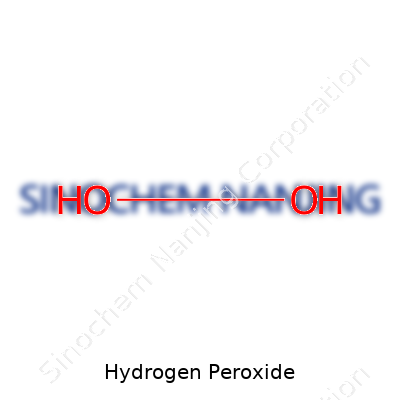
| Names | |
| Preferred IUPAC name | Dioxidane |
| Other names |
Perhydrol Oxydol Superoxol Diaquadioxygen Hydrogen dioxide Oxazane Peroxyde d’hydrogène |
| Pronunciation | /haɪˈdrɒdʒən pəˈrɒksaɪd/ |
| Identifiers | |
| CAS Number | 7722-84-1 |
| Beilstein Reference | 3587152 |
| ChEBI | CHEBI:16240 |
| ChEMBL | CHEMBL567 |
| ChemSpider | 740 |
| DrugBank | DB00815 |
| ECHA InfoCard | 03-2119486474-41-0000 |
| EC Number | 231-765-0 |
| Gmelin Reference | Gmelin 1014 |
| KEGG | C00027 |
| MeSH | D006861 |
| PubChem CID | 784 |
| RTECS number | NL6476000 |
| UNII | BBX060AN9V |
| UN number | UN2014 |
| Properties | |
| Chemical formula | H2O2 |
| Molar mass | 34.0147 g/mol |
| Appearance | Colorless liquid |
| Odor | Odorless |
| Density | 1.11 g/cm³ |
| Solubility in water | Miscible |
| log P | -1.57 |
| Vapor pressure | 5 mmHg (30°C) |
| Acidity (pKa) | 11.6 |
| Basicity (pKb) | 11.62 |
| Magnetic susceptibility (χ) | −2.2×10⁻⁶ |
| Refractive index (nD) | 1.406 |
| Viscosity | 1.245 cP (at 20 °C for 30% solution) |
| Dipole moment | 2.1 D |
| Thermochemistry | |
| Std molar entropy (S⦵298) | '109.6 J/(mol·K)' |
| Std enthalpy of formation (ΔfH⦵298) | -187.8 kJ·mol⁻¹ |
| Std enthalpy of combustion (ΔcH⦵298) | -285.83 kJ·mol⁻¹ |
| Pharmacology | |
| ATC code | D08AX01 |
| Hazards | |
| Main hazards | Oxidizing, causes severe skin burns and eye damage, harmful if swallowed or inhaled, may cause fire or explosion. |
| GHS labelling | GHS02, GHS03, GHS05, GHS07 |
| Pictograms | GHS03,GHS05 |
| Signal word | Danger |
| Hazard statements | H271, H302, H314, H332 |
| Precautionary statements | P210, P220, P221, P234, P260, P264, P273, P280, P301+P330+P331, P303+P361+P353, P304+P340, P305+P351+P338, P310, P321, P363, P370+P378, P403+P235, P405, P501 |
| NFPA 704 (fire diamond) | 3-0-1 OX |
| Autoignition temperature | Autoignition temperature of Hydrogen Peroxide: "Autoignites at 70°C (158°F) (concentrated solutions) |
| Explosive limits | 4.7–100% |
| Lethal dose or concentration | LD50 oral rat 801 mg/kg |
| LD50 (median dose) | LD50 (oral, rat): 801 mg/kg |
| NIOSH | NIOSH: "MX0887000 |
| PEL (Permissible) | 1 ppm |
| REL (Recommended) | 50 ppm |
| IDLH (Immediate danger) | 75 ppm |
| Related compounds | |
| Related compounds |
Hydrogen peroxide–urea Sodium percarbonate Sodium perborate Carbamoyl peroxide |



