The Unseen Story in a Bottle: Glycidyl Neodecanoate’s True Role in Modern Chemistry
Historical Footsteps and the Road to Today
Not many people grow up thinking about molecules like Glycidyl Neodecanoate. Still, the chemical world has quietly shaped the world behind the scenes, often out of sight and out of mind for most. Early in its timeline, researchers were just trying to make reactions play out the way they wanted for paints, adhesives, and specialty polymers. Glycidyl Neodecanoate didn’t pop up overnight; it came out of the great push during the mid-20th century to find epoxides with better flexibility and chemical resistance than what the traditional glycidyl ether crowd could offer. The search for something different in structure led chemists toward glycidyl esters like this one, which could subtly tweak the backbone of finished products and add new property sets. In those sprawling research labs, folks weren’t looking to change the world with fancy buzzwords but to make resins that didn’t fail when paints were slapped onto rough, outdoor iron railings or when a factory floor saw heavy use. That same hard-nosed approach to problem-solving steered Glycidyl Neodecanoate into a category of its own, putting a benchmark in the journey from basic chemistry to everyday utility.
Meeting the Molecule: What Sets Glycidyl Neodecanoate Apart
Glycidyl Neodecanoate offers more than just a mouthful of a name; it brings together the bite of an epoxide ring and the sturdy chains of a neodecanoic acid base. Chemists get excited by that combination, because it leads to both reactivity and substance. The molecule stays clear, liquid, and stable at room temperature, thanks to its branched hydrocarbon base that prevents easy crystallization. That physical state matters—industrial users do not want to wrestle with thick, lumpy intermediates in big vats. Its boiling point ranks high enough for most manufacturing steps and helps keep volatility low, so safety managers breathe easier. This compound also brings a mild but sharp odor, which you notice if you’ve ever spent an afternoon in a resin plant. It’s lighter than water, so spills don’t immediately sink in, giving a second chance for cleanup in well-run facilities. What sets it apart isn’t just its numbers in a table, but the blend of toughness and flexibility it brings in applications that can’t afford failure.
Technical Details and Industry Labeling: More than Red Tape
Regulations have a knack for turning every chemical shipment into a stack of paperwork, but with materials like Glycidyl Neodecanoate, those details aren’t just bureaucracy—they set a real standard for how things move from lab to line. Its best use unfolds between 20°C and 40°C, so production lines run best in that Goldilocks zone. Labels must keep up with hazard communication requirements. Chemists and workers expect those little pictograms—exclamation mark, health hazard—since its epoxide ring poses risks for skin and respiratory sensitization, especially if safety gear gets skipped. These aren’t just copy-paste warnings. If you’ve seen a seasoned worker stay back after everyone punches out to wash down a line, it comes from understanding the label isn’t a fence, it’s a signpost. For mixture labeling, standard chemical codes, international transportation numbers, and batch traceability keep the right bottle headed to the right process. That attention to traceability—once an afterthought—has grown more crucial as global supply chains woven around specialty chemicals face new scrutiny.
The Chemistry: Making Glycidyl Neodecanoate and Where It Can Go
Making Glycidyl Neodecanoate takes actual craft. Start with neodecanoic acid, a branched fatty acid built by careful distillation from heavier feedstock, and react it with epichlorohydrin under controlled conditions. Skilled process engineers tune temperature and catalysts to get the glycidyl ester without burning off epoxide content. There’s a quick but tricky phase of dehydrochlorination to open up the final molecule. Each step needs tight controls, both for quality and safety. Anyone who has run a pilot reactor knows the smell of chlorinated solvents and the worry if something runs too hot. This isn’t a set-it-and-forget-it process, either. Small tweaks—like switching up acid purity or adjusting mixing rates—can swing final yields and purity. If the molecule comes out right, it’s ready for reaction with amines, acids, or hardeners to make networks or polymers. Chemists use Glycidyl Neodecanoate for its willingness to link up with other monomers or fillers, building new materials with traits neither side had alone. That versatility draws researchers back to tinker with formulas, always hoping for coatings that shrug off harsh weather or glues that laugh at heavy industrial loads.
The Long List of Aliases and Where You’ll Find Glycidyl Neodecanoate
Industry moves fast on naming. You’ll see Glycidyl Neodecanoate show up as ‘glycidyl ester of neodecanoic acid’, ‘epoxy neodecanoate’, or just as a component within “reactive diluents” for epoxy systems. Market practice varies—some labels hit you with a full CAS number, others stick to trade phrases. Few end-users realize what’s bundled into a kit of “low viscosity” or “UV-resistant” epoxy resin. Paint shops, flooring installation crews, and electronics potting lines have likely used a product laced with Glycidyl Neodecanoate and not even known the name. That’s the nature of chemical supply chains. Formulators in these industries count on the molecule’s ability to add flexibility without undercutting final cure strength, balancing tough performance benchmarks. Still, few stop to consider the hidden labor behind each labeled drum and each batch shipped on time across borders.
Safety Realities: What the Data Says and What the Shop Floor Knows
Many get lost in safety charts, but anyone with time on the floor knows that the real risk with Glycidyl Neodecanoate sits in its reactive epoxide ring. Epoxides bring value to formulations, but they stick to proteins in our skin and lungs, so the response to spills and fumes goes beyond a quick towel. Short-term contact can trigger skin irritation or worse, addressable with gloves and proper ventilation. Long-term exposure, especially if rules slip, risks sensitizing workers for life to even small amounts. In regulated shops, you see the difference—extraction hoods hum, spill kits stay stocked, and everyone knows where the eyewash sits. Training drills matter, because no protocol survives first contact with a genuine spill unless workers already own those habits. Regulations like OSHA and REACH hammer home the need for monitoring and medical checks in workplaces where epoxides are standard fare. It’s a reminder that chemical progress brings real responsibility, down to each mask and pair of goggles.
The Workhorse: Why Glycidyl Neodecanoate Finds a Place in So Many Products
Some chemicals snatch headlines, but Glycidyl Neodecanoate finds its way into places those compounds never will. Epoxy coatings and resins lean on it for extra flexibility without giving up their signature strength. In construction, it slips into floor finishes where industrial forklifts drive daily, helping prevent cracks and wear. Electronics manufacturing has little patience for brittle encapsulants; this glycidyl ester helps keep finished components safe from vibration and shifting temperatures. Paint chemists run test panels along seawalls and piping, counting months until rust manages to creep in. Performance in the field—blister resistance, gloss retention—builds long-term trust. Production managers appreciate materials that blend easily with other epoxies and offer a manageable shelf life. What sounds technical on paper plays out in real jobs, in buildings and machines that need coatings to last without flaking or breaking before their time.
Digging Into Research and How Scientists Wrestle with This Molecule
Researchers have not finished tinkering with Glycidyl Neodecanoate. Academic and industrial labs keep pushing for new blends that cut costs, handle heat and UV rays better, or shrink total solvent release for safer workspaces. Chemists test cross-linking rates, experiment with different hardeners, and shake up process parameters to coax out better end results. Each new trial, each sample set, gets measured for tensile strength, yellowing, and long-term performance under harsh conditions. Published studies compare glycidyl esters with basic glycidyl ethers, looking for where trade-offs sit—less brittleness, slower cure, but more safety steps needed. Industry-supported toxicology groups keep up with new data, feeding hard facts into regulatory rules. This stream of research supports major shifts in application: lighter wind turbine blades, safer food-packaging resins, or sweat-resistant adhesives for wearables. Progress doesn’t start or end with just one property; it comes from years of measuring, mixing, and re-checking.
Toxicity Research: Weighing the Real Risks
No serious discussion about Glycidyl Neodecanoate ends without addressing toxicity. Epoxide groups get flagged in studies for potential mutagenicity and sensitization risks. In workplaces, measured air concentrations rarely stay high if good controls run, but researchers still dig into what happens during spills, fires, or routine cleanup. Animal studies show acute toxicity only at high exposure, but chronic tests hold out concern for lung and skin sensitization. That isn’t just data for the shelf. Regulatory agencies around the world list guidelines for environmental and worker safety, keeping disposal, long-term air quality, and personal exposure in strict focus. Anyone responsible for mixing or handling this compound should treat it with respect, using gloves, goggles, and well-designed ventilation to shrink the real-world risks. It’s not enough to know what happens in a lab—good practice means keeping the dangers from becoming anything more than theoretical possibilities. Plant managers and chemical workers talk plainly about these risks, relying on each other and on up-to-date training.
Peering Ahead: Where Glycidyl Neodecanoate Will Matter Next
Tomorrow’s chemical story often builds from quiet innovations made today. Glycidyl Neodecanoate stands in line for upgrades, with sustainability taking center stage across the chemical world. Research teams grind away at lowering environmental footprints, aiming for synthesis routes using less hazardous reagents and increased recycling. Companies explore whether renewable feedstocks can replace petrochemical routes for producing neodecanoic acid, opening doors to a greener profile. Demand will keep bending toward chemicals that meet tough safety and performance standards but pollute less in both use and disposal. Industry consortiums test ways to cap emissions and eliminate hazardous byproducts without hiking the price beyond reach for small manufacturers. As consumer products, electronics, and building materials demand smarter, more durable coatings, Glycidyl Neodecanoate holds its place on the innovation front. Change moves by inches, but every lab discovery or process tweak that shrinks a safety margin or boosts long-term performance opens new doors.
What is Glycidyl Neodecanoate used for?
Glycidyl Neodecanoate in Daily Life
The name “Glycidyl Neodecanoate” sounds like it belongs in a science lab far from everyday concerns, but bits of this compound find their way into common products. In the coatings industry, it’s a quiet workhorse. Manufactures turn to it for its role as a reactive diluent in epoxy resin systems. Think about the walls of offices and hospitals. Floor finishes in schools. Epoxy-based coatings, made harder and more resilient by this chemical, hold up under footsteps, scrubbing, and daily wear.
You’ll also find Glycidyl Neodecanoate making the rounds in adhesives and sealants. Construction companies count on reliable bond strength and flexibility. Epoxy adhesives that patch factory floors, secure heavy machinery, and withstand chemicals can contain this compound. It helps companies achieve strong performance at a lower viscosity, which allows easier application—a real benefit for large-scale jobs or projects with tricky surfaces.
Health and Safety: A Closer Look
Some people raise questions about safety, and that’s not misplaced. Glycidyl compounds have drawn scrutiny due to health risks noted in laboratory studies. The European Chemicals Agency classifies Glycidyl Neodecanoate as “suspected of causing genetic defects.” Many chemical handlers use gloves and ventilated work areas, since repeated unprotected exposure could pose health risks. Experts point to animal trials that link prolonged exposure to certain glycidyl ethers with potential carcinogenicity or organ impacts. Workers are encouraged to follow strong safety protocols—real lessons I’ve witnessed in factory walk-throughs, where personal protective equipment is not just official policy, but a cultural norm enforced for every shift.
For the end-user, risk is very low once glycidyl-based products fully cure. Cured epoxies harden into a solid form, with minimal leaching or off-gassing—the chemical bonds lock in the active ingredients. Still, there’s a growing movement among regulators and producers to weigh environmental and health implications before introducing new compounds, and that precaution has roots in public trust.
Industry Needs Versus Safer Alternatives
People in coatings and construction often weigh performance needs against safety standards. Epoxy resins modified with Glycidyl Neodecanoate check important boxes: tough, chemical-resistant, and cost-effective. Industry sources say the compound improves product shelf life and stability, another practical draw. Still, many companies keep searching for alternatives. Over the last decade, the push for “greener” chemistries has paved the way for bio-based epoxy modifiers and non-glycidyl materials. These new solutions can be safer and more sustainable, but the trade-off sometimes comes in reduced durability or higher costs.
Regulators, manufacturers, and everyday workers all share a role here. Industry pushes for innovation, while safety experts keep highlighting the smallest overlooked risk. Sometimes what seems like just another ingredient can lead to big questions. From my experience around shop floors and supplier catalogs, transparency wins trust. Safe handling matters, but so does honest communication about what goes into the products that surround us—at home, in offices, and on the job.
Next Steps for Consumers and Producers
People making purchasing decisions often don’t get full details about complex chemical recipes behind paints, adhesives, or flooring. Consumer awareness keeps rising, and that trend helps nudge companies to publish ingredient lists and seek third-party safety certification. For those in the industry, the balancing act never ends. Staying up-to-date means watching regulatory guidelines from groups like the EPA and ECHA, reviewing new toxicity data, and investing in research on new alternatives. Every effort helps shape safer workplaces and healthier built environments—and every responsible choice adds up, project by project.
What are the safety precautions when handling Glycidyl Neodecanoate?
Why Glycidyl Neodecanoate Demands Respect
Glycidyl neodecanoate turns up in plenty of industrial settings. Used in resins, coatings, or adhesives, most who handle it learn fast how unforgiving it can be if treated carelessly. Coming from my time on the factory floor, I’ve seen skin rashes, eye burns, and stories of fumes sending folks home queasy. The chemical isn’t just an irritating nuisance. It’s one of those compounds with known irritant properties, and some research points to mutagenic potential. That means extra caution isn’t just workplace policy—it’s personal.
Personal Protective Equipment: The Frontline Defense
Forget splash-resistant cotton shirts; chemical-resistant gloves—the kind made from butyl or nitrile—stand between skin and the chemical. I learned to double up gloves for heavy tasks, especially if any risk of spills exists. Full-sleeve protective clothing isn’t overkill—it’s smart. Goggles can fog, but nothing ruins a shift faster than Glycidyl neodecanoate in the eyes. Good wrap-around eye protection matters. Respirators designed for organic vapors may seem like overkill on good days, but inhaling even a little can ruin more than an afternoon.
Ventilation and Spill Management Shape a Safer Workplace
Rooms where this chemical gets opened up must have exhaust systems pulling fumes away from breathing spaces. From my own work, opening a container in a drafty area made things noticeably safer. Good airflow means a smaller chance at headaches or mysterious coughs that linger.
Spill response plans can save a panic. Absorbent pads, neutralizers, waste buckets should wait close by. I remember training drills where timing mattered—seconds count if any Glycidyl neodecanoate hits the floor. Don’t use bare hands or shop towels. Double-bag everything for disposal, and label it for hazardous waste handlers. Accountability builds a habit of thinking ahead instead of reacting too late.
Training, Communication, and Culture
Every year new hazards come up in the chemical world, but the basics of safety get drilled in for a reason. Shortcuts invite trouble. Training all new hires, even those with ten years at another plant, sets one standard everyone can count on. Honest communication saves more people than any sign on the wall. If someone sees a risk, letting others know stops an accident before it gets started. One team I worked on chewed through the “what if” scenarios until everyone could repeat them blindfolded. Mock drills made those lessons stick.
Better Storage Practices, Real Solutions
Stingy labeling or misplaced barrels always lead to mix-ups in the busiest factories. Storing Glycidyl neodecanoate means keeping it in sealed, corrosion-resistant containers—never close to acids, peroxides, or strong bases. A cool, dry, locked cabinet makes a difference. Never underestimate the power of a daily safety checklist: date every opened bottle and toss what lingers too long.
Investing in Safer Alternatives and Ongoing Monitoring
Everything comes down to risk. Some spots have started swapping Glycidyl neodecanoate with less hazardous alternatives where possible; it’s slower and costs more at first, but injury costs a lot more. Routine medical checks for workers who handle it year after year pick up signs of chronic exposure early. Encouraging honest reporting of symptoms and near-misses—without punishing the messenger—keeps everyone safer.
Experience with Glycidyl neodecanoate boils down to respect, routine, and readiness. Those who’ve worked with it long enough know: cutting corners isn’t worth the risk.
What is the chemical structure of Glycidyl Neodecanoate?
The Backbone of Glycidyl Neodecanoate
Glycidyl neodecanoate stands out in the world of specialty chemicals because of its unique combination of structure and reactivity. Chemically speaking, its backbone features a glycidyl (epoxy) group attached via an ester bond to a neodecanoic acid residue. Structurally, it’s an ester formed between neodecanoic acid and glycidol, containing a three-membered epoxide ring that’s highly reactive in the presence of amines, acids, or other nucleophiles. This is what drives its key role in many industrial applications, especially in the formation of epoxy resins.
Looking at the Molecular Details
The neodecanoic acid part is built from a 10-carbon branched-chain, which brings steric hindrance and hydrophobic properties. Instead of a straight chain, you get a molecule where methyl groups branch off the core, making it resistant to hydrolysis and thermal degradation. This makes the resulting glycidyl ester tough and long-lasting in environmental exposure.
On the other end, the glycidyl (epoxy) group features a three-membered oxirane ring. This group reacts quickly and efficiently with many compounds, which helps make durable polymer networks in cured materials. In epoxy chemistry, having such an active site gives formulators a powerful tool to adjust the balance between reactivity and final material properties.
Why Structure Matters
The unique mix of a bulky neodecanoic acid core and reactive glycidyl group influences both how glycidyl neodecanoate behaves in chemical reactions and how it stands up to environmental stress. From experience in the coatings world, this translates to better resistance to water, chemicals, and UV degradation in finished products. Epoxy formulations benefit when glycidyl neodecanoate is used as a reactive diluent; it can control viscosity, improve flow, and help meet regulatory limits on volatile organic compounds without sacrificing durability or compatibility with other resin components.
Toxicity, Safety, and Environmental Profile
While chemistry often means more than piecing together molecular shapes, safety always needs a front seat. Glycidyl neodecanoate brings up concerns due to the epoxide ring, since many epoxides have raised toxicity questions. Data from animal studies suggest that exposure needs minimizing, especially in unreacted form, and workplace controls play a big part. Regulatory references, including those from the European Chemical Agency, show restrictions for glycidyl-containing compounds, which reflect real-world responsibility in production and application. Consistent personal protective equipment, good ventilation, and substitution where possible make a difference in keeping health risks low.
Potential for Innovation and Safer Use
Epoxy resin chemists and formulators have options if they’re looking to move away from higher-toxicity diluents. By understanding the molecular detail—how every methyl group or oxirane ring changes practical results—scientists can design safer, more effective molecules. Some research efforts focus on bio-based alternatives or designs that maintain reactivity without high toxicity.
In the end, glycidyl neodecanoate’s structure brings valuable performance to epoxy systems. The context of health and safety, along with ongoing innovation, will guide how manufacturers and workers use it going forward.
How should Glycidyl Neodecanoate be stored?
Getting Real About Chemical Storage
Glycidyl neodecanoate isn’t the kind of compound you can leave sitting on a forgotten warehouse shelf. Folks in manufacturing or chemical labs know this, but accidents still happen when details get missed. Working in industrial settings, I’ve seen firsthand how overlooking proper storage leads to product contamination or even safety risks for workers.
Temperature Isn’t Just a Number
Temperature damage creeps up quietly. Glycidyl neodecanoate keeps its stability in cool, dry conditions. Leaving drums in a hot room or a sunbaked loading dock speeds up unwanted reactions and can degrade the product. Years ago, I watched a batch go bad simply from storage in an uncontrolled back room through a particularly hot summer. That meant wasted raw material, lost money, and a lot of frustration.
Smart operators put this product in well-ventilated storage rooms, never letting temperatures crawl above 25°C (77°F). Good air circulation cools things off and disperses any fumes. Storing it away from direct sunlight is not just a precaution—intense UV and heat can warp containers and spoil the contents faster than people think.
Keep It Sealed, Keep It Safe
One aspect often overlooked is capping drums or containers. Exposure to air lets moisture and contaminants in, which can trigger unwanted reactions. Leaving a lid ajar risks worker safety and leads to product going off spec. Large-scale facilities often invest in tamper-proof seals and clear labeling, so every employee knows what’s inside and how to treat it. The best practices I’ve seen keep everything marked with clear hazard information and manufacturing dates.
Segregation Isn’t Just Policy—It’s Self-Preservation
Combining incompatible chemicals creates real hazards. Glycidyl neodecanoate shouldn’t sit next to acids, alkalis, or oxidizers. Even small leaks can trigger dangerous reactions, especially if storage spaces are cramped. Early in my career, I watched a hasty storage decision cause a near-miss, mostly because someone parked two incompatible drums side by side. Training, simple checklists, and color-coded shelving racks can stop these accidents before they start.
Equipment Matters—So Does Personal Safety
Choosing the right storage container plays a big part in maintaining safety. Metal drums lined with an inert material or high-density polyethylene containers keep the chemical stable and stop corrosion. It’s tempting to reuse an empty drum from another product, but trace residues can spoil new shipments. Gloves, goggles, and chemical-resistant aprons aren’t just for show during handling, especially if any leaking or splashing occurs. Every chemical handler deserves gear that actually fits and does its job.
Good Documentation Prevents Chaos
No one wants to guess what’s in each drum or when it arrived. Clear signage, digital inventory management, and straightforward check-in/check-out logs help prevent mistakes. It pays to run regular audits and train staff—not just once when someone’s hired, but throughout their careers. I’ve seen companies save serious money and prevent accidents just by keeping paperwork and labeling up-to-date.
Making Storage Safer for Everyone
Having the right fire extinguishers on hand and knowing emergency procedures puts people ahead of disaster. Sprinkler systems in larger storage spaces aren’t overkill—they’re protection for workers, products, and property. Chemical spills happen anywhere, and absorbent materials, neutralizing agents, and quick response kits close at hand make the difference between a routine cleanup and a full-blown emergency.
Storing Glycidyl neodecanoate comes down to simple discipline. Consistent temperature control, clear labeling, separated chemicals, and a team that pays attention turn a risky compound into a tool, not a threat. Good storage is an investment worth making.Is Glycidyl Neodecanoate hazardous or toxic?
Looking at the Chemicals Around Us
Glycidyl neodecanoate isn't a household name, though it can show up in places you'd never guess. It’s mostly used in industrial settings, like coatings, plastics, or adhesives. When talking about safety, it makes sense to figure out whether this stuff brings any real risks to health or the environment before letting it into our daily routines—or our air and water.
What Happens During Use?
People who work with glycidyl neodecanoate often wear gloves, goggles, and masks because contact with the skin or eyes can cause irritation. This isn't some vague precaution, either. Regulatory documents on this chemical regularly flag skin and serious eye irritation as real issues. Accidentally breathing in the vapors or mist can also bring headaches, nausea, or even more serious effects if you've got long-term exposure.
Diving into the Toxicity
Biggest worry comes down to the epoxide group in glycidyl neodecanoate’s structure. That part can react with DNA and other key parts of the body’s cells. Agencies such as the European Chemicals Agency (ECHA) classify glycidyl neodecanoate as “suspected of causing genetic defects” and “may cause cancer.” That’s not a small warning. Animal studies point to risks of tumors after high or repeated exposure. Long-term data on humans doesn’t exist right now, simply because this is a specialty chemical not used outside industrial facilities, but the structure and lab results spark concern.
How Does Exposure Happen?
Most people don’t cross paths with glycidyl neodecanoate. But workers who deal with epoxy resins and similar compounds might. Spills, leaks, or poor ventilation in the workplace could put people in direct path of the chemical—by skin, eyes, or lungs. Without proper training, someone could skip the gloves, breathe the fumes, or just touch the stuff, which raises their risk.
Environmental Impact Isn’t Small Either
Chemicals don’t just stay where we put them. If glycidyl neodecanoate gets into rivers or lakes, evidence points to toxic effects on aquatic life. Fish and invertebrates exposed to similar compounds can show stunted growth or trouble reproducing. Wastewater treatment plants aren’t always built to handle these chemicals either, so a spill or run-off can travel far beyond a single factory.
How to Handle the Risks
Industries using glycidyl neodecanoate benefit by tightening procedures on storage, ventilation, and employee training. Substitution with less hazardous chemicals can protect worker health. Daily use of protective equipment works only if workers understand why it matters and the risks tied to skipping these steps. Enforcement from safety agencies improves compliance, but peer pressure and workplace culture also nudge people to do the right thing.
On a larger scale, pushing for more transparency helps. Companies sharing real-time data about exposures or accidents means faster response and better prevention for the next time. When I worked in a warehouse with chemical use, seeing risk information posted in plain language on walls kept everyone aware and made it easier to spot a problem before it grew.
Moving Towards Safer Workplaces
No single rule blocks every risk, but consistent training, openness about hazards, and regular audits all reduce the odds of exposure and accidents. For the public, pressure on manufacturers to share more about what chemicals go into products keeps everyone safer. Staying informed, asking questions, and demanding better labeling creates a safer world from the factory floor to our own homes.
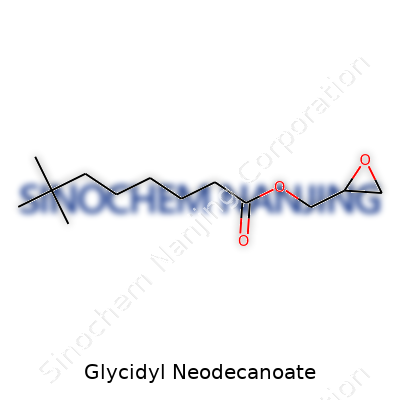
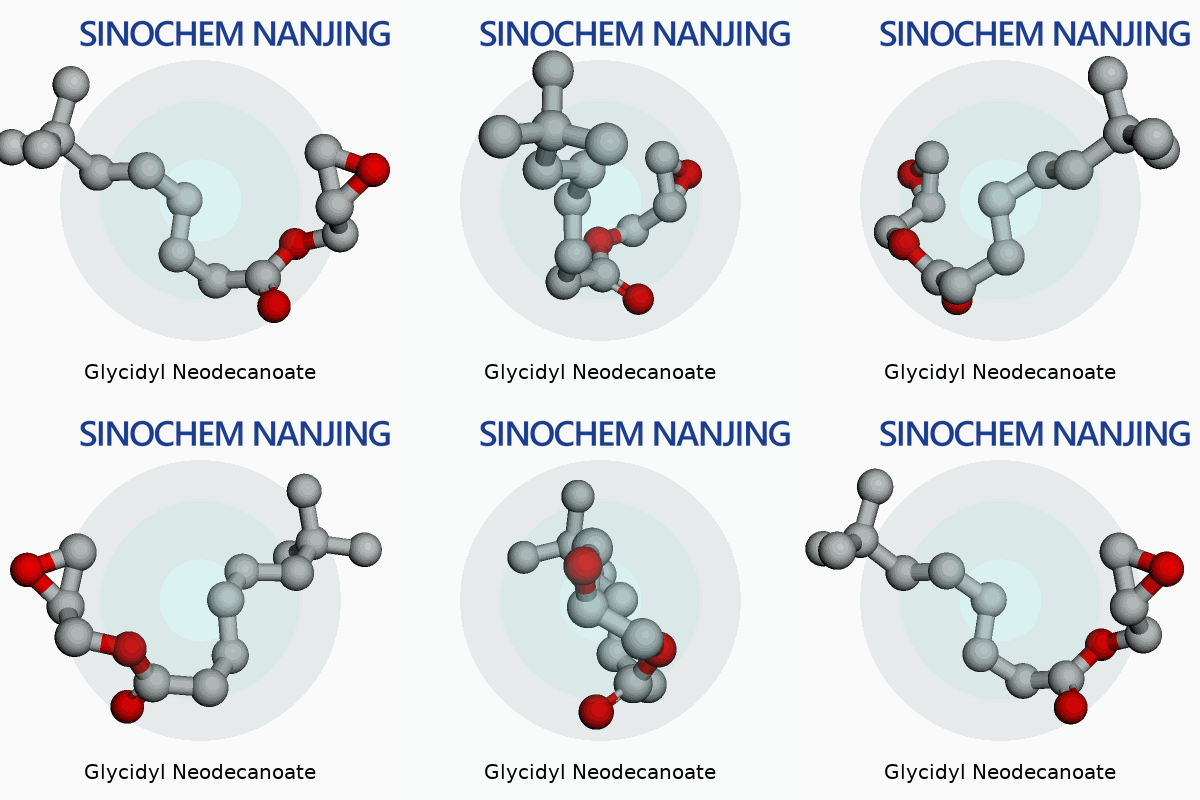
| Names | |
| Preferred IUPAC name | 2-[(Epoxypropoxy)methyl]neodecanoic acid |
| Other names |
Glycidyl neodecanoate Neodecanoic acid, glycidyl ester Glycidyl ester of neodecanoic acid Neodecanoic acid glycidyl ester Glycidyl 2,2,3,5,5-pentamethylhexanoate |
| Pronunciation | /ˈɡlɪsɪdɪl niːoʊdɛˈkeɪəneɪt/ |
| Identifiers | |
| CAS Number | 26761-45-5 |
| Beilstein Reference | 1730736 |
| ChEBI | CHEBI:88063 |
| ChEMBL | CHEMBL1687839 |
| ChemSpider | 20841275 |
| DrugBank | DB14624 |
| ECHA InfoCard | 03e3fd60-0502-46b6-bb19-d6d0bc883f0a |
| EC Number | 609-840-4 |
| Gmelin Reference | 1671588 |
| KEGG | C21105 |
| MeSH | D02.241.081.085.220 |
| PubChem CID | 11668773 |
| RTECS number | GO5950000 |
| UNII | 1Y3J80R4JM |
| UN number | UN3082 |
| CompTox Dashboard (EPA) | DTXSID2022968 |
| Properties | |
| Chemical formula | C13H24O3 |
| Molar mass | 270.42 g/mol |
| Appearance | Clear colorless liquid |
| Odor | Mild |
| Density | 0.97 g/cm³ |
| Solubility in water | Insoluble |
| log P | 2.93 |
| Vapor pressure | <1 mmHg (20°C) |
| Acidity (pKa) | 14.69 |
| Basicity (pKb) | 14.74 |
| Refractive index (nD) | 1.4400 |
| Viscosity | 13 mPa·s at 25°C |
| Dipole moment | 2.57 D |
| Thermochemistry | |
| Std molar entropy (S⦵298) | 583.6 J·mol⁻¹·K⁻¹ |
| Hazards | |
| Main hazards | May cause cancer. Causes skin irritation. Causes serious eye irritation. May cause an allergic skin reaction. |
| GHS labelling | GHS07, GHS08 |
| Pictograms | GHS07,GHS09 |
| Signal word | Warning |
| Hazard statements | H315, H317, H319 |
| Precautionary statements | P210, P233, P240, P241, P242, P243, P261, P264, P272, P273, P280, P301+P310, P302+P352, P303+P361+P353, P305+P351+P338, P308+P313, P333+P313, P362+P364, P370+P378, P391, P403+P235, P403+P233, P405, P501 |
| NFPA 704 (fire diamond) | 1-1-0 |
| Flash point | > 108 °C (226 °F) |
| Autoignition temperature | > 220 °C (428 °F) |
| Explosive limits | Explosive limits: 1.1–6.9% |
| Lethal dose or concentration | LD50 (Oral, Rat): > 5000 mg/kg |
| LD50 (median dose) | LD50 (median dose): Oral rat LD50: 10,293 mg/kg |
| NIOSH | NA |
| PEL (Permissible) | PEL (Permissible Exposure Limit) for Glycidyl Neodecanoate: Not established |
| REL (Recommended) | 0.05 ppm |
| Related compounds | |
| Related compounds |
Glycidyl esters Glycidyl butyrate Glycidyl palmitate Glycidyl ether Neodecanoic acid Epoxy resins |



