Glyceryl Monocaprylate: A Deep Dive
Historical Development
Scientists first noticed the potential of glyceryl esters in the early 20th century, driven by the search for new emulsifiers and preservatives. As researchers explored various fatty acids and their monoesters, caprylic acid emerged as a standout due to its antimicrobial qualities and compatibility with food and cosmetic applications. By the 1970s, glyceryl monocaprylate started appearing in patents and published studies documenting its functions in blending oil and water, boosting shelf life, or keeping products smooth and stable. These early accounts laid a foundation for regulated manufacturing, with technical bodies setting out guidelines for purity and use across different industries. This steady evolution mirrored broader shifts in food science—pushing refinements for higher safety and new applications, all while tightening rules to prevent contamination and ensure traceability.
Product Overview
Glyceryl monocaprylate sits right at the intersection of function and flexibility. It’s a monoester of glycerol and caprylic acid, offering benefits for formulations that need reliable performance with a low risk of irritation. This molecule appears in products ranging from creamy skin moisturizers to baked goods with improved mouthfeel or longer crispness. Manufacturers often use it as both an emulsifier and a mild antimicrobial, which makes it a smart pick where shelf stability matters. Its mild scent and stability in harsh environments encourage broad adoption. Since it comes from relatively simple reactants—plant-derived oils, in many cases—seed-to-shelf monitoring stands within reach for most responsible supply chains.
Physical & Chemical Properties
This compound usually appears as a white or pale yellow waxy solid, sometimes flaked or in powder form, depending on purity and processing. It melts between 33°C and 36°C, which suits it for many food and cosmetic formulations requiring easy mixing during heating and solid reformation at room temperature. Its solubility favors oils over water, but careful formulation can whip up fine dispersions suitable for creams or sauces. As a monoester, it has moderate surface activity—not too greasy, not overly drying—and enough chemical resistance to keep from breaking down under common storage conditions. Its vapor pressure and reactivity tend to sit low, so accidental volatilization or breakdown rarely pose real problems in industrial settings.
Technical Specifications & Labeling
Product quality rides on several chemical benchmarks, such as purity over 90%, acid value within 5 mg KOH/g, saponification at a predictable range, and low water content. These numbers show up on certificates of analysis for every lot shipped to keep buyers informed and regulatory authorities satisfied. On commercial packaging, you’ll often see the ingredient listed as glyceryl monocaprylate, glyceryl caprylate, or E477 in Europe. Global markets track each specification tightly, since regional regulations differ regarding allowable uses, maximum inclusion rates, and labeling transparency. Supply chains increasingly include QR codes and batch tracking so buyers can double-check source material and processing history.
Preparation Method
Producers rely on direct esterification between glycerin and caprylic acid under mild to moderate heat, sometimes with acid catalysts to speed things up and muffle side-reactions. The process demands close monitoring—if temperatures spike or acidity skews, unwanted diglycerides or triglycerides can creep in and degrade product quality. After reaction, distillation or solvent extraction separates the monoester. Some companies push for enzymatic synthesis, which can cut back on harsh byproducts and waste, especially for food-grade or pharma-grade batches. The push for greener chemistry, safer plants, and minimal waste has pressed manufacturers to keep refining these preparation steps.
Chemical Reactions & Modifications
Besides its main role as a monoester, glyceryl monocaprylate stands open to further tweaking through transesterification or interesterification, tailoring its properties for special uses. Adding longer fatty acid chains can change solubility or melt points for high-performance creams, just as partial hydrolysis can enhance compatibility with other surfactants. Advanced labs often graft polyols or other active groups to the backbone for medical or specialty cleaning uses, but regulations tighten quickly as modifications step away from food-safe or dermatologically mild profiles. Most manufacturers stick with traditional monoester forms unless a niche project demands something more specialized.
Synonyms & Product Names
Over the years, this compound has picked up a range of names. Glyceryl caprylate dominates in INCI (International Nomenclature Cosmetic Ingredient) listings. Some chemists call it mono-caprylin or monooctanoin in pharmaceutical circles. Regulatory documents in the EU or US will note monoester of caprylic acid with glycerol, or the E477 food additive code for blends. Commercial catalogs and material safety data sheets use these names interchangeably, so careful review helps avoid mix-ups—especially where formulations include blends of monoesters with other chain lengths.
Safety & Operational Standards
Keeping workers safe takes serious planning—plants ventilate reaction and handling areas, post clear signage for spills or thermal hazards, and require routine glove and mask use during bulk handling. Glyceryl monocaprylate has a low acute toxicity profile but can cause mild skin or eye irritation if handled carelessly in concentrated form. Food and pharma safety audits double-check cleaning protocols to eliminate cross-contamination, and finished products undergo microbiological and chemical testing before market release. Standards like ISO 9001 for quality management or ISO 22716 for cosmetics guide best practices, pushing companies to document every batch and train every employee.
Application Area
Outside the chemistry lab, you’ll spot glyceryl monocaprylate everywhere from creamy salad dressings to odorless baby wipes. Food companies build on its emulsifying power to combine oils and water in baked goods, spreads, or even beverages. Skincare brands choose it to lock in moisture while keeping products smooth and bacteria-free—its mild antimicrobial kick means fewer synthetic preservatives are needed. Specialty industrial firms use it in pigment dispersions, textile processing, or even as a mild surfactant in metalworking fluids. Animal feed suppliers seek it out for its digestion-friendly profile, supporting gut health in poultry or young livestock. Every year, researchers chase fresh applications, such as drug delivery vehicles or biodegradable packaging.
Research & Development
Academic teams and commercial R&D groups show little sign of slowing down. Active research explores ways to boost yield and purity using immobilized enzymes, deepen the molecule's antimicrobial action, or pair it with other esters for high-speed food processing. Analytical chemists keep sharpening tools to spot trace contaminants or optimize reaction times. In medical fields, bioengineers tinker with glyceryl monocaprylate's backbone for drug delivery or tissue engineering, aiming to balance stability and release rates without sacrificing safety. These efforts keep the molecule relevant even as new technologies and trends reshape ingredient markets.
Toxicity Research
Long-term animal studies and short-term human patch tests have outlined glyceryl monocaprylate’s safety boundaries clearly. Low absorption, rapid breakdown, and longstanding use in foods support its reputation as a gentle ingredient. No evidence links the compound to cumulative organ toxicity or hormone disruption at typical exposure levels. Allergic responses are rare, though isolated skin sensitivities can crop up with concentrated exposures. Regulatory agencies in Europe, North America, and Asia review fresh toxicity data every few years, reflecting updated science and fresh consumption trends. For highly sensitive product classes—like infant care or prescription medicine—manufacturers still run in-house and third-party tests to confirm every new lot meets modern safety thresholds.
Future Prospects
Demand for clean-label, minimally processed ingredients drives companies to expand glyceryl monocaprylate sourcing and production. Expect broader plant-based supply chains and gentler manufacturing processes, ready to meet eco-certification requirements. Researchers keep pushing toward novel uses—solid lipid nanoparticles in targeted therapeutics, synergistic blends for broader-spectrum food preservation, or biopolymer creation for compostable packaging. Regulations will follow trends in ingredient disclosures and traceability, with tech and transparency driving consumer trust. Academic-industry partnerships stand poised to unlock new properties by tuning the compound’s chemistry for next-generation personal care, food, and pharmaceutical products. Just as earlier decades saw this molecule move from the fringes to mainstream shelves, tomorrow's breakthroughs will shape its place at the intersection of science, industry, and daily life.
What is Glyceryl Monocaprylate used for?
Breaking Down the Use in Everyday Products
Walk through the aisles of any grocery store or pharmacy, check massage oils, lotions, or even certain packaged foods, and you’ll probably bump into glyceryl monocaprylate. Its name barely fits on a label, but what it actually does deserves some attention.
I started hunting for answers after I found it in the ingredient list of a face cream that claimed to hydrate and protect skin. Turns out, glyceryl monocaprylate is a fatty acid ester. Manufacturers blend it in as an emulsifier. That means it helps oil and water stick together, which gives creams their smooth, silky texture without separating into a greasy layer. Without an emulsifier, many products would turn into a mess by the time they arrive at our homes.
Keeping Products Safe and Effective
Glyceryl monocaprylate plays another big role—it keeps bacteria from making a home in personal care products. Its antimicrobial punch hits hard against some harmful germs. You find it in products that stay close to sensitive skin, like deodorants, sunscreens, and baby wipes. The importance of lowering the risk of skin irritation or infections can’t get overstated. According to the International Journal of Cosmetic Science, using an ingredient with antimicrobial properties allows manufacturers to take it easy on harsh preservatives, which helps people like me with sensitive skin.
Food makers also use glyceryl monocaprylate. In cheese spreads, processed meats, and desserts, it ensures a smooth, creamy feel. For years, chefs and scientists have teamed up, looking for ingredients that let food taste good and last longer while keeping the ingredient label simple and less intimidating. Adding glyceryl monocaprylate takes away the frustrating consistency issues that come with mixing water and fat.
Quality and Health Concerns—Looking Past the Hype
I talked to a dermatologist who said glyceryl monocaprylate rarely triggers allergies. Still, not everyone reacts the same way. Even natural-sounding ingredients cause problems for a few folks. Health experts watch for safe concentration levels when formulating new goods. The Cosmetic Ingredient Review (CIR) panel concluded the compound is safe in the small doses found in cosmetics and skin care.
Keeping up with global consumer trends, many companies put effort into getting their ingredients from plant-based sources. Glyceryl monocaprylate often comes from coconut or palm kernel oil, which means there’s pressure on producers to address issues like deforestation and fair wages. Shoppers, especially those interested in “clean beauty” or “clean label” foods, ask for transparency about sourcing. Traceability and ethical supply chains matter more than ever as consumers read beyond the front label.
Better Choices for a Growing Industry
Growing up in a family that relied on home remedies and familiar brands, I felt hesitant every time I picked up a jar with a laundry list of unfamiliar ingredients. Now, as labels get more complicated, consumer education stands out as a solution. Reliable organizations like the Environmental Working Group (EWG) offer clear details on safety and sourcing for ingredients like glyceryl monocaprylate.
With the cosmetics and processed food industries always changing, a thoughtful approach to ingredient development and sourcing promises better products for everyone. Supporting brands that share their ingredient stories and invest in quality helps steer the market in the right direction.
Is Glyceryl Monocaprylate safe for skin care?
Diving into the Ingredient
Glyceryl monocaprylate shows up on the back of many skincare bottles. It comes from blending caprylic acid—a fatty acid from coconut oil—with glycerin. Brands like to use this ingredient because it acts as an emulsifier and preservative, which helps stabilize creams and lotions. Smooth texture and longer shelf life make products stand out on the store shelf. But what about the part that really matters: how does all this affect actual skin?
What the Science Says
Dermatologists and chemists have looked at glyceryl monocaprylate up close. The Cosmetic Ingredient Review (CIR) panel files it under “generally recognized as safe” for cosmetics at low concentrations, usually up to 5%. See, too much of any ingredient can lead to trouble, but the low percentage use in most serums, creams, and cleansers avoids the problems linked with higher doses.
The European Commission, known for their tighter cosmetic regulations, also gives it a green light, as long as it stays within these safe levels. No ingredient gets a free pass in the EU, so seeing it approved signals confidence that routine use should not irritate even sensitive skin types. There’s still an obvious need for each formula to go through clinical patch testing, since sometimes other ingredients create unwanted reactions when mixed.
Why Some Worry
Concerns sometimes grow out of confusion between glyceryl monocaprylate and other preservatives. Some folks may lump it together with parabens or harsher chemicals, which have a cloudier safety track record. That’s not accurate. Glyceryl monocaprylate draws its main strength from mild antimicrobial properties. Instead of blasting the skin’s barrier, it focuses on keeping bacteria from multiplying inside the product itself.
Few people ever report allergic reactions to this ingredient if formulas stick close to recommended concentrations. Occasional irritation does pop up, as with most skincare ingredients. Every face reacts differently: some may get redness at first, others may never notice a thing. My own trials using moisturizers with glyceryl monocaprylate never brought on redness, itchy spots, or that burning sensation lower-quality creams sometimes cause. My sensitive skin felt calm, even after weeks of use. That lines up with a handful of published clinical studies showing glyceryl monocaprylate’s low irritation profile on both animal and human skin.
Building Trust and Assurance
Skepticism comes naturally, especially after years of beauty industry buzzwords. I always turn to published data, regulatory reports, and dermatologists for the real verdict. Brands earn trust by sharing their ingredient sourcing, safety testing, and concentration levels. If a company cuts corners and skips these details, I switch to one that respects transparency. Products including glyceryl monocaprylate almost always arrive with this background information, signaling a level of respect for buyers’ health.
Tips for the Cautious Consumer
Reading ingredient lists doesn’t always solve mysteries, but someone can patch test a pea-sized amount of new products on the inside of an arm for 24 hours before using them on the face. If redness or tingling shows up, washing off immediately prevents more intense reactions. This same advice goes for all skincare changes—glyceryl monocaprylate included. Sensitive or allergy-prone skin benefits from starting slow. And never skip the dermatologist if in doubt.
Glyceryl monocaprylate stands out for its gentle profile and consistent regulatory approval. Looking for clean, balanced skin? This ingredient gives confidence as science and real-life use continue to point in the same direction: effective support—without harshness—for daily skin routines.
Is Glyceryl Monocaprylate natural or synthetic?
What’s Behind the Name
Glyceryl monocaprylate shows up sometimes on ingredient lists for cosmetics, personal care products, and even a handful of food items. As someone with an eye for what’s really in the things we use, those scientific-sounding names can look intimidating. Manufacturers don’t exactly go out of their way to offer simple explanations, so curiosity gets the best of us and we dig a little deeper.
The Science and the Source
The ingredient comes from glycerin and caprylic acid. Glycerin often comes from either plant or animal fat, though most brands tend to go with vegetable oils because plant-based sources avoid allergy issues and fit with growing interest in vegan products. Caprylic acid shows up naturally in coconut oil and palm kernel oil. The basic building blocks themselves show up in nature, and people have eaten coconut products and used plant oils for centuries.
Once it hits the lab though, glyceryl monocaprylate takes shape through a process called esterification. Scientists react caprylic acid with glycerin to develop a compound with unique properties – think improved texture in lotions, or helping water and oil mix together in creams and food emulsions. It’s helpful for keeping ingredients blended and preventing formulas from separating on the shelf.
Natural vs. Synthetic: Drawing the Line
So is it natural or synthetic? The answer sits in a gray area. The starting materials are certainly natural — few can argue with coconut oil or vegetable glycerin. But once you factor in the chemical process needed to take these building blocks and change their structure, it’s fair to say glyceryl monocaprylate counts as a synthetically derived ingredient.
Nature alone doesn’t make glyceryl monocaprylate; it requires intervention. You can’t simply squeeze a coconut, filter out the oil, and extract glyceryl monocaprylate the same way you can grab vitamin C from an orange. Yet, to call it “artificial” in the sense of coming from a petrochemical base wouldn’t be true either. So, if a label claims “natural origin,” there’s a good argument for that because the feedstocks fit the bill.
Product Safety and Trust
I remember friends getting worked up anytime a product label flipped from “natural” to “synthetic.” Years of marketing have convinced many that the word “natural” always lines up with safety, while synthetic means risk. In reality, evidence matters more than origin. Glyceryl monocaprylate has been researched and reviewed by major organizations, like the Cosmetic Ingredient Review panel. Results show it works in small amounts and isn’t a known skin irritant for most people. The science supports its use, regardless of how you label it.
Traceability counts for a lot when it comes to trust. People have a right to know if an ingredient comes from sustainable sources, and whether the processing includes harsh chemicals. There’s growing demand for palm-free certification and transparent sourcing, showing that consumers want detailed answers, not vague claims. If a brand sources coconut oil instead of palm oil, or uses environmentally responsible facilities, those details make a difference.
A Path Forward for Labels
A simple label tells only a fraction of the story. Full transparency means sharing how glyceryl monocaprylate was produced and why it’s included. If more brands explained ingredient origins and shared science-backed safety facts, shoppers would feel less anxious and more empowered. The goal is honest disclosure and real dialogue, not just a natural-or-synthetic checkbox.
What are the benefits of Glyceryl Monocaprylate in cosmetics?
What Glyceryl Monocaprylate Brings to the Table
Glyceryl monocaprylate doesn’t have the glamour of well-marketed actives, but it deserves recognition. This ingredient comes from the combination of glycerin and caprylic acid, both familiar in naturally derived skincare. The main draw, for me and everyone who cares about healthy, resilient skin, is its unbeatable balance of moisture and barrier support.
Why Skin Needs This Ingredient
Moisture matters more than any glow or filter. Glyceryl monocaprylate shines here because it acts as an emulsifier and a light but effective emollient. I remember working winter market shifts where freezing air and heating blasts would leave my skin feeling tight and flaky by lunch. Ordinary creams couldn’t cut it for me, but formulas with robust emollients offering lasting softness proved much more effective. That’s where glyceryl monocaprylate stepped in—locking in hydration and making my skin feel comfortable through all-day wear.
Apart from hydration, this molecule does something rarely talked about—it strengthens the skin’s protective barrier. According to research published in the International Journal of Cosmetic Science, consistent use of glyceryl esters improves the integrity of the outer skin layer. A healthier barrier means a lower chance of losing moisture or letting irritants sneak in. So, if you’ve ever found a moisturizer that quietly kept flaky patches away, the credit might go to ingredients like this one.
Tough on Microbes, Gentle on Skin
Formulators have a tough job. They want to keep products safe without loading them full of heavy preservatives, which sometimes trigger trouble for sensitive skin types. Glyceryl monocaprylate fills this need. It mildly inhibits certain bacteria and fungi, which buys protection for the product itself. According to a study in Cosmetics & Toiletries, this ingredient helps make the environment inside creams and lotions less welcoming for bugs. From my own testing as a beauty editor, products relying on this type of defense rarely caused redness or flares, unlike others relying on harsher antibacterial agents.
Supporting Sensitivities and Modern Skin Needs
Sensitive skin always gets the short end of the stick where preservatives are concerned. I’ve seen this first-hand in reader feedback and during many interviews with dermatologists. Glyceryl monocaprylate stands out because it doesn’t hit the skin with a heavy hand. Dermatologist Dr. Alexis Young points out that mild glyceryl esters support formulations for people prone to flare-ups or stinging with mainstream additives.
Its provenance matters, too. This ingredient starts from renewable sources. Beauty lovers moving toward eco-conscious skincare will recognize the effort in using palm-free, coconut-derived materials. The chain from farm to face creates greater trust, especially in an industry where consumers dig for the source behind every bottle.
Room for Growth and Responsible Use
Glyceryl monocaprylate isn’t about miracle claims. It’s about raising the basic level so that skin stays supported day after day. Brands still need to weigh its use—too much can alter a product’s texture or feel. The sweet spot, according to cosmetic chemists, keeps the formula stable without leaving greasy residue or throwing off absorption rates.
Looking at skin health, safety, and transparent ingredients, glyceryl monocaprylate offers plenty to respect. Everyday routines benefit from these behind-the-scenes helpers just as much as they do from fancy botanicals or vitamins. As the market shifts toward cleaner and smarter formulation, ingredients like this deserve a brighter spotlight.
Are there any side effects of using Glyceryl Monocaprylate?
Getting to Know the Ingredient
Glyceryl monocaprylate lives behind the scenes in everyday products, mostly in cosmetics and food. This compound, a type of monoester made from glycerin and caprylic acid, lends much of its charm to manufacturers because it blends fats and water and keeps things fresh. Neither a household name nor new to the market, it pops up where products need to stay stable, creamy, and free from unwanted separation.
How the Body Handles It
Our bodies know a thing or two about breaking down fats. That skill comes in handy when glyceryl monocaprylate enters the picture, since digestive enzymes treat it much like any other fat or oil. The United States Food and Drug Administration classifies it as “generally recognized as safe” for use in food, so it often weaves through health regulations with little fuss.
In the grand scheme of things, side effects rarely show up for most people. The human digestive system can handle small amounts found in processed foods, supplements, and skin products. I’ve seen food scientists and dermatologists reach for ingredients with long, safe track records to avoid unnecessary risk, and glyceryl monocaprylate makes that shortlist.
Possible Side Effects and Sensitivity
Some people find their skin reacts to change. Those who deal with eczema, dermatitis, or allergies sometimes notice stinging, redness, or itching after using creams or lotions with glyceryl monocaprylate. These cases fly mostly under the radar in medical journals, showing up as mild irritations rather than full-blown allergic reactions.
Eating large quantities might upset the stomach, much like other fat-based additives. Bloating, cramping, or mild diarrhea could follow heavy use—think of how excess oil feels in a greasy meal. Most products stick to small approved doses, so consumers with normal portions usually avoid problems.
Rare allergic responses can’t be ruled out, even if data doesn’t show a clear risk. Some people with coconut allergies pay extra attention because the source of caprylic acid often traces back to coconut or palm oil. My own experience, cooking for friends with complex allergy histories, taught me to always check the source and labeling of every additive.
Why Trust and Transparency Matter
Product safety pulls in more than just chemistry. In my research and conversations with dermatologists, I’ve heard the same refrain—companies need to be clear about what goes into their products. Many brands have responded by putting full ingredient lists out in the open and seeking third-party testing, building consumer trust.
Research from European and North American safety panels continues to monitor glyceryl monocaprylate. These agencies review new data, considering animal studies, human exposure, and how products get used. So far, they point to a low risk level at typical doses.
Smart Solutions for Concerned Consumers
People with sensitive skin or digestion often turn to patch tests, small sample sizes, and careful label reading. Brands that offer clear answers and make it easy to get information help shoppers make personal decisions. In food and cosmetics, limiting unnecessary additives reduces risk, especially when serving people with medical conditions or special dietary needs.
Healthcare providers stay ready to help anyone who suspects a reaction. Keeping a simple record of products and ingredients speeds up that process. As someone who's asked pharmacists questions about tricky ingredients, I know it pays to speak up and look out for friends and family. For most, a little caution and a lot of information make glyceryl monocaprylate another safe tool in the mix, not a hidden mine in the cupboard.
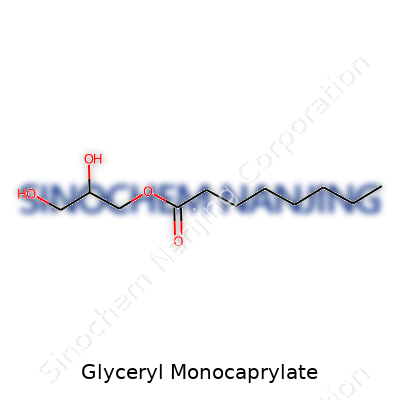
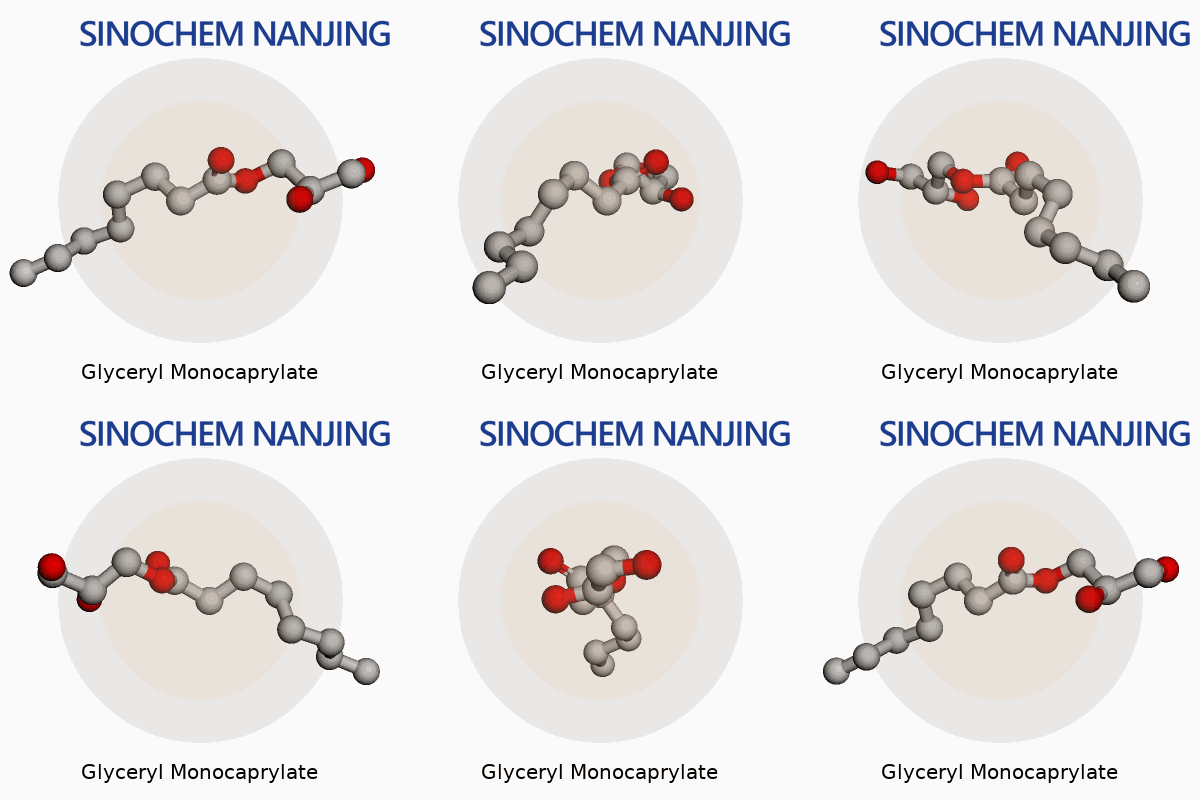
| Names | |
| Preferred IUPAC name | 2,3-Dihydroxypropyl octanoate |
| Other names |
Glyceryl 2-octanoate Monocaprylin 1-Glyceryl caprylate Glyceryl octanoate Glyceryl monoctanoate |
| Pronunciation | /ˈɡlɪs.ɪ.rɪl ˌmɒn.oʊˈkæ.prɪ.leɪt/ |
| Identifiers | |
| CAS Number | 26402-26-6 |
| Beilstein Reference | 3566819 |
| ChEBI | CHEBI:54693 |
| ChEMBL | CHEMBL514965 |
| ChemSpider | 71343 |
| DrugBank | DB11262 |
| ECHA InfoCard | ECHA InfoCard: 03c9bc17-3aaf-47d2-a9c2-a23aa3ab2d39 |
| EC Number | EC 204-780-2 |
| Gmelin Reference | 26257 |
| KEGG | C19665 |
| MeSH | Glyceryl Monocaprylate: "Glyceryl Monocaprylate"[MeSH] |
| PubChem CID | 8663 |
| RTECS number | MV8467000 |
| UNII | 30O6K8FZWA |
| UN number | UN3082 |
| CompTox Dashboard (EPA) | DTXSID3039246 |
| Properties | |
| Chemical formula | C11H22O4 |
| Molar mass | 230.34 g/mol |
| Appearance | White solid powder |
| Odor | Characteristic |
| Density | 0.97 g/cm³ |
| Solubility in water | insoluble in water |
| log P | 3.9 |
| Vapor pressure | Negligible |
| Acidity (pKa) | 14.38 |
| Basicity (pKb) | 9.62 |
| Refractive index (nD) | 1.4440 |
| Viscosity | 200-300 mPa.s (25°C) |
| Dipole moment | 2.87 D |
| Thermochemistry | |
| Std molar entropy (S⦵298) | 417.10 J·mol⁻¹·K⁻¹ |
| Std enthalpy of formation (ΔfH⦵298) | -696.8 kJ/mol |
| Std enthalpy of combustion (ΔcH⦵298) | –5988.8 kJ/mol |
| Pharmacology | |
| ATC code | A16AX30 |
| Hazards | |
| Main hazards | Causes serious eye irritation. |
| GHS labelling | GHS07, GHS08 |
| Pictograms | GHS07 |
| Signal word | Warning |
| Hazard statements | H315: Causes skin irritation. H319: Causes serious eye irritation. |
| Precautionary statements | Precautionary statements of Glyceryl Monocaprylate: "P261, P264, P271, P272, P273, P280, P302+P352, P305+P351+P338, P362+P364, P333+P313, P337+P313, P501 |
| NFPA 704 (fire diamond) | 1-1-0 |
| Flash point | ≥ 110 °C |
| Lethal dose or concentration | LD50 (Rat, oral): > 5000 mg/kg |
| LD50 (median dose) | LD50 (Rat, oral): 5,000 mg/kg |
| PEL (Permissible) | Not established |
| REL (Recommended) | 3 mg/kg bw |
| IDLH (Immediate danger) | Not established |
| Related compounds | |
| Related compounds |
Glyceryl monostearate Glyceryl monolaurate Glyceryl monocaprate Glyceryl monooleate Glyceryl monopalmitate |



