Ferrous Sulfate: More Than Just Rust in a Jar
Historical Development of Ferrous Sulfate
Some chemicals have written themselves into human history for thousands of years, etching marks in everything from medicine to industry. Ferrous sulfate is one. Old manuscripts show how alchemists mixed iron with sulfuric acid, chasing vibrant pigments for ink and early dyes. As far back as the Middle Ages in Europe, ferrous sulfate—also known as green vitriol—turned up in manuscript inks and textile mordants. The early drive to keep documents legible and fabrics colored helped turn this compound into a staple of pre-industrial chemistry. Later on, during the Industrial Revolution, ferrous sulfate earned respect as both a byproduct and an ingredient, appearing in iron refining and fertilizer production. By the 20th century, manufacturers found ways to purify it for specific uses in agriculture, food fortification, and pharmaceuticals, making this familiar green salt a quiet constant in many industries.
Product Overview and Its Everyday Reality
Known by chemists as iron(II) sulfate, ferrous sulfate usually shows up as pale green crystals. Despite its humble looks, this compound lands in fertilizer bags, water treatment plants, and even bottles of iron supplements at the pharmacy. It shows up as heptahydrate for most users, meaning each molecule links with seven water molecules. The product lays claim to a reputation for boosting plant growth by supplying iron in a form roots can take up, while it also serves a bigger role in treating iron-deficiency anemia across the globe. I’ve seen its presence in everything from sugar beet leaves to glass bottles wrapped in pharmacy labels—clear proof of its everyday utility.
Physical & Chemical Properties
Ferrous sulfate’s physical properties come straight out of a chemistry textbook, but you don’t need a lab to see them. It looks like blue-green crystals, easily soluble in water. Taste isn’t pleasant—metallic and a little bitter. At room temperature, it stays solid, but given a bit of humidity, those crystals turn moist and clumpy. The real action comes with heat; ferrous sulfate crystals lose water as steam, leaving behind a different color and composition. Exposed to air, it darkens, forming ferric sulfate as it oxidizes. The iron(II) ion inside drives both utility and caution. It plays well as a reducing agent, which is why it gets invited to treat water by taking out pesky contaminants like chromium and phosphates. Chemistry students remember it for helping show off classic color-changing reactions. Its ability to supply iron without too much fuss gives it a unique spot between versatility and risk.
Technical Specifications & Labeling: Why They Matter
Coming up through scientific labs and industry, I’ve run into many times when the details on a label made all the difference. With ferrous sulfate, purity makes or breaks its safe use, especially in food or drug applications. Pharmaceutical-grade products face stricter limits on heavy metals, contamination, and particle size than industrial batches for wastewater treatment. Solubility, pH range, and stable hydration state work as guideposts. The importance of clear labeling can’t be overstated, especially in agriculture and pharmaceuticals. I’ve seen cases where labeling overlooked simple pH values or hydration states—errors that caused headaches in downstream processing. Regulatory hoops from organizations like the U.S. Pharmacopeia or European authorities reflect the compound’s wide use and the risk associated with wrong dosages or environmental releases.
Preparation Method: More Than Mixing Chemicals
Most ferrous sulfate in commerce still comes from old-fashioned chemistry—think iron filings dumped into sulfuric acid, followed by a filtering and slow crystallization. I watched this reaction in college chemistry labs, where it formed classic blue-green crystals lining the bottom of glass beakers. At a larger scale, this process gets controlled for purity and profitability. Other processes piggyback on mining or steel production, grabbing ferrous sulfate as a byproduct. In both cases, the focus stays on maximizing iron extraction while minimizing unwanted elements like lead or arsenic. Water plays a silent but critical role, arriving as hydration in the final product and affecting crystal size, storage, and solubility.
Chemical Reactions & Modifications
Ferrous sulfate doesn’t just sit on a shelf—it reacts, shifts, and sometimes raises a fuss. Its tendency to oxidize under air means storage matters, especially for labs that demand the iron(II) form for precise reactions. Adding an alkali, like sodium carbonate, drops out iron(II) carbonate—another useful compound. Mix ferrous sulfate with potassium permanganate, and you get an instant demonstration of redox chemistry. In water treatment, people often blend ferrous sulfate with lime or chlorine to remove impurities. Some industries modify ferrous sulfate for slow-release forms in specialty fertilizers, blending it into granules to give crops a steady iron supply. This pattern of modification keeps the compound relevant, flexible, and profitable as needs shift.
Synonyms & Product Names: Not Just "Ferrous Sulfate"
Any chemical with a long history collects names. Ferrous sulfate goes by green vitriol, copperas, melanterite, and iron(II) sulfate. Each points to a particular context—historical, mineralogical, or scientific. Pharmaceutical bottles show terms like "ferrous sulfate heptahydrate" or abbreviations like FeSO4, sometimes causing confusion in non-specialists unfamiliar with the codes. Behind the scenes, the same substance pops up under trade names in fertilizers and animal nutrition products, each name targeting a slightly different customer—even though the iron source remains nearly identical.
Safety & Operational Standards: Everyday Caution
Decades of use have shown that ferrous sulfate isn’t the most dangerous compound, but it’s far from harmless. Swallowing too much or mishandling large quantities causes vomiting, irritation, or worse. Anyone working with dust needs gloves and face protection to keep the powder out of eyes and lungs. In water treatment and agriculture, improper storage leads to caking, exposure, and unintended environmental release. Occupational safety rules from bodies like OSHA and recommendations from organizations such as the WHO mark out clear steps for storage, handling, and spill response. The need for clear personal protective equipment and safe storage isn’t just regulatory—I've seen minor carelessness cause big problems in processing plants or field storage sites. Ferrous sulfate's interactions with other chemicals—especially oxidizers—remind anyone working with it why safety data sheets remain close at hand.
Application Area: Where Iron Meets Need
Ferrous sulfate covers a lot of ground in daily life. Its largest slice lands in agriculture, where it treats iron-deficient soils and strengthens plant growth. With modern diets falling short in some places, ferrous sulfate steps in to boost iron levels in flour, cereals, and as a supplement for treating anemia. In municipal water treatment systems, it removes phosphates and limits algae growth, fighting an uphill battle against pollution. Textile industries once relied on it for centuries as a mordant and dye fixer; while new chemicals sometimes get the spotlight, ferrous sulfate sticks around for traditional techniques and specialty uses. Animal nutrition draws on it to fix iron levels in feed, helping prevent deficiencies in livestock. As technology advances, new applications—such as pigment manufacturing or even specialty electronics—keep cropping up, proof that old compounds can find new homes.
Research & Development: The Push for Improvement
Scientists keep looking for better ways to use, produce, or study ferrous sulfate. Researchers have dug into its bioavailability in food fortification, trying to increase iron absorption rates while cutting down on gastrointestinal side effects. Agricultural labs test controlled-release forms to fight off leaching and environmental runoff, hoping to reduce over-fertilization and the resulting water pollution. On the industrial side, new techniques pull higher purity iron(II) sulfate from recycled materials, cutting costs and environmental impact compared to mining iron ore. Clusters of academic studies focus on using ferrous sulfate for treating heavy metal contamination, both by direct precipitation and by encouraging bacterial reduction. These ongoing efforts aim to balance economic feasibility, environmental safety, and health outcomes—often by re-examining a well-known compound with new technologies and priorities.
Toxicity Research: Lessons from the Lab and the Field
Toxicity issues sometimes fly under the radar with common compounds, but ferrous sulfate reminds everyone that more is not always better. Iron overdoses have caused tragedies, especially among children who swallow supplements or spill storage containers. Toxicity research in the twentieth and twenty-first centuries pushed regulatory agencies to tighten up dosing recommendations, enforce child-resistant packaging, and revisit food fortification protocols. Animal studies show similar risks; livestock not monitored closely can suffer from iron overload, with harmful effects on liver and digestion. At the environmental level, runoff into streams causes worries about aquatic toxicity—fish and invertebrates can suffer when iron levels spike after heavy fertilizer use. Ongoing toxicology studies work to pin down safer thresholds, both for humans and ecosystems.
Future Prospects: Where Ferrous Sulfate Goes Next
Looking ahead, few compounds seem as ripe for reinvention as ferrous sulfate. As global agriculture faces tighter constraints on chemical fertilizer use and food security concerns rise, researchers develop iron sources that boost yield without causing environmental headaches. Some labs work on microencapsulated or nano-scale versions to improve uptake and cut runoff in both plant and human nutrition. In water treatment, engineers experiment with modified forms and delivery systems better suited for small-scale or decentralized use—especially in regions lacking big infrastructure. Environmental remediation continues to offer a frontier, with ongoing efforts to turn ferrous sulfate into a key player for in-situ cleanups of mine drainage or industrial spills. Alongside all this, the constant need to refine safety protocols and reduce health risks keeps the pressure on manufacturers and regulators. Ferrous sulfate, for all its ancient roots, won’t fade from the scene any time soon. Instead, its blend of affordability, reactivity, and adaptability points to a future where even old salts shape new solutions.
What is ferrous sulfate used for?
Iron Deficiency and Everyday Health
Growing up, I always saw those little brown bottles in my grandmother’s medicine cabinet. Later, I realized many folks use ferrous sulfate to treat low iron, better known as iron-deficiency anemia. If you ever felt tired for no obvious reason, had pale skin, or noticed your heart beating faster without exertion, iron levels might be the reason. Ferrous sulfate boosts the iron in your system and helps the body make healthy red blood cells, which move oxygen around. According to the World Health Organization, anemia impacts almost a quarter of the world’s population. Women, children, and older adults bear the brunt of it, so ferrous sulfate fills a real need. Doctors prescribe it to people after blood loss, or those dealing with certain chronic conditions, such as kidney disease.
Behind the Scenes in Agriculture
After learning about its use in medicine, I found its work in agriculture just as important. Plants get “chlorosis,” where leaves turn yellow. Usually, the soil lacks iron and crops start to suffer. Farmers sprinkle ferrous sulfate onto soil to help plants get enough iron. It’s not just for big farms. Even garden enthusiasts trust it to green up their lawns or give their roses a boost. Without a healthy dose of iron, crops struggle, so it turns out ferrous sulfate helps feed more than just people.
Keeping Water Clean
Digging deeper, I noticed cities depend on ferrous sulfate for clean water. Water treatment plants drop it into water supplies to remove hidden particles. It even helps get rid of dangerous pollutants like phosphates, which, when left unchecked, choke up rivers and lakes with algae. As climate change keeps water quality in the news, reliable, cost-effective chemicals like ferrous sulfate matter more than folks realize. I remember reading about algal blooms choking beaches and fishing waters; chemical treatment keeps disasters like this in check.
Tackling Rust and Odors
Nobody likes the look of rusty water stains in a tub. That's where ferrous sulfate quietly pitches in as a rust remover. From old pipes to machinery restoration, it cleans up problems before they get worse. Wastewater facilities also rely on it for something that often goes unnoticed—the rotten egg smell from hydrogen sulfide gas. Without some form of odor control, cities would smell awful, and property values would tank.
What Needs Attention
One concern that sticks out is dosing. Too much iron in one’s system causes stomach cramps, nausea, or more serious harm, especially for kids. Medical professionals always recommend following dosing instructions exactly as given. Still, low public education about iron overload leads to accidental poisonings every year, so better packaging and clearer warnings could save lives. In farming, overdoing it doesn’t help crops and could harm the soil balance or run off into rivers. Conversation about ‘responsible usage’ popped up among neighbors after storms washed fertilizer into local streams, causing fish kills. That’s why community workshops and school science lessons on safe fertilizer use pay off over time.
Smart Choices Build Safer Communities
Ferrous sulfate might seem simple at first glance, but its effects reach deep into our daily lives. From boosting energy when we wrestle with anemia to helping feed communities and creating safer environments, its value becomes clear. Whenever iron comes up—whether in a doctor's advice, a farmer's tool kit, or a city water bill—it serves as a quiet reminder that even basic minerals can make a difference. Putting energy into smarter practices, more transparent instructions, and stronger public outreach will keep its benefits on track for everyone who relies on it.
How should I take ferrous sulfate?
The Real Reason Behind Iron Supplements
Energy levels sometimes hit rock bottom and it’s not always laziness. I learned this during a rough patch in college, when dragging through a single lecture felt like climbing a mountain. My doctor checked my blood and pointed at the iron levels—way too low—for the third time that year. The fix? Daily ferrous sulfate tablets. Iron’s job in the body got clear real fast: it helps carry oxygen using red blood cells. Without it, breathing gets heavier and memory gets slower.
Ferrous Sulfate: Timing and Food Matter
Ferrous sulfate works best when the stomach is empty. You pick up the tablet, wash it down with water, and try to wait about an hour before eating. Many forget, but certain foods can block iron from getting into your blood. Coffee, tea, milk, and whole grains all get in the way, thanks to their compounds that lock up iron before your body can use it. Citrus juice, like orange, gets a thumbs up because vitamin C opens the gate for absorption.
Personal Hurdles Dealing With Side Effects
Stomach cramps and black stools often follow the first few days. I remember leaving class with a cramp so sharp it stopped me halfway down the stairs. Taking ferrous sulfate with a small meal helps, especially for folks with touchy stomachs like mine. My doctor stressed not to mix it with calcium pills or antacids; they just sabotage iron’s entry into your blood. For lots of people, a slow ramp-up—starting with half a dose, then working upward—keeps stomach chaos under control.
Mistakes and What Actually Works
Some skip doses or double up the next day, thinking more must be better. That approach usually ends in disappointment. Missing a single day does less harm than dumping two or three pills down at once, trust me. Overdosing iron can turn dangerous, leading to bigger problems than tiredness, especially for kids or anyone with heart issues. Doctors recommend sticking closely to their dose advice—it’s not about getting iron back fastest, it’s about letting your body catch up safely.
Good Habits Go Beyond Just Pills
Regular healthy meals matter as much as any supplement. Lean meats, beans, spinach, and lentils all offer a slow-and-steady iron boost. My own habit changed from snacking on chips to reaching for roasted chickpeas or a handful of pumpkin seeds. Combining these foods with vitamin C—tomatoes in salads, a squeeze of lemon over greens—built up my energy without depending entirely on tablets.
Solutions for Those Who Struggle
If you keep fighting side effects or if you keep forgetting tablets, liquid iron or slow-release pills can help. Writing daily reminders and linking the tablet to another morning ritual, like brushing teeth, can keep routines on track. Some need extra guidance, so pharmacists and dieticians become great sources of advice for tweaks that suit personal habits. No one likes swallowing medicine forever, so annual checkups let you cut down or stop once iron stores look steady again.
Everyone seeks ways to feel more energetic and alert, but shortcuts don’t work. Good habits, patience, and honest conversations with healthcare pros make the real difference.
What are the side effects of ferrous sulfate?
Iron Pills Aren’t Always Easy
Doctors hand out ferrous sulfate prescriptions for folks with low iron. On paper, it’s a simple pill—iron and a dose of hope for better energy. Once you start, reality hits quickly: your stomach’s not always happy. Ferrous sulfate often leaves people hunched over with belly pain and feeling queasy. Over my years working in community care, clients would grumble about the pill burning their stomach in the morning, a rude awakening compared to just a cup of coffee. Research backs up these complaints—about a third of folks taking iron supplements report gut problems. Some struggle with constipation, others race for the restroom thanks to diarrhea. These side effects aren’t rare numbers in medical journals. These are stories everyone with anemia or iron deficiency seems to know by heart.
Bathroom Troubles and Black Stools
Constipation feels like the most common villain with ferrous sulfate. It’s stubborn, uncomfortable, and sometimes sticks around no matter how much water or fiber you throw at it. I’ve seen patients cut their dose in half or stop taking the pill because they just can’t face another day of bloating and sluggish evenings. Diarrhea shows up for a smaller group but can still blindside you after a few days on the med. One detail often catches people off guard: that black stool. It’s unsettling to see your body change so fast—almost makes you want to call your doctor straight away. In most cases, this change comes from unabsorbed iron mixing with digestive juices. It’s harmless for most, but it can easily mask more serious issues like bleeding, especially for those with other health problems.
Taste, Nausea, and What’s in Your Mouth
Some folks just can't handle the taste of the pill—or the taste it leaves behind. There’s a notorious metallic flavor that sometimes haunts meals for the rest of the day. Nausea often tags along. Taking the pill without food seems to make this worse, but even with a meal, some can’t avoid that rolling stomach. For many, these symptoms send them looking for liquid iron or even chewable options, hoping for relief.
Allergic Reactions and Extra Cautions
On rare days I’ve met patients with a serious reaction: hives, swelling, or dizziness. Drug allergies always demand quick doctor attention. People with a history of stomach ulcers or inflammatory bowel disorders have more to lose from ferrous sulfate’s routine side effects. For someone with chronic conditions like Crohn’s or ulcerative colitis, one simple pill might create weeks of trouble.
Facing These Problems
Switching things up can ease the load. Doctors sometimes suggest taking the pill with a bit of food, or spreading out smaller doses through the day. Drinking more water and eating plenty of fiber-rich foods can fight constipation. Sometimes, the answer comes in changing the type of iron—or even looking at intravenous treatments, especially for those who never manage to tolerate pills.
Ferrous sulfate provides a simple fix for iron deficiency on paper, but life with these pills rarely plays out that smoothly. These side effects matter. They shape how people stick with treatment, how they feel day to day, and whether iron fixes more problems than it causes. Listening to stories, not just statistics, makes all the difference.
Can I take ferrous sulfate with other medications?
What Happens When You Combine Iron with Other Pills
Iron supplements, like ferrous sulfate, tackle low iron and help fight off iron deficiency anemia. Many folks need to take them for a stretch, sometimes daily. The tricky part comes in when this tablet meets other medications in your pill organizer. Mixing medicines sounds harmless, but certain combos lead to unexpected trouble—either blocking how much iron your body absorbs or turning your usual medication into less of a powerhouse.
Common Mistakes People Make
Growing up, my doctor explained why my morning tea made my iron pills work less effectively. Turns out, caffeine can trip up absorption. Calcium pills, antacids, and even some antibiotics do the same. It’s not always clear on the warning label, and most folks don’t have time to scan every mention of drug interactions on the pharmacy leaflet.
Doctors and pharmacists say: take ferrous sulfate two hours apart from calcium, antacids, thyroid medications, and certain antibiotics (like tetracyclines and quinolones). Iron can hog the spotlight, distracting from other pills and leaving you shortchanged on both.
Real Risks of Mixing Up Your Medications
Some people brush off these warnings, figuring the pills all end up in the same stomach anyway. Not true. A study in the Journal of Clinical Pharmacy found calcium can drop iron absorption by half or more if taken together. The CDC still points out, nearly 10 million Americans struggle with iron deficiency—not just from diet, but because the iron never had a fair shot.
On the other side, iron also acts like a magnet for certain meds. For example, when taken with levothyroxine for thyroid problems, iron builds a bond with the hormone pill. This bond keeps the thyroid medicine from doing its job, slowing down the body and making symptoms stick around.
Cues I Follow From the Experts
Taking these pills at breakfast or dinner sounds easy, but real life gets messy. Rushing out the door, you toss all your pills back at once. Later, the blood test still says “anemia.” In my experience, the reminders only worked after setting alarms on my phone—one for iron, another for the rest of my morning lineup.
Pharmacists break it down best: iron likes an empty stomach but might upset it. Orange juice can help, since vitamin C makes a good partner, helping with absorption. But dairy, coffee, and tea just get in the way. Medications for bones, thyroid, mood, or antibiotics need a clear lane—two hours before or after iron works best.
How to Keep Things Simple
Sorting out time slots for medicine feels overwhelming. One option? Talk it through with a pharmacist. They catch interactions quicker than most rushed doctor visits. Written pill schedules or pill organizers also help. Even a sticky note by the coffee pot does the trick.
Doctors want to know about every supplement or over-the-counter pill, not just prescription bottles. Skipping this step causes more harm than forgetting a single dose. Open conversation guards your health better than any supplement can.
Reading instructions, planning a routine, and honest talks with your care team keep any nasty surprises off your plate. Sometimes old habits need a nudge, but small changes pay off—better energy, fewer missed days, and an easier path for iron to do its work.
Who should not take ferrous sulfate?
Understanding the Basics of Ferrous Sulfate
Ferrous sulfate treats iron deficiency—a common type of anemia for many people. Iron gives your red blood cells a boost, helping ferry oxygen through your body. Doctors often recommend this supplement when blood tests reveal someone's iron levels crawled too low. As with many medical treatments, ferrous sulfate isn’t for everyone.
Conditions That Stop Ferrous Sulfate from Helping
Some folks actually run into bigger problems by taking iron supplements. One clear example comes from anyone who deals with a genetic disorder called hemochromatosis. In this condition, the body’s iron stores climb far too high. Loading up with ferrous sulfate only adds fuel to the fire. Over time, excess iron can threaten organs like the liver and heart. Hemochromatosis affects about one in every 200 people in the United States—most don’t know about their risk until symptoms get serious. Regular blood tests guide the way on whether iron is a friend or foe.
People with other iron overload syndromes need to skip ferrous sulfate too. Thalassemia and sideroblastic anemia cause the body to mishandle iron. Supplements may raise blood iron to dangerous levels. Sometimes I’ve seen patients in the ER who felt tired and grabbed iron pills off the pharmacy shelf, only to grow much sicker by ignoring an underlying genetic diagnosis. It’s smart to check with a doctor before reaching for that bottle.
The Gut Tells Its Own Story
Inflammatory bowel diseases like Crohn’s or ulcerative colitis can make iron tricky. Iron pills often worsen nausea or cramps. Sometimes, they trigger flares that outweigh any benefits gained. Alternatives exist, like IV iron, which works around the digestive tract entirely, but that calls for specialist advice. Anyone who’s ever battled stomach ulcers or gastritis feels wary when a supplement brings discomfort. A friend shared how even a simple iron tablet brought back waves of stomach pain, making daily life tougher instead of better.
Absorption Issues: Medicines and Diet Interference
Calcium-heavy antacids, certain antibiotics, and even thyroid medications break up iron absorption or can clash with iron in ways most people never learn about until they read the fine print—or talk to their pharmacist. Polypharmacy, or taking many medications at once, opens the door to hidden problems.
Kidney disease shapes iron use in a unique way. Failing kidneys don’t process minerals efficiently. Extra iron may build up or just end up useless. Patients on dialysis often require different dosing or alternate forms of iron. Doctors in kidney centers adjust doses carefully, watching lab work every few weeks.
Children and Ferrous Sulfate: Extra Caution Needed
Iron is vital for kids’ brain growth, but too much—especially by accident—turns dangerous fast. Iron poisoning counts among the top causes of accidental poisoning deaths in children under five. Pill bottles need childproof caps, and iron never belongs in the reach of toddlers.
Better Solutions Start with Personal Medicine
Nobody fits a standard textbook picture; personal history and current health guide the best choice. Simple blood tests, thorough medication lists, and honest conversations with healthcare professionals draw out whether ferrous sulfate will help or hurt. For some, treating iron deficiency deserves a tailored plan that uses food sources, slow-release tablets, or monitored injections.
Talking through concerns with a trusted clinician beats guessing every time. Caring for your own health (and loved ones) means double-checking before starting any supplement, especially one as potent as iron.
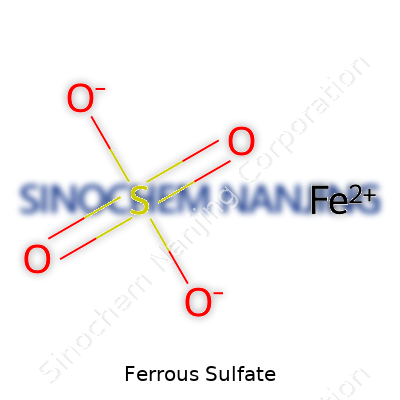
| Names | |
| Preferred IUPAC name | iron(II) sulfate |
| Other names |
Iron(II) sulfate Green vitriol Copperas Iron vitriol Melanterite |
| Pronunciation | /ˈfɛr.əs ˈsʌl.feɪt/ |
| Identifiers | |
| CAS Number | 7720-78-7 |
| Beilstein Reference | 1721310 |
| ChEBI | CHEBI:75832 |
| ChEMBL | CHEMBL1201533 |
| ChemSpider | 22966 |
| DrugBank | DB01077 |
| ECHA InfoCard | ECHA InfoCard: 035f0b8a-760a-4c3d-9a9c-d6a297d30448 |
| EC Number | 231-753-5 |
| Gmelin Reference | 13611 |
| KEGG | D01744 |
| MeSH | D017376 |
| PubChem CID | 24393 |
| RTECS number | NO4565500 |
| UNII | VGB4R7V0ZL |
| UN number | UN3077 |
| Properties | |
| Chemical formula | FeSO4 |
| Molar mass | 151.91 g/mol |
| Appearance | Light green or bluish-green crystalline powder. |
| Odor | Odorless |
| Density | 2.84 g/cm³ |
| Solubility in water | soluble |
| log P | -4.0 |
| Vapor pressure | Negligible |
| Acidity (pKa) | 1.99 |
| Basicity (pKb) | ~8.79 |
| Magnetic susceptibility (χ) | +460.0e-6 cm³/mol |
| Refractive index (nD) | 1.82 |
| Dipole moment | 0 D |
| Thermochemistry | |
| Std molar entropy (S⦵298) | 151 J⋅mol⁻¹⋅K⁻¹ |
| Std enthalpy of formation (ΔfH⦵298) | -924.7 kJ/mol |
| Pharmacology | |
| ATC code | B03AA07 |
| Hazards | |
| Main hazards | Harmful if swallowed. Causes skin and eye irritation. May cause respiratory irritation. |
| GHS labelling | GHS07, GHS08 |
| Pictograms | GHS07, GHS08 |
| Signal word | Warning |
| Hazard statements | H302: Harmful if swallowed. |
| Precautionary statements | P264, P270, P273, P280, P301+P312, P305+P351+P338, P330, P337+P313, P501 |
| NFPA 704 (fire diamond) | 2-0-0 |
| Lethal dose or concentration | LD50 oral rat 319 mg/kg |
| LD50 (median dose) | 319 mg/kg (oral, rat) |
| NIOSH | WN8400000 |
| PEL (Permissible) | 15 mg/m³ |
| REL (Recommended) | 200 mg |
| IDLH (Immediate danger) | 250 mg/m³ |
| Related compounds | |
| Related compounds |
Iron(II) chloride Iron(III) sulfate Ferrous fumarate Ferrous gluconate Ferrous succinate Ferric sulfate Iron(III) chloride |



