Ethylene Glycol Monobutyl Ether: More Than a Solvent
Historical Pathways and Present-Day Use
People rarely think about the journey a chemical takes from discovery to its spot on warehouse shelves. Ethylene glycol monobutyl ether, known to many as 2-butoxyethanol, didn’t spring up overnight in labs or factories; its story stretches back to the middle of the last century, closely tied to growing interest in glycol ethers. Production scaled up as industry folks realized they could lean on it for cleaning, degreasing, paint thinning, and at times, textile processing. Paint shops buzzed with its unmistakable scent, and janitorial closets have stocked it as a dependable general-purpose cleaner. Even today, it pops up in formulations for household cleaning, industrial manufacturing, and many walks of economic life.
Product Overview and Physical & Chemical Identity
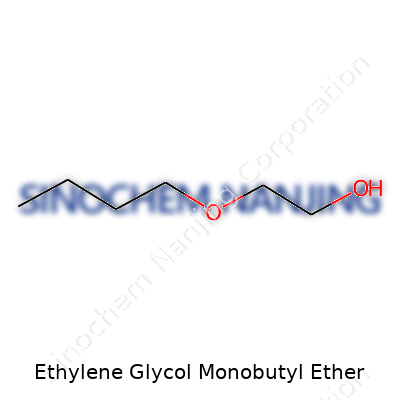
This liquid brings to mind a faint sweet smell, with enough volatility that it slips quietly from water into air. At room temperature it pours clear and colorless. Like many glycol ethers, it blends with water and most organic solvents, a feature that appeals to manufacturers who want something flexible on their ingredient list. Chemically, we talk about a formula similar to C6H14O2, a structure with real knack for dissolving both polar and nonpolar substances. There’s a reason it slides so smoothly into cleaning product recipes: most grease, grime, and adhesives retreat quickly when exposed to it.
Behind the Label: Specifications and Naming
One scan of the label and you see several familiar names—2-butoxyethanol, EGBE, ethylene glycol n-butyl ether. If your ears perk up at chemical code numbers, CAS 111-76-2 sometimes sits in the fine print. Safety labeling can vary, though most countries ramp up warnings for skin, eye, and inhalation exposure. In industry chat, folks often abbreviate or stick to trade names, which makes it crucial for researchers and workers alike to double-check which compound they’re dealing with before starting a project or experiment.
Rolling Up Sleeves: How It’s Made
Ethylene glycol monobutyl ether’s preparation leans on old-school organic chemistry, relying mainly on the reaction of butanol with ethylene oxide. Processors blend these components—one is a simple alcohol, the other a reactive epoxide—under close control of temperature and pressure to encourage attachment at just one spot on the butanol molecule. This method brings a decent yield for each batch and the process doesn't eat up inordinate resources. Engineers and chemists focus on purity, tweaking operating conditions to limit side products that can gum up quality or safety down the line.
Chemical Relationships and Twists
Most glycol ethers share a common backbone, and the reaction options for ethylene glycol monobutyl ether run deep. It reacts with strong acids, oxidizers, and forms esters in certain chemical environments. Folks in applied chemistry sometimes tweak its molecular structure to dial in performance for specialized applications—perhaps adding length to its chain, or switching up an alcohol group. Tinkering with its structure often leads to a trade-off between volatility, solvency, and safety hazards, something materials scientists tangle with when aiming for innovation.
Everyday Risks: Safety and Standards
Some users give this solvent the side-eye for good reason. The stuff can pass through skin and wind up in the blood, and inhalation leads to headaches, nausea, or more troubling effects at higher exposures. Popular industry and public health groups hammer home the message: gloves, goggles, and plenty of ventilation take top priority whenever using this material. Over time, standards have tightened, and countries like the US and members of the European Union require strict exposure limits. Factory workers and janitors remember incidents where lack of ventilation led to real harm, a reminder that chemical convenience often comes with health baggage.
Where It Ends Up: Application Scope
Look around any place that sparkles from cleaning and polishing, and odds are high you’re seeing the impact of this solvent. It flows through industries touching everything from printing inks to pesticides. Painters like it because it helps paint flow across a surface with less streaking. Cleaners value its degreasing strength, cutting through oily film that water alone can’t budge. Textile manufacturers, electronics handlers, even some pharmaceutical makers dip into this resource, balancing the benefits against careful management of risk. While alternatives have gained ground due to safety concerns, cost and performance keep ethylene glycol monobutyl ether in circulation.
Research and Technical Curiosity
Current research into this glycol ether tracks two main goals: safer use and smarter substitutes. Toxicologists and occupational safety scientists run studies on exposure routes—skin absorption, inhalation, long-term reproductive risk. Formulators in green chemistry look at plant-based or less hazardous replacements, but the versatility and solvency profile of glycol ethers slows the scramble to ditch them. Even so, industry groups pump funds into studying ways to wring better safety out of existing processes—whether by improving ventilation systems, updating protective equipment, or inventing warning sensors that work in real time.
Hazards on the Table: Toxicity Data
Animal studies and clinical reports ring alarm bells about this chemical’s potential to harm blood, kidneys, and reproductive organs after repeated or high-dose exposures. Regulatory agencies like the US EPA and the EU’s REACH framework have searched the data and enforced strict concentration limits in consumer and worker products. Acute effects—skin burns, eye irritation, even central nervous system symptoms—sit high on safety checklists. Epidemiological research points to patterns in long-term health for custodians or factory workers; some articles tie high exposure to anemia or developmental defects, making medical surveillance a must in environments where this solvent gets heavy use.
Heading Forward: New Avenues and Improvements
The chorus for safer substitutes keeps growing as consumer awareness sharpens and legal limits tighten. Companies still committed to glycol ethers focus efforts on waste recovery, scrubbing exhaust air before it leaves the factory, and retooling recipes for reduced toxicity without losing cleaning power. The future of ethylene glycol monobutyl ether ties itself to broader shifts in industrial chemistry—calls for greener ingredients push both innovators and old-guard factories to share data and compare alternatives. It may hold its place for years to come, but its ultimate future will depend on inventors finding replacements and on policymakers setting the boundaries that aim to keep both workers and consumers out of harm’s way.
What is Ethylene Glycol Monobutyl Ether commonly used for?
Everyday Products That Rely on a Powerful Solvent
Ethylene glycol monobutyl ether, often called butyl cellosolve, turns up in places most people never notice. Take a look under your sink. Cleaning sprays, degreasers, and glass cleaners often depend on this chemical. It helps dissolve tough spots and oily stains that water alone refuses to budge. Laundry pre-treaters draw on it too, helping break apart greasy marks on shirts or uniforms.
Factories love it just as much. Painters know it helps paint flow smoothly across a surface and keeps it from drying too fast. Coating factories depend on it to stop everything from wood stains to varnishes from clumping or drying in the middle of the job. I’ve seen how it gives a smooth finish that customers notice right away.
Behind the Scenes in Industry
Working in a facility that handled heavy machinery, I saw crews use butyl cellosolve to clean engines caked with oil and dirt. Mechanics liked how it cut down scrubbing time and reduced the risk of residue. This solvent pulls oil off metal parts so repairs become quicker and safer. Tank farms use it in massive amounts to keep storage containers clean between loads, and in pipeline work, it helps remove stubborn build-up before new products move through.
Printing presses rely on it to keep rollers and parts ink-free. Printers prefer fast turnarounds, so a solvent that wipes away ink residue without harming the equipment brings real value. Lithography shops trust it, too, since it stops ink and toners from drying out and ruining production runs.
Health and Safety: The Other Side
Even though butyl cellosolve seems like a workhorse, it carries risks. Prolonged contact can irritate the skin and eyes, and breathing in vapors for too long causes headaches or more serious problems. Factory floor managers address these risks with strict handling rules. Workers wear gloves, goggles, and use ventilation to cut down on exposure. I’ve seen experienced staff train every new team member, making sure nobody takes shortcuts with safety.
Healthcare researchers still debate the long-term impact of repeated exposure. The National Institute for Occupational Safety and Health (NIOSH) urges employers to keep concentrations low and recommends good ventilation wherever it gets used. The US Environmental Protection Agency keeps it under review for environmental concerns, too, since runoff might end up in rivers.
Finding Better Solutions
Many companies have started looking for greener alternatives to butyl cellosolve. Some try to reduce how much they use by switching to concentrated formulas, reducing waste and exposure at the same time. Cleaning product makers, especially those working with school districts or hospitals, have begun introducing plant-based solvents wherever they work just as well. In shops and factories, crews keep the areas well-ventilated and rotate duties to limit long shifts near strong solvents.
Checking labels on cleaning products makes a difference for people with sensitivities. At home, swapping old chemical cleaners for new greener choices lowers risk, especially for families with children or pets. Clear labeling, public awareness, and research help people find the safest and most effective products for the job.
Is Ethylene Glycol Monobutyl Ether hazardous to health?
The Role of Everyday Chemicals
Spend enough time around cleaning products, paint strippers, or industrial solvents, and you’ll come across long chemical names. One that keeps popping up is Ethylene Glycol Monobutyl Ether — sometimes called 2-butoxyethanol. Many people have handled products containing it without knowing what sets it apart. Yet, those moments in the garage, the laundry room, or on the factory floor matter more than most folks realize.
This solvent helps dissolve stains and make paint glide on smoothly. Industries lean on it because it does a job water alone just can’t handle. Its ability to cut through grease has kept houses, cars, and workspaces looking sharp for years. I can’t count how many times I’ve used heavy-duty cleaner on stubborn oven grease, rarely pausing to check the label. The familiar smell in the air signals that strong chemicals are at work.
Looking Past the Label
Ethylene Glycol Monobutyl Ether doesn’t announce its presence with the kind of warnings people see on bleach bottles. There’s no splash of color screaming “Danger.” It slides into products under names that sound gentle: all-purpose cleaner, glass cleaner, degreaser, brake fluid. Yet, the risks shouldn’t get buried beneath convenience and slick marketing.
Real concerns show up if this chemical touches skin, gets inhaled during spray cleaning, or spills in an enclosed space. Short-term exposure leads to eye and nose irritation, headaches, or dizziness. I’ve seen folks leave a cleaning shift rubbing their eyes or fighting off a headache, not realizing fumes built up over hours of work. Data from the US Environmental Protection Agency confirms that higher or repeated exposures can pack on health issues. In laboratory animal studies, breathing in large amounts affected red blood cells and led to damage in the liver and kidneys.
Why Personal Experience Matters
Spending years around amateur auto repair and handyman projects, friends and I often traded stories about headaches after a long day in a closed garage. Only after looking up the ingredients did connections get made between those symptoms and unventilated, chemical-laden air. Some of us tried to “tough it out,” thinking a little discomfort couldn’t hurt. New information eventually changed our habits.
The National Institute for Occupational Safety and Health recommends keeping airborne concentrations low and using gloves and eye protection. Safeguards like wearing a mask or opening windows make a difference, especially for those with asthma or sensitive skin. Many people ignore safety sheets, thinking only strong acids or ammonia deserve respect. Years of experience show that less dramatic chemicals still sneak up with health consequences if used carelessly.
Factoring in Policy and Public Safety
Factories push to keep workplace exposure low, relying on clear safety data and worker training. At home, most people miss out on that education and reach for products out of habit. It’s hard to expect everyone to run a fume hood or wear gloves for every small chore, but a lot can be done to raise awareness. More labeling transparency, school and workplace training sessions, and wider distribution of safety sheets won’t eliminate all risk, but they shift the odds in our favor.
Consumers now favor products marketed as “green” or “non-toxic.” While that trend often means fewer harsh solvents in stores, it’s not safe to assume every cleaner without a harsh smell is risk-free. Reading beyond the front label and staying informed pays off in more ways than one. A few smart habits — fresh air, gloves, and awareness — go a long way toward avoiding surprise headaches, irritated skin, or worse.
How should Ethylene Glycol Monobutyl Ether be stored?
Why Attention to Storage Can’t be Skipped
Every time someone brings up chemical safety, I remember my first brush with a solvent spill. It took only a tiny mistake in labeling, but the fallout made me realize: mishandling chemicals like Ethylene Glycol Monobutyl Ether (EGBE) can create chaos. As a widely used solvent, EGBE pops up in everything from paint thinners to cleaning products. People often underestimate the hazards tied to storing it, until the warning smell or a leaking drum sets off a panic. This isn’t just about following some government rulebook — it’s about real risks to workers, property, and the neighborhood.
Storing EGBE: Lessons Learned on the Floor
A drum of EGBE doesn’t look threatening sitting in a warehouse, but those who’ve dealt with it know it can evaporate and create dangerous vapors. It will also eat away at some plastics, and rust untreated metal. I’ve watched big companies fail simple safety basics — and it cost them with fines, sick days, and insurance headaches.
Keeping EGBE in a tightly sealed, chemical-resistant drum or container makes a world of difference. Use stainless steel, polyethylene, or other approved materials. If someone grabs a container just because it’s empty and handy, leaks show up before the week is out. For liquids like this, vented caps help avoid dangerous pressure build-up, especially if storage conditions run warm.
Direct sunlight is never a good idea for EGBE. Heat speeds up evaporation, ramps up vapor pressure, and can make safety information outdated quickly. A lot of warehouse folks just stick solvents anywhere there’s space, but that almost guarantees trouble with volatile chemicals. Choose a cool, shaded spot — ideally, in a chemical storage room or flammable materials cabinet. It’s not about being fussy; it’s about minimizing risks for the long haul.
Don’t Ignore Ventilation
Stale air turns a minor leak into a big hazard. Good airflow pulls vapors away from people and reduces the risk of an explosive atmosphere near electrical gear. After an incident years ago in a small print shop, I watched how investing in exhaust fans paid off far more than the original cost in health and fire prevention. Anyone storing EGBE can learn from that lesson.
Label Everything Clearly
Unlabeled chemicals mean confusion and danger. Label each EGBE container with the substance name, hazards, handling recommendations, and emergency contact info. Too many workers end up breathing in fumes because the label fell off, or someone grabbed the wrong drum. I’ve always pushed for waterproof labels secured with transparent tape, just to stop minor spills from wiping out crucial details.
Deal with Spills and Waste the Right Way
Have absorbent materials, gloves, and goggles nearby. Spill response kits should sit within arm’s reach wherever EGBE gets stored. Dispose of waste and empty containers as hazardous waste. I’ve seen what happens when someone dumps solvent waste down the drain, hoping no one will notice. Problems don’t go away — they just get bigger and harder to manage later on.
Training Makes a Difference
People working near EGBE need access to training. There’s no magic in a safety manual; repeated and focused training saves lives. Understanding symptoms of overexposure, or knowing where to find the eyewash station, stays with you much longer after a real scare.
Final Thoughts: Storage Isn’t Optional
Careless storage always comes back to bite. Preventing headaches, lawsuits, or injuries isn’t about paranoia. It’s about respect — for the chemical, for the workplace, and for the people who go home at the end of the day.
What are the safety precautions when handling Ethylene Glycol Monobutyl Ether?
Direct Contact Brings Real Risk
Getting EGBE on your skin or in your eyes burns. Even a brief touch can lead to redness or swelling. This chemical slips past normal skin defenses and can travel deeper, bringing headaches, nausea, or worse. At my first job in manufacturing, I noticed experienced operators grabbing long gloves before even opening a gallon jug. They’d seen coworkers wind up in the on-site clinic just from skipping that step. Nobody shrugged off goggles, either. Even tough crew members—who thought splashes “probably won’t happen”—wound up with irritated eyes after unexpected spills. Once you see a peer sent home, you double-check your own gear every time.
Ventilation isn’t Optional
There’s a sharp, unpleasant scent when EGBE is around, which tipped me off that the air wasn’t perfect in our old shop. I didn't appreciate that headaches or dizziness could mean I’d already inhaled more vapor than is safe. Facts from the CDC pin the legal airborne limit at 50 ppm. Open windows or fans don’t cut it unless you get real airflow. Setting up a proper hood or exhaust fan means you’re not rolling the dice with your nervous system. No one likes headaches or coughing fits ruining a shift.
Gloves Can Save Your Hands
Cotton gloves won’t block EGBE. The stuff soaks right through, then finds its way to your skin—and eventually into your blood. The warehouses where I worked only stocked nitrile or neoprene gloves for handling this chemical. There’s a good reason each box included sizing and disposal tips. I saw more than one rookie walk in without gloves and walk out regretting it. It’s not overkill to switch gloves at the first sign of a tear or damp spot.
Eye Protection Matters More Than You Think
Face shields and goggles got handed out along with warning stories. Folks who skipped them paid a price. A direct splash is incredibly painful and puts you out of commission. Even if you manage to flush your eyes right away, the rest of your day’s gone. The training videos hammered this point home, with examples of people who trusted safety glasses alone but needed better coverage for the occasional unpredictable spray.
Don’t Eat, Drink, or Smoke Near the Stuff
It’s too easy to grab a snack or smoke after working with EGBE. Contamination doesn’t always leave visible clues. Several health guides, including OSHA, warn that accidental swallowing—even in small doses—can cause liver or kidney issues. I learned to wash up at a dedicated sink reserved for the chemical area. Any shortcut can undo hours of careful work.
Storage and Clean-Up Make a Difference
Spills aren’t rare. The best facilities kept spill kits handy—absorbent pads, neutralizers, and clear instructions. Nobody waited till the end of the day. Bottles with tight lids, labeled with strong words and hazard icons, stay out of sight and away from regular work areas. It’s easier to prevent a disaster than to clean one up, and everyone on the crew picked up that habit fast.
Training Is Protection
Watching newcomers learn the ropes, it was easy to spot who really listened in safety meetings. The ones who paid attention never let their guards down. Getting familiar with an SDS doesn’t just tick a box—it shows you where danger lies, and reminds you not to get complacent. I’ve seen experienced workers revisit the basics after a close call. That humility keeps people out of the emergency room.
Small Habits Avoid Big Problems
A sharp memory and consistent habits separate safe workers from the rest. Every clean-up, each change of gloves, and every quick double-check of eyewear adds up. One careless day can mean weeks off work or a bigger health scare. That lesson echoed through every plant I set foot in, and still shapes how I handle risky chemicals at home or on the job.
Can Ethylene Glycol Monobutyl Ether be mixed with water or other solvents?
Understanding How These Chemicals Work Together
Ethylene glycol monobutyl ether, known by many as butyl cellosolve, lands in cleaning products, paints, and coatings because it gets things to blend and dissolve. Once, I watched a maintenance crew use a floor stripper that included this chemical. The guy explained how it helped break down wax quickly, thanks to how it combined with water in the bucket. That type of seamless mixing stands out for folks who need reliable results on tough jobs.
Mixing with Water: A Common Sense Approach
This solvent mixes with water in all proportions. Picture adding sugar to coffee: no matter how much you pour, it eventually dissolves. That’s what makes ethylene glycol monobutyl ether such a valued partner in cleaning agents and degreasers. The science backs this up: its structure contains both a hydrophilic (water-loving) and a lipophilic (oil-loving) part, which bridges the gap between greasy dirt and water-based cleaners.
Plenty of janitorial teams have relied on this compatibility to lift oils from tile floors or machine parts. Diluting it with water does not just save on the chemical for large jobs, but it also cuts down on fumes, which anyone working in a warehouse or school hall can appreciate.
Compatibility with Other Solvents
Experience in a paint shop proves you really notice how butyl cellosolve handles both water and organic solvents. When blending latex paint or certain varnishes, it keeps the finish smooth without separating. The molecular arrangement means it doesn’t pick favorites between water, alcohol, esters, or ketones. This comes in handy for formulating glass cleaners, graffiti removers, and polishers because you can adjust concentrations for the task at hand.
A key point: check the safety data before mixing it with strong acids, bases, or oxidizers. Most folks in the business know this from firsthand stories. One technician shared a tale of trying to mix it with sodium hypochlorite for an “extra powerful” cleaner—unsafe fumes followed, and that was the last time shortcuts trumped reading labels.
Health Considerations and Responsible Use
Using ethylene glycol monobutyl ether isn’t risk-free. Breathing in its vapors or getting it on skin can cause irritation. Proper ventilation and gloves end up as non-negotiable, and regular safety training helps avoid careless mistakes. Regulatory bodies like the EPA and OSHA give guidance on workplace concentrations. Some states push for safer alternatives in consumer products, like green solvents or mechanical cleaning, to reduce repeated exposure.
Talking with chemical suppliers, I often hear about efforts to design formulas that lower the amount of high-hazard ingredients. Advanced dilution systems and improved labeling also support safer mixing. Workers and homeowners both deserve equipment and information that help them handle solvents with care.
Practical Solutions for Safe Mixing
Stepping back, the smart move is to rely on up-to-date safety sheets, measure carefully, and avoid mixing with strong chemicals unless recommended by the manufacturer. Industries can offer more field-tested alternatives, while schools and offices can stick to premixed solutions with clear instructions.
In the end, ethylene glycol monobutyl ether offers flexibility. Mixing it with water and other solvents is straightforward—if users respect the science and the safety advice on the label. A little caution and knowledge go a long way toward getting the results people need without risk.
| Names | |
| Preferred IUPAC name | 2-Butoxyethan-1-ol |
| Other names |
2-Butoxyethanol Butyl cellosolve Butyl glycol Ethylene glycol butyl ether EGBE Glycol monobutyl ether |
| Pronunciation | /ˌɛθ.ɪˌliːn ɡlaɪˈkɒl ˌmɒn.oʊˈbjuː.tɪl ˈiː.θɚ/ |
| Identifiers | |
| CAS Number | 111-76-2 |
| Beilstein Reference | 741110 |
| ChEBI | CHEBI:40550 |
| ChEMBL | CHEMBL1359 |
| ChemSpider | ChemSpider ID: 7412 |
| DrugBank | DB06710 |
| ECHA InfoCard | 100.003.278 |
| EC Number | 203-905-0 |
| Gmelin Reference | 878 |
| KEGG | C01566 |
| MeSH | D005006 |
| PubChem CID | 8133 |
| RTECS number | KJ8575000 |
| UNII | T3I6XP3BH5 |
| UN number | UN2810 |
| CompTox Dashboard (EPA) | DTXSID3022902 |
| Properties | |
| Chemical formula | C6H14O2 |
| Molar mass | 118.18 g/mol |
| Appearance | Clear, colorless liquid with a mild, sweet odor |
| Odor | Mild, ether-like |
| Density | 0.900 g/cm3 |
| Solubility in water | Miscible |
| log P | 0.83 |
| Vapor pressure | 1 mmHg (20°C) |
| Acidity (pKa) | 15.0 |
| Basicity (pKb) | 1.00 |
| Magnetic susceptibility (χ) | -7.87×10⁻⁶ |
| Refractive index (nD) | 1.419 |
| Viscosity | 2.8 cP (20°C) |
| Dipole moment | 2.48 D |
| Thermochemistry | |
| Std molar entropy (S⦵298) | 309.4 J·mol⁻¹·K⁻¹ |
| Std enthalpy of formation (ΔfH⦵298) | -466.7 kJ/mol |
| Std enthalpy of combustion (ΔcH⦵298) | -3384 kJ/mol |
| Pharmacology | |
| ATC code | D07AX |
| Hazards | |
| GHS labelling | GHS02, GHS07 |
| Pictograms | GHS02, GHS07 |
| Signal word | Warning |
| Hazard statements | H226, H302, H312, H315, H319 |
| Precautionary statements | P280, P264, P305+P351+P338, P337+P313, P302+P352, P362+P364 |
| NFPA 704 (fire diamond) | 1-2-0 |
| Flash point | 60°C |
| Autoignition temperature | 225°C |
| Explosive limits | 1.1% - 10.6% |
| Lethal dose or concentration | Lethal Dose (oral, rat): 470 mg/kg |
| LD50 (median dose) | LD50 (median dose): 470 mg/kg (oral, rat) |
| NIOSH | K77000 |
| PEL (Permissible) | 50 ppm |
| REL (Recommended) | 5 ppm |
| IDLH (Immediate danger) | 700 ppm |
| Related compounds | |
| Related compounds |
Diethylene glycol monobutyl ether Ethylene glycol monomethyl ether Ethylene glycol monoethyl ether Propylene glycol monobutyl ether Butyl acetate |



