Ethylene Glycol Monobenzyl Ether: Progress, Applications, and Concerns
Historical Development
Back in the twentieth century, organic chemists began to look for ways to combine functional properties of alcohols with the solvency strengths of aromatic compounds. Ethylene glycol monobenzyl ether emerged out of this era, a product of laboratory curiosity and industrial ambitions. Discovery came on the heels of rapid developments in the petrochemical industry, where ethylene oxide and benzyl alcohol were readily available. Synthesis routes evolved, and soon the chemical found its place among the building blocks for specialty solvents. In the decades following World War II, demand grew in tandem with the rise of coatings, inks, and cleaning compounds, fields always on the lookout for solvents with an edge in solubility, evaporation rate, and compatibility.
Product Overview
Ethylene glycol monobenzyl ether stands out among glycol ethers as a clear, colorless liquid with a faint aromatic scent. Its chemical structure brings together the solubilizing power of an ether and the reactivity of a benzyl group. This has proven attractive to manufacturers aiming to fine-tune products for specific challenges in coatings, polymers, and electronics. The compound does not claim the spotlight like its more common cousins but steadily works in the background, giving paints their smoothness, helping electronics manufacturing keep up with fast-paced innovation, and boosting the performance of specialty cleaners.
Physical & Chemical Properties
This material features a boiling point in the range of 260°C, which keeps volatility manageable even in high-temperature applications. Its molecular weight falls around 180 g/mol, granting it a balance between evaporation and solvency. The ether group and benzyl moiety in its structure offer miscibility with a wide spectrum of organic liquids, though it resists blending with water. Density and viscosity make processing straightforward for most industrial systems. Chemical stability holds up under most conditions, but strong acids and oxidizers will chew through it, calling for careful storage.
Technical Specifications & Labeling
When companies bring ethylene glycol monobenzyl ether to market, they need to focus on purity. Trace levels of byproducts like unreacted benzyl alcohol or ethylene oxide can trigger safety or quality failures downstream. Most producers target purity greater than 99% and monitor for acidity as well as water content. Labeling reflects hazards such as skin and eye irritation, which are pretty well-documented. Compliance with both United States and European chemical hazard standards takes priority, pushing manufacturers to adopt clear, concise labeling that leaves little room for confusion during handling or transport.
Preparation Method
Ethylene glycol monobenzyl ether comes to life from the condensation of benzyl alcohol and ethylene oxide. The reaction sits right at the intersection of organic synthesis and process engineering, using acid or base catalysis in controlled environments. Careful management of temperature, pressure, and reactant ratios shapes the yield and quality of the final product. From my time working in chemical plants, dialing in reaction parameters often draws the line between a batch that passes QA and one that ends up as rework or waste. Efficient separation and purification, usually through distillation and washing, polish the product for sale.
Chemical Reactions & Modifications
Chemists value this molecule's capacity to undergo selective transformations. The benzyl group provides a foothold for further functionalization — think oxidation to benzaldehyde derivatives, or introducing halogen substituents to tailor reactivity for specialty materials. The ether link stands up to mild alkaline conditions but proves sensitive to strong acids, offering some room for post-processing modifications without risking destructive degradation. In industrial practice, this flexibility enables manufacturers to adapt their raw material stocks for evolving product demands.
Synonyms & Product Names
Industry shorthand often requires a bit of translation. Ethylene glycol monobenzyl ether turns up as EGMBE, Benzyl Cellosolve, or 2-(Benzyloxy)ethanol on labels and in technical conversations. Trade literature sometimes adopts shorter variants, folding it under broader glycol ether categories. Anyone walking into a lab or production floor should learn these alternate names — missing a synonym can cost time and lead to dangerous mistakes, especially with complex chemical inventories.
Safety & Operational Standards
Handling hazards do not live up to the acute toxicity seen with others in the glycol ether family, but neglecting basic precautions risks irritation, CNS effects, or longer-term health issues. Personal experience in industrial settings has hammered home the value of well-written and regularly updated safety protocols, complete with splash-proof goggles, gloves, and ventilation systems. Storage containers need tight seals, as slow evaporation can turn a routine shift into a health concern, especially if workers ignore engineering controls. United States OSHA standards and European REACH guidelines standardize most practices, but company-level rigor in implementation makes the real difference.
Application Area
At the ground level, ethylene glycol monobenzyl ether powers through a suite of applications. Industrial cleaning products — especially degreasers and surface prep formulas — rely on its blend of solvency and odor profile. Paint and ink makers draw on it for its leveling and drying properties, a lesson picked up in my own time troubleshooting coating defects. Electronics manufacturers turn to this chemical for its role in photoresist processing and specialty etching. It appears in specialty adhesives and resins, where it tweaks flow and wetting. What stands out is the adaptability: product engineers often retool formulas when other solvents fall foul of regulatory changes, using EGMBE as a bridging solution that keeps performance high without stepping over safety lines.
Research & Development
Current R&D makes a push for greener, safer solvent systems, leading researchers to experiment with glycol ether alternatives that promise lower toxicity or better biodegradability. Academia and industry alike pore over structure-activity relationships, hoping to tease out modifications that keep the perks while shaving off the risks. Analytical chemists put the molecule under the microscope to refine detection, monitoring, and clean-up methods—an outgrowth of tightening regulations on workplace exposure and emissions. Corporate R&D budgets increasingly allocate funds to study substitutes, but so far, very few match the performance profile afforded by the unique structure of this glycol ether. It's a tough balancing act: preserve function but shrink the health footprint.
Toxicity Research
For over 40 years, toxicologists have tracked the effects of glycol ethers on health. Concerns about reproductive toxicity with certain chemical cousins triggered compendia of studies covering cell culture assays, animal models, and worker health surveys. Ethylene glycol monobenzyl ether has not set off alarm bells as loudly, yet periodic reviews turn up low-level risks related to inhalation, skin absorption, and chronic exposure. Reports in open literature continue to nudge the conversation toward better workplace controls, routine health screenings, and the search for alternatives in consumer-facing products. Overdependence on historical toxicity findings risks leaving gaps; the field continues to push for updated longitudinal studies with modern exposure scenarios.
Future Prospects
Innovation never stands still. Global industry trends show a marked turn toward safe, sustainable chemistry. Pressure mounts not only from environmental campaigns but also from downstream users who refuse to compromise on worker safety or finished product safety. Ethylene glycol monobenzyl ether will likely face new restrictions or take a back seat to compounds engineered for lower risk, especially as analytical science gets better at tracing chemicals from factory floor to final fate in the environment. That said, a track record of reliability and adaptability counts for a lot. Its established role in niche industrial processes means that calls for elimination must be backed by viable alternatives. Looking ahead, more transparent communication between producers, users, and regulators can close information gaps, steer responsible use, and drive next-generation R&D. Continuous investment in greener synthesis and risk analytics offers the best bet for balancing innovation with human and environmental health.
What is Ethylene Glycol Monobenzyl Ether used for?
Behind the Science: What Makes This Substance Useful
Ethylene Glycol Monobenzyl Ether often flies under the radar compared to more talked-about chemicals, but conversations about solvents, especially in paints, coatings, and cleaning products, cannot leave it out. Some of us cross paths with it through products at hardware stores or through professional settings. Its main attraction comes from its unique solvent properties. Paint manufacturers pick it up because it can dissolve a wide variety of resins. Anyone who has spent time refinishing old furniture has probably seen how paint layers can behave stubbornly; without the right solvent, you get streaks, clumps, and wasted effort.
Real-World Uses and Personal Impact
Working in building maintenance for a few years, I encountered this chemical frequently through industrial cleaners. Facilities teams leaned on its capacity to break down grease and tough deposits that many water-based detergents just couldn’t tackle. In paint thinners, it kept finishes smooth and manageable even in tricky temperature shifts. Specialty inks and coatings for glass, metal, and plastics also rely on it for performance and consistency.
The story doesn’t end with coatings. pharmaceutical labs look for consistency and reliability in every ingredient. Here, Ethylene Glycol Monobenzyl Ether sometimes steps in as an intermediate in chemical reactions, helping create specific properties in active pharmaceutical ingredients. The demands of these products require strict attention to purity and trace residues, which is where the backed-up scientific literature comes into play. Research points out that it works well not just because of what it brings to a formula, but also how it leaves little behind that interferes with the end product.
Health and Environmental Concerns
Reading labels and safety sheets taught me the value of asking hard questions about what lands on your hands or lingers in the air. Ethylene Glycol Monobenzyl Ether, despite its usefulness, carries real health risks if mishandled. Inhalation and skin contact can cause irritation, headaches, and nausea. Chronic exposure brings more serious concerns. The EPA keeps it on their list of substances for monitoring, especially as more people push for safer workplace practices.
Groups like OSHA suggest gloves, respirators, and solid ventilation. This is not just bureaucracy. I’ve seen colleagues develop sensitivity after months of direct exposure, all because no one enforced proper training. Cleaner chemicals may cost more at the start, but the costs of neglect show up as worker compensation claims and long-term environmental cleanup bills.
Next Steps: Toward Safer Alternatives
Shops and manufacturers face tough calls. Alternative solvents exist, some with lower toxicity, but switching isn’t as easy as flipping a switch. Quality control, cost, and supply chain realities shape every decision. Teams serious about safety bring in industrial hygienists to evaluate risks and investigate substitutes. Community pressure and new regulations push for updates to material safety data and more transparent supply chains.
We all want products that perform as promised without nasty side effects. Companies investing in new testing methods and alternative materials stand out, earning trust and repeat business. Moving forward, encouraging research and supporting policies that value health alongside performance can help phase out the riskier chemicals without turning workplaces or job sites upside down.
What are the safety precautions when handling Ethylene Glycol Monobenzyl Ether?
Why Handling This Stuff Isn’t Like Handling Water
Anyone working in a lab or a workshop probably recognizes the name Ethylene Glycol Monobenzyl Ether (EGMBE), even if it sounds like something out of a chemistry textbook. Under that mouthful lies a solvent known to help with resins, inks, and cleaners. Touching or inhaling it, though, doesn’t come without a price. Skin irritation, headaches, dizziness, and even organ damage can sneak up on anyone who gets careless. So, looking at EGMBE as “just another solvent” often leads to trouble, and I’ve seen enough short sleeves and cut corners to know a little too much comfort is risky.
Personal Protection: More Than Just Gloves
Lab coats and gloves aren’t just for show. I learned early on in graduate school to treat chemical spills and splashes like they always find the bare skin you forgot to cover. Gloves made of nitrile block most of what EGMBE throws at them. Thin latex won’t cut it if you plan a long exposure. Face shields and goggles matter, too — more than once, I watched grown-ups rub their eyes with their bare hands after touching a chemical bottle. That mistake lands people at the emergency wash fountain faster than any pop quiz. Closed shoes and long pants should come standard in any space using EGMBE, and that counts more during summer’s slow cook in the lab.
Ventilation: Fumes Find a Way
EGMBE doesn’t fill the room with a strong smell, so people get tricked into thinking the air’s clean. Good ventilation, especially fume hoods, keeps vapors out of your lungs. Relying on open windows feels lazy. Vapor exposure builds up over hours and days, not minutes, and constant headaches tend to mean the fume hood isn’t running, or the filter’s shot. I’ve seen labs with jury-rigged fans rather than proper vented hoods, and it always leads to complaints or, worse, a health inspection ding. Reliable exhaust and regular checks keep the invisible stuff in check.
Spill Management: Fast Reactions Matter
Spills don’t wait for someone to check the manual. Fast cleanup starts with knowing where absorbent pads sit and how to use them. Disposable towels soak up small amounts, then head straight to the right hazardous waste bin. I’ve seen careless crews mop up EGMBE with ordinary paper towels, toss them in scrap bins, and create months of lingering vapor. For bigger spills, closing the room and calling trained folks makes more sense than trying to save time. Eye wash stations and showers need to be free, never buried behind boxes or wedged behind equipment. During my lab days, we ran through mock drills just to keep panic levels down when a bottle or beaker slipped.
Storage and Labeling: Clarity Beats Confusion
Kitchen pantries don’t mix cleaning supplies with snacks, and chemistry should work the same way. EGMBE likes dark, cool places, away from acids and oxidizers. Every container calls for clear, legible labels. If a bottle looks worn or sticky, it needs replacing. Mixing up clear chemicals by sight alone once led a colleague to pour the wrong solvent into a reaction — nothing exploded, but labeling saved the day before anyone tried to use the mixture again. Secure, upright storage, as boring as it sounds, saves both chemicals and people.
Training: Real World Over Theory
No one remembers every page in the safety manual, especially during a long workweek. Hands-on, regular training sticks way better than online quizzes and endless PDFs. Plenty of the worst accidents I came across happened because someone thought “It won’t happen to me.” Stories about close calls bring the point home more than any bolded rule. Managers who share practical lessons and encourage people to ask “What if?” wind up with safer, calmer teams.
What is the chemical formula and CAS number of Ethylene Glycol Monobenzyl Ether?
The Basics Up Front
Ethylene glycol monobenzyl ether, a substance with the chemical formula C9H12O2, carries the CAS number 14548-60-8. This chemical pops up in places most folks wouldn’t expect—laboratories, factories, and even behind the scenes of products people use every day.
The Appeal and Usefulness
This compound brings a special set of skills to the table. Manufacturers lean on it as a solvent and a chemical intermediate. It can dissolve fats, oils, and waxes with ease. Technicians pick it for cleaning solutions, while those working on coatings and inks prize its smooth dissolving power. I remember working in a small lab where we needed effective solvents for our analytical work. Ethylene glycol monobenzyl ether always outperformed common alternatives for dissolving stubborn substances while avoiding harsh odors.
Why Should Anyone Care About Its Formula and CAS Number?
The formula and CAS number aren’t just trivia for chemists. They keep industries organized and safe. In my own experience, even the smallest mistake in ordering chemicals—mixing up a formula or missing a number—can derail a whole project or introduce real safety hazards. This compound’s formula, C9H12O2, spells out exactly how many carbon, hydrogen, and oxygen atoms make it up. The CAS number is even more crucial. No matter where you are in the world, 14548-60-8 always points to the same chemical, no confusion, no guesswork. Regulatory bodies check these numbers against databases when handling import, usage, or disposal, helping workers avoid accidents and contaminations.
Risks and Safe Handling
Chemicals don’t deserve reputations as evil or harmless; safety depends on knowledge and care. Ethylene glycol monobenzyl ether has drawn attention in the workplace for possible health impacts. Prolonged exposure can irritate skin and lungs. Swallowing it can do much worse, risking damage to internal organs. One factory I visited had to adjust their ventilation systems after rising complaints of headaches and nausea among workers who handled similar glycol ethers. Proper labels, protective equipment, and fresh air in the workspace aren’t just recommendations—they prevent trips to urgent care and long-term harm.
The Evolving Regulatory Tide
Government agencies, including those in the United States and Europe, keep their eyes on chemicals with health risks. REACH rules in Europe demand safety data, accurate labeling, and clear documentation. Companies sometimes push back, arguing about costs, but I’ve seen firsthand how investment in compliance pays back by building trust with workers, customers, and the public. Regulations keep companies honest and remind everyone why precision matters in the chemical trade.
Safer Paths Forward
There’s a movement to replace hazardous solvents in many industries. Researchers keep testing safer alternatives with lower toxicity and less environmental impact. But many alternatives come with trade-offs—higher cost, less efficiency, slower drying times. For now, the best path lies in thorough training, clear communication, and reliable safety gear. Open conversations about workplace safety and easy access to data sheets bridge gaps between management and workers, and keep everyone in the loop.
Final Thoughts on Ethylene Glycol Monobenzyl Ether
Understanding both the chemical formula C9H12O2 and CAS number 14548-60-8 gives companies a head start in maintaining standards, protecting people, and keeping businesses thriving. It’s the practical details—not just the science—that turn chemical names into real-world safety and progress.
Is Ethylene Glycol Monobenzyl Ether hazardous to health or the environment?
An Often Overlooked Chemical
Walk through any industrial park or examine enough cleaning and manufacturing products, and you’ll spot a tongue-twister like Ethylene Glycol Monobenzyl Ether on the label. Used as a solvent in paints, inks, and cleaners, it’s one of those chemicals people encounter with little background on its real impact. Over years spent working around factories and small labs, I watched workers handle such solvents without much fuss. That easy comfort masks some genuine risks linked to this compound.
Health Risks in Everyday Settings
Ethylene Glycol Monobenzyl Ether has a knack for slipping through the skin or evaporating into the air, which means contact at work or home can happen more often than people think. Documented effects include irritation of the eyes, nose, and throat and, after regular contact, headaches and nausea. The U.S. National Institute for Occupational Safety and Health points out greater risks when people inhale concentrated vapors or if their skin holds the liquid too long.
The stuff doesn’t stop at irritation. Research shows that, at higher levels, exposure causes damage to red blood cells and can stress the kidneys and liver. Lab animals exposed over months developed changes in organ tissues, hinting at real trouble when safety steps get ignored. Some of the worst cases I’ve seen involve staff using strong degreasers in closed spaces, skipping gloves and skipping ventilation. Not surprisingly, those folks end up with health complaints nobody can pin on colds or the flu.
Community and Environmental Concerns
It’s tempting to think problems stop at the factory fence, but spills and improper disposal push ethylene glycol monobenzyl ether into soil and water. Once in the environment, it lingers for days and gets picked up by wastewater systems, adding stress to sewage treatment. According to the Environmental Protection Agency, the chemical breaks down fairly quickly, but not fast enough to prevent exposure to aquatic life and potential buildup in certain conditions.
I grew up close to an old railyard, where people worried more about the smell of oil than chemicals in runoff. Years later we learned that solvents like this one stuck around, affecting water bugs and fish populations. When these chemicals head downstream, small amounts can harm organisms vital to the food chain.
Current Rules and Gaps
The rules guiding how companies use and dispose of Ethylene Glycol Monobenzyl Ether usually focus on keeping levels below standard safety limits. Agencies such as OSHA list exposure limits for air in workplaces, but the standards often lag behind the fastest science or the realities of a busy shop floor. Many workers don’t get detailed info on the products, especially at small businesses where safety training slides to the back burner. My own jobs in small shops rarely involved chemical safety training beyond a faded poster in the break room.
What Can Make a Difference?
Chemical awareness saves health and money down the line. For companies, proper ventilation, labeling, and regular training prevent way more hassle than simply meeting a checklist. Substituting safer, less toxic solvents can cut future risks. At home, reading safety sheets on any product you don’t recognize and sticking to well-ventilated work areas makes a real difference.
Some states and countries are updating rules for industrial solvents, spurred by increasing evidence of long-term effects. Community pushes for better labeling, clean-up plans for spills, and open records on chemical usage help keep companies honest and neighborhoods safer.
How should Ethylene Glycol Monobenzyl Ether be stored and transported?
Why It Matters to Handle This Chemical with Care
Ethylene Glycol Monobenzyl Ether serves a role many might never see up close. It pops up in paints, inks, coatings and lab settings. Hidden from view, it helps make things work smoothly, but mishandling this chemical brings real problems. As someone who has worked in a facility using a wide variety of chemicals, I’ve seen both careless storage and the problems that follow. Leaks, skin irritation, fires—they’re all on the table if people take shortcuts.
Protecting Health by Storing Properly
The health angle makes this topic personal. Short-term exposure to Ethylene Glycol Monobenzyl Ether can irritate the skin, eyes, and respiratory tract. Over time, workers exposed day in and day out risk damage to their kidneys and liver. Packing this chemical in workplaces that keep ventilation poor and temperatures high makes it even riskier. That’s why locking this stuff up in closed containers, out of sunlight and heat, isn't just a good suggestion. It's the way to keep people safe.
I remember situations where someone tried to store containers near sources of heat to ‘save space’. Condensation built up inside the drum, corrosion started on the outside, and soon enough you’d smell a faint, sweet odor—a red flag. Good practice says cool, well-aired, and shaded storage areas work best. A label isn't enough; signs and emergency plans must back up the setup. OSHA and NIOSH spell out these rules for a reason, and people ignore them at their own risk.
Getting Transportation Right
Getting Ethylene Glycol Monobenzyl Ether from point A to point B sounds simple, until road conditions, container integrity, and poor loading raise the stakes. I once saw drums roll loose inside a flatbed, lids sprung from a rough patch of road. That costs time and money, but it can also trigger chemical spills or even fires.
Road, rail, and shipping operators have their regulations—DOT and IMDG guidelines set out thresholds and packaging standards. Only solid, sealed drums with clean, visible labels should go on any truck for transport. The chemical’s flammability means nobody wants it next to oxidizers or open flames. Tying down pallets tightly, double-checking manifests, and making sure drivers know emergency procedures all help lower the odds of disaster.
What Solutions Make a Difference?
Relying on training stands out. New hires in chemical plants or warehouses need more than just a quick tour. They need drills showing where equipment goes, what leaks look like, and who to call. Following up with regular inspections and maintenance keeps everyone alert.
Using modern spill containment gear—catch basins, absorbents, quick-seal covers—saves huge headaches down the line. Outdated containers create more risk than they’re worth. Digital tracking systems can flag shipments with missing paperwork or unsealed drums. Sharing this information on a live dashboard lets everyone—from forklift drivers to upper management—spot problems before they become disasters.
A commitment to safety and compliance makes sense beyond following rules or avoiding fines. Storing and moving Ethylene Glycol Monobenzyl Ether the right way protects lives and keeps business running. That kind of care, based on real-world experience and solid evidence, makes all the difference.
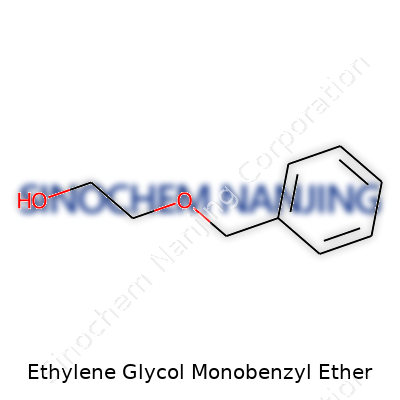
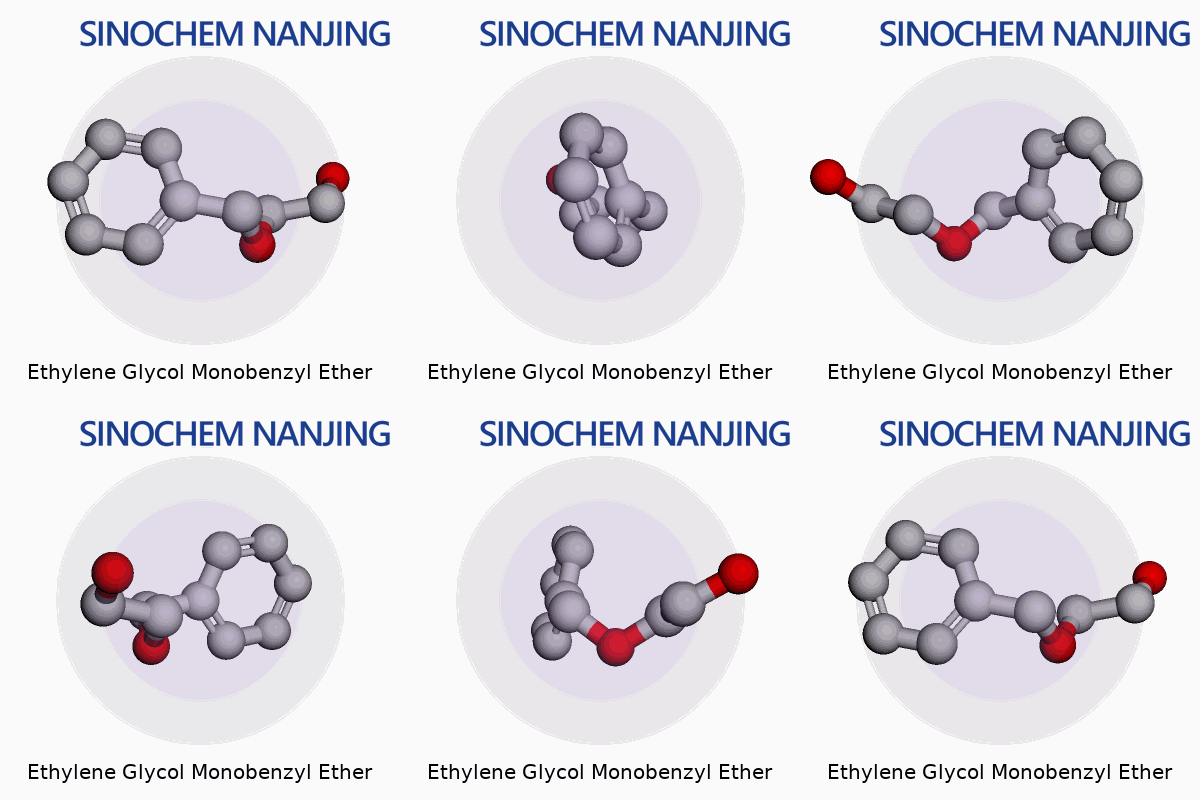
| Names | |
| Preferred IUPAC name | 2-(Phenylmethoxy)ethan-1-ol |
| Other names |
Benzyl cellosolve Benzyl glycol ether 2-(Phenylmethoxy)ethanol Ethylene glycol benzyl ether EGMBE |
| Pronunciation | /ˈɛθ.ɪ.liːn ˈɡlaɪ.kɒl ˌmɒn.oʊˈbɛn.zɪl ˈiː.θər/ |
| Identifiers | |
| CAS Number | 143-07-7 |
| 3D model (JSmol) | ``` PCOCc1ccccc1 ``` |
| Beilstein Reference | 2080861 |
| ChEBI | CHEBI:51206 |
| ChEMBL | CHEMBL1402114 |
| ChemSpider | 7591 |
| DrugBank | DB14162 |
| ECHA InfoCard | 05a1c4c1-6f92-4c71-9fbe-e3101a38cfc3 |
| EC Number | 202-589-1 |
| Gmelin Reference | 1043 |
| KEGG | C19329 |
| MeSH | D004990 |
| PubChem CID | 8876 |
| RTECS number | KH5950000 |
| UNII | R858EK56UO |
| UN number | UN2810 |
| CompTox Dashboard (EPA) | DTXSID6020140 |
| Properties | |
| Chemical formula | C9H12O2 |
| Molar mass | 214.27 g/mol |
| Appearance | Colorless to pale yellow transparent liquid |
| Odor | Faint aromatic |
| Density | 1.063 g/cm3 |
| Solubility in water | slightly soluble |
| log P | 1.18 |
| Vapor pressure | 0.05 mmHg (20°C) |
| Acidity (pKa) | 15.15 |
| Basicity (pKb) | 15.26 |
| Magnetic susceptibility (χ) | -63.5×10⁻⁶ cm³/mol |
| Refractive index (nD) | 1.517 |
| Viscosity | 2.96 cP (25°C) |
| Dipole moment | 3.04 D |
| Thermochemistry | |
| Std molar entropy (S⦵298) | 373.8 J·mol⁻¹·K⁻¹ |
| Std enthalpy of formation (ΔfH⦵298) | -424.4 kJ/mol |
| Std enthalpy of combustion (ΔcH⦵298) | -4485 kJ/mol |
| Pharmacology | |
| ATC code | D07AX02 |
| Hazards | |
| Main hazards | Harmful if swallowed, causes skin and eye irritation, may cause respiratory irritation. |
| GHS labelling | GHS02, GHS07 |
| Pictograms | GHS07 |
| Signal word | Warning |
| Hazard statements | H302: Harmful if swallowed. H312: Harmful in contact with skin. H332: Harmful if inhaled. |
| Precautionary statements | P264, P280, P301+P312, P305+P351+P338, P337+P313 |
| NFPA 704 (fire diamond) | 1-2-0 |
| Flash point | 93 °C |
| Autoignition temperature | 282 °C (540 °F; 555 K) |
| Explosive limits | Not found |
| Lethal dose or concentration | LD50 Oral Rat 1610 mg/kg |
| LD50 (median dose) | LD50 (oral, rat): 1,230 mg/kg |
| NIOSH | KN2850000 |
| PEL (Permissible) | Not established |
| REL (Recommended) | 2.4 mg/m³ |
| IDLH (Immediate danger) | 500 ppm |
| Related compounds | |
| Related compounds |
Ethylene glycol Ethylene glycol monomethyl ether Ethylene glycol monoethyl ether Ethylene glycol monophenyl ether Propylene glycol monobenzyl ether |



