Ethylene Glycol Isooctyl Ether: More Than a Solvent
Looking Back: How Ethylene Glycol Isooctyl Ether Entered the Scene
Industrial chemistry rarely produces compounds with staying power unless they bring something useful to the table, and Ethylene Glycol Isooctyl Ether tells that story. Its roots trace back to the post-war chemical boom, when factories pumped out new glycol ethers to serve a growing need for versatile solvents. The promise back then was to replace harsh, toxic compounds with agents that could get the job done with less risk to workers and the environment. Over time, chemists refined production, homing in on substances with balanced solvency, decent safety margins, and compatibility across a range of materials. Ethylene Glycol Isooctyl Ether quickly found its place amid this search, evolving into a quiet workhorse for coatings, cleaners, and specialty chemical formulations.
The Nitty-Gritty: What Makes This Ether Stand Out
Most people, unless they’ve spent time in a lab or plant, never encounter Ethylene Glycol Isooctyl Ether by name. For chemists, this ether stands out due to its structure: a backbone of ethylene glycol hooked onto an isooctyl group. That gives it enough muscle to dissolve greases, oils, and stubborn residues, but a touch of water solubility to rinse away clean. The liquid itself presents as clear and nearly odorless, which helps prevent workplace complaints and simplifies handling. Volatility sits in the moderate range, striking a compromise between slow, sticky drying and rapid evaporation.
Physical and Chemical Realities
Pour some of this ether into a beaker, and the viscosity lands in a sweet spot—not too runny, not too thick. Its boiling point shows more thermal tolerance than pure water, which matters for high-temperature cleaning or coating jobs. The flash point, though, does not let you fall asleep at the wheel. Fire hazards stay on the radar, demanding reasonable ventilation and safe storage, especially above ambient temperatures. Water solubility comes into play for cleaning and resin applications; it mixes well enough with both oil and water-based systems, showing why it spans such a broad field.
Getting Technical: Specs and Labeling
Industry doesn’t rely on guesswork when it comes to this chemical, so tanks and drums carry clear labeling under regulations like GHS and OSHA. You won’t find ambiguous terminology here. Product grade, assay percentage, and intended industrial uses must show up on labels. Physical property sheets outline key specs: boiling and flash points, density, viscosity, and water content. Manufacturers follow international standards, informed by years of comparative batch testing. Trace impurities also get flagged, reflecting the real risks associated with off-spec shipments. That transparency helps downstream users make choices on blending, safety, and waste management.
How Manufacturers Prepare This Ether
Ethylene Glycol Isooctyl Ether comes out of a process that usually starts with ethylene oxide and isooctyl alcohol, running in the presence of a catalyst. The reaction itself is well-established, yet optimization remains a moving target. Batch and continuous processing both have advocates, and tweaks to reaction conditions can tip the balance between product yield and purity. Waste streams can’t be ignored—process engineers contend with solvent recovery and by-product separation, aiming to boost efficiency while keeping environmental discharge within regulatory limits. Chemical engineering textbooks offer illustrations, but real-world facilities have their own quirks shaped by feedstock quality and market pressure.
More Than a Building Block: Reactions and Modifications
This glycol ether lends itself to chemical transformations, taking on new roles as an intermediate. Its ether bond keeps the molecule resistant to acidic and basic hydrolysis, but not immune to oxidation or cleavage under strong conditions. In the right hands, it undergoes alkylation and esterification, morphing into surfactants, plasticizers, or solvents for highly specific jobs. R&D teams play with these possibilities, seeking tailor-made modifications that tick all the boxes for performance and safety in application.
Speaking Its Many Names
Chemists often grumble about the patchwork quilt of synonyms that a compound picks up. For Ethylene Glycol Isooctyl Ether, the aliases can get complicated—2-(2-Ethoxyethoxy)octane, isooctyl cellosolve, and others. Regional terminology also creeps into technical documents and supply lists. These names grow out of its chemical lineage and application history, sowing confusion even among professionals. Standardization helps, but vigilance still prevents costly mix-ups when ordering, storing, or using the chemical.
Holding the Line: Safety and Best Practices
No amount of technical prowess ever outweighs the need for diligence when handling glycol ethers. Ethylene Glycol Isooctyl Ether carries moderate toxicity—enough to warrant skin and respiratory protection even with automated systems in place. Eye protection, chemical gloves, and local exhaust ventilation all rank as standard, enforced through safety data sheets and workplace training sessions. Spill kits and careful inventory management stay on hand for those occasions when containment matters most. Workers on the factory floor learn early which solvents they can smell, which burn, and which sneak up through unnoticed exposures.
The Range of Applications: Where Demand Comes From
Demand tells the real story. Surface coatings manufacturers rely on this ether to improve flow and gloss in waterborne and solventborne paints. Cleaning product formulators depend on its ability to break up both oily and particulate soils—a rare trait among solvents that often pick sides. Process engineers use the chemical in printing ink production and textile treatment, banking on properties that keep jets unclogged and fibers evenly coated. Over time, niche uses have popped up in electronics, adhesives, and even agricultural emulsions, although these sectors keep a close watch on environmental regulations that can shift overnight.
Chasing Innovation: What R&D Looks Like
In research labs, Ethylene Glycol Isooctyl Ether serves as a platform for tackling new challenges in resin chemistry and surfactant science. Refining its use in high-solid coatings gets the engineers’ attention, driven by the push for lower VOC and greener profiles. New blends and co-solvents seek to maintain performance while easing compliance with air quality standards. Some R&D teams look for ways to replace traditional glycol ethers altogether, exploring renewable feedstocks and safer synthetic routes. Nothing moves fast in chemistry, but years of incremental progress set the stage for safer, more effective cleaning agents and specialty fluids down the line.
Toxicity in the Spotlight: Risk Research and Regulation
Health effects drive scrutiny of almost every glycol ether. Ethylene Glycol Isooctyl Ether falls into an in-between zone. Acute toxicity doesn’t set off alarm bells to the extent of its shorter-chain cousins, but chronic exposure raises questions about reproductive and organ effects. Lab animal studies and workplace exposure monitoring both feed into ongoing regulatory reviews. Agencies that set exposure limits—OSHA, ACGIH—draw on new medical evidence as it emerges. These reviews matter to workers and consumers alike, leading to tighter labeling, improved personal protective equipment, and in some cases, substitution with less risky solvents.
Looking Ahead: What’s Next for This Ether?
Environmental and regulatory winds keep shifting, and compounds like Ethylene Glycol Isooctyl Ether must adapt or fade out. Green chemistry guides the next steps: improved process efficiency, safer handling protocols, and the eventual transition towards bio-based or inherently safer alternatives. The task for chemists and formulators focuses on reducing emissions and keeping exposure levels low, all without giving up performance in demanding jobs. Investments in process innovation and material recovery offer some hope, especially as circular economy targets push companies to rethink every stage of the product lifecycle. The story isn’t finished, but its future depends on striking a balance between usefulness, safety, and responsibility.
What is Ethylene Glycol Isooctyl Ether used for?
The Hidden Helper in Everyday Products
Ethylene glycol isooctyl ether doesn’t get much fanfare outside labs and factories, but you’d be surprised how many places it shows up. This chemical slips into more products than you’d think: industrial cleaners, paint strippers, inks, and even processes that help shape plastic packaging. It’s valued for its way of blending oil and water, which sounds simple, but not all chemicals can pull that off. Imagine scrubbing grease off your kitchen stove or watching paint flow smoothly onto a wall. Chances are, the quiet work of chemicals like this one make it all possible.
What Makes It Useful?
Factory workers rely on it to dissolve oily grime and stubborn residues. Many cleaners would just smear dirt around if it weren’t for ingredients like ethylene glycol isooctyl ether that cut through both grease and water-based stains. This chemical isn’t flashy, but it’s an essential part of recipes in industrial cleaning solutions.
Printing companies value this compound for its ability to keep inks from drying out too fast. On big printing presses, the pace is relentless. Ink that dries in the wrong spot ruins batches. A dash of this glycol ether ensures inks move smoothly and deliver crisp, even lines on paper or packaging. Stability and consistency matter for the brands whose labels end up on store shelves.
Plastic and rubber manufacturers use ethylene glycol isooctyl ether as a processing aid and as a plasticizer. Flexible hoses, durable packaging, and car parts that bounce instead of breaking often owe their strength to a mix of chemical additives. Plasticizers like this ether modify texture and keep plastics from turning brittle over time. It's easy to overlook, but without it, products might not last through a hot summer in a parked car or a cold snap in a shipping container.
Concerns and Responsibility
Safety always rides alongside usefulness. Ethylene glycol isooctyl ether can cause skin, eye, and respiratory irritation when people handle it carelessly. The U.S. Environmental Protection Agency tracks chemicals like this, especially if they end up in wastewater. Overexposure in workplaces is rare, but not impossible. Providing protective equipment and good ventilation makes a difference in preventing health problems. I’ve seen factories run smoother when safety isn’t treated as an afterthought.
Waste management poses another real-world challenge. This ether doesn't break down easily in nature. Regular folks won’t see it spilled on their sidewalks, but chemical runoff has affected local streams before. Factories need reliable systems for collecting and treating waste instead of just flushing it away. Studies have found that advanced water treatment does pull the ether out before it reaches city water, but older plants without upgrades still risk local pollution. Guidance from groups like OSHA and the EPA help keep the balance between efficiency and environmental protection, but following the rules only works when management pays attention.
Room for Improvement
People in chemicals research have started working on greener alternatives. Some companies are swapping in biodegradable solvents. These tend to break down more easily and cut down on long-term risks. As demand for sustainability grows, it doesn’t surprise me that big household brands now test every ingredient—not just for cleaning power but for how it impacts water and soil after use.
Ethylene glycol isooctyl ether manages a tough job, bridging the divide between oil and water in products that people depend on. As modern factories sharpen their focus on safety and environmental impact, the next generation of solvents will likely do even better, proving that a little chemistry can go a long way when handled with care.
Is Ethylene Glycol Isooctyl Ether hazardous to health?
Understanding the Chemical in Daily Life
Ethylene glycol isooctyl ether hides behind a name that sounds like it only belongs in a chemistry lab, but plenty of products rely on substances like this for cleaning, de-greasing, or improving the way things mix. Industrial cleaners, paints, and coatings often contain it, which means folks working in manufacturing or maintenance might cross paths with it almost daily.
Risk Comes with Long-Term or High Exposure
Most ordinary people probably won’t bump into pure ethylene glycol isooctyl ether unless their job brings them near big drums of solvents. But the danger isn’t in the name—it’s what happens if safety slips. Breathing in the vapors or letting the liquid splash on skin can cause irritation. Some workers talk about dry patches, redness, or coughing fits after contact. Over time, too much exposure sometimes impacts organs like the liver and kidneys, based on animal studies and a few workplace reports. I’ve seen situations where safety gloves and ventilation get ignored, just because work gets busy or someone thinks “it won’t matter just this once.” Sometimes it takes only a lunch break’s worth of fumes to make people feel dizzy or nauseous later on.
How Regulators and Experts Weigh the Harm
The EPA and OSHA keep lists of chemical exposure limits for a reason: the health impacts stack up with enough time and neglect. Regulatory agencies note that ethylene glycol ethers, as a group, may hurt reproductive systems or cause birth defects, especially with persistent contact over years. Study after study reminds us that proper handling and keeping concentrations low reduces the chance of lasting harm, but even short bursts in a poorly ventilated shop can lead to headaches or burning eyes. In my own line of work around solvents, I’ve seen crews handle these chemicals carelessly, thinking only chronic misuse carries risk, but short, high-level exposures raise their own red flags. Not every case makes it into a formal report, but complaints about symptoms roll in whenever safety protocols slack off.
Switching to Safer Alternatives
Some companies have started looking at alternatives with fewer long-term health concerns. Green chemistry offers newer, less hazardous solvents that can perform the same job with a much lower risk profile. Switching over can cost money, but I’ve watched a few factories make the leap to water-based cleaners. Downtime drops as people feel better and miss fewer days because of rashes or breathing trouble. Less hazardous material means less training hassle, too.
Steps Toward Safer Workplaces
No chemical can be called “perfectly safe” if mishandled. Simple measures bring real improvements: fume hoods, gloves, labels, regular air quality checks, and training that sticks in people’s minds. Industry standards don’t get written just to fill boring binders. They come out of hard lessons—stories I’ve heard from old-timers who learned the hard way with headaches, burns, or worse. Instilling respect for chemicals, big or small, lands us on better ground than crossing our fingers and hoping for the best. Steps like swapping out risky ingredients, using personal protective equipment, and making safety part of the routine—not just a box to tick—cut the odds of harm more than any fancy poster in the break room.
What are the storage requirements for Ethylene Glycol Isooctyl Ether?
Understanding the Material
Ethylene Glycol Isooctyl Ether, a chemical often used as a solvent and surfactant, needs a careful storage setup. Anyone handling it on an industrial or laboratory scale soon realizes its value—and the risks if it’s not handled the right way. Having worked in a facility that dealt with solvents and specialty chemicals, I learned that getting storage wrong can put the entire operation at risk, not just in dollars but in health and safety.
Control Temperatures, Control Risks
This chemical has a flash point above 80°C. That number might not sound threatening at first, but it means ordinary heat sources and electrical equipment can cause a problem if left unchecked. Keep it cool. Indoor areas, shielded from sun and away from heaters, provide the best environment. Storing it in a temperature-controlled room—ideally at ambient temperatures—reduces evaporation and helps prevent accidental ignition.
Ventilation and Air Quality
I once walked into a poorly ventilated chemical storeroom where fumes hung in the air. That stale, sweetish odor said all anyone needed to know. Ethylene Glycol Isooctyl Ether can release vapors, and if those vapors linger, headaches and nausea aren’t far behind. Fresh airflow keeps concentrations down, reducing not just health risks but the possibility of those fumes lighting up. Mechanical vent systems or natural cross-breezes both help. Don’t count on “just a fan.” Every storeroom deserves a system that moves the right amount of air for the volume stored.
Containment and Spill Preparedness
Spills happen. Even diligent staff have off days, and gravity does its thing. For that reason, use spill trays and secondary containment—plastic or coated steel trays stand between a leak and a disaster. Years ago, a minor leak overnight could have soaked a workbench and contaminated a drain, but a sturdy containment tray saved the day. Always keep absorbents—pads, granules, or sand—close by to handle emergencies. These supplies cost little compared to cleanup and regulatory headaches after a spill gets out of control.
Containers and Compatibility
There is no point pouring good money into safe containers if the material chews through the lining. This ether handles polyethylene, stainless steel, and glass well. Avoid aluminum or soft metals; chemical compatibility charts are more than just paperwork. Don’t overlook tight-fitting lids and gaskets—if air gets in or liquid seeps out, you’re losing product and creating new hazards with every minute of exposure.
Fire Prevention and Emergency Planning
No one expects a fire, but chemical storage areas must assume it’s coming. Store away from open flames, sparks, static discharge, or anything that could throw a spark. Keep grounding wires on metal containers. Install clear fire extinguishers—rated for chemical fires—and make sure every worker receives genuine training, not just a signature on a clipboard. Emergency showers and eyes-wash stations need to be in the same room or a quick step away.
Legal and Environmental Considerations
Regulations exist for a reason. Local fire codes, OSHA, EPA—they don't just make life harder. They exist because somebody somewhere learned what goes wrong without good rules. Follow local laws, update Safety Data Sheets, train staff, and keep inspection records. Waste disposal matters too; never dump leftovers or cleaning rinse down a drain. Connect with licensed waste handlers and follow established routes for hazardous material.
Continuous Safety Culture
Storing Ethylene Glycol Isooctyl Ether demands respect for detail and no short cuts. Anyone overseeing chemical storage helps sets the tone for the whole organization’s safety. Regular inspections, honest reporting, and open communication keep problems in check and earn the trust of everyone sharing that space, from lab tech to night janitor. In the chemical world, carelessness invites trouble—and a strong storage routine builds peace of mind for everyone involved.
How should Ethylene Glycol Isooctyl Ether be handled safely?
Staying Alert Around Chemicals
Ethylene Glycol Isooctyl Ether isn’t something the average person keeps in the garage, but for people working in labs, factories, and some manufacturing plants, it pops up often enough. Working with chemicals like this has its risks, and sidestepping dangers starts with taking real steps instead of treating safety as a formality. Some folks take shortcuts when they get comfortable around familiar chemicals, and I’ve seen how that attitude backfires. A single splash or careless whiff can lead to lasting issues.
Personal Experience Speaks Volumes
Over the years, I’ve handled my share of specialty solvents and ethers. Breathable air can turn toxic fast without proper ventilation. I remember once, a co-worker felt lightheaded after a few hours in a poorly ventilated area with a similar substance. That episode taught us to respect every safety sheet and listen to our bodies. Rashes, headaches, and eye irritation may seem minor, but they build up.
Practical Safety Foundations
Start with the basics—real gear. Not all gloves keep you safe from every solvent. Choose chemical-resistant gloves and check them for holes before each use. Goggles shouldn’t just be an afterthought. Eye irritation fades, but chemical burns can cause permanent trouble. A face shield helps when splashing is possible.
A clean workspace goes a long way. I keep all containers tightly sealed, away from sunlight and heat. That might sound obvious, but open containers are an accident waiting to happen. Invest in spill containment trays, and never store food or drinks anywhere near chemicals. Even a tiny drop can make its way to unsuspecting fingers or water bottles.
Ventilation Makes All the Difference
Poor airflow ramps up health risks. If the room smells faintly of chemicals, that’s already a red flag. I work under fume hoods or open windows whenever I handle solvents, especially ones with vapor concerns. Sometimes companies skimp on upgrading ventilation, but that’s like saving on car brakes—it’s not worth the savings.
Training Shifts Habits
Reading the Safety Data Sheet isn’t busywork. It tells which symptoms signal exposure. But knowing what’s on paper only matters if people take it seriously. Regular training drills are more than box-checking—they help form good habits. During practice spills, everyone should know which absorbent fits the job, and where emergency showers and eye-wash stations stand. Skip this step, and confusion spreads during a real accident.
Waste Disposal Isn’t a Side Note
Pouring solvents down the drain isn’t just bad for the environment—it can break laws. My experience working alongside environmental teams opened my eyes to how quickly small amounts add up. Use approved containers, and label every bottle before trash day arrives. Hazardous waste services exist for a reason. Remember, improper disposal sends chemicals into the water supply and harms more than just the workplace.
Raising Standards Together
Safe chemical handling depends on everyone staying sharp and speaking up. If colleagues notice a safety shortcut, they should mention it. Trust in the team grows from open discussions and shared responsibility. A good workplace treats every chemical, even the ones with long names, like a serious matter. Past close calls taught me to demand better—from myself and from others. With small changes and real commitment, safety becomes a habit, not just a rule.
Is Ethylene Glycol Isooctyl Ether miscible with water?
Understanding What Actually Happens
Anyone who’s worked in a lab or an industry that relies on specialty chemicals knows some questions pop up again and again. Does ethylene glycol isooctyl ether mix well with water? On paper, this solvent carries ether and alcohol groups along with a hefty, oil-like isooctyl tail. The big question centers around how that blend of chemical features affects everyday tasks where cleanup, dilution, or formulation count.
What Experience and Science Show
I remember the first time I watched a technician try to add this ether into a glass of water. At first, there’s a cloudy swirl, and then two layers settle out. This mixture struggles to form a single phase. The science backs up what the eyes see. Ethylene glycol isooctyl ether has a significant non-polar region, thanks to that isooctyl chunk. Its polar ether and glycol sections get overwhelmed by this hydrophobic backbone, so unlike simple glycols, it can’t disappear into water.
The Importance for End Users
This isn’t trivia. Anyone working with surfactants, cleaning products, or paints should pay attention. Misjudging solubility slows down production, wastes raw materials, and could even send harmful chemicals down the drain. If this ether formed a clear, uniform solution with water, manufacturers would use it to tweak viscosity and surface tension without extra additives. Instead, its poor mixing means separate emulsifiers get added, which drives up cost and complicates supply chains.
Supporting Facts: Chemical Structure Matters
Take a look at recent studies from the industrial sector. The Handbook of Solubility Parameters (Hansen) lists ethylene glycol isooctyl ether with only limited water solubility. Researchers at leading coatings companies confirm it forms cloudy layers rather than crystal-clear solutions. Environment Canada’s technical sheets echo the same, flagging the risk of separation and localized spikes in concentration. End users might ask, “But the glycol part loves water, doesn’t it?” Yes, except the bulky isooctyl group disrupts that mixing power.
Knock-On Effects and Looking Ahead
In practical terms, teams can’t rely on this ether as a standalone solubilizer. Labs trying to speed up production with powerful, flexible solvents will hit a wall here unless they include co-solvents or powerful surfactants. From a safety perspective, spills and mishaps demand quick reactions—the cloudiness that forms on contact means mixing mistakes can’t hide, helping staff spot and clean up faster. Environmental managers watch this property closely, too; immiscible layers in wastewater can trigger equipment issues and require extra treatment steps, pushing up costs.
Pushing Toward Better Solutions
Anyone looking to address these challenges often turns to new formulations. Chemists keep seeking molecules with more balanced hydrophilic and lipophilic groups, like shorter-chain ethers or block copolymers, to hit that sweet spot. Training for production staff remains vital, too—no shortcut replaces knowing how each solvent works on the shop floor. As the world demands greener, safer mixtures, both industry and regulators have to look past quick fixes and focus on smarter molecular design that keeps performance high and risks low.
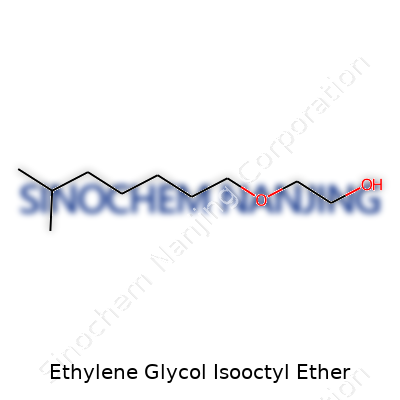
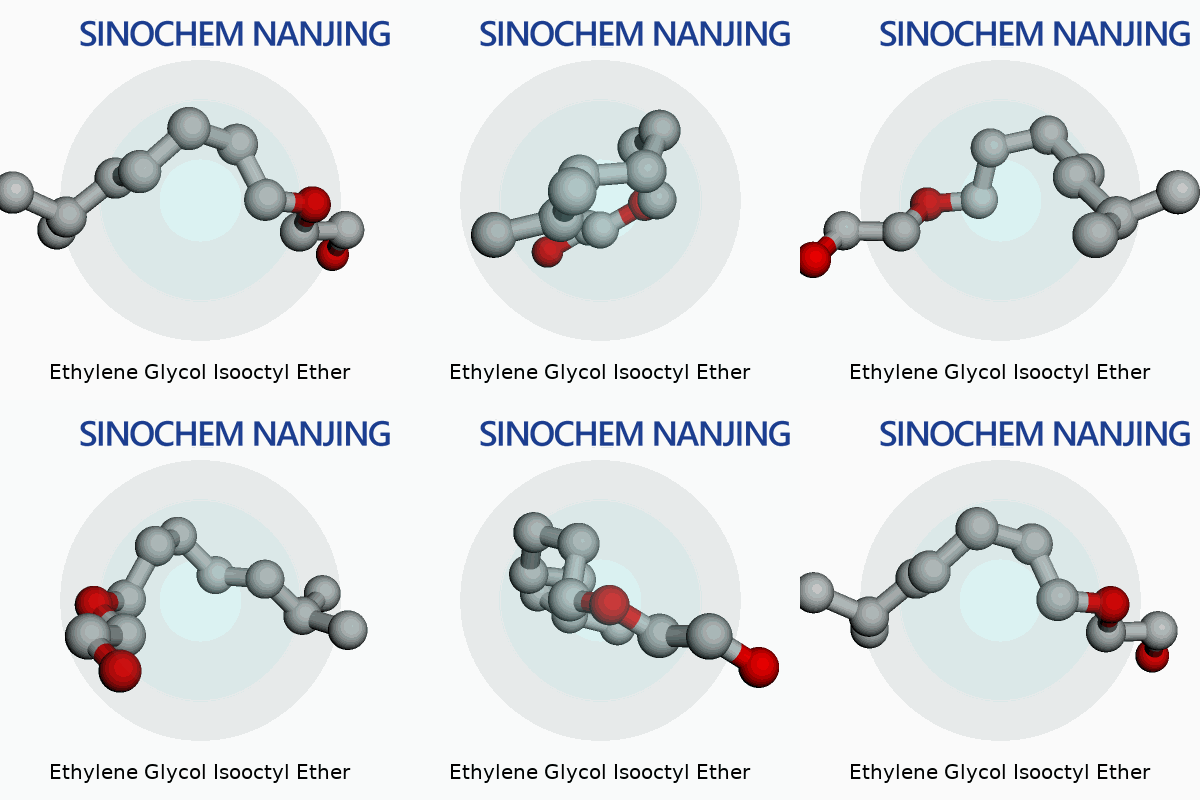
| Names | |
| Preferred IUPAC name | 2-(2-Ethoxyethoxy)octane |
| Other names |
2-Ethoxyethyl Isooctyl Ether Isooctyl Glycol Ether Ethylene Glycol 2-Ethylhexyl Ether 2-Ethylhexyl Cellosolve 2-Ethylhexyl Ethylene Glycol Ether |
| Pronunciation | /ˌɛθ.ɪˌliːn ˌɡlaɪˌkɒl ˌaɪ.səʊˈɒk.tɪl ˈiː.θər/ |
| Identifiers | |
| CAS Number | 1559-35-9 |
| Beilstein Reference | 1492194 |
| ChEBI | CHEBI:80953 |
| ChEMBL | CHEMBL511068 |
| ChemSpider | 72754 |
| DrugBank | DB14153 |
| ECHA InfoCard | ECHA InfoCard: 100.159.218 |
| EC Number | 211-076-1 |
| Gmelin Reference | 1646889 |
| KEGG | C19601 |
| MeSH | D004990 |
| PubChem CID | 82231 |
| RTECS number | KN0175000 |
| UNII | Y0JWI40GX0 |
| UN number | UN3082 |
| CompTox Dashboard (EPA) | DTXSID10127346 |
| Properties | |
| Chemical formula | C16H34O2 |
| Molar mass | 290.49 g/mol |
| Appearance | Colorless transparent liquid |
| Odor | mild |
| Density | 0.864 g/cm3 |
| Solubility in water | Soluble in water |
| log P | 0.98 |
| Vapor pressure | 0.14 mmHg (20 °C) |
| Acidity (pKa) | 14.78 |
| Basicity (pKb) | No data |
| Magnetic susceptibility (χ) | −8.3×10⁻⁶ cm³/mol |
| Refractive index (nD) | 1.4250 |
| Viscosity | 8.7 mPa·s (25 °C) |
| Dipole moment | 2.48 D |
| Thermochemistry | |
| Std molar entropy (S⦵298) | Ethylene Glycol Isooctyl Ether: S⦵298 = 487.6 J·mol⁻¹·K⁻¹ |
| Std enthalpy of formation (ΔfH⦵298) | -644.7 kJ/mol |
| Std enthalpy of combustion (ΔcH⦵298) | -7010 kJ/mol |
| Pharmacology | |
| ATC code | D07AX01 |
| Hazards | |
| GHS labelling | GHS07, GHS08 |
| Pictograms | GHS07,GHS08 |
| Signal word | Warning |
| Hazard statements | H302: Harmful if swallowed. H319: Causes serious eye irritation. |
| Precautionary statements | P210, P261, P264, P271, P280, P301+P312, P305+P351+P338, P337+P313, P403+P233, P501 |
| NFPA 704 (fire diamond) | 1-2-0 |
| Flash point | Flash point: 102 °C |
| Autoignition temperature | 210°C |
| Explosive limits | Explosive limits: 0.9% (LEL) - 10.6% (UEL) |
| Lethal dose or concentration | LD50 Oral Rat 2,000 mg/kg |
| LD50 (median dose) | LD50 (oral, rat): 2410 mg/kg |
| NIOSH | RN 112-59-4 |
| PEL (Permissible) | Not established |
| REL (Recommended) | 50 mg/m³ |
| IDLH (Immediate danger) | Not established |
| Related compounds | |
| Related compounds |
Ethylene glycol monoethyl ether Ethylene glycol monobutyl ether Diethylene glycol monobutyl ether Ethylene glycol monomethyl ether Triethylene glycol monomethyl ether |



