Ethanol: More Than a Simple Solvent
Historical Roots and Everyday Impact
People may not see it, but ethanol has shaped culture, industry, and science for centuries. Its tale goes back well beyond modern chemistry labs, touching the ancient craft of fermentation, distillation pioneers in medieval Persia, and the endless search for clean energy today. Distillers in early civilizations found that sugars from grains or fruits, left with the right yeast, gave off a liquid both potent and useful. This was not just for a glass of wine or spirits—alcohol became a base for medicines, cleaning agents, and even early engines. Fast forward, ethanol keeps surfacing during global energy shifts, especially when fossil fuel concerns rise. The U.S. flex-fuel cars, Brazil’s sugarcane revolution, and Europe’s biofuel shape this ongoing ethanol saga. These patterns show that humanity constantly circles back to ethanol’s advantages and challenges, making it a living piece of industrial and cultural progress.
The Many Faces of Ethanol
Walk into any drugstore, glance at gas stations, or peek inside a hospital cabinet—ethanol works quietly but everywhere. Its synonyms—ethyl alcohol, grain alcohol, or just ‘alcohol’ on a bottle—reflect its broad presence. Commercial ethanol typically appears as a clear, colorless liquid, its sharp, familiar smell a clue to its strength. It’s not fussy about form: sold pure for labs, denatured for industrial uses, mixed into hand sanitizers, and added to gasoline blends. Industrial labs list its CAS number as a badge of safety and specificity. Whatever the label says, scientists and the public recognize it instantly, both as a symbol (think of the glass of wine) and as a multi-tool (like the hand sanitizer on every office desk since 2020).
Chemical Realities and Preparation
In the world of chemistry, ethanol keeps things simple but powerful. It’s mostly about two carbon atoms, six hydrogens, and one oxygen—C2H5OH. Its boiling point—just below 80°C—makes it useful for both cooking and industrial distillation. Ethanol dissolves most organic compounds and some inorganics, which has always made it valuable as a cleaning solvent and a laboratory staple. Production scales from homebrewers’ yeasty buckets to massive fermentation tanks running around the clock with genetically tweaked microorganisms. Most ethanol for fuel or industry today comes from fermentation and subsequent distillation, typically using corn or sugarcane mash. Extraction methods matter: the purer the ethanol, the stricter the control on water, contaminants, and byproducts. That purity, in turn, sets the price, the intended use, and the degree of government oversight.
Engineer’s Specs and Label Tangles
Every industry working with ethanol keeps one eye on concentration and the other on safety. Manufacturers publish data sheets that demand regular updates as standards and science evolve. Not every bottle or drum contains pure ethanol; denatured variants get laced with bittering agents, methyl alcohol, or dyes—deliberately made nasty to dissuade casual drinkers or thieves. Labels must respect local law, signaling the presence of toxins or additives, the flammability warnings, and the correct way to store and transport each variety. Rules shift by country and often by region, sometimes causing headaches for companies needing to ship supplies internationally. Researchers and regulators keep a close watch for discrepancies and mislabeling, not out of bureaucracy, but because mistakes carry high stakes—not just for safety, but also for legal liability and public health.
Transforming and Modifying Ethanol
Ethanol’s structure offers versatility in chemical reactions. React it with acids, you get ethyl esters—essential for flavorings and fragrances. Ethanol burns easily, serving as a clean source of heat and light. With strong oxidizers, it morphs into acetic acid, the foundation of vinegar and plasticizers. In labs, researchers use it to synthesize complex molecules, support drug formulations, or extract plant compounds. Each tweak in the process—whether chemical or biochemical—pushes ethanol into new applications or improves yields. The race to develop new bio-based chemicals or fuels often begins with ethanol as a feedstock. Those able to lower costs, increase output, or minimize waste through clever chemistry will drive not just profits, but also sustainability.
Safe Handling: Lessons Written in Hard Data
Anyone who has handled ethanol learns about safety fast, sometimes through unfortunate mishaps. Spilled on skin or inhaled as vapor, the risks range from mild irritation to full-on dizziness. The stories of labs gone up in flames are not urban legends; ethanol’s volatility means even a careless spark or heat source will ignite a fire. Workers depend on clear rules—grounded containers, cool storage, proper labeling—not because regulators enjoy paperwork, but because accidents make headlines and injuries change lives. Hospitals, fire departments, and academia catalog incidents involving ethanol, sharing data on burns, poisonings, or explosions. Their records form a large part of industry best practices. Equipment design, storage protocols, and safe disposal methods all trace their roots to real-world failures and the relentless drive to keep lives safe while using this powerful molecule.
Everyday and Cutting-Edge Applications
Ask a taxi driver in São Paulo, a craft brewer in Vermont, or a pharmaceutical technician in Berlin, and each has a take on ethanol. In cars, it blends easily into gasoline, fighting emissions while giving farmers a market for crops. The 2020 pandemic turned ethanol into a front-line defense, the backbone of sanitizers trusted by millions each day. Beer brewers chase precise ethanol percentages for flavor and safety. Hospitals use it to sterilize equipment. Even in labs, it’s indispensable—cleaning glassware, supporting chemical reactions, or preserving tissues for study. As concerns about fossil fuel depletion grow, ethanol's renewability becomes more prized. Critics point to food versus fuel disputes, land use, and true carbon savings, but innovators keep inching forward, finding ways to convert new feedstocks—like agricultural waste—into next-gen bioethanol, promising less competition with food crops and smaller environmental footprints.
Probing Toxicity and Health
Ethanol’s benefits come with well-documented health risks. Medical literature draws a sharp line between the controlled use of ethanol—like disinfectants—and the dangers of overconsumption or chronic exposure. Drinking ethanol in moderate social settings sits at the center of entire industries and traditions, yet excessive use carves a trail of lost jobs, shattered families, and skyrocketing healthcare costs. Industrial exposure adds another layer: repeated contact with vapor can harm nerves, livers, and memory. Researchers run decades-long studies connecting workplace exposure, community health metrics, and even social costs. Tightening regulations on permissible exposure, monitoring air quality in large plants, and training workers on practical harm reduction remains critical for public health. For all its ubiquity and utility, ethanol demands respect to balance its role as both a helpful substance and a potential hazard.
R&D and the Next Chapter for Ethanol
Setting aside the well-worn arguments about corn or sugarcane, ethanol’s next act depends heavily on research and bold ideas. Scientists now engineer microbes that squeeze more ethanol from raw materials. They repurpose agricultural residues—corn stover, rice straw, wood chips—sidestepping the food-versus-fuel debate. Pilot plants venture beyond fermentation, exploring synthetic biology, hybrid reactors, or even direct chemical routes. Fuel standards keep getting tighter, pushing for ethanol that meets stricter purity and sustainability scores. New blends and uses, whether in aviation fuels or eco-friendly solvents, push industry and policymakers to rethink supply chains, rural development, and energy security. Each experiment, each field trial, and each regulatory win nudges ethanol farther down the road, from a traditional fermentation product to a symbol (and tool) of future-facing industry, medicine, and energy.
What is ethanol used for?
Everyday Life Contains More Ethanol Than You Might Guess
Ethanol shows up all around us, even in places most folks don’t realize. I grew up around cornfields in the Midwest, and the conversation always drifted toward ethanol every harvest season. Most people think of gas stations, pointing to those “up to 10% ethanol” stickers on the pumps, but the story runs a lot deeper.
Blended into Gas Tanks and Farm Policy
The biggest chunk of American ethanol lands in fuel. Blending with gasoline started in earnest in the 1970s, spurred by the oil crisis and a steady drumbeat of farm lobbying. Now, over 90% of U.S. gasoline has some ethanol—mostly to raise octane, help engines run smoother, and chip away at tailpipe emissions. EPA rules push for biofuels partly to decrease reliance on imported oil and promise cleaner air. The Renewable Fuel Standard keeps pushing demand; about 40% of the country’s corn crop churns out ethanol each year.
While debates about land use and food supply keep rolling, farmers see ethanol as a reliable market that steadies corn prices even in bad years. For many rural communities, ethanol plants create jobs that last. I've visited these plants, and you feel the economic pulse at every shift change.
Bottles, Cough Syrup, and Germ Killers
Walk down any drugstore aisle—those little bottles labeled “rubbing alcohol” contain about 70% ethanol mixed with water. It kills germs fast, making it a top choice in hospitals and home medicine cabinets. Hand sanitizers, surface cleaners, and even some mouthwashes rely on ethanol to tackle bacteria.
Pharmaceutical companies lean heavily on ethanol to dissolve medicine for syrups and drops. Most cough suppressants and throat sprays contain a splash of it. Without ethanol, it’s tough to get some medicines to blend reliably or taste halfway decent.
Part of Food, Drinks, and the Industry Beyond
Ethanol means alcohol in beer, wine, and spirits. No bourbon without fermentation. Even bread relies on a similar process. It’s easy to forget the connection: the yeast feeding on sugar or grain creates ethanol and bubbles of carbon dioxide, giving rise and flavor.
The food industry sneaks ethanol into flavor extracts and sometimes with preservatives. Vanilla extract in your kitchen uses it to pull out the aroma from vanilla beans. The process feels simple, but it’s a clever example of turning a centuries-old method into modern convenience.
Cleaning, Chemistry, and Challenges
Industrial labs everywhere use ethanol to clean glassware, engines, and even delicate electronics. Companies use it as a building block to create other chemicals, like ethyl acetate for nail polish remover or in paints and coatings.
Ethanol production carries a heavy environmental load, with water use, chemical runoff, and carbon emissions in the mix. Cleaner technology is in the works—like cellulosic ethanol, which uses switchgrass or plant waste rather than corn or sugarcane. These methods cut down pressure on food crops and water, giving hope for fuel without as many downsides.
A Look Toward Practical Solutions
Ethanol won’t solve every problem. Smarter agriculture, bigger investment in research, and more efficient engines can help get closer to cleaner air and less waste. Supporting farmers to rotate crops and improve soil health brings resilience, not just profit. Encouraging innovation on alternatives, like algae-based fuels, keeps options open in a world that doesn’t tolerate standing still.
Is ethanol safe to consume?
Looking Beyond the Label
Most people hear “ethanol” and think of either fuel for cars or the party punch at a wedding. The truth is, both are named the same for a reason: the alcohol that sits in your glass is chemically the same as the alcohol that goes in fuel tanks. What matters is how it’s made, how pure it is, and whether anything toxic sneaks in along the way. The difference isn’t just important—sometimes, it’s a matter of life and death.
The Ethanol in a Glass
The stuff we sip in beer, wine, and vodka is ethanol, also known by its less catchy name: ethyl alcohol. It’s produced by fermentation—yeast gets cozy with sugars from wheat or grapes and turns those sugars into alcohol and carbon dioxide. Legal, regulated booze goes through strict checks. Safety standards keep methanol and other nasties well below dangerous levels. That’s one reason distilleries need licenses: ethanol is safe to drink, but the process to make it safe requires expertise and careful testing.
Industrial and Lab Ethanol—Not for Humans
Industrial ethanol might look like vodka, but that’s a dangerous trick. Ethanol meant for cleaning, lab use, or fuel often contains extra chemicals, added on purpose to stop people from drinking it. Methanol is a common culprit—swallowing even a small amount can cause blindness or death. I’ve met people, especially in college or tough economic times, who thought about cutting corners by drinking hand sanitizer or “cleaning alcohol.” Doing this risks permanent damage. These products carry warning labels for a reason. They’re not subject to the same safety testing as beverages.
How Purity Impacts Health
High-purity, medical-grade ethanol might be safe in theory, but the lack of oversight creates another problem. Ethanol is a strong solvent—when it travels through pipes, tanks, or bottles that aren't food grade, it can pick up heavy metals or plastic residues. All it takes is a bad batch for poisonings to crop up. We’ve seen it before: bootleg liquor in the news, whole communities hurt by one poorly made drink. The World Health Organization points out that every year, thousands die from toxic alcohol, most commonly from methanol added to counterfeit spirits.
Moderation Still Matters
Pure ethanol, even in safe beverages, isn’t risk-free. Drinking in excess—binging or even steady heavy use—chips away at the liver, heart, and brain. Health agencies, from the CDC to the NHS, say the same thing: stick to recommended limits, and some people—pregnant folks, recovering addicts, people on certain medications—should avoid alcohol entirely. It’s not just about the immediate buzz. Long-term, alcohol abuse connects to cancer, liver cirrhosis, and mental health struggles.
What Keeps Drinking Safe
If you stick with commercially made beverages, read bottle labels, and avoid anything that doesn’t come from a licensed supplier, ethanol is “safe to consume” in the sense we usually use that phrase. No shortcuts. No unmarked bottles. Policy matters here too. Governments must keep counterfeit drinks off the shelves through checks, border controls, and consumer education. Pharmacies and supermarkets need clear labeling. I remember growing up, seeing posters at the local clinic about dangers of homebrews, and always wondered until a friend’s family got sick from a batch of “unofficial” whiskey. After that, nobody in the neighborhood questioned the warnings.
Fact Over Fiction
Stories about quick fixes and homemade brews echo through many communities. They all circle back to trust: trust in process, trust in the system, and trust in information. Drink what’s meant for drinking, keep to what you know, and remember that “ethanol” isn’t just a label. Safety lives in the details—how it’s made, what it contains, and where it came from.
What is the difference between ethanol and methanol?
Ethanol in Daily Life
Ethanol pops up in plenty of places—inside your glass of wine, in bottles of hand sanitizer, even fueling some cars. I’ve seen it used at summer BBQs when someone runs out of lighter fluid and grabs a little bottle from the liquor cabinet. That doesn’t mean you can pour it everywhere, but it highlights its flexibility. Ethanol forms when yeast breaks down sugars, and this process goes back thousands of years. Humans have trusted it, in moderation, as part of rituals, medicine, or just a cold beer after work.
Methanol: Useful, But Risky
Methanol looks similar on paper, but this clear liquid causes plenty of problems if someone confuses it for its cousin. Sometimes called wood alcohol, methanol often comes from breaking down natural gas or by distilling wood. Factories turn it into everything from windshield washer fluid to antifreeze or certain plastics. It gets the job done in big industries where purity and toughness matter more than drinkability.
The Dangers of Misuse
Swapping one for the other isn’t small potatoes—methanol can quickly turn deadly. A single shot of methanol can blind or kill. Stories surface every year where bootleg liquor contains methanol instead of ethanol, with tragic results. Centers for Disease Control and Prevention (CDC) reports show that methanol poisoning leaves hundreds hospitalized around the world. Their chemistry only differs by one carbon atom, but methanol breaks down in the body into compounds like formaldehyde and formic acid, which damage nerves, especially in the eye and brain. Feeling dizzy, nauseous, or blurry after handling methanol isn’t just a hangover; it’s a sign of poisoning. Ethanol shares some risks with overconsumption—liver damage, addiction—but it won’t blind you in a single serving.
In Fuel, Identity Matters
Both liquids burn well, powering engines and stoves. Some racing teams choose ethanol for its cleaner, more stable burn. Methanol, with its lower energy content and higher toxicity, mostly goes to industrial tools or specialized cars. I remember working with technicians who made sure every barrel marked “methanol” never left the shop without a warning label. It’s not worth saving a dollar if you lose your sight or worse.
Preventing Accidents, Saving Lives
Clear labeling and safe handling are the backbone of any chemical storage system, but small businesses sometimes cut corners. Red dye often makes methanol easy to spot, but homemade batches don’t always follow best practices. The Food and Drug Administration (FDA) and Occupational Safety and Health Administration (OSHA) have regulations and regular campaigns to educate workers and consumers. Community health centers, like one near my old apartment, distribute flyers and host classes about the lookalike danger between these two liquids. A little science knowledge in schools goes a long way—teaching kids early on why sniffing or drinking a mystery liquid spells serious trouble.
Safer Choices and Smarter Policy
Safer habits start with public access to the right info. Store chemicals in locked cabinets, teach kids the difference between drinkable and dangerous, and support stronger labeling rules. By sticking to these basics, communities can cut accidental poisonings and protect people for the long haul.
How is ethanol produced?
Farming, Fermentation, and Fuel
People don’t always realize the journey that ethanol takes before it ends up in a gas tank. It starts in familiar places—fields of corn across the Midwest, sugarcane plantations in Brazil, or even handfuls of discarded wheat in a distiller’s bin. Corn dominates the U.S. ethanol scene. Once harvest time rolls around, trucks head to refineries, weighed down with kernels bound for a new life as biofuel.
Refineries grind the corn, add water, and heat the mix. Enzymes break down the starches, suiting the process for fermentation. Yeast gets tossed in next, and as a homebrewer could tell you, these tiny fungi work fast. Consuming sugars, they pump out ethanol and carbon dioxide. After a few days, the result is a soupy mash where ethanol floats in a slurry.
Distillation steps in. By boiling off water and catching evaporated alcohol, the refinery can yield ethanol pure enough for fuel. Most of the tanks fill up with a blend of ethanol and water at about 95% purity, but gasoline engines want even less than that to avoid damage. The law in the U.S. often caps the ethanol ratio at 10% of the final fuel mix.
Questions of Impact
Growing crops for fuel instead of food stirs a steady debate. In the years after the Renewable Fuel Standard rolled out, corn prices went up, forcing food producers to compete directly with fuel companies for each ear of corn. A 2014 study in Food Policy highlights a jump in costs for field corn by more than 30% when ethanol production passed a certain threshold.
Each acre that feeds an ethanol plant taps water, soaks up fertilizer, and locks up more of the soil under monoculture. Nitrate runoff from fertilized fields ends up in rivers and pushes Gulf dead zones further. If ethanol production grows unchecked, smaller towns and local water supplies will face greater pollution pressure. The U.S. Geological Survey details how the Midwest Corn Belt faces the worst runoff losses.
Better Paths Forward
Sugarcane ethanol brings different concerns. In Brazil, it thrives in warm fields far from the Amazon, and new satellite checks keep an eye on land use. But burning cane fields sends smoke skyward, affecting air quality. Farming communities near the giant mills walk a fine line between earning a decent living and enduring the health impact of modern agriculture.
Cellulosic ethanol—made from switchgrass, wood chips, or even municipal waste—offers a way out of the food-versus-fuel trap. By gathering up crop waste, the process shrinks the climate impact. The technology holds plenty of promise, though only a handful of plants push production past pilot scale. Boosting research and shifting subsidies from food crops to agricultural byproducts could break the current deadlock.
Consumers face their own challenges. E10 might not harm most cars, but older engines struggle. Some savings at the pump disappear if fuel economy drops. Yet the price at the pump gets propped up by government support, raising larger questions about how to choose between energy independence, environmental health, and food security.
Personal Angles and Practical Choices
Growing up in a farming community, I've seen both sides. Extra income from ethanol contracts gave families enough to cover tight seasons. Still, I watched farmers wrangle with fertilizer prices and worry over parched wells. The fields became more productive, but the hedges disappeared and groundwater dropped.
Conversations about ethanol shouldn’t gloss over real rewards or ignore the costs. More information, smarter farming, and cleaner technology help. Folk in the industry can share hard-won lessons with fuel makers and lawmakers alike. Ethanol’s story stands as a reminder that every gallon comes packed with choices—choices farmers, consumers, and communities must keep making with eyes wide open.
Can ethanol be used as a fuel?
Ethanol in the Fuel Conversation
People often talk about new ways to power cars, trucks, and even entire cities. Ethanol, which is basically alcohol from plants like corn or sugarcane, has been a part of this conversation for years. I remember pouring E10 fuel into my old sedan, which is just regular gas mixed with 10% ethanol. So, this alcohol isn’t some far-away idea—it’s already at the pump across much of the United States.
Where Ethanol Comes From and How It Works
Farmers grow the crops, and plenty of that corn you see stretching across the Midwest heads straight for an ethanol plant. Inside, the grain turns into a mash, ferments, and then goes through a distillation process. What comes out at the other end is a clear liquid that burns, not so different from the gas you’ve always known. Blending this with gasoline is standard practice, and flexible-fuel vehicles run on a mix called E85, which has 85% ethanol.
Why People Turn to Ethanol
Gas prices tend to jump every time there’s a problem somewhere in an oil-rich country. That’s where ethanol comes in handy. Farmers get a steady market, rural economies gain steady jobs, and the country relies less on oil from other places. I’ve driven across Iowa during the busy harvest and seen fields not just feeding people but fueling cars. The move toward ethanol means the fuel tank links to the land, which can be good for communities that haven’t always had great economic luck.
Questions About Emissions and Land Use
There’s a lot of talk about ethanol cleaning up what comes out of car exhaust. Compared to regular gasoline, burning ethanol can mean less carbon monoxide and fewer other pollutants. Even so, some folks worry that growing extra crops eats up farmland, takes away wild habitat, or even pushes up food prices. Research from organizations like the U.S. Environmental Protection Agency shows ethanol’s emissions profile depends on how it’s produced. If you grow the right crops and stick with better farm practices, ethanol helps trim greenhouse gas emissions. Problems show up if forests or grasslands get plowed under just to grow more ethanol crops.
Finding the Balance
I believe the main lesson here is that switching to ethanol isn’t a one-size thing. People need to talk about which crops make the most sense to grow and how to avoid pushing aside forests or food production. Cleaner processes like using crop waste—or even algae—look promising, offering new forms of ethanol that sidestep the food vs. fuel debate. Companies and research labs across the world are working to turn these ideas into everyday reality.
Pushing for Progress
Supporting homegrown fuels means more than filling up a gas tank. It’s about policies that reward farmers for sustainable choices and fund new ways to convert waste into energy. Out in the countryside, I’ve seen new facilities pop up, showing what’s possible. Choosing ethanol, especially forms that come from crop leftovers or innovative new sources, can be one way to chip away at pollution while giving local economies a boost.
Ideas Moving Forward
Fuel choices always come with tradeoffs. Ethanol offers a meaningful step for the country looking for alternatives and cleaner air, but smart decisions need to keep both people and the planet in mind. Investing in better production, focusing on the right crops, and pushing for technology improvements set up a pathway for ethanol to play a bigger role in the energy mix. As someone who sees the everyday impact on farmers and drivers alike, it’s clear that thoughtful progress with ethanol can make a real difference.
What is ethanol used for?
Beyond the Shot Glass
Mention ethanol and most people think of liquor. That rings true, since ethanol forms the backbone of spirits, beer, and wine. But painting it as just a party guest misses the bigger picture. Ethanol pops up almost everywhere you look — from the gas station to the bathroom to the hospital supply closet.
Fuel That Keeps Cars Running
Filling up your tank brings ethanol into the spotlight. Ethanol provides one of the main additives in American gasoline. It started taking over the gas pump after the government leaned into the Renewable Fuel Standard, pushing refiners to blend biofuels into every gallon. These days, most gasoline in the United States holds about 10% ethanol, also known as E10. Some blends go even higher, like E85 for flex-fuel vehicles. Ethanol helps cut down carbon emissions and reduces America’s need for imported oil — or so the argument goes. Still, some drivers complain about reduced mileage, so the conversation around ethanol in fuel keeps evolving.
Medicine Cabinet and Hospital Hallways
Open up the medicine cabinet or swing by the hospital, and you’ll spot ethanol again. This alcohol’s knack for killing germs means hand sanitizers, mouthwashes, and disinfectants often list it as a key ingredient. During the early days of the COVID-19 pandemic, families scrambled for bottles of sanitizer, and ethanol producers pivoted fast to meet the spike in demand. Hospitals lean on ethanol’s cleansing power, relying on it to sterilize surfaces, equipment, and even skin before injections. Without it, infection rates would probably shoot up, especially in crowded clinics.
Everyday Cleaners and Personal Care
Ethanol sneaks into dozens of household items, some you’d never expect. Cleaning sprays pull double duty with it, fighting grease and germs in one squirt. Perfumes and body sprays depend on ethanol to dissolve fragrances, letting scents disperse smoothly. Even the aftershave in a dad’s drawer owes its sting to this versatile chemical. Drop by any cosmetics shelf, and you’re likely to spot it among the ingredients, showing how something distilled from corn or sugarcane becomes an everyday staple.
A Lab Workhorse
Step into a research lab and ethanol sits right alongside water, a basic tool for chemists and biologists. Labs use it to clean equipment, extract DNA from cells, and preserve specimens that would rot without a splash of alcohol. Ethanol costs less than many chemicals, handles easily, and doesn’t leave a heavy residue. As a student in the lab, I relied on it for quick sterilization of glass pipettes or hands between experiments. That level of accessibility made it a go-to, and I don’t see that changing anytime soon.
Farming, Industry, and the Next Chapter
Farmers grow millions of acres of corn, knowing much of it gets fermented and distilled into ethanol. That side of the story stirs up heated debates. Supporters talk about jobs, cleaner air, and rural development. Critics raise questions about food prices, water usage, and land needed for crops that never feed people directly. Meanwhile, industry soaks up ethanol for everything from paints to plastics, using it as a solvent to dissolve stubborn materials or sanitize machinery. Some experts suggest new forms of ethanol from waste, which might sidestep old worries about competition between food and fuel.
Looking Ahead
Whether poured into a tank, a test tube, or a dispenser in a hospital, ethanol rarely sits on the sideline. It shapes the world from morning commutes to medical breakthroughs. Staying informed about where it comes from, how companies use it, and what it means for health and the planet helps everyone make smarter choices — in the car, at home, or at work.
Is ethanol safe for human consumption?
The Straight Facts on Ethanol
People often ask about the safety of ethanol in things like drinks, medicines, and even hand sanitizers. Let’s lay out what’s true and what’s risky. Ethanol comes up a lot because it’s the same type of alcohol in beer, wine, and spirits. Our bodies can process small amounts, which is why an evening drink doesn’t send us straight to the emergency room. Ethanol’s not just a party guest, either—it appears in cough syrups, cold remedies, and some processed foods.
But there’s a line you don't want to cross. Distillers make food-grade ethanol—the kind used safely in beverages and medicines—using strict controls. Industrial ethanol, on the other hand, is often mixed with chemicals to stop anyone from drinking it. Drinking that form can damage liver, nerves, heart, or even kill. Stories of poisoning outbreaks keep popping up across parts of the world where home-brewed liquor sometimes contains non-food-grade or contaminated alcohol.
How Our Bodies Handle Ethanol
A small glass of wine or a burger cooked with whiskey sauce brings only a modest load of ethanol. Our livers step in and break it down by turning it into acetaldehyde and then to harmless acetic acid. A healthy person’s liver can only process about one standard drink per hour. That means more than that starts to build up in the body, and that’s where trouble starts.
Short-term effects show up fast. Slurred speech, clumsy movements, memory lapses—most people have seen or experienced these. If someone keeps pushing their limit or drinks large amounts in one go, things get much worse: alcohol poisoning, blackouts, or even death.
Habitual heavy drinking doesn’t just harm the mind and liver. The World Health Organization estimates alcohol use causes about 2.8 million deaths each year worldwide, with ethanol being the main culprit. Chronic use raises risks for cancer, heart disease, and pancreatitis. These aren’t rare stories; folks in every community have loved ones lost or suffering because of alcohol’s toll.
Safe Use—And Real Dangers
Those who stick to moderate drinking—one drink a day for women, two for men, as suggested by health experts—reduce the likelihood of harm. Mixing drinks with certain medications, operating machinery, or driving after drinking multiplies risks.
Ethanol in products like mouthwash or sanitizers can help prevent disease or clean hands, but ingesting these is a different story. Poison control warns every year about children accidentally swallowing hand sanitizer. The U.S. Centers for Disease Control and Prevention report spikes in accidental poisoning during times of crisis, like the COVID-19 pandemic, when more folks turned to alcohol-based products.
What Actually Matters
Using ethanol responsibly makes a big difference. Parents need to keep cleaning products away from kids. Young people deserve honest talk about drinking, not just scary stories but real information about safe limits. Doctors and pharmacists carry responsibility too—they discourage mixing certain drugs with alcohol and spot symptoms of abuse.
Strong local laws and clear labeling help. So does good old-fashioned community watchfulness. In some places, illegal alcohol containing methanol or other toxic alcohols still circulates, usually to save money. These low-cost drinks may cost lives, so supporting efforts to bust illegal producers and educate buyers really saves lives.
Ethanol isn’t all bad, but treating it lightly can bring hard consequences. Knowledge, strict production standards, community support, and good habits form the bedrock for safe use.
How is ethanol produced?
The Journey from Crop to Fuel
Think about every time someone fills up a flex-fuel car at the pump, or even pours a little hand sanitizer. Ethanol, that clear alcohol, comes into play. The process starts with crops — mainly corn in the United States, while countries like Brazil go for sugarcane. Those plants grow under hot sun, rely on healthy soil, and take months of work from farmers. Without those farmers, the chain breaks.
After harvesting corn, producers take the kernels to an ethanol plant. The kernels get ground up, then mixed with water and enzymes. This step breaks the starch down into simple sugars. Here comes fermentation – and there’s no factory trick about it. Yeast goes in and eats up those sugars, burping out ethanol and carbon dioxide. That yeast’s job looks a lot like what bakers use to make bread rise; this time, the goal is liquid, not dough.
Why Ethanol Matters
Some folks roll their eyes when they hear about ethanol. They see it as just some alternative fuel that takes over gas pumps for a few months during the year. The situation runs deeper than that. Farmers count on ethanol demand to keep prices steady. Rural communities in the Midwest get jobs and tax money. Without ethanol facilities, these small towns might shrink more as young people head to the city.
Then there’s the environment. Ethanol burns cleaner than gasoline. The Environmental Protection Agency says burning ethanol can cut greenhouse gases compared to regular gasoline. It’s not a magic bullet, but the average car running on an ethanol blend produces less carbon monoxide and smog-forming pollutants. It also uses less oil from overseas, which helps all of us feel a little less shaky about unstable oil markets.
The Challenges and Possible Fixes
Ethanol doesn’t pop out of nowhere — and it isn’t perfect. Making ethanol takes a lot of water: one gallon of ethanol can require up to three gallons of water during production. Plus, growing all that corn demands fertilizer and pesticides. Runoff from farms can pollute rivers. Some argue this trade-off shrinks ethanol’s environmental benefits.
Food prices sometimes go up when corn gets diverted for ethanol instead of livestock or humans. When drought hits and there’s less corn to go around, arguments heat up between those who want fuel and those who need food.
There’s no escaping these problems by just switching crops. Cellulosic ethanol uses plant stalks and waste material rather than food crops. Scientists and companies have poured money into these ideas, yet scaling up has proved tougher than promised over the years. Costs remain high, and the bugs in the process haven’t all been worked out yet.
What Can Actually Help
Focusing on growing methods helps. Farmers using cover crops, smarter irrigation, and no-till planting end up with lower runoff and better water retention. Renewable electricity at production plants also cuts emissions, making every gallon greener.
Public policy matters a lot. Renewable Fuel Standards, which require blending ethanol into gasoline, push both the grain markets and fuel makers to keep up. These rules need regular review. Policy should reward ethanol made with less water, energy, and pollution, whether from corn, waste, or something better down the road.
The story of ethanol is about balancing jobs, the planet, and filling up your tank. People with real experience in farming, science, and transportation need to shape this conversation — not just politicians or distant executives.
What is the difference between ethanol and methanol?
Two Clear Liquids, Big Differences
Most folks have heard about both ethanol and methanol, maybe from fuel pump labels or chemistry class stories about "wood alcohol." Both are simple alcohols, clear, and blend easily with water. In the everyday world, though, the stakes change quickly. One lands in cocktails and cars, while the other’s better off in a locked lab cabinet.
Ethanol: From Grains to Gas Tanks
Ethanol forms naturally during fermentation. That’s why it’s the key player in beer, wine, and spirits. You find it in hand sanitizer, tinctures, and even cough syrup. Fuel made with ethanol moves millions of cars across the world. In places like Brazil and the United States, it pours out of pumps blended with gasoline, all thanks to corn or sugarcane harvests.
Safety matters because the body can process ethanol, at least until we hit our limits. Overindulgence leads to the famous hangover, but moderate doses fall within what our bodies handle. Regulations set clear lines around purity for food and drink, keeping the public safe.
Methanol: Useful but Dangerous
Methanol, on the other hand, comes from natural gas, wood, or coal. It serves up a strong solvent or fuel, showing up in antifreeze, windshield washer fluid, and industrial labs. Methanol pops up in stories of poisoning, sometimes by mistake, sometimes with tragic intent. Ingesting even small amounts can damage nerves, shut down organs, and claim lives.
One of the most dangerous things I learned early in science classes: methanol’s taste and smell don't scream “danger.” There's no obvious sign of poison, so sometimes folks mistake products containing methanol for safer alternatives. This problem ramps up during crises, such as surges in demand for sanitizers. In recent years, substandard sanitizers ended up on store shelves, some loaded with methanol, causing dozens of poisonings.
Real-World Risks and Focused Solutions
The difference between these two alcohols matters anywhere safety ties into everyday work or recreation. At parties, ethanol powers celebration. At a factory, methanol helps power industry. Mixed up, disaster can hit. Mistakes sometimes happen in developing areas, where alcohol intended for lamps or cleaning lands in drinks due to black-market bottling. That’s why governments put dyes or bittering agents in methanol products, and regulate ethanol production tightly.
More education can cut risk. Clear labels, public health messages, and efforts to keep methanol far from food supplies all work. After seeing a poison hotline call surge once in my own city, I realized how easily confusion spreads. Community outreach, especially in low-resource regions, saves lives just by clarifying: ethanol’s the one in your liquor, methanol never joins the party.
Demand for Responsibility
No fancy science degree is needed to understand: one alcohol gives us liquid confidence, the other gives us trouble. People need honest information and reliable oversight. If we press for transparency from manufacturers and demand strict checks at the borders, the odds of mistaken poisoning drop. With the right steps, public health agencies and citizens can both make sure that methanol keeps its place in machines, not in cups—while ethanol remains part of our storied traditions, still under watchful eyes.
Can ethanol be used as a fuel?
A Closer Look at Ethanol’s Role on the Road
Ethanol comes from plants like corn and sugarcane. Putting farm harvests into cars sounds like a simple swap—grow more, burn less oil, save the planet. But that isn’t quite how it works once you peel back the layers.
Plenty of cars run fine on a mix called E10, which blends a bit of ethanol into everyday gasoline. Flex-fuel versions go up to E85. Brazil shows what’s possible with a large national commitment: sugarcane ethanol powers a big chunk of their vehicles. The United States mostly uses corn, but there’s debate about how much this crop-to-car pipeline truly helps.
Are the Benefits Real?
On the surface, ethanol seems friendly. It burns cleaner than oil, often dropping tailpipe emissions like carbon monoxide and particulates. Folks like the idea of cutting dependence on fossil fuels, especially with oil prices bouncing all over the place. Rural economies—especially American Midwest towns—feel real support from a strong ethanol market.
But the story keeps twisting. Producing corn-based ethanol pulls in a lot of fertilizer, pesticides, and water. That brings environmental headaches, including water pollution and soil erosion. Getting that corn to ferment, distilling the alcohol, and shipping it out takes a lot of energy. Studies from both the USDA and the Argonne Lab suggest that ethanol cuts greenhouse gas emissions anywhere from 20% to over 40% compared to gasoline—as long as the process doesn’t include chopping down forests or using nasty chemicals. Swapping food crops for fuel sometimes hikes up grocery prices or squeezes out other crops.
Engine Realities
Ethanol contains less energy than gasoline by volume. Drivers get fewer miles per tank with higher ethanol blends unless their engines are designed for it. Older cars struggle or flat-out fail to run properly on anything above E10. Mechanics often see older fuel lines crack or corrode because ethanol can be tough on some plastics and rubbers.
An Honest Look at Solutions
The buzz around cellulosic ethanol—the kind made from grasses, wood chips, or crop waste—offers hope. These raw materials tap into stuff we don’t use for food. Labs like the National Renewable Energy Laboratory have been on the hunt for cheaper ways to break down tough plant fibers. If scientists crack the code, this version could lower emissions even more and sidestep some food-vs-fuel debates.
Cities can support ethanol by investing in more E85 pumps and offering drivers clear fuel choices. Farmers benefit from growing a wider range of crops, including some specifically bred for ethanol. Even simple steps like rotating crops or planting cover crops over winter help protect the land for years to come. Consumer education matters too. Folks deserve the facts: not every car should fill up with high-ethanol blends, but millions could if they had the facts and the fuel pumps nearby.
Where Ethanol Fits
Ethanol isn’t a one-size-fits-all answer. Yet it brings value in places where farms, fuel, and jobs intersect. Supporting new technology—especially methods that don’t eat into the world’s dinner plates—makes practical sense. Cleaner fuels need more than hype; they need follow-through and realistic science. Ethanol won’t replace oil everywhere, but as part of a bigger plan for renewable energy, it chips away at a stubborn problem one tank at a time.
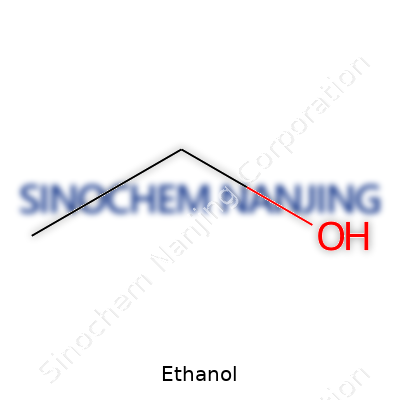
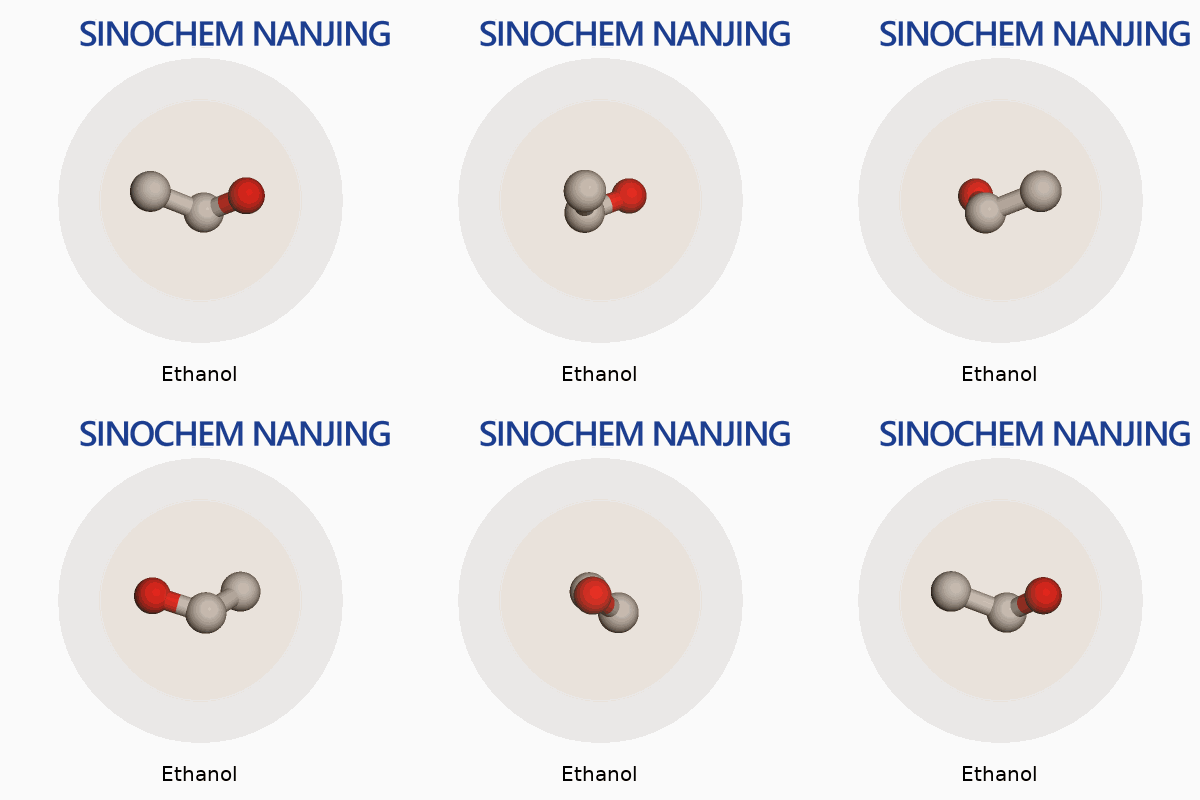
| Names | |
| Preferred IUPAC name | ethanol |
| Other names |
Ethyl alcohol Alcohol EtOH Grain alcohol Drinking alcohol Hydroxyethane Methylcarbinol |
| Pronunciation | /ˈɛθ.ə.nɒl/ |
| Identifiers | |
| CAS Number | 64-17-5 |
| Beilstein Reference | 1718733 |
| ChEBI | CHEBI:16236 |
| ChEMBL | CHEMBL545 |
| ChemSpider | 682 |
| DrugBank | DB00898 |
| ECHA InfoCard | 100000022366 |
| EC Number | 200-578-6 |
| Gmelin Reference | 635 |
| KEGG | C00469 |
| MeSH | D017176 |
| PubChem CID | 702 |
| RTECS number | KQ6300000 |
| UNII | 3K9958V90M |
| UN number | 1170 |
| Properties | |
| Chemical formula | C2H5OH |
| Molar mass | 46.07 g/mol |
| Appearance | clear, colorless, volatile liquid with a characteristic odor |
| Odor | mild, characteristic |
| Density | 0.789 g/cm³ |
| Solubility in water | Miscible |
| log P | 0.3 |
| Vapor pressure | 5.95 kPa (at 20 °C) |
| Acidity (pKa) | 15.9 |
| Basicity (pKb) | 15.9 |
| Magnetic susceptibility (χ) | −5.6×10⁻⁶ |
| Refractive index (nD) | 1.361 |
| Viscosity | 1.2 mPa·s |
| Dipole moment | 1.69 D |
| Thermochemistry | |
| Std molar entropy (S⦵298) | 160.7 J·mol⁻¹·K⁻¹ |
| Std enthalpy of formation (ΔfH⦵298) | -277.0 kJ/mol |
| Std enthalpy of combustion (ΔcH⦵298) | -1367 kJ mol⁻¹ |
| Pharmacology | |
| ATC code | V03AB01 |
| Hazards | |
| GHS labelling | Warning. H225, H319, H336. |
| Pictograms | GHS02,GHS07 |
| Signal word | Warning |
| Hazard statements | H225, H319, H336 |
| Precautionary statements | P210, P233, P240, P241, P242, P243, P280, P303+P361+P353, P370+P378 |
| NFPA 704 (fire diamond) | 2-3-0 |
| Flash point | 16.6 °C |
| Autoignition temperature | 363°C |
| Explosive limits | 3.3% - 19% (in air) |
| Lethal dose or concentration | LD50 (oral, rat): 7,060 mg/kg |
| LD50 (median dose) | 7,060 mg/kg (rat, oral) |
| NIOSH | KC8575000 |
| PEL (Permissible) | 1000 ppm |
| REL (Recommended) | 1000 ppm |
| IDLH (Immediate danger) | 3300 ppm |
| Related compounds | |
| Related compounds |
Methanol Propanol Isopropanol Butanol Ethylene Acetaldehyde |



