Dodecanol: A Deep Look into an Unassuming Chemical
The Journey from Discovery to Modern Use
Dodecanol, also called lauryl alcohol, sounds pretty anonymous unless you’re in the chemical or manufacturing world. Many probably don’t realize the history behind it, which ties back to the growth of organic chemistry. In the early twentieth century, chemists looked everywhere for raw materials to feed the world’s booming demand for soaps, detergents, plastics, and industrial fluids. Derived mainly from coconut and palm kernel oils—both abundant and renewable resources—dodecanol offered a way forward as attention grew around finding sustainable, plant-based feedstocks long before “green chemistry” went mainstream. Over the years, improvements popped up in extraction and purification, which helped scale up production and keep the process accessible in many countries.
What Dodecanol Really Looks and Feels Like
Commercial dodecanol comes as a waxy white solid at room temperature but melts just above body temperature, turning into a clear, oily liquid. It doesn’t have much smell—another reason it’s valued in personal care products as a mild, non-irritating ingredient. Its chemical structure is basic but effective: a straight, twelve-carbon chain that ends with a single alcohol group. That simplicity gives dodecanol plenty of flexibility in manufacturing. It mixes easily with oils while resisting water, showing why it pops up in emulsifying agents or as a slip agent to make other materials less sticky or tacky. Because of the long hydrocarbon tail, it’s perfect in formulations that need silky, water-repellent finishes.
The Technical Details and Labeling Challenges
Markets require clarity, especially for raw materials that cross international boundaries. Dodecanol typically gets labeled as “lauryl alcohol” or “dodecan-1-ol.” Some regulations demand extra details about purity—often over 98%—and manufacturers include info on melting point, boiling point, and flash point. Anyone shipping this chemical has to study the GHS classification and ensure their paperwork is spot-on, since misunderstandings over labeling can stop shipments cold or cause headaches in customs. While there’s nothing inherently hazardous in small amounts, clarity on specification sheets helps prevent mix-ups, avoiding expensive and disruptive mistakes in the industrial supply chain.
How Dodecanol Is Made and Modified
Most commercial dodecanol comes from the fatty acids found in coconut or palm kernel oil. The process usually means breaking down triglycerides using hydrolysis, separating out the lauric acid, then reducing that acid to the alcohol using hydrogenation. Synthetic routes exist too—starting from ethylene and working up to longer chains through a series of reactions including the Ziegler process. Both plant-based and synthetic sources end up remarkably similar by the time the dodecanol comes off the line. Chemists like playing with its structure: converting it to esters, sulfates, and ethers to meet different needs in soaps, surfactants, lubricants, or plasticizers. This kind of flexibility means dodecanol adapts across many sectors, changing its behavior by simply tweaking its chemistry.
Names, Nicknames, and Synonyms—Why the Confusion?
The world’s chemical industry throws around more names for dodecanol than most people would guess: lauryl alcohol, n-dodecanol, 1-dodecanol, and even a few trade labels. This can trip up newcomers or create confusion in international commerce. Standardizing product names becomes far more than a paperwork drill; it helps everyone know what they’re talking about, especially when related alcohols like octanol or decanol enter the discussion. Academic research sticks with IUPAC naming, but industry language can run wild. Recognizing these labels avoids costly mix-ups, protects product integrity, and supports downstream users who blend dozens of raw materials in a single product.
Mindful Use—Keeping Safety and Standards in Focus
Every chemical poses risks if misused or handled without care. Dodecanol isn’t highly hazardous in modest amounts, but bulk storage and processing demand strict attention to fire safety. It has a relatively high flash point, so the risk isn’t as severe as with volatile solvents, but nobody wants to ignore the basics. Organizations like OSHA and REACH add rigorous standards to make sure workers know about protective equipment, proper storage, and ventilation. Personal care products using lauryl alcohol need to meet high standards of purity and hypoallergenic testing to keep consumers safe. Environmental stewardship now features prominently, with many producers auditing supply chains to avoid supporting unsustainable or ecologically damaging practices around palm oil.
Dodecanol in the Real World—Where It Turns Up
Lauryl alcohol finds its way into all sorts of daily products. Shampoo bottles, soaps, creams, cosmetics, plastic coatings, lubricants, and even agricultural defoamers depend on it for specific functions. It gives a creamy texture in cosmetics, boosts the cleaning efficiency of detergents, and works as a processing aid in polymer manufacture. Demand fluctuates with shifts in the personal care and cleaning markets, but dodecanol holds steady because it balances cost-effectiveness with reliable results. Large-scale laundries and industrial cleaning operations appreciate its stability and non-reactivity in harsh detergent blends. Emerging uses include its role in bioplastics and sustainable packaging as the drive for alternatives to fossil-based polymers heats up.
Research, Development and the Push for Greener Chemistry
Scientists keep tinkering with dodecanol to unlock new applications and improve environmental profiles. One big push involves generating it from entirely waste biomass—sidestepping palm oil or other controversial resources. There’s also research on upgrading dodecanol into advanced surfactants that perform better in cold water, saving energy in industrial cleaning or consumer laundry. Another area focuses on high-performance lubricants that outperform petroleum oils, especially in food processing where safety and purity standards get stricter every year. Scientists also look at how microbes can use dodecanol as a carbon source for bioconversion, pointing toward circular processes where waste becomes feedstock again. These efforts echo industry’s shift toward not just new compounds, but new production models that respect both people and planet.
Is It Safe? Digging into Toxicity Studies
Extensive testing finds dodecanol to be among the safer long-chain alcohols, especially compared to short-chain versions than can irritate skin or eyes. Toxicology reports generally peg its oral and dermal toxicity as low. High purity grades avoid the minor contaminants that occasionally trigger allergic reactions. Still, repeated exposure in industrial settings can dry out skin and, in rare cases, lead to minor irritation. That doesn’t mean it’s risk-free: ingestion in large quantities, accidental inhalation of heated vapors, or persistent, concentrated exposures still spark concern. Regulatory agencies keep their eyes on environmental impacts, since even modest quantities, if released in vulnerable ecosystems, can contribute to bioaccumulation or slow biodegradation. Testing continues, especially as new formulated products enter the market carrying lauryl alcohol as a key ingredient.
Where the Future Leads—Dodecanol’s Evolving Potential
Demand for versatile, plant-based chemicals won’t be fading, and dodecanol holds its spot on the shortlist for innovation. As consumers grow more critical of supply chains linked to deforestation or unfair labor practices, the push for traceable, sustainable sources matters more every year. Researchers look at genetically engineered microbes that can churn out dodecanol from sugar or waste products, potentially eliminating the need for tropical cropland altogether. Advances in surface chemistry and materials science keep expanding opportunities: new biodegradable surfactants that exit the ecosystem cleanly, performance-enhancing additives for green plastics, and low-irritant blends for sensitive personal care products. Dodecanol’s legacy as a reliable, easily modified, and relatively safe chemical paves the way for these developments. The industry’s next challenge is aligning this chemistry with real-world concerns about the environment, safety, and a truly responsible manufacturing future.
What is Dodecanol used for?
What Everyday Products Owe to Dodecanol
Dodecanol pops up in places most folks never notice. Supermarkets line shelves with soaps, shampoos, and detergents that look clean and harmless. I walked past those bottles for years before ever learning some of the chemistry behind them. Turns out, dodecanol—also called lauryl alcohol—shows up in these products because it works well as a surfactant. Pour shampoo in your hand, and you’ll see bubbles forming. Those bubbles help lift away oil and grime. Dodecanol handles the greasy bits that water alone can’t touch.
On the Farm and In the Factory
Not every use happens in the bathroom. Factories scale production by the ton for companies blending coatings, making lubricants, and even producing flavors and fragrances. Industrial cleaners, metal working fluids, and textile processing all reach for this twelve-carbon alcohol because it’s tough on dirt but gentle enough to keep people from breaking out in rashes. My neighbor farms strawberries, and he once told me about crop-protection sprays with dodecanol. They roll over leaves and help keep bugs off the harvest without loading up the fruit with persistent fossil-based chemicals.
Squeaky Clean…and Biodegradable
Environmental talk circles around legacy pollution—a lot of folks have real worries about what happens to the soaps and cleaners vanishing down the drain. Dodecanol doesn’t linger. Most wastewater systems break this chemical down with bacteria and sunlight before it can get back to rivers or lakes. That matters in a world paying closer attention to microplastics and slow-degrading chemicals ruining sea life. Every biodegradable ingredient in the supply chain helps.
Food Contact and Safety Measures
People eat off plates washed with surfactant-based detergents, but dodecanol often passes food safety standards when used as an indirect additive. The FDA sets rules for chemicals like this to keep them at safe levels, and companies stick to these thresholds. Health risks stay low if manufacturers follow the playbook. I’ve watched food safety audits where soap residues get tested down to the microgram, and the controls in place work like a safety net.
Cost, Access, and Alternatives
Dodecanol’s made from natural sources—think palm oil and coconut. The wider global market for coconut oil keeps production stable, and that helps keep costs from swinging up and down. At the same time, questions do come up about sustainable agriculture, since palm plantations have led to some ugly rainforest losses. Switching sourcing to certified sustainable operations gives buyers a way out of that ethical maze, and it’s on more labels than ever before.
Where Research Could Step Up
Science can always improve these materials. Some labs look for bio-based alternatives with lighter eco-footprints, while others push for processes that use less energy or water. Industry groups push transparency on where these chemicals come from and how they’re processed. If you care, ask companies for details about their sourcing or manufacturing. It keeps pressure on big players to act responsibly and makes it easier for shoppers to line up their choices with their values.
What We Carry Forward
For something most people ignore, dodecanol does a lot of heavy lifting—keeping homes clean, factories safer, and food packages up to code—all while walking a narrower line on environmental impact than many synthetic chemicals. The next time you lather up or clean the kitchen, spare a thought for the hidden chemistry and the farming, factory labor, and science that helped bring you that simple soapy sensation.
Is Dodecanol safe for skin and cosmetics?
Understanding Dodecanol in Personal Care
Scan the label of your favorite hand cream or shampoo and you might spot dodecanol, sometimes called lauryl alcohol. This twelve-carbon fatty alcohol gets used across the board in moisturizers, cleansers, and makeup. Industry sees it as a workhorse: it softens products, smooths textures, and helps oils and water mix for that even feel. Sometimes, though, questions pop up—should dodecanol touch our skin? Lately, safety comes under closer inspection, and people want to know whether the stuff in their daily routines deserves trust.
What We Know About Dodecanol’s Safety
Plenty of studies focus on the most common cosmetic ingredients, and dodecanol gets a fair look. Research and regulatory reviews conducted in the US, Canada, and the European Union reach a pretty strong consensus: dodecanol does not cause harm for most people using it as directed. Skin irritation rarely turns up, even at concentrations far higher than what sits in typical lotions or shampoos. For example, a Journal of Toxicology study looked at the substance's impact on human volunteers and found no evidence of allergic reactions or chronic effects after prolonged use.
Each year, the Cosmetic Ingredient Review (CIR) panel checks ingredients against new data. They concluded dodecanol as safe for use on the skin. Regulatory agencies in Europe agree, even across stricter landscapes for chemicals—so if it makes the cut there, it has cleared plenty of scientific scrutiny. Plus, dodecanol breaks down into non-toxic byproducts in the body and the environment, so concerns about buildup don’t stack up.
Why Dodecanol Holds Value in Skin Care
A longtime battle in skincare: how to make products that hydrate without extra greasiness, and cleanse without stripping away natural oil. Dodecanol handles some of those jobs. It helps make creams glide on smooth—no tug at dry patches. In shampoos, it boosts foam and makes washing feel soft, not squeaky. For anyone with sensitive skin, creamy cleansers with dodecanol often make washing less of a hassle because the ingredient calms down harsh surfactants.
Concerns and Where Precaution Matters
We all know one person's holy grail can trigger another’s rash. Allergies can happen with nearly anything, including dodecanol—though rare, reactions could occur for those with highly sensitive skin or underlying conditions like eczema. Patch testing new products before full use always helps avoid unnecessary irritation. From my own experience, working in spa treatment rooms, I’ve seen that most breakouts link not to dodecanol itself, but to fragrance mixes or soap bases paired with it.
People worried about sustainability sometimes ask where dodecanol comes from. Much of it gets sourced from coconut or palm oil. Some environmental groups have raised alarms about unsustainable farming. Looking for products labeled with sustainably sourced ingredients or RSPO-certified palm oil addresses this concern, so you can feel confident about what touches your skin and its eco-impact.
Smart Choices and Looking Forward
Today’s shoppers want both skin safety and peace of mind for the planet. Companies now publish more information about what’s inside the bottle and how ingredients get made. If dodecanol works for your skin and you choose reputable brands, you’ll likely find it supports comfortable, effective products. Ask questions at the store, check ingredient lists, and reach for options that mix good science with responsibility.
No one ingredient offers a perfect solution, but by learning the facts and watching your own skin’s response, decisions get easier. Real-world choices—guided by solid research—keep our bathrooms stocked with products that deliver results and deserve a spot in our routines.
What are the physical and chemical properties of Dodecanol?
Understanding Dodecanol
Dodecanol, sometimes called lauryl alcohol, pops up behind the scenes in a bunch of everyday products. It comes from coconut oil or palm kernel oil, but also shows up through petrochemical routes. The stuff packs twelve carbon atoms into a chain, making it solid at room temperature, but it’s not too hard — sort of waxy. The white, crystalline texture feels a bit like soap, and if you toss it in warm hands, it melts quickly and leaves a slick, oily trail.
Physical Traits
This compound’s melting point hangs out around 24°C (or just under 76°F), so it shifts from a solid to a clear, oily liquid with a little extra warmth. The boiling point gets up to 259°C. It hardly mixes with water, which tracks since most alcohols with long carbon chains have a stubborn streak about it. On the other hand, dodecanol mixes well with other organic solvents—stuff like ethers, chloroform, and even other alcohols.
Its faint floral scent isn’t strong, but most people recognize something sweet. That counts for something in industries like fragrance and flavors, where scent matters just as much as chemistry. The density sits at about 0.830–0.834 g/cm³, lighter than water, so any in a glass floats to the top.
Chemical Character
Dodecanol is in the family of primary alcohols, so a reactive hydroxyl group sits on the end. That gives it some range in chemical reactions. In real-world terms, manufacturers count on this group for things like making detergents and surfactants. The molecule holds up to moderate acids and bases, but if you bring something strong like sulfuric acid into the mix, it’ll surrender and become lauryl ether sulfates—a building block found in shampoos and soaps.
This chemical doesn’t oxidize easily in air, especially if conditions are mild. If circumstances turn strong, say, lots of heat or a solid oxidizer, you end up with lauric acid. In many cosmetic and industrial setups, this resistance lets dodecanol ride along through harsh conditions, lending a steady hand in formulations that can’t handle fast breakdown.
Safety and Handling
Though dodecanol sounds exotic, it’s handled without much fuss in labs and factories. It’s one of the fatty alcohols with a low profile on toxicity—no serious issues link to skin or eye exposure unless the stuff sits around too long or gets into wounds. Breathing in dust or vapors might leave you with mild irritation, but not worse. The main thing to keep an eye on: it burns, so store it away from flames. Workers use basic gloves and goggles, nothing too special.
Looking Forward
In my years visiting plants and labs, I’ve watched dodecanol go from old-fashioned soapmaking to high-tech green cleaners. People look for greener routes—biobased sources matter. Recycling and reducing palm kernel oil dependency can shift production to more sustainable paths. Adding alternatives, using closed-loop water systems, and tightening up regulations to protect forests and workers can drive real change without sacrificing performance. It’s not just about making one chemical; it’s about making it smarter and more in tune with people and the planet.
How is Dodecanol produced or manufactured?
Behind the Scenes: Turning Oil Into Dodecanol
People don’t spend much time thinking about dodecanol. It isn’t a household name, but it hides in detergents, cosmetics, and even in the air, carried by perfumes. At its core, dodecanol is a fatty alcohol with twelve carbon atoms. Its waxy, barely fragrant presence makes it handy for thickening and making things slippery or soft. Before dodecanol lands in these products, though, there’s a lot going on in factories and labs.
Oils, Plants, and Industrial Legacy
In the early days, companies churned out dodecanol by breaking down coconut or palm kernel oils. These oils contain a lot of lauric acid—nature’s go-to source for twelve-carbon chains. The main technique people have relied on is hydrogenation. Producers start off by splitting the oil into fatty acids using a process called hydrolysis. Next, they pump hydrogen into those fatty acids under high pressure and temperature, usually in the presence of a metal catalyst like nickel. The result strips away some chemical groups, swapping them out for hydrogen, and you get dodecanol at the end.
This method feels old-school, but it still fills the bulk of today’s demand. Coconut and palm plantations stretch across countries like the Philippines, Malaysia, and Indonesia, linking farming economies to chemical plants around the world. The process draws criticism when it fuels deforestation or threatens small farmers, raising big questions about supply chains and environmental cost.
Chemistry Evolves: Petrochemicals and Green Chemistry
Demand for dodecanol isn’t going away, so research has crept into new directions. Petrochemical routes offer another way. Here, companies start with ethylene—the building block of plastics—sourced from crude oil. Through a process called oligomerization, chemists push small molecules together to form longer chains, then finish things off with a process called “oxo synthesis” to insert the needed functional groups. These routes sidestep plants, but they link the product’s life to fossil fuels, dragging along climate and sustainability worries.
Over the past decade, green chemistry has become more than a slogan. New technologies like biocatalysis use engineered enzymes or special microbes to produce dodecanol. Some research teams have coaxed bacteria into turning sugar into fatty alcohols in tanks, aiming to cut back on the harsh chemicals and heavy metals needed in older processes. Projects like these reflect a push inside the industry to lower both greenhouse gas emissions and environmental pollution.
Quality, Purity, and Downstream Impact
Product purity determines where dodecanol ends up. Delivering cosmetic-grade material takes more effort than producing the version used in industrial lubricants. Repeated distillation and purification steps come into play, with companies under tighter scrutiny on things like heavy metal content or allergenic residues. Failures here can lead to recalls or loss of trust, so the pressure to maintain high standards stays constant.
Toward a Better Future
The debate over sourcing keeps growing. Environmental groups push for certified sustainable palm oil or alternative feedstocks, pointing out how industrial choices ripple through ecosystems and communities. Real change comes when the people who buy and use dodecanol start to ask for greener, cleaner origins—choices that can tip the direction of research and supply chains. A bottle of shampoo or a scented lotion represents far more than a label; it hints at an invisible story of chemistry, geography, and responsibility. Dodecanol is just one small piece, but its path from resource to product speaks volumes about the challenges and opportunities shaping modern manufacturing.
Is Dodecanol environmentally friendly or biodegradable?
Dodecanol's Chemistry and Background
Dodecanol, sometimes called lauryl alcohol, shows up a lot in shampoos, cleaners, and even some foods. If you’ve checked the labels in your shower, you’ll spot ingredients like sodium lauryl sulfate, which gets made from dodecanol. On paper, it looks like a basic fatty alcohol: a chain of carbon atoms with a single alcohol group at the end. This structure puts it squarely in the family of surfactants and emulsifiers that product developers reach for when they need something that cuts through oil and helps keep mixtures stable.
What Happens to Dodecanol in the Environment?
A lot of folks worry about what happens when dodecanol washes down our drains. Since it’s used almost everywhere, the real question is if it sticks around in rivers and soils or gets broken down. Scientific studies show microorganisms in soil and water break down dodecanol pretty efficiently, usually within a week or two. It doesn’t hang around like microplastics, nor does it build up in fish or plants. The carbon atoms link together in a way that soil bacteria and waterborne microbes can snip apart, using dodecanol as an energy source.
From a chemical standpoint, being a straight-chain alcohol means it breaks down a lot faster than some man-made chemicals with complicated ring structures. One European Chemicals Agency dossier places its biodegradation rate above 60% within 28 days—often higher than that in warm, active soils. I’ve worked with soil microbes before, and if you give them simple molecules like this, they’re off to the races, munching away until almost nothing remains.
Runoff, Toxicity, and Real-World Effects
No chemical is completely harmless, and dodecanol isn’t an exception. Dumping concentrated dodecanol into a stream can harm aquatic insects and tiny crustaceans. In lab tests, high doses mess with the gills of freshwater fish. Still, compared to powerful solvents or classic pollutants like PCBs, dodecanol doesn’t pack the same punch at the low concentrations you’d see from household runoff. Most wastewater plants knock out more than 90% of it before water gets back to rivers.
Everyone who’s spent time around wastewater treatment knows that a fat, oily mess—often from grease or surfactants—slows everything down. Excess dodecanol from industrial sources can foam up and stress treatment plants, but with smart dosing and proper handling, large spills are rare. Regular use in homes, at current levels, usually doesn’t raise red flags for aquatic life or broader ecosystems.
Choices for Cleaner Chemistry
The green chemistry movement keeps pushing big companies toward ingredients that microorganisms gobble up, and dodecanol fits that goal much better than some synthetic detergents. There’s work underway to source dodecanol from sustainably grown palm or coconut oil, steering clear of petroleum sources that can carry a bigger pollution footprint.
Sticking to responsible use and making sure it comes from renewables could make a real difference. Active research is brewing on alternatives, using plant-based alcohols that break down even faster, or engineered enzymes that scrub up runoff. For package designers and formulators willing to test new recipes, the shift opens doors to safer personal care products and reduces stress on water treatment systems. Anyone buying these products can steer the conversation by choosing brands that use less persistent, low-toxicity ingredients.
Final Thoughts on Dodecanol
Plenty of surfactants and solvents outstay their welcome in the water and soil, but dodecanol slides off the list of problem chemicals, so long as it’s not concentrated and tossed out carelessly. Experience and real-world monitoring show most of it breaks down fast, avoids building up in wildlife, and with some effort on the sourcing end, can lean towards a cleaner, more sustainable cycle from farm to bathroom to soil. The story of dodecanol says we can move toward safer chemistry without sacrificing the foam and cleaning power so many rely on each day.
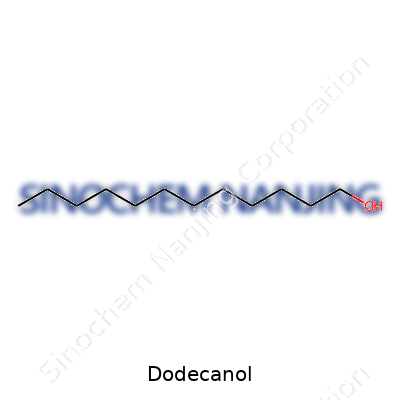
| Names | |
| Preferred IUPAC name | dodecan-1-ol |
| Other names |
Lauryl alcohol 1-Dodecanol n-Dodecanol n-Lauryl alcohol Dodecyl alcohol Alcohol C12 |
| Pronunciation | /ˌdoʊˈdɛk.ə.nɒl/ |
| Identifiers | |
| CAS Number | 112-53-8 |
| Beilstein Reference | 1718736 |
| ChEBI | CHEBI:28827 |
| ChEMBL | CHEMBL14235 |
| ChemSpider | 14406 |
| DrugBank | DB03061 |
| ECHA InfoCard | 100.000.267 |
| EC Number | 200-901-0 |
| Gmelin Reference | 84006 |
| KEGG | C02570 |
| MeSH | Dodecanol MeSH: "1-Dodecanol |
| PubChem CID | 8217 |
| RTECS number | HA4000000 |
| UNII | 13T9EOA5PX |
| UN number | UN1146 |
| CompTox Dashboard (EPA) | DTXSID3020845 |
| Properties | |
| Chemical formula | C12H26O |
| Molar mass | 186.34 g/mol |
| Appearance | Colorless, waxy solid or liquid with a faint floral odor |
| Odor | pleasant floral odor |
| Density | 0.83 g/cm³ |
| Solubility in water | Insoluble |
| log P | 4.8 |
| Vapor pressure | 0.0063 mmHg (25°C) |
| Acidity (pKa) | 16 |
| Basicity (pKb) | 15.93 |
| Magnetic susceptibility (χ) | -7.9e-6 |
| Refractive index (nD) | 1.437 |
| Viscosity | 81.2 mPa·s (20 °C) |
| Dipole moment | 4.63 D |
| Thermochemistry | |
| Std molar entropy (S⦵298) | 374.6 J·mol⁻¹·K⁻¹ |
| Std enthalpy of formation (ΔfH⦵298) | -353.2 kJ/mol |
| Std enthalpy of combustion (ΔcH⦵298) | –7513.8 kJ·mol⁻¹ |
| Pharmacology | |
| ATC code | C05AC19 |
| Hazards | |
| GHS labelling | GHS07, GHS08 |
| Pictograms | GHS07 |
| Signal word | Warning |
| Hazard statements | H315, H319, H411 |
| Precautionary statements | P210, P233, P280, P305+P351+P338, P337+P313, P403+P235 |
| NFPA 704 (fire diamond) | 1-1-0-0 |
| Flash point | > 110 °C |
| Autoignition temperature | 210 °C |
| Explosive limits | Explosive limits: 0.6–5.5% |
| Lethal dose or concentration | LD50 Oral rat 12 g/kg |
| LD50 (median dose) | LD50 (median dose): 12,100 mg/kg (oral, rat) |
| NIOSH | RL1400000 |
| PEL (Permissible) | PEL (Permissible Exposure Limit) for Dodecanol: Not established |
| REL (Recommended) | 200 mg/m³ |
| Related compounds | |
| Related compounds |
Fatty alcohols Undecanol Tridecanol Lauric acid Dodecane |



