D-Ribose: A Comprehensive Commentary
Historical Development
D-Ribose has shown up in scientific journals for over a century, sparking curiosity soon after researchers unraveled the secrets of DNA and RNA. Back in the early 20th century, scientists knew about glucose but stumbled across this five-carbon sugar’s unique ring structure, which became a game-changer in studying genetic material. Chemists tuned lab processes and improved separation techniques, turning D-Ribose from a rare lab curiosity into a commercially viable ingredient. Life science fields embraced ribose for DNA research, and sports medicine circles later took notice as research hinted at its potential in cellular energy creation. Watching D-Ribose shift from laboratory glassware to health supplement shelves speaks to how scientific curiosity builds into practical applications.
Product Overview
You’ll find D-Ribose on health store shelves, inside sports nutrition drinks, and listed in pharmaceutical ingredient charts. Chemically, it’s a pentose sugar – small, with a molecular formula of C5H10O5 – that shows up as a white to very light tan crystalline powder. On supplement bottles, it claims to boost recovery and help with energy. In pharma, it supports research on ATP synthesis and muscle fatigue. Some companies highlight its natural fermentation origin, trying to appeal to customers wary of synthetic additives. Where ribose ends up speaks to true demand in medicine, sports, and food research.
Physical & Chemical Properties
Ribose dissolves quickly in water, turning clear. It doesn’t taste as sweet as common table sugar, carrying a soft, slightly bland character that won’t overpower the senses. Its small crystals pack lightly, which makes it easy for manufacturers to dose accurately. With a melting point just over 88°C and no harsh odor, handling it in labs or factories poses little practical trouble. Chemically, the five-carbon backbone gives it a mild reactivity, especially compared to unstable sugars like fructose. Ribose prefers its ring form in solution, but with heat or strong acids, you get open-chain structures that matter to chemists tweaking processes.
Technical Specifications & Labeling
Labeling panels mention “D-Ribose” or synonyms. The technical spec sheets break down purity, moisture content, and heavy metal residues. Rigorous manufacturers chase high-purity grades: not less than 98% D-Ribose, water content below 1.5%, and less than 1ppm of lead or arsenic. Some products get kosher or halal certification, broadening their market. Finished goods for supplements follow guidelines set by places like FDA in the US or EFSA in the EU, who demand certificates of analysis and clear origin tracking. On pharmaceutical ingredient sheets, D-Ribose gets listed as a functional excipient, with batch codes, manufacturer’s name, and expiry information up front.
Preparation Method
Several years ago, making enough D-Ribose for human use felt out of reach – it only trickled out from chemical syntheses. Enzymatic biotechnology pushed things forward. These days, most manufacturers use fermentation, starting with corn or other plant starches. Microbes – often Bacillus or E. coli strains – convert glucose into D-Ribose with high efficiency. Purification then strips out proteins, color bodies, and minerals, leaving a crystalline product. This avoids harsh solvents and allows for big-batch production. Efforts to refine yield, reduce production costs, and lower resource use have driven companies toward greener, more sustainable processes.
Chemical Reactions & Modifications
D-Ribose reacts with nucleobases, forming ribonucleosides – crucial to RNA structure and metabolic cofactors. In lab and industrial settings, ribose undergoes mild oxidation to create ribonic acids or reduction to change its ring structure. Chemical groups on ribose can be protected or swapped out, allowing fine-tuning in pharmaceutical chemistry. Its aldehyde group at the C-1 position opens doors for the Maillard reaction in food science and custom modification in drug synthesis. Chemical suppliers offer ribose derivatives for advanced applications, including rare sugar analogs and stable-isotope-labeled compounds for tracing biochemical pathways.
Synonyms & Product Names
D-Ribose turns up as “β-D-ribofuranose” in research texts and pharmaceutical dossiers. Some call it “Ribosa” or just “Pentose Sugar,” though most regulatory panels stick with the D-Ribose name. When used in branded products, the ingredient may carry trade names paired with the company or special label marking it as “fermentation derived” or “vegan.” The synonyms show up in academic journals, regulatory filings, and consumer packaging, though the base compound remains the same.
Safety & Operational Standards
Manufacturers work under strict hazard controls, with safety data sheets calling for gloves and dust masks during weighing or mixing in bulk. The FDA and European food agencies have given D-Ribose their green light as a food ingredient and supplement when used in recommended doses. For larger-scale production, system checks guard against cross-contamination, with clean-in-place protocols and tight traceability. Finished goods must meet microbiological standards, ruling out Salmonella and E. coli contamination. Testing batches for residual solvents, heavy metals, and microbial loads builds trust with buyers demanding verifiable safety.
Application Area
Medical researchers focus on ATP synthesis and metabolic disorders. Patients with fibromyalgia or chronic fatigue syndrome look for ribose to address energy shortfalls, though not all clinical trials show clear benefit. Sports nutrition circles push ribose for faster muscle recovery, while pharmaceutical developers value it in energy metabolism research. Animal feeds, cosmetic ingredient suppliers, and food developers have begun experimenting with ribose as a subtle flavor modifier and texturizer. Studies continue to break ground on using ribose in cell culture work, as scientists test new drugs and therapies for rare diseases.
Research & Development
University labs and biotech companies invest in optimizing the microbial fermentation process, aiming for strains with higher yield, substrate tolerance, and easier downstream processing. The search continues for novel ribose derivatives that can act as enzyme inhibitors, diagnostic markers, or nucleic acid analogs with antiviral potential. Interdisciplinary teams look at combining D-Ribose with creatine, carnitine, or other bioactives for new supplement formulas. Clinical data gaps push researchers for larger, placebo-controlled trials in patient populations suffering metabolic issues. Some industry players have started exploring D-Ribose as a prebiotic, gauging how it affects gut microbiome composition and metabolic byproducts.
Toxicity Research
Several animal and human studies have assessed D-Ribose’s toxicity profile. Single large doses cause diarrhea and mild hypoglycemia, but no organ damage, gene mutations, or carcinogenic effects have come up in reputable studies. Trials in people with diabetes or kidney dysfunction recommend extra care, as ribose can lower blood sugar fast. Prolonged daily consumption in healthy adults doesn’t typically generate worrisome lab markers, as long as the intake stays within researched limits. Regulatory oversight encourages regular post-market surveillance to track for unexpected adverse reactions, especially as the ingredient’s use spreads into kid’s drinks and specialty medical foods.
Future Prospects
D-Ribose could reach new ground as aging populations search for safer ways to maintain muscle function and energy. Synthetic biology offers a path to custom sugars, which may change how ribose is sourced or modified for biomedical use. If research proves clear benefits for specific patient groups, health guidelines may incorporate ribose as a recognized therapy. New blends with amino acids or plant extracts may earn popularity in sports nutrition and wellness. Monitoring long-term safety and unearthing truly novel applications—perhaps as a pharmaceutical excipient, specialty food ingredient, or gene therapy tool—depends on honest, peer-reviewed science and transparent reporting from companies and independent researchers alike.
What is D-Ribose and what is it used for?
Navigating The Science Of D-Ribose
People chasing more energy often stumble across D-ribose, a simple sugar with a big role in how our bodies run. D-ribose isn’t another trendy pick-me-up. It forms part of ATP, the molecule that powers muscles, brains, and organs. Without enough ATP, you slow down. Think of that familiar drag when you’re sick, recovering from tough workouts, or living with chronic conditions like fibromyalgia—low ATP often plays a part there.
Where D-Ribose Shows Up
In every cell, you’ll find D-ribose as a core piece of the energy puzzle. It’s a backbone—not a bystander—in building DNA and RNA too. But its claim to fame centers on ATP. After illness or serious training, ATP levels can drop. Getting back to normal energy production isn’t always quick. That’s where D-ribose draws attention: by helping the body rebuild ATP faster.
Real-World Uses
Supplemental D-ribose turned plenty of heads because of its track record in heart health and stamina. Cardiologists have looked at it for people heart surgery, hoping for a quicker rebound. Athletes reach for it, aiming to fight post-workout fatigue. For folks with chronic fatigue syndrome or fibromyalgia, studies suggest it can help reduce the constant tiredness and even improve sleep.
People in their everyday lives—not just in clinical studies—report picking up some energy with D-ribose powders or tablets. Several patients I’ve talked with say they notice the difference most during periods of stress or high output, whether that’s chasing kids or working long hours. I notice a softer edge on late-day exhaustion.
Safety, Risks, And Smart Choices
No supplement comes without questions. D-ribose usually stays safe in moderate doses, but blood sugar drops can show up if taken on an empty stomach or overdone. Diabetes patients need to tread carefully, always checking with their doctor before starting. Rare cases include digestive upset—bloating or loose stool—especially when starting out.
Research so far—mainly in heart patients and active adults—points toward D-ribose as a tool for specific symptoms. It doesn’t replace whole foods or healthy routines. A person won’t dodge fatigue from late nights and skipped meals just by mixing it into water each morning.
Finding Reliable Products
Supplements flood the market with promises, so solid sourcing stands out. Picking brands with batch testing, transparency, and good reviews matters. I always search for companies posting third-party lab tests—nothing brings more peace of mind than knowing what’s in your scoop.
Future Horizons
The science keeps moving, and people want answers. Researchers continue exploring how D-ribose supports recovery from illness, heart events, and athletic training. While it won’t work miracles overnight, the story of D-ribose speaks to the search for better energy, stamina, and quality of life. Talking honestly with healthcare professionals helps skip unnecessary risks and explore options that fit each situation best.
Is D-Ribose safe to take daily?
What People Use D-Ribose For
Plenty of folks in the sports and fitness world have heard of D-ribose. Some use it hoping it speeds up their recovery after tough training. It pops up in talk about improving energy or helping muscle tiredness. For those with heart issues or chronic fatigue, a few doctors even mention it as a way to help the body make energy better.
What Research Says About Its Safety
Looking at the science, D-ribose is a sugar molecule our bodies already make. Cells use it to build ATP, the main source of energy for almost everything we do. Taking a supplement feels natural to people who want more pep. Clinical studies up to this point suggest most healthy adults handle daily doses without serious side effects, especially at lower amounts. A review in the Journal of Dietary Supplements in 2021 pulled together data from over a dozen trials and found that mild stomach upset—bloating, diarrhea, or sometimes nausea—showed up more often than anything dangerous.
Nobody’s talking about D-ribose causing liver, kidney, or heart damage in typical cases. Blood sugar changes came up in one or two studies, mainly in diabetes patients. Because it counts as a sugar, those with diabetes or blood sugar conditions need to ask their doctor before giving it a try.
Personal Experience and Caution
Having spent time at local running stores and gyms, I’ve met several folks experimenting with D-ribose. The experience mirrored the science; the largest side effect has been an upset stomach when people get excited and double up on the dose.
Pharmacists and nutritionists I trust usually recommend starting with small doses—sometimes as little as half the label—and increasing only if everything feels right. There’s no point chasing energy if it wrecks your routine with bathroom trips or stomach cramps. Also, the FDA classifies it as a supplement, not a medication, so labeling isn’t always perfect.
Questions About Long-Term Use
The biggest unknown surrounds taking D-ribose every single day, year after year. Most research stops at three months. True long-term effects? We just don’t know yet. The need for more data stands out. Until then, sticking to short cycles or using it only during times of extra training or fatigue seems safer.
For people who already take several supplements, D-ribose could interact with other sugars or blood thinners. It’s smart to share your supplement list with a doctor or dietitian, rather than go it alone.
Tips for Safe Daily Use
Choosing a reputable brand matters. Go for companies that publish lab results so you know what you’re taking matches what’s on the label. Stay under five grams a day at first, watching for side effects. If in doubt, check in with a licensed health professional, especially if you have diabetes or a history of metabolic disorders.
Ultimately, D-ribose looks safe for most people in moderate amounts. Researchers and doctors still want larger, high-quality studies before making ironclad recommendations for daily use.
What are the potential side effects of D-Ribose?
What Draws People to D-Ribose
Folks searching for a little more energy tend to come across D-ribose. It plays a role in making ATP, that fuel every living cell craves. I’ve seen fitness circles discuss it, focusing on athletic recovery, heart health, and even chronic fatigue. There’s excitement in that promise of more vitality. The popularity of D-ribose supplements popped up in health stores and online shops everywhere.
Possible Side Effects in Real Life
The good news? Most healthy adults seem to handle typical doses pretty well. Still, every supplement comes with stories from people who react differently. Some tell about mild troubles—nausea, diarrhea, or stomach cramps after picking up a bottle. People with sensitive guts often feel these effects more. Research backs this up, too. A study published in Current Therapeutic Research highlighted regular complaints about loose stools or mild stomach upset in a test group.
Blood sugar dips can sneak up as well. Some users have found themselves lightheaded or shaky. D-ribose has the power to lower blood sugar levels, which sets off warning bells for those managing diabetes or hypoglycemia. In fact, the National Institutes of Health references caution with D-ribose because of this very reason. If someone takes it on an empty stomach or doubles a dose, sugar levels may drop further.
People sometimes mention fatigue after taking it, ironically enough. It seems odd, given the energy connection. But in medical reports, some users experienced unusual tiredness right after supplementing. One theory says the quick dip in sugar tricks the body into thinking it’s running out of fuel, so that crash follows. Though rare, allergies remain possible with anything ingested; rashes, itching, or swelling get flagged as reasons to seek help fast.
Who Should Pay Extra Attention
Certain groups face bigger risks. People with kidney disease ought to check with their doctor first. D-ribose shifts how the body uses several nutrients, and weakened kidneys struggle to keep up. Pregnant or breastfeeding women get placed in the “not enough information” zone. Since few studies include these groups, most healthcare pros advise steering clear.
Steps to Limit Trouble
Going for reputable brands helps. Supplements don’t go through the same checks as prescription meds. Some batches come contaminated or contain less of the active ingredient. For me, sticking with products tested by third parties, like NSF or USP, has made a difference in peace of mind. Doubling up on doses brings more risk, so following package instructions always makes sense.
Keeping health care teams in the loop about all supplements, not just meds, proves wise. I’ve chatted with pharmacists who spotted possible interactions—for example, someone already using low blood sugar medication. Sometimes, taking D-ribose with food softens digestive side effects, and spreading out smaller doses works out better than a big scoop at once.
Making Safe Choices
Taking charge of your well-being requires both curiosity and caution. Though many people find D-ribose useful in their routines, staying tuned in to your own body’s response tends to steer things in the right direction. People dealing with chronic conditions should start every new supplement conversation with their doctor. Real health impacts unfold through honest feedback, solid science, and ongoing check-ins.
How should I take D-Ribose for best results?
Understanding D-Ribose: More Than Just a Supplement
Walking through supplement aisles or browsing online, that white tub of D-Ribose pops up alongside products for athletes, people living with chronic fatigue, and those focused on recovery. D-Ribose stands out because of its role in producing ATP, the main fuel source your cells burn to keep you moving. As someone interested in sustainable energy—both at the gym and at work—I’ve watched D-Ribose gain traction, especially among those sensitive to energy dips or struggling to bounce back after exertion.
Why the Form Matters
Most folks pick up D-Ribose in powder or capsule form. Powder dissolves easily in water or juice, making it convenient for quick absorption. I noticed that mixing a teaspoon in orange juice works for me. Capsules offer a simple way to stay consistent if you travel or dislike the taste, but you often need more capsules to reach the effective dose.
Tuning the Dose and Timing
A dose of 5 grams, one to three times daily, appears in clinical studies supporting heart health and exercise recovery. Starting low can help you gauge how your stomach handles it, since some people notice GI discomfort if they take too much at once. Spacing doses throughout the day smooths out any peaks or valleys in energy. I usually take one dose in the morning, making sure to keep another for just after exercise, especially following demanding runs or strength sessions.
With or Without Food?
Evidence suggests D-Ribose absorbs well both with meals and on an empty stomach. I find it easier on my system when mixed with food or a smoothie, especially during busy workdays. If you watch blood sugar levels, be aware D-Ribose may cause a mild drop. That alone pushes me to include it just after eating, so I avoid dizzy spells. Diabetics and those on insulin or hypoglycemic medications should talk to their doctor before adding D-Ribose on top of other treatments.
Pairing for Bigger Impact
Mixing D-Ribose with other recovery-minded supplements, such as magnesium and CoQ10, turns up in recommendations for people facing chronic fatigue syndrome or fibromyalgia. Combining these helps target the same ATP fuel cycle inside cells, which makes sense given that D-Ribose works upstream in energy production while the others support mitochondrial function.
Safety and Long-Term Considerations
Research points to D-Ribose being safe for most. Some report diarrhea or loose stools at higher doses—easily resolved by cutting back. Pregnant or nursing women, and anyone on heart or diabetes medications, should check in with a healthcare provider, since studies remain limited for these groups.
Consistency Beats Quick Fixes
I’ve seen better results sticking to a routine, building D-Ribose into my daily rhythm just like I do breakfast or a warm-up stretch. Chasing overnight results tends to disappoint. Far better to give it a couple of weeks, judging changes in muscle recovery, stamina, or mental clarity. Logging your experience helps spot patterns and adjust as needed. With curiosity and patience, most see if D-Ribose deserves a permanent spot in their self-care toolkit.
Smart Steps Forward
D-Ribose fits best within a bigger picture: whole foods, right sleep, daily movement, and stress management. I’ve learned supplements alone rarely drive results, but used smartly, D-Ribose offers another tool—especially for those who value sustainable energy and want to make the most of each day.
Can D-Ribose help with energy or athletic performance?
Looking for a Lift in the Gym
Most people searching for more energy, especially athletes, want quick and simple answers. Walk through any supplement aisle and bottles promising more stamina catch the eye. D-Ribose ends up on many shelves because it sounds promising: a type of sugar naturally found in our bodies, linking to the way cells make energy. Some companies point to studies saying D-Ribose helps muscle cells recover, so the promise grows that powders or chews could fight fatigue after a tough workout.
What’s Behind D-Ribose Hype?
Athletes put their hopes in anything that claims to make a difference. The appeal of D-Ribose ties to its role in adenosine triphosphate, which cells use for energy. As exercise drains the tank in your muscles, refilling those stores faster seems like a shortcut to more power or quicker recovery.
I tried D-Ribose myself during marathon training years ago. The hope was to recover between long runs quicker and maybe avoid that slogging feeling late in a race. I didn’t notice a dramatic shift, but some users swear they feel less soreness. The science isn’t black and white. Some studies focus on heart patients or people with chronic fatigue, showing modest benefits for feeling less wiped out. But most research on healthy, active people finds no strong push in performance or endurance.
Supplements often get ahead of the facts. For example, a small 2004 study from Ball State University tracked cyclists; there wasn’t a significant difference in how they performed with D-Ribose compared to a placebo. Other research in medical journals repeats this pattern. Short bursts of energy, like sprints or weightlifting, don’t seem to get any major boost from extra D-Ribose in the tank.
The Risks and Costs
No supplement comes without side effects. Most people using D-Ribose don’t report serious problems, but it isn’t free from concern. Some feel nausea or an upset stomach. Big doses can drop blood sugar, which spells trouble for anyone with diabetes. Long-term safety isn’t clear, and the powders and pills on the market don’t face the same close review as prescription drugs.
Getting Real About Energy
Energy isn't something you buy in a tub. Sleep, balanced meals, hydration, and training smart all matter more for most people chasing strength or stamina. Put effort into regular routines, eat enough carbs and protein, and handle recovery with the same priority as lifting more weight or running farther. Sports nutrition boils down to basics: small fixes rarely stack up to well-researched fundamentals. D-Ribose costs more than a good meal and may not give noticeable gains unless someone struggles with a specific health challenge involving energy metabolism.
Making Smart Choices
Doctors and nutritionists teach us to approach any trendy supplement with healthy skepticism. Look for research that stands up over time. Jumping on a bandwagon because friends or fitness influencers say it works won’t deliver better results than listening to your own body and respecting what years of solid science shows. Chasing shortcuts steals focus from habits that build long-term health.
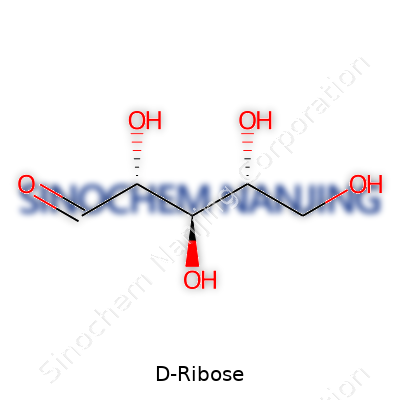
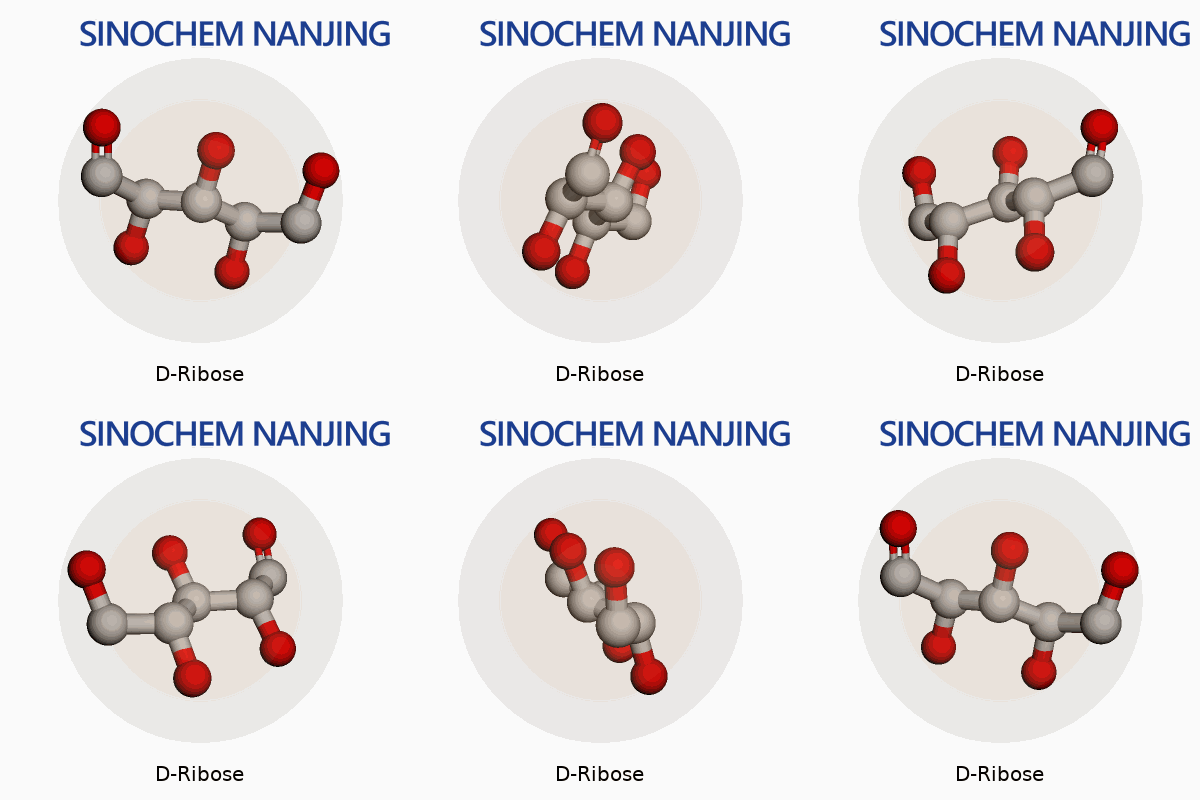
| Names | |
| Preferred IUPAC name | (2R,3R,4R)-2,3,4,5-tetrahydroxypentanal |
| Other names |
beta-D-ribofuranose D-Rib Ribose |
| Pronunciation | /ˈdiː ˈraɪ.boʊs/ |
| Identifiers | |
| CAS Number | 50-69-1 |
| Beilstein Reference | 1720540 |
| ChEBI | CHEBI:17692 |
| ChEMBL | CHEMBL442 |
| ChemSpider | 595 |
| DrugBank | DB00128 |
| ECHA InfoCard | 100.033.492 |
| EC Number | 4.1.2.15 |
| Gmelin Reference | 81103 |
| KEGG | C00117 |
| MeSH | D-Ribose |
| PubChem CID | 439197 |
| RTECS number | UJ8750000 |
| UNII | IY9XDZ35W2 |
| UN number | 2811 |
| Properties | |
| Chemical formula | C5H10O5 |
| Molar mass | 150.13 g/mol |
| Appearance | White crystalline powder |
| Odor | Odorless |
| Density | 1.50 g/cm³ |
| Solubility in water | Soluble in water |
| log P | -2.8 |
| Acidity (pKa) | 12.11 |
| Basicity (pKb) | 12.07 |
| Magnetic susceptibility (χ) | -9.6×10⁻⁶ cm³/mol |
| Refractive index (nD) | 1.333 |
| Dipole moment | 8.53 D |
| Thermochemistry | |
| Std molar entropy (S⦵298) | 210.7 J·mol⁻¹·K⁻¹ |
| Std enthalpy of formation (ΔfH⦵298) | -971.5 kJ/mol |
| Std enthalpy of combustion (ΔcH⦵298) | −2801 kJ mol⁻¹ |
| Pharmacology | |
| ATC code | A16AX10 |
| Hazards | |
| Main hazards | May cause respiratory irritation. |
| GHS labelling | GHS07 |
| Pictograms | GHS07 |
| Signal word | Warning |
| Hazard statements | Hazard statements: Not a hazardous substance or mixture according to the Globally Harmonized System (GHS). |
| Precautionary statements | Keep container tightly closed. Store in a cool, dry place. Avoid contact with eyes, skin, and clothing. Wash thoroughly after handling. |
| NFPA 704 (fire diamond) | 1-0-0 |
| Flash point | Approx. 137 °C |
| Autoignition temperature | 329 °C |
| Explosive limits | Lower explosive limit: 0.0103 oz/ft³ (0.103 g/L) |
| Lethal dose or concentration | LD50 (oral, rat) > 5,000 mg/kg |
| LD50 (median dose) | 10,000 mg/kg (rat, oral) |
| NIOSH | Not Listed |
| PEL (Permissible) | 10 mg/m3 |
| REL (Recommended) | 5 g daily |
| IDLH (Immediate danger) | Not established |
| Related compounds | |
| Related compounds |
Arabinose Xylose Deoxyribose Ribulose |



