D-Biotin: Shaping Science, Industry, and Wellbeing
Historical Development
D-Biotin found its place in science during the 1930s. Back then, food researchers discovered that raw egg whites could cause "egg white injury" in animals. The solution came when scientists recognized a vitamin in small amounts that prevented this problem: biotin. Over the decades, researchers mapped out its role in metabolism. By the 1940s, chemists had figured out the full structure, allowing companies to produce synthetic D-Biotin for testing and, later, for broader use in nutrition and research. As demand for food fortification and nutritional supplements rose after World War II, D-Biotin manufacturing methods advanced. Fermentation techniques offered more purity than chemical synthesis. Starting as a lab curiosity, D-Biotin grew into a crucial ingredient for food tech, animal feed, diagnostics, and personal health.
Product Overview
D-Biotin, often called vitamin B7 or vitamin H, acts as a key coenzyme in essential carboxylation reactions. This makes it vital for everything from energy production to gene expression. Pharmaceutical manufacturers often use highly pure, crystalline D-Biotin, while food producers rely on it to fortify products or to balance animal diets. Nutritionists value biotin’s impact on hair, skin, and nails. It also turns up as a reagent in laboratories, attached to biomolecules for high-sensitivity experiments. The market offers D-Biotin as pure powder, in tablets, capsules, and as a food or feed additive—sometimes blended with other B vitamins.
Physical & Chemical Properties
D-Biotin forms a white, crystalline, odorless powder. Taste comes through as nearly flat, so blending into supplements or animal feed doesn’t change flavor. Insoluble in water at room temperature, it dissolves slowly but evenly in hot water or dilute alkali, and a bit better in ethanol. Biotin melts around 232–233°C. Its molecular formula is C10H16N2O3S with a molecular weight near 244.31 g/mol. Its structure keeps the ureido ring fused with a tetrahydrothiophene ring—a setup that ensures stability and reactivity in biological systems. This chemical design means D-Biotin stands up well in packaging, resists light and moderate heat, but can degrade in strong acids and bases if storage lapses. Manufacturers often test batches for optical purity, as only the D-isomer offers the vitamin benefits.
Technical Specifications & Labeling
Manufacturers rely on sharp quality standards with D-Biotin. The United States Pharmacopeia and European Pharmacopoeia lay out limits for heavy metals, residual solvents, and microbial contamination. Purity exceeds 98% most of the time. Labels provide CAS and EC numbers, solubility, assay details, and recommended storage at room temperature, shielded from light and moisture. Finished products, such as tablets or food ingredients, specify D-Biotin content by mass, list any carriers, and provide directions for safe handling. Regulatory bodies like the FDA set minimum and maximum concentrations for dietary supplements and monitor claims about health effects. Bulk shipments for industry include batch certificates with results for microbial counts, heavy metal analysis, and physical appearance.
Preparation Method
Production of D-Biotin has shifted from multi-step chemical synthesis to efficient fermentation. Using strains of microorganisms—most often Bacillus or Pseudomonas species—fermentation tanks pump out biotin that’s harvested and purified using filtration and chromatography. Fermentation creates less environmental waste and produces a natural stereochemistry that matches the body’s needs. After isolation, crystallization and final purification steps churn out the stable, pure product distributed to supplement producers, feed manufacturers, and pharmaceutical labs. Some companies still use synthetic routes, but fermentation leads the way in scaling up for global demand. This method also lets growers adjust feed or supplement concentrations faster for seasonal or market changes.
Chemical Reactions & Modifications
D-Biotin carries a reactive carboxyl group and a sulfur atom, opening possibilities for chemical modification. Scientists in research labs routinely biotinylate antibodies, nucleotides, or peptides; these derivatives bind tightly to avidin or streptavidin proteins, which makes them powerful in assays and diagnostic tools. Biotin’s stable ring withstands moderate chemical changes, so its key biological functions stick around even after coupling to larger molecules. Industrial chemists also tweak side chains to improve water solubility or attach biotin to drugs for controlled delivery. The biotin-avidin system, developed from these chemical glimpses, shows up in everything from pregnancy tests to molecular probes, cementing biotin’s value outside nutrition.
Synonyms & Product Names
D-Biotin travels under a host of aliases in the market and in scientific literature. Commonly called vitamin B7, it also carries the name vitamin H, from the German “Haut und Haar” (skin and hair). Among scientific and regulatory communities, it goes by names such as Biotinum, Coenzyme R, and its CAS number 58-85-5. Supplement shelves display D-Biotin, Pure Biotin, or formulations as part of B-complex blends. Chemical suppliers may list it as hexahydro-2-oxo-1H-thieno[3,4-d]imidazole-4-valeric acid, linking it to product lines for protein labeling and biotechnical research.
Safety & Operational Standards
Regulatory limits on D-Biotin keep food and pharma products consistent and safe. The FDA, EFSA, and other bodies set daily values for supplementation—typically 30 micrograms for adults. Animal feed producers follow strict blending instructions to avoid under- or overdosing livestock, maintaining animal health and protecting the food supply chain. Operational guidelines require gloves and dust masks because fine biotin powder can cause irritation in sensitive workers. Facilities inspect raw material and finished product for contaminants, especially heavy metals and residual solvents from botanical or microbial sources. Environmental standards cover waste disposal during fermentation and strict documentation follows through every stage, giving clear traceability to every batch. Companies meet audits and publish safety data sheets for industrial buyers and regulators.
Application Area
D-Biotin holds a broad seat in diet, diagnostics, and biochemical research. Human nutrition gets most of the attention—skin, hair, and nail formulas top supplement sales charts—and doctors prescribe D-Biotin for rare inherited disorders like biotinidase deficiency. Food manufacturers fortify products for pregnant women, children, and seniors. The animal feed industry, needing healthy hoof and coat development, adds biotin to swine and poultry diets and to specialized pet foods. Laboratory researchers, using biotin-streptavidin chemistry, drive countless breakthroughs in molecular biology, gene editing, and cancer diagnostics. Pharmaceuticals explore its use in controlled drug delivery and as a carrier for therapeutic agents.
Research & Development
Development teams and scientists press ahead on several research fronts. Genetic studies dig into variations in biotin metabolism and their links to skin or neurological conditions. Teams develop better biosensors using the biotin-streptavidin interaction, improving early detection of infections and cancers. Industrial biotechnology experts tinker with more efficient fermenting organisms, extracting more yield for less cost and environmental impact. Food and supplement producers invest in formulations for better bioavailability, so D-Biotin reaches tissues more effectively. Regulatory scientists re-examine biotin’s upper intake limits as case reports of ultra-high supplement use surface. The intersection of nutrition, synthetic chemistry, and molecular biology keeps D-Biotin play a pivotal role in innovation.
Toxicity Research
Toxicity worries rarely come up at normal dietary doses. Standard scientific studies show D-Biotin passes through the kidneys when consumed in excess, causing few side effects. Some high-dose supplement users develop mild skin rashes or gut discomfort, which clinicians track and report. More recent concerns come from laboratory test interference: very large oral doses can skew results in thyroid hormone or cardiac biomarker tests, leading physicians to advise patients to pause supplements before routine blood work. Studies in mice and rats, even with doses hundreds of times above typical intake, report low toxicity and no clear cancer risk. Regulators update warnings as more supplement combinations reach the market.
Future Prospects
Interest in D-Biotin keeps growing, fueled by consumer appetite for clean-label nutrition and biotechnological research. Manufacturing teams explore strains of bacteria for higher efficiency and lower environmental load. New medical tests use biotin’s binding chemistry for earlier, more reliable diagnostics. Drug design starts to use biotin as a platform for delivering drugs directly to target tissues. Food producers develop biotin-enriched fortified products for specific population groups. Fragmented regulations and label confusion push calls for harmonization across borders, so a bottle bought in Tokyo lines up with one from Minneapolis. As research unravels more about the human genome and metabolome, D-Biotin’s impact on long-term wellbeing may keep expanding, rooted in rigorous science and some of the best traditions of discovery and care.
What are the health benefits of D-Biotin?
Understanding D-Biotin’s Role in Daily Life
D-Biotin, part of the B-vitamin family, often shows up on supplement shelves promising better hair, skin, and nails. Doctors and scientists know it as vitamin B7. Years of nutrition science back up its importance—D-Biotin helps break down food into energy your body can actually use. It works with enzymes that process fats, carbs, and proteins, making everyday meals useful for fueling muscles and organs.
Energy Production and Daily Stamina
Anyone who has felt the drag of low energy might want to consider B vitamins. D-Biotin, in particular, assists in turning carbohydrates into glucose, your body’s favorite type of fuel. Missing out on this vitamin leads to feeling tired and sluggish. While most people get enough through everyday foods like eggs, nuts, and leafy greens, tight budgets and restrictive diets sometimes limit access. Some people have genetic conditions that make absorbing this vitamin a struggle and might notice weak muscles or fatigue.
Healthy Hair, Skin, and Nails
Research links D-Biotin to better hair and nail strength, which explains the growing trend of biotin hair gummies and beauty supplements. I’ve seen friends with brittle nails and thinning hair swear by these supplements. For those who struggle with breakage or slow growth, there’s some evidence showing daily biotin helps. Clinical cases show people with biotin deficiency can experience rashes and hair loss, and supplements clearly help reverse these.
Supporting Pregnant Women and Growing Babies
Pregnant women may not always realize their bodies burn through B vitamins faster to keep up with a growing baby. D-Biotin plays a role in fetal development, especially for cell growth and the formation of healthy tissues. Some doctors have noticed that more pregnant women develop a slight biotin deficiency even with decent diets. Extra biotin can help maintain health during pregnancy, but dosing needs careful medical oversight, not just guesswork or internet shopping.
How Much D-Biotin Is Enough?
Most people get plenty from daily meals. Eggs, almonds, sweet potatoes, and even some yogurts provide good amounts. People who skip whole food groups or recover from surgeries sometimes dip below healthy levels. Experts suggest about 30 micrograms per day for adults, with larger amounts for breastfeeding mothers. Overdoing supplements almost never helps—mega doses just pass through the system.
Safe Solutions and Real-World Choices
Things get tricky in a world full of flashy vitamin bottles. Reliable nutrition comes from balanced meals and food diversity, not chasing after every trending pill. Though it’s rare, some folks need medical doses of D-Biotin due to genetics, digestive disorders, or after taking long-term antibiotics. That’s the time to talk with a doctor, not just grab something off the shelf.
Healthy living thrives on evidence—peer-reviewed science, physician experience, and real stories. D-Biotin makes a difference for those who need it, but the smartest move is to check in with trusted professionals and focus on real foods. People deserve clear choices, not confusion or hype.
What is the recommended dosage for D-Biotin supplements?
Putting D-Biotin in Perspective
Biotin pops up in conversations about hair, nails, and skin supplements all the time. Walking through health food aisles, bottles suggesting “stronger hair” seem to promise a cure in a small pill. Digging deeper, D-Biotin shows up as the natural form making up what people just call biotin. It’s a vitamin from the B family, water-soluble, and linked to how your body processes food into energy. I’ve watched people chase these supplements, and I've read my share of labels and studies to see what’s hype or help.
Recommended Dosage: Sorting Fact from Fads
According to the National Institutes of Health, adults need about 30 micrograms (mcg) per day. That figure isn’t random—it's based on how much gets people through each day without signs of biotin deficiency. Deficiency doesn’t come easy, though. Our bodies only call for a small amount, and normal diets usually cover it, mixing in things like eggs, nuts, whole grains, and leafy greens.
Those supplement bottles often advertise 5,000 mcg or more per pill. That’s over 160 times the daily recommended intake. Marketing tends to ride the wave of beauty trends, leading people to believe that “more is better.” The real story doesn’t line up. Studies coping with big doses haven’t shown much extra benefit for most healthy folks, and excess just washes out in urine. It’s smart to remember the body can’t pile up biotin the way it stores fat-soluble vitamins, but tossing in several thousand micrograms a day just doesn’t track for most people.
Who May Need More?
Some people do land on the short side of biotin. Those with certain metabolic disorders, pregnant women, people using anti-seizure drugs, or those prone to chronic alcoholism can run low. In those situations, doctors may suggest extra, usually after checking blood levels and looking at symptoms. Biotin deficiency leads to symptoms like thinning hair or a rash around the face. These stand out and call for professional attention, not guesswork based on a blog or friend’s advice.
Risks and Oversight
Huge doses of biotin haven’t shown much risk in healthy people, but they do mess with lab results. Too much biotin can skew tests meant to check thyroid function, heart health, or hormone levels. There have been cases where lab errors led to medical confusion or delays in treatment. If you’re planning a blood test or taking other medications, let your doctor know about every supplement.
Solving Biotin Confusion: An Honest Approach
It’s easy to get swept up with trends, especially with messages promising great hair or nails. Most people hit the daily goal through food without worrying about pills. Not many folks talk to a health professional before starting high-dose biotin, but that step matters. Instead of jumping to megadoses, check what the science says and what your food already covers. For most, focusing on a solid diet does more than chasing miracle capsules.
Are there any side effects of taking D-Biotin?
Why Take D-Biotin?
Walk into any pharmacy or grocery store, and you’ll spot bottles of biotin lining the shelves. Some folks call it vitamin H, most stick with biotin or D-biotin. People swallow these capsules hoping for thicker hair, sturdier nails, and maybe a little boost in overall energy. The marketing always promises quick changes. As far as vitamins go, biotin plays a big part in turning the food you eat—especially fats and carbs—into energy your body can use. Anyone who’s spent time at the gym or flipped through beauty magazines will know the appeal of strong nails and smooth skin.
Common Experiences Taking Biotin
Doctors rarely see a true biotin deficiency, especially in folks who eat a varied diet. Eggs, nuts, whole grains, and even bananas come loaded with decent amounts. Still, multivitamins and beauty supplements keep promising something extra, and a surprising number of people take heaps more than the daily recommendation. The theory goes: if some is good, a lot must be better. But extra isn’t always safer.
Talking to friends, scrolling Reddit threads, or reading supplement reviews, it isn’t tough to find people who’ve had odd side effects after bumping up their dose. The most common story involves skin. Sudden breakouts—acne along the chin and jaw—show up for some, especially at doses much higher than what a regular meal would give. Others complain about stomach pains, mild nausea, or a feeling of being gassy or bloated.
What Science Says About Safety
Clinical studies and case reports agree that biotin remains safe for most, even at high doses, but that doesn’t mean it’s totally risk-free. The National Institutes of Health and Mayo Clinic both say most people don’t see harsh side effects, even at doses reaching up to 10 milligrams a day (the average diet gives less than half a milligram). Rare problems still crop up:
- Lab Test Confusion: Biotin can mess up blood test results, especially for thyroid and heart markers. The problem: it sometimes makes healthy results look shockingly off, or dangerous results appear normal. This could lead to missed diagnoses.
- Interactions: Folks on anti-seizure medications or certain antibiotics can end up with low biotin levels without realizing it. Too much biotin may also mess with how the body absorbs other B vitamins.
- Breakouts and Rashes: No one has nailed down why, though many notice changes in their skin after starting high-dose supplements.
Looking for Solutions
People drawn to supplements often skip talking to their doctor. Most don’t realize biotin can change those blood test results, sometimes with dangerous consequences. Letting your doctor or nurse know about every vitamin or supplement seems basic, but most folks forget or feel embarrassed. If someone starts a new supplement and notices big changes—bad skin, gut problems, headaches—pausing the pills and asking a professional just makes sense.
Pharmacists and healthcare professionals recommend getting vitamins from food first. Supplements fill a gap—not fix a diet. If hair, skin, or nails seem weak, the right move involves checking for bigger issues—thyroid problems, stress, underlying nutrition, or hormone imbalances—before reaching for a bottle.
For those who still want to supplement, aiming for daily intakes close to the recommended amount (30 micrograms for adults) sidesteps most risk. High-dose biotin doesn’t speed up hair growth overnight. Sticking to lower doses, checking labels, and keeping every medical provider in the loop gives the best shot at staying both healthy and honest about what really works.
Can D-Biotin help with hair growth?
The Roots of the Biotin Craze
Walk into any drugstore, and you’ll see a wall of supplements promising longer, thicker hair. D-Biotin, more commonly just called biotin, sits front and center. People often talk it up as a miracle for thinning hair, as if popping a pill each day is all it takes for a fuller head of hair. So where did all this buzz come from? Biotin is a B-vitamin, and it helps turn food into energy. The nutrition world figured out years ago that real biotin deficiency can cause brittle nails and thinning hair. Cases like that are rare in people who eat a balanced diet. But once that info got out, the supplement industry latched on, turning biotin into a billion-dollar answer to shedding hair.
Science Says: Facts Over Fads
A big question pops up: do people with ordinary diets even need more biotin for their hair? It’s easy to get enough from foods like eggs, almonds, seeds, and some vegetables. For most, there’s simply no real shortage. More importantly, studies haven’t found strong evidence that taking extra biotin can boost hair growth for people who don’t already have a deficiency. According to peer-reviewed research, folks who saw real improvements either had a genetic disorder or another medical issue causing severe biotin shortage. For healthy people? Not much change. The National Institutes of Health points out that, outside of clear-cut deficiency cases, the link between biotin and hair improvements looks pretty weak.
Diving Into Risks and Side Effects
Biotin supporters may point out that it’s water-soluble—what your body doesn’t need, you pee out. That sounds harmless, but plenty of people end up taking high doses, thinking it helps. Here’s something I’ve learned: More isn’t always better. Taking lots of biotin might interfere with common lab tests, like ones for thyroid or heart health, leading to wrong results. The U.S. Food and Drug Administration has warned about this problem. I once saw a friend’s thyroid test come back way off, only for their doctor to realize it happened because of all the biotin supplements she was downing. So it pays to be honest with your doctor about every supplement in your daily routine.
More Than Just a Pill: Everyday Hair Health
The steady drumbeat for supplements often drowns out the basics. Hair needs more than just one nutrient. Stress, hormones, genetics, and medical conditions like thyroid disease shape hair health in a real way. A doctor once told me to forget shortcuts and look at my daily life—Are you eating well? Are you sleeping enough? Is stress running your life? Those basics matter so much more in the big picture. Protein, zinc, iron, and vitamins from whole foods work together for hair, skin, and nail strength. Chasing one nutrient misses the bigger puzzle.
Facing Hair Worries: Realistic Steps
If you’re losing hair, the instant reaction is to grab a bottle. Before doing that, make sure something simple isn't missing from your plate. Talk to a healthcare provider, rule out thyroid troubles or low iron. Look for patches or sudden hair loss, which may point to medical conditions, not a nutrient gap. If bloodwork shows everything is normal, focusing on a healthy diet and manageable stress can do more than any supplement hype. Spending on pills sometimes brings hope, but most often, changing daily habits brings better results for hair and for other parts of life.
Is D-Biotin safe to take daily?
Insights from Real Life
I remember hitting the grocery store aisles in search of something to tame my thinning hair. D-Biotin supplements practically jumped off the shelves in flashy labels promising shiny results. Crowds of friends and family, especially those sharing hair loss or brittle nails stories, all swore by their daily routine of these small white capsules.
What Science Says about Biotin
D-Biotin, or vitamin B7, plays a central role in breaking down fats, carbohydrates, and amino acids. Since the body doesn't store much of it, people naturally wonder if daily use leads to safety concerns or benefits. Research points out that most people get enough biotin simply by eating foods like eggs, nuts, seeds, avocados, and salmon. The National Institutes of Health notes actual deficiency stays rare among otherwise healthy folks.
Taking more than the body requires doesn't equal extra perks. Hair and nail supplement companies often list high doses—upward of 5,000 micrograms per serving—far above the recommended needs for adults, which sits closer to 30 micrograms daily.
Possible Risk Factors
High doses grab attention from medical professionals for a good reason. Even though biotin gets classified as water-soluble, which means the body flushes out any extra through urine, trouble can crop up. The FDA has warned that large amounts of biotin might mess with blood test results, causing false high or low readings. One real-world example ended with a delayed diagnosis of a heart problem because blood tests didn't look quite right thanks to that extra biotin.
People with kidney problems or pregnant women should be more cautious. With few long-term studies around, the full risk picture for taking large doses every single day hasn't come into sharp focus yet.
Personal Experience and Smart Choices
At one point, I tried taking biotin on a daily basis to help my nails. For a few weeks, things seemed to head in the right direction, but no dramatic change unfolded. Comparing notes with friends, the pattern repeats. Unless a doctor diagnosed them with a specific health reason for biotin (like a true deficiency), the changes most people talk about stay subtle at best.
The supplement market thrives on promises rather than evidence. It's worth knowing that a balanced eating pattern supplies more than enough biotin for the vast majority of adults. Going after super doses might just be throwing money away, and possibly risking skewed health checks, all for uncertain gains.
What to Do Instead
If the urge comes to reach for a daily biotin pill, talking with a healthcare professional goes a long way. Testing levels for an actual deficiency gives concrete information, and reviewing current medications or diagnoses with a doctor catches possible interactions. Shifting focus to eating whole foods—like sweet potatoes, egg yolks, nuts, and fish—often does more good than chasing miracles in a bottle.
Sound health choices lean on real food, smart information, and honest discussions. Relying on biotin as a quick fix skips the bigger picture of healthy habits. Most people don’t need a daily supplement unless guided by medical advice. Before starting, recognizing the limits of what a vitamin can do puts control back where it belongs—in the hands of those living through the experience.
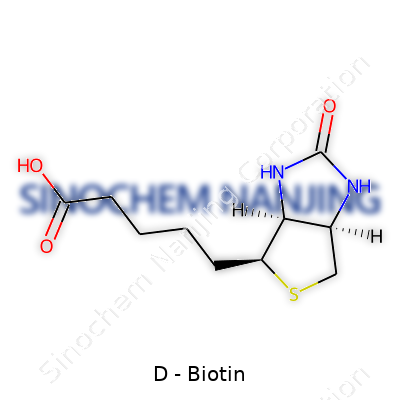
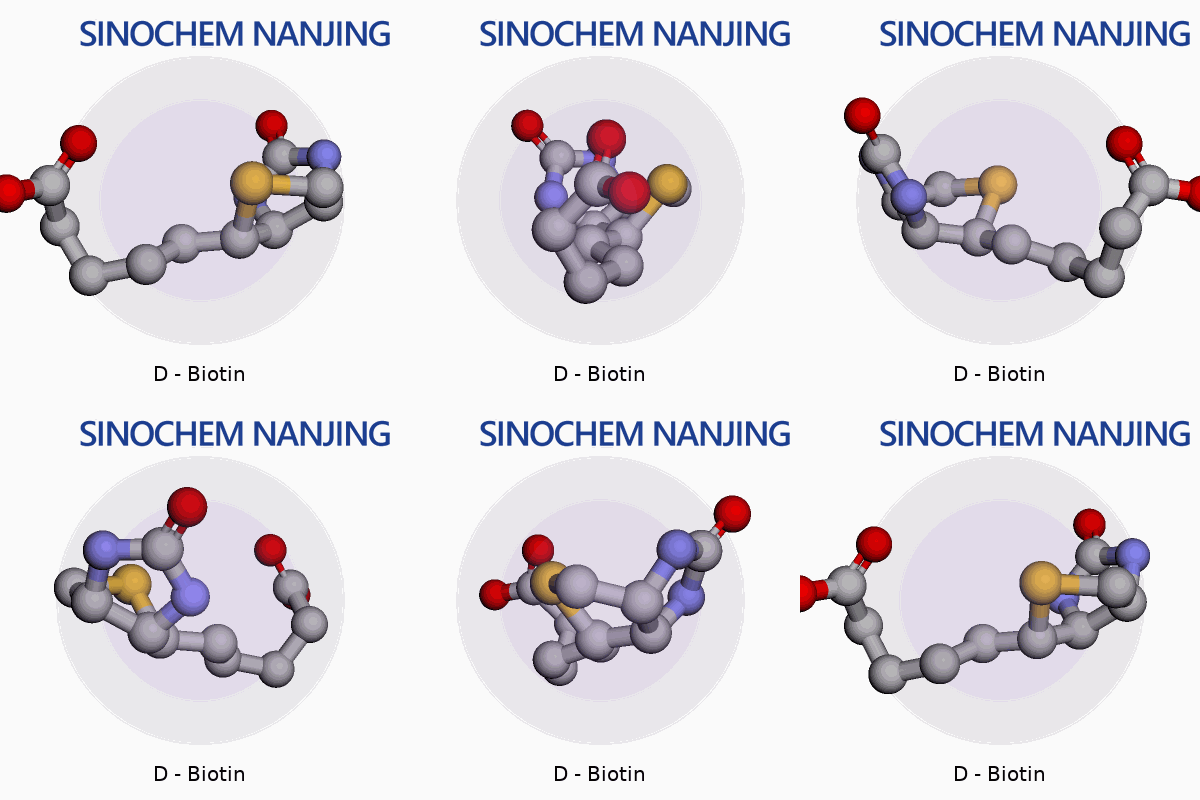
| Names | |
| Preferred IUPAC name | (3aS,4S,6aR,7aS,11aS,11bR)-7a,8,9,10,11a,11b-Hexahydro-4H,6H-4,11a-methanocyclopenta[c][2]benzoxazole-1,5(3aH)-dione |
| Other names |
Biotin Vitamin B7 Vitamin H Coenzyme R |
| Pronunciation | /ˌdiːˈbaɪ.ə.tɪn/ |
| Identifiers | |
| CAS Number | 58-85-5 |
| Beilstein Reference | '1720551' |
| ChEBI | CHEBI:15956 |
| ChEMBL | CHEMBL418 |
| ChemSpider | 5492935 |
| DrugBank | DB00121 |
| ECHA InfoCard | 100.040.204 |
| EC Number | EC 3.5.1.12 |
| Gmelin Reference | 82178 |
| KEGG | C00120 |
| MeSH | D-Biotin MeSH: "Biotin |
| PubChem CID | 171546 |
| RTECS number | DJ3470000 |
| UNII | 6SO6U10H04 |
| UN number | UN2811 |
| Properties | |
| Chemical formula | C10H16N2O3S |
| Molar mass | 244.31 g/mol |
| Appearance | White crystalline powder |
| Odor | Odorless |
| Density | Density: 0.988 g/cm³ |
| Solubility in water | Soluble in water (22 mg/L at 25 °C) |
| log P | -1.8 |
| Vapor pressure | < 0.01 mm Hg (20°C) |
| Acidity (pKa) | 4.5 |
| Basicity (pKb) | pKb ≈ 14.0 |
| Refractive index (nD) | 1.550 |
| Viscosity | Viscous oil |
| Dipole moment | 9.07 D |
| Thermochemistry | |
| Std molar entropy (S⦵298) | 365.6 J·mol⁻¹·K⁻¹ |
| Std enthalpy of formation (ΔfH⦵298) | -589.1 kJ/mol |
| Std enthalpy of combustion (ΔcH⦵298) | -3708 kJ/mol |
| Pharmacology | |
| ATC code | A11HA05 |
| Hazards | |
| Main hazards | Not hazardous according to GHS classification. |
| GHS labelling | Not a hazardous substance or mixture according to the Globally Harmonized System (GHS) |
| Pictograms | GHS07 |
| Signal word | No signal word |
| Hazard statements | No hazard statements. |
| NFPA 704 (fire diamond) | 1-0-0 |
| Flash point | 240°C |
| Autoignition temperature | 410 °C |
| Lethal dose or concentration | LD50 (rat, oral) > 10,000 mg/kg |
| LD50 (median dose) | LD50 (oral, rat): >10,000 mg/kg |
| NIOSH | DF6001076 |
| PEL (Permissible) | 10 mg/m3 |
| REL (Recommended) | 30 µg |
| Related compounds | |
| Related compounds |
Biotin sulfone Biocytin Desthiobiotin Dethiobiotin |



