Cyclohexene: At the Crossroads of Science, Industry, and Responsibility
The Story Behind a Six-Carbon Ring
Cyclohexene never makes headlines, but, for chemists and downstream industries, it has always been closer than most realize. Looking back to the turn of the 20th century, scientists realized that certain unsaturated hydrocarbons offered more than just academic interest. Cyclohexene, with its single double-bond wedged in a six-membered ring, pushed through as a crucial bridge between base petrochemicals and a vast array of higher-value products. Petrochemical plants put cyclohexene to work as a middle step between benzene and nylon. In a way, it serves as the invisible engine beneath one of the world’s most enduring materials.
Physical Character: What Sets It Apart
If you’ve ever uncapped a bottle of pure cyclohexene, you won’t forget the oily, pungent aroma that fills the air. Interestingly, it’s a colorless liquid at room temperature, which sometimes catches newcomers off guard—something about “-ene” endings suggests deep colors and heavier feels. Its melting point stays well below zero Celsius, which means cyclohexene stays liquid through winter chill. Boiling sets in around 83 degrees Celsius. It doesn’t mix well with water—not surprising for anyone who has spilled a little on a bench and watched it bead up—but mixes easily with most organic solvents. Chemically, that single double bond makes the molecule reactive in ways far simpler alkanes can’t manage. It’s this eager double bond, tucked inside a non-flat ring, that gives cyclohexene its lively chemistry.
Labeling and Technical Realities
Talking cyclohexene in research or industry almost always means handling tightly labeled containers. Bottles arrive marked with both proper names and industry synonyms, including “1,2,3,4-tetrahydrobenzene.” Labels highlight flammability and the potential dangers that come with volatile organic vapors. The best labs use well-calibrated equipment, keep proper ventilation humming, and store this liquid well away from oxidizers. Every shipment comes with its own lot number tied into multi-stage tracking—a necessary step, not overkill, given the high stakes of contaminant-free syntheses. For a long time, I worked with small-batch cyclohexene deliveries, and—more than once—double-checked purity using gas chromatography before daring to use it in any reaction destined for publication. Where mislabeling or contamination sneaks in, entire research avenues can go sideways.
The Chemistry Behind the Scenes
Anyone making cyclohexene in bulk usually starts from cyclohexanol, kicking off a dehydration reaction, removing water under an acid catalyst (often phosphoric acid), and then collecting the liquid distillate. Old textbooks suggested sulfuric acid; newer safety standards nudge everyone toward less hazardous routes. The scale-up changes everything—lab tricks rarely translate neatly to a reactor charged with hundreds of kilograms, where temperature swings and exotherms get amplified. Watching a flask gently bubble on a stir plate offers little hint of the industrial choreography behind pipeline-scale production. For the professional chemist, “making” cyclohexene shapes up less like a home recipe and more like wrangling a complicated orchestra that doesn’t forgive mistakes.
Reactive and Ready: Transformations and Modifications
Cyclohexene doesn’t sit still. That double bond begs for attention and acts as a functional handle for an entire suite of reactions. Bromination, hydroboration, and epoxidation change the game, producing a slew of intermediates on the way to consumer goods such as nylon stockings, tire additives, and specialty polymers. During my years in the lab, I relied on cyclohexene as a quick demonstration of classic addition reactions for students—most gasped when a deep color flashed as bromine met cyclohexene. The world relies on these conversions, ramping up small-scale academic tricks to multi-ton batches that keep supply chains stocked.
More Than a Name: Synonyms in Daily Work
The language around cyclohexene hasn’t always been simple, and the same compound shows up in catalogs under varied guises. Synonyms like “tetrydrobenzene” or “hexanaphthene” occasionally appear in older literature or regional dialects. Most researchers stick with “cyclohexene” for the sake of clarity, but it’s crucial to double-check names across suppliers and standards to dodge cross-communication or misordering. In my experience, skipping a name check before a project can lead to weeks lost, since not every vendor uses the same terminology or system for purity grades.
Keeping Workspaces Safe: Practical Standards
No commentary on cyclohexene earns its keep without a real-world nod to safety. Every bottle brings flammability risk, and the chemical stings if you breathe too much or spill it on your skin. The sharp solvent odor, for me, always signals it’s time to double-check fume hood airflow and make sure the spark-proof fans are switched on. Safety goggles and proper gloves never seem optional. Beyond immediate hazards, I’ve watched engineers build automatic shutoffs and vapor detectors in any plant where cyclohexene vapor could collect—key steps considering even a small leak can put a whole shift at risk. A focus on training and vigilance does more to prevent disaster than any sheet of lab rules ever could.
Application Power and Real Impact
Cyclohexene may sound obscure to the general public, but it powers the engine room for materials science. The jump from benzene to cyclohexene, and onward to cyclohexanone and cyclohexanol, forms the core pathway into nylon-6,6. It goes from lab flask to fiber, then to fabric, carpet, rope, and auto parts. In the rubber industry, chemists use cyclohexene as a monomer or modifier to tweak elasticity, giving tires their signature bounce. On the pharmaceutical front, its derivatives nudge closer to bioactive compounds and are the hidden stars behind trial drugs. Makers of specialty resins, adhesives, and plasticizers keep cyclohexene on their raw material shortlists, sourced and stocked through trusted channel partners.
Where Research Refocuses
Laboratories keep coming back to cyclohexene, and not just out of habit. Lately, the push leans toward greener, safer processes—using alternative catalytic methods, optimizing yields from renewable cyclohexanol streams, or even bypassing traditional petrochemical starting materials. Academic journals stack up new papers devoted to selective oxidation routes, theoretical studies modeling ring strain, and tweaks to reactivity that could reduce byproduct formation. I’ve followed the excitement in conference workshops where researchers try bio-based approaches, some aiming at eventually closing the loop on cyclic hydrocarbon production. Such research shapes not only what cyclohexene looks like on the molecular level, but how its environmental impact will be measured tomorrow.
A Close Look at Toxicity and the Human Factor
Toxicology research leaves no room for hand-waving. Cyclohexene falls among those organic solvents that demand respect and careful handling, even in small doses. Inhalation produces irritation of the lungs and eyes, higher exposure brings on headaches or dizziness, and chronic contact makes skin dry or cracked. Animal studies point to liver and kidney stress after longer-term exposure, though the acute effects—vapors, spills, fire—stay at the center of most training regimens. For years, the best way to keep safe has come from a mix of solid procedures and respect for what can go wrong. Workers now wear real-time monitors, and modern labs set exposure limits tighter than in the past, grounded in a healthy dose of caution and guided by ongoing research.
Looking to Tomorrow: What Comes Next?
Future prospects for cyclohexene rest on the edge of industrial necessity and the shifting ground underneath global sustainability. Demand for nylon and specialty plastics persists, but every manufacturer now faces pressure to cut waste, cut energy use, and tightly control emissions up and down the chain. Bio-based feedstocks might not yet match the volumes of their petrochemical ancestors, but research accelerates as governments and investors seek alternatives that balance utility with responsible stewardship of resources. For technologists and environmental scientists, cyclohexene tells a story of compromise and possibility—where new preparation routes, safer chemistries, and closed-loop recycling hold the promise of shrinking the chemical industry’s environmental footprint. Students and experts both sense enormous potential in new catalytic cycles and unorthodox modifications that expand cyclohexene’s reach. The challenge and opportunity rise side by side, asking chemists and policymakers to see not just the molecule, but the world it shapes and inhabits.
What is Cyclohexene used for?
Industry Has Its Eye on Cyclohexene
Walk through any chemical lab or step foot in a manufacturing site, and cyclohexene isn’t hiding on some back shelf. This molecule plays a backbone role for many downstream products. I remember years ago, visiting a plastics factory where barrels of cyclohexene lined a wall, their contents marked for one purpose—turning into nylon. People might not realize just how much nylon has changed their day-to-day: every bag, carpet, or seatbelt got its start with a step involving cyclohexene.
Chemical Clout in Synthesis
To get nylon, you need adipic acid, and cyclohexene leads that chain. Chemical workers oxidize cyclohexene in a process squeezed tighter for quality and emissions each year. Efficiency means less waste, but it also means extra care with a compound so flammable and reactive. The folks pouring and blending these chemicals don’t treat cyclohexene lightly. Accidents don’t just cause messes—they threaten lives. So controls got stricter, both out of regulation and hard-learned lessons.
Rubber, Resins, and the Rest
Even outside the big world of plastics, this molecule weaves into tires and coatings. Rubber manufacturers depend on it to introduce flexibility and durability in products that face pounding, heat, and stress. As someone who has changed more than a few tires in a sweltering parking lot, I can say a strong, safe rubber isn’t just about science; it’s about every driver making it home.
I’ve seen resin producers use cyclohexene to craft adhesives, paints, and varnishes. There’s pressure to deliver goods that don’t just stick, but do so without risky side-effects. Companies know more consumers pay attention to chemical safety than ever. This scrutiny means less tolerance for shortcuts or sloppy work. Transparent records matter, traceable supply chains matter, and cyclohexene’s journey never escapes attention.
Environmental and Health Signs Matter
Nobody wants to breathe in cyclohexene or get it on their skin. As water and soil standards rise, everyone in the supply chain feels the push to reduce leaks, spills, and emissions. Reports show strict handling reduces health incidents, but older facilities often lag behind newer ones. I watched a small plant upgrade its ventilation and storage after a routine inspection caught a slow leak. Management balked at costs at first, but a year later, claim numbers dropped and workers stayed healthier. Sometimes, change pays off more than staying put.
Tough Questions Push Better Solutions
Substitutes rarely match cyclohexene’s mix of cost and performance. Moving away means investments in research, with teams testing bio-based alternatives or safer derivatives. Universities link arms with industry, but progress runs slower than some hope. Until this shifts, the sharpest minds in engineering, supply, and policy have to keep a close watch. I talk to young chemists worried about legacy chemicals, but who also see opportunity for projects that might chart a cleaner future.
Cyclohexene stands as a prime example of the choices industry and society face: productivity and convenience balanced against oversight and safety. Folks at every step—chemists, factory workers, end-users—carry some weight on how this compound touches daily life. In a world chasing performance, vigilance needs to keep pace.
What is the purity of Cyclohexene available?
The Numbers Behind the Label
Take any bottle of cyclohexene off a lab shelf and you’ll spot a percentage somewhere on its label. Most folks in chemistry labs see levels like 95%, 99%, or every so often, something even higher. Purity plays a massive role in everything from research projects to full-scale manufacturing.
Cyclohexene, that colorless liquid with a faintly sweet smell, is made widely for plastics, solvents, and even medicine. In labs, the standard used reaches at least 95% purity, but for experiments tied to synthesizing sensitive compounds or analysis work, chemists reach for 99% or better. Anything lower and unwanted byproducts start to muddy the data or mess with reaction outcomes.
Why Purity Matters Beyond the Lab
Years ago while helping with a polymerization project, I learned how much we depend on raw material quality, especially for chemicals like cyclohexene. High-purity cyclohexene translated into a smoother, more controllable process with fewer side reactions. Lesser grades, often between 70% and 90%, usually land in industrial settings where rigorous purity isn’t critical. Big chemical plants may use these grades in bulk processes where minor impurities don’t mess up the final product since downstream steps clean things up.
For processes making pharmaceuticals or flavor molecules, nothing less than the highest available purity works. Trace impurities in those cases can mean angry regulators or, worse yet, harmful products. In the food and drug world, suppliers put lots of money and care into distillation steps that bump purity past the 99% mark. If you’ve tasted a medicine and it seems exactly the same every time, tight control over input materials—like cyclohexene—plays a big part.
Dangers Lurking in Impurities
Low purity brings real dangers, too. Certain contaminants, like benzene or other aromatic hydrocarbons, don’t just change how a product works—they can be outright toxic. That’s a lesson many old plants learned the hard way, and it’s driven stricter testing and reporting rules. Purity certificates from reputable suppliers now include detailed breakdowns of what’s in the bottle, right down to the parts per million. Smart buyers ask for these details without hesitation, even if it sometimes means paying more for peace of mind.
The Role of Governments and Testing Labs
Governments and watchdog agencies examine import shipments and randomly pull lab samples to double-check what’s being sold. Third-party labs use gas chromatography and mass spectrometry for precise purity checks, ensuring that companies meet their listed specs. Certification bodies sometimes get involved too—especially for pharmaceutical-grade supply chains.
Solutions for Getting It Right
Industry pushes for better transparency between suppliers and buyers can help. If chemical companies publish data on each production batch, buyers know exactly what they’re working with. Investing in on-site purity testing, even basic GC, saves long-term hassle. Building good relationships with reliable chemical suppliers and sticking with those who deliver on their guarantees pays off time and again.
For anyone handling cyclohexene, no matter the scale, insisting on top-notch quality reduces risks, maximizes performance, and keeps people safe. Over time, it’s become clear: there’s no substitute for knowing exactly what’s in your chemicals.
What are the storage conditions for Cyclohexene?
Chemistry Shelves Carry More than Bottles
I learned early on in the lab how even small mistakes with chemicals can haunt you. Cyclohexene sits among those bottles that demand respect. It’s a colorless liquid, slightly sweet-smelling—and flammable as gasoline. Universities and factories keep it for synthesis and countless reactions, and stories circulate about accidents in back rooms where storage gets sloppy. For people who haven’t smelled it, sometimes it takes only one whiff to understand why safety guidelines pile up around it.
Heat and Fire Don’t Mix with Cyclohexene
Years of working in teaching labs taught me that people often forget the most basic rule: store this liquid in a cool, well-ventilated spot away from direct sunlight and ignition sources. Temperatures in storage rooms can creep up, turning a minor oversight into disaster. The flash point for cyclohexene is about -20°C, much lower than most folks expect. So, stacking bottles near lamps, steam pipes, or in sunlight builds unnecessary risk. Keeping fire extinguishers nearby isn’t optional, and routine safety checks save real money and lives.
Sealed Containers Are More than Cleanliness
A snug, airtight seal seems like a simple fix, but years of experience showed me what happens when that step gets skipped: you end up with yellowed, stinky liquid, or much worse, unstable peroxides. Oxygen can sneak in. Over weeks, peroxides form in cyclohexene if you leave bottles partially open. These byproducts can explode if you agitate them. People discover this the hard way, trying to open old containers. Using amber glass helps block UV rays, which also helps slow down that peroxide formation.
Labeling: Clear Warnings Save Time and Nerves
It’s tempting to grab a sharpie, scribble “lab use,” and call it a day. In busy environments, that shortcut costs dearly. My students adopted a habit borrowed from the pros: mark the purchase date, opening date, and add warning signs about peroxide-forming potential. Organizations like OSHA lay out requirements because missing labels mean wasted time in emergencies. Anyone grabbing the bottle should know instantly what sits inside and how long it’s been there.
Ventilation and Spill Response Mean Fewer Accidents
I’ve seen more than a few people feel woozy after working with poorly stored cyclohexene. Good airflow keeps vapors down and workers healthy. Fume hoods stay running while moving or measuring the stuff. Even in storage, some air is needed so vapors can’t settle and accumulate. A small spill creates a strong stench—putting absorptive materials near storage spots gives everyone a fighting chance to clean up before things spread. Training staff, rotating supplies, and frequent audits keep everyone on their toes.
Community and Accountability Build Real Safety
Sometimes, it’s not the fancy storage cabinets or state-of-the-art alarms that make the difference—it’s how workers call out unsafe behavior and support better routines. I’ve worked in labs where new assistants get coached by veteran techs, passing down practical tips not always found in rulebooks. Combining clear rules with honest teamwork turns storing cyclohexene from a gamble to routine business. Anyone handling chemicals deserves straightforward information, regular refreshers, and tools to act fast if something goes wrong. In the end, it’s not just about chemistry—it’s about bringing everyone home at the end of the day.
Is Cyclohexene hazardous and what safety precautions are required?
Getting to Know Cyclohexene’s Risks
Chemists and industrial workers often cross paths with cyclohexene. It’s a colorless liquid with a noticeable sweet smell, showing up in labs, synthetic rubber factories, and in the manufacture of nylon. Folks who work around cyclohexene tend to think of it as just another chemical. The truth: it packs some sharp edges, especially when mishandled.
Cyclohexene lights up much easier than water boils. Its flash point sits around -20°C, making even a stray spark really risky. Vapors mix with air and can travel across surfaces, then explode once they meet a flame. Many people, myself included, learned early on to never trust it near hot plates, open flames, or even static electricity. Better to assume a vapor cloud lingers wherever the bottle’s been open.
Spills don’t just threaten fire. Cyclohexene fumes irritate eyes, skin, and lungs fast. I recall one rushed cleanup: a careless splash sent my lab partner coughing and rubbing his eyes for hours. Even brief contact can trigger headaches, dizziness, and in bigger doses, loss of coordination or worse. Long-term effects, like nervous system damage, grow likelier with repeated exposure. Touching the liquid can dry out or crack skin after a while. Experts point at studies connecting organic solvents like this one with chronic health issues among workers.
Some might forget about environmental risks. Cyclohexene stubbornly spreads if it gets loose in water or soil. Fish and wildlife react poorly to it — a spill near drains can travel far and linger for months. That’s one reason proper storage often raises as much concern as personal safety.
Working Safely with Cyclohexene
I’ve worked in both academic and industrial labs, picking up lessons about keeping safe with this stuff. Storage always starts with well-sealed glass or steel containers in flammable storage cabinets. Never leave the main supply on a cluttered bench. Keeping containers away from oxidizers—like nitric acid or peroxides—matters more than most people realize, since those combinations can react violently.
Personal protective equipment matters more than any fancy engineering control. I always reach for safety goggles and a thick lab coat. Nitrile gloves handle cyclohexene well enough, but nobody should stretch their luck with old or torn gloves. Good ventilation keeps vapor levels in check—fume hoods or at least well-aired workspaces don’t just protect the user, but everyone nearby.
One thing newcomers miss: cyclohexene’s vapor builds up low to the ground because it’s heavier than air. That means leaks may dodge the nose, lurking till they find a flame. I keep an eye on floor-level ventilation and always check for any liquid before plugging something in.
Cleanup needs quick action, but not haste. Spills call for absorbent material rated for organics. Paper towels and rags won’t cut it and only spread the mess. Everything goes into a metal container with a tight lid for disposal, as recommended by hazardous waste protocols.
Taking Hazards Seriously
Many new workers look at cyclohexene as just another part of the job. It pays to respect what a flammable, irritating, and surprisingly persistent chemical it really is. Simple steps—proper grooming, clean work habits, and upfront training—leave fewer weaknesses than high-tech setups alone. For anyone around cyclohexene, knowledge and routine make all the difference. Stories from veterans show that informed, cautious handling keeps accidents rare.
What is the CAS number of Cyclohexene?
Understanding the CAS Number: 110-83-8
Cyclohexene carries the Chemical Abstracts Service (CAS) number 110-83-8. This simple number might look random, but for anyone working in a laboratory, chemical company, or regulatory office, it does a lot of heavy lifting. People rely on it because miscommunication in chemistry often leads to expensive mistakes. Chemical names get confusing in a hurry—one slight change in spelling can mean a totally different molecule. People trust the CAS number to clear up the mix-ups, making sure everyone’s talking about the same thing.
Why The Number Matters
On the job, I’ve seen how essential it is to have clarity when ordering chemicals or reading scientific material. Cyclohexene isn’t the only “cyclo” molecule out there. Without identifying numbers, I’ve watched orders go wrong or safety protocols get ignored because a team thought they were handling a different substance. With thousands of pages in chemical catalogs, scanning for that six-digit CAS number saves huge headache. I’ve noticed safety data sheets, GHS labels, and shipping logs built around such numbers — not product names.
Beyond labs, think about large manufacturing. Cyclohexene plays a key role in producing nylon and certain resins, so mistakes in sourcing lead to wasted resources. Regulatory agencies like OSHA or REACH know that accidents happen fast without proper labeling. The CAS system covers the whole supply chain. It anchors legal compliance, which prevents litigation and keeps workers protected.
The Human Element of Chemistry Labels
Accuracy can make or break research and business. I’ve heard of hazardous incidents caused by simple mislabeling. Cyclohexene’s flammable and irritating properties don’t forgive sloppiness. I learned early not to trust handwritten names—those numbers are always clear, even if my hands are stained or someone else’s writing curls like spaghetti.
Most online chemical stores let you search by CAS number to avoid confusion with chemical synonyms and translations. Scientists translate their findings all around the world. Numbers cross languages better than words ever could. Language barriers drop when the CAS number gets used. Even customs offices depend on these codes to check shipments, which keeps illegal or dangerous materials under tighter control.
Improving Chemical Communication
No one’s perfect, though. Some teams get careless and skip using CAS numbers. That’s risky. Training plays a big part: students and entry-level workers should always see these numbers in course notes, not just chemical names. Barcode systems and digital inventory solutions help, but they depend on good habits from people. Digital tools cut down human error by flagging mismatches or duplicates.
Labs and companies could focus on visual reminders about double-checking CAS numbers in ordering systems and inventory logs. Annual audits might catch slips before they grow into crises. As a chemist, it’s become second nature to check the CAS number every time I open a new container. That tiny step can stop confusion, protect health, and save budgets. Cyclohexene’s “110-83-8” isn’t just a code—it’s a piece of peace of mind.
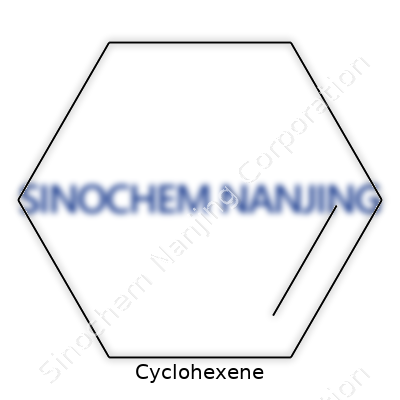
| Names | |
| Preferred IUPAC name | cyclohexene |
| Other names |
1,2,3,4,5,6-Hexahydrobenzene Tetrahydrobenzene Hexanaphthene |
| Pronunciation | /ˌsaɪ.kloʊˈhɛk.siːn/ |
| Identifiers | |
| CAS Number | 110-83-8 |
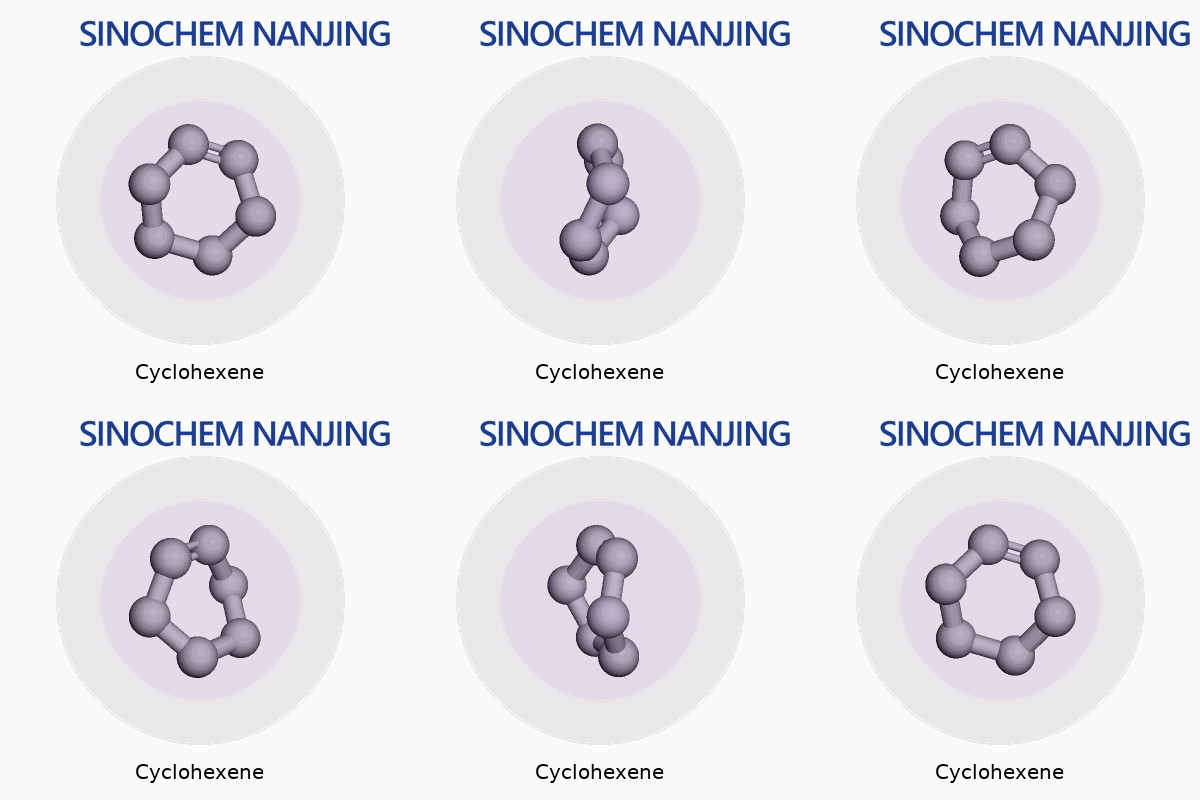
| 3D model (JSmol) | cyclohexene__stick__atomic__noH__JSMOL |
| Beilstein Reference | 1360235 |
| ChEBI | CHEBI:36408 |
| ChEMBL | CHEMBL47739 |
| ChemSpider | 546141 |
| DrugBank | DB02197 |
| ECHA InfoCard | 100.037.297 |
| EC Number | EC 202-822-1 |
| Gmelin Reference | Gm. 20926 |
| KEGG | C00490 |
| MeSH | D003434 |
| PubChem CID | 8075 |
| RTECS number | GV9820000 |
| UNII | XU1KE95M2E |
| UN number | UN2256 |
| CompTox Dashboard (EPA) | DTXSID7020155 |
| Properties | |
| Chemical formula | C6H10 |
| Molar mass | 82.143 g/mol |
| Appearance | Colorless liquid |
| Odor | Sweet, pungent |
| Density | 0.811 g/mL at 25 °C (lit.) |
| Solubility in water | slightly soluble |
| log P | 1.98 |
| Vapor pressure | 5.2 kPa (20 °C) |
| Acidity (pKa) | 15.68 |
| Basicity (pKb) | 11.16 |
| Magnetic susceptibility (χ) | -62.5·10⁻⁶ cm³/mol |
| Refractive index (nD) | 1.446 |
| Viscosity | 3.894 mPa·s (25 °C) |
| Dipole moment | 0.45 D |
| Thermochemistry | |
| Std molar entropy (S⦵298) | 198.7 J·mol⁻¹·K⁻¹ |
| Std enthalpy of formation (ΔfH⦵298) | +4.7 kJ/mol |
| Std enthalpy of combustion (ΔcH⦵298) | -3807 kJ mol⁻¹ |
| Hazards | |
| GHS labelling | GHS02, GHS07 |
| Pictograms | GHS02,GHS07 |
| Signal word | Warning |
| Hazard statements | H226, H304, H315, H319, H335 |
| Precautionary statements | P210, P261, P280, P305+P351+P338, P309+P311 |
| NFPA 704 (fire diamond) | 2-3-0 |
| Flash point | -20 °C |
| Autoignition temperature | 237 °C |
| Explosive limits | 1.4–11% |
| Lethal dose or concentration | LD50 oral rat 1100 mg/kg |
| LD50 (median dose) | LD50 (median dose): oral, rat: 1100 mg/kg |
| NIOSH | MV7350000 |
| PEL (Permissible) | PEL (Permissible Exposure Limit) for Cyclohexene: "300 ppm (parts per million) as an 8-hour TWA (OSHA) |
| REL (Recommended) | 50 ppm |
| IDLH (Immediate danger) | 300 ppm |



