The Many Sides of Chloroacetic Acid: Not Just a Simple Chemical
Tracing the Journey of Chloroacetic Acid Through History
Chloroacetic acid started its journey in the chemistry world back in the mid-19th century. Chemists quickly noticed that replacing a hydrogen atom in acetic acid with chlorine brought a world of difference in reactivity. The earliest folks who worked with this compound didn’t have gloves and fume hoods, which says a lot about how safety standards changed. Over the decades, industries found more uses for it, mostly in the production of carboxymethyl cellulose—a material that keeps food textures stable and makes drilling fluids for oil and gas less of a hassle. Once the brewing, pharmaceutical, and even textile industries caught on, demand soared, especially because the compound opened doors for more tailored chemical reactions that just weren’t possible with simple acetic acid.
Understanding What Chloroacetic Acid Brings to the Table
Call it monochloroacetic acid, MCAA, or just chloroacetic acid. No matter the label, this chemical has a reputation for being both mighty reactive and easy to handle, at least in an industrial sense. With a sharp, pungent smell and a crystalline form at room temperature, it looks more like sugar than anything sinister—but don’t let appearances fool you. Once spilled, those crystals dissolve well in water and many organic solvents, turning into a potent, corrosive liquid. Your skin and eyes would definitely notice, which pushes operators to respect its power.
Getting Down to the Chemistry: What Makes It Tick
There’s something fascinating about how the simple addition of a chlorine atom changes ordinary acetic acid into such an aggressive molecule. The chemical formula is clear enough—C2H3ClO2—but the action lies in that one chlorine, tugging electron density and making the molecule eager to react. Acidity rises, corrosiveness jumps, and the compound starts acting as a much stronger actor in substitution and addition reactions. Industrial purity tends to sit around 99%—not because the last percent matters less, but because anything lower gums up downstream processes. If you’ve worked with this stuff, you’ll know what white, needle-like crystals mean: handle with care, and don’t breathe in the dust. Even in tiny amounts, exposure gives a rapid and harsh warning—an itching and burning sensation that’s hard to ignore.
How the Industry Builds Chloroacetic Acid
No secret sauce here, but the industrial method still relies on the basics. Factories mix acetic acid with chlorine gas and a catalyst, usually under controlled temperatures to get the yield just right. It sounds old-school, but this approach dominates because it does the job without too many side products. Anyone who’s been in a plant knows that the main headache lies in controlling corrosive atmospheres and keeping the air clean for workers. Any slip lets that nasty, biting vapor out, which brings a swift reminder of how critical ventilation and PPE become.
Inside the Reaction Chamber: What Chloroacetic Acid Can Do
Chloroacetic acid stands out as both a tool and a building block. Its star talent lies in nucleophilic substitution—meaning it’s always eager to trade that chlorine atom for something more exciting. This makes it a go-to reagent for making ingredients in herbicides like glyphosate, the thickening agents people rely on for food and drilling fluids, and dyes that color clothing. Even pharmaceuticals, from anesthetics to vitamins, trace part of their journey back to this molecule. Anyone who has run a large-scale reaction knows how switching out that chlorine paves the way for more complex chemicals that can’t be made by simpler means.
The Many Names: Synonyms Through the Decades
Over the years, this compound picked up more names than a traveling salesman—monochloroacetic acid, chloroacetic acid, MCAA, and various trade names that pop up in company catalogs and academic journals alike. The chemistry world doesn’t always agree, but everyone who’s made a batch or two knows these all point to the same tricky molecule, and knowing the synonyms can save embarrassment when reading technical manuals or running a reaction overseas.
Learning Respect: Safety in Handling Chloroacetic Acid
Experience in a lab or factory teaches that complacency can turn a routine task into a hospital visit. Chloroacetic acid doesn’t ask twice before causing chemical burns or severe irritation. It eats into metals just as eagerly as it stings skin. Proper practice means double-gloving, shielded eyes, and a reliance on fume hoods or enclosed transfer systems. Any spill deserves a response worthy of a fire drill, not just a mop and bucket. Once, while assisting an old colleague, I learned just how fast this compound can travel through cloth. Even brief exposure forced a trip to the safety shower, a lesson that’s hard to forget. These days, globally recognized standards exist for labeling, storage, and emergency response. Strict limits on atmospheric levels, set by health authorities, reflect the real human consequences seen over decades of industrial use.
Chloroacetic Acid at Work: Where Does It End Up?
Pull out a bottle of shampoo, a pharmaceutical blister pack, or a high-end paint, and there’s a decent shot that chloroacetic acid lurked somewhere upstream in its production. Carboxymethyl cellulose, used by the ton in food processing and paper making, wouldn’t exist without it. It also matters for producing dyes, surfactants, and herbicide intermediates—most notably, glyphosate, which forms the backbone of a vast swath of modern agriculture. Beyond industry, the medical world taps into its reactivity, using derivatives in local anesthetic synthesis and even in infection control. Anyone keeping up with new battery tech or biodegradable polymers will spot this molecule in research papers, tucked away inside innovative synthetic routes.
Science Never Sleeps: Ongoing Research and Innovation
Chemists remain fixated on tweaking conditions to boost yields, cut waste, and improve safety during chloroacetic acid production. Lab scientists also keep searching for new reactions, allowing the molecule to unlock fresh compounds with pharmaceutical or materials science value. The push toward green chemistry—reducing impact on the environment by using fewer solvents, creating less hazardous byproduct—shows up in pilot plants and academic journals alike. Younger researchers keep focusing on enzyme-catalyzed routes that copy nature’s efficiency, hoping to replace some harsh chemical steps with cleaner, quieter biotech-driven approaches.
Facing Toxicity: What We’ve Learned the Hard Way
Anyone who has worked closely with this compound knows that toxicity isn’t a distant or minor concern. The acid attacks skin, mucous membranes, and the respiratory tract. It acts quickly, with relatively small doses causing systemic effects if not treated promptly. Decades of animal studies and industrial health reviews reveal risks of kidney and liver damage after exposure. Workers in factories still feature in occupational health studies, driving tougher workplace exposure limits and regular health screenings. Some old-timers in the industry recall a time before these rules, and their experiences—sometimes marked by chronic respiratory issues—remind today’s operators that following safety regulations isn’t just bureaucracy, it’s self-preservation. Governments and agencies now require clear labeling, robust protective gear, and strict protocols for spills or accidental contact.
Looking Down the Road: Chloroacetic Acid's Next Chapter
Every year, the list of new uses grows, especially as specialty chemicals, pharmaceutically active molecules, and innovative agricultural products hit the market. Market watchers see demand growing across Asia and South America, driven by everything from expanding food production to textile manufacturing. Still, the big question remains: how will makers balance the need for this reactive tool with growing environmental scrutiny? Some next-gen chemical plants are heading toward looped systems that recycle waste, cut down on emissions, and sharply reduce contact between workers and the hazardous stuff. Researchers in government and academia continue to invest time in understanding how the compound interacts with living systems, looking for ways to reduce its potential to harm both people and ecosystems. Training, tighter regulations, and new technology in manufacturing and waste management will likely keep this compound both useful and respected for years ahead, with the hope that its benefits can be harnessed without repeating past mistakes.
What is Chloroacetic Acid used for?
What People Do With Chloroacetic Acid
Chloroacetic acid doesn’t turn up at the dinner table, but this chemical shapes things we use every day. You’ll find its fingerprints in many products that keep the world running. In basic terms, it’s a raw building block—a chemical that helps build other chemicals. Industries rely on it to craft medicines, plastics, and tough materials like car parts. With a formula that packs both chlorinated and carboxylic punch, it drives big reactions behind the scenes.
Everyday Products With Hidden Chemistry
Pharmaceutical labs turn to chloroacetic acid to help design medicines. One of its main jobs: making glycine, an important amino acid. Glycine forms the backbone of countless drugs and supplements. Another big gig—in making carboxymethyl cellulose (CMC). CMC lands in everything from toothpaste to ice cream. It stabilizes textures, thickens sauces, and keeps lotions from separating.
Even the fabric on your back can trace origins to this simple acid. Textile manufacturers turn to chloroacetic acid when modifying starches, making cotton stronger and easier to dye. In the cosmetics aisle, thick and glossy shampoos, face creams, and body washes often lean on CMC, bringing chloroacetic acid into the equation.
Important Role in Pesticides and Plastics
Farmers and gardeners might not handle pure chloroacetic acid, but the herbicides and pesticides they use often start here. As a chemical intermediate, it helps build up powerful crop protection tools. On the plastic front, this acid steps up in the world of PVC pipe and plastic films. Because it reacts so easily, manufacturers like the quick, efficient results when speeding up production.
Health, Safety, and Environmental Issues
With all these benefits, risks cannot be ignored. Chloroacetic acid is highly corrosive. Workers and shipping companies treat it with caution, storing it away from people, pets, and food. Direct skin contact or inhalation can cause immediate harm. According to the U.S. Environmental Protection Agency (EPA) and the European Chemical Agency, even small spills can turn into serious hazmat situations. In the past, mishandling led to hospitalizations and stricter rules about where and how this chemical gets used.
People who live or work near large factories sometimes worry about accidental releases into water or air. Water contamination kills fish and harms ecosystems quickly. Because it breaks down slowly, even a single spill can leave problems for years. Regulators set strict limits and enforce safety checks, yet stories of exposure surface every decade.
Better Practices and Possible Solutions
Companies have worked to lower the risks. Engineers designed closed production systems that reduce leaks and spills. Rubber gloves, sealed suits, and air filtration gear help protect employees. Trucking and shipping companies must take special routes and carry warning labels.
Researchers seek safer alternatives. Some plants now use less-toxic chemicals to replace chloroacetic acid in a few roles, but performance or cost can get in the way. Better monitoring and emergency response training proved crucial in keeping both workers and communities safe. International standards developed through experience, from stricter labeling rules to joint emergency drills.
Few people think about chloroacetic acid, but it shapes important products and brings real risks if forgotten. Safety works best with clear rules, honest communication, and respect for the hazards.
What are the safety precautions when handling Chloroacetic Acid?
Why Chloroacetic Acid Makes Everybody Sweat
Chloroacetic acid puts safety right at the front of anyone’s mind in the lab or factory. Splash it on skin, and you’re looking at serious burns. Breathe in the dust or vapors, the lungs feel it before you even realize. Even small mistakes with this stuff leave lasting reminders—I’ve seen people lose feeling in their fingers after carelessly brushing a spill. Not something you forget.
The Gear That Stands Between You and Trouble
Nobody takes chances with this acid, not unless they like emergency shower stations and long insurance paperwork. Experience says: put on chemical-resistant gloves, usually something like heavy-duty nitrile or butyl rubber. Safety goggles block splashes, but full face shields take care of the rest of your face—nobody wants acid near the eyes. Long sleeves, closed shoes, and lab coats keep the acid off your skin. Old-timers sometimes throw on full aprons out of habit, too.
The Right Way to Work With It
Pouring chloroacetic acid turns into a whole process. No eating, drinking, or even storing snacks nearby. You wipe down benches before and after, double-check bottles for leaks, and use fume hoods for all work—no shortcuts, no exceptions. I once watched a new tech skip the hood for a “quick pour” and choke on the fumes. Never again. Ventilation isn’t glamourous, but it beats the alternative.
Common Hazards Often Overlooked
Most folks hear acid and think only about burns, but breathing the fumes does damage you can’t see right away. Sometimes it’s the eyes—red, painful, watering for days. Often it’s the lungs. Shops handling large drums worry about much bigger spills and chemical reactions. The reaction with bases or some metals can build up heat fast, sending corrosive vapors drifting across the space. I’ve seen seasoned workers relax during routine cleanups and end up learning the hard way about residue on gloves or tabletops.
Spill and Emergency Response Lessons
If something spills, nobody races for the mop. That makes things worse. Granular neutralizers or specific spill kits contain and soak up the acid. You don’t just grab baking soda out of the kitchen. Big spills need people out and the area sealed. Showers and eyewash stations get checked every morning in busy places—you need them ready for surprises. Phone numbers for emergency services and poison control belong on the wall, not just in someone’s contacts list.
Training and the Human Factor
No matter how detailed the protocols, people slack off or get distracted. Refresher training never goes out of style in labs where this acid moves around. I know some managers who keep PPE and spill kits right by the door as a visual reminder every time you step in. That sort of routine can save skin—literally. Chemical storage gets double-checked for tight lids, proper labels, and separate shelving from things like bases or oxidizers.
Better Solutions for a Safer Workplace
Companies that value both output and health invest in better fume hoods, real hands-on training, and regular equipment checks. That culture trickles down, and new hires copy what they see. Both automation and remote handling drop risk, though they cost money. Worker health monitoring means folks don’t suffer in silence if early symptoms pop up. In the long run, smart layering of Personal Protective Equipment (PPE), strong culture, and sound training keep everyone safe—even on their worst days.
What is the chemical formula of Chloroacetic Acid?
Chloroacetic Acid and Its Chemical Identity
Chloroacetic acid shows up in plenty of industrial conversations. For those curious about its identity in a lab, the chemical formula is C2H3ClO2. This formula means the molecule packs two carbon atoms, three hydrogens, a chlorine, and two oxygens. The presence of chlorine in the place of a hydrogen on the acetic acid backbone sets this compound apart from household vinegar. Scientists use this structure to predict how chloroacetic acid reacts. They see extra caution is necessary because this acid brings increased reactivity and a higher level of hazard compared to plain acetic acid.
Why the Formula Matters
Digging into the specifics of C2H3ClO2 isn’t only about remembering facts. It highlights how even a minor tweak—a swap from hydrogen to chlorine—can change a substance’s behavior. I’ve seen students surprised by the difference a single atom can make. Chloroacetic acid becomes far more corrosive, and safety guidelines ramp up to address the danger. This chemical doesn’t just carry more punch due to its acidity. The extra chlorine atom pulls electron density, making it much more eager to react with other molecules.
Everyday Chemistry and Industry
Folks rarely run into chloroacetic acid at home. In factories and labs, things look different. Producers rely on its formula to synthesize dyes, weedkillers, pharmaceuticals, and plastics. Its role as a building block simplifies a thousand complicated reactions. Plenty of modern conveniences—from medicines to PVC—owe something to this structure. Handling it safely comes from a textbook understanding of its hazards, but also from real-world experience, protective gear, and strict protocols.
Risks and Precautions
C2H3ClO2 deserves respect. Even a small splash on skin can cause burns. Inhalation risks lead to respiratory issues. I remember colleagues scrubbing lab benches extra carefully after chloroacetic acid projects. The EPA and OSHA have outlined limits for exposure. They require chemical fume hoods, eye protection, gloves, and disposal programs. These rules spring from tracked cases of workplace exposure, not dry theory. Simple chemistry knowledge signals that a carbon, hydrogen, and oxygen backbone can change drastically through chlorination—both in usefulness and in danger.
Progress Toward Safer Chemistry
Some researchers want alternatives that don’t pose the same hazards. Better containment and process automation already keep workers further from direct contact. Advances in green chemistry also look to replace or modify compounds like chloroacetic acid, reducing environmental and health risks. I’ve watched the transition from open pouring to sealed transfer systems in chemical plants, and the improvement in safety is noticeable. Employers and regulators track these improvements closely, and chemical manufacturers keep looking for safer pathways wherever possible.
Factual Transparency Builds Trust
Anyone stepping into a chemistry lab should know why formulas like C2H3ClO2 matter. Trust starts with the facts. This clear formula helps chemists and safety professionals approach the substance with practical caution, grounded in evidence and lived experience. In my own work, precise knowledge means safer practices and honest communication, both essential for continued progress.
How should Chloroacetic Acid be stored?
Understanding What We're Dealing With
Chloroacetic acid brings plenty of uses, from synthetic fibers to herbicides. Its usefulness stops there if folks ignore its hazards. One drop on the skin eats away at tissue. A careless sniff damages lungs. It’s vital to recognize this chemical does not belong among everyday supplies.
Storage: Not a Backroom Decision
I’ve spent enough years working with lab chemicals to know that storage is as important as handling. Forgetting this step causes real harm. Chloroacetic acid calls for its own space—a place separate from food, drink, and even other chemicals like bases and oxidizers. Neighboring reactive substances increase the risk of uncontrollable reactions. Glass or polyethylene containers provide the strongest barrier. Metals corrode on contact, melting away or worsening leakage.
A proper storage site stays cool and dry, away from sunlight and water sources. Humidity or heat turns this acid volatile. Locked cabinets keep curious hands out. I’ve seen cases where lack of basic labeling left emergency workers guessing during accidents. It is always smart to use clear hazard signage and correct hazard labeling on every container, no matter how small.
The Human Factor: Training and Practice
Day-in, day-out handling of chloroacetic acid grinds down even the most careful workers. Routine builds overconfidence, which leads to shortcuts. Training cycles prevent this. New staff, returning employees, and even most senior chemists need refreshers on where acid sits and how to carry or measure it. Anyone who could reach these chemicals deserves the right to know what’s inside those cabinets and how to dodge a disaster.
Companies benefit from regular audits. Walking through a workspace and looking for signs of leaks, broken seals, and aging containers might not feel heroic, but these checks stop trouble before it spreads. I remember an inspection revealing a crust of residue around a poorly sealed jar. That white dust meant the acid had eaten through the cap and someone came close to a nasty surprise.
Spill Preparedness and Quick Action
No matter how many rules exist, spills and accidents still occur. Keeping calcium carbonate or another neutralizing agent nearby makes all the difference. Even with gloves and face shields, speed matters. Immediate cleanup reduces long-term exposure and stops fumes from spreading to the next room. Clear spill response plans offer every team member a script to follow under stress.
Good Habits Save Lives
Safe chemical storage doesn’t just protect workers on-site. It shields families, first responders, and the neighbors. Respect for chloroacetic acid starts with the container and ends with thoughtful disposal long after the acid’s job wraps up. No amount of paperwork or compliance requirements replace the simple practice of treating dangerous substances with the respect they demand. Experience, attention, and ongoing care go further than any checklist, as those lessons play out in real-world incidents time after time. That’s a reality anyone can understand—even without a chemistry degree.
What are the potential health hazards of Chloroacetic Acid exposure?
Why Worry About Chloroacetic Acid?
Factories produce chloroacetic acid for things like herbicides and drugs, but this chemical doesn’t get the headlines it deserves. People working in chemical plants, or handling industrial cleaners, might have come across it. I’ve seen folks underestimate just how dangerous this stuff can be. Knowing the risks isn’t just a technical requirement; it could save a life.
Strong Acid, Strong Reaction
Chloroacetic acid carries more punch than other acids you’d find in a school science lab. Touching it even briefly can damage skin. I remember reading reports from a plant in Texas where workers ended up with serious burns and blisters after just a splash. It eats through tissue quickly. A drop doesn’t just sting—it wounds.
As a vapor or liquid, this acid irritates eyes and the inside of your nose and throat immediately. Even a whiff can make eyes water and breathing tough. Imagine handling this stuff daily—without good protection, a simple accident could turn disastrous.
Systemic Damage Runs Deep
Absorbing chloroacetic acid through the skin or breathing in its fumes reaches deeper than what you see. Medical evidence shows it gets into the bloodstream, targeting organs. Symptoms like dizziness, headache, confusion, and shortness of breath often follow. A study from the Journal of Occupational Medicine reported that people exposed without the right protection developed kidney and liver problems months later.
Longer exposure has caused convulsions and even death. That’s not just fear-mongering. Hospital case files include people who lost their lives in severe industrial spill incidents.
Community and Environmental Stakes
Leaks at factories don’t just threaten workers. Nearby neighborhoods suffer too. Acid released into water or soil can kill wildlife and pollute drinking water. In 2021, a spill in an Indian manufacturing facility left local farmers unable to use nearby streams for weeks. I’ve seen neighborhood activists fight hard for proper containment and alarms—the kind of response that doesn’t always happen until after an accident.
Solutions and Safer Work Habits
Addressing these hazards starts with basic safety steps that should never get skipped. Gloves and full-face shields must become standard gear, not just “suggested” on a dusty poster. Modern chemical plants benefit from automatic sensors and alarms that alert workers before leaks get out of hand.
Regular staff training saves more than money; it creates a culture where people speak up if something looks off. I’ve found that supervisors who encourage open conversations about risk tend to have fewer accidents, and their workers stay healthier. Real stories from the shop floor carry more weight than safety manuals.
Companies need to keep investing in new tech—ventilation hoods, sealed process lines, and less toxic substitutes where possible. Regulators should enforce frequent checks, not just annual paperwork. Transparency builds trust and often pushes the industry to step up its game beyond the bare minimum.
Everyday Awareness Matters
Chloroacetic acid won’t stop being useful anytime soon. Still, people working near it—and living beside factories that use it—deserve real protections and straightforward warnings. Safety slips turn fast from a minor issue to major tragedy. Learning these lessons before a crisis could stop the next headline from involving someone you know.
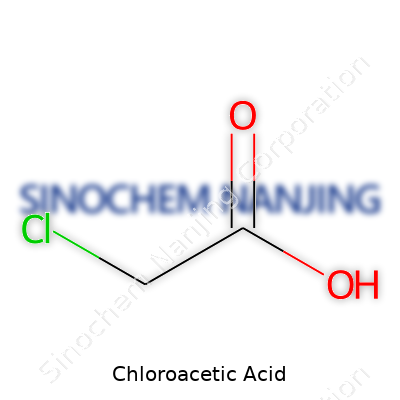
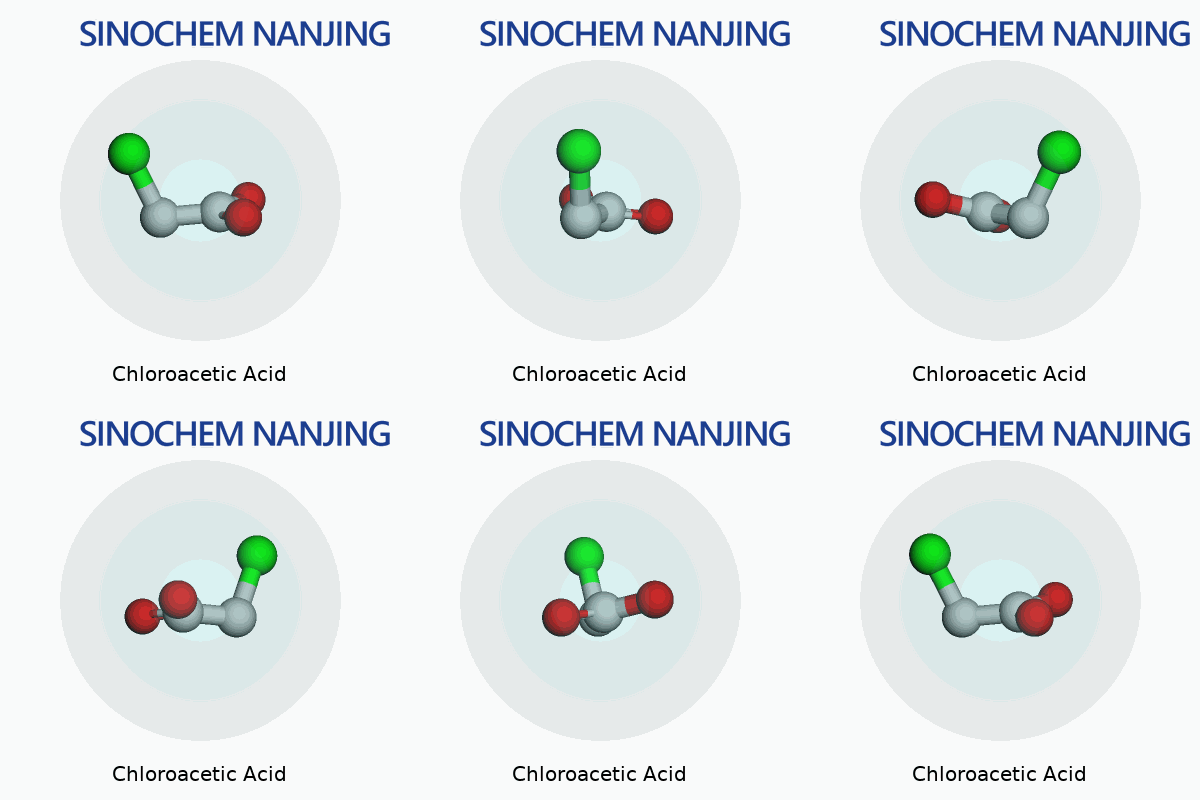
| Names | |
| Preferred IUPAC name | 2-chloroacetic acid |
| Other names |
Monochloroacetic acid MCAA Chloracetic acid Chloroethanoic acid |
| Pronunciation | /ˌklɔːr.oʊ.əˈsiː.tɪk ˈæs.ɪd/ |
| Identifiers | |
| CAS Number | 79-11-8 |
| Beilstein Reference | 1209220 |
| ChEBI | CHEBI:17628 |
| ChEMBL | CHEMBL1402 |
| ChemSpider | 546 |
| DrugBank | DB01942 |
| ECHA InfoCard | 03b6154a-ec65-4426-926b-7ce40bbf7a20 |
| EC Number | 201-178-4 |
| Gmelin Reference | 1620 |
| KEGG | C00632 |
| MeSH | D002683 |
| PubChem CID | C00137 |
| RTECS number | AF1225000 |
| UNII | K484N3F96G |
| UN number | 1751 |
| CompTox Dashboard (EPA) | DTXSID9020412 |
| Properties | |
| Chemical formula | C2H3ClO2 |
| Molar mass | 94.50 g/mol |
| Appearance | White or colorless crystalline solid |
| Odor | Pungent odor |
| Density | 1.58 g/cm³ |
| Solubility in water | Very soluble |
| log P | -0.22 |
| Vapor pressure | 6.6 hPa (20°C) |
| Acidity (pKa) | 2.85 |
| Basicity (pKb) | pKb = 11.87 |
| Magnetic susceptibility (χ) | Diamagnetic |
| Refractive index (nD) | 1.432 |
| Viscosity | 1.46 mPa·s (25 °C) |
| Dipole moment | 1.90 D |
| Thermochemistry | |
| Std molar entropy (S⦵298) | 150.3 J·mol⁻¹·K⁻¹ |
| Std enthalpy of formation (ΔfH⦵298) | –187.7 kJ·mol⁻¹ |
| Std enthalpy of combustion (ΔcH⦵298) | –569.7 kJ·mol⁻¹ |
| Pharmacology | |
| ATC code | D08AJ01 |
| Hazards | |
| Main hazards | Corrosive, toxic if swallowed, toxic in contact with skin, toxic if inhaled, causes severe skin burns and eye damage, may cause respiratory irritation. |
| GHS labelling | GHS02, GHS05, GHS06 |
| Pictograms | GHS05,GHS06 |
| Signal word | Danger |
| Hazard statements | H301 + H311 + H331: Toxic if swallowed, in contact with skin or if inhaled. H314: Causes severe skin burns and eye damage. |
| Precautionary statements | P260, P261, P264, P270, P271, P280, P301+P310, P301+P330+P331, P303+P361+P353, P304+P340, P305+P351+P338, P310, P321, P330, P363, P405, P501 |
| NFPA 704 (fire diamond) | 3-2-2-acid |
| Flash point | 70 °C |
| Autoignition temperature | 395 °C |
| Explosive limits | 4–16% (in air) |
| Lethal dose or concentration | LD50 oral rat 525 mg/kg |
| LD50 (median dose) | LD50 (median dose): 76 mg/kg (oral, rat) |
| NIOSH | FJ0350000 |
| PEL (Permissible) | PEL (Permissible Exposure Limit) of Chloroacetic Acid: 0.1 ppm (0.35 mg/m³) |
| REL (Recommended) | 0.1 mg/m³ |
| IDLH (Immediate danger) | 10 ppm |
| Related compounds | |
| Related compounds |
Acetic acid Dichloroacetic acid Trichloroacetic acid Fluoroacetic acid Bromoacetic acid Iodoacetic acid |



