Camphor: Tradition, Science, and the Worlds In Between
Historical Development
Camphor holds a place in history that not many modern chemicals can claim. Early herbals from China and India mention camphor as both a household medicine and a spiritual aid. In ancient markets, camphor blocks traveled from the forests of Borneo and Formosa (now Taiwan) across trade routes to Arabia, then Europe. People paid dearly for it, sometimes its weight in silver, not just for its use in incense but also for its role in medicine, preservation, and even early chemistry experiments. Stories tell of European apothecaries marveling at the “ice that melts to vapor” and physicians arguing over mystical properties. By the mid-19th century, chemists cracked the code of its unique crystal structure, then German researchers developed synthetic production, which shifted commerce away from natural harvesting. Through wars, trade revolutions, and new technology, camphor moved from rare tree extract to a fixture in cabinets and laboratories.
Product Overview
Walk into most kitchens, temples, or clinics across Asia and a jar of white camphor crystals sits waiting. Its sharp aroma and cooling sensation give away its identity long before a label. Camphor exists as a terpene compound, easy to recognize by its potent smell—one whiff, and memories come rushing back. People burn it for rituals, rub it on sore backs, infuse it in balms, or toss it in foot baths. Over the years, camphor found homes in medicine chests, spice racks, and workshops. Today, bulk production has pushed it into almost every aisle: pharmaceuticals, flavoring, cosmetics, plasticizers, and even explosives, though it started as a folk remedy in winding mountain villages.
Physical & Chemical Properties
Camphor looks like clear, waxy crystals that sublimate quickly at room temperature. At around 175°C, the crystals melt into a transparent liquid. Folks who work with it long enough recognize a slightly bitter taste and a strong, almost menthol-like scent. Chemically, it’s a bicyclic monoterpene ketone, formula C10H16O. It dissolves easily in alcohol, ether, and most organic solvents but stays stubborn in water. Its volatility means that a pinch left on a dish usually vanishes in a day or two, leaving only memory and aroma behind. These traits made camphor vital to early refrigeration, plastic engineering, and perfumery, though pure camphor, whether natural or synthetic, keeps its distinct, unmistakable profile.
Technical Specifications & Labeling
Regulations around camphor aim to keep consumers safe without burdening tradition. Pharmaceutical-grade camphor typically falls between 96–100% purity. Impurities like borneol or isoborneol get checked regularly, since even trace amounts shift the scent and performance. Food-grade labels warn against excess consumption—children and certain users run real risks if doses go uncontrolled. Health ministries in countries like the US and India set concentration limits, especially for topical use and food products. Labeling practices vary: some markets highlight geographic origin, others focus on the method of synthesis. As more substitutes and blends fill the marketplace, packages rely on chemical names and purity figures to help buyers separate genuine camphor from synthetic mixtures or less desirable additives.
Preparation Method
For centuries, nobody rushed camphor production. Workers gathered wood from camphor laurel trees, chipped it, steamed it, and waited for crystals to condense. In time, industrialists realized turpentine oil offered another source, leading to organic synthesis of camphor using pinene and other derivatives. Modern factories now synthesize camphor from turpentine in large reactors, making the process vastly faster and less dependent on forests. The reaction between α-pinene (or similar terpene feedstocks) and acids, followed by oxidation and distillation, produces high-purity camphor without the need for endless logging. By moving to controlled synthesis, the industry eased the pressure on natural camphor forests, helped stabilize prices, and made production less vulnerable to weather, pests, or politics affecting plantations.
Chemical Reactions & Modifications
Camphor stands out among terpenes for how easily it changes character. Reduction with sodium borohydride or catalytic hydrogenation transforms the ketone into alcohols like borneol or isoborneol—common in traditional medicine for their gentler action. Heating camphor with acids can lead to rearranged products, turning the structure inside out and producing byproducts with varied scents and uses. One of the more significant industrial reactions came with its nitration, where camphor nitrates played an early role in the history of smokeless gunpowder. Chemists praise camphor’s versatility in organic synthesis, as it acts both as a handy starting material and a reliable chiral auxiliary, with its rigid shape guiding reactions toward a desired outcome.
Synonyms & Product Names
Ask around, and you’ll hear a dozen names for camphor. In English, it’s camphor or Gum Camphor. Hindi and Urdu speakers know it as “kapur.” Chinese shops may offer it as “zhang nao.” Older Western texts sometimes call it Laurel Camphor or Camphora officinarum. Chemists prefer the systematic name: 1,7,7-trimethylbicyclo[2.2.1]heptan-2-one. Packaging in global markets often blurs the lines between natural and synthetic by relying on traditional terminology, while the pharmaceutical world insists on clear chemical identification. In incense, you might see “temple camphor” or “pacha kapoor.” The variety of names underscores how deeply camphor’s roots penetrate different household and industrial traditions.
Safety & Operational Standards
Working with camphor requires respect but not fear. At household levels, most people notice little more than a chill on skin or a brief burning in the nose. Too much exposure, especially from ingestion or heavy inhalation, tells another story: confusion, muscle twitching, or even seizures. Regulatory bodies cap camphor content in pediatric products—over-the-counter balms, topical liniments, and moth balls all come under review. Factories handling bulk camphor must use ventilated storage and avoid open flames, since its vapors catch fire easily. People should use protective gloves during processing and avoid inhaling concentrated fumes. In my own work, I once spilled a beaker of liquid camphor—the rapid vapor, sharp smell, and instant headache left an impression and reinforced old safety lessons: treat camphor with the same respect as any strong household chemical.
Application Area
Camphor crosses industries with an ease born of centuries’ trust. In personal medicine, balms and ointments carry camphor into homes to soothe joints, open stuffy noses, or warm up tired feet. Indian religious practitioners burn it during prayers, trusting the rising fumes to purify spaces. In food, certain desserts and sweets bear its muted aroma, cherished in festival recipes and ancient confections. Older plastic industries relied on camphor as a key plasticizer in celluloid, which opened the door for film, combs, and piano keys. Pest control solutions use camphor to repel insects and moths, while perfume blenders appreciate its ability to lift and brighten floral notes. More recent research found that camphor has roles in mothproofing, solvent formulation, and even advanced chiral synthesis for complex pharmaceuticals, showing the compound’s adaptability as science marches forward.
Research & Development
For a long time, research into camphor focused on extraction techniques and medicinal efficacy, but in today’s labs, scientists target new dimensions. Synthetic pathways keep evolving, seeking greener, less hazardous routes using biocatalysts or renewable turpentine feedstocks. Analysis of camphor’s action in modern medicine moved from theoretical to molecular, probing how it modulates ion channels and nerve function. Research teams look at combining camphor with nanotechnology for gradual drug delivery or improved topical penetration. In material science, engineers tweak the polymerization process to bring back camphor-based celluloid with enhanced safety. Demand for “natural” wellness products fuels exploration of differences between plant-derived and synthetic camphor, sometimes with surprising outcomes on allergy or effectiveness. Every year, published papers push the old herbalist’s staple into new corners of pharmacy, agriculture, and green chemistry.
Toxicity Research
Toxicologists document the fine line camphor walks between healing and harm. Mild doses offer decongestion, local pain relief, and a brisk sensation on aching skin. Cough syrups and rubs rely on these actions, but studies raise alarms at anything above recommended concentrations. The body absorbs camphor rapidly; ingestion triggers reactions in the nervous system, sometimes within minutes. Case studies describe accidental poisoning in children who swallowed camphor cubes or adults using unregulated products. Symptoms start with restlessness or gastric discomfort, then can escalate to seizures and respiratory trouble at higher doses. Long-term or high-frequency use stresses the liver, while skin overexposure brings out rashes or sensitization. Because of these documented risks, regulatory authorities ban camphor use in certain oral products and strictly limit concentrations in external preparations. Medical advice remains clear: measured and temporary use brings benefits, but anyone handling camphor for medical or industrial reasons needs training, clear labeling, and ready access to medical support.
Future Prospects
The story of camphor is still being written. With so many uses embedded in tradition, the path forward blends respect for heritage with careful scientific scrutiny. Synthetic chemistry moves toward greener, more efficient production. Researchers dig deeper into how camphor interacts with both human and microbial cells, hoping to uncover hidden benefits as a natural preservative or analgesic. Efforts to rewild camphor tree groves in Southeast Asia link environmental restoration with economic sustainability. In consumer markets, rising health consciousness draws attention to the difference between genuine and adulterated or synthetic blends. Regulators respond by tightening labeling practices and funding research into safer formulations. My own conversations with scientists and practitioners echo an optimistic outlook: camphor will last because it keeps adapting—shifting from incense to ointment to polymer and, perhaps, to new roles not yet imagined. As research deepens, camphor’s potential continues to surprise those who take the time to look past the ordinary jar of crystals and see the chemistry, tradition, and possibility bound up inside.
What is camphor used for?
A Familiar Scent in Daily Life
Camphor isn’t just some mystery substance tucked away on a dusty pharmacy shelf. Most people recognize its unmistakable smell from Vicks VapoRub or that cool sensation from a chest rub when fighting a cold. In many households, especially those with ties to Asian traditions, it’s on the altar for religious rituals or stored in medicine cabinets for home remedies. I grew up seeing blocks of camphor smoked in temples, then later, watching family elders boil it in hot water to clear stuffy sinuses. This blend of spiritual and practical use has kept camphor present in many corners of life.
Traditional Medicine to Modern Pharma
Medical uses for camphor stretch back hundreds of years. It goes into ointments for muscle pain, cold rubs for chest congestion, and even remedies that promise relief from itching or bites. A lot of this comes from camphor’s natural ability to produce a cooling effect and from its mild anti-inflammatory properties. Some researchers suggest that it does help ease localized pain, such as in sore shoulders or bug stings. These claims aren’t just family lore; small clinical studies and reviews highlight camphor’s potential when added to creams and balms.
Still, not everything in old medicine stands up to scrutiny, and experts warn against using camphor in large amounts. Even a teaspoon can turn toxic if swallowed or placed directly on broken skin. Regulatory agencies like the FDA have actually set limits for how much is allowed in over-the-counter products. I remember the warnings growing up, too – my grandmother always kept camphor out of reach of children and was careful to use just a pinch in any remedy.
Beyond Medicine: Industry, Ritual, and Pest Control
While many people think of camphor as a medical ingredient, industry has found many other roles for it. In some places, it goes into making plastics and explosives, although these uses have faded thanks to synthetic substitutes. Mothballs in old closets sometimes contained camphor, as the sharp scent drives away insects. I think about the linen cupboard in my childhood home: small cloth sachets with strong camphor inside kept the clothes safe from holes and added a fragrance that instantly triggers memory.
Religiously, camphor plays a big part across South and Southeast Asia. People burn it as an offering, watching smoke rise during prayers and ceremonies. The idea is that the smoke purifies surroundings and lifts one’s intentions. These traditions have lasted through generations, weaving camphor’s story into cultural identity.
Challenges and Smart Use Today
Cases of accidental poisoning still pop up every year, mostly from children or misinformed adults. It’s critical to know: small containers of camphor aren’t toys. Simple education at home makes all the difference—teach kids not to touch unknown ointments, and always check labels. For those using camphor religiously or for health, smaller doses and careful storage greatly reduce risk.
More studies continue, searching for new health benefits or confirming old beliefs. Researchers want to understand the line between helpful and harmful. Until then, camphor’s familiar aroma lingers in temples, medicine chests, and maybe even your sweater drawer—offering relief, memory, and connection, as long as it’s met with a thoughtful touch.
Is camphor safe to use on the skin?
The Familiar Scent and Its Effects
Walk into almost any pharmacy or home in India and somewhere, tucked in a cupboard, you’ll find a jar of pungent balm with camphor on the label. Most of us have memories of these strong-smelling ointments rubbed on our foreheads for headaches or on our chests during a cold. The cooling rush and instant relief almost seem magical. Before tossing out the old remedies, it’s worth digging into what we actually know about camphor’s effect on the skin.
How People Use Camphor Creams
Camphor comes from the wood of the camphor tree, mostly found in Asia. It’s added to creams and balms to help relieve cough, muscle pain, itching, and even minor burns. The familiar cooling tingle happens because camphor triggers nerve endings that make us feel cold, which can distract from pain or irritation. No wonder people keep reaching for it. According to Mayo Clinic, over-the-counter balms with camphor usually stick to a concentration below 11%. Higher amounts can get risky.
Evidence, Risks, and Common Sense
Doctors and researchers know camphor works for some things, mainly for that chill sensation and short-term relief from pain and itch. Studies suggest it can help soothe sore muscles and ease symptoms of colds. It’s a place where tradition lines up with some modern evidence. Problems start with amount and frequency. Too much camphor or using it on broken skin can turn trouble. Camphor absorbs quickly, and going overboard can cause skin burning, irritation, nausea, even seizures, especially in children. The U.S. Food and Drug Administration says camphor is considered safe on the skin in small doses but labels it as toxic and unsafe if swallowed or used in large amounts.
I watched my grandmother rub camphor balm on her joints every evening, and she swore by it. She always reminded us not to use it on infants or near mouths and noses, since babies have ended up in the emergency room from camphor exposure. That advice stuck with me, and it matches what pediatricians say: children are far more sensitive to its effects, so those extra ointments should stay out of reach.
Safer Choices and Smarter Use
Plenty of folks get benefit from camphor, but benefits only come with proper use. Stick to low concentrations and avoid using it on cuts, rashes, or broken skin. Always read the product label. Watch out for mixtures of camphor and other strong oils—using several irritants at once often makes things worse.
Medicine offers lots of fancier treatments, but that old jar of camphor rub still stands its ground in many households. The real safety trick is respecting the dose and never doubling up if one application doesn’t give quick relief. Think twice before applying it to kids, and never use it near the mouth or nose.
Education Beats Misinformation
A gentle reminder: natural doesn’t mean harmless. People hear stories online about miracle ointments or secret folk cures and want to try them untested. Checking reliable health resources or talking to a pharmacist goes a long way. If you notice any rash, burning, or unusual symptoms after using camphor, wash it off and call your doctor. Safety comes from staying informed, not just leaning on tradition.
Can camphor be ingested?
What Camphor Really Is
Camphor comes from the wood of the camphor laurel tree and has a long history in traditional remedies. Folks use it for coughs, chest rubs, aromatherapy, and even as a flavor ingredient in some parts of Asia. Its unmistakable, nose-tingling scent shows up in balms and moth repellents. Not everyone realizes what hidden dangers come with eating it, though.
What Science Tells Us
No regulatory health group—neither the U.S. Food & Drug Administration (FDA) nor the European Food Safety Authority—calls camphor “safe” to swallow. The FDA actually classifies camphor as unsafe for ingestion. Swallowing even small chunks causes problems like nausea, vomiting, irritability, and confusion. More worrying, doses over 500 mg in adults, or less in kids, can lead to seizures, respiratory distress, and even death. Hospitals report treating kids every year for accidental camphor poisoning. Scientific journals warn about these risks, especially in any home where children might grab a camphor cube out of an altar or medicine cabinet.
Why It's Used in Traditional Medicine
People born and raised in South Asia or the Middle East sometimes grew up with tiny doses of camphor in food or drink as a home remedy. Some believe it cools fevers or helps with digestion. I remember my grandmother using a pinch of edible camphor (called pachai karpooram in Tamil) during festival times, adding it to certain sweet dishes. This version exists in regulated, minuscule concentrations—so small, the edible product contains just a trace of real camphor. The camphor sold at the pharmacy or the hardware store differs entirely. That camphor is never filtered for food use and shouldn’t go near your mouth.
Risks Far Outweigh Any Benefits
Camphor’s toxic potential isn’t up for debate. One study in the Journal of Pediatric Emergency Care documented how easy it is for a toddler to overdose: one cube looks harmless but contains enough to trigger life-threatening seizures. Some adults believe in camphor’s folklore benefits so much, they risk using “home remedies” that might have worked in another time. Today, with the industry full of fake or impure camphor, chances of toxic reactions only climb higher.
Better, Safer Choices
Most health issues camphor-based folk medicine aims to fix today have safer, evidence-based treatments. Doctors recommend using vapor rubs topically and keeping all camphor products locked away from kids. If you feel tempted to try old recipes that call for camphor, choose recipes that skip the ingredient or use alternatives. Pharmacies sell camphor oil for external use—never for swallowing. Look for “for external use only” warnings on labels, and never ignore them. Bilingual families can help keep everyone safe by talking about the real dangers and explaining that ancient knowledge was built without the benefit of modern toxicology.
Looking Ahead
In my experience as a family member and neighbor to a diverse range of cultures, keeping tradition alive brings joy, but health should always come first. If you have questions about any traditional ingredient, talking with a pharmacist—or reading trusted sources—beats guessing every time. As with so many household products, something natural isn’t always safe on the inside.
What are the side effects of camphor?
Old Remedies, Modern Risks
Walking into my grandmother’s house, the sharp scent of camphor hits like a wave. She swears by its power to clear blocked noses and soothe aches, just like many families have for generations. Camphor’s place in traditional medicine isn’t news, but the details around its safety don’t always make it into those handed-down recipes. It’s important to talk plainly about what this substance can do to the body, both good and bad.
Contact and Skin Problems
Rubbing camphor on chest or back feels warm and comforting, but the skin can pay a price. Redness and irritation sometimes pop up in minutes. A burning or stinging sensation isn’t a sign that it’s ‘working’. Instead, it’s a warning. Speaking from having seen kids break out in itchy rashes after a sniffle remedy, it’s clear that young children react faster and with more severity. The American Academy of Dermatology points out that camphor can make eczema worse and trigger allergic reactions.
Swallowing Camphor: Serious Trouble
There’s a reason warnings cover camphor packaging. Even a small amount—sometimes less than a teaspoon—can send a child or an adult to the emergency room. Swallowing camphor leads to nausea, vomiting, and twitching. There are records in medical journals, including a review in the Indian Journal of Critical Care Medicine, that tell of seizures caused by camphor ingestion. The real problem? It works fast. Poison control centers receive hundreds of calls every year because camphor candies, oils, or balms look safe on the shelf.
Breathing It In
That minty vapor helps some people breathe easy for a short time, but inhaling concentrated camphor for long periods can irritate the nose and lungs. Cases of coughs, headaches, and dizziness have all been linked to overuse in steam inhalers or closed rooms. If the smell feels strong enough to sting the eyes, it’s probably too much for the airways too.
Toxicity in the Home
Many folks keep camphor close at hand—blocks in closets, oil in medicine cabinets. Children, pets, or even adults distracted by illness or pain mistake camphor for something edible. Too often, this leads to poisoning. The U.S. Food and Drug Administration has banned camphor in concentrations above 11% in all consumer products for good reason. Products from outside the U.S. or homemade recipes can contain far higher amounts. It’s smart to check labels or ask pharmacists about safe options.
Safer Paths Forward
Solid habits can cut down the risks. Keep camphor containers locked up, out of reach of children and pets. Choose formulas with clear safety ratings. Doctors and pharmacists give advice that takes personal allergies and sensitivity into account. Public education campaigns and healthcare provider discussions help, especially for families who rely on traditional remedies and might not see them as risky.
Balance Tradition With Evidence
Natural doesn’t always mean harmless. Camphor has a real place in cultural practice, but facts about its dangers need a place at the table too. Balancing family wisdom with up-to-date science keeps everyone a little safer the next time the scent of camphor fills the room.
How should camphor be stored?
Why Camphor Storage Matters
Camphor has been trusted in medicine cabinets, temples, and households for generations. Its crisp, unmistakable scent chases away mustiness, and plenty of folks trust it to keep moths out of their closets. With its roots in both tradition and science, camphor deserves some respect in how it's handled at home. Mishandling can lead to wasted material, unpleasant surprises, and potential harm—especially for children and pets who love to explore.
The Reality of Camphor’s Volatility
In my own experience, I once left a jar of camphor tablets in a bathroom cabinet through a steamy summer. By the end, the camphor blocks had vanished into thin air. This isn’t magic—camphor evaporates at room temperature. That distinctive smell means it’s literally floating out of your reach. Over time, even sealed packets shrink as air, light, and moisture break them down.
Neglecting storage details can also invite accidents. Camphor is flammable. Tossing it near gas stoves or inside a hot vehicle can turn an ordinary day into an emergency. Even a forgotten pouch in a laundry closet can spark a scare.
Storing Camphor the Right Way
It’s tempting to toss camphor tight in the box it came in, but a little effort extends shelf life and safety. An airtight glass jar works wonders. Plastic containers can react with camphor oils, and over time, they might warp or leak the scent. Glass keeps camphor stable, and a firm seal stops it from seeping away.
Keep camphor out of direct sunlight. Heat speeds up evaporation and, in worst cases, can turn a loose storage area risky. Tuck the container away on a high shelf, out of reach of curious hands and paws. Storing it with other household chemicals can be tempting, but it deserves a separate spot—cross-contamination and accidental mixing shouldn’t be a risk.
Practical Safety Tips
Children mistake camphor’s clean look for candy. I’ve heard about toddlers cheeking camphor tablets just like mints. Consumption can trigger nausea, confusion, and seizures. Wherever you store camphor, make sure there’s a child-proof latch.
Don’t keep large supplies on hand unless you use them frequently. Smaller amounts stay fresh, and there’s less temptation or risk for accidents. I’ve found that buying just enough for a season works best, and always checking expiry dates on the packaging before purchase.
Label the jar clearly. In busy homes, it’s easy to confuse camphor with sugar cubes or solid air fresheners. A bold label takes two seconds and prevents mistakes. Sharing these tips with the rest of the household never hurts.
Why Safe Storage Helps Everyone
Many families treasure camphor, but storing it with care benefits everyone. It prevents health emergencies, saves money, and keeps the materials useful for their intended purpose. Simple habits, like buying smaller amounts and using glass jars, cut risk without any fuss. Everyone deserves a safe, well-ordered home, free from unnecessary hazards, especially when a fragrant, useful material like camphor is in play.
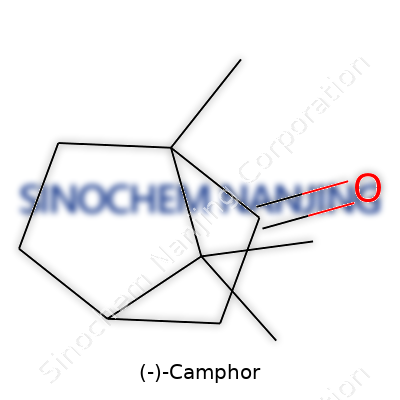
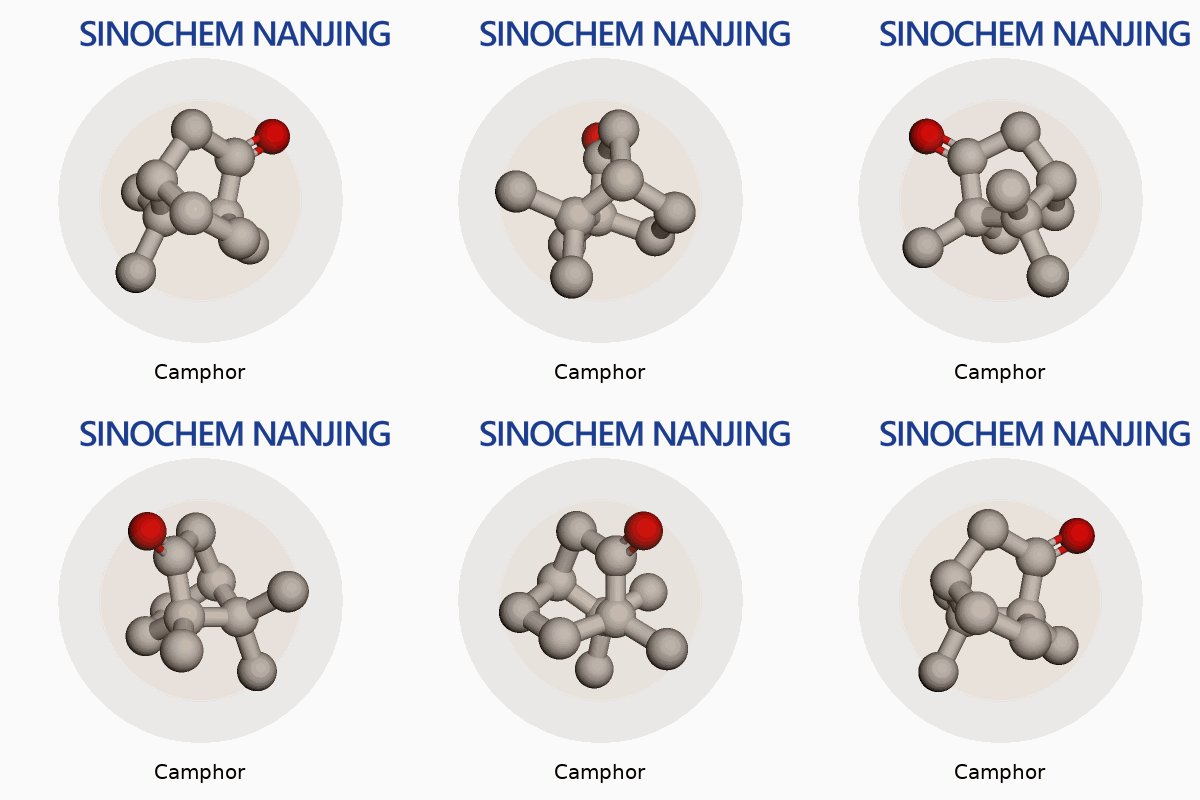
| Names | |
| Preferred IUPAC name | 1,7,7-Trimethylbicyclo[2.2.1]heptan-2-one |
| Other names |
Gum camphor Cinnamomum camphora Kapura Kapur Bhimseni Formosa camphor Japan camphor Natural camphor |
| Pronunciation | /ˈkæm.fər/ |
| Identifiers | |
| CAS Number | 76-22-2 |
| Beilstein Reference | 1718735 |
| ChEBI | CHEBI:17544 |
| ChEMBL | CHEMBL1398 |
| ChemSpider | 7270 |
| DrugBank | DB01744 |
| ECHA InfoCard | 100.445.170 |
| EC Number | 201-001-0 |
| Gmelin Reference | Gmelin Reference: 10353 |
| KEGG | C07230 |
| MeSH | D002185 |
| PubChem CID | 2537 |
| RTECS number | GG3696000 |
| UNII | DZF0D83Q2O |
| UN number | UN2717 |
| Properties | |
| Chemical formula | C10H16O |
| Molar mass | 152.23 g/mol |
| Appearance | White crystalline powder or translucent solid with a strong aromatic odor |
| Odor | Pungent |
| Density | 0.992 g/cm³ |
| Solubility in water | Slightly soluble |
| log P | 2.1 |
| Vapor pressure | 0.6 mmHg (at 25 °C) |
| Acidity (pKa) | 10.2 |
| Basicity (pKb) | 10.20 |
| Magnetic susceptibility (χ) | χ = -71.0·10⁻⁶ cm³/mol |
| Refractive index (nD) | 1.539 |
| Viscosity | Viscous liquid |
| Dipole moment | 2.33 D |
| Thermochemistry | |
| Std molar entropy (S⦵298) | 200.5 J·mol⁻¹·K⁻¹ |
| Std enthalpy of formation (ΔfH⦵298) | -477 kJ mol⁻¹ |
| Std enthalpy of combustion (ΔcH⦵298) | -3026 kJ/mol |
| Pharmacology | |
| ATC code | N01AX04 |
| Hazards | |
| GHS labelling | GHS02, GHS07 |
| Pictograms | GHS02, GHS07 |
| Signal word | Warning |
| Hazard statements | H228, H302, H315, H319, H410 |
| Precautionary statements | P210, P233, P240, P241, P264, P270, P273, P280, P301+P312, P302+P352, P305+P351+P338, P312, P337+P313, P370+P378, P403+P235, P501 |
| NFPA 704 (fire diamond) | NFPA 704: 2-3-0 |
| Flash point | 65°C |
| Autoignition temperature | 464 °C |
| Explosive limits | 0.6–3.5% |
| Lethal dose or concentration | LD50 oral rat 1310 mg/kg |
| LD50 (median dose) | LD50 (median dose) of camphor is 1,310 mg/kg (rat, oral) |
| NIOSH | K300 |
| PEL (Permissible) | 50 ppm |
| REL (Recommended) | 50 mg |
| IDLH (Immediate danger) | 700 mg/m³ |
| Related compounds | |
| Related compounds |
Cineole Camphene Borneol Isoborneol Thujone Menthol Pinene |



