Caffeic Acid: Unpacking Its Role from the Laboratory to the Market
Historical Development
Caffeic acid has roots stretching back to early 19th-century chemistry, when plant researchers first noticed its presence in coffee beans. It wasn’t long before scientists found the same molecule popping up in a range of fruits, vegetables, and herbs. Not just another plant acid, caffeic acid held promise as both a building block in plant metabolism and a tool for human health. Old research journals trace its extraction from yerba maté, thyme, and even tobacco leaves. Through the decades, access to better tools and more precise analysis pulled caffeic acid from the background of plant chemistry into the spotlight, showing both its complexity and practical use.
Product Overview
Caffeic acid shows up as a yellow powder, and suppliers offer it in food and pharmaceutical grades. Shoppers in the dietary supplement aisle run into it as part of antioxidant blends, sometimes marked under “plant polyphenols.” Manufacturers use a series of purity grades, typically ranging from 95% up to 99%, depending on the final product—cosmetics, food preservatives, or lab reagents. Its appeal reaches into industries looking for natural antioxidants, ingredients in personal care products, and chemical building blocks for special resins.
Physical & Chemical Properties
Caffeic acid comes with sharp numbers: a melting point close to 223°C, and it resists dissolving in plain water. In alcohol, though, it opens up and goes easily into solution. The molecule brings two hydroxyl groups and a carboxylic acid onto a cinnamic acid backbone, making it flexible for chemical tweaks. As a phenolic compound, it picks up electrons and tackles free radicals, a property that helps explain its use in nutrition science and food packaging. Its color and crystalline nature mark it as easy to identify in the lab, offering a unique fingerprint in chromatography.
Technical Specifications & Labeling
Bottles labeled “caffeic acid” bear detailed technical sheets. Expect CAS number (331-39-5), chemical formula (C9H8O4), and purity level front-and-center. Reputable suppliers attach safety guidelines, storage advice, and shelf-life expectations. Labels spell out possible contamination thresholds for heavy metals and microbes, confirming fit for purpose—whether in analytical chemistry or dietary supplements. Batch numbers trace origins and testing, as buyers, regulators, and researchers all look for transparency and reliability in raw materials.
Preparation Method
Industrial production tilts heavily toward extraction from natural sources, mostly coffee beans or thyme. Supercritical CO2 and ethanol extractions offer high efficiency with fewer leftover solvents. In small-scale labs, chemical synthesis remains a feasible option using phenol derivatives. Microbial fermentation offers another pathway: certain engineered bacteria churn out caffeic acid from simple carbon sources, creating more sustainable supply chains. Each method brings its own challenges—balancing cost, purity, throughput, and the environmental footprint.
Chemical Reactions & Modifications
Caffeic acid’s core invites chemical change. Through esterification, it joins up with alcohol groups, turning into derivatives like chlorogenic acid. Oxidation prompts the formation of quinones—a reaction useful in colorant chemistry and cross-linking natural fibers. Adding halogens or protecting groups opens doors for custom synthesis, crucial in drug development or advanced materials. This flexibility means chemists don’t just use caffeic acid as a finished product; they trust it as a platform for building new molecules.
Synonyms & Product Names
Caffeic acid reads under different titles in research and commerce. Look for 3,4-Dihydroxycinnamic acid, Caffeoyl acid, or hydroxycinnamic acid in product catalogs. Cosmetic chemists sometimes mark it as a phyto-antioxidant. Bulk suppliers might use simple labels like “plant polyphenol” or “natural phenolic acid,” which reflects its broad value across sectors.
Safety & Operational Standards
Responsible handling matters with caffeic acid, even if it boasts a strong safety record at typical concentrations. Safety data sheets recommend gloves, goggles, and dust control. Industrial environments enforce exposure limits to avoid skin and respiratory irritation. Food and supplement makers look to international benchmarks—such as EU regulations and US FDA guidelines—to confirm allowable concentrations and batch purity. Product recalls and lab incidents keep compliance top of mind. Storage at room temperature in moisture-free containers prevents degradation or clumping over time.
Application Area
Dietary supplement brands push caffeic acid as an antioxidant, often associating it with immune health, although research results vary on its biological impact. Cosmetic labs work caffeic acid into serums and sunscreens, counting on its role soothing irritation and defending against oxidative damage. Food processors use it in packaging to slow spoilage, as molecules mop up oxidative radicals that cause decay. Analytical chemists rely on it for calibration and research in plant science, quality control, or synthetic modification. There’s also serious work going into polymer chemistry, where caffeic acid forms part of biodegradable resins and coatings for medical devices.
Research & Development
Academic labs drive much of the interest in caffeic acid’s potential benefits: anticancer, antimicrobial, and neuroprotective effects surface in dozens of studies using varied cell lines, animals, or computational models. Still, many reports point out the need for careful dosing and longer-term safety data in humans. Multinationals have begun to look for scalable fermentative production and new purification technologies, aiming to squeeze higher yields from renewable resources. As R&D budgets shift toward natural food and cosmetic additives, caffeic acid sits among a small group of plant molecules drawing intense technological focus.
Toxicity Research
Toxicologists dial into caffeic acid’s metabolism: animal models process moderate doses with limited harmful effects, but high concentrations over time can disrupt enzyme systems or cause mild toxicity. Most regulatory authorities see caffeic acid as low-risk in daily dietary intake, but not risk-free at high supplement doses. Debate over liver enzyme modulation and potential interactions with medications continues, especially where vulnerable populations (children, pregnant women) might consume caffeic acid supplements unwittingly. Ongoing clinical monitoring and public education campaigns address both real and perceived risks.
Future Prospects
Real potential lies in turning natural compounds like caffeic acid into the backbone of greener chemical industries. As “clean label” trends spread, food brands search out naturally sourced antioxidants, replacing synthetic preservatives. Biochemical engineers push for improved fermentation pathways with genetically modified microbes to lower cost and raise yields. Early-stage drug development explores caffeic acid derivatives as lead compounds for anti-inflammatory and anticancer medications. With consumer demand for transparent sourcing and minimal chemical inputs, supply chains that balance natural extraction with biosynthetic production gain competitive edge. At the research frontier, caffeic acid helps rewrite the script for plant-based chemistry, feeding both science and industry with sustainable possibilities.
What are the health benefits of Caffeic Acid?
What Is Caffeic Acid?
Caffeic acid gets plenty of attention in health circles, often linked to coffee, though it’s also found in apples, pears, and even some herbs. Despite the name, it’s not only found in caffeine-rich drinks. I first heard about it for its link to antioxidants, back in college, when I was trying to hack my diet for a better immune system. Since then, science has added a lot to the story.
Why People Care About Caffeic Acid
You hear a lot about inflammation these days. My uncle developed arthritis in his early sixties, searching for relief far beyond the usual pain meds. Caffeic acid stood out as a natural compound with the potential to dull some of that swelling and pain. Scientific research backs this up. One review published in Oxidative Medicine and Cellular Longevity pointed out caffeic acid's role in ramping down inflammation and stopping cell-damaging free radicals. That’s big news for anyone keeping an eye on heart disease or diabetes, since chronic inflammation shows up in both.
A Daily Dose of Protection?
The immune system sure needs all the help it can get. Eating foods high in caffeic acid may help combat DNA damage. One Journal of Agricultural and Food Chemistry study showed caffeic acid boosted the body's ability to repair DNA after being hit by damaging molecules. That's not some niche benefit—most of us deal with pollution, stress, or less-than-ideal diets. In my younger days, nights out and fast food were more norm than exception. Movements toward eating leafy greens and berries owe something to simple plant compounds like caffeic acid.
Fuel for the Mind as Well
Mental health shapes the quality of life, plain and simple. I remember my grandmother’s struggle with memory loss. Stories surface about caffeic acid’s effect on brain health. Animal studies, such as those from Neurochemical Research, show a protective effect on brain cells under stress. While that doesn’t translate directly to a miracle cure for Alzheimer’s, it points to dietary perks from everyday foods rooted in real biology.
Gut Health and Beyond
Many folks battle gut issues, from indigestion to even more stubborn problems. Research points out caffeic acid’s power to support healthy bacteria and resist harmful invaders in the gut. A well-fed gut, based on foods found in the Mediterranean or Asian diets, crosses paths with caffeic acid time and again. It seems the wisdom of eating whole fruits and vegetables can have a trickle-down effect throughout the body.
Smart Ways to Get Caffeic Acid
Balance matters. Nobody needs to drop vitamins or chase obscure supplements. Coffee, sure, for those who enjoy it, but don’t forget thyme, sage, apples, and berries. The beauty of caffeic acid comes from its presence in everyday, affordable foods. As someone who switched to whole foods later in life, I noticed less seasonal illness and more energy. That’s no scientific trial, but experience lines up with a growing list of studies. Eating closer to the plant, more often, seems the straight path to reaping these benefits.
What to Watch Out For
All nutrients need context. Too much of a good thing returns diminishing results or even causes problems. People with allergies, stomach sensitivity, or those taking specific medications ought to have a conversation with their healthcare provider before purposely stacking up caffeic acid. Safety should never take a back seat, no matter how hopeful the headlines sound.
Does Caffeic Acid have any side effects?
Natural Compounds and Honest Conversations
Caffeic acid crops up in plenty of conversations about plant-based health. It’s a common face in coffee, fruits, veggies, and even some skincare products. Plenty of folks take an interest in what’s behind the “natural antioxidant” label, but it’s still worth stepping back to see the whole picture—including real-world side effects. Lately, more people ask not just if something is good for you, but also if it can come with trouble.
What the Science Tells Us
A few facts stick out. Most research points out that caffeic acid offers some cell-level protection in lab settings, possibly by fighting off free radicals. It’s easy to spot a study or headline touting potential immune and anti-inflammatory perks. Trouble is, these well-publicized benefits can crowd out real concerns. Many animal studies suggest that caffeic acid breaks down harmlessly in the gut, and the vast majority of people eat it every day without knowing.
Still, nothing deserves a free pass, even if it comes from nature. On rare occasions, researchers have reported that large quantities might mess with blood cell development in rodents. There’s a study from the 1980s showing possible kidney changes in rats with extreme, long-term exposure. It’s important to note that people don’t take in anywhere near these amounts from food or basic supplements.
Side Effects and Allergic Reactions—Rare but Real
Usually, caffeic acid only causes a stir when concentrated in a supplement or slathered directly on skin. Isolated reactions, such as rashes or allergy-like symptoms, pop up every so often. Some people with known allergies to plants, pollen, or bee products (like propolis) have experienced redness, itching, or swelling when using creams with this ingredient. These cases are pretty rare but real enough for smart folks to patch-test new skin products or start slow with supplements.
Nobody’s waving red flags urging healthy adults to drop their daily cup of coffee or apple slices because of caffeic acid. The body does a fine job breaking down these plant compounds in small, everyday amounts. The trouble mostly comes from high-dose extracts, trendy supplements, or extreme situations nobody faces outside a research lab.
Regulation and Gaps in Research
Supplements get a lighter touch from regulators than prescription meds. People assume “plant-based” equals “harmless,” but supplements can surprise, especially for those taking medication for chronic conditions. For example, caffeic acid might clash with anticoagulants, or create unpredictable twists in folks fighting autoimmune diseases. Medical researchers and dietitians often stress keeping doctors in the loop before adding any new herbal product to a daily routine.
Better Paths Forward
So, where’s the smart middle ground? People who stay curious, question labels, and listen to their bodies tend to avoid trouble. Choosing gentle doses from whole foods seems safest; going heavy on extracts or trying DIY skincare recipes can lead to unwanted results. If a weird symptom shows up after starting a new product, pausing and checking with a medical pro makes sense.
Caffeic acid holds promise. That said, the risk climbs with concentrated doses or for folks with allergies. Natural doesn’t always mean trouble-free, and a bit of skepticism is always healthy.
Is Caffeic Acid safe for daily consumption?
What is Caffeic Acid and Where Do We Find It?
Caffeic acid doesn’t usually get a spotlight, but most folks have it in their lives without knowing. It pops up in coffee, berries, apples, and even in a glass of red wine or a plate of roasted vegetables. The stuff comes from plants as a natural compound, particularly one that carries antioxidant strength. You’ll even spot it on ingredient lists in some health supplements, mainly those promoting immune support or skin glow.
Daily Exposure: Regular Diet Versus Supplements
People who eat fruits, veggies, and sip coffee swallow a good amount without effort. Scientists measuring diets from Europe and North America estimate people take in anywhere from 20 to 50 milligrams per day just by eating regular food. Supplements and extracts bump that number higher, so caution plays a bigger role there. Most well-run studies look at the effects of caffeic acid when it shows up in food, with far less digging done on high-dose capsules.
Weighing the Risks and Rewards
I’m someone who grew up surrounded by home-brewed coffee and piles of apples, so I’ve got a personal interest in these claims that caffeic acid supports good health. Research from universities like Harvard and Oxford points out that antioxidants like caffeic acid might help fight cell stress and chronic inflammation, both troublemakers in illnesses such as heart disease or diabetes. Lab tests show this plant compound can stop free radicals from running wild and damaging DNA.
But human biology stays complicated. High doses, especially those not found in a plate of vegetables, can set off red flags. At sky-high levels, animal studies have seen negative effects on the immune system and signals of possible kidney trouble. Still, these animal experiments use amounts much higher than most people could ever reach through eating a regular diet.
How Does the Body Handle Caffeic Acid?
Food scientists agree that most caffeic acid slides through the gut without much fuss. Some of it breaks apart and ends up flushed out through urine. When taken in common food portions, even folks with sensitive guts rarely report trouble. No wave of hospital visits or scare stories have come from diets rich in caffeic acid.
A review in the Journal of Agricultural and Food Chemistry laid out evidence from dozens of studies and came back with the verdict: moderate dietary amounts of caffeic acid look safe for daily living. Even famed health organizations, including the World Health Organization, never raised any health alarms about normal consumption.
Smart Choices Around Supplements
Choosing a supplement ramps up the stakes. The concentration gets much higher than what a salad can serve. Checking in with a registered dietitian or talking to a doctor makes sense before jumping into concentrated supplements, especially for people juggling health issues or taking other medicines. Quality varies wildly from bottle to bottle, so picking products tested for contaminants or toxins gives another layer of protection.
Everyday Takeaway
Eating lots of fruits, vegetables, whole grains, and coffee means you’re already getting caffeic acid along with many nutrients that work better as part of a team. Studies so far don’t show risk for most people living on a balanced, plant-rich diet. As with anything, challenges come up if folks chase after quick fixes or swallow supplement megadoses instead of sticking to regular meals.
What are the main uses of Caffeic Acid in supplements?
What Caffeic Acid Brings to the Table
Caffeic acid often shows up on supplement ingredient labels, but fewer people recognize it compared to vitamins and minerals. This naturally occurring compound pops up in everyday foods—think coffee, apples, pears, and whole grains. I started paying closer attention to it after reading studies suggesting a wide range of possible health benefits, thanks to its strong antioxidant action.
Powerful Antioxidant Support
For anyone interested in fighting oxidative stress, caffeic acid offers some backup. This compound helps neutralize free radicals, those unstable molecules that can damage cells. Published research in journals like Oxidative Medicine and Cellular Longevity links antioxidants like caffeic acid with lower risk of chronic illnesses, including heart disease. I always look for ways to support my body’s natural defenses, and adding foods or supplements rich in antioxidants plays a big part in my routine.
Anti-Inflammatory Uses
Inflammation acts as a trigger for many chronic problems, from arthritis to digestive issues. Scientists at universities in Italy and South Korea published findings that caffeic acid can help quiet down inflammation at the cellular level. This is one reason supplement makers combine it with other anti-inflammatory herbs and nutrients. I personally noticed fewer aches in my joints after increasing my intake, which made me pay more attention to anti-inflammatory compounds like this one.
Supporting Immune Health
Boosting immunity goes beyond popping vitamin C tablets. Studies suggest caffeic acid helps the immune system respond more effectively to invaders, partly by moderating immune cell signals. For instance, researchers reported in the journal Immunopharmacology that caffeic acid improved the speed and accuracy of certain white blood cells. In my experience, supplement blends that include caffeic acid alongside elderberry, zinc, or echinacea tend to get more attention from people looking to stay healthy during cold season.
Potential Cancer Prevention and Skin Protection
Although no supplement should ever replace cancer screenings or doctor’s advice, there’s curiosity about the possible role of caffeic acid in cancer prevention. Animal studies point to this compound’s ability to slow the growth of abnormal cells. As someone who uses sunscreen and follows skin health news, I noticed caffeic acid also promotes skin protection. Researchers have found it cuts down on UV-driven cell damage, which matters when you care about longevity and youthful skin.
Gut Health and Metabolic Support
Gut health can shift so much about daily well-being. Some recent studies show caffeic acid may help the microbes that keep the digestive tract humming along. It may also improve insulin sensitivity by making it easier for cells to use sugar for energy. After cutting out highly processed foods and adding supplements with plant antioxidants, I noticed my own digestion got smoother, and my blood sugar felt steadier after meals.
Quality and Safe Supplement Use
Everybody reacts differently to supplements, so quality matters. Products from brands that use third-party lab testing and source their ingredients from reputable growers give more peace of mind. As the natural supplements industry keeps growing, it gets even more crucial for people to check certifications and customer feedback. My own approach always includes talking with trusted doctors and avoiding any product promising overnight magic. A steady routine, patience, and a science-backed approach seem to matter most.
Is Caffeic Acid natural or synthetic?
Where Caffeic Acid Comes From
Caffeic acid pops up in places most of us wouldn’t expect. Coffee, as the name hints, carries this compound in decent amounts, but fruits like apples, pears, and berries hold plenty as well. Even vegetables such as potatoes and carrots contain traces. It’s a plant-made molecule, technically a type of phenolic acid, and plants use it as part of their built-in defenses.
Anyone focused on healthy eating will spot caffeic acid on lists of antioxidants. Research points to its protective power against cellular stress. Scientists keep digging, with promising studies looking at its effect on inflammation and long-term health. Foods can pack up to several milligrams per serving, depending on ripeness, storage, and how they’re cooked or processed. A brewed cup of coffee can deliver around 30 to 90 milligrams, according to USDA data.
Natural, Synthetic, or Both?
Nature hands us caffeic acid through everyday foods. These natural sources form the backbone of what most people encounter — whether eating whole fruits or sipping coffee. But the world of science and industry doesn’t just rely on what’s already out there. Laboratories have figured out how to make caffeic acid from scratch. Commercial batches can be produced through a process starting with simpler building blocks, using chemical synthesis or microbes trained to churn out the compound.
This split between natural and lab-made caffeic acid is worth breaking down. Food companies look for purity, consistent quality, and stable prices — not always possible when crops have bad years. Making it in a lab sidesteps unpredictable harvests. On the other hand, the consumer trend leans heavily toward plant-based and “clean label” ingredients, putting pressure on brands to show that their caffeic acid comes from nature, not a test tube.
Why the Source Matters
The question isn’t just academic. Some shoppers care about what shows up in supplements and skincare products. “Natural” carries weight on labels, but purity can fluctuate batch to batch. Synthetic caffeic acid, when made well, can offer the same molecular structure and benefits. Safety matters most — both forms meet regulatory standards in the United States and Europe. But transparency can slip when marketing gets ahead of science. It’s smart to read labels, check for certification, and dig up info on a company’s sourcing.
Digging Into the Numbers
Many studies highlight no clear difference in how the human body handles natural versus synthetic caffeic acid, provided quality standards stay high. People hoping for antioxidants need to focus on the total diet and not just a spotlight nutrient. For those worried about additives, regulations require clear labeling. It’s possible to find companies that guarantee plant origin through third-party verification, which helps cut through marketing fog.
What Buyers and Brands Can Do
The issue circles back to trust and information. Brands can step up with batch-by-batch data, showing sourcing, extraction methods, and testing results. Shoppers who care about pure, plant-based options deserve easy access to that proof. Policymakers and researchers should keep refining rules to hold producers to clear, science-backed claims. As with any food or supplement ingredient, honest information and quality checks protect everyone.
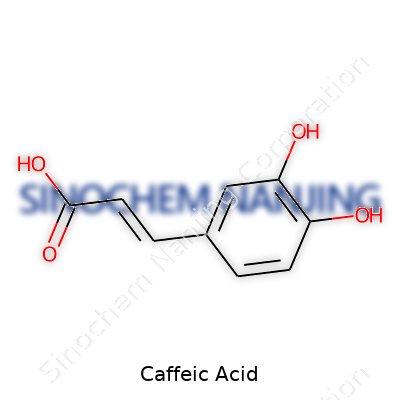
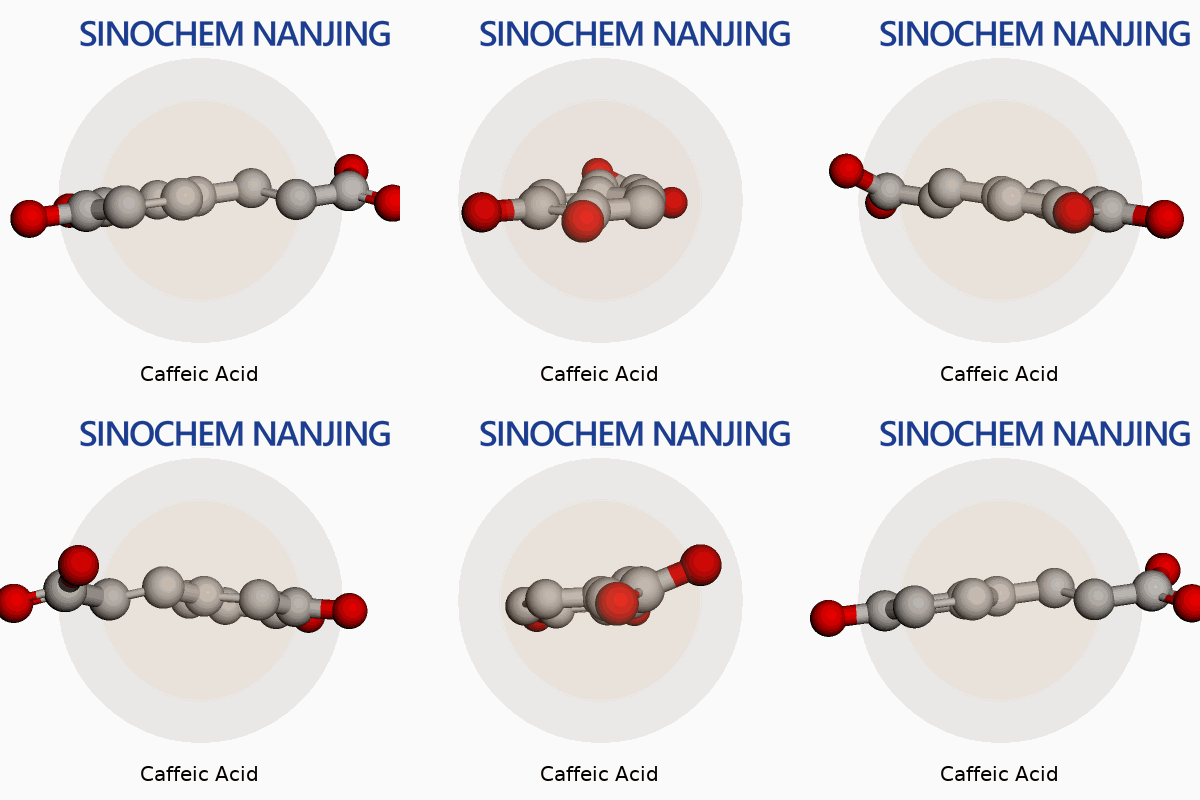
| Names | |
| Preferred IUPAC name | (E)-3-(3,4-dihydroxyphenyl)prop-2-enoic acid |
| Other names |
3,4-Dihydroxycinnamic acid Caffeate Cinnamic acid, 3,4-dihydroxy- 3,4-Dihydroxy-trans-cinnamic acid |
| Pronunciation | /kaˈfiː.ɪk ˈæs.ɪd/ |
| Identifiers | |
| CAS Number | 331-39-5 |
| Beilstein Reference | 1300800 |
| ChEBI | CHEBI:16962 |
| ChEMBL | CHEMBL2737 |
| ChemSpider | 5037 |
| DrugBank | DB04216 |
| ECHA InfoCard | 0355992d-3adc-483e-a807-2b5460bc97ea |
| EC Number | 1.14.13.18 |
| Gmelin Reference | 606479 |
| KEGG | C01061 |
| MeSH | D015272 |
| PubChem CID | 689043 |
| RTECS number | FA2450000 |
| UNII | 9K3RM8O4QV |
| UN number | UN2811 |
| Properties | |
| Chemical formula | C9H8O4 |
| Molar mass | 180.16 g/mol |
| Appearance | Yellowish to light brown crystalline powder |
| Odor | Odorless |
| Density | 1.36 g/cm³ |
| Solubility in water | slightly soluble |
| log P | 1.25 |
| Vapor pressure | 2.99E-21 mmHg at 25°C |
| Acidity (pKa) | 4.62 |
| Basicity (pKb) | pKb = 10.07 |
| Magnetic susceptibility (χ) | -17.4 × 10⁻⁶ cm³/mol |
| Refractive index (nD) | 1.642 |
| Viscosity | Powder |
| Dipole moment | 1.97 D |
| Thermochemistry | |
| Std molar entropy (S⦵298) | 167.1 J·mol⁻¹·K⁻¹ |
| Std enthalpy of formation (ΔfH⦵298) | -358.6 kJ/mol |
| Std enthalpy of combustion (ΔcH⦵298) | -2394 kJ/mol |
| Pharmacology | |
| ATC code | A11HA08 |
| Hazards | |
| GHS labelling | GHS07, GHS08 |
| Pictograms | GHS07 |
| Signal word | Warning |
| Hazard statements | H315, H319, H335 |
| Precautionary statements | P261, P280, P304+P340, P312 |
| Flash point | 174.9 °C |
| Lethal dose or concentration | LD50 mouse oral = 2000 mg/kg |
| LD50 (median dose) | LD50 (median dose): Mouse oral 2,800 mg/kg |
| NIOSH | AS8050000 |
| PEL (Permissible) | 10 mg/m³ |
| REL (Recommended) | 100 mg |
| Related compounds | |
| Related compounds |
2,3-Dihydroxycinnamic acid Chlorogenic acid Ferulic acid Vanillic acid |



