The Real Story Behind Butyl Lactate: Science, Safety, and Tomorrow’s Possibilities
Tracing the Roots of Butyl Lactate
Every substance in the chemical world has a story, and butyl lactate stands out in the way it connects food processing, industrial chemistry, and the push for sustainability. Before big corporations pushed for greener solvents, butyl lactate emerged in labs trying to meet demand for solvents that wouldn’t bring the same baggage as petroleum-based products. Its foundation lies with lactic acid—a compound people once thought of mostly in relation to muscle fatigue and sour milk. With advances in fermentation in the late nineteenth and early twentieth centuries, lactic acid went from being an obscure byproduct to a valuable building block. Chemists realized that by converting lactic acid into esters, including butyl lactate, they could open the door to cleaning solutions, coatings, and specialty chemicals that didn’t smell like the inside of a refinery. This left butyl lactate with a backstory tied to both innovation and the constant quest for safer workplace standards.
Product Details and What Sets This Solvent Apart
Butyl lactate gets described as a colorless or slightly yellow liquid, sometimes with a faint fruity odor, but there’s more to it than labels suggest. Made by combining lactic acid with butanol, the result is a solvent that dissolves resins, inks, and grease where others fall short. In my experience with paint and coating labs, the right solvent can make or break the performance of a product, and butyl lactate often pulls above its weight class because of its strong solvency paired with a lower volatility—this avoids harsh fumes that clear a room, but still provides enough punch to tackle heavy-duty residue. Its chemical structure brings together the flexibility of an alcohol and the stability of an ester, right in a blend that often gets overlooked for sexier “eco” solvents, yet quietly fills a niche that no one else can quite match.
Physical and Chemical Properties That Make a Difference
In technical terms, butyl lactate’s boiling point sits near 170°C, which keeps it stable under heat. I’ve seen technicians favor it over short-chain esters simply because it refuses to flash off too quickly, keeping paints workable and surfaces wet longer. Its high solvency means it can break down a wide range of polymers and oils. At the same time, with miscibility in both water and common organic solvents, butyl lactate fits where versatility is prized. The low vapor pressure compared to many traditional cleaners means a safer working atmosphere, contributing to lower exposure levels in shops and plants. For any operator, this can turn an unpleasant daily grind into a place where one’s lungs and skin don’t pay the price.
Technical Standards and Labeling in the Real World
The technical world leans heavily on consistency. Labels for butyl lactate cover its chemical name—Butyl 2-hydroxypropanoate—and list its main hazards, but the details matter much more than the legalese. Purity, water content, and acidity all influence how it behaves in practice. I’ve watched production lines falter when solvent grade crumbles under scale-up from bench to plant, and butyl lactate is no exception. Handling standards require detailed hazard communication, storage below certain thresholds, and protective gear, because even a solvent marketed as “mild” can cause skin and eye irritation or affect air quality in enclosed spaces.
Making Butyl Lactate: More Than a Recipe
Manufacturing butyl lactate means stepping into the world of esterification. Mix lactic acid, usually produced by fermenting carbohydrates like corn or sugarcane, with n-butanol in the presence of an acid catalyst, and you have a reaction that echoes the age-old practice of making vinegar or wine, but with modern controls and distillation that tool chemicals for precision jobs. The backbone of lactic acid fermentation allows for “greener” claims, since renewable resources feed the process. Waste minimization, closed reactors, and recycling of butanol by-products turn what was once a dirty process into something more aligned with a world seeking to cut down carbon emissions.
Chemical Tweaks and the Quest for Better Solvents
Butyl lactate serves as a launching point for further modifications. Chemists alter the alcohol or acid parts to get different esters with tailored balances of solvency and evaporation. The world of “green” chemistry leans on these modifications to replace harsher petro-based materials with similar performance, but with a lower toxic load. I’ve seen innovation happen in small changes—switching a chain, shifting a pH—and creating a product that slips past regulatory hurdles while still delivering on cleaning, dissolving, and processing tasks. Continuous research into catalyst improvements and process integration keeps chipping away at energy requirements and impurity levels.
The Web of Synonyms and Industry Jargon
Industry doesn’t always agree on naming. Butyl lactate hides behind labels like “Butyl 2-hydroxypropanoate”, or simply “lactic acid butyl ester” in technical sheets. Sometimes, local standards or legacy labeling confuses this further, making safety and trade a careful dance. I’ve learned the value of double-checking containers, especially when imports or in-house blends blur the lines between common names and chemical reality.
Staying Safe and Operational: What Really Matters
Safety with butyl lactate comes from respect, not just rules. The solvent doesn’t deserve a skull-and-crossbones logo, but long-term skin exposure or inhalation brings headaches, dizziness, or dermatitis. Any time I’ve worked around solvents, I’ve insisted on gloves and proper ventilation. Regulatory bodies keep an eye on exposure limits, and workers learn the wisdom of keeping solvents off bare skin. Safe disposal matters just as much, since waste streams risk mixing with incompatible chemicals or simply getting dumped into general wastewater. Single-use wipes or spill kits, clearly labeled containers, and updated safety data sheets become the real world way of dodging the worst-case scenarios.
Where Butyl Lactate Fits Today
The applications cover cleaning up ink residue from printing presses, dissolving adhesives from electronics assembly, and cleaning up oil-based residues from food processing equipment. Artists have even picked it up for cleaning paints and prepping canvases. During my own stints in research and on the shop floor, butyl lactate came into play in coatings where “unfriendly” solvents got phased out, but clients needed the same cleaning strength—without headaches from fumes or worries about flammability. Food processors, ever under scrutiny, turn to butyl lactate in some flavoring and extraction applications, as regulations allow. While its “green” credentials get challenged—manufacturing still draws on energy and can drive pollution without solid controls—the push for drop-in replacements gives it a strong footing.
Where the Science and Research Stand
Research and innovation keep butyl lactate in motion. Developers look for ways to cut down manufacturing costs, chase lower toxicity, and push for “closed-loop” processes that recycle both feedstocks and emissions. Laboratory work tracks impurity profiles, studies alternative feedstreams, and investigates novel catalysts. Universities and chemical companies tend to focus on whether scaling from renewable resources can become cost-effective without breaking the supply chain or sacrificing product consistency. Investigating blends with other esters and surfactants continues to open new doors. During visits with formulation teams, the chatter always circles back to “how can we get the benefits without the regulatory headaches?” That’s where most of tomorrow’s breakthroughs will likely show up.
Digging Into the Toxicity Records
Toxicological research takes on greater importance the more industries swap legacy solvents for modern blends. Butyl lactate rates as less toxic than many traditional solvents, but it’s not entirely risk-free. Studies suggest that skin and respiratory exposure bring moderate short-term effects, from irritation to headaches. Its breakdown products don’t cause the same long-term bioaccumulation as solvents like toluene or xylene, thanks to faster metabolic conversion and excretion. Still, safety margins depend on real workplace practices, not just lab studies. In my years around materials labs, the greatest risks consistently came from misused personal protective equipment or neglect of ventilation systems, not from the material’s published LD50 numbers.
Future Possibilities and Remaining Questions
Tomorrow’s world demands cleaner, safer, and more predictable chemicals. Butyl lactate’s future likely relies on advances in fermentation, process automation, and regulatory clarity. With pressure to swap in “naturally-derived” solvents rising, the market seeks those with the right balance of performance, safety, and price. Ongoing R&D looks set to enhance biodegradability, cut down waste, or shift production entirely to agricultural sidestreams, making this solvent even less dependent on fossil inputs. What still needs watching is the real impact across its lifecycle—raw material sourcing, waste handling, energy use. I've seen enough hasty switches away from one “bad” chemical to another poorly-understood alternative to know that change isn’t always a magic fix. Real progress means honest data, open debate over tradeoffs, and careful documentation every step of the way.
What is Butyl Lactate used for?
Everyday Uses Go Beyond the Lab
Walk through a print shop or a factory making electronics, and you’re likely breathing in a little butyl lactate. This clear liquid comes from fermented natural sources—corn starch, sugar beets, and sugar cane all lead to lactic acid, which reacts with butanol to create butyl lactate. People often lump it into the “green solvents” category for good reason: it breaks down in the environment faster than older, petroleum-based chemicals. That’s why companies looking to clean up their act in everything from paint stripping to ink removal are paying more attention to it.
I first noticed it at a commercial printer, where ink smudges and color adjustments need nimble solutions. Some old-timers swore by the tough stuff—ethyl acetate and methyl ethyl ketone. Those were tough on skin and even worse for the air. Butyl lactate, while never a health drink, evaporates more slowly and doesn’t have the harsh, heady stench. One guy even showed me how he’d swapped out his regular solvent: he needed to soak some rollers a bit longer, but he ditched his gloves and goggles less often.
Cleaning Industry’s Quiet Workhorse
If you’ve dealt with adhesives or leftover glue, chances are butyl lactate helped scrub the mess. Industrial cleaning crews and facilities managers use it in degreasers and graffiti removers—it’s tough enough to lift oil or marker, but less likely to churn out clouds of hazardous fumes. The solvent digs into greasy buildups in heavy machinery, but it shows up just as easily in floor cleaners that bust up shoe scuffs and food stains.
One company I worked with on a hospital renovation gave up older solvent blends because patients reacted badly to the fumes. Switching to products formulated with butyl lactate seemed to take an edge off the odor and got machines shiny without complaints from nursing staff. Not everyone loves the price—corn and cane don’t come as cheap as fossil fuels—but for facilities with green certifications to chase, it paid off in the comfort and health scores.
The Push for Safer Solvents
Attention to safety isn’t just window dressing. Chronic exposure to some cleaning solvents ties back to headaches, dizziness, or worse. The U.S. Environmental Protection Agency lists butyl lactate as less hazardous for short-term use. That doesn’t mean it’s harmless—too much can still irritate the skin or eyes. Workers deserve the facts, not empty labels. Honest hazard training and access to personal protective gear create a safer workplace. I’ve seen supervisors encourage staff to review safety data sheets together, not just toss a bottle of “eco-friendly” cleaner their way.
Possible Ways Forward
Industries always look for the next step. Research teams are testing blends where butyl lactate works with other plant-based ingredients, chipping away at lingering health or flammability risks. Maybe one day, even the stickiest residue or the most stubborn ink won’t need trade-offs between environmental impact and effectiveness.
Policymakers can push progress by giving clear rules on which solvents count as truly safer. Independent labs can check claims instead of leaving it up to manufacturers. For busy workplaces, clear labeling and upfront safety training do more good than vague promises. The work to build safer, cleaner chemical tools remains ongoing—and butyl lactate marks a solid step along that path.
Is Butyl Lactate safe to use?
What is Butyl Lactate?
Butyl lactate shows up in products that need a solvent to dissolve tough materials. You find it in paints, coatings, and all sorts of cleaning agents. People sometimes think because they haven’t heard of a compound before, it must be either unsafe or a wonder chemical. Life doesn’t work like that. The truth tends to fall in the middle.
Looking at the Risks
Take a bottle of butyl lactate, open it up, and you’ll know: this isn’t something to splash around. It smells strong. Most sources, even the manufacturers, warn that direct contact can lead to skin and eye irritation. Inhaling the vapors for a long time isn’t a smart move, either. My own experience with strong solvents has taught me that overexposure almost always ends up with headaches or worse. The U.S. National Library of Medicine lists it as an irritant, which matches up with most safety data sheets.
On the other hand, toxicologists haven’t found butyl lactate to be carcinogenic or to cause reproductive harm at common exposure levels in workplaces. The EPA and the FDA don’t flag it as a top-tier hazard. A 2022 report by the European Chemicals Agency stated that, as long as workers use gloves and decent ventilation, typical use doesn’t pose a big long-term health risk.
Why Safety Protocols Matter
People have a habit of underestimating the risk until a trip to the ER forces them to read an MSDS sheet. In a shop where I worked, they kept butyl lactate with the other strong solvents, locked in a cabinet, with goggles and gloves on hand. That was routine, not paranoia. Nobody ever got a rash, because nobody handled it carelessly.
Here’s the thing: most solvents are more dangerous than the products they help make. Industry experts study their effects for good reason. A workplace accident can turn into a long-term health issue if you cut corners. Employees are routinely trained on how to store, handle, and dispose of these kinds of chemicals. These practices don’t just protect health—they also lower cleanup costs and save businesses trouble with regulators.
Environmental Concerns
Butyl lactate does break down in the environment faster than a lot of tougher industrial solvents. That’s probably its best redeeming feature. According to the EPA, its biodegradability outpaces most comparable compounds, especially those based on petroleum. Still, waste from large-scale use doesn't disappear magically. Local regulations set strict guidelines to keep runoff from entering water supplies. In my view, systems for proper waste management and solvent recycling help everyone breathe easier—literally and figuratively.
Moving Toward Safer Use
Safe use starts with respect for the chemical. Gloves, eye protection, and fresh air go a long way. Labeling and storage rules can’t just sit on paper; everyone in a facility needs to follow them. When in doubt about an ingredient, finding the MSDS online takes one minute. Households don’t run into butyl lactate much, but it does show up in some heavy-duty cleaners. If it’s under your sink, don’t treat it like dish soap.
For those looking for greener choices, alternative solvents keep popping up every year. Some even do the job with less hazard and fewer fumes. Keeping an eye out for safer options or supporting companies that do helps push the industry in the right direction.
What are the physical properties of Butyl Lactate?
What Butyl Lactate Looks and Feels Like
Butyl lactate catches your attention with its clear, colorless liquid form. Pick up a container and you won’t see any cloudiness. There’s a slight, almost fruity odor that trails along when you uncap the bottle, a reminder that this chemical gets its start in fermentation. In the workplace, you often notice how easily it pours—there’s a light thickness to it, but nothing sticky or syrupy like vegetable oil.
Boiling and Freezing Points
More than once, a lab colleague has had to watch the heat dial because butyl lactate boils at about 166 degrees Celsius (330.8 Fahrenheit). This is noticeably higher than water, so you have room for specialized heat-based processes without losing your whole batch to vapor. On the flip side, freezing doesn’t happen until around -66 degrees Celsius (-86.8 Fahrenheit). Spills tend to linger in cold weather, which needs consideration for those working in unheated spaces or cooler regions.
Density and Solubility
Pour butyl lactate into water and you’ll notice a separation. Its density lands close to 1 gram per cubic centimeter at room temperature—almost identical to water. While it mixes with a range of organic solvents like ethanol and acetone, it barely dissolves in water. If your work regularly relies on cleanup, that limited solubility means extra steps. Environmental scientists point out that spills can persist in surface water and soil in ways some don’t expect.
Evaporation and Volatility
Butyl lactate doesn’t flash off as quickly as acetone or ethyl acetate. Open a container on the bench, and you’ll still notice the smell later in the day. The evaporation rate sits lower than many solvents. That quality makes it much safer in poorly ventilated labs or manufacturing spaces, and folks handling it won’t face a sudden vapor cloud. On the other hand, cleanup takes a bit more effort, since there’s always a trace left behind.
Viscosity and Texture
Drip butyl lactate onto a glass slide and watch the way it spreads. The liquid flows smoothly, with a viscosity that gives it a slightly thicker feel compared to pure water. It covers surfaces without pooling quickly. Manufacturers in cleaning products, paints, and coatings like how this physical trait helps deliver a more even application.
Stability and Storage
Store it away from strong acids, bases, or direct sunlight, and butyl lactate stays stable for a long time. You don’t find it exploding from pressure under standard conditions, and there’s no rapid decomposition unless you really push harsh conditions onto it. This means it fits well into warehouses and storerooms without elevated risk—crucial when regulations get tight about fire and chemical hazards.
Implications for Safety and Environment
Having handled butyl lactate for years, it's clear this chemical sits comfortably between more dangerous solvents and those considered “green.” Butyl lactate’s low volatility and moderate toxicity mean workers feel safer, though gloves and eye protection remain non-negotiable. Environmental managers have started leaning on butyl lactate instead of petroleum-based solvents, hoping to cut down on hazardous emissions. Still, its persistence after spills does spark debate. Professionals keep a close eye on disposal methods and potential runoff.
Looking Ahead
To make the most of butyl lactate’s safer profile, facilities need to emphasize careful handling, adequate ventilation, and proper spill protocol. Companies following the latest research and feedback from industrial users will keep improving educational efforts and best practices for those on the front line. Smarter, safer, and cleaner workplaces trace back to truly understanding the physical nature of what’s in the bottle.
How should Butyl Lactate be stored?
Understanding What’s on the Shelf
Anyone who’s spent time handling chemicals knows: some bottles demand your respect. Butyl lactate, used often as a solvent in coatings, cleaners, or inks, has a reputation for being less aggressive than others, but that doesn’t mean it gets to sit wherever someone finds an empty spot. Years in chemical warehouses and lab supply rooms have taught me that smart storage keeps workplaces safer and workers healthier.
Why Space, Air, and Temperature Matter
Chemical storage often starts with the question: does this stuff need to be locked away, or can it share a cupboard with everything else? Butyl lactate, a liquid ester, isn’t explosive or wildly toxic, but storage habits should reflect a basic respect for its physical traits. Exposure to open air lets it pull in moisture, and over time it starts to break down. This messes with its solvent power and creates the kind of chemical unpredictability no one wants near expensive equipment or unprotected skin.
Cool spots slow the breakdown. From old sheds to high-tech labs, I’ve watched bottles become cloudy and rows of containers sticky from minor leaks in the summer heat. Aim for a dry, well-ventilated area, below 25°C if possible. Basement chills in the northern states offer safer longevity than a sunny windowsill anywhere else. Consistent, moderate temperatures cut down on pressure build-up, so caps stay tight and bottles stay upright.
The Importance of Container Quality and Shelf Checks
Plastic sometimes gets a bad rap, but high-quality HDPE containers do a fine job holding butyl lactate. No one likes blotchy cardboard from a leaking bottle, and glass can break during a simple rearrangement. Never ignore signs of stress: cracks, warped lids, or even that faint sweet smell that tells you a seal’s failed. A walk-through of all chemicals every few weeks catches problems that paperwork can’t.
Every shelf should offer enough support so the weight of full containers doesn’t start bowing the boards, which can send everything crashing down. Tall, skinny bottles have toppled at the sound of a closing door, leaking into storage bins meant for emergency gear, not flammable liquids. Placing absorbent mats beneath storage areas makes spills a minor cleanup, instead of a full-on emergency.
Separation Prevents Trouble
Mixing incompatible chemicals isn’t just dangerous; it’s lazy oversight. Butyl lactate doesn’t love acids or strong bases. Corrosive vapors can break down container walls, and accidental mixing in a spill leads to heat, fumes, and confusion. Use simple separation: keep solvents together, but store acids and bases elsewhere, with barriers or secondary trays for extra insurance. Labels, clear and visible, with the date of arrival, make mystery bottles less common when the next safety audit rolls around.
Solid Habits, Fewer Incidents
OSHA doesn’t hang out in every storeroom, but safe habits start with the folks stacking bottles, not the folks writing manuals. Eye-level placement, no forgotten leftovers, and a quick glance over the MSDS during training sessions all lead to smoother, safer workdays.
Dealing with butyl lactate isn’t a daily crisis. Still, a bit of respect and well-practiced storage routines keep it from becoming tomorrow’s headline. Experience and simple vigilance get the job done.
Is Butyl Lactate biodegradable?
Understanding Butyl Lactate
Butyl lactate comes from lactic acid, which is a natural substance made by fermentation. Farmers have probably dealt with it, since lactic acid is used to pickle silage. Manufacturers rely on butyl lactate in cleaners, coatings, and inks. It's a solvent, and plenty of people count on it because of its ability to break down grease and dirt. The question that keeps popping up: what happens once it's washed down the drain?
Nature’s Way of Breaking Down Chemicals
I’ve watched towns wrestle with contaminated water when chemicals from farms or businesses don’t biodegrade. If something breaks down fast, that’s always a relief. Too many times, substances linger and work their way into rivers, soil, food, or even our bodies. That’s what makes the idea of biodegradability so important—not just a buzzword tossed around by marketers, but a real difference for communities.
Biodegradability of Butyl Lactate
Researchers have put butyl lactate through standardized testing to see if bacteria, fungi, or other natural processes can break it down. According to the United States Environmental Protection Agency and the Organization for Economic Cooperation and Development, butyl lactate does fit within their definition of "readily biodegradable." Under aerobic conditions, most tests show more than 60% of the compound breaks down in less than 28 days. It’s not invincible; bacteria in the environment eat it up, given enough oxygen and time.
The fact that butyl lactate biodegrades offers some peace of mind for people who care about clean water. Compare that to solvents like toluene or acetone, which hang around longer in the environment and cause trouble for fish, bugs, and humans. I’ve spent weekends near streams where the water had a film thanks to slow-to-break-down products. So seeing butyl lactate break apart more quickly counts as a win for folks who like to fish, swim, or drink from natural water sources.
What Biodegradability Doesn’t Solve
Some might read the label and think any biodegradable substance is safe for the environment, but it’s not quite so simple. Even readily biodegradable substances can be harmful if dumped in massive quantities. I remember the aftertaste of well water drawn too close to a field treated with runoff-packed fertilizers and cleaners. Just because something breaks down doesn’t mean it leaves nothing behind. Sometimes, the byproducts themselves cause problems—though butyl lactate tends to produce safer end-products like lactic acid and butanol.
What People Can Do
Relying on chemicals that break down more easily helps, but we also need broader thinking. Industries looking for less polluting solvents should shift to options like butyl lactate, but keep usage reasonable. Regular monitoring of water and soil helps catch problems before they get out of hand. I’ve seen community-led programs where people volunteered to test creek water for run-off and push for stricter limits. These efforts do work, and ordinary folks can make a difference.
Spreading the word helps, too. Clear labeling on cleaning products can steer consumers toward safer picks. Using biodegradable solutions in schools, hospitals, and city buildings sets a good example and reduces the chemical load on wastewater systems. In farming, better land management keeps any run-off in check and prevents overuse, so biodegradable products actually have a chance to work their magic without overwhelming the earth.
Putting It into Practice
Choosing solvents that break down in the environment, like butyl lactate, makes for healthier land and safer drinking water. Each choice—by companies, farmers, and everyday shoppers—adds up. Better solutions exist when people ask questions and insist on options that don’t stick around to haunt the next generation.
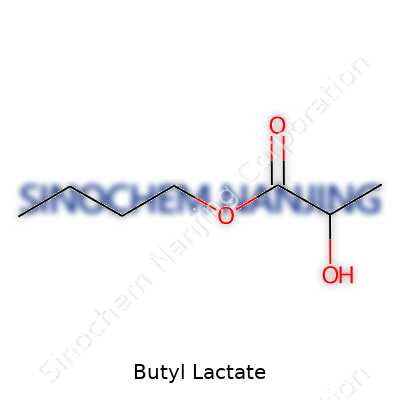
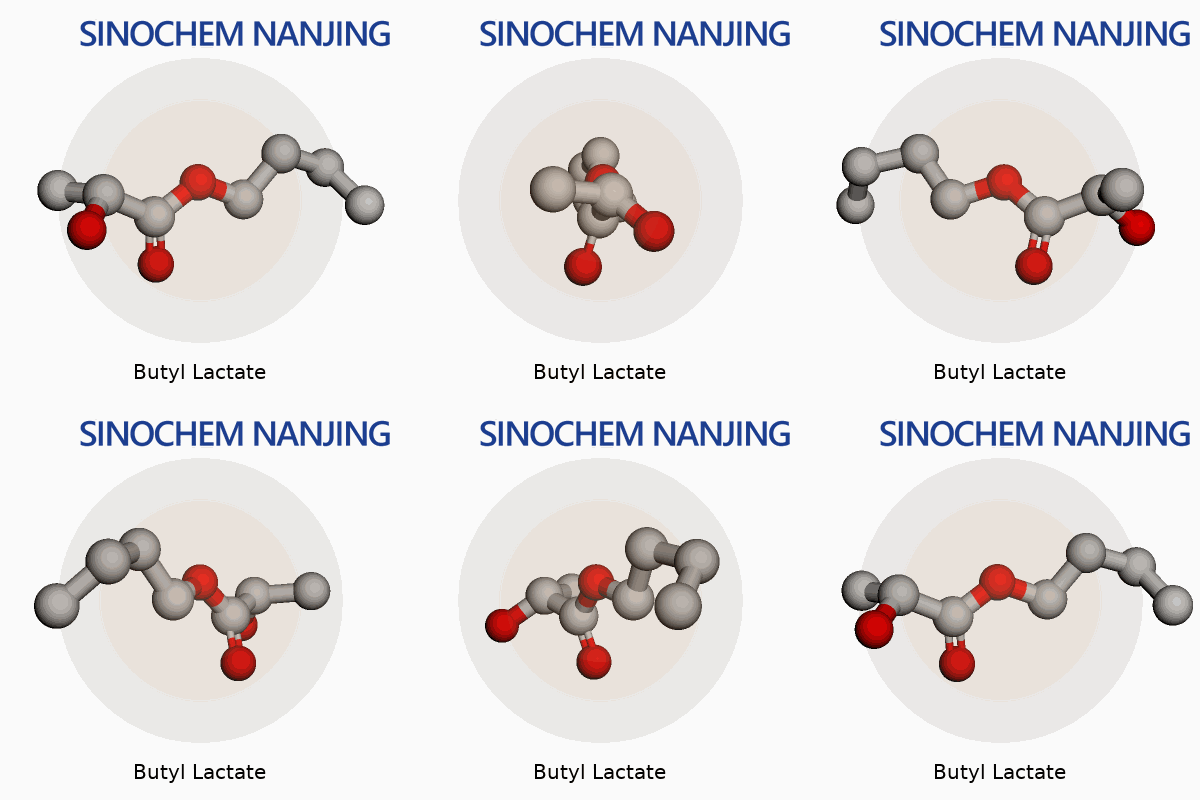
| Names | |
| Preferred IUPAC name | Butyl 2-hydroxypropanoate |
| Other names |
Butyl 2-hydroxypropanoate Butyl α-hydroxypropionate Butyl lactic acid ester Butyl 2-hydroxypropionate |
| Pronunciation | /ˈbjuː.tɪl ˈlæk.teɪt/ |
| Identifiers | |
| CAS Number | 138-22-7 |
| Beilstein Reference | Beilstein Reference: 1741818 |
| ChEBI | CHEBI:31339 |
| ChEMBL | CHEMBL135887 |
| ChemSpider | 12029 |
| DrugBank | DB03912 |
| ECHA InfoCard | ECHA InfoCard: 03-2119457552-38-0000 |
| EC Number | 203-306-4 |
| Gmelin Reference | Gm. 1400 |
| KEGG | C02315 |
| MeSH | D017635 |
| PubChem CID | 6567 |
| RTECS number | OJ8575000 |
| UNII | 12E5R60T70 |
| UN number | UN2529 |
| Properties | |
| Chemical formula | C7H14O3 |
| Molar mass | **146.19 g/mol** |
| Appearance | Clear, colorless to pale yellow liquid |
| Odor | fruity |
| Density | Butyl Lactate has a density of approximately 0.98 g/cm³ at 20°C. |
| Solubility in water | Soluble |
| log P | 0.92 |
| Vapor pressure | 0.19 mmHg (20°C) |
| Acidity (pKa) | pKa ≈ 16. |
| Magnetic susceptibility (χ) | -6.41×10⁻⁶ cm³/mol |
| Refractive index (nD) | 1.413 |
| Viscosity | 2.51 mPa·s (at 25 °C) |
| Dipole moment | 2.69 D |
| Thermochemistry | |
| Std molar entropy (S⦵298) | 399.5 J·mol⁻¹·K⁻¹ |
| Std enthalpy of formation (ΔfH⦵298) | -635.9 kJ/mol |
| Std enthalpy of combustion (ΔcH⦵298) | -3024.3 kJ/mol |
| Pharmacology | |
| ATC code | V09AX10 |
| Hazards | |
| GHS labelling | GHS02, GHS07 |
| Pictograms | GHS02,GHS07 |
| Signal word | Warning |
| Hazard statements | H226, H315, H319 |
| Precautionary statements | P210, P233, P240, P241, P242, P243, P261, P271, P280, P303+P361+P353, P304+P340, P305+P351+P338, P312, P337+P313, P370+P378, P403+P235, P501 |
| NFPA 704 (fire diamond) | 1-2-0 |
| Flash point | 77 °C |
| Autoignition temperature | 225 °C |
| Lethal dose or concentration | LD50 oral rat 3700 mg/kg |
| LD50 (median dose) | LD50 (median dose): Oral rat LD50: 3200 mg/kg |
| NIOSH | WA0880000 |
| PEL (Permissible) | PEL (Permissible Exposure Limit) of Butyl Lactate: 5 ppm |
| REL (Recommended) | 50 ppm |
| IDLH (Immediate danger) | 300 ppm |
| Related compounds | |
| Related compounds |
Methyl lactate Ethyl lactate Propyl lactate Lactic acid |



