Bromochloromethane: A Chemical with Historic Roots and Future Questions
A Walk Through Its Story
Bromochloromethane, once a fixture in fire extinguishers, traces its origins back to the days when chemists were eager to bottle the power of halogenated methanes. Its commercial production began around the 1930s, when fire safety teams were looking for alternatives to carbon tetrachloride, a chemical known for deadly side effects. During World War II, Bromochloromethane helped protect lives and property by serving as a suppressant for fires in confined spaces where water or powders would be risky for soldiers or delicate equipment. Decades later, environmental concern and trouble over ozone depletion forced many countries to restrict and replace it. This path, bookmarked by both utility and controversy, says a lot about the shifting balance between innovation, safety, and planetary health.
Getting to Know the Compound
Bromochloromethane, with the formula CH2BrCl, sits among halogenated methanes as a low-boiling, colorless liquid beneath a pungent, sweetish odor. It evaporates quickly and resists mixing with water, but it cozies up with organic solvents like ethanol or diethyl ether. Its vapor sinks heavier than air, which once made it ideal to snuff out flames on complex machinery. On the shelf, it’s stable enough for storage but raises red flags for heat and open flame. Over time, bottles of Bromochloromethane have worn many names: Methane, bromochloro-; Halon 1011; monochlorobromomethane. In research circles, even the synonyms betray a winding trail through chemical history.
Technical Realities and Preparation
The classic approach to making Bromochloromethane involves the halogenation of methylene chloride or the direct action of bromine and chlorine on methane in carefully controlled reactors. The reactions run best under specific temperatures, pressures, and catalysts, often copper-based. For someone who’s spent a lot of late nights in a lab, these details matter, because a fume hood without proper ventilation does more harm than good. Each reaction gives off side products that must be handled responsibly. Laboratories and factories follow tight labeling rules—hazard symbols, component concentrations, batch numbers—to avoid confusion and keep professionals out of harm’s way.
Tangles in Application and Policy
Bromochloromethane once found broad use as an extinguishing agent, a solvent, and a chemical intermediate in synthesizing pharmaceuticals and fine chemicals. The fire industry became especially reliant on its quick action, helping suppress fires in aviation and military equipment where dry chemicals or water could destroy circuits or engines. But applications faded with the Montreal Protocol, a treaty put in place to keep ozone-depleting substances out of the atmosphere. Some regions still permit restricted uses—for example, in sealed environments or for research—yet most countries keep its application under lock and key.
Chemical Reactivity and Modifications
This compound plays along as a reagent in organic synthesis, making it an asset for chemists looking to create more complicated molecules. Its reactivity comes from both bromine and chlorine atoms, so reactions with nucleophiles, bases, or reduction agents can yield a string of different derivatives. Substitution and elimination reactions draw on the molecule’s structure, making it a platform for innovation, but also setting up potential environmental legacies if leftovers reach the air or water. Looking back on its active years, the chemical industry reaped both rewards and headaches from these same transformation pathways.
Safety and Operational Demands
Workplace safety hangs heavy when Bromochloromethane enters the scene. Breathing high concentrations spells trouble for the liver, central nervous system, and kidneys. I recall watching safety drills at chemical warehouses, where simple protocols—gloves, goggles, fume hoods—marked the line between routine work and lasting injury. Direct skin contact irritates, and mishandling spills risks not just personal harm but environmental contamination. Over time, regulatory health agencies demanded stringent controls, demanding training and proper ventilation, and banning open-system use in most industries. Not every shop or field can guarantee perfect procedures, which means history occasionally repeats itself in injury reports.
What the Toxicity Research Tells Us
Scientists spent years piecing together the effects of Bromochloromethane in animal models and cell cultures. Chronic exposure points toward organ damage; acute overdoses can risk fatal outcomes in confined spaces. The story of this compound contributed to broader chemical safety reforms during the last century. Regulatory agencies flagged it for attention when animal tests revealed cellular damage and possible carcinogenic effects, particularly at doses far above normal exposure. Scientists, faced with its damaging footprint on ozone, also turned a critical eye to its environmental persistence. Knowledge built on these lessons shapes modern rules for chemical management and guides the shift toward greener flame retardants and solvents.
Current Research and Where Things Might Head
Chemists continue to study the reactions of Bromochloromethane, mainly drawn to its role as a reagent or building block in organic synthesis. Attention now lands on safer alternatives that match its effectiveness without the environmental costs. Some labs look for methods to break down existing stocks without harmful emissions. Others track its remnants in industrial waste and soil, exploring bioremediation and catalysis as potential clean-up options. The challenge—matching performance with lower health and ecological risks—encourages new research into molecules that tackle fires or fill chemical roles while honoring the experience gained from Bromochloromethane’s complicated past.
Pushing Toward Smarter Choices
The future of compounds like Bromochloromethane depends on more than just chemistry; it relies on habits, regulations, and strong communication through the science community. Modern laboratories avoid shortcuts by investing in training and technologies designed to automate risk-intensive work. In my experience, peer review and open data sharing build stronger case studies for or against these classic chemicals. As the world watches for new fire suppressants or synthetic methods, the best solutions grow out of lessons learned one experiment at a time, responding to both human safety and planetary well-being. New faces in the lab and cosigned papers keep the field honest and forward thinking. No chemical, old or new, tells its whole story on a label. The details make the difference, and mistakes from the past should never get lost in the rush for innovation.
What is Bromochloromethane used for?
From Fire Labs to Factory Floors
Bromochloromethane used to line the shelves of labs working on fire suppression systems. For years, it served as a key ingredient in extinguishers, especially for electrical fires and places where water did more harm than good. Its chemical mix of bromine and chlorine tamped down fires quickly, saving expensive equipment and keeping operators safe.
The story took a turn when people started noticing what happened after the flames got stamped out. Health researchers raised a flag: prolonged exposure risked headaches, nausea, and even nerve damage. Factory workers and lab techs saw this change up close. Cleaning up after a spill brought the acrid smell, followed by a sudden tightness in the chest. These moments stuck with folks and forced a second look at safety gear and ventilation.
Environmental Red Flags
Beyond the immediate health scares, bromochloromethane found itself in the spotlight for its damage to the ozone layer. It does what similar halogenated chemicals do, stripping away ozone in the upper atmosphere. Once governments saw the pattern, they started banning or strictly controlling its use. The Montreal Protocol put a deadline on its production for most uses by 2002, and watchful eyes in public health still track where it pops up.
Still Hanging On in Industry
Despite the bans, traces of bromochloromethane still turn up in some corners. Certain industrial processes kept small loopholes for its use, such as research applications or the manufacture of specific chemicals. Safety protocols for these settings now look pretty different than decades ago. Modern factories rely on sealed containment, air filters, and more rigorous training for anyone who deals with even the tiniest quantity.
Lessons and Better Alternatives
Looking back at the bromochloromethane story, several threads tie together: the rush to adopt a seemingly useful chemical, a late reckoning with hidden costs, and the effort to engineer our way out with alternatives. Safer fire suppressants have taken center stage, ones that carry less risk to people and the planet. Many of these alternatives go by unfamiliar names, but their safety records improve with each generation.
Shifting away from bromochloromethane didn’t come easy. Factory managers had to overhaul equipment and find new suppliers. Regulators struggled to keep up with imports from countries without strict bans. The chemical’s stubborn presence in some products means vigilance is still needed, especially in markets with weaker oversight.
Fixes: Hard Looks and Honest Reporting
Real change starts with more eyes on supply chains and clearer labeling. Workers need regular training and open channels to report leaks or spills. Governments that once dragged their feet now lean on scientific reviews and respond faster when new risks show up.
Cutting bromochloromethane’s legacy out of the industrial world isn’t just about swapping it for another bottle on the shelf. It’s about learning from past mistakes and listening to the voices that flagged these dangers in the first place. Drawing from my own experience working near old fire suppression systems, it became obvious that safer choices aren’t always the most obvious or cheapest—sometimes, they take a little more work and a willingness to ask hard questions.
Is Bromochloromethane hazardous to health?
A Closer Look at Bromochloromethane
Bromochloromethane shows up in lab settings, often as a solvent or a fire-extinguishing agent. Workers handling this chemical get the strongest exposure, but the rest of us aren't fully in the clear. It can slip into the air or soil, sometimes even sneaking into water supplies near waste sites. Anyone who’s been in a stuffy old building might have sniffed air touched by chemicals like this, but without realizing, since bromochloromethane lacks a strong odor at lower concentrations.
How Bromochloromethane Affects the Body
Exposure tends to happen through breathing or skin contact. At high enough levels, bromochloromethane irritates the lungs, skin, and eyes, and prolonged contact can do even more damage. People have reported headaches, dizziness, and confusion, sort of like breathing in paint fumes or strong cleaning products. The chemical falls into the category of volatile organic compounds, which are known for causing trouble in the body.
Agency studies, including work from the U.S. Environmental Protection Agency and the World Health Organization, point out the main concern: liver and kidney strain. Lab rats exposed to the stuff had organ damage, and some research found effects on the nervous system. Human studies haven’t been as clear, given the lower likelihood of big exposures, but the hints are enough to draw attention from occupational health experts. States like California include it on their Prop 65 list for possible cancer risk.
Learning from Real Stories
I once met a facilities manager who complained of rashes and brain fog after working on fire suppression systems. After poking around, we found out that bromochloromethane hung around in that older foam. The label on the chemical drums didn’t scream danger, but a look into the safety data sheets shows clear toxicity if you breathe in enough of the fumes or get the stuff on your skin often enough. With repeated exposure, people can land in the ER—a lesson that stuck with us in our industry walk-throughs.
What Keeps People Safe
Strong rules shape the way companies handle bromochloromethane now. Modern plants use closed systems and ventilation. Workers get gloves, shields, and respirators. Still, not every company follows the playbook. Everyone working with these chemicals ought to demand basic protections, and companies must ensure good ventilation and routine air monitoring.
Disposal takes attention too. Simple dumping pollutes soil and water, which spreads the risk farther than the plant gate. Governments set waste guidelines, but oversight sometimes falls short. In my consulting years, I’ve seen closed factories still leaking chemical fumes. Getting community members to report odd smells or symptoms leads to action. Most local governments respond if people show evidence—and sharing blood or air test data does change how they regulate chemical waste sites.
What Could Improve
Teaching workers and residents near old chemical plants what to watch for makes a difference. Easy-to-follow safety training, clear labeling, and community hotlines help spot problems sooner. When it comes to phasing out risky solvents, industry almost always drags its feet until enough noise gets made. The history of bromochloromethane shows that once people organize and bring data, industry actually moves to safer options. This proves how much power everyday people can wield over their own health.
What are the storage requirements for Bromochloromethane?
Understanding the Significance of Safe Storage
Bromochloromethane has drawn attention due to its chemical properties and safety profile. Storing chemicals like this in everyday workspaces always reminds me why a knowledge gap can easily turn into a safety incident. Not every workplace has a resident chemist on staff, but keeping hazardous substances safe calls for more than just a locked cabinet and a dry shelf.
Physical and Chemical Hazards
This liquid, once a popular fire suppressant, is both volatile and potentially toxic. Even in modern labs and storerooms, leaks or spills can cause headaches—literally and figuratively. Bromochloromethane evaporates quickly at room temperature, filling confined spaces with fumes that harm the liver, central nervous system, and maybe even cause more severe outcomes with enough exposure. The fact that it can form toxic vapors puts special pressure on managers to think twice about where bottles or drums actually sit.
Direct sunlight or any source of heat pushes bromochloromethane to break down, sometimes into deadly and corrosive gases like hydrogen chloride or bromide fumes. Improper storage sometimes leads to slow-rotting rubber seals on containers, which can end in leaks. My own years in facilities management taught me that the setting matters as much as the right container.
Best Practices for Handling and Storage
Store bromochloromethane in a cool, dry spot with reliable ventilation. Heat sources, sunlight, open flames, or sparks pose a real risk around this compound. Never keep it near oxidizing agents or strong bases, because chemical reactions could get violent fast. Don’t house the containers in the same area as oxidizers or metals that might corrode—simple separation by distance or walls can mean the difference between a safe shop and an evac call.
Always use containers built from materials known to resist corrosion from halogenated compounds. Glass or certain plastics with tight, well-fitted seals keep vapor leaks from creeping across the storeroom floor. From my experience, a chemical fridge with clear labeling is the best place to keep smaller samples. For larger drums, bunded floors or secondary containment often stop minor leaks from turning into a bigger problem.
Even outside a formal chemical storage room, proper ventilation is not an afterthought. An open window or basic extractor fan won’t cut it if you are handling more than a few milliliters. Good air exchange systems and gas detectors add layers of safety in busier settings. I’ve seen modern sensors prevent incidents that would have sent folks home with headaches or worse.
People, Training, and Compliance
The biggest gap I keep seeing is not in equipment, but in routine and training. Facilities often put detailed signs and sheets up, but workers sometimes skim or work around the rules. Regular, hands-on safety training helps catch difficult scenarios—like leaks during inventory checks or improper disposal habits. Teams stay sharp about emergency plans and understand why protective equipment, like gloves and goggles, matter every time.
Regulations exist for a reason. In North America and Europe, for instance, agencies like OSHA and the European Chemicals Agency outline clear requirements. Proper labeling, up-to-date inventory records, and hazard communication plans are part of the bigger safety net. Audits and spot-checks keep everyone honest, and they surface weaknesses before those small holes become accidents.
Preventing Risk, Protecting Health
In my own work environments, meticulous attention to safety details has prevented near misses from turning into serious health events. Chemical storage is not just about the rules—it’s about knowing what is at stake and building a culture that values each worker’s wellbeing over convenience. Good planning, honest training, and staying vigilant about the daily realities make the difference for storerooms full of hazardous compounds like bromochloromethane.
How should Bromochloromethane be disposed of safely?
The Danger Lurking in Storage Rooms
Bromochloromethane used to pop up in fire extinguishers and lab cabinets. Today, it gets flagged as hazardous waste. I’ve seen folks stash leftover bottles, thinking “I’ll deal with that someday,” but that’s how dangerous chemicals end up leaking into drains or the ground. One small spill may seem like nothing, but it doesn’t disappear. The fumes linger, and once this stuff seeps into soil or water, local communities carry the burden.
Why Special Care Matters
This chemical isn’t just flammable, it’s toxic. Breathing it in, touching it, or drinking contaminated water—all come with risks of lung irritation, headaches, and worse. I remember a neighboring town years ago where improper chemical dumping tainted the groundwater. Stories spread about sick pets and strange tastes in tap water. It’s a lesson etched into the community: cutting corners has real costs.
Following Legal Guidelines
The EPA and most state agencies lay out strict rules for handling bromochloromethane. They put these rules in place because the damage from a single careless disposal can stick around for decades. Unlike kitchen scraps or paint, you won’t find simple disposal instructions on the label. Mixing it with trash, pouring it down the drain, or burning—none of those get rid of the risk. Regulatory fines aside, it’s really about protecting workers, neighbors, and our own families.
What Safe Disposal Looks Like
So, what’s the responsible step? Hand it off to a licensed hazardous waste disposal company. Staff in these outfits train for exactly this kind of thing. They transport hazardous chemicals in sealed containers, trace every drop, and treat or incinerate it under controlled conditions, typically meeting EPA standards for destruction. I’ve arranged pickups like this for science classrooms and saw the relief in teachers’ faces once the material finally left campus. Costs vary, but group drop-off days arranged by counties can lighten the load for individuals or small businesses.
Prevention Beats Cleanup
Good habits up front cut off problems at the source. Smart labs and facilities keep only what’s needed and track expiration dates. I’ve seen some places use digital inventory systems tied to staff training, which really helps avoid those forgotten bottles in a back-room cabinet. It pays off in health and safety, and nobody wants an unwanted chemical legacy for the next person who walks in the door.
Community Responsibility
Neighbors and businesses share these risks, so talking openly about hazardous chemical disposal helps everyone make better choices. Local government can support safer disposal by promoting clear drop-off days and guiding residents. Schools and workspaces benefit too, by sending regular reminders and offering employees training to spot risky storage and know who to call when they spot hazardous leftovers.
A Safer Future, One Step at a Time
Handling chemicals like bromochloromethane takes extra steps, but those steps keep our water cleaner and our air safer. Sharing information, following regulations, and working together puts safety within reach, every time someone uncaps a bottle.
What is the chemical formula and structure of Bromochloromethane?
Understanding Bromochloromethane’s Make-up
Growing up surrounded by science textbooks, the smell of chemicals from high school labs lingers in my memory. The name “bromochloromethane” triggers a vision of beakers, test tubes, and a distinct curiosity for the tiny details that build our world. This compound’s formula—CH2BrCl—unlocks a surprisingly rich story that links chemistry to history, health, and the choices we make for the planet.
Decoding the Formula: CH2BrCl
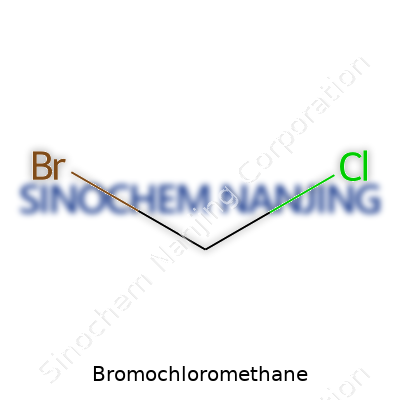
Bromochloromethane bears a simple formula, but there’s a lot going on beneath those letters. One carbon atom stands at the center, tethering two hydrogens, one bromine, and one chlorine. In chemical terms, this means a molecule where these four elements cling to a single carbon skeleton. The hydrogens don’t draw much attention, but bromine and chlorine, both heavy halogens, transform the compound’s behavior. Thinking back to college chemistry labs, mixing halogenated compounds always demanded caution—chlorine and bromine bring reactivity and a certain edge of danger.
Visualizing Its Molecular Structure
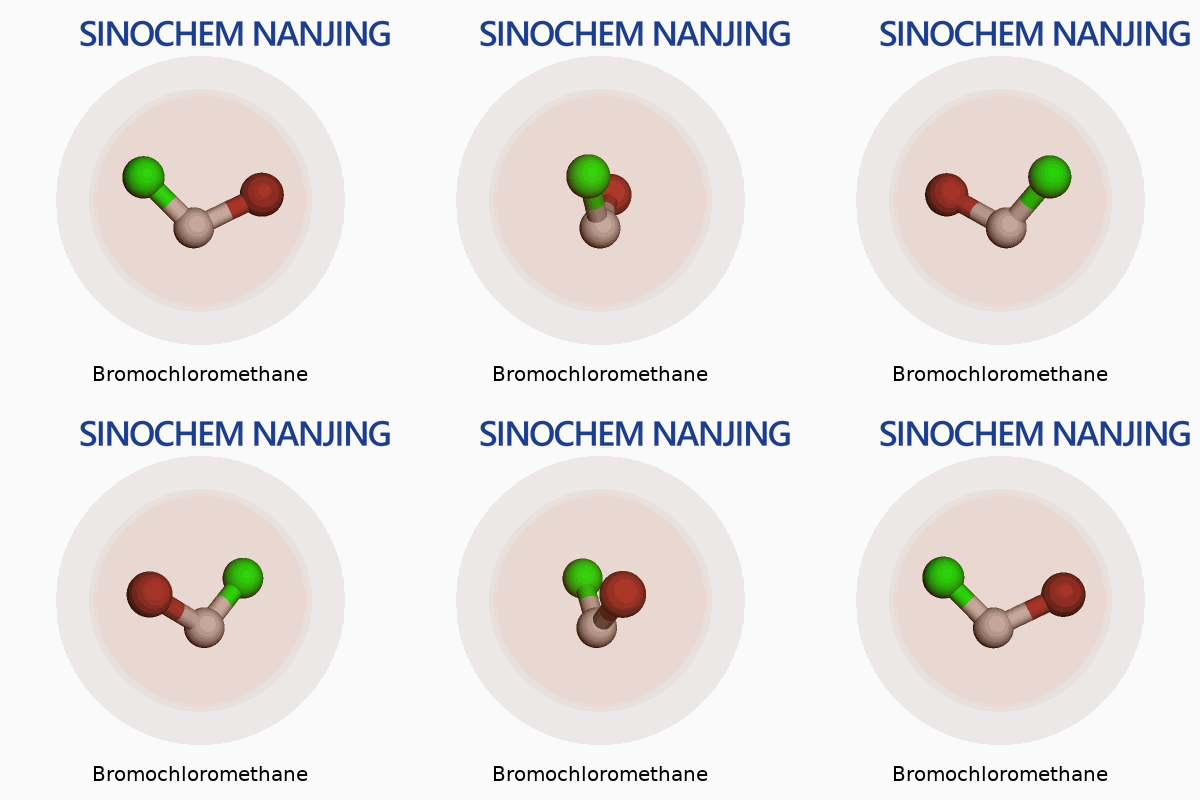
The molecule shapes up in a tetrahedral form, like a three-sided pyramid with carbon at the heart. Picture a carbon atom with soft hydrogen atoms and the bulkier bromine and chlorine pulling the bonds at differing angles. Unlike symmetrical methane, CH4, here we see an uneven mix—bromine’s heft and electronegativity squared off against chlorine make the molecule polar. That polarity makes the substance more likely to dissolve in organic solvents and less friendly with water. I remember working with similar compounds, noting their sharp, sweet odor—easy to recognize, hard to forget.
Essential Uses and Real-World Impact
Bromochloromethane landed once as a useful fire extinguishing agent and a laboratory solvent. Its chemical properties allowed devices and workers to stamp out blazes in tricky situations, such as electronics or aircraft, without spraying water everywhere. The formula’s efficiency looked ideal at the time, and the world craved easy solutions. Over time, research revealed that, on escaping into the atmosphere, chlorinated and brominated compounds accelerate the breakdown of ozone. The Montreal Protocol called out chemicals just like this one, so new standards phased out many uses in favor of safer replacements.
Health and Environmental Lessons
Looking at the molecular structure suggests more than lab curiosity. Studies link prolonged inhalation to risks affecting the nervous system and liver. I’ve read papers showing that old fire extinguishers containing similar chemicals posed direct dangers during leaks or accidental exposure. The environmental toll cannot be ignored. Brominated compounds linger in the air, multiplying the process by which ozone thins. Ultraviolet radiation rises as a result, impacting everything from crop health to skin cancer rates.
Seeking Sustainable Solutions
Chemistry doesn’t carry all the blame, but it gives us responsibility. The story of bromochloromethane’s formula and structure casts a spotlight on smarter choices. Safer, less hazardous fire suppressants and solvents now fill the gaps left behind, many based on water or inert gases. Science keeps searching, and today’s students puzzle over new molecules in the hope they won’t repeat old mistakes. Public awareness and better regulation make sure that harmful formulas like CH2BrCl stay in fume hoods and textbooks, not in the air.
Building Knowledge and Trust
Responsible research requires clear information and honesty, especially with chemicals that shaped industries and now shape health policy. By knowing the formula and keeping an eye on structure, we weigh risks and rewards with a personal sense of responsibility. It’s about more than atoms and bonds—it’s about choices made for clean air and safer workplaces, and a lesson that a few spare atoms can ripple out and shape far more than a lab experiment.
| Names | |
| Preferred IUPAC name | Bromochloromethane |
| Other names |
Methylene bromochloride Chlorobromomethane Bromochloromethane (halon 1011) Monochloromonobromomethane |
| Pronunciation | /ˌbroʊ.moʊˌklɔː.roʊˈmiː.θeɪn/ |
| Identifiers | |
| CAS Number | 74-97-5 |
| Beilstein Reference | 1209229 |
| ChEBI | CHEBI:3137 |
| ChEMBL | CHEMBL16867 |
| ChemSpider | 6565 |
| DrugBank | DB14035 |
| ECHA InfoCard | 100.004.396 |
| EC Number | 200-143-0 |
| Gmelin Reference | Gmelin 10218 |
| KEGG | C19585 |
| MeSH | D001921 |
| PubChem CID | 6329 |
| RTECS number | PA8225000 |
| UNII | X4W3ENH1CV |
| UN number | UN1887 |
| Properties | |
| Chemical formula | CH2BrCl |
| Molar mass | 129.38 g/mol |
| Appearance | Colorless liquid |
| Odor | Sweet chloroform-like |
| Density | 1.991 g/mL at 25 °C |
| Solubility in water | 5.3 g/L (20 °C) |
| log P | 1.68 |
| Vapor pressure | 73.6 mmHg (20 °C) |
| Magnetic susceptibility (χ) | χ = +47.0·10⁻⁶ cm³/mol |
| Refractive index (nD) | 1.437 |
| Viscosity | 0.43 cP (20 °C) |
| Dipole moment | 1.60 D |
| Thermochemistry | |
| Std molar entropy (S⦵298) | S⦵298 = 282.7 J·mol⁻¹·K⁻¹ |
| Std enthalpy of formation (ΔfH⦵298) | -44.0 kJ·mol⁻¹ |
| Std enthalpy of combustion (ΔcH⦵298) | -423.7 kJ/mol |
| Pharmacology | |
| ATC code | N01AB03 |
| Hazards | |
| GHS labelling | GHS02, GHS07 |
| Pictograms | GHS02,GHS07 |
| Signal word | Warning |
| Hazard statements | H315, H319, H335 |
| Precautionary statements | P210, P261, P271, P301+P312, P304+P340, P312, P403+P233 |
| NFPA 704 (fire diamond) | 2-0-0 |
| Flash point | 57°C |
| Autoignition temperature | 537 °C |
| Explosive limits | Non-explosive |
| Lethal dose or concentration | LD50 (oral, rat): 725 mg/kg |
| LD50 (median dose) | LD50 (median dose): 4500 mg/kg (oral, rat) |
| NIOSH | NIOSH: IN1400000 |
| PEL (Permissible) | Not established |
| REL (Recommended) | 0.1 ppm (0.56 mg/m3) |
| IDLH (Immediate danger) | 2000 ppm |
| Related compounds | |
| Related compounds |
Dibromomethane Dichloromethane Bromodichloromethane Chloroiodomethane Dibromochloromethane |



