Borneol: A Journey Through Science, Industry, and Medicine
Historical Development
For centuries, borneol has woven its way through traditional medicine and industry, carrying stories from East Asian apothecaries to chemical plants. Ancient texts from China reference borneol as a remedy for pain, placing confidence in its cooling aroma and robust camphor-like punch. Apothecaries once harvested it straight from woody plants like Dryobalanops aromatica, scraping crystals in humid forests. When chemists learned how to create borneol from camphor on a large scale, the extraction trade shrank, yet the compound’s importance only swelled. Now, synthesis allows the compound’s use to reach far beyond the bounds of forest collection, fueling research and industry in ways those early practitioners could hardly imagine.
Product Overview
Today’s borneol appears as a fragrant white crystal, landing in pharmaceutical bottles, essential oil vials, and industrial canisters. In over-the-counter treatments, you’ll spot it in balms and liniments. Some modern perfumers reach for its distinctive scent to cut through heavy floral notes. The substance shows up in laboratories, where its chiral center and recognizably sharp odor mark it as a classic terpene alcohol. Trade relies on consistent purity, so producers prioritize methods that keep contaminants low and identity certain.
Physical & Chemical Properties
Borneol stands out as a bicyclic organic compound, its crystals boasting an unmistakable mint-camphor fragrance. It melts between 208–213°F (98–101°C) and boils well above 417°F (214°C). This secondary alcohol mixes only slightly with water, leaning toward oils and solvents for its comfort zone. Its molecular formula reads C10H18O, a skeleton made up of carbon, hydrogen, and a single oxygen, which gives it the faintly spicy tang on the palate and nose. The compound splits into enantiomers, with d-borneol and l-borneol each showing subtle differences in aroma and bioactivity, a feature that draws the attention of pharmacologists and chemists alike. Its volatility, combined with a relatively moderate flash point, has implications for handling and storage, making safety measures a priority where borneol concentrates appear.
Technical Specifications & Labeling
Industry trading in borneol tracks purity down to a single percentage point, sometimes tighter. A typical standard for pharmaceutical-grade borneol runs at 95% purity or higher, with chiral identity clearly labeled. Laboratories specify alpha-borneol or beta-borneol according to the production process and end use. Safe shipping requires clear hazard labeling—flammable solid, irritant warnings, and directions for proper containment. Manufacturers list batch numbers, storage temperatures, and shelf-life to meet the tight regulations around medicinals and industrial chemicals. For food use, standards follow regulatory frameworks from agencies like the EFSA or FDA, ensuring residual solvents and potential impurities fall well below harmful levels.
Preparation Method
Classic extraction of borneol starts with the heartwood of trees such as camphor laurel or Dryobalanops, distilled and crystallized over time. Modern practice often takes a synthetic approach, starting with camphor and using reducing agents like sodium borohydride or catalytic hydrogenation to flip the molecular configuration. Synthetic methods offer significant improvements in scale and control, where laboratories dial in temperature, pH, and reagents for optimal yield. The transition from extraction to synthesis sidesteps forest over-harvesting, keeping the supply stable and prices lower, all while supporting sustainability goals in regions historically reliant on wild collection.
Chemical Reactions & Modifications
Once in the lab, borneol offers up possibilities for transformation. Researchers can oxidize it into camphor, creating a back-and-forth pathway valuable for chemical education and industrial processes. Acylation or etherification opens doors toward specialty chemicals, broadening borneol’s reach into sectors like fragrance, flavoring, and even polymer chemistry. Borneol’s reactivity at its alcohol group allows for the creation of esters and other derivatives with tailored volatility or stability, suiting more demanding product formulations. Chemists take advantage of its chirality in asymmetric synthesis, using borneol as a chiral auxiliary in constructing complex organic molecules, a tactic seen often in pharmaceutical innovation.
Synonyms & Product Names
Open a chemical catalog, and you’ll spot borneol listed as endo-2-bornanol, camphol, or iso-borneol, naming subtle shifts in molecular orientation. In traditional herbal medicine, the label “Bing Pian” rings familiar to anyone versed in Chinese apothecaries. On industrial invoices, it rolls out as (+)-borneol, (−)-borneol, or broader names under “natural camphor alcohol.” The vocabulary changes with industry and geography, so professionals often consult CAS numbers (507-70-0 for the racemate) for clarity amid the name shuffle. Clear naming remains one of the key defenses against supply chain mistakes, given the possible mix-ups with related terpenes or cheaply made substitutes.
Safety & Operational Standards
Experienced handlers know borneol’s hazards and plan accordingly. Dust can irritate eyes and lungs, so processing plants rely on strong ventilation and particulate protection. Contact with the solid or vapor sometimes triggers skin reactions in sensitive workers, pushing gloves and face protection onto the safety checklist. Flammability shapes storage practices—borneol needs a cool, dry place far from ignition sources. Emergency protocols for spills and exposure sit next to eyewash stations, with material safety data sheets (MSDS) guiding training sessions. Regulatory bodies such as OSHA and the European Chemicals Agency judge workplace exposure, flammability rating, and transport categorizations, shaping day-to-day practice in factories and laboratories alike.
Application Area
In hospitals and clinics throughout Asia, borneol appears in topical analgesics and aromatic inhalants. Herbalists trust it as a penetrative agent, blending it with other medicines to speed absorption through skin or mucous membranes, a technique borne out by modern pharmaceutical studies. Traditional medicine gives it a reputation for calming the mind, clearing heat, or unblocking stagnation—an approach that appeals to those who value time-tested remedies. The food flavoring world reaches for it to impart hints of pine and coolness, especially in specialty liqueurs. Home care and insect repellent producers turn its sharp scent into a tool for staving off pests, trading on centuries-old wisdom. Researchers and practitioners both draw a clear line between proven uses and old wives’ tales, as new data shift the boundaries around what borneol can claim in evidence-based medicine.
Research & Development
Recent years show a flurry of patents and papers focused on borneol’s bioactive properties. Scientists have docked borneol molecules to human receptors in silico, revealing possible anti-inflammatory, neuroprotective, and even anticancer mechanisms. Some pharmaceutical teams use borneol to shuttle medicines across the blood-brain barrier, leveraging its unique structure for next-generation drug delivery. Analytical chemists build better tests for purity and adulterants, closing gaps that once left consumers at risk. Environmental scientists develop greener synthetic routes, using microbial or enzymatic pathways to convert biomass feedstocks into borneol with less waste. In every lab, reproducibility and transparency take top priority, as the demands of rigorous peer review make real breakthroughs stand out from marketing fluff.
Toxicity Research
Animal studies on borneol show relatively low acute toxicity, with higher doses causing nervous system depression or gastrointestinal upset. Long-term effects, especially with high chronic exposure, still raise questions. Risk assessments examine each step of exposure—oral, dermal, inhalation—to determine thresholds for keeping workers and consumers safe. Reports on topical use suggest rare skin sensitization, sometimes tied to impurities from non-standard production. Regulatory agencies review toxicity data before approving new claims or applications, and companies hedge risk by maintaining generous safety margins in formulations. Transparency here matters: clear reporting on both positive outcomes and adverse findings lets the science drive industry standards.
Future Prospects
With sustainable sourcing and greener synthesis, borneol’s footprint could shrink even as use expands. New frontiers in medicine, from enhanced brain drug delivery to improved anti-inflammatory therapies, draw attention from biotech and pharma startups. The drive for natural products boosts borneol in consumer goods, as shoppers look for plant-based alternatives with a credible backstory. On the research front, more precise studies on mechanisms of action, bioavailability, and long-term safety set the stage for smarter applications. The future could see borneol crossing back from tradition into cutting-edge science, not just as a flavor or fragrance but as a tool for tackling knotty problems in health and materials. Real progress comes from linking old knowledge with deep scientific investigation, blending hands-on experience and curiosity with a commitment to quality and safety.
What is Borneol used for?
The Basics Behind Borneol
People might not talk about borneol at the dinner table, but anyone who's opened an old-fashioned herbal cabinet in China has smelled its strong, sharp scent. Borneol comes from tree resins and camphor trees, showing up as a white, crystal-like solid. It lands in pharmacies and homes in everything from topical balms to aromatic oils. Throughout East Asia, borneol carries a reputation as a multipurpose fix for minor discomforts. Western medicine doesn’t give it the same spotlight, though the interest is quietly growing.
Why Borneol Matters to Herbalists and Folks at Home
Digging through family medicine chests, I remember my grandmother rubbing a small dab of “bing pian”—that’s what she called borneol—on her temples whenever headaches crept up. She claimed it cleared her mind and got rid of heaviness behind her eyes. In China and Vietnam, households treat borneol as something to reach for when someone faints, gets bitten by an insect, or fights nasal congestion. It’s more than superstition: in the Pharmacopoeia of the People’s Republic of China, borneol appears as a prominent ingredient across dozens of traditional formulas. The substance often winds up in remedies for digestion, headaches, swelling, and respiratory complaints.
Western science steps in with a measured approach, running lab tests and clinical pilot studies. Researchers have reported borneol’s anti-inflammatory and slight anesthetic effects. In China, doctors sometimes use it as a “messenger” component—delivering other medicines deeper into tissues or across the blood-brain barrier. Studies published in journals like Phytotherapy Research have explored whether borneol increases the absorption of certain drugs by opening tight junctions between cells. It’s an intriguing property, but modern clinical evidence remains thin and scattered outside Asia.
Consumer Curiosity and Emerging Cautions
Essential oil fans in North America rave about borneol for its minty, piney scent. Some people use it in aromatherapy for relaxation or sinus clearing. Topical salves promise to soothe sore muscles, using borneol’s numbing kick. Specialty shops promote it as a “natural” solution, but the FDA hasn’t approved it as a medical drug. In the United States, most uses of borneol still count as supplements or folk remedies rather than established medicine.
With any herbal ingredient, quality and purity create real concerns. Counterfeiters sometimes mix lower-cost chemicals with natural borneol or sell only synthetic versions, which could irritate the skin or lungs. Reports of allergic reactions and overdoses have also surfaced. Like many essential oils, too much topical use may trigger rashes, and swallowing concentrated borneol can be toxic. Even the trusted Chinese Pharmacopoeia flags borneol for careful use—especially for pregnant women and children.
Looking Ahead
People want relief without always reaching for prescription pills. Borneol’s comeback owes nearly everything to traditional wisdom, not just marketing buzz. Modern researchers are chasing clear evidence of borneol’s value in pain care, drug delivery, and infection control. To move forward, companies and consumers need honesty in labeling, genuine clinical trials, and real guidance from doctors rooted in both tradition and modern science. Only then will borneol move from folk staple to respected ingredient.
Is Borneol safe for human consumption?
What Is Borneol?
Borneol pops up in conversations about herbal medicine, food flavoring, and even fragrance oils. It’s a compound you’ll find naturally in plants like camphor trees, ginger, rosemary, and some kinds of mint. Chefs and traditional healers in Asia have used it for centuries — think burning incense, seasoning food, or adding to herbal teas. These experiences shape people’s trust in borneol, but a long history still leaves room for questions about safety.
Looking at the Science
Modern research digs deeper into borneol’s effects. The U.S. Food and Drug Administration (FDA) has labeled the synthetic form of borneol as “generally recognized as safe” (GRAS) for use in foods, but only in small amounts. Most evidence points to safe consumption when borneol is used as a flavoring at low concentrations. The European Food Safety Authority echoes this view. Experts report that borneol breaks down in the body pretty fast, so it doesn’t stick around long enough to pile up and cause trouble.
Traditional Use Meets Modern Questions
Folks in China and Southeast Asia have put their faith in borneol, using it both topically and by mouth. In herbal recipes, it’s often combined with other plant extracts. Traditional Chinese medicine credits it with “opening orifices” and supporting breathing. Eating borneol straight or in high doses isn’t common — and that’s where today’s concerns come in.
Side Effects and Cautions
Lab studies on animals have shown borneol can cause nervous system symptoms at high doses — things like sluggishness, trouble breathing, or twitching. I’ve never seen anyone experience those effects from seasoning their food or from herbal lozenges. Still, these signs tell us not to take chances with large quantities. Some chemical cousins of borneol irritate the skin or cause allergic reactions, so sensitive people should sample new foods mindfully.
The source of the borneol matters, too. Food-grade borneol, made under quality controls, is far more predictable than homemade extracts. Plants sprayed with pesticides or cut with other chemicals might bring hidden risks. Anyone sensitive to menthol, camphor, or related herbs might want to approach with care. It’s common sense, but sometimes overlooked by enthusiastic experimenters buying imported powders online.
Everyday Use and Sensible Limits
Borneol turns up mostly in tiny amounts as a flavor enhancer or a fragrance. My pharmacy experience taught me to look twice at herbal products blended overseas — there’s little oversight. Reliable brands rely on sourcing transparency and certificates of analysis. Stick with products using pharmaceutical or food-grade borneol, and avoid claims that seem too good to be true.
Doctors warn pregnant or breastfeeding women to skip borneol until more is known. Drug interactions haven’t been studied much, either — and combining borneol with sedatives or alcohol might compound effects on the brain. Checking with a licensed healthcare provider helps cut confusion and risk.
Finding the Balance
Borneol won’t harm most healthy adults when used as a food flavoring or in approved herbal products. Most problems come from taking too much or using unregulated powders. Countries with clear regulations build confidence for everyday consumers. Better labeling, independent lab testing, and clearer dosage guidelines would help prevent unsafe use and confusion from imported supplements.
People trust natural ingredients for flavor and wellness, but even plant-derived substances can surprise us. Respecting limits and checking sources keeps food fun and safe.
What are the side effects of Borneol?
Borneol Beyond Tradition
Borneol shows up in traditional medicines as an ingredient in balms, oils, and herbal remedies. You find it in small, translucent crystals that smell a bit like camphor. Folk wisdom credits borneol for soothing pain, calming nerves, and clearing the head. Some folks rub it on their temples for headaches or sniff it to clear a blocked nose. In lab tests, researchers have explored borneol for brain injuries, inflammation, and drug absorption. With all these uses, it’s easy to think something natural can do no harm. But nobody should gloss over the risks.
Common Reactions—A Little Goes a Long Way
For most people, using a dab of borneol on the skin or breathing it as part of a blend creates no obvious trouble. The story changes with higher amounts or extended use. Red, itchy rashes show up sometimes, especially on sensitive skin. The nose might sting, eyes may water, and a scratchy throat can follow after inhaling too much. Those side effects sound mild, but I’ve seen people rub extra on hoping for quicker relief, only to regret it with a stubborn rash that lingers for days. Borneol tends to irritate mucous membranes if applied directly or heavily, leaving you worse off than you started.
Trouble for Lungs and Beyond
Inhaling vapors from crystals or balms might deliver fast relief for some congestion. But doctors warn about the risks. Prolonged or strong exposure can inflame airways. People with asthma, COPD, or allergies feel this faster. Coughing, wheezing, or tightness in the chest are red flags. Animal research links borneol inhalation with lung tissue irritation at larger doses, so people with lung problems should approach with caution. Swallowing borneol—something you might see in some unregulated supplements—raises bigger safety questions. Stomach pain, nausea, and dizziness have all been reported. Anyone using borneol alongside prescription medicines runs the risk of drug interactions, since borneol can change the way some drugs get absorbed or broken down in the liver.
Not for Everyone
Babies, young children, and pregnant people face higher risks from many fragrant oils. Their bodies can’t process strong compounds as well as adults. Older adults or people taking blood pressure, blood thinner, or anti-seizure medicines have to think twice about adding something like borneol into the mix. Even something as old and “natural” as borneol can ramp up or mess up the effects of modern medication. With no standardized dose in most creams and oils, it’s hard to know just how much is getting into the system.
Solutions and Safe Use
People tempted by borneol’s claims can take a few steps to reduce risk. Always patch test on a tiny area before using more. Go with trusted brands that label ingredients clearly, rather than mystery jars from unknown sellers. Talk to a pharmacist or doctor about possible interactions if on any regular medicine, especially for chronic conditions. Don’t breathe in large amounts or use on broken skin. For kids or those facing pregnancy, skip borneol. Reliable advice comes from trained healthcare professionals, not anonymous internet posts. No matter how promising a product sounds, staying informed about risks matters just as much as chasing potential benefits.
How should Borneol be stored?
More Than a Lab Ingredient
Borneol pops up in traditional medicine cabinets and modern labs alike. Used in aromatic therapies, topical treatments, and even food flavoring in some regions, its place isn’t always obvious to the average household or business. My own experience with essential oils and herbal remedies taught me the value of careful storage, not just to keep things fresh, but to keep everyone safe.
What Makes Borneol Unique?
This substance shows up as a white, crystalline powder. It releases a strong, distinctive smell the second you open the lid. Borneol dissolves well in alcohol, but resists water. If you leave it out, it starts to evaporate and discolor. Both the aroma and the effectiveness take a hit from sunlight, air, and humidity. Science backs up these troubles—studies show borneol breaks down and loses potency with poor storage.
Avoiding Common Storage Mistakes
You’d think tossing the jar into a drawer would do the trick. That’s wishful thinking. My worst mistake was leaving a small bottle near a bathroom window. A few days of direct sun turned what should have been crystals into a sticky mess with barely any scent left.
Borneol prefers a closed container, away from light and moisture. Wide-mouthed jars let in air each time you scoop. Plastic may sound convenient, but the compound can eat away certain plastics or leach unwanted chemicals into the contents. Glass jars with tightly fitting seals keep things pure and stable. More importantly— keep it in a cool spot. Refrigeration extends shelf life, but only if condensation is avoided. Storing the jar in a paper bag or opaque box gives extra protection if there’s no dark cupboard handy.
Health and Safety First
Accidental overexposure or ingestion can cause respiratory upset, headaches, or dizziness. This isn’t just a warning for labs full of chemicals—kids and pets are curious, and the sweet, minty scent can fool anyone. Locking away the container makes a real difference. Simple labeling helps too. A clear note with content and purchase date, right on the jar, prevents accidental confusion. Old stock loses strength; so rotating your supply saves disappointment later on.
Solutions for Businesses and Home Users
Bulk buyers need to break down large shipments into smaller, airtight containers. I’ve seen businesses lose entire kilograms to clumping and evaporation just by keeping everything in the original packaging. Home users working with grams at a time won’t notice spoilage as quickly, but a month in a warm room can undo careful blending or infusion efforts. Digital hygrometers and silica gel packets help reduce moisture, especially in climates that suffer from damp air.
Education shapes good habits. Distributors and herbal shops can hand out storage guides with every sale. Online tutorials and printed leaflets build consumer knowledge and protect everyone from unnecessary health risks or wasted money.
What Matters Most
Proper storage comes down to basic care and awareness. Keep it sealed, cool, and away from sunlight. Choose the right material for your container, and don’t take shortcuts. Good habits stretch the shelf life of every gram, whether for personal use or business inventory. Better storage brings better results—something I’ve seen proved time and again.
Is Borneol natural or synthetic?
Looking at Borneol Beyond the Label
Standing in the supplement aisle, eyes jump between labels stamped with “natural” and others with longer, synthetic-sounding ingredient lists. One compound, borneol, tends to turn up in herbal medicines, aroma oils, and even some mouthwashes. Folks might figure anything coming from a plant already means “good for you.” There’s a lot more to that story.
What’s Borneol, and Where Does It Come From?
Borneol originally comes from plants—mostly from the camphor tree or, if you’re digging into Chinese medicine texts, from Blumea balsamifera leaves. Break a few twigs, and you get these distinctive, sharp menthol-like scents rising off the fresh sap. For centuries, Asian healers powdered the resin to help with inflammation or to clear up sinuses. That tradition laid down the roots for borneol’s reputation today.
Still, forests take time to yield enough resin for high demand, and trees don’t always bounce back fast after harvesting. Industry saw a bottleneck and responded by learning to make borneol in a chemistry lab. Chemists can turn camphor and turpentine into borneol, and today, most commercial supplies come from this synthetic route. That’s what fills most of the bottles on shelves—science stepping in when nature slows down.
Natural Might Be Scarcer Than You Think
Talking with friends in the natural products business, they say pure, plant-sourced borneol is pricier and showing up less. Making synthetic borneol helps keep costs low and steady. Some traditions, especially in East Asian medical circles, still swear by wild-harvested resin, and a handful of companies do chase that market. The volumes simply aren’t there for everyone.
Tests can spot if borneol is natural or synthetic. Advanced equipment checks the molecular fingerprints. Marketers sometimes blur that line, stretching “natural” claims further than the chemistry actually supports. Most customers wouldn’t notice unless they really dig into technical reports.
Does It Matter for Health?
Questions kick in: does a body process natural borneol any differently than the synthetic sort? According to research (published in journals like “Phytotherapy Research” and “Journal of Ethnopharmacology”), borneol lands in the liver and gets broken down much the same way, no matter how it starts out. Both versions show promise for easing pain and boosting the delivery of other drugs in the body. No evidence suggests the synthetic process leaves behind harmful leftovers—modern pharmaceutical standards check for purity before anything goes out.
Allergens, on the other hand, could sneak in if the refinement skips a step. Most allergic reactions link back to trace impurities, not the borneol itself. That steers the conversation back to the importance of trusted sources. Choosing products that list testing results and certification—like those from USP or NSF—gives peace of mind. I’ve learned, through sampling both low-cost and high-end supplements, that only companies open about sourcing and lab results earn my trust in the long run.
Thinking Past the Buzzwords
It’s natural for people to feel drawn to whatever sounds closest to the earth. Over the years, I’ve seen “natural” slapped across plenty of products where modern chemistry handled most of the work. With borneol, the story blends hundreds of years of plant wisdom with today’s manufacturing scale. Either process, handled right, can deliver a safe and effective ingredient. Honest labeling and real transparency matter more than which label grabs your attention first.
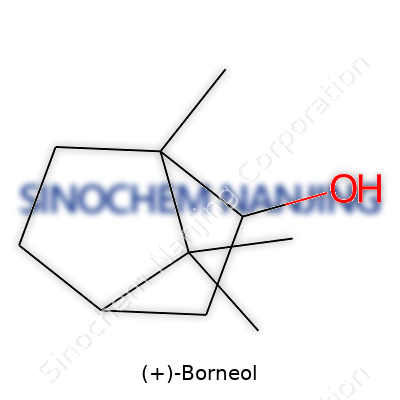
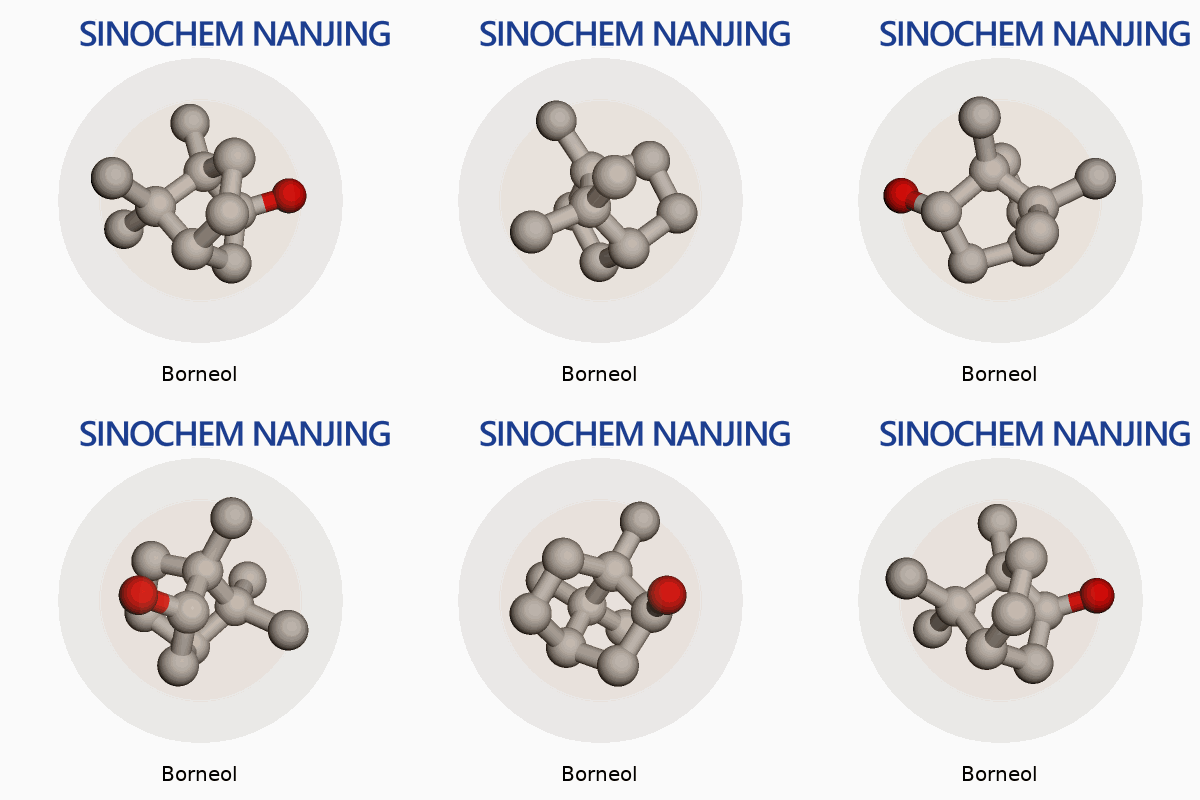
| Names | |
| Preferred IUPAC name | endo-1,7,7-Trimethylbicyclo[2.2.1]heptan-2-ol |
| Other names |
Borneo camphor Bornyl alcohol Camphol Isoborneol |
| Pronunciation | /ˈbɔːrniˌɒl/ |
| Identifiers | |
| CAS Number | 507-70-0 |
| Beilstein Reference | 3581731 |
| ChEBI | CHEBI:15750 |
| ChEMBL | CHEMBL1419 |
| ChemSpider | 12357 |
| DrugBank | DB04115 |
| ECHA InfoCard | 100.005.015 |
| EC Number | 3.1.1.6 |
| Gmelin Reference | 741 |
| KEGG | C00721 |
| MeSH | D001900 |
| PubChem CID | 64685 |
| RTECS number | RR0700000 |
| UNII | 18JXC1ZZ0Z |
| UN number | UN1325 |
| Properties | |
| Chemical formula | C10H18O |
| Molar mass | 154.25 g/mol |
| Appearance | White crystalline powder with a camphoraceous odor |
| Odor | Camphoraceous |
| Density | 1.01 g/cm³ |
| Solubility in water | Insoluble |
| log P | 1.96 |
| Vapor pressure | 0.00036 mmHg (25°C) |
| Acidity (pKa) | 7.18 |
| Basicity (pKb) | 5.94 |
| Magnetic susceptibility (χ) | -80.0·10⁻⁶ cm³/mol |
| Refractive index (nD) | 1.478 |
| Dipole moment | 2.33 D |
| Thermochemistry | |
| Std molar entropy (S⦵298) | 207.6 J∙K⁻¹∙mol⁻¹ |
| Std enthalpy of formation (ΔfH⦵298) | −392.7 kJ/mol |
| Std enthalpy of combustion (ΔcH⦵298) | -3140 kJ/mol |
| Pharmacology | |
| ATC code | N05CM19 |
| Hazards | |
| GHS labelling | GHS02, GHS07 |
| Pictograms | GHS02, GHS07 |
| Signal word | Warning |
| Hazard statements | H315, H319, H335 |
| Precautionary statements | P210, P233, P240, P241, P242, P243, P261, P264, P271, P272, P273, P280, P302+P352, P304+P340, P305+P351+P338, P308+P313, P312, P321, P330, P332+P313, P337+P313, P362+P364, P370+P378, P391, P403+P235, P405, P501 |
| Flash point | 104°C |
| Autoignition temperature | 588 °C |
| Lethal dose or concentration | LD50 (oral, rat): 4,600 mg/kg |
| LD50 (median dose) | LD50 (median dose) of Borneol: "5 g/kg (oral, rat) |
| NIOSH | RN:507-70-0 |
| PEL (Permissible) | PEL (Permissible) for Borneol: Not established |
| REL (Recommended) | 50 mg |
| Related compounds | |
| Related compounds |
Camphor Isoborneol Fenchol Menthol Pinene Thujone |



