Benzyl Salicylate: Beyond the Label – A Commentary
The Long Road from Discovery to Daily Use
Whenever I walk through a perfume store, that subtle blend of sweet and floral almost always brings benzyl salicylate to mind. The roots of this chemical stretch back to early 20th-century efforts to harness the soft nuances of jasmine and ylang-ylang. Back then, demand for natural extracts far outpaced what farms could deliver. Chemical synthesis stepped in and suddenly, perfumers and chemists had a reliable path to scents that, until then, only flowers provided. Benzyl salicylate rose as one of those workhorses, thanks to its ability to blend and extend fragrances. As tastes shifted and regulatory scrutiny grew, this ingredient proved remarkably resilient on ingredient lists across cosmetics and personal care products.
What Makes Benzyl Salicylate Tick
If you’ve spent any time looking at the labels on lotions or shampoo, those unpronounceable names can blend together. Yet among them, benzyl salicylate stands out by doing double duty: it’s both a fragrance ingredient and a UV absorber. Its chemical makeup gives it a slightly viscous, colorless to pale yellow look, and it delivers a sweet, floral aroma. Well-known for its oil solubility, this chemical holds its own in emulsions and oil-rich blends—traits that have let it stick around through waves of formulation trends. It comes with a melting point low enough to pour with ease, and a boiling point that manages to discourage unwanted loss during heating stages in manufacturing.
The Specifics: How Chemists Nail Consistency
Scientists figured out how to make batches that behave the same from start to finish. That mattered as regulations tightened. Standard practice has manufacturers measuring refractive index, density, and purity. They watch for residue or color shifts that might point to impurities. As someone who’s spent time in a lab, I know how much hassle a contaminated drum can cause—a little deviation and suddenly skin creams don’t just smell off, they risk falling out of regulatory compliance. The drive for precision led to checklists and defined parameters, especially for cosmetics bound for export.
Synthesis and Transformations: More than One Way
Most of the world’s benzyl salicylate comes together in a way that feels almost old-fashioned: reacting benzyl alcohol with salicylic acid using an acid catalyst, like sulfuric acid. It’s almost like a recipe with very little wiggle room. Careful control of temperature and timing matters if you want a pure product, since side reactions can draw out unwanted byproducts. Once formed, the compound can see further tweaks, such as forming esters with different alcohol groups. These modifications expand its role into newer fragrance bases or specialty blends meant to tweak volatility or skin feel. The basic building blocks haven’t changed much over decades, though green chemistry efforts have started nudging manufacturers to look for cleaner, solvent-saving processes.
From “Fragrance” to Scientific Curiosity: Names and Niche Research
Most shoppers recognize benzyl salicylate in its camouflaged form as “fragrance.” Chemists, on the other hand, have always kept a running list of synonyms—benzyl 2-hydroxybenzoate, for one. This trail of names winds through patents, scientific articles, and global regulatory filings. As the ingredient drew interest from both perfume designers and toxicologists, a cottage industry sprang up in databases and safety evaluations. The International Fragrance Association tracks it closely, in response to both market trends and evolving research.
Working Safe in a Fast-Moving Industry
Anyone mixing or bottling this chemical knows the importance of eye protection and good ventilation. Sensitization wasn’t some hypothetical risk—it actually cropped up in some industrial settings and among end-users. Safety data paints a picture of a compound that can irritate skin or eyes in high doses. Regulatory flags pop up regularly, pushing industry to document safe concentrations and warn about potential allergies. Trade organizations have responded with technical guidelines and batch testing. Spreadsheets track every step—from receipt and storage to dispatch. All of this reflects a decades-long push toward risk management that balances creativity with caution, especially as consumer safety watchdogs play a louder role.
Where Benzyl Salicylate Gets Put to Work
The ingredient finds its way into almost every segment of personal care. From my experience, hair conditioners, fine fragrances, sunscreens, and deodorants all seem to rely on it at one point or another. It does more than enhance scent; it helps stabilize UV filters in sunscreens, lending broad-spectrum protection. Industrial chemists appreciate its flexibility. Even some plastics and processed textiles receive a dusting, since benzyl salicylate helps mask off-odors or provides a subtle background note that’s otherwise hard to achieve. Over time, regulatory changes have forced manufacturers to justify its presence, tweaking concentrations or looking for alternatives in products aimed at sensitive consumers. Yet in many applications, alternatives fall short either in performance or cost.
R&D and the Evolving Science of Scent
New research has moved beyond just function, aiming to understand how benzyl salicylate interacts with skin, air, and water after use. A few industry-funded initiatives have turned to greener routes—cutting down on hazardous waste and shaving off energy use. Analytical teams also work on methods to better detect trace impurities, since downstream users and regulators require ever-lower thresholds for potential allergens. A growing slice of research focuses on allergenic profiles. Patch testing in human volunteers helps map out who’s likely to react, which then feeds into guidance for safe use. At conferences, you hear researchers debate whether technology will ever deliver a natural replacement that balances both consumer desire for “natural” labels and real-world performance.
The Big Question: How Safe Is ‘Safe Enough’?
Toxicity research has sharpened its focus over the years. With more widespread use, reports of skin allergies or mild irritation started filling journals. This drove multiple, large-scale reviews by regulatory agencies across regions. Researchers now recognize that a certain section of the population remains sensitive, even at low concentrations. Industry responded by dialing down usage levels, especially in leave-on products. Modern patch testing methods track exposure and retention on both healthy and damaged skin. This has pushed formulators to factor in cumulative exposure from shampoo, deodorant, soap, and fragrance. The story isn’t closed—new toxicology methods keep challenging assumptions and pressuring brands to communicate risks transparently.
Looking to Tomorrow: Stepping Forward Without Stepping Back
What’s next isn’t just about swapping out benzyl salicylate for something else. Future prospects hinge on several fronts. Consumer awareness continues to rise. Every scan of a QR code or web search for an ingredient means shoppers demand clarity. At the same time, regulators aim for tighter harmonization across markets, with updated patch test protocols and clearly defined limits for maximum use. Companies invest more in alternative synthesis, green chemistry, and even non-chemical scent technologies. Some R&D departments eye digital fragrance tech—AI-driven scent design or personalized formulations that learn an individual’s preferences and sensitivities over time. From my vantage point, benzyl salicylate is unlikely to vanish; rather, its role will keep shifting, shaped by a balance between science, regulation, and what people expect from their day-to-day products. That constant evolution makes it one of the more fascinating stories in modern chemistry—a reminder that every small molecule in a bottle carries layers of history, debate, and compromise.
What is Benzyl Salicylate used for?
The Fragrance Fixer You Probably Didn’t Know About
Every morning, the routine starts with a splash of something fragrant—maybe a spritz of cologne or a quick dab of lotion. Most folks never think twice about what helps their favorite scents last longer or why their wearable products smell the way they do. Turns out, Benzyl Salicylate shows up behind-the-scenes and plays a bigger role than you’d guess.
Why Benzyl Salicylate Matters in Cosmetics
This ingredient isn’t just a filler—it's a backbone in formulations for perfumes, shampoos, lotions, and soaps. It helps hold together a blend of scents, making fragrances last longer on skin and hair. Ever notice how a hint of your body wash lingers even after hours? Credit goes to compounds like Benzyl Salicylate. The International Fragrance Association mentions it as one of the essential fixatives in modern perfumery. Without it, those top notes would disappear fast.
It also brings a subtle, almost floral note of its own. If you’ve sniffed a bar of luxury soap or noticed a gentle bouquet in an affordable moisturizer, you probably experienced it first-hand.
Safety, Sensitivities, and What the Research Says
Most people glide through their daily routines with no issue, but some sensitive skin types may show a mild reaction to this compound, especially when it comes in high concentrations. More brands are taking notice, watching regulator recommendations and pointing out Benzyl Salicylate on packaging, not just hiding it under “fragrance.” The European Commission keeps a close eye, setting clear limits in cosmetics and calling for transparency on labels. Studies from research journals highlight possible contact allergies in some groups, but most folks tolerate it well in the usual small doses.
The Environmental Angle
This compound doesn’t just disappear down the drain. It eventually lands in water streams, which puts pressure on manufacturers to keep their processes clean and their waste minimal. Countries in the EU monitor how much of it winds up in waterways, concerned about what happens to aquatic plants and fish. Brands stepping up with environmental pledges look for safer production and explore alternatives.
Seeking Smarter Solutions
Conscious consumers want to know what’s in their personal care products. Anyone who has flipped over a shampoo bottle lately will probably recognize Benzyl Salicylate near the end of the list. Some companies now move toward fragrance-free or hypoallergenic versions, relying on simpler ingredient blends or green chemistry techniques. New tech from the Clean Perfumery movement explores plant-based molecules as substitutes.
The biggest step starts with clearer labeling and better education so people can make informed choices. Dermatologists suggest patch tests for anyone nervous about reactions, which isn’t just helpful for Benzyl Salicylate—it's smart for all fragrances. The industry as a whole sees an upswing in responsible sourcing and safer formulations.
Without question, Benzyl Salicylate makes the world a bit more fragrant. As demands shift toward cleaner ingredients and honest labeling, both companies and consumers steer the future for safer, more sustainable daily routines.
Is Benzyl Salicylate safe for skin?
Understanding Benzyl Salicylate in Everyday Products
Benzyl Salicylate pops up everywhere lately, especially if you like moisturizers or perfumes. The reason it shows up so often? It adds a gentle floral scent and helps other ingredients blend smoothly. Cosmetic companies use it because it pulls double duty—as a fragrance and as a solvent.
That said, the question about safety gets tossed around, and for good reason. Many folks with sensitive skin want to know if it causes irritation or worse. Concerns started getting more attention after some studies in Europe linked it to skin sensitization. Doctors have noticed that, like many ingredients in fragrances, this one can spark allergic reactions in folks who already have a bit of a sensitivity to scents.
What Science Says About Safety
Look at regulatory agencies and official research—Benzyl Salicylate nearly always shows up as “safe when used as directed.” In the US, the FDA sits on that view, and the Cosmetic Ingredient Review (CIR) has not issued any blanket warnings. What’s different in Europe is the labeling. You see warnings on fragrance-heavy products because of the risk to people with pre-existing fragrance allergies.
As a longtime eczema sufferer, I’ve learned that dermatologists care about dose. Reactions, if they show up, tend to happen with repeated high exposure. People slathering scented lotions every day are most likely to notice itching or redness. For me, patch testing new products at home saves a lot of trouble—much more than memorizing every single ingredient.
Who Faces the Real Risk?
The research points to one thing: risk depends on personal sensitivity. Most people reach for perfume or aftershave with no problems at all. But some folks develop a red rash after spritzing or applying lotion. The Environmental Working Group rates Benzyl Salicylate at moderate risk, but that’s based on potential for allergies, not cancer or hormone disruption.
It doesn’t seem to penetrate deeply into skin. Studies in animals and cell cultures show that, once absorbed, Benzyl Salicylate breaks down quickly in the body. It hasn’t turned up as a cancer risk or in connection with trouble like birth defects. Endocrine disruption has been discussed, but so far nothing from peer-reviewed human research makes the case for a real threat at regular cosmetic levels.
How to Navigate the Ingredient List
Anyone worried about allergic reactions gets help from European labeling rules—every formula with Benzyl Salicylate lists it clearly. In the US and other places, “fragrance” sometimes hides ingredients, so reaching out to brands or looking for “fragrance-free” helps.
If you know you're sensitive, talk to your doctor for a patch test. For the cautious, skip perfumes, pick fragrance-free products, or try natural oils with simple ingredient lists. Remember, natural doesn’t always mean risk-free—lavender oil, for example, can be just as irritating.
Finding Solutions for Sensitive Skin
Consumers who notice stinging, itching, or rashes should log the products causing trouble. Sharing pictures with a dermatologist can help pinpoint which ingredient is the culprit. For babies, people with eczema, and anyone prone to allergies, stick to brands that publish detailed ingredient lists.
Benzyl Salicylate doesn’t deserve panic, but staying informed and watching your own skin’s reaction pays off. Sometimes the solution isn't ditching a single chemical, but building a routine packed with fewer, simpler ingredients and being alert to any sudden reactions.
Does Benzyl Salicylate cause allergies?
Understanding Benzyl Salicylate in Everyday Products
Benzyl salicylate pops up all over the place, especially in personal care items like perfumes, shampoos, and sunscreen. It plays a major role in giving a product its pleasant scent. Even in those “unscented” lotions, you might spot it if you check the fine print. The cosmetic industry values it for more than fragrance; it can help ingredients blend better and keep products fresh longer. Over time, regulations have grown stricter about listing this and similar compounds on product labels. So now, folks get a clearer shot at knowing what they’re rubbing on their skin.
Is Benzyl Salicylate an Allergen?
People often ask about the risk of allergies. The answer isn’t simple: benzyl salicylate can cause allergic reactions, though not everyone feels its effects the same way. Most people can use products with this ingredient for years without a problem. For them, it’s just another word in a long list of chemicals. The real worry crops up in those with fragrance sensitivities or folks who’ve had allergic reactions in the past. According to dermatology studies and patch-test results, a small but significant group gets contact dermatitis after coming into contact with this chemical. It might show up as red, itchy patches, sometimes with flaking or blistering. If someone has ever met a plant like poison ivy, the discomfort can feel similar on the skin.
Why Allergies to Benzyl Salicylate Matter
Statistically, only a minority react badly to benzyl salicylate. But that doesn’t make the issue less real for those who draw the short straw. With skin allergies, discomfort and inconvenience become daily struggles. You put your faith in products hoping they will soothe, not irritate. Anyone who has chased down the cause of a rash knows the frustration, especially if it means giving up favorite products. I’ve seen friends try to unravel which soap or body wash made their skin flare up. The answer often sits in overlooked ingredients like this one. For some, avoiding specific triggers makes all the difference.
Where Science and Regulation Meet
Global health bodies keep a close watch on ingredients known to trigger allergies. The European Union keeps benzyl salicylate on its list of substances that require disclosure above set levels. The Scientific Committee on Consumer Safety highlighted it as a fragrance allergen. In the United States, regulations move at a slower pace, but manufacturers still face scrutiny over skin reaction reports. Research from both Europe and North America keeps linking benzyl salicylate to allergy cases, but it rarely tops the list as the worst offender.
Smart Solutions for Consumers and Brands
Reading ingredient labels closely pays off for those prone to skin reactions. Learning to spot notorious fragrance allergens, benzyl salicylate included, can save plenty of trouble. Dermatologists suggest patch testing any new cream or perfume, especially for people with a history of sensitive skin. Brands could do better by offering transparent ingredient lists and fragrance-free options. With raised awareness, people get more control over their choices and fewer nasty surprises. Imagining a world where product safety and personal comfort coexist shouldn’t be wishful thinking—it’s what good skin care should actually deliver.
Is Benzyl Salicylate natural or synthetic?
The Backstory
Anyone who’s spent time checking labels for skin care and fragrances probably noticed benzyl salicylate pop up again and again. Some people see a chemical-sounding name and get a bit worried. I get it. We live in an age where words like “natural” get splashed across products and folks often feel safer with that promise. But what about this ingredient—does it come straight from nature, or does it usually take some scientific magic in a lab?
Where Benzyl Salicylate Begins
Benzyl salicylate, as the name shows, comes from combining benzyl alcohol and salicylic acid. Those elements both occur in nature. For instance, you find salicylic acid in willow bark, and benzyl alcohol in jasmine and ylang-ylang oils. Still, pulling these compounds in useful amounts from large batches of flower petals or bark would make most everyday products wildly expensive.
So most benzyl salicylate out there is made in labs. Scientists developed reliable and efficient ways to combine its basic building blocks without pulling gallons of precious natural oils out of rare flowers. As a result, manufacturers get a consistent product, perfume houses keep their costs manageable, and trees and flowers don’t get overharvested.
Why It Shows Up Everywhere
My first whiff of a perfume shop as a teenager opened my eyes to how carefully blended scents layer together. Perfumers look for ingredients that last, behave well with others, and add that sweet, slightly spicy character people want. Benzyl salicylate helps with all this. On top of its own soft floral aroma, it acts as a fixative, letting a fragrance stick around longer on your skin.
You’ll also spot it in sunscreens and lotions, not just because it smells nice—this compound absorbs some UV light. So for any brand looking for safe sun protection, it’s a straightforward addition.
Safety and Concerns
The safety profile matters a lot. Every so often, you’ll hear talk in Europe about allergens in personal care items. Benzyl salicylate sits on the list of ingredients that could cause skin reactions if someone’s sensitive. Some people with sensitive skin run into redness or itchiness after repeated exposure. European regulations ask brands to highlight its presence if used above a certain level.
Most people never get a hint of irritation. But for folks who do, switching to “fragrance-free” makes a real difference. This speaks to the bigger need for clear labeling and education. Just because benzyl salicylate comes from a lab doesn’t make it less safe than one pulled out of flowers—effectively, the molecule is the same.
Where Do We Go From Here?
Looking at the bigger picture, the buzzword “natural” gets thrown around without much precision. Lemon juice and arsenic both come from nature; safety relies on knowledge, not source. Synthetic doesn’t mean “bad” any more than “natural” guarantees “good.” Benzyl salicylate’s story shows that science can protect the environment by saving rare plants from being depleted while still offering the benefits people want in daily products.
Strong regulation and transparency go a long way. Consumers deserve to know what’s inside a bottle. Brands owe honest communication, not marketing tricks that sow confusion. Health-conscious shoppers can stay informed—read labels, ask questions, and look past buzzwords to find what works with their own preferences and sensitivities.
Is Benzyl Salicylate safe during pregnancy?
What Is Benzyl Salicylate?
Benzyl salicylate pops up in many personal care products—think perfumes, lotions, sunscreens, and shampoos. Its sweet, floral scent appeals to many. It also helps mask other odors and keeps products smelling pleasant for longer. Over the years, I’ve seen it show up on ingredient lists in almost every bottle on my shelf.
Pregnancy Calls for Closer Attention
Pregnant women hear plenty of advice about what goes in and on their bodies. Friends and doctors will share warnings about caffeine, sushi, and cleaning sprays. Still, there isn’t the same noise about personal care products, even though ingredients like benzyl salicylate are almost impossible to avoid. What stands out for me, as someone who’s seen friends and family go over every label during pregnancy, is how little easy-to-understand guidance exists on this chemical.
Looking at the Evidence
The fragrance industry often defaults to “safe in small amounts,” but expecting mothers want to see more than easy platitudes. Data from animal studies suggests benzyl salicylate can cause mild irritation, but the leap to birth defects or other major harms isn't supported by strong evidence. Skin irritation sometimes pops up in sensitive folks, pregnant or not, but the average lotion won't deliver a massive dose.
Groups like the European Commission Scientific Committee on Consumer Safety reviewed the research and decided benzyl salicylate can stay in products, but they cap the levels. The Food and Drug Administration in the US lists it as generally recognized as safe, provided people use the amounts found in off-the-shelf products. The real concern grows when the everyday routine turns into overuse, stacking product on top of product—perfume, body wash, deodorant, hair mists—day in, day out.
The Gaps and Why They Matter
Most safety studies haven’t focused on pregnant people as a group. They tend to focus on the general population. That’s a gap big enough to make anyone careful. Endocrine-disrupting potential gets a lot of attention. Researchers worry that anything fiddling with hormones—especially in pregnancy—should set off alarm bells.
Chemicals in the fragrance category hide behind the word “parfum,” making it even harder for shoppers to know what's inside. I remember searching for pregnancy-safe products with a friend and realizing we never really knew what most labels meant. She ended up emailing three manufacturers for clarity. That just isn't practical for most busy families.
Balancing Everyday Choices and Health
Here’s one fact: almost no personal care product ingredient gets studied on pregnant women directly. The ethical challenges in doing so are clear. Most health groups say “better safe than sorry," and dermatologists, including my own, usually advise going fragrance-free for a few months, especially in the first trimester. That guidance sticks because it relies on simplicity and minimizing run-ins with skin reactions or unknown risks.
What Can Make a Difference
Shopping for products with full ingredient lists gives control back to the buyer. Looking for unscented or fragrance-free choices, especially during pregnancy, reduces the chances of irritating chemicals sneaking in. Healthcare professionals remain the best source of tailored advice, especially when allergies or sensitivities run in the family.
Real progress on this issue means pushing regulators and companies to be clearer about what goes in the bottle and how much is present, along with more independent research on pregnant populations. Until then, personal caution and asking questions make sense. Safety shouldn’t hide behind a pleasant scent or clever marketing.
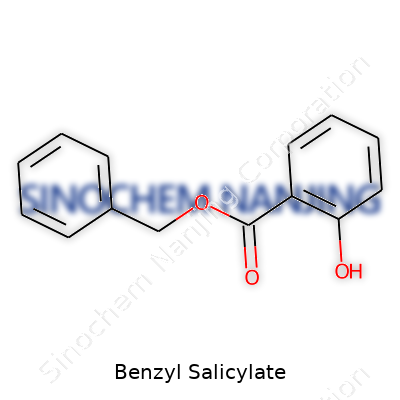
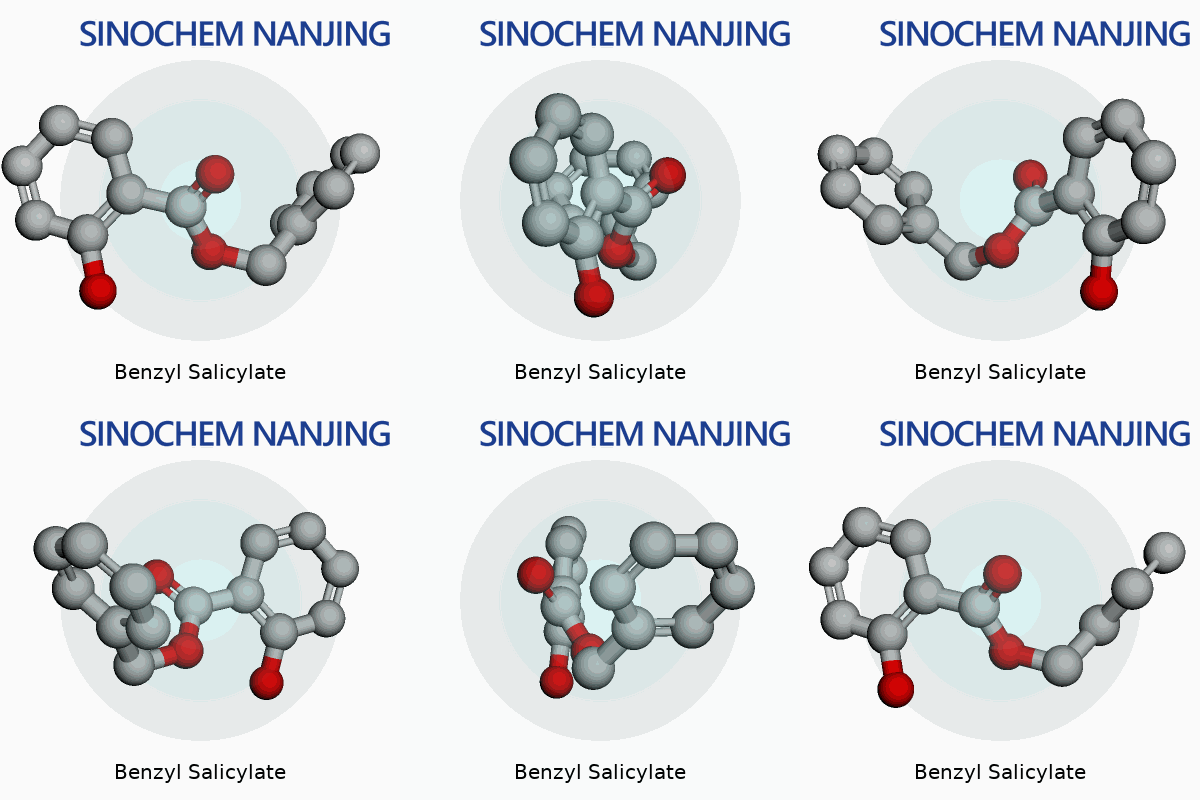
| Names | |
| Preferred IUPAC name | **benzyl 2-hydroxybenzoate** |
| Other names |
Benzoic acid, 2-hydroxy-, phenylmethyl ester Benzyl 2-hydroxybenzoate Salicylic acid benzyl ester Benzyl o-hydroxybenzoate Benzylsalicylate |
| Pronunciation | /ˈbɛn.zɪl səˈlɪ.sɪ.leɪt/ |
| Identifiers | |
| CAS Number | 118-58-1 |
| Beilstein Reference | **1208733** |
| ChEBI | CHEBI:88373 |
| ChEMBL | CHEMBL156363 |
| ChemSpider | 11718 |
| DrugBank | DB13755 |
| ECHA InfoCard | 100.032.467 |
| EC Number | 204-262-9 |
| Gmelin Reference | 17122 |
| KEGG | C10414 |
| MeSH | D010743 |
| PubChem CID | 235507 |
| RTECS number | DG4725000 |
| UNII | F8T23Y7X6O |
| UN number | UN3082 |
| CompTox Dashboard (EPA) | DTXSID3020072 |
| Properties | |
| Chemical formula | C14H12O3 |
| Molar mass | 228.24 g/mol |
| Appearance | Colorless to pale yellow liquid or solid with a slight balsamic odor. |
| Odor | mild, balsamic, sweet-floral |
| Density | 1.176 g/cm3 |
| Solubility in water | Insoluble |
| log P | 3.96 |
| Vapor pressure | 0.000081 hPa at 25 °C |
| Acidity (pKa) | 13.24 |
| Basicity (pKb) | 14.07 |
| Magnetic susceptibility (χ) | -72.0e-6 cm³/mol |
| Refractive index (nD) | 1.567 - 1.571 |
| Viscosity | 80 mPa·s (20 °C) |
| Dipole moment | 2.87 D |
| Thermochemistry | |
| Std molar entropy (S⦵298) | 417.6 J·mol⁻¹·K⁻¹ |
| Std enthalpy of formation (ΔfH⦵298) | -497.1 kJ/mol |
| Std enthalpy of combustion (ΔcH⦵298) | -6868.7 kJ/mol |
| Pharmacology | |
| ATC code | D02AC13 |
| Hazards | |
| GHS labelling | GHS07, GHS09 |
| Pictograms | GHS07, GHS09 |
| Signal word | Warning |
| Hazard statements | H317: May cause an allergic skin reaction. |
| Precautionary statements | P261, P272, P273, P302+P352, P321, P362+P364, P333+P313 |
| Flash point | 168°C |
| Autoignition temperature | 180°C |
| Lethal dose or concentration | LD50 (oral, rat): 2227 mg/kg |
| LD50 (median dose) | LD50 (median dose) of Benzyl Salicylate: 2227 mg/kg (rat, oral) |
| NIOSH | WI6300000 |
| PEL (Permissible) | PEL (Permissible Exposure Limit) for Benzyl Salicylate: Not established |
| REL (Recommended) | 0.01% |
| IDLH (Immediate danger) | No IDLH established |
| Related compounds | |
| Related compounds |
Benzyl Alcohol Salicylic Acid Methyl Salicylate Benzyl Benzoate Phenyl Salicylate |



