Ammonia Water: Beyond the Basics and Into the Real World
Historical Development: From Farm to Lab and Beyond
Walking through the chemical timeline, ammonia water has played a bigger role than most folks realize. Generations ago, people produced it by letting organic materials decompose—think manure piles bubbling with pungent fumes. Chemists in the early days found new ways to create stronger solutions, not satisfied with what nature alone provided. The dawn of industrial chemistry in the 19th century welcomed the Haber-Bosch process, pumping out ammonia gas on a vast scale and dissolving it into water for practical use. This approach revolutionized both agriculture and cleaning, shining a light on this solution long before it became a staple in almost every home and industry.
Product Overview: Simple Yet Surprisingly Versatile
Ammonia water isn’t cloaked in mystery. It looks like plain water yet packs a punch. Sometimes called ammonium hydroxide, it’s just ammonia gas dissolved directly into water. This concoction finds its way into cleaning supplies, fertilizer formulas, industrial processes, and even a few food standards under strict limits. Most homes have a bottle tucked away somewhere, usually sold in a diluted concentration, far less potent than the stuff used in manufacturing or labs.
Physical & Chemical Properties: Strong Scent, Noticeable Impact
Crack open a bottle and the strong, unmistakable smell makes its presence known. Colorless, clear, but with an edge, it evaporates easily, filling the air with vapor that irritates the nose and eyes. The solution reacts with acids to form ammonium salts, absorbs CO₂ from the air, and turns red litmus paper blue. Ammonia water supports reactions that release heat and occasionally throw off dangerous byproducts if mixed incorrectly, making careful handling important. Temperature, concentration, and storage method all influence how stable and strong it remains over time.
Technical Specifications & Labeling: No Room for Guesswork
Labels matter more than most realize, especially since an ounce of miscalculation leads to nasty surprise. Ammonia water’s concentration appears as a percentage or as molarity, not left up to marketing spin. Regulatory bodies require handling instructions, hazard warnings, and specific storage advice. Producers include batch numbers and expiry dates, not out of bureaucracy, but because improper storage lowers quality or creates a safety risk. Clear, precise labeling—boring as it may sound—keeps workers and consumers out of harm’s way.
Preparation Method: Humble Roots, Controlled Modern Approach
There’s nothing glamorous about bubbling ammonia gas into water, but that remains the straightforward way to make ammonia water. The trick lies in controlling the temperature and the rate of addition, making sure the gas dissolves thoroughly without splashing or uncontrolled release. In large facilities, modern gas scrubbers and closed systems prevent leaks and environmental contamination. This method produces reliable, repeatable results. Home chemistry kits and school labs adopt simpler, safer setups but follow the same principle—controlled gas meets water, and the rest comes down to concentration.
Chemical Reactions & Modifications: Reactive Character on Display
The chemistry behind ammonia water keeps research labs busy and industry humming. The mildly basic solution neutralizes acids, scrubs out acidic pollutants from waste streams, and serves as a precursor in more complex syntheses. In certain conditions, it morphs into ammonium compounds by reacting with various acids and salts. Scientists tinker with the basic structure by mixing in additives that stabilize volatile fumes or change solubility. Ammonia water’s versatility isn’t about fancy formulas—it’s about responding when added to reactive partners, changing the outcome with nothing more than concentration and temperature adjustments.
Synonyms & Product Names: Nomenclature in Everyday Life
Ask for ammonium hydroxide in a lab supply store, and you’ll get the same bottle as someone asking for ammonia solution at the grocery store (though at different strengths). Other names pop up—spirit of hartshorn, aqua ammonia, or household ammonia—often linked to historical uses or brand naming rather than genuine chemical difference. This blending of tradition and technical names sometimes leads to confusion, especially among new chemists or household users, but a close look at the label always clears things up.
Safety & Operational Standards: Caution Comes First
Ammonia water won’t apologize for being dangerous in the wrong hands. Its fumes bring quick irritation, and splashes can cause burns. Both industry and home settings require careful storage—away from acids, heat, and sunlight—and plenty of ventilation. Safety data sheets outline risks in plain terms, while training and the right safety gear—goggles, gloves, and sometimes respirators—protect workers from accidental splashes or vapor inhalation. Accidents often trace back to forgotten risks or shortcuts, so culture and habit need to prompt caution every time the cap is twisted open.
Application Area: Everyday Impact, Industrial Might
Glass cleaner commercials bank on the cleaning power of ammonia water, but that barely scratches the surface. Janitors, textile workers, power plant operators, and fertilizer producers depend on it daily. It strips stubborn stains, boosts crop yield by fortifying soil nitrification, and even helps miners extract precious metals from ore. Wastewater plants use it to keep the environment safer by managing nitrogen cycles. Its usefulness seems only limited by how closely people respect its safe limits and how creative industry experts get with new applications.
Research & Development: Pushing the Boundaries Without Losing Safety
Chemists and engineers chase improvements in both production efficiency and environmental safety. Better ventilation systems and automated mixing setups shrink accident rates. Researchers look for additives that cut down on volatility without lowering effectiveness. Some studies explore greener extraction methods for feedstock, aiming to lower the carbon footprint. New fields—like high-efficiency refrigeration or selective catalyst manufacturing—draw from ammonia water’s basic properties and offer fresh challenges for both seasoned scientists and new graduates eager to leave their mark.
Toxicity Research: Understanding Real-World Hazards
Toxicologists keep a close eye on how ammonia water affects both workers and the environment. Exposure can harm the lungs, eyes, and skin; high-concentration spills near water sources endanger fish and aquatic plants. Research tracks thresholds for safe exposure, focusing on both acute symptoms (irritation, burns, breathing difficulty) and the long-term effects from repeated low-level contact. Detailed studies shape regulatory measures, ensuring that ammonia water’s practical value doesn’t come at unacceptable cost to health or ecology. Better workplace monitoring and prompt spill response guidelines make a measurable difference.
Future Prospects: Balancing Demand and Responsibility
Demand for ammonia water won’t fade any time soon. Both agriculture and manufacturing lean heavily on its capabilities, and innovators explore new environmental and energy uses—like emissions scrubbing or novel refrigerant cycles that lower greenhouse gas impact. All these advances come with a pressing obligation: keeping safety, quality, and environmental stewardship at the core of every step. In a world chasing both efficiency and responsibility, ammonia water offers a case study in how old-school substances can adapt and serve new priorities, as long as people keep respecting its power.
What are the main uses of Ammonia Water?
Sanitation That Delivers
Walk into any hospital, school, or commercial kitchen, and you’ll find cleaning routines built around strong disinfectants. Ammonia water turns up regularly because it cuts through grease, grime, and stains with ease. My years spent cleaning rental properties taught me that even the most stubborn buildup in bathrooms and kitchens surrenders fast with diluted ammonia. As an added plus, its powerful odor signals “clean” to many noses, even if the smell isn’t everyone’s favorite. Germs have very little chance to hang around when ammonia shows up in the mop bucket.
Industrial Powerhouse
Factories and processing plants use ammonia water for more than just floors and counters. Metal workers rely on it for cleaning metal surfaces before painting or coating, ensuring nothing spoils the bond. Textile workers apply ammonia solutions to process cotton and wool, helping fibers accept dyes evenly. I remember visiting a local denim plant where liquid ammonia softened fabrics, changing how jeans drape and feel. Chemical manufacturers use ammonia for pH control and as a building block for other compounds, showing its value isn’t limited to just end-user cleaning.
Boosting Crop Growth
Throughout rural communities, ammonia water takes on another role—fertilizer. Farmers trust it to deliver nitrogen, one of the big three nutrients crops need to grow. At the right concentration, it encourages lush, green fields and healthy produce. My uncle’s cornfields stand as proof. He’s careful to use ammonia water only in recommended doses, since too much can burn plant roots and leave the ground poorer in the long run. It offers an affordable way to deliver much-needed nutrients, but precision matters in farming.
Household Fixes Big and Small
Beyond mops and gardening gloves, there’s a special spot for ammonia water under the kitchen sink. Glass and window cleaning reach new levels of sparkle with just a splash in a bucket of warm water. Old stains on clothes and upholstery fade when pretreated with a careful application. We even rescued tarnished silver for family dinners using an ammonia bath. Not every job needs industrial strength—sometimes, a little common sense and elbow grease win the day.
What We Can Do to Protect Ourselves
Ammonia water’s versatility comes with risks. The fumes sting eyes and lungs if you aren’t careful, and mixing it with bleach makes deadly gas. Overuse in agriculture can disrupt soil microbes and pollute streams. Better warning labels, clear usage instructions, and education have helped, but there’s room for improvement. Keeping chemicals locked away from children and pets, wearing gloves to avoid skin contact, and never mixing ammonia with other cleaners all add up to safer homes. On farms, using soil tests to pinpoint just how much is really needed prevents waste and environmental harm. Seeing the value and the dangers up close makes safety a constant companion.
Looking Ahead
Ammonia water remains popular because it gets tough jobs done. Safe use protects people, animals, and land. There’s a lot to admire in a product that bridges industrial giants and home cleaning routines, but respect for its power stays right alongside every bottle.
Is Ammonia Water safe to use for cleaning?
What Ammonia Water Actually Is
Grab any jug of household ammonia, lift the cap, and the sharp smell will hit fast. That’s ammonia water—a mix of ammonia and water, often used as a cleaner. Bottles from the grocery store usually carry a warning label, but people still pour it down sinks, wipe windows, and scrub grime, expecting a deeper clean than plain soap and water. Ammonia really does cut through grease and stains, but just because something works doesn’t mean it gets a free pass on safety.
Dangers Lurking in Common Use
I’ve watched my grandmother mop kitchen floors with ammonia every spring. Back then, nobody wore gloves or cracked open windows; nobody talked about chemical safety. Years later, I read warnings about fumes, and it started to make sense why my eyes would sting if I got too close. Science backs this up. Ammonia releases vapors that irritate lungs, eyes, and skin, especially in small, closed rooms. Mix ammonia with bleach—even by accident—and you get a toxic gas that sends people to the emergency room. The Centers for Disease Control and Prevention lists ammonia as a hazardous chemical. Across the U.S., poison control calls about ammonia-related accidents keep coming in, with burns and breathing trouble topping the list.
Why the Risks Still Catch People Off Guard
A lot of folks don’t read small print on cleaning bottles. Most see ammonia water as something passed down in family routines, like a home hack that works, so it can’t be that bad. I’ve talked to plenty of people who trust a splash in a mop bucket more than a fancy spray bottle from the cleaning aisle. The trouble comes from how easy it is to use ammonia the wrong way. Forgetting to open a window turns a quick kitchen clean-up into a dizzy spell. Wearing gloves sometimes feels like an extra step, but with cases of skin burns happening each year, skipping safety steps is no longer just a small mistake.
How to Stay Safe Without Ditching Cleanliness
Nobody has to give up on a clean house just because cleaning products can be risky. Open windows wide before spraying or mopping with ammonia water. Gloves should be part of the routine, not an afterthought. Buy goggles if you often use strong cleaners, especially for big jobs. People who live with kids or pets have extra reasons to lock up ammonia bottles high or behind a childproof latch. It’s best not to mix ammonia with anything—ever, but especially not bleach or toilet bowl cleaners, since that cocktail can send you straight to the hospital.
Plenty of safer alternatives work for daily cleaning. Vinegar or soap covers glass and countertops fine. For tough jobs, baking soda with elbow grease gets results, and you avoid dangerous fumes. If ammonia water feels like the only thing that cuts through stubborn grime, it shouldn’t replace basic safety measures. Health experts at organizations like the Environmental Protection Agency recommend using the smallest amount needed, storing it up high, and never mixing different chemicals in a moment of frustration.
The Importance of Knowing the Facts
Being careful with ammonia water doesn’t mean ignoring results; it means understanding what it takes to keep homes safe. I’ve learned the best routines come from mixing old tricks with new information, not just trusting the label or a neighbor’s tip. Whether someone cleans once a week or every day, a little caution cuts down on broken routines, injuries, or emergency calls. In the end, safety and cleanliness can live together in the same house, but only for those willing to read, listen, and adapt.
How should Ammonia Water be stored?
Understanding the Risks
Ammonia water isn’t something to store in the shed without giving it a second thought. Years in the farming business and hands-on experience working around industrial chemicals have taught me that. The stuff can burn your skin, make you cough in seconds, and send up clouds of vapor if the lid cracks open. That’s not scare-tactic talk—it’s reality for anyone who’s accidentally broken open a jug in a closed space. Inhaling those fumes causes headaches, nausea, and worse. Even small spills eat through metal tools, and nothing quite ruins a workday like discovering the concrete stained and eaten away because someone left a cap loose.
Pick the Right Container
The right container makes all the difference. Factories use thick, tightly sealed drums made from high-density polyethylene for good reason. Metal rusts out, and glass breaks too easily. Even in my own barn, I favor heavy-duty plastic with airtight lids and avoid anything that looks like it’s spent too many days in the sun. If the container shows any cracks or warping, I get rid of it, period. Even a slow leak can quickly lead to painful burns or toxic air inside a storeroom. The Occupational Safety and Health Administration (OSHA) and the Chemical Safety Board agree: proper packaging stands between safe handling and an emergency.
Keep It Cool and Ventilated
Heat and ammonia water don’t mix. Even in northern states, a closed storage shed cooks up like an oven by late afternoon. Once temperatures climb, pressure builds. That’s how containers burst, releasing dangerous vapor into the air or, worse, spraying liquid that soaks into clothing or skin. Storing it indoors, in a spot shielded from sunlight and away from heaters or boilers, cuts down on those risks. Opening windows or adding exhaust fans gives vapors somewhere to go, instead of trapping them in a room where one spark spells disaster. Fire marshals and safety experts recommend keeping ammonia water away from anything flammable, and that lines up with what I’ve seen on the ground.
Labels and Training Matter
Half the accidents I’ve witnessed started with someone grabbing the wrong jug. Labels get smudged, containers swap hands, and before long, a bucket marked “cleaning solution” contains a toxic mix. Strong labeling—bold, with clear warnings—keeps everyone on the same page. Teams working around ammonia water earn proper training, from handling chemicals to prepping spill kits. Growing up, my uncle’s old trick was to keep instructions posted right above the supply shelf. In my own shop today, spill response supplies stay within reach, and I make sure new workers know where to find them before their first day.
Stay Ready for Spills
Accidents can happen no matter how careful you think you’re being. Neutralizing agents like citric acid and copious amounts of water work for small spills, but big leaks need professional cleanup and possible evacuation. Storing emergency contact info and Material Safety Data Sheets nearby makes a big difference in those tense moments. Over the years, drills and refresher sessions haven’t just kept people safer—they’ve built habits.
Thinking Ahead Saves Trouble
Long-term planning plays a key role. Don’t leave old chemicals sitting for years. Rotate stock, inspect containers often, and dispose of leftover ammonia water following local environmental rules. This protects workers, prevents leaks, and keeps the neighborhood safe from unexpected hazards. It sounds simple, but discipline and care separate a clean, safe storage space from a dangerous one.
What precautions should be taken when handling Ammonia Water?
Understanding the Risks in Plain Sight
Walking into a workspace with a drum of ammonia water nearby always flips a switch in my head. This isn’t water from the faucet. Even at concentrations that feel routine, the risks don’t shrink. Breathing in even small amounts of the vapor stings my nose and eyes, so I never forget what’s at stake. Ammonia is fast to irritate, sometimes before you even realize it’s spreading through the air. That sharp, choking odor isn’t just annoying – it’s the first warning. People can start to cough, gasp, or even feel dizzy around it. Splash some on your skin, you’ll know right away you made a mistake.
Don’t Trust a Label—Trust Preparedness
I’ve seen folks skip gloves or forget to put on goggles, thinking a quick task won’t matter. One slip, a splash hits the skin, and there’s a mad dash to the eyewash station or sink. Even diluted solutions bite into skin, and eyes never forgive mistakes. Using sturdy gloves, splash-proof goggles, and, if things get serious, a face shield—these steps turn what could be a trip to the ER into a non-event. I keep nitrile gloves stocked, just because latex sometimes isn’t enough for corrosive liquids. Open the container slowly, outside if possible, and make sure the air is moving. Poor ventilation stacks the odds against you because fumes love to hang around in dead air.
Ventilation Isn’t Optional
Cracking a window barely helps. Serious setups depend on fans or exhaust hoods. It’s not just about clearing the smell. Good airflow clears out the invisible threats that turn up as headaches or sudden chest tightness. OSHA and NIOSH both set strict limits on ammonia exposure for good reason. Ammonia gas at 50 parts per million in the air already triggers irritation, and higher numbers can do lasting damage fast. Stashing a container under the sink or wedging it between other chemicals adds to the danger. Some cleaners and acids thrown together by accident can release toxic gases, not just ammonia.
Spills Are a Race Against Time
I’ve had to mop up a small leak once. Even with gloves, it’s hard to keep your cool with the fumes rising. Always soak up ammonia water with absorbent material that can’t react with the liquid. Skip sawdust, which can heat up and catch fire. Plain old clay or sand works. Bag the waste and take it outside right away, far from any drains. If a puddle’s big enough to make your eyes burn before you’re close, that’s a 911 moment.
Keep Knowledge Flowing Like Clean Air
Anyone who handles ammonia water needs to read—and truly understand—the safety sheet that comes with it. Cheating here doesn’t just hurt the worker, but everyone in the building. Labels need to stay clear, and open talks in the team about what could go wrong help recognition and prevention. Simple things, like giving folks quick training or running a practice drill for spills, save skin, lungs, and long-term health.
What Makes This So Important
It only takes one slip to turn ammonia water from a useful cleaner or fertilizer into a crisis. Personal responsibility, the right gear, strong ventilation, and a crew that talks about safety all the time make a world of difference. Stories about burned skin and ruined eyes aren’t scare tactics—they’re reminders that experience and respect work better than shortcuts or bravado. In a world so quick to chase convenience, remembering to slow down and protect yourself is the only smart play.
Can Ammonia Water be mixed with other household chemicals?
Ammonia Water Isn’t Your Average Cleaner
Most folks keep a bottle of ammonia tucked away in the cleaning cabinet, ready to tackle greasy stovetops or stubborn stains. It can cut through grime where dish soap just gives up. Growing up, my grandmother swore by the stuff. Still, I quickly learned that ammonia deserves respect. Unlike vinegar or baking soda, ammonia doesn’t play nice with many other cleaning agents. Mixing it with other things can lead to real trouble, not just ruined floors or a bad smell.
Why People Mix Cleaning Agents in the First Place
Trying to speed up chores or save money, lots of people pour two different cleaners together, hoping for extra muscle. Maybe you watched a neighbor mix bleach with ammonia, thinking it would make bathroom mildew surrender. I’ve heard plenty of stories about accidents that started this way. What most don’t realize until too late: combining these chemicals creates much more than a powerful cleaner — it creates a toxic cloud.
Bleach and Ammonia: A Toxic Cocktail
Ammonia and bleach react to produce chloramine vapors and sometimes even deadly chlorine gas. Health agencies including the CDC and poison control centers warn against this mix. Even small amounts of these fumes can bring burning eyes, coughing, shortness of breath, and headaches. Higher exposures put you in real danger, potentially leading to lung damage or death. Every year across the country, emergency rooms treat people who breathed in these chemicals by mistake during an innocent cleaning spree.
Don’t Trust “Homemade” Chemical Mixes
Social media spreads plenty of cleaning “hacks” — I’ve seen recipes calling for ammonia mixed with all sorts of solutions. Few mention safety, and most don’t come from trustworthy sources. Sometimes these combinations only waste time; too often, they cause chemical burns or toxic fumes. It sounds dramatic, but it’s true. Ammonia should stay in its own bottle, used exactly as the label says. Companies test their products to avoid dangerous interactions. Following these directions isn’t paranoia; it’s just smart and safe.
Safer Paths to a Clean Home
One cleaner at a time usually gets the job done. Plenty of affordable, effective store-bought cleaners work on their own. For years, I’ve used vinegar and baking soda for day-to-day messes, keeping ammonia only for special dirt. Good ventilation always helps, no matter the cleaning job. Even a simple open window can clear out lingering fumes. When there’s a question, reading the label or contacting poison control saves more than just a stained countertop.
Practical Steps for Safer Cleaning
Clean out old bottles. Read the fine print on every label. Store ammonia separately—never next to bleach or strong acids. If you get a whiff of strong gas, leave the room and let it air out. It’s not being overly cautious; it's staying healthy and avoiding costly hospital visits. Passing these habits to younger relatives or roommates might save them from repeating dangerous mistakes. Safety in the home often starts with small, steady habits, not shortcuts.
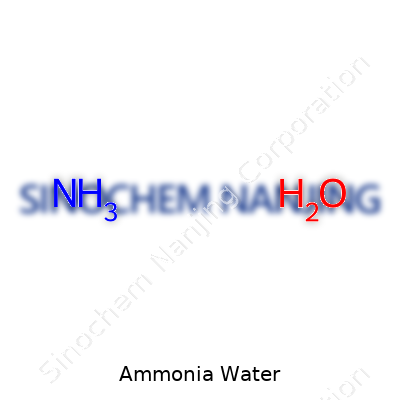
| Names | |
| Preferred IUPAC name | Ammonia solution |
| Other names |
Ammonium hydroxide Aqua ammonia Ammonia solution Ammonia liquor Aqueous ammonia |
| Pronunciation | /əˈmoʊ.ni.ə ˈwɔː.tər/ |
| Identifiers | |
| CAS Number | 1336-21-6 |
| Beilstein Reference | 3587153 |
| ChEBI | CHEBI:17961 |
| ChEMBL | CHEMBL1355 |
| ChemSpider | 4454817 |
| DrugBank | DB09144 |
| ECHA InfoCard | ECHA InfoCard: 01-2119488876-14-XXXX |
| EC Number | 215-647-6 |
| Gmelin Reference | Gmelin Reference: 853 |
| KEGG | C01342 |
| MeSH | D019277 |
| PubChem CID | 222 |
| RTECS number | BQ9625000 |
| UNII | 4NWY65WYQX |
| UN number | UN2672 |
| Properties | |
| Chemical formula | NH4OH |
| Molar mass | 35.05 g/mol |
| Appearance | Colorless liquid with a pungent odor |
| Odor | pungent |
| Density | 0.91 g/cm³ |
| Solubility in water | Very soluble |
| log P | -1.38 |
| Vapor pressure | 210 mmHg (20°C) |
| Acidity (pKa) | ~9.25 |
| Basicity (pKb) | 4.75 |
| Magnetic susceptibility (χ) | -1.9 × 10⁻⁶ |
| Refractive index (nD) | 1.333 |
| Viscosity | Viscosity: 0.88 mPa·s (at 25°C) |
| Dipole moment | 1.47 D |
| Thermochemistry | |
| Std molar entropy (S⦵298) | 111.3 J·mol⁻¹·K⁻¹ |
| Std enthalpy of formation (ΔfH⦵298) | -80.29 kJ/mol |
| Std enthalpy of combustion (ΔcH⦵298) | -375.0 kJ/mol |
| Pharmacology | |
| ATC code | V03AB17 |
| Hazards | |
| Main hazards | Causes severe skin burns and eye damage. Harmful if inhaled. May cause respiratory irritation. |
| GHS labelling | **"Danger; H314, H335, H400; P260, P273, P280, P305+P351+P338, P310; GHS05, GHS07, GHS09"** |
| Pictograms | GHS05, GHS07 |
| Signal word | Danger |
| Hazard statements | Hazard statements: Causes severe skin burns and eye damage. Harmful if swallowed. Harmful if inhaled. |
| Precautionary statements | P210, P260, P273, P280, P305+P351+P338, P310 |
| NFPA 704 (fire diamond) | 3-0-1 |
| Autoignition temperature | 630 °C (1166 °F) |
| Explosive limits | 16% - 25% |
| Lethal dose or concentration | LD50 oral rat 350 mg/kg |
| LD50 (median dose) | 350 mg/kg (Rat, oral) |
| NIOSH | KD0330000 |
| PEL (Permissible) | 50 ppm |
| REL (Recommended) | 20 mg/L |
| IDLH (Immediate danger) | 300 ppm |
| Related compounds | |
| Related compounds |
Ammonia Ammonium chloride Ammonium nitrate |



