Allyl Alcohol: More Than a Chemical Curiosity
How Allyl Alcohol Shaped Industrial Chemistry
My first encounter with allyl alcohol came during a college lab when the sharp, biting smell caught me off guard. I quickly learned that this clear, volatile substance has earned a reputation both as a chemical building block and a lesson in laboratory caution. History points to the early 19th century for its discovery, with chemists studying natural oils and eventually unlocking its potential through the manipulation of allyl iodide and related compounds. Through the decades, allyl alcohol started popping up as a tool in organic synthesis, especially after the petrochemical boom gifted us more reliable ways to produce it on a larger scale. The methods grew from simple hydrolysis of allyl halides to the more sophisticated hydroformylation and catalytic isomerization routes used today.
What Sets Allyl Alcohol Apart
The molecule itself stands as a testament to the blend between the simple and the complex. Take a look at its formula, C3H6O—clean, compact, and easy to remember. Yet one sniff in the lab shows that this little alcohol packs a punch. It brings together a highly reactive double bond and a primary alcohol group, making it a prime candidate for all sorts of reactions. Once you observe it under the hood—boiling at a relatively low 97°C, with solubility in water and organic solvents—its versatility becomes undeniable. Visual cues like its colorless appearance and distinct, pungent aroma also help experienced chemists recognize it on the spot, even before reading any label.
Technical Details and Labeling Realities
Operational protocols around allyl alcohol rely on precise technical specifications, not just because of its unique chemistry, but also due to its health hazards. Any reputable source ships it in high-purity grades, commonly above 99%, which makes quality control a recurring headache in production lines. Labels need to be clear, warning about its corrosive potential and the way it can irritate skin, eyes, or lungs. This isn't a compound to splash around casually; even small spills can turn a workday upside-down. From the unlockable cap on every bottle to the hazard pictograms, vivid reminders of its potency always travel with each shipment.
How It Gets Made Matters
Factories usually pick the path of manufacturing based on the cost of feedstock and the scale they’re targeting. For decades, the older method leaned on hydrolyzing allyl chloride, often using caustic bases and careful temperature control. More recent industrial processes take advantage of metal-catalyzed reactions—like hydroformylation of propylene followed by hydrogenation—letting operators squeeze more output from every batch. Each approach affects the end-product purity and necessitates rigorous purification steps, since even minor impurities can interfere with its downstream uses. Scrutiny never stops as process engineers work around the clock, hoping to avoid accidental releases in every stage.
Chemical Potential: Playground for Synthetic Ideas
Allyl alcohol’s real power shows up in a reaction flask. It is the starting line for making glycidol, glycerol, and a wide range of polymers. Chemists often point to the two key reactive sites—the double bond and the alcohol group—giving rise to options like oxidation, nucleophilic substitution, and more. Labs across the globe rely on allyl alcohol to introduce the allyl group onto more complex molecules, setting the stage for pharmaceuticals or specialty polymers. If you spend enough time in organic synthesis, you see allyl protecting groups and dynamic rearrangement reactions playing out on the benchtop, spinning out new candidate materials for further study.
Known By Many Names: Navigating Synonyms
Chemical trading rarely uses just one name. On an order sheet, it may show up as 2-propen-1-ol, vinyl carbinol, or even simply propenol. All these names crop up in literature, depending on whether you’re reading an engineer’s process report or an old German patent. Being aware of these alternative names prevents costly misunderstandings, especially if the paperwork crosses country lines. When reviewing old research articles, connecting the dots among synonyms becomes a necessary skill, or you risk missing the entire body of knowledge tied to this fundamental molecule.
Tackling Safety: Standards Written in Hard Lessons
Workplace safety rules around allyl alcohol carry the scars of past mishaps. Acute exposure can kick off symptoms from skin blistering to severe respiratory distress. Lab instructors never pass a bottle around without reminding everyone to double up on gloves and use the fume hood. Major regulations draw on decades of toxicity data to keep exposure limits low, while outlining emergency procedures in case of spills or accidental contact. In the manufacturing world, lockout procedures, leak proof gaskets, and chemical detectors all help in containing the risk. Talking to those who have handled this substance for years, you’ll hear stories about the importance of vigilance and respect for the molecule’s dangers.
Why Industry Keeps Reaching for Allyl Alcohol
Usage patterns for allyl alcohol keep evolving. At its core, it’s an ideal hop-off point for making allyl ethers, resins, plasticizers, and cross-linking agents. Its dual functionality turns it into a workhorse in chemical synthesis, branching into polymers, pharmaceuticals, and even specialty coatings. Processes that demand tightly controlled reactivity often favor molecules like allyl alcohol, letting manufacturers build up complex architectures from a simple foundation. Recently, focus has shifted to its role in the synthesis of epichlorohydrin, a link in many downstream epoxy resin chains. Any breakthrough in cost-effective allyl alcohol production ripples into sectors like adhesives, plastics, and finer chemicals.
Research and the Strive for Better Understanding
Academic and industrial research never stray far from allyl alcohol. Researchers keep tweaking reaction conditions, searching for safer, cleaner, and greener routes to both make and use it. Studies test new catalysts and alternative energy inputs to stretch the efficiency envelope, sometimes looking to biotechnological routes or novel recycling concepts. Another avenue investigates derivatives and how minor chemical tweaks affect product performance in specialty materials. Anyone following journals on organic synthesis will see the molecule pop up time and again, not just as a target in itself, but as a tool unlocking new compounds with untapped properties.
Toxicity Research: Lessons Still Unfolding
Decades of animal studies highlight the hazards of allyl alcohol exposure, especially in developing livers and kidneys. Toxicologists examine not just short-term risks but also subtle metabolic effects. Although industrial hygiene keeps incidents rare, no workplace dealing with the compound lets its guard down. Lab tests reveal how it metabolizes in the body, with even minor chronic exposure linked to cellular damage or systemic toxicity. All this guides the ongoing updating of regulations and best practices, feeding back into design improvements in equipment and protocols.
Future Prospects: Where Curiosity and Caution Meet
Looking ahead, there’s promise in refining the production process for allyl alcohol to make it both safer to produce and less likely to cause downstream environmental harm. Green chemistry initiatives have begun to explore bio-based feedstocks, and catalyst development continues in hopes of lower temperature and energy requirements. The market trends suggest growing demand from adhesives, coatings, and next-generation polymer technologies, which keeps labs busy searching for incremental improvements. Every advance brings the industry closer to a balance between powerful reactivity and responsible handling, teaching new generations to work smarter with this fascinating, often dangerous, yet essential chemical.
What is allyl alcohol used for?
The Nuts and Bolts of Allyl Alcohol
Allyl alcohol isn't a household name. Yet, walk through a hardware store or scan your kitchen shelves, and chances are that something you use relies on it. Chemically, allyl alcohol is a simple compound – three carbons and an alcohol group. But this small molecule carries some serious weight across a wide range of applications, with far-reaching effects in how things are made and used every day.
Deep In the World of Plastics and Resins
Most folks don't realize how much allyl alcohol shapes the products they trust. The plastics industry puts it to serious work, transforming it into glycidol or glycidyl ethers. These ingredients form the backbone of epoxy resins – the tough, resilient stuff behind coatings, adhesives, and laminates. Every time I fix cracked tiles with a two-part epoxy or see gleaming countertops protected with a special finish, I see the chemistry in action. Epoxies touch construction, automotive, and electronics, adding resistance to heat, chemicals, and just everyday wear.
It's easy to overlook how critical sturdier materials are. Without chemicals like allyl alcohol, replacing warped circuit boards or repairing chipped kitchen counters would cost more and take longer. The domino effect reaches manufacturers, consumers, repair technicians, and the environment. Stronger and longer-lasting goods keep costs in check and waste out of landfills.
Pioneering Pharmaceuticals and Fine Chemicals
Allyl alcohol gets plenty of attention in pharmaceutical research, too. Chemists value it as a starter for building more complex molecules—essential in producing drugs, vitamins, and plant protection agents. Tasks like synthesizing specialized intermediates make or break efficiency. If a common painkiller or antibiotic is slightly cheaper this year, process tweaks involving molecules like allyl alcohol probably helped make that happen.
Textile Treatments and Surface Modifiers
Dye fixatives and specialty fibers pull from the same well. Modified textiles resist stains and keep colors locked in, thanks to tailored chemicals derived from allyl alcohol. Years ago, I watched a demonstration at a textile factory. A drop of wine rolled off a fabric sample, leaving no stain. Just one example of how subtle changes in manufacturing chemistry improve daily life in ways most of us barely notice.
Safety Challenges in Handling Allyl Alcohol
No discussion of industrial chemicals stays honest without looking at health and safety. Allyl alcohol deserves respect—this stuff is toxic and flammable. Repeated exposure can irritate skin and eyes, while inhalation affects the nervous system and liver. Even seasoned professionals watch the safety data closely. Factories invest in solid containment, ventilation, and spill protocols, and invest in worker training. Getting this right isn’t just about protecting the people on the shop floor; accidents end up hurting entire communities. Decades of lessons have shaped modern safety cultures around hazardous substances.
Smart Use and Sustainability
With pressure mounting to reduce chemical waste and environmental harm, companies and universities keep searching for greener routes and safer alternatives. Some research outfits study bio-based methods for making allyl alcohol, using renewable feedstocks instead of relying only on petroleum-based processes. It's not just about feeling good – greener production lowers long-term costs, cuts legal risk, and appeals to an increasingly savvy marketplace.
Every change in how allyl alcohol gets made or used ripples outward. Chemistry, manufacturing, and environmental science cross paths in ways that matter for workers, customers, and the planet.
Is allyl alcohol toxic or hazardous?
Understanding the Risks of Allyl Alcohol
Allyl alcohol draws attention in the chemical industry for a reason. It’s used to make plastics, resins, and many products that show up in day-to-day life. I’ve handled chemicals in a lab setting, and one thing I’ve learned is to never take any colorless liquid at face value, especially not something like allyl alcohol.
This compound, with a sharp odor reminiscent of mustard, doesn’t mess around. Breathing in its vapors irritates the eyes, nose, and throat quickly. Even a splash on skin can sting. If it stays on the skin too long, it burns. Based on OSHA and NIOSH data, just 8 parts per million in air can start causing problems. Even short exposure at higher levels kicks off headaches, dizziness, and nausea. Swallowing a small amount can lead to vomiting, cramps, and diarrhea. Large doses affect the liver and kidneys, with the risk of organ failure in severe poisonings.
How It Gets Into the Body – and Then What?
Allyl alcohol doesn’t care much how it gets in. Inhalation, skin contact, swallowing — any of these routes give it quick access. Its toxicity leans on how fast it absorbs and how easily it spreads through tissues. Once inside, the body converts it to acrolein, an even nastier compound. Acrolein hits cells hard, breaking down cellular structure and halting key biological processes.
In a review by the Agency for Toxic Substances and Disease Registry, animal studies consistently show liver and kidney damage after even short exposures. Chronic, low-level exposures trigger less dramatic symptoms — fatigue, irritation, trouble concentrating — but these add up. After years in manufacturing and research spaces, I’ve seen how just one careless moment can change a technician’s health for months.
Protecting Workers and Communities
Labs and factories storing or using allyl alcohol don’t get by on luck. Training matters, as does personal protective equipment. OSHA rules require fume hoods, thick gloves, goggles, and regular monitoring. The best-run shops use automated pumping and containment to keep open-hand transfers at a minimum. If something spills, quick evacuation and cleanup routines kick in. In the worst cases, fire departments sometimes get called because allyl alcohol ignores water, floats on top, and burns with invisible flames — a recipe for disaster if you don’t respect it.
Communities near manufacturing plants sometimes raise concerns about air quality. Air sensors and strict emission permits do a decent job of limiting leaks. Still, as seen in past chemical spills, the safest margin comes from tight regulations paired with relentless enforcement. Most incidents happened where shortcuts replaced protocols. Voices in public health push for stronger oversight, not weaker. I trust them on this.
Safer Practices and Alternative Chemicals
Years ago, green chemistry started taking hold. The idea is to use less hazardous substances whenever possible. In some industries, safer alcohols and milder solvents slowly replace older, riskier compounds. Substituting allyl alcohol isn’t simple since it brings unique properties. Still, research keeps chipping away at older, hazardous processes. Careful chemical selection, better engineering, and updated training stay essential — not just for workers, but for their families who expect them to come home safe.
What are the storage and handling precautions for allyl alcohol?
Why Storage Matters
Allyl alcohol doesn’t show up in most people’s daily routines, but it definitely commands respect in any setting where it's stored or handled. This clear liquid carries a sharp, often irritating smell, and its low flash point means it catches fire much quicker than most folks realize. That makes the storage setup a lot more than just shelves and locks. Fire can ruin an entire building in minutes if allyl alcohol leaks and vapors find a spark.
A flammable chemical like this performs best when it sits inside tight, sealable containers made of glass or stainless steel. Plastic has a tendency to warp or even crack over time, and you don’t want to discover a leak when the air smells funny. Steel drums and glass bottles form the staple gear for tools in the chemical trade. Both keep the air out and block the extra sunlight, which breaks down many chemicals and heats up whatever sits inside. Keeping it away from direct sunlight, heat, and all ignition sources makes the odds a lot better for everyone.
People and Equipment at Risk
Allyl alcohol doesn’t just stop at the risk of fire, either. Even a few drops on bare skin spell trouble — redness, blisters, pain. Breathing it in isn’t much better. Over time, it eats at the liver and nervous system. I’ve seen techs with rashes on their hands because gloves weren’t replaced when they wore thin. It seeps through thin natural rubber, so switching to nitrile or butyl gloves makes sense. A quick hand wash may not cut it if someone spills, so the eyewash and shower station become lifesavers, not just furniture for a safety inspection photo.
Any open work should use a well-ventilated fume hood. Regular labs sometimes pipe fresh air in with wide vents, but a real fume hood pulls vapors away before someone has the chance to breathe them. Respirators sit nearby, but most of us prefer never reaching that point. After working with any chemical like this plenty of times, I’ve learned soap, water, and time save more lives than tests and data sheets ever will.
Precautions that Actually Work
It’s easy to say “keep away from oxidizers,” but that won’t help when labs store all sorts of acids on nearby shelves. In reality, color-coded labels, clear signage, and simple rules work best. Flammable cabinets (the yellow kind at most workplaces) act as a solid layer between the lab and the risk of flash fires. Inside, only keep enough allyl alcohol for the immediate job. Smaller bottles mean less disaster if one accident turns messy. Spills aren’t rare, just poorly managed.
Cleaning gear should go far beyond a mop and gloves. Spill kits include special absorbents. Some labs use sand, but most rely on powder that neutralizes the alcohol. Workers should practice spill drills just like fire drills. I’ve seen a team freeze up when someone dropped a bottle, the acrid odor filling the air, because they never practiced cleanup for something fast and flammable.
Room for Safer Habits
Better training leaves fewer accidents. Supervisors who walk through the lab looking for shortcuts save more lives than warning labels can. Proper labeling, the right storage conditions, and equipment checks all play their part in keeping allyl alcohol’s risks at bay. Relying on good habits and hands-on routines gives better odds than any list of instructions. If you see the bottle, double-check the gloves. If you remember the last spill, clean before it happens again.
What is the chemical formula and structure of allyl alcohol?
Understanding Allyl Alcohol in Daily Life
The world of chemistry feels overwhelming at times, but certain compounds play real roles in products we use and industries that support our way of living. Allyl alcohol stands out in this crowd. With the formula C3H6O, its structure lays out as CH2=CH–CH2OH. This formula sketches out more than just atoms arranged in a row—it shapes the foundation for countless materials, from plastics all the way to pharmaceuticals.
Peeking at the Structure
Picture a three-carbon chain. The first two carbons form a double bond, making up the “allyl” group. The last carbon in the chain has a hydroxyl group (-OH) attached, giving the molecule its alcohol character. This combination makes allyl alcohol a touch more reactive than simple alcohols like ethanol. The molecule’s double bond unlocks a world of chemical activity, letting chemists build bigger, more complex molecules.
Industrial Uses, Science, and Safety
Factories around the globe rely on allyl alcohol for its versatility. Resin and plastic makers use it to build strong, flexible materials. The double bond, along with the alcohol group, acts as a launching point for reactions that create flame-retardant coatings and specialty polymers. In agriculture, allyl alcohol finds its way into selective weed killers. Its potential doesn’t stop there—pharmaceutical companies turn to it when crafting some of their more advanced ingredients.
There’s a flip side, though. Allyl alcohol comes with serious health risks if handled without care. Inhaling its vapors or getting it on skin can cause burns or other harmful reactions. Governments keep a close watch, regulating how it’s stored and transported. On job sites, seasoned workers use gloves, face shields, and fume hoods to cut down on accidents.
Why Understanding Structure Truly Matters
Studying chemicals like allyl alcohol in high school and college always felt like a test of memory, but real life shows the need for this basic knowledge. In the shop where adhesives are mixed or labs where researchers chase the next drug discovery, a clear grasp of molecular structure leads to safer processes and better products. This matters for young workers, for students stepping into science, and for communities living near manufacturing zones.
Making Safer Choices Possible
Chemists and safety experts have stepped up over the past couple decades. Training now covers not just the chemical handbook facts, but hands-on drills for spills and emergencies. Labels carry sharper warnings, and new detection systems spot leaks long before a problem grows. Some companies are even looking for greener alternatives, aiming to reduce risks without giving up essential functions.
Looking Ahead
As industries keep expanding, ingredients like allyl alcohol will stay in the spotlight. Staying informed about its structure and risks plays a big part in balancing innovation and protection. Workers, students, and everyday folks all benefit from clearer science grounded in real-world results and facts anyone can check.
How should allyl alcohol spills and exposure be managed?
Risk Isn’t Just Chemical—It’s Personal
Anyone who’s worked with allyl alcohol knows the pungent, nasal-stinging scent that lingers after a tiny splash on the lab bench. Folklore aside, this clear liquid brings real hazards—both to workers and anyone near the source. Allyl alcohol burns on contact, irritates eyes, lungs, and skin, and can cause long-lasting harm with enough exposure. The scariest thing hits quickly: confusion, headache, dizziness. It’s not just about chemical equations—it’s about making sure you walk away at the end of your shift feeling healthy.
Why the Standard Kit Really Matters
Forget about hoping a paper towel gets the job done. In my years working around volatile organics, I’ve seen the difference between a prepared crew and one that freezes in chaos. Labs and plants that keep designated absorbents, non-sparking tools, and quick access to proper ventilation controls never have the “what now?” moment. These places invest in spill kits with neutralizers that actually work for allyl alcohol, not just generic solutions. Respirators and goggles gather dust in some places—real safety culture means they’re scratched and used, not pristine in a box.
Fast Action Makes All the Difference
The first seconds after a spill make a difference. Picture someone knocking over a flask. Their eyes start to water, panic follows, then someone remembers the eyewash. In my own experience, hesitation only amplifies damage. Alarm systems and protocols help, but staff willingness to use them separates a non-event from a disaster. If nobody hesitates to pull alarms, switch on exhaust fans, or herd people away, exposure drops hugely. The folks I trust most in the lab never overthink their exit.
Prevention: Building Habits, Not Just Rules
Training always comes up at safety meetings, but routines built through repetition protect people the most. Good habits—like keeping bottles sealed, storing vessels in trays, and making sure everyone knows the quickest escape—beat policy posters taped to a door. At one facility, we had a “buddy check” culture: nobody handled allyl alcohol alone. Nothing fancy, just consistent backup, and near-zero incidents followed. Cleaning schedules, sharp-looking PPE, and regular drills shaped the safest shifts.
Medical Help: Don’t Tough It Out
Some folks brush off mild symptoms, especially if they grew up around strong-smelling chemicals. That’s risky decision-making. Immediate medical evaluation matters, even for a cough or skin redness. Years back, a colleague ignored dizziness, then ended up in ER with chemical pneumonitis. Doctors catch trouble before it turns serious if people speak up early. Information always helps—knowing symptoms and what to say to medics can tack minutes off response time.
Fixing What’s Broken: Upkeep Over Easy Shortcuts
Leaks, faulty ventilation, sloppy storage—these small issues turn a one-off spill into a recurring headache. In the industrial world, I noticed the safest operations budget for repairs. Flawed seals or corroded welds push risk higher than any training can lower. Walking the floor and fixing what doesn’t look right solved more problems than endless paperwork ever will.
Taking Accountability Means Doing, Not Just Saying
Real safety comes down to how everyone—from management to new hires—acts when things go sideways. Culture grows from top to bottom and from peer to peer. If the veteran tech puts on gloves and double checks storage, the trainee copies that. If the boss listens when someone points out a leak, the work team speaks up. Practical steps, applied every day, beat out the best plan written by outside consultants.
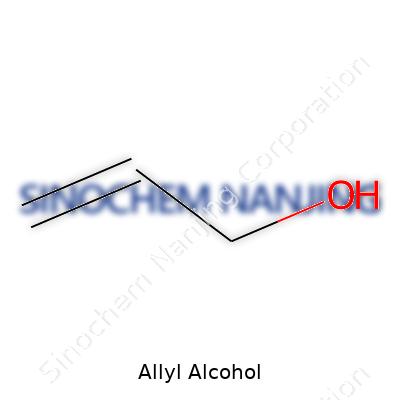
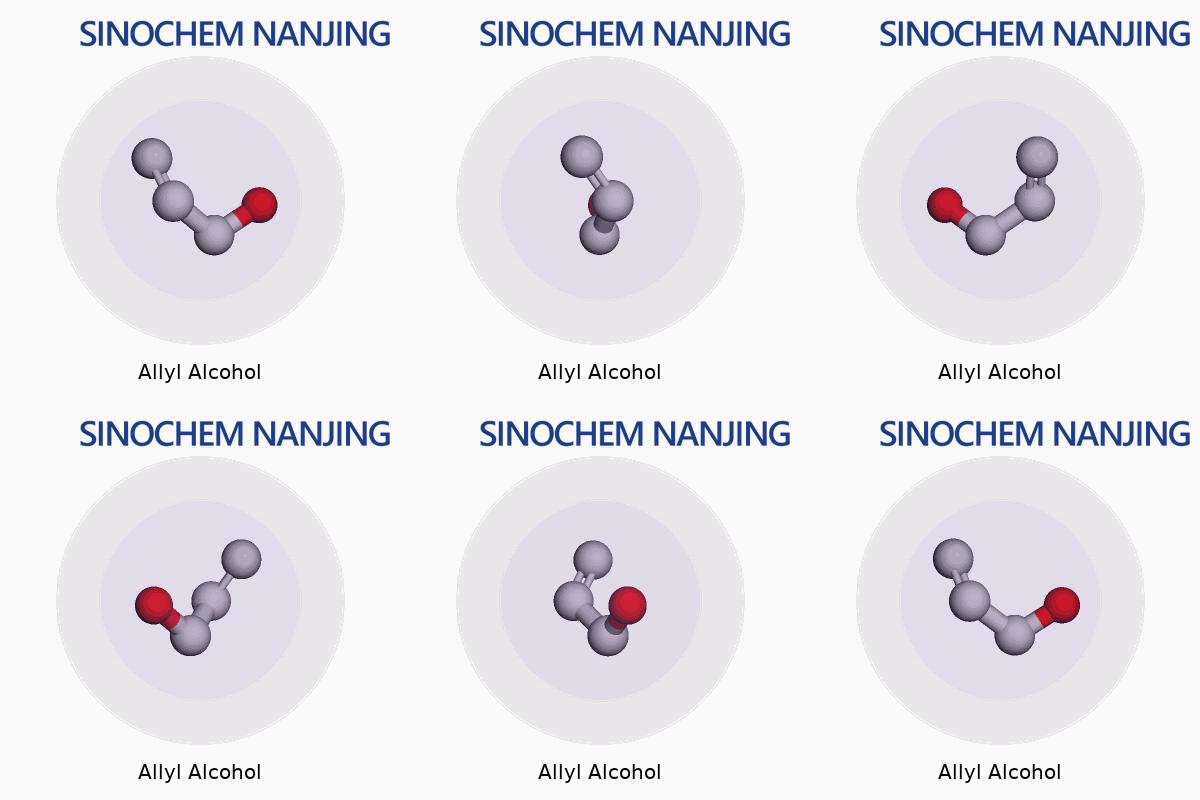
| Names | |
| Preferred IUPAC name | prop-2-en-1-ol |
| Other names |
2-Propen-1-ol Allylalcohol Vinylcarbinol UN 1098 |
| Pronunciation | /ˈæl.ɪl ˈæl.kə.hɒl/ |
| Identifiers | |
| CAS Number | 107-18-6 |
| Beilstein Reference | 1360630 |
| ChEBI | CHEBI:27536 |
| ChEMBL | CHEMBL15514 |
| ChemSpider | 5256 |
| DrugBank | DB01982 |
| ECHA InfoCard | 100.002.302 |
| EC Number | 200-853-0 |
| Gmelin Reference | 60637 |
| KEGG | C01197 |
| MeSH | D000579 |
| PubChem CID | 7857 |
| RTECS number | AS1050000 |
| UNII | 8O572M6K3E |
| UN number | 1098 |
| Properties | |
| Chemical formula | C3H6O |
| Molar mass | 58.08 g/mol |
| Appearance | Colorless liquid with a pungent odor |
| Odor | pungent |
| Density | 0.854 g/cm³ |
| Solubility in water | Miscible |
| log P | 0.17 |
| Vapor pressure | 10 mmHg (20°C) |
| Acidity (pKa) | 15.5 |
| Basicity (pKb) | 15.51 |
| Magnetic susceptibility (χ) | -44.4e-6 cm³/mol |
| Refractive index (nD) | 1.414 |
| Viscosity | 2.2 mPa·s (20 °C) |
| Dipole moment | 1.68 D |
| Thermochemistry | |
| Std molar entropy (S⦵298) | 56.8 J·mol⁻¹·K⁻¹ |
| Std enthalpy of formation (ΔfH⦵298) | -48.0 kJ/mol |
| Std enthalpy of combustion (ΔcH⦵298) | –1884 kJ·mol⁻¹ |
| Pharmacology | |
| ATC code | J04BA02 |
| Hazards | |
| GHS labelling | GHS02, GHS05, GHS06 |
| Pictograms | GHS02, GHS05, GHS06 |
| Signal word | Danger |
| Hazard statements | H226, H301, H311, H314, H331 |
| Precautionary statements | P210, P260, P280, P301+P310, P303+P361+P353, P305+P351+P338, P311 |
| NFPA 704 (fire diamond) | 2-3-2-F |
| Flash point | 33 °F (0.6 °C) |
| Autoignition temperature | 215 °C (419 °F; 488 K) |
| Explosive limits | 2.5% - 33% |
| Lethal dose or concentration | LD50 oral rat 60 mg/kg |
| LD50 (median dose) | LD50 (median dose): Oral-rat LD50: 60 mg/kg |
| NIOSH | WA0825000 |
| PEL (Permissible) | 2 ppm |
| REL (Recommended) | 0.62 |
| IDLH (Immediate danger) | 40 ppm |
| Related compounds | |
| Related compounds |
Propenols Allyl Allyl phenyl ether Acrolein Allyl acetate |



