Acrylonitrile: A Closer Look at the Backbone of Modern Synthetics
Historical Development
Acrylonitrile wasn’t always a main player in industrial chemistry. Its birth stretches back to the late 19th century, but real momentum came with the drive to invent synthetic fibers during the turbulent decades that followed World War II. The rise of acrylics and plastic engineering owes a debt to acrylonitrile’s arrival in the mass market. Chemistry labs in Europe started synthesizing it using acetylene and hydrogen cyanide, but once oil refineries became the center of the chemical universe, propylene ammoxidation scaled up to carry the load. When you consider how modern clothing, home insulation, and automotive parts evolved, acrylonitrile was always there in the background, shaping trends directly through its chemistry.
Product Overview
Acrylonitrile doesn’t have the household name status of plastics or nylon, but its impact cuts across industries. It drives production of ABS plastic, which you’ve probably come across in household electronics, power tools, and automotive trim. Most everyday acrylic yarn grew out of acrylonitrile’s unique structure. Factory paint formulas for corrosion resistance, adhesives for construction, and even rubbers for seals or gaskets run on this molecule. Despite how rarely anybody outside a lab thinks about it, acrylonitrile threads itself into modern lives without fanfare.
Physical & Chemical Properties
Transparency, sharp odor, volatility—those are the calling cards of acrylonitrile. It comes across as a colorless liquid that evaporates quickly, which turns every leak or handling task into a risk-management exercise. Flammability demands tight safeguards in production and transport. Chemical-wise, its double bond and the cyano group act as the handshake that lets it bind with other molecules, making it a champion at polymerizing. At the same time, that structure exposes workers and the environment to real hazards. It’s not a chemical you can ignore in a warehouse or stockroom.
Technical Specifications & Labeling
In the world of handling chemicals, a bottle of acrylonitrile stands out for its stringent warning labels. Every drum needs to check off federal and global standards, including data for density, boiling point, and hazard symbols that are anything but optional. A whiff of its almond-like smell and you know why. Safety claims can’t just lean on standardized tags; clarity about proper storage conditions, temperature, and reactivity is fundamental for anyone in the building, whether you’re on the floor or in logistics.
Preparation Method
Nobody in the industry forgets that making acrylonitrile depends on cracking raw hydrocarbons from natural gas or oil. Propylene ammoxidation—a mouthful on first encounter—remains the common method: propylene reacts with ammonia and oxygen over a bismuth-molybdate catalyst. This process is efficient on a global scale, but it also puts the material into a fossil fuel feedback loop. Old routes, like dehydration of ethylene cyanohydrin, faded because they couldn’t scale without generating waste. While these methods crank out tons of product, the carbon footprint and waste management challenges don’t stay confined to the reactor vessel.
Chemical Reactions & Modifications
Acrylonitrile’s double bond is its passport to new polymers and resins. Just about any copolymerization or addition reaction involving plastics has a recipe using it somewhere in the mix. Its chemistry lets the world create tough plastics for gears, pipes, or toothbrushes. Chemists can tweak acrylonitrile’s backbone to build resins that hold up under pressure or heat, which means industries working with it always have a pipeline for new research and better-performing materials. Wastewater treatment or environmental cleanup has grown more complex, though, as each modification brings its own palette of byproducts and disposal headaches.
Synonyms & Product Names
The industry speaks of acrylonitrile in many tongues. It flips between the technical “vinyl cyanide” and brand-nurtured markers from production lines. Labels can read “propenenitrile” or disguise it in the middle of trade names for fibers and copolymers, especially when packaging is bound for export. No matter which sticker you find on a barrel or technical sheet, behind the scene it’s the same molecule that demands respect for its reactive nature and risk profile.
Safety & Operational Standards
Handling acrylonitrile means taking exposure seriously. Acute toxicity threatens anyone who breathes fumes or comes in direct contact with the liquid. Firefighters and chemical plant workers know that spills or leaks trap a room somewhere between toxic threat and burn hazard. Escape protocols center around fully enclosed gear and quick evacuation. Regulatory agencies from OSHA to REACH have hammered home the limits on workplace exposure. To live up to these standards, real-world operations depend on meticulous ventilation, routine equipment checks, and training that doesn’t cut corners. It’s not only about compliance; it’s about sending folks home healthy at the end of every shift.
Application Area
Just about everywhere you find durable plastics and synthetic fibers, acrylonitrile made an appearance. The automotive world likes it for parts that withstand both heat and rough handling—bumpers, dashboards, and shrouds. Electronics wouldn’t stand up to daily use without ABS housings holding everything together. Clothing that keeps its shape in the washer cycle leans on acrylic fibers, with the textile industry relying on that chemical backbone for affordable warmth. In the Chinese market, the building boom fueled demand for plastic piping that won’t crack under city pressure lines, thanks to polymers built on acrylonitrile chemistry. Adhesive producers and pharmaceutical syntheses also keep the molecule in steady demand.
Research & Development
Plastics made from acrylonitrile are not static—industry researchers keep pushing the limits. Upgrading catalysts in the main preparation reactions can slice costs and shrink emissions. Biotechnology labs dabble with bacteria that could one day break down industrial wastes linked to its production. Somewhere out there, a team is probably reimagining how to process acrylonitrile into even lighter or stronger materials. Institutions and manufacturers invest heavily on finding substitutes for the more toxic ingredients or reducing risks in waste management. This kind of forward movement keeps the product line up to speed with regulations and greener product demands.
Toxicity Research
For all its benefits, acrylonitrile draws serious scrutiny in toxicology circles. Chronic exposure has tied into risks for various cancers, nervous system symptoms, and cardiovascular problems. Lab studies on animals keep driving the case for stricter protective measures. Companies using it have a social responsibility that runs well beyond regulatory minimums—community monitoring for emissions, wastewater effluent controls, and medical screening for those who spend years on the floor. Pressure from NGOs and regulatory science keeps pushing for lower exposure and new research on health effects. Workers rightfully ask tough questions any time safety protocols change.
Future Prospects
The road ahead for acrylonitrile doesn’t look smooth, but there’s no sign of its role shrinking anytime soon. Demand for lighter cars, cheaper housing, and better insulation ties modern lifestyles to its unique chemistry. Sustainability might push producers to reinvent the raw materials—maybe through bio-based feedstocks or new catalytic cycles that rely less on fossil fuels. As recycling and green chemistry scale up, the real test rests in whether the industry leans into these investments instead of stalling for short-term gain. Transparent risk management, honest health data, and a move towards circular production chains—the industry’s reputation could turn on how well acrylonitrile moves with the times. Scientists, regulators, and workers will all shape the next chapter.
What is Acrylonitrile used for?
Spotting Acrylonitrile in Daily Life
People often don't realize how much of today's world runs on materials made from acrylonitrile. The word sounds technical, but its fingerprints are on more things than folks might expect. This chemical helps build plastics, fibers, and rubbers that show up in homes, cars, medical equipment, and electronics. Take a closer look at your computer keyboard or your car dashboard. Chances are, parts of them started out as acrylonitrile in a distant factory.
From Lab to Living Room
One of the main uses for this compound turns up in acrylonitrile butadiene styrene, better known as ABS plastic. Toy makers use this for blocks that click together with a satisfying snap. Manufacturers choose ABS for products needing a tough shell, like power tool housings and suitcases, because it can take a beating. The reason? Acrylonitrile brings strength and resistance to chemicals, beating out many older materials. Without it, many modern conveniences would feel a lot flimsier or end up costing more.
Health Care Relies on Acrylonitrile
Hospitals and clinics want equipment that stays clean and survives rough handling. Medical device makers pick plastics with acrylonitrile for these jobs. Syringes, IV connectors, even some inhalers rely on these plastics. Medical staff sometimes need to spot problems in seconds, so these parts must not crack or leak after disinfecting. People like me who have worked near hospital supply rooms have seen firsthand how supplies made from sturdy plastics keep waste down and make life safer for patients.
Acrylonitrile in Manufacturing and Infrastructure
Factories don't just use steel and aluminum. They mix acrylonitrile-based polymers into pipes, valves, and fittings because these parts keep corrosion at bay. Nobody wants a chemical factory springing a leak because a valve gave out. Products like nitrile rubber, made from acrylonitrile, line gloves and seals that stop oil, gas, and even pathogens from seeping through. Industrial workers depend on gloves like these every day. Living in a region with a lot of chemical plants, I've heard plenty from folks on shop floors who rely on oil-resistant gloves and seals, many of which come from nitrile rubber.
Is There a Price to Pay?
Science brings benefits, but there’s no free ride. Acrylonitrile’s production and use raise tough questions. Too much exposure can cause irritation or worse, so factory workers need solid training and the right protective gear. The U.S. Environmental Protection Agency shares risk information so companies act responsibly. In the past, some places fell short on safety and community health, but tighter regulations—along with strong voices from watchdog groups—helped bring improvement. People in towns near these plants now push for better air monitoring and emergency plans, ensuring nobody pays an unfair price for our convenience.
Searching for Safer Alternatives
Looking forward, researchers push for plastics that do more with less risk. Some companies invest in bio-based substitutes, but it’s a tall order. Acrylonitrile holds a valuable spot thanks to performance and price. Switching away from it means balancing safety, strength, and cost. For now, keeping factories transparent and enforcing strict safety rules seems like the smartest move. People everywhere benefit from the advances acrylonitrile made possible, but they deserve fresh thinking and better safeguards alongside those perks.
Is Acrylonitrile hazardous to health?
The Chemical Behind Plastics and Fibers
Look around your house—plastic containers in the fridge, fibers in your warm sweater, car parts on the driveway. Acrylonitrile plays a big role in producing these items. Chemical engineers use it to make plastics like ABS, which feels like that sturdy phone case or children’s LEGO blocks. If someone works in a factory that shapes this kind of plastic, acrylonitrile might be in their air. Even folks far from the factory line should care about what the research says.
Health Risks and Everyday Exposure
Plenty of substances in our daily world deserve a closer look, but acrylonitrile earns attention because the science points to real risks. Breathe in acrylonitrile fumes, and the body absorbs it easily through the lungs. According to the National Cancer Institute, long-term exposure can raise the chance of developing certain cancers, especially in those working directly with the chemical. Studies also connect it to headaches, fatigue, and strong irritation of the eyes and respiratory system. I’ve walked through an industrial plant and smelled the sharpness in the air; it is not something that leaves your mind quickly.
Jobs in plastics manufacturing or working near chemical storage tanks make people more likely to come across large amounts of this chemical. Spills can leak into water, and some cigarette smoke contains trace amounts of acrylonitrile. The U.S. Environmental Protection Agency lists this chemical as a probable human carcinogen. That means strong evidence supports its power to cause cancer, though nobody can say with 100% certainty for all levels of contact.
Detection and Reducing Risk
Local governments use air monitoring near factories, but keeping exposure low depends on many safeguards. Engineering teams often rely on enclosed systems and proper ventilation. Workers wear special masks and protective clothing. Public health groups urge stricter labeling and regular training for anyone handling the pure chemical.
Homeowners have less to worry about since the plastics made from acrylonitrile go through manufacturing that stabilizes the product. But for factory workers, or those living close to where acrylonitrile travels by train or pipeline, the worry runs deeper. In my community, a railroad derailment a few years back reminded us how easily hazardous chemicals could end up in the environment.
Early detection of leaks and quick emergency response keep risks in check. Real stories show that when towns plan fire drills or build closer ties with local hazmat teams, chemical accidents cause less harm. Community input makes a difference—people have organized neighborhood groups focused on plant safety, pressing for stronger regulation and clearer information about storage or transportation.
Better Protection for the Future
Government agencies update guidelines as new findings come out. For example, OSHA now requires stricter air testing and medical exams for exposed workers. At the same time, companies that use acrylonitrile in their products move toward safer substitutes when possible, or at least adopt better containment technology.
If you live near chemical plants, check for local air quality reports. Prompt reporting of strange smells matters. On the policy side, continued investment in safer materials research could help lessen reliance on chemicals with a track record of health risks. Until then, understanding acrylonitrile’s place in modern life keeps everyone better informed about what’s in their environment.
What are the storage requirements for Acrylonitrile?
Why Acrylonitrile Demands Careful Handling
Acrylonitrile carries a reputation for both industrial usefulness and health hazards. Folks in chemical plants and warehouses work with it every day, so the way it gets stored isn't just some bureaucratic box to tick. It’s a real matter of keeping workers safe and avoiding costly disasters or environmental messes. I remember touring a specialty chemicals facility and spotting containers marked “Acrylonitrile”—everyone treated that row with extra caution. A single mistake could send fumes through the air or ignite a fire.
Understanding the Risks
Acrylonitrile is a flammable liquid and produces toxic vapors. Inhaling even a little can irritate your lungs or cause dizziness. Chronic exposure has links to cancer and blood disorders. Spills remain a major worry around storage areas, since acrylonitrile moves quickly through soil and water. A single drum leaking could put a community at risk. No one wants to see emergency crews racing in respirators because of simple negligence in a storage yard.
Practical Steps for Safe Storage
Industry guidelines set the baseline: containers must stay tightly closed, and storage rooms need proper ventilation. I’ve seen sites investing in explosion-proof lighting and electrical systems. One manager remarked that skipping these steps could mean watching an entire warehouse go up in flames if a spark hits a vapor cloud.
Special containers made of stainless steel or certain plastics last longer and resist chemical attacks. Labels go beyond formality: even a seasoned crew faces real danger if someone mistakes acrylonitrile for a harmless solvent. Only storing up to the approved limits can lower the odds of catastrophe. Facilities always organize storage so that incompatible chemicals—like strong acids and bases—stay far away from acrylonitrile.
Fire Risk and Temperature Control
Keeping acrylonitrile cool matters, especially in warmer climates. Above room temperature, vapor pressure increases, making leaks more likely. Fire suppression systems with foam or dry chemicals make sense for these environments. Water won’t control an acrylonitrile fire—the right response equipment, along with staff training, really makes the difference.
Spill Containment and Training
Every responsible warehouse builds spill containment areas—raised barriers or sloped floors direct any leaks into safe collection zones. Regular inspections catch corroded drums or valves ready to fail. I’ve heard stories from colleagues about times when an early morning walkthrough revealed a slow drip that could’ve spiraled into a major crisis. Responders had the right gear and knowledge because of ongoing safety drills.
Legal Requirements and Ongoing Vigilance
OSHA standards, EPA rules, and local fire codes all impose strict rules. Workers need access to updated procedures and must practice them until safety becomes second nature. Supervisors set the tone. If they put off routine checks or let clutter collect around chemical drums, everyone pays the price. Respect for acrylonitrile’s dangers goes hand in hand with trust—both among coworkers and between a company and its neighbors.
Solutions and Better Practices
Improved container technologies, regular air monitoring, and investing in spill-control infrastructure help cut down accidents. Training must involve hands-on drills, not just dusty binders of procedures. Partnerships with local fire departments build confidence that, if disaster strikes, everyone knows their role. Rethinking how chemicals get delivered, tracked, and stored every year keeps complacency from setting in.
How is Acrylonitrile produced?
Behind Everyday Plastics
Walk through any supermarket and you’ll spot hundreds of plastic items from packaging to textiles, many made using acrylonitrile. It’s tough to picture modern life without these products. I’ve worked jobs where I saw nitrile gloves used daily, acrylic fiber sweaters lining shelves, and the durable plastics in consumer goods. They all trace back to this single chemical. Understanding how it’s produced isn’t just for chemists. It connects right back to household safety, the economy, and environmental impact.
The Main Route: Ammonia, Propylene, and Oxygen
Today, most big companies use the Sohio process for acrylonitrile. Developed in the 1950s, it transformed production efficiency. This reaction brings together three main starting materials: propylene, ammonia, and air (for oxygen). Passing these over a catalyst made of bismuth, molybdenum, and iron oxides at around 400-510°C starts the magic. The chemistry looks straightforward: propylene and ammonia react with air, giving acrylonitrile, water, and small amounts of hydrogen cyanide and other by-products.
You don’t need to be a chemical engineer to see why this method stuck. Propylene comes out of oil refining, and ammonia is everywhere thanks to fertilizer factories. With these, companies pump out acrylonitrile on a massive scale — global capacity runs over 5 million tons per year. That much chemical feeds the appetite for acrylic fibers, ABS plastics, and other industrial staples. Jobs in car parts, appliances, and even toys rely on this output.
Major Concerns: Safety and the Planet
There’s a side to this story many people miss. Acrylonitrile carries health risks. The gas can irritate lungs, skin, and eyes. Serious exposure, especially in workplaces, may raise cancer risk. Workers on the production line, truck drivers, and emergency teams all face this danger if something goes wrong. Factories put in strict safety measures, but accidents still happen — the EPA in the U.S. ranks acrylonitrile as a possible human carcinogen. Safer plant design and personal protection gear can cut that risk, but enforcement matters just as much as technology.
The process creates waste that needs care, too. Hydrogen cyanide and spent catalyst can harm waterways and soil. I remember reading reports where accidental leaks had severe effects on local communities. The industry has made progress on recycling catalysts and scrubbing gases, yet problems still occur. One looming challenge comes from climate goals: the Sohio route uses raw materials tied to fossil fuels. That’s prompted new research into using bio-based feedstocks or better catalysts that work at lower energy and waste.
Possible Solutions: Cleaner and Safer Ways
Some companies are testing new catalysts to boost yield and cut down unwanted by-products. We’re seeing a push for digital control systems that spot gas leaks and automate emergency shut-downs. In my opinion, spreading that technology across the world — not just in wealthy regions — would make a huge difference. Governments could set higher transparency rules on emissions and plant safety records, so the public knows what’s happening next door.
Investments in greener chemical engineering can pay off, too. Some labs work on processes that tap into plant-based raw materials, swapping oil for non-food bio-propylene. It’s early days, and costs run higher, but the technology feels promising. Climate concerns could force this shift sooner or later. Ultimately, cleaner acrylonitrile production matters not for chemistry’s sake, but because those everyday products touch all our lives, and safer, greener manufacturing protects communities downwind and workers on the job.
What safety precautions should be taken when handling Acrylonitrile?
Why Acrylonitrile Demands Respect
Acrylonitrile doesn’t get the same attention as chemicals like ammonia or chlorine, but working around it means getting serious about safety. This stuff shows up in industries that make plastics, acrylic fibers, synthetic rubber, and more. It can move from liquid to gas pretty quickly, and both forms are risky to your health. People who handle acrylonitrile often underestimate what exposure can do. Breathing fumes, getting it on your skin, or, worse, swallowing some by mistake can hit your body fast—affecting your lungs, nervous system, and even causing cancer if you come across it too often. A few years ago, I toured a facility in the Midwest that produced ABS plastic. The difference in safety culture between line workers who followed protocols and those who didn’t showed up in who went home healthy and who didn’t. It hammered home that shortcuts never pay off.
The Reality of Personal Safety Gear
I’ll get straight to it: gloves, goggles, and the right respirator aren’t optional. Nitrile or butyl rubber gloves block acrylonitrile much better than latex. Ordinary safety glasses won’t cut it—goggles need to make a seal, especially because splashes are common near pumps and joints. Respirators matter even more if you’re cleaning a spill or working in a place where ventilation can’t keep vapor levels low. Filters with organic vapor cartridges do the job, but only as long as you replace them regularly. I’ve seen coworkers reach for dust masks by mistake; those won’t stop acrylonitrile gas. It only takes one mishap to pay the price for forgetting the right equipment.
Ventilation: The Unseen Sentry
Breathing fumes brings a whole new level of risk with acrylonitrile. You can’t rely on your nose—by the time you smell it, you might already be in trouble. Industrial plants usually use local exhaust systems at the spot where acrylonitrile escapes, not across the room. General building ventilation won’t clear the danger fast enough. Some of the safest workshops I’ve seen install sensors and alarms that go off if concentrations creep above safe levels, giving workers time to clear out before it gets ugly. Real safety comes from keeping levels low from the start, not hoping to react fast enough after the fact.
Housekeeping and Emergency Response
Good habits keep acrylonitrile from becoming a problem. Clear up leaks and drips as soon as you spot them, using absorbent pads rated for hazardous chemicals. Never use tools or rags that aren’t disposed of in proper containers—fire risk jumps up if contaminated materials build up. Most accidents I’ve heard about didn’t come from major spills, but from little leaks someone ignored. For larger situations, eyewash stations and safety showers need to work fast and without any fuss. Everyone in the area must know exactly where these stations are, not just the safety manager. In training sessions, pressing workers to practice—actually running to the eye wash in a timed drill—helps cement the habit.
Building a Safer Culture
Working safely around acrylonitrile isn’t about memorizing a set of rules. It starts with clear training and knowing the risks, then choosing hands-on drills over endless paperwork. Regular reviews of procedures make sure nothing gets stale. Workers need to feel respected if they flag a broken vent or a split glove. Open communication and easy reporting channels mean problems get fixed before they get dangerous. Good habits start at the top, and no piece of personal protective equipment replaces a culture that takes health seriously over productivity shortcuts.
Concrete Solutions for Tough Spots
Real improvements show up when companies invest in stuff beyond the basics. Remote monitoring, real-time exposure badges, and routine occupational health checks spot early signs of trouble. In my experience, backing up policies with real tools—like chemical-resistant protective clothing or self-contained breathing units for worst-case repairs—builds trust. Cutting corners with second-rate safety only creates more downtime, more costs, and worse health in the end.
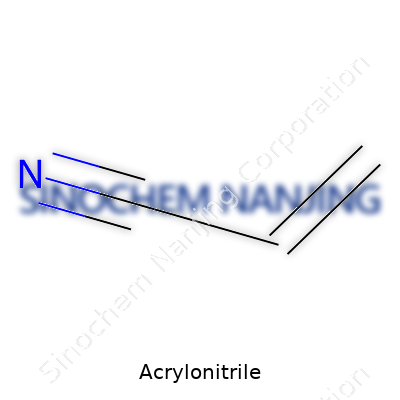
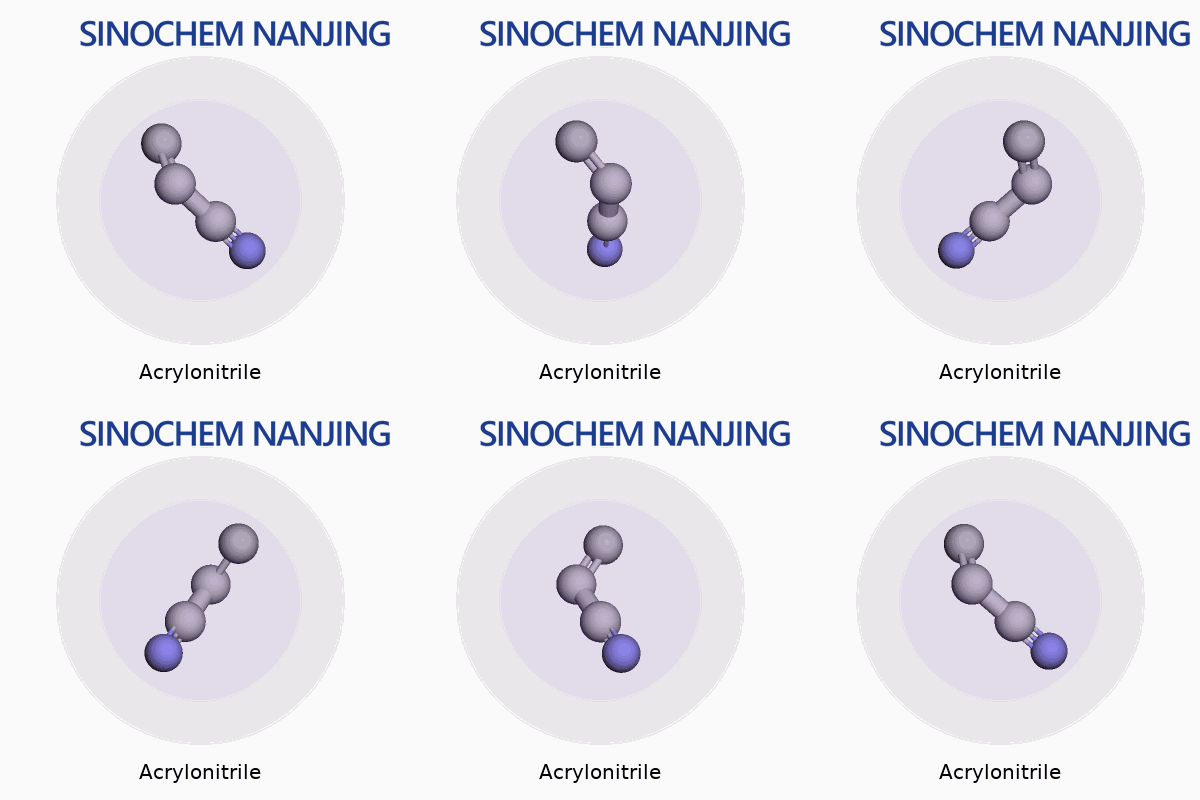
| Names | |
| Preferred IUPAC name | prop-2-enenitrile |
| Other names |
2-Propenenitrile Vinyl cyanide ACN Propenenitrile Cyanole Cyanoethylene |
| Pronunciation | /ˌæ.krɪ.ləˈnaɪ.trəl/ |
| Identifiers | |
| CAS Number | 107-13-1 |
| Beilstein Reference | 635963 |
| ChEBI | CHEBI:30664 |
| ChEMBL | CHEMBL14238 |
| ChemSpider | 5369 |
| DrugBank | DB11662 |
| ECHA InfoCard | 03f5983a-7a37-42cc-b2d7-dd2e09b4a7a0 |
| EC Number | 200-835-2 |
| Gmelin Reference | 577 |
| KEGG | C01416 |
| MeSH | D001019 |
| PubChem CID | 7855 |
| RTECS number | AT5250000 |
| UNII | J245Q00B9N |
| UN number | 1093 |
| Properties | |
| Chemical formula | C3H3N |
| Molar mass | 53.06 g/mol |
| Appearance | Colorless to pale yellow liquid with a pungent odor |
| Odor | faintly aromatic |
| Density | 0.806 g/cm³ |
| Solubility in water | 7.45 g/100 mL (25 °C) |
| log P | -0.06 |
| Vapor pressure | 3.73E+4 mmHg at 25 °C |
| Acidity (pKa) | 25.0 |
| Basicity (pKb) | pKb = 11.4 |
| Magnetic susceptibility (χ) | -12.2e-6 cm³/mol |
| Refractive index (nD) | 1.391 |
| Viscosity | 0.31 mPa·s (at 25°C) |
| Dipole moment | 4.14 D |
| Thermochemistry | |
| Std molar entropy (S⦵298) | 176.2 J·mol⁻¹·K⁻¹ |
| Std enthalpy of formation (ΔfH⦵298) | ΔfH⦵298 of Acrylonitrile = 73.1 kJ/mol |
| Std enthalpy of combustion (ΔcH⦵298) | −1974 kJ/mol |
| Pharmacology | |
| ATC code | V09XX04 |
| Hazards | |
| GHS labelling | GHS02, GHS06, GHS07, GHS08 |
| Pictograms | GHS02,GHS07,GHS09 |
| Signal word | Danger |
| Hazard statements | H225, H301, H311, H315, H319, H331, H335, H341, H350, H373, H400 |
| Precautionary statements | P210, P261, P273, P280, P301+P310, P303+P361+P353, P304+P340, P308+P313, P403+P233, P501 |
| NFPA 704 (fire diamond) | 3-4-2-Health |
| Flash point | 2 °C (36 °F, closed cup) |
| Autoignition temperature | 481°C |
| Explosive limits | 3% - 17% (in air) |
| Lethal dose or concentration | LD50 oral rat 78 mg/kg |
| LD50 (median dose) | LD50 (median dose) of Acrylonitrile: 78 mg/kg (oral, rat) |
| NIOSH | RN4025000 |
| PEL (Permissible) | 2 ppm |
| REL (Recommended) | 10 ppm |
| IDLH (Immediate danger) | 85 ppm |
| Related compounds | |
| Related compounds |
Acetonitrile Methacrylonitrile Acrylic acid Acrylamide Propionitrile Butyronitrile |



