Looking Closer at 2-Nitrophenetole: Past, Properties, and Prospects
Historical Development
Chemistry often moves forward through bursts of curiosity and the stubbornness needed to see experiments through. 2-Nitrophenetole, a compound rooted in the late nineteenth-century laboratories, shows how early organic chemists shaped modern industrial chemistry. Back then, aromatic nitro compounds powered advances in dyes, explosives, and pharmaceuticals. Recipes scribbled out on stained pages tell of small glassware and open flames, long before bench safety routines. The isolation and characterization of 2-Nitrophenetole—an aromatic ether with a nitro group—signaled not the start of something world-altering by itself, but a piece of the enormous puzzle. Industry demand for nitroaromatics grew with textile dye manufacturing and military supply chains. Each compound in this family, including 2-Nitrophenetole, landed in the spotlight as synthesis methods improved and analytical tools let chemists dig deeper into structure and reactivity.
Product Overview
Anyone working with 2-Nitrophenetole can tell how it slots into a group of versatile intermediates used to build flavors, fragrances, and pharmaceuticals. Its role isn’t headlining. Rather, it anchors certain reaction schemes. Production never reached the scale of aniline or nitrobenzene, but it’s a reliable cog in specialty chemical sectors. Whether filtering through the columns of analytical chemistry or helping kick off multi-step syntheses, this compound continues to find demand, albeit within a small, specialized niche.
Physical & Chemical Properties
Liquids like 2-Nitrophenetole carry a clear amber hue and a modest, sometimes sweet odor—a characteristic pointing toward its aromatic ether backbone. Easily mistaken for related compounds without proper analysis, it boils at about 273-275 °C and displays moderate solubility in organic solvents. Its chemical structure puts the nitro group at the ortho position relative to the ethoxy group on the benzene ring, impacting reactivity toward further substitution and reduction. The nitro group draws electrons, making the ring less reactive in some reactions yet a viable candidate for reduction or substitution by nucleophiles. Handling the compound means paying attention to volatility and the risks associated with the nitro group, especially considering its presence in energetic materials.
Technical Specifications & Labeling
Regulatory standards call for clarity, but most chemists base expectations on purity—typically upwards of 98% for research or production use. Labels carry the standard CAS number (93-89-0), hazard pictograms, and risk phrases mandated by global frameworks. Containers used in research settings often carry batch numbers, synthesis routes, and expiry dates to support traceability in every step. Experience on the bench reminds me these details matter plenty—one label misread can set back weeks of work.
Preparation Method
Synthesis of 2-Nitrophenetole typically starts with o-nitrophenol and runs through an ethylation process, usually employing ethyl halides or ethyl sulfate. The process requires strong bases under anhydrous conditions to encourage the ether linkage, preferably in a solvent that doesn’t participate in side reactions. Older records mention copper as a catalyst and reported yields hovering around seventy percent after careful distillation. Scaling up these reactions requires sturdy glassware and controlled cooling due to exothermic steps, a practical consideration overlooked by the unwary. Even after all this, purification still stands as a gatekeeper, with the faintest impurity complicating downstream reactions.
Chemical Reactions & Modifications
2-Nitrophenetole reacts predictably as chemists have learned over generations. The nitro group accepts reduction readily, producing o-ethoxyaniline, which branches further into dyes and pharmaceuticals. Nucleophilic substitution favors positions guided by the directing effects of its substituents. Some research groups explore further nitration or halogenation, but the reaction rates and outcomes vary based on the combined effects of steric hindrance and electronic withdrawal. Laboratory stories include plenty of tales about runaway reductions and careful titrations to avoid byproducts, a sign that experienced hands serve a chemist better than even the most thorough literature review.
Synonyms & Product Names
Chemists use a handful of names for this compound based on their era and discipline. “O-Nitrophenetole” and “2-Ethoxy-nitrobenzene” usually surface in both older literature and modern catalogs. Synonymity reduces confusion in theory, but in the field, precise CAS numbers and chemical diagrams keep mix-ups at bay. Some companies in fragrance chemistry label it as “2-Nitroanisole,” reflecting historic naming conventions from early European texts.
Safety & Operational Standards
Handling aromatic nitro compounds always brings a degree of caution. Splashes on skin stain yellow and prompt races to the shower. Inhalation of vapors brings headaches, skin contact triggers irritation, and ingestion causes far more severe symptoms, even with the relatively low acute toxicity of 2-Nitrophenetole compared to its wilder cousins. Labs enforce strict PPE: gloves, eye protection, fume hoods running at full tilt. Waste disposal requires dedicated bins and careful attention to incompatibilities, especially with heat and reducing agents. Lessons from spills teach the value of good ventilation and quick action. Even small volumes left open on the bench let off vapors sharp enough to make passers-by wince.
Application Area
2-Nitrophenetole finds its strongest utility as an intermediate in flavor and fragrance chemistry, where controlled transformations convert it into compounds with desirable aromas. Dye manufacturers once drew from a deep pool of nitroaromatic intermediates, and today, the compound still supports the synthesis of specialty colorants. Researchers in pharmaceuticals pass through it on the way to targeted molecules, sometimes investigating its functional group transformations or using it as a scaffold for library construction. Its proven track record as a synthetic stepping-stone outweighs any direct application in consumer products. The routes and rationales vary, but the goal remains the same: generate diversity where structure counts the most.
Research & Development
The lure of new reactions and synthetic shortcuts keeps chemists busy, and 2-Nitrophenetole features in both basic and applied research agendas. Recent years saw teams experimenting with greener synthesis methods—using milder bases, catalysis under microwave irradiation, or ionic liquids to reduce waste streams. Graduate students dig through reaction schemes, swapping solvents and reagents to raise yields and cut down on byproducts. Pharmaceutical research sometimes circles back to this compound, asking whether modifications could deliver new antifungal or antimicrobial agents. Collaboration across universities and industry aims to see how more sustainable production aligns with modern-day regulation and environmental concerns. Results, sometimes esoteric, feed back into the molecules that reach the next stage in a longer synthetic journey.
Toxicity Research
Impact on health takes center stage in chemical safety debates. 2-Nitrophenetole never earned a reputation as a high-risk chemical like nitrobenzene or dinitrotoluene, but its toxicity won’t let its users drop their guard. Research indicates mild acute toxicity—studies on rodents suggest moderate LD50 values, with chronic exposure risking methemoglobinemia and organ stress. On the environmental side, aromatic nitro compounds resist biodegradation, raising questions about waste management in large-scale operations. Regulatory agencies mandate detailed risk assessments and waste tracking, especially for labs or plants near water sources. My own worry leans toward the potential for underestimating risks in low-volume labs, where few bottles can slip under the radar. Safety culture starts in training and grows from honest reporting of near-misses and accidents shared up and down the food chain.
Future Prospects
Green chemistry and the push for sustainable manufacturing spur exploration into alternatives for old reaction schemes, but compounds like 2-Nitrophenetole keep a seat at the table for specialized applications. As new catalysts and reaction conditions evolve, there’s real potential for rethinking established synthetic routes, shrinking waste, and lowering risks to both workers and ecosystems. Synthetic biology and engineered enzyme pathways float around as buzzwords in academic circles; eventually, some of these tools might offer cleaner access or even biotransformations for nitroaromatics. Until then, disciplined application, stricter oversight, and better communication between researchers, regulators, and manufacturers will keep progress moving without sacrificing health or safety. The role of 2-Nitrophenetole, small but steady, likely won’t fade from laboratory shelves anytime soon, especially where niche applications demand precision and reliability.
What is 2-Nitrophenetole used for?
The Chemical With A Personality
2-Nitrophenetole has a strange kind of charm if you spend enough time around chemicals. This yellowish liquid carries a sharp, medicinal smell and grabs attention in any lab. Its real use, though, stays a bit hidden outside of chemical circles. It’s not a household word, but it still shapes bits of life behind the scenes.
The Backbone In Dye Industries
People who work in the dye trade know it as a basic starting block. 2-Nitrophenetole makes itself useful by giving up its nitro group and stepping quietly into the background after making more colorful molecules possible. Aromatic nitro compounds have a knack for bringing bright, stable coloration to everything from clothing to plastics to automotive coatings. This chemical shows off its strength in holding color through the toughest washing and daily wear.
The Pharmaceuticals Pipeline
Most drugs have a long story before they reach the pharmacy shelf. 2-Nitrophenetole doesn’t often end up in the final pill, but it plays a vital part in the early chapters. Chemists use it to build other more complex molecules. These steps turn crude organic compounds into something that fights infection, soothes pain or helps a body recover. Lab old-timers tell me that cutting corners in synthesis never ends well—each stage matters, and intermediates like this one keep new drugs possible.
Working With Agrochemicals
Farmers depend on chemical tools to protect crops. Pesticides and herbicides often begin their journey cradled in molecules like 2-nitrophenetole. Reacting in the right way lets it help create active agents that reduce infestations or weeds without harming the harvest. I remember walking through fields with crop scientists and seeing how much work goes into safe and effective protection. These synthetic steps don’t get headlines, but the payoff at harvest is real.
The Laboratory Perspective
Researchers love this compound for its flexibility. Its structure makes it a go-to tool in research exploring new ways to shape organic compounds. It’s common to see lab notes scribbled with its abbreviation as new reactions are tested and catalogued.
Safety Isn’t An Afterthought
Handling 2-nitrophenetole requires a careful hand. At high exposures, it can cause health problems, so professionals manage it with gloves, goggles, and lots of ventilation. I’ve seen lab partners learn this the hard way—taking smells and rashes seriously keeps everyone healthy. Companies must keep to legal standards on disposal and workplace air levels. Mistakes can lead to fines or accidents, so staying vigilant is key.
Looking Toward Greener Chemistry
Society asks more of chemical producers every year. Green chemistry means searching for replacements that work just as well but produce less waste or risk. There’s hope for bio-based or more sustainable alternatives, but until those options perform just as reliably, 2-nitrophenetole keeps its place in the toolbox. Innovation isn’t just about the newest miracle; sometimes it means improving old standbys so they pose less risk to people and planet.
Wrapping Up
2-nitrophenetole doesn’t show up in everyday conversation, but if you’re wearing colorful clothes, driving a car, or taking medicine, you see its hand at work. Behind every useful industry, invisible chemicals like this one keep the world running—often with a mix of caution and creativity.
What is the chemical formula of 2-Nitrophenetole?
Digging Into 2-Nitrophenetole
Every molecule tells a story, and 2-Nitrophenetole stands out in the conversation around chemical structure and function. As someone who studied organic chemistry late into the night, seeing scribbles of nitro groups and aromatic rings cluttering up my notebooks, I always found real clarity through simple formulas and a tactile approach. 2-Nitrophenetole is basically an anisole, but swap one hydrogen at the ortho position with a nitro group and you’ve got a compound with a specific set of properties and uses.
What’s in the Name: The Formula Revealed
A clear understanding starts by breaking down the name. The “phenetole” comes from the core molecule, an anisole derivative, with an ethoxy group attached to a benzene ring. In this specific variant, a nitro group (-NO₂) sits at the second (ortho) position on the ring. Put it together, and you’re looking at C8H9NO3 as the chemical formula.
Getting the formula right matters. It isn’t just about keeping a textbook tidy; it dictates everything from the compound’s reactivity to its potential health impacts. A single misplaced group changes solubility, toxicity, and how something breaks down in the environment. In labs, industry, or environmental monitoring, a formula acts like an address—show up at the wrong house, and nothing good happens.
Why This Chemical Deserves Attention
Many nitroaromatic compounds serve as building blocks in dyes, pharmaceuticals, and even pesticides. 2-Nitrophenetole pops up as an intermediate—sometimes exposed to folks working in synthesis labs or even in certain industrial settings. Knowing its chemical makeup helps people anticipate hazards. For example, inhaling nitro compounds has real health implications. Long ago, I learned about the subtle mud-yellow stains nitro compounds left on gloves—or more critically, on skin, which could signal exposure far before air monitors went off.
Environmental impact looms large, too. Compounds like 2-Nitrophenetole need special handling because nitro groups raise red flags for persistence and toxicity. If spilled or improperly disposed, 2-Nitrophenetole doesn’t just vanish; it sits around, potentially leaching or affecting water sources. This matters in regions where chemical runoff turns into real-world headaches for neighbors, farmers, and local wildlife.
Moving Toward Safer Practices
People who handle or regulate chemicals benefit from transparent, easy-to-access information. Easy labeling using the correct formula—C8H9NO3—reduces confusion on the job. I’ve seen what mistakes do, even in controlled environments: mislabeled bottles, incompatible storage, accidental mixing. Safety training drills this in, but the basics—knowing what sits in each flask or drum—comes first.
Cutting exposure risk and finding greener routes to these chemicals feeds into bigger goals. Newer synthesis methods aim for less waste and safer intermediates. These steps don’t just protect lab techs and factory workers; they keep communities and water ecosystems safer, too. Real progress relies on returning to the foundations—clear formulas, vetted data, and steady respect for what each molecule brings.
What are the safety precautions for handling 2-Nitrophenetole?
Understanding the Substance
2-Nitrophenetole shows up in plenty of advanced chemical procedures and research work. The sweet smell can trick you into underestimating its hazards, but this chemical deserves a careful approach. It’s toxic if inhaled or swallowed, and it can irritate the skin and eyes with only minor exposure. Accidents have shown that a little oversight leads to big problems. Anyone working with this chemical must understand what slips through the gaps when handling practices fall short.
Personal Protective Gear
Nobody likes wearing extra layers, especially in a busy lab, but proper gloves, lab coats, and safety glasses hold back most of the danger. Nitrile gloves stand up well to 2-Nitrophenetole. Even though it’s tempting to skip protective eyewear for “quick” transfers, there’s no substitute. This chemical vaporizes at room temperature, releasing fumes whether you see them or not. Splash goggles and, in case of regular exposure, face shields, let you focus on your work instead of worrying about a sudden splash or vapor cloud. Respirators become essential in confined areas or if large quantities wind up out in the open. It’s wise not to trust that a fume hood alone will do the job—airflow changes in ways you can’t always predict.
Work Habits that Matter
Designated work areas cut risk down dramatically. Years in the lab taught me that cleaning as you go prevents surprise spills. Keep only what’s needed on the bench—never store extra vials outside the proper cabinet. It doesn’t take a major event to cause serious harm. A cracked glass bottle or leaky pipette can release enough vapors to trigger headaches or worse. Always keep 2-Nitrophenetole bottles sealed, and work under a fume hood, not somewhere close by “just for a second.” Experience shows that shortcuts fill accident logbooks.
Ventilation and Storage
Good ventilation leads to fewer accidents. All the top-performing labs rely on regularly inspected fume hoods and well-placed exhaust systems. Neglected hoods or small fans don’t cut it; vapor concentrations rise fast in closed rooms. Store 2-Nitrophenetole away from incompatible substances. Keep acids, reducing agents, and flammables on a separate shelf or cabinet, preferably locked. Invest in chemical-resistant containers and make sure every bottle sits upright, tightly closed, and clearly labeled with bold letters. Faded labels have confused even veteran staff, setting the stage for costly mix-ups.
Cleanup, Spills, and Disposal
Spills hit fast, and practicing the right response makes a world of difference. Spill kits stocked with absorbent pads, gloves, and respirators must stay close at hand. The process starts with evacuating unnecessary personnel, then using absorbents and not letting the liquid pool or track across surfaces. After cleanup, disposed materials must go in a labeled waste drum for hazardous chemicals—not the regular trash. Pouring residues down the drain, even in tiny amounts, risks fines and long-term contamination of water sources.
Training Makes the Difference
No equipment replaces hands-on training. Watch an experienced chemist work and you’ll notice small but vital habits: double-checking labels, never working alone, and keeping the emergency shower station clear. These details come from hard-earned lessons and save time, money, and health. Regular safety refreshers improve awareness, especially for newer colleagues. Real stories from past incidents stick with people more than rule books alone.
Fixing Weak Points
Open conversations about near-misses help everyone refine safe practices. Encourage honest reporting of spills, no matter how minor. Leadership should make sure nobody feels pressure to rush, skip gear, or hide mistakes. Creating a solid safety culture lowers risks across the board and builds trust. 2-Nitrophenetole reminds us—by experience more than by theory—that every step in handling matters for everyone involved.
What is the appearance and odor of 2-Nitrophenetole?
A Closer Look at 2-Nitrophenetole
Anyone who’s spent time in a chemistry lab knows that appearance and smell often give away more about a substance than a complicated analysis. Take 2-Nitrophenetole. This compound shows up as a pale yellow oily liquid. Not the most eye-catching color but not forgettable either. Its oiliness almost makes it slide away from every surface it touches—glass, gloves, even the inner lining of a storage bottle.
Consumer products rarely contain substances like this out in the open, yet for folks in science or industry, it matters to recognize it on sight. I remember my first encounter with an open bottle left behind in the lab. Without even picking it up, the light yellow tint caught my attention. For something as simple as organic chemistry practicals, being able to tell one oily aromatic compound apart from another could be the difference between a good result and a hazardous mistake.
The Odor Experience
Now onto smell, which tells another part of 2-Nitrophenetole’s story. It has a sweet, aromatic odor—one that’s not outright unpleasant, but lingers in the air longer than you might hope. Imagine artificial almond mixed with something harsher, almost bordering on the edge of what’s bearable. Anyone sensitive to chemical scents will notice how it tends to stick in your nostrils, even after leaving the lab. Not as offensive as some other nitro compounds, but not something you’d want to use as a room freshener, either.
For safety, handling this compound with care is a must. Inhaling too much of any aromatic nitro compound can make you feel lightheaded or queasy. I won’t forget the time I underestimated how strong a few drops could be until I worked right above the open bottle all morning. A small lab with poor ventilation can make the scent build up fast.
Why These Characteristics Matter
Sure, on the surface, these traits can seem trivial. But the color and the smell offer a practical, real-world way to confirm you’re working with the right material. Many mistakes start with mixing up chemicals, especially when some look similar on paper but behave differently in reality.
Beyond just preventing blunders, the sense of smell is a frontline defense. A sudden whiff that’s out of place can hint at a leak or a spill. The yellow tint lets you check at a glance if what’s supposed to be clear is suddenly tainted. Getting familiar with how substances like 2-Nitrophenetole look and smell goes a long way in keeping experiments and storage safe.
Solutions and Improvements for Handling
It’s tempting to rely only on labels or paperwork, but direct observation still matters. Make it a habit to check color and clarity before using any liquid, not just nitro compounds. Use chemical fume hoods—never underestimate how much a few molecules of vapor can affect you, especially in a closed room. Simple tools, like well-fitting gloves and goggles, prevent accidents when a sticky, oily compound refuses to wash off your skin.
Educating students and researchers with hands-on training about these physical clues builds better safety habits. If storage bottles show unexplained changes in color or if a container’s aroma grows stronger, don’t shrug it off. Report oddities and double-check with a supervisor or a colleague.
Anyone working regularly with 2-Nitrophenetole should store it away from direct sunlight and heat, as these can change its chemical properties or volatilize it, making its odor much more pronounced. With simple vigilance and a willingness to engage your nose and eyes as well as your brains, the risks shrink and the rewards of working in a lab stay within reach.
How should 2-Nitrophenetole be stored?
Looking Out for Hidden Risks in Everyday Chemistry
Anyone who’s spent time around a chemistry lab knows that a few simple habits can make all the difference between a safe workspace and a recipe for disaster. 2-Nitrophenetole sounds like another textbook chemical, but this compound deserves respect—especially on the storage shelf. Inexperienced eyes might see pale yellow liquid, bottle, label. Real experience means looking beyond the surface. Chemistry has a way of testing those who cut corners, and overlooked risks have a nasty habit of turning up when you least expect.
The Real Hazards: Why Extra Care Beats Regret
It’s not the wildest molecule around, but 2-nitrophenetole brings some baggage. Vapors irritate the nose and lungs. This stuff burns—it doesn’t just smolder—so spilling it around a heat source spells trouble. On top of that, liquid leaks find their way onto skin or clothes, causing irritation. That handful of lab stories passed around after hours? They’re warnings, not myths.
Once, I worked with a team that thought a regular glass jar worked fine for storing extra chemicals. We came back the next morning to strong chemical odors and sticky residue on the countertop. Turns out, the cap hadn’t sealed right, and the liquid slowly seeped out. We spent the afternoon ventilating, cleaning, and double-checking all our other bottles. That day cost us more than we saved.
Common-Sense Storage Steps That Protect Everyone
Store 2-nitrophenetole in a solid, tightly closed glass container, away from metal shelving. Steel and some alloys can sometimes react with or corrode from chemical fumes over time, which weakens shelves and increases the risk of leaks. I prefer containers marked with chemical resistance codes—the manufacturer’s paperwork offers a good clue. No one trusts a cracked cap or plastic bottle from an anonymous supplier.
A good spot: a well-ventilated, cool area, shielded from direct sunlight. Light speeds up chemical breakdown and can turn a shelf-stable compound into something far dicier. I stick to temperatures below room temp, but frost-free fridges or cool cabinets work in smaller labs. Heat, once it gets in, speeds up evaporation and brings fire risk higher up the list. Prolonged warmth can even kick-start slow chemical changes, making old bottles unreliable.
Some chemicals love to mix. 2-nitrophenetole does not. Keep oxidizers, acids, and bases far away from this bottle. In moments of distraction, mistakes happen—one wrong reach and containers could swap places. Segregated storage isn’t just paperwork for the regulations; it keeps accident rates low. My shelves use color-coded trays, so anyone in the lab can tell what fits where. New folks in our lab learn this code before they ever get a key.
Labeling, Inventory, and Taking Responsibility
Chemical labeling isn’t just for inspectors. Too many labs hide nearly blank bottles or faded handwriting. My lab uses labels with bold text—product name, hazard warnings, and purchase date. We log every bottle: amount in stock, where it sits, and who ordered it. No mystery bottles, no guessing. That means issues get caught before they reach the workbench.
Routine checks spot leaks or swelling. Pro tip—never trust an old bottle unless you can confirm where it came from and when. Waste gets removed every month. Too many old chemicals mean extra risk, and nobody wants to sort out an accident after the fact.
Experience Beats Guesswork
Textbooks lay out the basics, but actual work shapes what sticks. Simple routines—double-checking seals, updating labels, storing bottles by risk—save trouble in the long run. Everyone in the lab, from the newest student to the most seasoned professional, has a part in keeping toxic vapor, accidental spills, and fire away from the bench. Years of sweat, stings, and the rare near-miss drive home the lesson: safe storage isn’t optional.
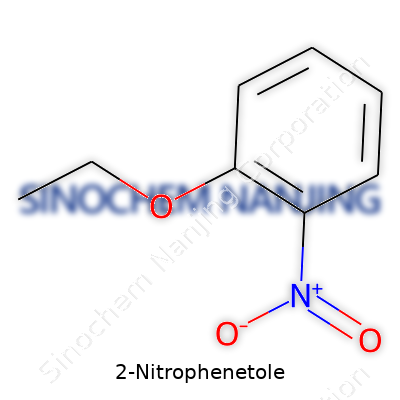
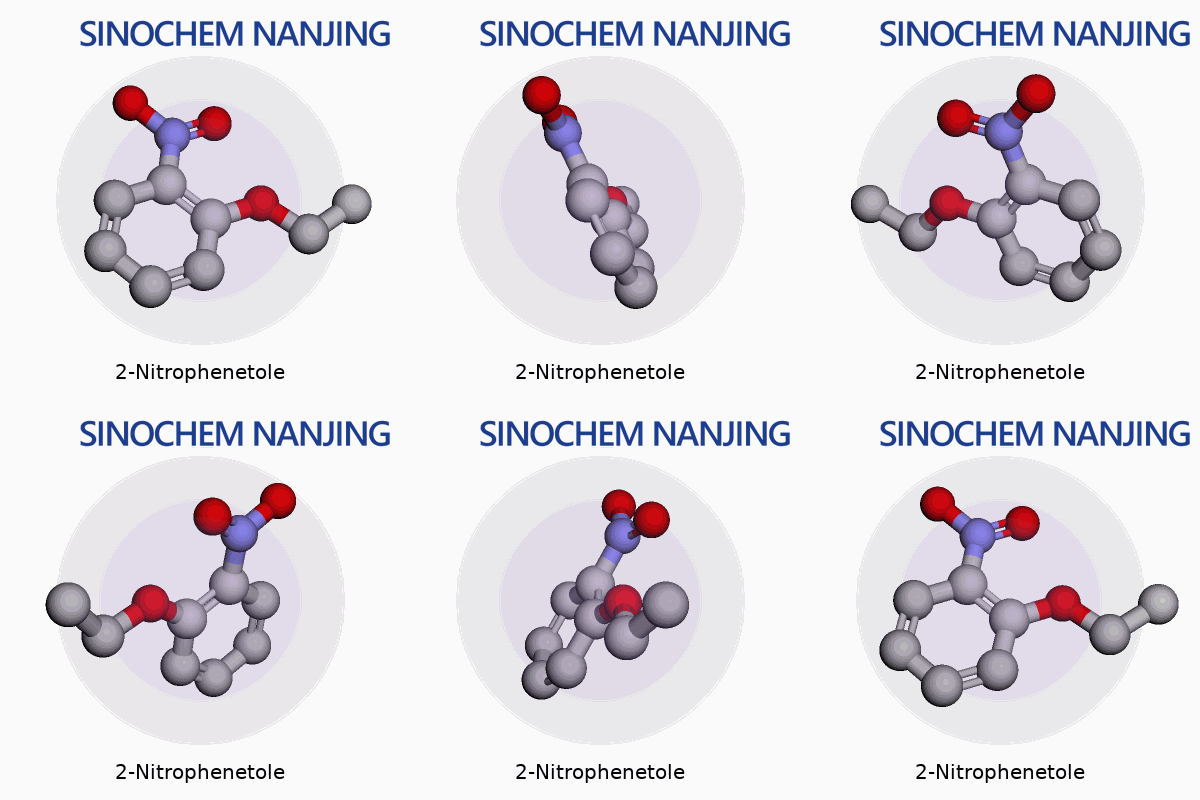
| Names | |
| Preferred IUPAC name | 1-ethoxy-2-nitrobenzene |
| Other names |
o-Nitrophenetole 2-Methoxy-1-nitrobenzene 1-Nitro-2-methoxybenzene |
| Pronunciation | /tuːˌnaɪtrəʊfəˈniːtəʊl/ |
| Identifiers | |
| CAS Number | 93-16-3 |
| Beilstein Reference | 1207931 |
| ChEBI | CHEBI:77512 |
| ChEMBL | CHEMBL135326 |
| ChemSpider | 11750 |
| DrugBank | DB04274 |
| ECHA InfoCard | 100.007.508 |
| EC Number | 209-396-0 |
| Gmelin Reference | 105957 |
| KEGG | C14471 |
| MeSH | D009621 |
| PubChem CID | 7037 |
| RTECS number | SJ8925000 |
| UNII | 3A2J2ZI012 |
| UN number | UN1663 |
| CompTox Dashboard (EPA) | C007284 |
| Properties | |
| Chemical formula | C8H9NO3 |
| Molar mass | 153.15 g/mol |
| Appearance | Light yellow liquid |
| Odor | weak, pleasant |
| Density | 1.196 g/cm³ |
| Solubility in water | slightly soluble |
| log P | 1.98 |
| Vapor pressure | 0.01 mmHg (25°C) |
| Acidity (pKa) | 13.98 |
| Basicity (pKb) | 9.47 |
| Magnetic susceptibility (χ) | -76.0×10⁻⁶ cm³/mol |
| Refractive index (nD) | 1.583 |
| Viscosity | 1.32 mPa·s (20 °C) |
| Dipole moment | 3.85 D |
| Thermochemistry | |
| Std molar entropy (S⦵298) | 170.6 J·mol⁻¹·K⁻¹ |
| Std enthalpy of formation (ΔfH⦵298) | -13.2 kJ/mol |
| Std enthalpy of combustion (ΔcH⦵298) | -4644.2 kJ/mol |
| Hazards | |
| GHS labelling | GHS02, GHS07, GHS08 |
| Pictograms | `GHS07` |
| Signal word | Warning |
| Hazard statements | H302, H315, H319, H332 |
| Precautionary statements | P210, P233, P240, P241, P242, P243, P261, P264, P271, P301+P310, P302+P352, P304+P340, P305+P351+P338, P311, P312, P321, P330, P337+P313, P362, P370+P378, P403+P235, P405, P501 |
| NFPA 704 (fire diamond) | 2-2-0 |
| Flash point | > 113 °C |
| Autoignition temperature | 540°C |
| Explosive limits | Explosive limits: 1.7–9.8% |
| Lethal dose or concentration | LD50 (oral, rat): 670 mg/kg |
| LD50 (median dose) | LD50 (median dose) = 1750 mg/kg (rat, oral) |
| NIOSH | NA0160000 |
| PEL (Permissible) | Not established |
| REL (Recommended) | 2–8°C |
| IDLH (Immediate danger) | 100 mg/m3 |
| Related compounds | |
| Related compounds |
Anisole o-Nitroanisole p-Nitroanisole 2-Nitrophenol 2-Nitroanisole 4-Nitrophenetole 2-Nitroanisidine |



