2-Butoxyethyl Acetate: More Than Just a Solvent
A Look Back: The Path to 2-Butoxyethyl Acetate
I remember reading stories from industry veterans about the postwar push for better industrial chemicals, and 2-Butoxyethyl Acetate stood out in those tales. As people started chasing higher performance paints and coatings, they needed a way to dissolve both resins and oils without everything turning gluey and unusable. 2-Butoxyethanol had already made some noise for its cleaning power, but the acetate version picked up trade and caught on fast. It granted painters and manufacturers more flexibility and less frustration with gunked-up machinery. A blend of chemistry and market demand put this solvent on lab shelves and into factories, quietly building up an indispensable resume for coatings, inks, and cleaning products.
What Sets 2-Butoxyethyl Acetate Apart
To someone working with coatings or specialty chemicals, this compound is nothing if not practical. Known under names like Ethylene glycol monobutyl ether acetate or Butyl cellosolve acetate, it goes beyond a simple solvent. What makes it practical for coatings is its ability to soften stubborn resins while extending drying times, which leads to stronger finishes and fewer defects. Chemically, it’s an ester, formed from butoxyethanol and acetic acid, clear and colorless, with a faint sweet smell that hints at its volatile nature.
Physical and Chemical Hallmarks
Anyone who’s handled 2-Butoxyethyl Acetate in an industrial setting can describe its combination of moderate evaporation rate, low volatility, and stable boiling point around 192°C. Pour some into a beaker and it won’t disappear before your eyes like acetone, nor will it hang around for days. Painters value this balance—it levels out paint flow, gives more time for brushing or spraying, and prevents premature drying. Its low water solubility keeps it from picking up too much moisture, so coatings stay smooth instead of hazy. At the molecular level, its structure includes both a polar ether and a nonpolar ester group, so it interacts with diverse chemical families.
Getting Technical: Specifications and Labeling
Walking into a chemical storage room, you’ll see containers marked by purity, typically above 99%, and labeled according to safety codes. The purity matters when coatings turn sensitive or formulators develop new blends for clients with strict specs. Regulatory labels show hazards—flammability, potential for health effects, rules for ventilation. Batch numbers and production dates help trace origins, supporting quality control if anything goes sideways in use.
Crafting 2-Butoxyethyl Acetate: The How
The recipe behind this solvent aims for simplicity yet calls for care. Manufacturers react 2-Butoxyethanol and acetic acid, often with an acid catalyst. Easy to describe, but the practical execution runs into challenges with temperature, catalyst choice, and removal of water byproducts. That’s where experience comes in: too much heat or improper catalyst, and you’ll get unwanted side reactions or incomplete conversion. Precision helps improve yield, cut waste, and manage energy bills—a priority for large-scale producers.
Chemical Reactions and Ways to Tweak
In the lab, 2-Butoxyethyl Acetate holds up well under normal conditions, but strong bases hydrolyze the ester, bringing you back to butoxyethanol and acetic acid. This matters if you’re formulating cleaners where caustic soda enters the picture, or if waste handling needs neutralization. For custom applications, chemists might modify this backbone, but the most common path stays with the original acetate—trusted in paints, inks, and degreasers. Knowing how and when it breaks down helps inform cleanup and waste management decisions.
Label Jargon: Synonyms and Trade Names
One thing that confuses new hands in the chemical trade is the list of synonyms packed onto a single label: Ethylene glycol monobutyl ether acetate, EGBEA, Butyl cellosolve acetate, or sometimes simply BCA. Keeping track of these matters more than a person figures at first glance; a shipping invoice might use one, while a safety sheet uses another. In practice, all roads lead back to the same molecular beast, but cross-checking prevents mix-ups and ensures the right stuff lands on the right truck.
Safety and Responsible Operations
Having spent time in workshops and production sites, I’ve seen the safety culture grow around solvents like this one. 2-Butoxyethyl Acetate has earned respect because exposure can irritate skin and eyes and hit the nervous system with enough fumes. Good workplaces move beyond token labels—they run exhaust fans, use gloves and goggles, and monitor air quality with sensors and regular checks. Stories among painters and cleaners travel fast: headaches, nausea, and minor mishaps serve as constant reminders to be careful. Regulations, especially in North America and Europe, demand closed systems and strict air emission controls. Even bottles destined for schools or DIY stores come with usage and disposal directions, driving home the point that handling with care isn’t optional.
Where It Really Matters: Application Areas
From the inside of an automotive shop to towering buildings getting repainted, 2-Butoxyethyl Acetate handles the tough stuff. Its knack for blending both water-based and oil-based resins makes it a go-to for complex coatings that face weather and abrasion. It shows up in printing inks, adhesives, and some specialty cleaners, finding value where stubborn stains or demanding binders don’t surrender easily. Over the years, it’s become the solvent of choice for manufacturers who want a smooth finish, enhanced gloss, and trouble-free application—qualities clients notice in the final product, even if the solvent itself is gone by the time anyone takes delivery.
Chasing Progress: Research and Development
As environmental rules tighten and consumer awareness grows, researchers dig deeper into making solvents safer and cleaner. The focus has drifted toward bio-based versions that promise less toxicity, lower VOC emissions, and better life-cycle footprints. Chemists experiment with modifying the raw butoxyethanol or the acetic acid source, testing renewable feedstocks, and adjusting formulations to satisfy both performance and sustainability. Real progress sometimes comes in tiny steps—a tweak to reaction conditions, a new additive, or automated monitoring systems that reduce waste and worker exposure. Professional forums fill with discussions on process optimization, energy efficiency, and end-of-life recovery, especially as circular economy thinking takes hold.
Toxicity and Human Health: What’s at Stake
The early days saw less worry about health risks, but years of research revealed real concerns for those most exposed. Studies pinpoint breathing issues, skin problems, and effects on red blood cells with chronic overexposure. Most people brushing on a coat or cleaning up a spill are unlikely to face big risks if they ventilate well and use protective gear. Still, history teaches hard lessons—small lapses add up, especially for production workers in closed spaces or with repeated exposure. Regulatory agencies, including OSHA and the EU’s REACH, base controls on this growing evidence, pushing industry to use less, swap in safer chemicals, or automate handling wherever possible.
What Comes Next: The Future for 2-Butoxyethyl Acetate
Industry momentum is shifting, even for standard bearers like this solvent. As demand for eco-friendlier alternatives goes mainstream, companies juggle tradition and innovation. Research points to less toxic, biodegradable solvents, sometimes with performance nearly matching traditional choices. Recyclable packaging, better engineered ventilation, and robotic application systems aim to cut both emissions and human contact. For now, 2-Butoxyethyl Acetate won’t vanish from the scene—it’s built too much trust and reliability. But students, scientists, and smart manufacturers keep hunting for options that balance usability, safety, and a shrinking carbon footprint. In the end, this solvent’s story links the past, present, and a more responsible future.
What is 2-Butoxyethyl Acetate used for?
What It Does and Where It Goes
2-Butoxyethyl acetate shows up wherever things need cleaning, coating, or thinning. Factories that make paints, coatings, and inks use it to keep their mixtures even and easy to apply. In many professional paint shops, I see workers grabbing for cans labeled with long chemical names. This one stands out because it keeps paint smooth and workable, which helps painters reach every corner without too much effort. If you have ever painted furniture and the dried brush marks bothered you, odds are the product could’ve used a solvent like 2-butoxyethyl acetate.
Everyday Places You’ll Find It
I used to help a friend who repairs cars, and auto shops rely on this solvent for cleaning up parts and smoothing out painted finishes. Car paints might look glossy because of the pigment, but part of that shine comes from how well the paint levels out as it dries. The solvent makes sure there are no strange lumps or streaks. In factories, workers turn to it for cleaning metal surfaces before painting them. Old grease doesn’t stand a chance.
Manufacturers use it to thin or remove adhesives and sealants. Anyone dealing with mastic or industrial glues knows how infuriating sticky leftovers become. Wiping them away is much easier thanks to 2-butoxyethyl acetate.
Health and Environmental Considerations
Strong solvents bring strong effects — not just to the materials, also to the people nearby. Breathing it in can irritate your nose and throat or trigger headaches. Some of my old shop coworkers used to skip gloves, then complain when their skin got dry and cracked. That’s not just discomfort. Repeated exposure raises the risk of chemical burns or more serious health issues with the liver and kidneys. The U.S. Environmental Protection Agency has this one on its radar for workplace safety because of these risks.
Spills or improper disposal harm more than just shop floors. It doesn’t mix well with water systems, threatening wildlife and sneaking into drinking water if dumped without care. I’ve seen too many news headlines about local rivers going slick and fish dying because no one respected how stubborn these chemicals stick around.
Finding Solutions
Simple changes can make a big difference. Workers need proper respirators and gloves, not just to meet safety codes but to avoid being the next person with a trip to urgent care. Companies should invest in proper ventilation and spill containment tools, not just sweep the issue under the rug.
Some industries are testing greener solvents—those that come from bio-based materials and break down with less fuss. These alternatives work for a growing list of jobs but sometimes cost more, scaring off smaller businesses. Local governments and industry groups can help by pushing for incentives, sharing success stories, and training companies on safer substitutes.
Final Thoughts
2-Butoxyethyl acetate keeps everyday products looking sharp and working right, but it brings a load of responsibility. Living with chemicals like this means watching out for the health of both people and the planet, not just chasing a perfect finish or easy cleanup.
Is 2-Butoxyethyl Acetate hazardous to health?
Understanding the Chemical in Daily Life
2-Butoxyethyl acetate slips into the background of many routines. Used as a solvent in paints, coatings, cleaners, and inks, most people only catch a whiff of it on a freshly painted wall or while using certain industrial products. The chemical makes it easier to apply paints smoothly and helps remove stubborn residues. For many years, I worked around construction sites and industrial supply shops, and this solvent came up often without much fanfare. Folks took it for granted.
The Reality of Exposure
The smell of 2-butoxyethyl acetate hangs in the air during renovations or in some workplaces. Most don’t give it much thought. But the truth is straightforward: repeated exposure—especially without good ventilation—can hurt the body. Inhaling high levels may leave some feeling dizzy, nauseous, or struggling with headaches at the end of the day. Skin contact can dry and irritate, sometimes even causing allergic reactions. These symptoms pop up more often indoors or in spaces that trap fumes. The U.S. Centers for Disease Control and Prevention (CDC) notes cases where delayed symptoms led workers to underestimate risks and return for more exposure, putting themselves in harm’s way repeatedly.
What the Research Says
Studies from organizations like the National Institute for Occupational Safety and Health (NIOSH) have dug into the effects of 2-butoxyethyl acetate. They show that this solvent can damage red blood cells if someone soaks in too much over time. It can also put stress on the kidneys and liver. Animal research supports these findings. There are worries about long-term, low-level exposure, and these stack up over years—especially for workers in automotive painting, janitorial work, and manufacturing. No, exposure at home by itself doesn’t mean certain harm, but it shouldn’t get shrugged off either.
Protecting Ourselves in the Real World
People who work with this solvent day in and day out—painters, print shop employees, custodians—face the constant challenge of keeping exposure in check. There’s a temptation to take shortcuts, especially in fast-paced jobs. I’ve witnessed coworkers settle for a cracked mask or skip gloves that slow them down a bit. Small habits like keeping doors open, turning on exhaust fans, or using a fresh pair of nitrile gloves do more than regulations ever could. The Occupational Safety and Health Administration (OSHA) sets exposure limits for workplaces, but personal vigilance still matters most on a busy shift.
Safer Choices and Practical Steps
Switching to less toxic cleaners and paints makes a big difference. Water-based paints and solvents have come a long way and now do the same job with fewer risks. Proper storage means keeping containers tightly closed and away from heat. Reading warning labels and working in fresh air stays as basic advice, but it’s advice that works. People at home, especially anyone with young kids or pets, benefit from keeping chemicals like this out of reach and never pouring old solvent down the drain.
Why People Should Care
Health risks tied to 2-butoxyethyl acetate don’t always show up immediately. Workers pay the price for quick jobs done without protection. At home, following up on a headache after DIY chores beats ignoring it. Regular replacement of protective gear, cutting through the urge to rush, and honest conversations with employers and coworkers all push the safest habits forward. The more communities and companies talk about chemical exposure honestly, the fewer people land at the doctor's office with questions that could’ve been answered long before any symptoms appeared.
What are the safety precautions when handling 2-Butoxyethyl Acetate?
The Real Risks of This Chemical
2-Butoxyethyl acetate might show up in plenty of workplaces, especially where folks use paints, varnishes, or certain cleaning products. A lot of people, especially those new to the industry, tend to put trust in a strong fan or an open window, but that’s not going to cut it here. Breathing in the fumes even for a few hours can leave you lightheaded or with a serious headache. Prolonged exposure links to damaging blood cells, irritating the eyes, nose, and even liver over the long haul. Personal experience on a factory floor tells me, you never forget that sting in your eyes and throat if you go without protection. It can creep up quick, especially in closed spaces. Treating this chemical like something harmless can end badly.
Personal Protection: Not an Afterthought
Everyone has those days where reaching for goggles or gloves feels like a hassle. I get it—it slows things down. Still, it only takes one accident to realize leather gloves won’t stop 2-butoxyethyl acetate from soaking through and burning your skin. The right approach looks like this: always nitrile or neoprene gloves, and they need checking for holes before each use. Safety goggles should wrap around the face, protecting the eyes from both splashes and irritating vapors. Regular glasses from home won’t give you that shield. If there’s a lot of vapor or open buckets involved, a mask rated for organic solvents becomes essential. No one likes to wear these, but skipping this step can mean a hospital trip. Wearing long sleeves adds one more solid line of defense, especially for arms and wrists.
Good Ventilation—Every Shift, All Day
Every workplace tells you to “keep the area well ventilated,” though not every shop actually does it right. Exhaust fans need to move fumes out of the building, not just around. I’ve seen some folks set up box fans near a window thinking that’s enough, but for chemicals like this, local exhaust systems with ducting carry away the danger at the source. Open windows help a bit, but strong forced ventilation keeps exposure low for everyone and brings down the risk of explosions.
Handling Spills Without Panic
An unexpected spill can send workers scrambling. The best-prepared shops keep absorbent pads and chemical spill kits nearby. Trying to mop up with paper towels leads to bigger problems and more exposure. I once saw someone use rags and kick up more fumes than before—avoid this. Wet, contaminated material belongs in a sealed, labeled hazardous waste bin, never in the regular trash. Any mess on the skin calls for a long rinse at the nearest sink, not just a quick wash. Thoroughness beats speed every single time.
A Little Training Goes a Long Way
Many safe workplaces invest time in real, hands-on training. People who know the risks respond better under pressure and make smarter decisions in the moment. Posters and printed instructions help, yet nothing beats running through safety drills and asking questions. Learning to use safety data sheets, finding the right eyewash stations, and knowing emergency contacts bring up everyone’s standard—not just a few supervisors. Safety works only when it becomes everyone’s responsibility.
Moving Beyond the Bare Minimum
Some companies swap out harsh chemicals for safer alternatives, if possible, but where this isn’t realistic, doubling down on smart protocols and equipment pays off. Workers deserve the right tools and information—not just because regulations demand it, but because everyone deserves to get home in good shape. Combining solid gear, smart habits, and a watchful work culture builds a workplace where people can tackle tough jobs without putting their health on the line.
How should 2-Butoxyethyl Acetate be stored?
Why Storage Matters
Anyone who’s handled chemicals in a workshop, a factory, or even a school lab knows that storage choices make all the difference—sometimes between a smooth shift or an emergency call. 2-Butoxyethyl acetate is no exception. This clear liquid helps many industries as a solvent, but it’s not friendly stuff. It smells sweet, but those fumes aren’t just unpleasant; they can bring on headaches or worse if the room stays unventilated. Stories of leaking drums or mislabeled containers show how quickly a small mistake can cause big trouble.
Lessons Learned from Poor Storage
It only takes a cracked seal or an old drum to turn an ordinary day into a health scare. Years on the job have shown me how fast volatile solvents evaporate—leaving workers with dizziness or skin irritation. Storing 2-butoxyethyl acetate in a busy storeroom without a clear label means nobody really knows what’s inside until something goes wrong. Once, a colleague cleaned out a rusty cabinet and found three half-filled containers, some with corroded caps. Nobody could tell how old the stuff was, and the fumes were strong enough that we needed to evacuate. We learned the hard way that proper storage isn’t a box-ticking exercise—it keeps people safe from harm they might not see coming.
Simple Rules That Prevent Disaster
Secure, well-ventilated cabinets built just for flammable and volatile chemicals always come first. I’ve worked in shops where solvents sat on open shelves near heat sources—one small electrical spark could easily turn into a fire. Metal cabinets grounded to prevent static build-up and away from sunlight close the door on many avoidable accidents. Containers must be tightly sealed since vapor can escape quickly even through small cracks.
It’s tempting to reuse old soda bottles or makeshift containers, but that only invites confusion and mistakes. Original manufacturers’ labels contain vital warnings and safety details. If a container gets damaged, the right move is transfer to a proper replacement, sticking with the same clear identification. After helping with a small clean-up, I once saw a storage room where every drum had a printed card listing the date received, last use, and who checked it last—just like a library book. That simple step helped the entire team know what was fresh and what needed regular inspection.
Supporting Safe Storage with Good Habits
Strong habits keep dangers at bay. A padlock works only if the door stays closed; ventilation helps only if the fan runs. Many folks I know run drills twice a year, reminding staff where the eyewash station sits and how to use spill kits. Fire extinguishers belong nearby, not on the next floor. Everyone should understand the risks. Reading the SDS (Safety Data Sheet) isn’t just paperwork. We used to have weekly toolbox talks, sharing stories—what went wrong and what worked elsewhere. That real conversation built awareness and drove everyone to take ownership, rather than leaving safety to someone else.
Companies and home hobbyists both benefit from these lessons. Consistent labeling, secured cabinets, away from sunlight and heat, prompt disposal of outdated stock, and open communication keep both people and property protected. From my own experience, a little care now blocks a lot of headaches later.
What is the chemical formula of 2-Butoxyethyl Acetate?
Getting Clear on What 2-Butoxyethyl Acetate Actually Is
Ask anyone with a little chemistry in their background, and they’ll recognize the name right away. 2-Butoxyethyl acetate uses the formula C8H16O3. It’s built from eight carbon atoms, sixteen hydrogens, and three oxygens. Under a microscope, this stuff is a clear, colorless liquid that throws out a sweet, fruity smell—a bit like apples fresh from the tree. The backbone comes from mixing butoxyethanol with acetic acid. The result: a solvent trusted by folks handling paint, coatings, and cleaners.
Why People Care About This Chemical
Living in an area surrounded by car shops and the odd industrial warehouse, I always wondered what gave auto paint its smooth shine and why grille cleaners never left streaks. Much of it traces back to hardworking solvents like 2-butoxyethyl acetate. Workers use it because paints need to flow smoothly and dry without nagging bubbles. Radiation-curable inks also rely on this chemical to set up properly, whether on billboards or a simple product label.
Manufacturers also value it for dissolving greases and resins that plain water or even soap can’t touch. In the coatings industry, a little solvent can mean the difference between a flawless finish and a project gone sideways.
Safety and Health Concerns in Daily Life
Many paints and cleaning fluids on store shelves contain this chemical, but I don’t often see much warning. People who spend their days spray-painting or stripping floors know the story—long exposure might lead to headaches, nausea, or even more serious nervous system and liver effects. The U.S. Occupational Safety and Health Administration (OSHA) keeps strict limits for a reason. Eyes and skin can suffer with direct contact, and inhaling the vapor in a closed room brings real risk.
Businesses with proper ventilation, gloves, and awareness around these products do right by their crews. Growing up, my father ran a small painting business. Wearing a mask and cracking open a window was non-negotiable, long before regulators required it.
Environmental Impact and Community Response
After solvents run down the drain or float into the air, they don’t just disappear. They linger—in streams, in the soil, or as volatile organic compounds (VOCs) in the air. These VOCs react with sunlight and other chemicals, building ground-level ozone, a stubborn irritant in city summers. I’ve seen local rivers posted with warnings after nearby clean-up sites leached more chemicals than expected.
Communities with factories nearby ask tough questions for a reason. If solvents reach groundwater, they threaten wells—not just wildlife, but actual family kitchens. Regulators call for closed-system processes and regular audits, but watchdog groups and citizen science fill in the gaps with on-the-ground water tests.
Moving Toward Solutions
Switching out 2-butoxyethyl acetate for greener options grows more common, especially in consumer sprays and new brands of water-based paints. Research teams work on bio-based solvents drawn from plants, which break down faster and easier outside the lab.
Homeowners can help by buying low-VOC or no-VOC products, making a habit of storing solvents safely, and disposing of leftover paints as hazardous waste instead of tossing them out with the weekly trash. By looking at the labels, asking hard questions, and demanding safe, clear products, everyone ends up safer—whether in the workplace, out in the field, or washing up in the garage after a long day.
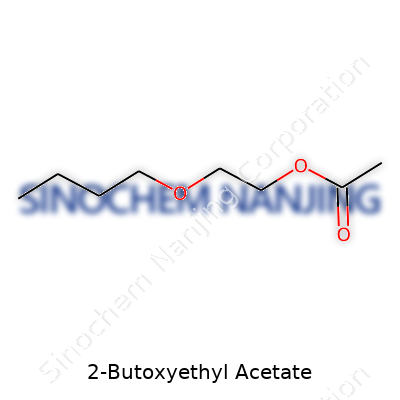
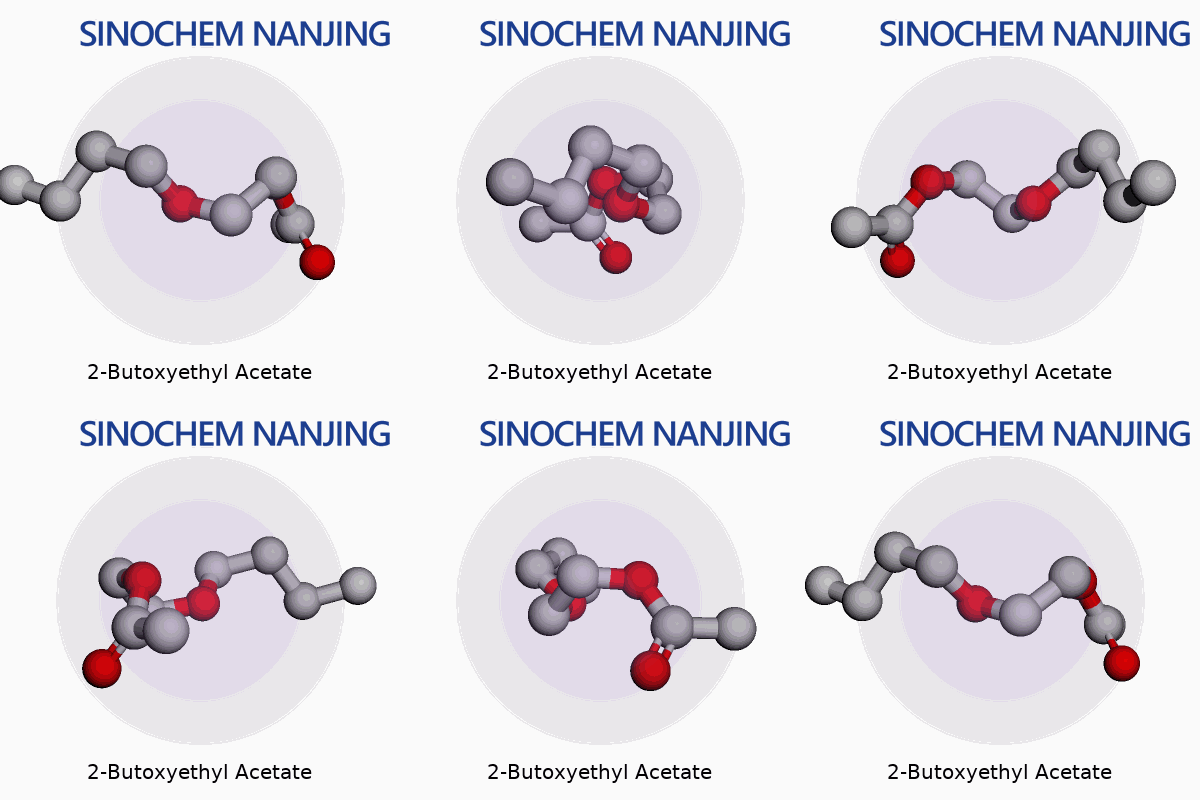
| Names | |
| Preferred IUPAC name | 2-butoxyethyl acetate |
| Other names |
Ethylene glycol monobutyl ether acetate Butyl cellosolve acetate Butoxyethanol acetate Glycol ether EB acetate EGBE acetate Butylglycol acetate Acetic acid 2-butoxyethyl ester |
| Pronunciation | /tuː-bjuːˈtɒk.siˌiː.θɪl əˈsiː.teɪt/ |
| Identifiers | |
| CAS Number | 112-07-2 |
| Beilstein Reference | Beilstein 776164 |
| ChEBI | CHEBI:3136 |
| ChEMBL | CHEMBL44304 |
| ChemSpider | 6177 |
| DrugBank | DB14182 |
| ECHA InfoCard | echa.infocard:100.003.398 |
| EC Number | 203-933-3 |
| Gmelin Reference | 8227 |
| KEGG | C19699 |
| MeSH | D017967 |
| PubChem CID | 31280 |
| RTECS number | KJ3325000 |
| UNII | R9F3F5VSRL |
| UN number | UN1123 |
| CompTox Dashboard (EPA) | DTXSID3020507 |
| Properties | |
| Chemical formula | C8H16O3 |
| Molar mass | 162.23 g/mol |
| Appearance | Colorless liquid |
| Odor | Fruity odor |
| Density | 0.942 g/cm³ |
| Solubility in water | 3.5 g/100 mL (20 °C) |
| log P | 1.01 |
| Vapor pressure | 0.76 mmHg (20°C) |
| Acidity (pKa) | pKa ≈ 14.6 |
| Basicity (pKb) | pKb: 15.6 |
| Magnetic susceptibility (χ) | -64.5×10⁻⁶ cm³/mol |
| Refractive index (nD) | 1.406 |
| Viscosity | Viscosity: 1.08 mPa·s (at 25 °C) |
| Dipole moment | 2.04 D |
| Thermochemistry | |
| Std molar entropy (S⦵298) | 405.6 J·mol⁻¹·K⁻¹ |
| Std enthalpy of formation (ΔfH⦵298) | -556.15 kJ/mol |
| Std enthalpy of combustion (ΔcH⦵298) | -4271.8 kJ/mol |
| Pharmacology | |
| ATC code | D01AE23 |
| Hazards | |
| GHS labelling | GHS02, GHS07 |
| Pictograms | GHS02,GHS07 |
| Signal word | Warning |
| Hazard statements | H226, H302, H312, H319 |
| Precautionary statements | P210, P243, P280, P303+P361+P353, P305+P351+P338, P337+P313, P370+P378 |
| NFPA 704 (fire diamond) | 2-2-0 |
| Flash point | 68°C (154°F) |
| Autoignition temperature | 340 °C |
| Explosive limits | Explosive limits: 1.1% to 10.4% |
| Lethal dose or concentration | LD50 (oral, rat): 2400 mg/kg |
| LD50 (median dose) | LD50 (median dose): 2,400 mg/kg (rat, oral) |
| NIOSH | NIOSH: KJ9275000 |
| PEL (Permissible) | PEL: 130 mg/m³ |
| REL (Recommended) | 50 ppm |
| IDLH (Immediate danger) | 300 ppm |
| Related compounds | |
| Related compounds |
2-Butoxyethanol Ethylene glycol monoethyl ether acetate Butyl acetate Propylene glycol monomethyl ether acetate Ethyl acetate |



