Digging Into 2,6-Dimethylpyridine: Past, Present, and Future
Historical Development
Some chemicals have had their moment in the limelight thanks to quirky discoveries and changing needs. 2,6-Dimethylpyridine, often called 2,6-lutidine, shows up in those stories from the rise of organic chemistry. More than a century ago, scientists extracted pyridine bases from coal tar. German chemists realized that by tweaking those heavy, smelly mixtures, they could separate out new compounds that opened doors to different research directions. Pyridine itself became a cornerstone of dyes and drugs. Its dimethyl cousins, including 2,6-dimethylpyridine, followed close behind, earning their spot as handy building blocks for organic synthesis. This development owes a lot to the drive for new pharmaceuticals and catalysts through the 20th century. Advances in understanding molecular structure pushed chemists to pay closer attention to where and how methyl groups get arranged on the pyridine ring. That’s where 2,6-lutidine found its identity—distinct from its isomers and shaped by shifting demands from the lab bench to the production floor.
Product Overview
You don’t see bottles of 2,6-dimethylpyridine on store shelves, but any lab focused on organic transformations knows it has a purpose. It stands apart because it blends two different methyl groups with a basic pyridine skeleton. This mix gives it a quite basic character without being as harsh as some alternatives. The value comes in through its role as a chemical intermediate, a solvent, or a reagent for a variety of syntheses. Even though many research teams scramble to work with more environmentally friendly options these days, this compound still turns up where stability and specific reactivity matter most.
Physical & Chemical Properties
Looking at the bottle, you’ll see a colorless to pale yellow fluid, and the odor—sharp, fishy, unmistakably pyridine but with a sweeter twist. The boiling point sits above that of pyridine, thanks to the extra bulk those methyl groups bring. It dissolves well in water and organic solvents, holding its own in mixtures. As for chemical behavior, those methyl groups draw attention at the 2 and 6 positions, blocking attacks on the ring from certain chemicals and steering reactions down more predictable paths. This property turns it into a selective base, not too strong, but not so mild that it loses its edge in tough condensation or acylation reactions.
Technical Specifications & Labeling
In labs, purity can matter more than quantity. Researchers check certificates of analysis to trust that their bottle holds nothing worse than trace water and minor side products. Labels warn about flammability and toxicity because vapor exposure isn’t something to treat lightly. Regulations from the EU and the US flag it as hazardous, so you’ll find clear pictograms and statements meant to stop accidents before they start. Folks handling this chemical have to respect both the technical data and the health rules, regardless of the project or sector.
Preparation Method
Large-scale production rarely happens in one neat step. Today, it starts from acetone and ammonia acting on aldehydes or nitriles, reshuffling carbon and nitrogen atoms under pressure. Older methods stretched out through convoluted coal tar isolation or through batch distillation, but industry shifted to more controlled synthesis paths to limit impurities and waste. Research chemists still experiment with one-pot routes and catalysts to push yields higher and reduce unwanted byproducts. Over time, this quest for cleaner preparation reflects the bigger move across the chemical industry toward lower emissions and greener processes.
Chemical Reactions & Modifications
What makes 2,6-dimethylpyridine so attractive to synthetic chemists comes down to how those methyl groups shape its reactivity. Some reactions skip by entirely because the ring positions are blocked. Yet, that very blocking effect makes it a stalwart non-nucleophilic base, useful for deprotonations without triggering side reactions. This stability comes in handy in synthesis routes for pharmaceuticals, herbicides, or even in making catalysts for polymerization. Researchers also dig into modifying it further—adding or altering side chains, halogenating, or oxidizing it to ring-open products. These changes build up a toolkit for advanced molecular design work, especially where selectivity and mild reaction conditions matter.
Synonyms & Product Names
Scientists aren’t great at settling on a single name. You can walk into any chemistry conference and hear 2,6-lutidine, 2,6-dimethylpyridine, or sometimes just lutidine tossed around interchangeably. Catalogs and papers stick to these standardized names, helping to avoid confusion with isomers like 2,4- or 3,5-dimethylpyridine—a key detail, since those act differently in many settings.
Safety & Operational Standards
Open a bottle, and that strong vapor hits fast. Gloves and goggles aren’t optional for this reason. Researchers learn early that pyridine derivatives sting skin and burn lungs in careless hands. Safety measures have improved since the early days, but they still rest on common sense—ventilated hoods, closed systems, and clear training about spill responses. Even after years handling chemicals, it’s hard to shake off the importance of habits that protect yourself and your work. Regulatory agencies publish exposure limits to keep workers safe, and disposal follows strict routes due to both toxicity and flammability. Behind the flash of new chemical discoveries, a core lesson always stands: respect the hazards or risk costly mistakes.
Application Area
This compound pops up in academic labs and in corners of industry you might not expect. It serves as a key building block for preparing certain pharmaceuticals, flavor agents, and lab reagents. As a base, it works better than pyridine in some condensation and alkylation reactions, thanks to its reactivity profile. In agriculture, researchers look at it as a precursor for crop protection products or for developing new herbicides. Small amounts find their way into colorants and corrosion inhibitors for specialty applications, though growing attention to sustainability pushes teams to trim its use wherever less toxic options exist. I’ve seen its versatility firsthand in project cycles—from troubleshooting organic syntheses to teaching students how steric factors control reactivity.
Research & Development
Ongoing research keeps finding new angles. Green chemistry continues to challenge old synthesis routes, pushing toward less hazardous solvents and milder conditions. Some labs explore biodegradable derivatives or new reaction pathways that sidestep tough purification steps. The search for more selective catalysts and greener reaction media puts pressure on traditional pyridine-derivatives, pushing ongoing trials toward safer, more efficient protocols. Publications dig into both mechanistic understanding and practical breakthroughs, showing a steady march toward both cleaner syntheses and new chemical opportunities.
Toxicity Research
No one gets nostalgic about the hazards. Early studies sometimes underestimated the inhalation risks and chronic effects tied to pyridine bases, but better data now guides safer handling. Animal models show liver and kidney toxicity at high exposure levels. Human studies stress ventilated conditions and careful exposure control, especially since the compound can irritate eyes and respiratory tracts even in short encounters. Advances in analytical chemistry help track trace exposures, improving both lab safety and environmental monitoring. Still, the legacy of accidental spills and lax standards drives home the point: vigilance isn’t optional, and education about handling and waste disposal keeps evolving to close lingering gaps.
Future Prospects
Looking forward, the shape of demand for 2,6-dimethylpyridine likely hinges on both regulation and innovation. As environmental frameworks grow stricter, chemical companies may shift toward biodegradable alternatives or more benign reagents. Academic and industrial chemists alike are hunting for processes that either cut back on toxic byproducts or use renewable feedstocks, a move that could shrink the footprint of pyridine-derivatives. At the same time, the molecule’s quirks—its steric shielding, tuned basicity, and selective reactivity—keep it on the radar for niche roles in advanced synthesis and new-generation catalyst design. The future probably won’t hand 2,6-dimethylpyridine a starring role outside traditional organic chemistry, but its legacy and utility won’t fade quickly, as each research innovation opens up new niches or redefines old habits. The pace of discovery continues to shape how chemists and industry see this compound’s place in the next suite of technologies.
What is 2,6-Dimethylpyridine used for?
Finding the Role of a Small But Mighty Chemical
Chemicals don’t always carry names that roll off the tongue. 2,6-Dimethylpyridine might sound distant and technical, but it shows up in places that matter to real-life industries and even daily routines. Over the years, I’ve bumped into this compound in research settings, and its uses surprised me with their variety and importance.
Chemical Building Blocks: Making More Than Just Themselves
Some chemicals stick to a single job, but this one jumps between fields. In labs, 2,6-Dimethylpyridine plays an active part as a base for making new molecules. Organic chemists value it because its shape and properties give reactions the boost they need—especially when someone is piecing together pharmaceuticals, vitamins, or crop-protection agents. Its methyl groups on the ring help it slide into chemical processes without sticking around longer than wanted.
My early research days involved working with scientists using this compound to build small molecules that became starting materials for medicines. Seeing those first steps made it clear: without a solid roster of reliable building blocks, many of the drugs at the pharmacy couldn’t exist.
Good Solvent, Tough on Trouble
Anyone running a reaction or purifying a product needs the right solvent. Here, 2,6-Dimethylpyridine stands out. It dissolves both organic and some inorganic material, letting tough-to-handle reactions go through smoothly. Chemical manufacturers turn to it for that reason. Companies that specialize in dyes, coatings, or advanced polymers often use this chemical to help process their products.
Aside from dissolving power, it acts as a scavenger for acids. That comes in handy, as too much acid can ruin a good batch. The compound swoops in, grabs the acid, and leaves a cleaner finish. Without these cleanups, final products sometimes fall short of safety or quality standards.
Link to Agriculture and the Environment
Digging into the pesticide story, I’ve seen papers and patents where 2,6-Dimethylpyridine gets mentioned as a key ingredient. Agrochemical companies use it during manufacturing as an intermediate—a stepping stone to more complex molecules that help protect crops. Farmers depend on these crop protectants to raise healthy food that meets market demands.
There’s no dodging the truth that any chemical tied to agriculture raises some concern about safety and environmental fate. It’s not something to take lightly. Regulations push for careful control, robust safety data, and full traceability from the factory floor to the fields outside town.
Safety, Scale, and Solutions
Working with 2,6-Dimethylpyridine means paying close attention to safety. It carries hazards—like most solvents and reactants—so chemists don gloves, goggles, and keep proper ventilation running. Companies invest in training and spill response to keep people and the surrounding area protected.
Plenty of these chemicals used to be made in small batches, but global supply chains have turned ‘niche’ products like this into workhorses for manufacturing. That opens up questions on sustainable sourcing, green chemistry, and waste management. Cleaner production methods, recycling solvents, and replacing old routes with newer, less harmful processes help address the challenges that come with scale.
Value Beyond the Lab
2,6-Dimethylpyridine proves its value every day—whether building lifesaving drugs, improving industrial coatings, or lending a hand in agriculture. The people working with it follow safety routines, regulators maintain strict rules, and research keeps pushing for smarter, safer ways to use chemicals like this. So while its name stays buried in technical documents, its impact stretches far beyond the lab bench or factory gate.
What are the safety precautions when handling 2,6-Dimethylpyridine?
Understanding the Risks
2,6-Dimethylpyridine, also known as 2,6-lutidine, sits on the shelves of chemistry labs around the world. It pops up in organic synthesis, research projects, and industrial work. Folks who’ve spent long hours at benches recognize its sharp, irritating smell long before reading the label. Handling this chemical without respect for its risks can stir up trouble, both for the user and those nearby.
Ventilation Matters: No Substitute for Clean Air
Lab veterans keep their noses tuned for scents like this because they signal, “Time to double-check ventilation.” 2,6-Dimethylpyridine lets off vapors that easily irritate eyes, lungs, and skin. One afternoon, I watched a new student pour a small amount out on the bench during a hot day; the harsh, acrid odor quickly spread, forcing everyone to step back. Fume hoods exist for a reason. Running experiments in open air tempts fate—exposure leads straight to coughing, burning eyes, or worse.
Gloves, Goggles, Lab Coats: The Basics that Save Skin and Eyes
Stories about chemical burns and splashes never run out in labs. Those who’ve peeled off disposable gloves after a spill know how much worse things get without them. 2,6-Dimethylpyridine soaks through some common gloves, but thicker nitrile usually holds up under short exposure. Cheap latex tears too quickly. Splashing can land the chemical right in your eyes; safety goggles stand between a normal day and a trip to the doctor. A soaked lab coat, tossed in the right bin right away, spares your favorite jeans and your health.
Fire Hazards: No Room for Complacency
Flammable liquids like this don’t leave room for lazy habits. A spark, open flame, or even a hot plate too close can set off a fire. Roommates from my college years recall a small fire that grew from a careless move with a volatile solvent. Keeping 2,6-Dimethylpyridine away from ignition sources makes as much sense as looking both ways before crossing a street. Storing it in flammable-solvent cabinets, clearly labeled and tightly capped, beats any day spent cleaning up a dangerous mess.
Spill Response: Fast Action, Calm Heads
Flooding a spill with water doesn’t help here—2,6-Dimethylpyridine floats and spreads. Instead, absorbent pads and neutralizing agents sit near every workbench for a reason. When a spill happens, quick cleanup by someone who knows the drill controls the hazard. Reading the Safety Data Sheet pays off; folks who take the extra minute to check the recommended response make everyone’s life easier. Taking personal responsibility for your workspace pays dividends over time.
Storage and Labeling: Avoiding Self-Made Hazards
Unlabeled bottles lead to panicked moments and risky guesses. Workers in every lab I’ve joined kept sharpies near storage areas for good reason. Clear, correct labeling stops accidents; it’s saved me from confusion more than once. Chemical storage feels like tedious grunt work but contributes more to safety than any big announcement or reminder.
Caring for Yourself and Others: The Real Reason
Precautions don’t only protect the one pouring the chemical. Neighbors, custodians, and visitors share the same air and space. Practicing good habits with 2,6-Dimethylpyridine pays off in long-term health. Small choices—using the fume hood, wearing goggles, labeling every bottle—prove you respect your own safety and that of everyone around you. New workers pick up habits from veterans, so showing the right approach every day builds a safer future for the whole lab.
What is the boiling point of 2,6-Dimethylpyridine?
2,6-Dimethylpyridine, sometimes called 2,6-lutidine, has a boiling point around 144 degrees Celsius. This number may sound like a dry fact, but behind it lies a world of industrial processes, safety protocols, and chemical possibilities.
A Closer Look at 2,6-Dimethylpyridine
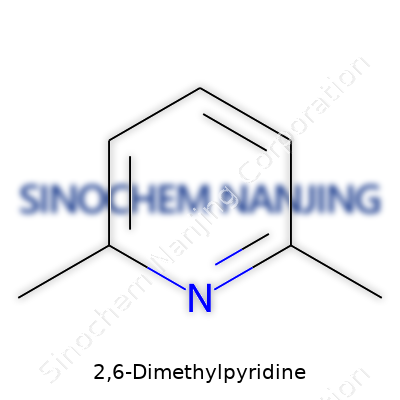
2,6-Dimethylpyridine belongs to a group of chemicals known as methyl-substituted pyridines. Its structure carries two methyl groups attached to a basic pyridine ring. Chemists often use it as a base or solvent and sometimes as a building block for pharmaceuticals or agricultural products. The two methyl groups, sitting across from each other, influence the compound’s reactivity, but they also help determine its boiling point.
The Boiling Point: More Than Just a Number
Boiling points guide a lot of choices in the lab. I remember working on a project where solvent choice became a headache. Using something with a lower boiling point than needed caused our reactions to stall; too high, and our distillation dragged on for hours. With 2,6-dimethylpyridine’s boiling point, you get a threshold that fits many organic syntheses.
This moderate boiling temperature makes the compound neither too volatile nor too cumbersome to distill. A chemical that boils at 144 degrees Celsius will evaporate at a temperature manageable for standard glassware, reducing risk compared with lower boiling analogs like 2-methylpyridine. You won’t need fancy pressurized vessels or exotic cooling systems. Anyone who’s spent time around a rotary evaporator knows what happens if a compound vaporizes too suddenly—mess, lost material, even cracked glassware. 2,6-Dimethylpyridine’s steadiness at typical lab conditions makes it a dependable choice.
Real-World Applications and Safety Concerns
Used as a base or reagent, 2,6-dimethylpyridine shows up in synthesis of medications and pesticides. A predictable boiling point helps engineers manage distillation columns more safely in factories. Imagine the equipment needed to control a compound that boils at 40 degrees—strict temperature and vapor controls, not to mention increased risk of inhalation exposure. 2,6-dimethylpyridine’s boiling range cuts down on some risks, but lab techs and plant operators shouldn’t let their guard down. Its vapors still carry toxicity; ventilation and personal protective equipment remain essentials.
Possible Solutions to Common Challenges
Lab spills and vapor escapes are not uncommon. Good training, storage in well-sealed containers, and well-maintained fume hoods help keep everyone safe. Facilities can attach vapor recovery units to distillation columns during large-scale processing, mitigating emissions. Chemical suppliers have begun offering lower-emission packaging for volatile organics, which addresses environmental and personnel safety at the same time. Even basic tweaks—like choosing an appropriate receiving flask or distillation column size—make a difference in smooth, safe operation.
In any lab or factory, choosing the right reagent at the right temperature can mean the difference between efficiency and frustration. Paying attention to boiling points helps manage workflows, safety, and quality all at once. The next time someone needs a reliable base with a practical boiling point, 2,6-dimethylpyridine stands out for obvious reasons, both in research and industry.
Is 2,6-Dimethylpyridine hazardous to health?
The Value and the Risk: A Closer Look
2,6-Dimethylpyridine pops up in a lot of chemistry labs. It’s useful for making pharmaceuticals, dyes, and sometimes even in flavor chemicals. Most people outside science circles haven’t heard of it, but its presence is significant for lab workers, chemical plant staff, and people down the supply chain. Whenever I’ve worked near or with organic reagents, anything with the word “pyridine” in it raised a red flag. The smell alone tells you something isn’t right; pyridines, including 2,6-Dimethylpyridine, often have a pungent, fishy odor that sticks in your memory longer than you’d like.
What the Facts Say About Toxicity
The Material Safety Data Sheets (MSDS) and medical reviews show there’s definite cause for caution. Breathing in vapors can irritate your lungs and nose. High enough concentrations or frequent exposure may bring headaches, nausea, or dizziness. Older studies link some pyridines to liver and kidney damage in animals. Skin contact dries out and irritates, and if it splashes in your eyes, you’re looking at stinging pain and possible long-term effects if not washed out quickly. Ingesting even small quantities can cause stomach pain, vomiting, and in severe cases, more dangerous symptoms. For most people, direct ingestion won’t happen, but for workers handling the liquid or vapors every day, the risks add up. The National Institute for Occupational Safety and Health (NIOSH) agrees, setting exposure limits and warning users about using it in small, well-ventilated areas.
Human Error and Workplace Culture
Speaking from experience, human error plays a big role in how hazardous something turns out to be. PPE—Personal Protective Equipment—makes a difference, as well as ventilation. I’ve watched people forget to put on gloves or get distracted and leave a valve open. Doing things right every time takes focus when deadlines loom. In smaller workshops with older fume hoods and less oversight, the chemical’s effects get worse. In places with good safety culture, regular training, and clear labels, accidents still happen, but the frequency drops and the long-term health of staff looks better.
Health Protection is a Shared Responsibility
Responsibility falls on both the employer and the employee. It’s on management to install quality fume hoods and make sure proper guides are available. Workers need steady enforcement of procedures, not just warnings that get ignored once the manager walks away. In companies I’ve seen doing it right, there’s always someone monitoring exposure levels, rotating jobs so no one gets overexposed, and encouraging reporting of even minor spills or symptoms. Sometimes, people hesitate to speak up. They might worry about causing trouble or seeming alarmist, but catching skin rashes or breathing problems early can prevent bigger health problems later.
Solutions Take Consistent Effort
Engineering controls—like local exhaust ventilation, sealed containers, proper storage rooms—act as the first defense. Regular air-quality checks should never lag behind. Good housekeeping standards cut down on surprise spills. For workers, the right training helps them spot symptoms early and take action. Clear communication matters: when everyone knows what a chemical can do, they become more alert and protective—not just of themselves, but also their colleagues. The science shows 2,6-Dimethylpyridine isn’t the most dangerous chemical out there, but its risks build over time. Respect for the routine—putting on gloves, airing out rooms, staying alert to even minor headaches—keeps people safe.
How should 2,6-Dimethylpyridine be stored?
Why Proper Storage Matters
I’ve spent enough time in chemistry labs to learn some lessons the hard way. One thing that sticks with me is the importance of respecting every chemical on the shelf, especially those like 2,6-Dimethylpyridine. Also known as 2,6-lutidine, this compound pops up in labs, manufacturing, and research settings. It doesn’t just have a strong odor—there’s a need to keep it away from careless handling because it brings fire risks and health hazards along with it.
Indoor Storage Environment
Many folks, including myself back in grad school, reach for those brown glass bottles and hope for the best. But that’s only the start. 2,6-Dimethylpyridine vapors catch fire with ease. Once, a leaking container nearly sparked a crisis in our storeroom. That wake-up call made me appreciate the value of a cool, ventilated spot, well away from any ignition sources. Unlike common solvents, this chemical demands a well-marked flammable liquids cabinet. Some systems use explosion-proof refrigerators for added safety, which beats any old fridge with a worn gasket. The National Fire Protection Association (NFPA) reminds us that vapors can travel along surfaces and find flames across a room, so the less opportunity for a spark the better.
Protect Against Incompatibility
A mistake that crops up more than you’d think is stacking chemicals side by side without considering what could happen if they mix. I’ve seen incompatible chemicals too close for comfort. For 2,6-Dimethylpyridine, avoid acids and oxidizers nearby—there’s a real danger of violent reaction or toxic gas formation if just a little gets loose. Separate shelves, clear labeling, and chemical-resistant trays make sense for catching leaks or spills. Wear-and-tear on container seals gets overlooked, so it pays to run regular checks and replace faded labels to avoid surprises in the dark.
Personal Safety Pays Off
Anyone who’s cleaned up a solvent spill knows that skin, eyes, and lungs need real protection—not just a lab coat tossed over street clothes. Safety data sheets (SDS) spell out the risks, but experience fills out the picture. Even a small splash can irritate, and it’s tough to ignore the sharp smell hanging in the air. Nitrile gloves, safety goggles, and chemical fume hoods belong in the routine. Storing 2,6-Dimethylpyridine next to an eyewash station and shower offers reassurance if something goes wrong. Anyone working the bench or handling inventory needs regular training that covers both emergency response and day-to-day precautions.
Tracking and Inventory Control
Gone are the days of scribbled notebook records. Digital inventory systems flag expiring chemicals and track usage patterns, making it easy to spot slow-moving stock or spot when it’s time for proper disposal. Documented routines help keep unapproved users out of the storeroom. Trusted suppliers and up-to-date documentation go together; any container without a clear lot number or date risks bringing old, unstable chemicals into play.
Simple Steps, Lasting Safety
2,6-Dimethylpyridine serves important purposes in chemistry and industry, but it doesn’t take shortcuts. By building a routine of clear labeling, separate storage, regular checks, and personal protection, anyone can turn a potential hazard into a manageable workplace necessity. My years of chemical handling taught me that discipline and attention beat out bravado every time. There’s less drama, fewer spills, and a much better night’s sleep for everyone involved.
| Names | |
| Preferred IUPAC name | 2,6-dimethylpyridine |
| Other names |
2,6-Lutidine 2,6-dimethyl pyridine |
| Pronunciation | /ˈdaɪˌmɛθɪl.pɪˈrɪdiːn/ |
| Identifiers | |
| CAS Number | 108-48-5 |
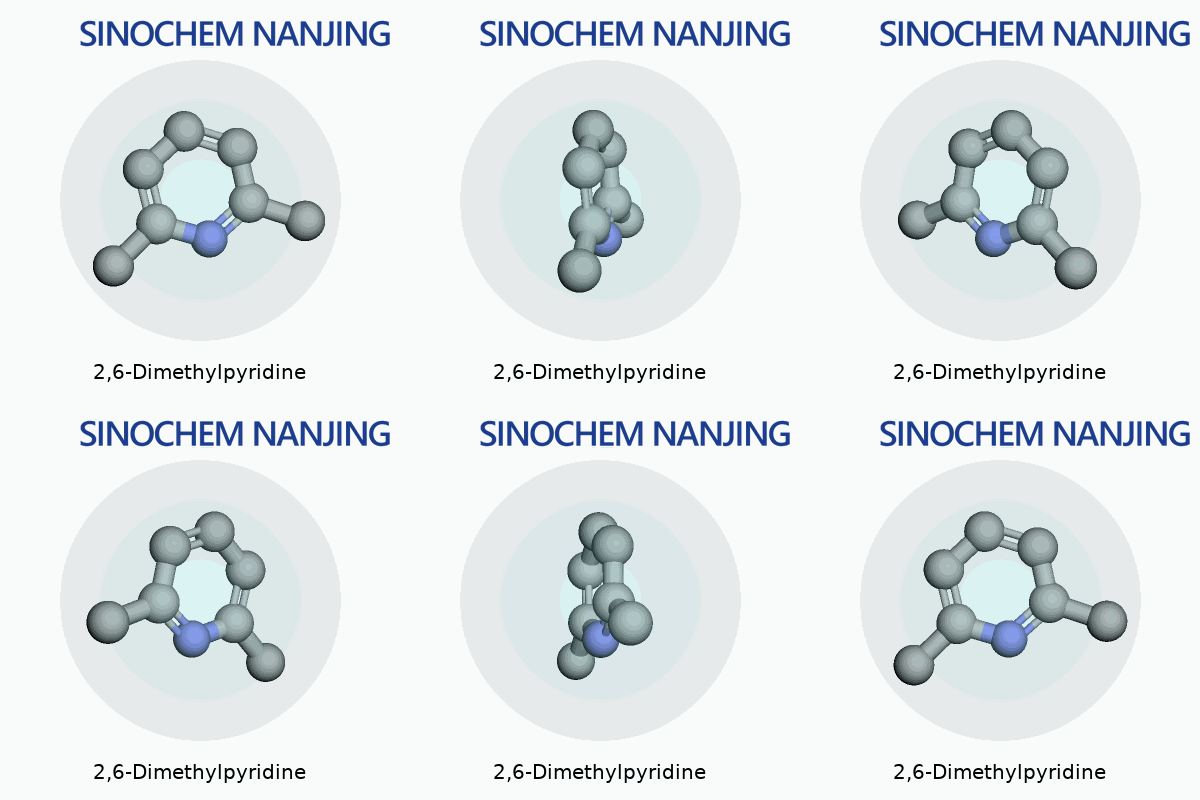
| 3D model (JSmol) | ``` 2D;2,6-dimethylpyridine;C7H9N;P;1;26;1.35;0.95;3;N(c2cc(C)ccc2C) ``` |
| Beilstein Reference | **605886** |
| ChEBI | CHEBI:16206 |
| ChEMBL | CHEMBL1400 |
| ChemSpider | 6826 |
| DrugBank | DB01878 |
| ECHA InfoCard | ECHA InfoCard: 100.003.211 |
| EC Number | 3.5.1.17 |
| Gmelin Reference | 616 |
| KEGG | C01760 |
| MeSH | D015586 |
| PubChem CID | 7888 |
| RTECS number | UZ1050000 |
| UNII | 7M8A2YV1FB |
| UN number | UN2311 |
| CompTox Dashboard (EPA) | `DTXSID6020285` |
| Properties | |
| Chemical formula | C7H9N |
| Molar mass | 107.17 g/mol |
| Appearance | Colorless liquid |
| Odor | pungent |
| Density | 0.925 g/mL |
| Solubility in water | Soluble |
| log P | 1.55 |
| Vapor pressure | 2.6 mmHg (25 °C) |
| Acidity (pKa) | pKa = 6.7 |
| Basicity (pKb) | 6.82 |
| Magnetic susceptibility (χ) | -47.6·10⁻⁶ cm³/mol |
| Refractive index (nD) | 1.498 |
| Viscosity | 1.042 mPa·s (at 25 °C) |
| Dipole moment | 1.57 D |
| Thermochemistry | |
| Std molar entropy (S⦵298) | 163.1 J·mol⁻¹·K⁻¹ |
| Std enthalpy of formation (ΔfH⦵298) | 8.20 kJ/mol |
| Std enthalpy of combustion (ΔcH⦵298) | -4056.7 kJ/mol |
| Hazards | |
| GHS labelling | GHS02, GHS07 |
| Pictograms | GHS07 |
| Signal word | Warning |
| Hazard statements | H302, H311, H314, H331 |
| Precautionary statements | P280, P261, P304+P340, P312, P302+P352, P305+P351+P338, P332+P313, P337+P313 |
| NFPA 704 (fire diamond) | 2-3-0 |
| Flash point | 49 °C (120 °F; 322 K) |
| Autoignition temperature | 480 °C (896 °F; 753 K) |
| Explosive limits | 1.1–9.5% |
| Lethal dose or concentration | LD50 oral rat 430 mg/kg |
| LD50 (median dose) | LD50 (median dose): 500 mg/kg (oral, rat) |
| NIOSH | SK1450000 |
| PEL (Permissible) | PEL (Permissible): 2 ppm (7 mg/m3) (as TWA) |
| REL (Recommended) | REL (Recommended): 0.5 ppm |
| IDLH (Immediate danger) | 1,000 ppm |
| Related compounds | |
| Related compounds |
2,3-Dimethylpyridine 2,4-Dimethylpyridine 2,5-Dimethylpyridine 3,4-Dimethylpyridine 3,5-Dimethylpyridine 2-Methylpyridine 3-Methylpyridine 4-Methylpyridine |



