1-Bromopropane: Past, Present, and What's Next
Historical Development
1-Bromopropane started getting serious attention in industrial chemistry not long after World War II, when manufacturers chased fresh and effective solvents for metal cleaning and degreasing. Chemists pushed the search for alternatives after concerns about chlorinated solvents came to light, especially those linked to ozone layer damage or health issues. In the late 20th century, companies hunting for replacements in electronics assembly and dry cleaning landed on brominated alkanes. Back then, nobody knew much about the subtle dangers lurking in these alternatives. Over the years, regulatory agencies and researchers saw gaps between initial safety assumptions and real-world impacts. Reports from workplaces—strange nerve symptoms and unexplained weakness—inspired a closer look. Instead of shifting back to old chemicals, the story of 1-bromopropane pushed the field to treat new substitutes with more skepticism and closer scrutiny.
Product Overview
1-Bromopropane, known to chemists as n-propyl bromide or nPB, looks like a clear, colorless liquid and gives off a sweet, sharp odor. It's used mainly as a solvent for cleaning, adhesives, aerosol sprays, and even some pharmaceuticals. Since it evaporates quickly and dissolves a range of greases and resins, industrial users, automotive shops, and dry cleaners adopted it easily. The constant urge to find chemicals that clean better and faster fueled its climb. While companies enjoyed its effectiveness, the convenience sometimes overshadowed an honest appraisal of risk, especially in smaller businesses with less experience navigating new chemical regulations or health data.
Physical & Chemical Properties
At room temperature, 1-bromopropane is a volatile liquid. Its boiling point sits around 71°C, which means it vanishes into the air easily. It mixes only a little with water, but gets along well with organic solvents. Its flammability ranks as moderate, but still requires respect around ignition sources. On the chemical side, the bromine atom draws electrons, giving the molecule a strong polar character that makes it good at breaking down fats, resins, and glues. Small changes in air pressure or temperature swing its evaporation rate. In real life, workers in enclosed spaces face a greater risk than those in open or breezy places. The physical tendency to linger at ground level after evaporation matters, too; heavier-than-air vapors can collect in pits or lower floors, catching unaware workers off guard.
Technical Specifications & Labeling
Across countries, regulations keep labels on 1-bromopropane in line with workplace hazard standards. The labels warn about irritation to the eyes, skin, and lungs, and carry symbols for flammability and health risk. Chemical safety sheets back up the labeling, detailing not just hazards but also storage tips and first aid steps. The push to get clear, accurate data on every drum or bottle comes from real stories: warehouse staff or mechanics harmed from ignoring or misunderstanding labeling. Still, not every workplace takes time for careful risk communication. Changing container styles, different languages, or inconsistent abbreviations can confuse even seasoned workers. The real challenge isn’t just sticking warning labels; it’s finding ways to get the message across in a hurry, when everyone’s hustling to meet quotas or restore equipment.
Preparation Method
Production starts with n-propanol and hydrobromic acid or sodium bromide, making the process simple and economical on an industrial scale. Some facilities run the reaction with sulfuric acid as a catalyst, which speeds things up and bumps up the yield. The chemical reaction swaps a hydroxyl group for a bromide, forming 1-bromopropane and water as a byproduct. As in much of synthetic chemistry, side reactions creep in. Quality control teams struggle with tiny impurities that affect the final product's odor, color, or performance. The cleaner the process, the easier it is to recover pure solvent that meets both technical needs and modern safety expectations.
Chemical Reactions & Modifications
The bromine atom in 1-bromopropane acts as a great leaving group, opening doors for substitution in many organic reactions. Synthetic chemists use it to build larger molecules by replacing bromine with other atoms, attaching pieces onto the propyl backbone. It's no stranger to Grignard reactions, producing new carbon-carbon bonds. This versatility explains its frequent callouts in research articles and development of pharmaceuticals or specialty polymers. Still, users need to keep an eye out for unwanted side products; overzealous or under-controlled conditions can make messes that foul up end uses or create new hazards.
Synonyms & Product Names
In catalogs or safety documents, 1-bromopropane shows up under several aliases: n-propyl bromide (nPB), propyl bromide, and even 1-bromopropane in plain English. For the international crowd, the same chemical might carry a different name on labels in Asia or the EU. The shifting terminology often causes confusion for buyers, inspectors, and regulators. Clear labeling standards and harmonized naming conventions would spare a lot of headaches for everyone from lab techs to customs agents.
Safety & Operational Standards
Organizations like OSHA and NIOSH established exposure limits for 1-bromopropane, but limits vary across regions. Some labs and work sites use local ventilation, personal protective gear, and system checks to curb dangerous exposure. Stories circulate about shops learning lessons the hard way—skipping fume hoods or working late with limited supervision leads to acute health events. Historical patterns teach us that high standards stick best when employers build health and safety into management, not just compliance. Housekeeping and good air flow matter as much as paperwork in daily use. Workers trained to spot symptoms—dizziness, numbness, rashes—can catch trouble early and reduce lost time and cost. It’s often less about buying new gear and more about supporting a culture that treats safety as non-negotiable.
Application Area
Companies leaned on 1-bromopropane for metal degreasing, electronics cleaning, dry cleaning, and as a base chemical in adhesive formulations. Electronics and aerospace outfits counted on its precision in removing oils and fluxes before assembly. Furniture and automotive interiors saw its rise in spray adhesives for foam and upholstery. Its rise owes a lot to the push for faster throughput and greener chemistry versus older chlorinated solvents. Yet, changing environmental and labor standards nudged many users toward substitutes—hydrofluoroethers or aqueous cleaners now move onto the stage as market leaders try to balance cost, health, and performance.
Research & Development
Early lab studies missed a lot of what real-world exposure to 1-bromopropane would look like. Only after field reports flagged problems did research ramp up into its metabolism and breakdown in the human body. Scientists map out the routes brominated solvents take from lungs to kidneys and nerves. Recently, studies explored not just acute toxicity but also low-level, chronic exposures. Research teams track how it behaves in air and water, knowing workplace spills or poor disposal can affect entire neighborhoods. This push for data shaped new workplace standards and influenced policy. The continuing research reminds everyone that science is never done; unexpected risks can pop up even in chemicals once thought to have everything under control.
Toxicity Research
Workers reported nerve tingling, balance problems, and numbness after using n-propyl bromide in tight spaces. Animal studies confirmed neurological damage after repeated exposure. Regulators found links to reproductive harm and even potential cancer risk. The Centers for Disease Control and Prevention published warnings following clusters of worker illness around the country; reports from South Korea and Europe came soon after. Not every company steps forward to report issues, so true rates may run higher than published. Ongoing medical checks and air sampling often uncover high exposures even in shops that think their controls work. Multiple countries added 1-bromopropane to lists of chemicals under special scrutiny, or banned its use outright in consumer products. For communities surrounding heavy users, long-term air monitoring found increases in atmospheric levels, sparking debate over permitted emissions and remediation.
Future Prospects
Governments and industry leaders look at 1-bromopropane through a skeptical lens now. Environmental health advocates lobby for phase-outs, and several countries scheduled bans or strict controls for uses where workers can’t avoid exposure. Companies hunt for drop-in replacements that can fit existing processes without the baggage—often a tall order. Chemical engineers experiment with greener solvents, nanomaterial tools, and water-based degreasers. Meanwhile, the 1-bromopropane story keeps showing up in university toxicology courses and policy workshops as a case study for why blind trust in “new and improved” chemicals can backfire. Lessons learned emphasize openness, faster adoption of health warnings, and broad worker participation in risk discussions. My experience in research underscores this point: safe chemistry thrives not just on innovation, but on humility—knowing that claims of safety always need a second look, and that worker voices count as much as data tables. Watching markets adapt and scientists refine safety criteria gives grounds for hope that future chemicals will earn our trust before hitting factory floors and laundry shops nationwide.
What is 1-Bromopropane used for?
Chemical Solutions for Tough Jobs
At work in the shop once, I had to clean some sticky grease off metal parts before assembly. My usual solvents just smeared the mess around, but a colleague pulled out a can labeled "nPB Cleaner." The stuff wiped away grime like it was nothing. Only later did I learn that the magic ingredient was 1-bromopropane.
Companies rely on this chemical for vapor degreasing. Car parts, electronics, aviation equipment—anywhere metal gets filthy—1-bromopropane lifts away oil, wax, or dirt efficiently. Industries go for it because it dries fast and doesn’t leave a residue behind, so there’s no waiting around.
Watch Those Fumes
By the time I found out how well it worked, I also heard about its hidden dangers. Workers using 1-bromopropane sometimes complain about headaches or feeling dizzy. Research has started connecting repeated exposure to nerve damage and, over longer periods, risk of cancer. The Environmental Protection Agency in the United States now lists it as a hazardous air pollutant. The stories from people I know in metal shops line up with those warnings—someone who used it daily began to get tingling in his hands.
In dry cleaning, 1-bromopropane found a place as a replacement for older solvents. Owners liked switching because it broke down tough grease and operated at a lower cost. But safety issues remain the same. Dry cleaners have to upgrade their ventilation and warn employees about risks, and in smaller spaces, that’s not always possible.
Between Bugs, Glues, and Sprays
Some folks may not realize their bug sprays and adhesive removers might also depend on this compound. At home, I've used aerosol glue for craft projects, never suspecting industrial-strength chemicals hide inside. The quick-dry effect and the strong bond often point back to solvents like 1-bromopropane. Manufacturers keep using it in products to get fast results.
Taking Safety Seriously
For all its cleaning power, the serious health concerns push industries to rethink their approach. Some factories have turned to water-based or less toxic solvents. Cleaner air and safer shops come from swapping out old chemicals where possible. In the short term, I’ve seen companies improve ventilation, hand out better masks, and start training workers about what they’re breathing. On the consumer side, labels with plain language help people make smarter choices at home.
Researchers keep searching for replacements that can do the job without adding workplace hazards. Some European countries have already banned many uses in manufacturing. The United States has added more restrictions and encourages alternatives, but transition moves slowly. Every time I talk safety with friends who work hands-on with chemicals, I hear how important it is to stay up to date on what’s in the products they use every day.
Thinking Past Convenience
People want strong cleaners and quick fixes, but chemicals like 1-bromopropane highlight the cost that can come with convenience. If businesses and consumers pay closer attention to warnings and support safer alternatives, cleaner shops and healthier homes follow. Experience—not just statistics—shows that changes in habits and products can make a difference over time.
Is 1-Bromopropane hazardous to health?
Understanding Where Danger Lurks
Anyone who has worked in auto shops or small manufacturing plants has likely run across a can of 1-bromopropane. It shows up in dry cleaning, adhesives, and degreasers, often with little fanfare—just another clear solvent doing tough cleanup. Many people have handled it in places with poor ventilation, figuring it works faster than the old stuff. That’s the first alarm bell ringing.
A Closer Look at the Health Risks
1-bromopropane isn’t just another cleaning agent. The US Environmental Protection Agency classifies it as a “likely human carcinogen.” Breathing even moderate levels over time can bring on headaches, dizziness, and confusion. At higher exposures, workers have reported problems with walking and numbness or tingling in their arms and legs. I remember watching coworkers shake off weird aches after a long shift using degreasers, nobody linking it to chemical exposure. We were all just focused on getting the mess off our hands.
Scientific studies back this up. Nerve damage is a big concern. Occupational Safety and Health Administration (OSHA) cites cases of permanent nerve disorders after only months on the job where 1-bromopropane floated in the air. The lungs and liver also take hits, which leads to a higher risk of cancer over years. Data from cancer researchers suggest a clear connection to cancers of the lungs and liver, especially in workplaces missing proper safety rules.
Why the Hazards Get Ignored
A lot of smaller businesses rely on 1-bromopropane because it replaces older solvents like perchloroethylene. It works fast, and some manufacturers sell it as a “safer” alternative because it isn’t a regulated ozone-depleting chemical. That small label of “green” makes folks drop their guard. Most workers I know trust those claims, assuming new means safer. They find out too late the risks were not advertised on the front label. Federal law keeps playing catch-up. The EPA only started warning about 1-bromopropane after decades of use. Even now, rules for safe workplace exposure float all over the place—OSHA doesn’t have a set exposure limit, and some states have never inspected small shops at all.
What Can Change the Picture
Safety takes real investment. Workers need training about chemical dangers, not just a five-minute safety video on their first day. Protective equipment like gloves and closed-system application tools work, but only if bosses care to offer them. Good ventilation is crucial—open windows won’t cut it if big jobs need full tanks of solvent.
Switching to water-based cleaning products or other non-toxic solvents costs money upfront, but the long-term health benefits far outweigh the savings from using cheap chemicals. Local health departments should visit small businesses to check air quality and push for better safety standards, not just send out brochures. In my experience, peer-to-peer education also helps; if workers hear from others who got sick, they start asking questions and demanding better protections.
Why Attention Matters
Ignoring the risks tied to 1-bromopropane will keep sending workers to clinics and hospitals. Stories from the field, government research, and growing cancer data all point to one source—daily, invisible chemical danger. When people have clear information and safer alternatives, they stay healthier and keep their families out of harm’s way. It starts with honest conversations about what’s hiding in that bottle on the shop bench.
What precautions should be taken when handling 1-Bromopropane?
Understanding the Risks
1-Bromopropane shows up in many factories and workshops, mostly as a solvent. Anyone working with it quickly learns it comes with strong odors, but the real danger isn’t what you can sniff in the air for a few seconds. The bigger problem lives in long-term health risks—this chemical can hit both workers’ nervous systems and have real consequences over time. The U.S. National Toxicology Program has called out its cancer risk and pointed to links between exposure and reproductive harm. I’ve talked to people in auto shops who never thought twice about skin contact, only to see co-workers deal with numbness and tingling later on. It’s not paranoia to treat this stuff with real care.
Personal Protective Equipment: Non-Negotiable
Nitrile gloves, goggles, and lab coats aren’t just for comfort—they matter every single time someone handles 1-bromopropane. This chemical slides easily through bare skin, and plain latex gloves won’t cut it. In my experience, cutting corners with gear is tempting on a busy day, but skin contact leads to much bigger headaches down the line. Eye protection can feel overkill during a quick job, but splashes cause lasting damage to eyes and painful visits to occupational medicine. I can’t count the number of times professionals regret skipping the right safety glasses after a close call.
Ventilation Saves More Than Just Air Quality
Working with solvents like this can quickly fill a closed room with invisible fumes. I’ve seen teams crank open doors and windows, but mechanical exhaust systems do a better job. An open window gives some relief, but local exhaust hoods stop these vapors from building up near a worker’s face. Studies in electronics recycling outfits back this up—they show far fewer headaches and dizziness complaints when real ventilation kicks in. The best setups check air flow with monitors, not guesswork.
Safe Storage and Spills
Leaving 1-bromopropane in open beakers or cracked containers invites spills and slow leaks, which means more vapor in the air. Sealed containers, clearly labeled and away from direct sunlight and heat, cut down on accidental releases. I remember a time a drum spilled at the back of a shop because someone stacked boxes on top of it. Cleaning that up took hours and exposed several people to much more than the safe limit. Spill kits and training make a bigger difference than most realize until they need them. Cleanup without the right gear or know-how only makes a risky situation worse.
Workplace Training and Monitoring
It’s easy for people to forget what they can’t see or feel in the moment. Ongoing, real-world training—stuff that goes beyond a video on the first day—helps workers spot the signs of exposure early. Real-time air monitors flag trouble long before noses pick up that sweet, pungent smell. Health checks and honest conversations about symptoms help catch issues early. On several crews I’ve seen, people trusted to speak up about early numbness or memory slips got medical help that made all the difference.
Looking for Safer Alternatives
Some companies have started switching to less volatile or less toxic solvents, pushing for better engineering in their work processes. No chemical gets used forever if workers keep getting sick, and there’s real movement toward greener options as research exposes more of these risks. It takes time and money, but the reward is a safer shop floor and healthier lives for everyone down the line.
What are the physical and chemical properties of 1-Bromopropane?
What 1-Bromopropane Looks and Feels Like
1-Bromopropane doesn’t get much attention in daily conversation, but it plays a role in plenty of workspaces. This chemical, known among workers as n-propyl bromide or nPB, shows up as a colorless liquid. Not many folks stop to smell it if they can help it, but it carries a bit of a sweet odor—noticeable, especially if someone opens a drum of the stuff in an enclosed shop. Its boiling point runs around 71 degrees Celsius, and it evaporates pretty quickly. Spill even a small amount on the bench, and it doesn’t stick around for long, a fact that often spells trouble for folks trying to avoid breathing it in.
It feels slick on your skin—similar to some paint thinners, but try not to touch it. It can pass through gloves if they aren’t the right material, so chemical-resistant gloves like butyl rubber become a must in places using the chemical every day. In the right light, especially in a glass flask, 1-Bromopropane looks clear, not much different from water or isopropyl alcohol. That similarity can mislead new workers, so clear labeling and rigorous training serve as the first lines of defense.
Why Chemistry Matters for Everyday Safety
1-Bromopropane has a chemical formula of C3H7Br. Its molecular weight clocks in at about 122 grams per mole. Unlike common propanol, this one carries a bromine atom, which influences both reactivity and persistence in air or on surfaces. That bromine makes the molecule heavy and more prone to stick to lipid-rich tissues—key for understanding potential health effects.
It doesn’t dissolve in water easily. Pouring 1-bromopropane down a drain won’t thin it out much. On the other hand, it mixes well with many organic solvents. Shops use it for degreasing metals, cleaning electronics, and sometimes as an aerosol propellant. It lights up at around 23 degrees Celsius, so keeping it away from open flames is non-negotiable. In my time as a technician in a furniture plant, we kept all brominated solvents locked in flammable cabinets, far from hot plate stirrers and welding equipment. One slipup, and you have a fire risk or toxic fumes spreading through the ventilation.
Health Risks and Practical Precautions
Labelling 1-bromopropane as “just another solvent” falls short. Prolonged or repeated exposure shows up in peer-reviewed literature as the cause of nervous system problems, reproductive risks, and irritation to lungs and skin. Occupational Safety and Health Administration (OSHA) and other agencies have flagged it for these reasons. People who use it daily often report headaches or numbness in fingers after just a few months if they lack proper personal protective equipment and ventilation.
Switching to alternatives always poses a challenge, both economically and practically. But my own work experience showed the value in pushing for safer work instructions and substitutes. Acetone or less toxic hydrofluoroethers sometimes fill in for degreasing, though they may cost more. In locations holding onto 1-bromopropane for performance reasons, ramping up spot ventilation, using closed systems, and rotating workers to cut down individual exposure can temper the risk. Routine air monitoring shouldn't be a formality; it’s the difference between catching a problem early or watching it show up in health complaints down the line.
Environmental Worries and What Can Help
1-Bromopropane lingers longer in the soil and breaks down slowly in water. If spills reach a storm drain or soak into the ground, local groundwater can take a hit. The EPA lists it as a hazardous air pollutant, keeping pressure on industry to cut back or find new ways to use less of it. Companies looking ahead often invest in recovery systems, catching vapors before they vanish. Recycling programs help, too—my old shop started collecting used solvent and sending it to a certified plant, cutting down not just waste but also long-term costs and neighborhood complaints.
How should 1-Bromopropane be stored and disposed of?
Handling Chemical Storage at the Ground Level
1-Bromopropane shows up in a range of industries: dry cleaning, electronics, adhesives. It gets the job done, though not without some baggage. Safety needs to take the front seat because exposure can hurt workers and pollute the environment. My time in an automotive supply job taught me that rushing chemical storage never pays. Leaky drums, forgotten labels, and careless stacking always come back to bite.
Storing 1-Bromopropane requires more than locking it away in a spare closet. A strong, airtight container, clearly labeled with its chemical name, cuts through confusion. I always keep storage containers off the ground, away from sunlight, heaters, radiators, or any open flame. 1-Bromopropane has a low flash point, and vapor can build into bigger trouble than most realize. In my workplace, we learned to fan out containers so they never touch each other, and spills stay contained. Letting the bottles crowd together often spells disaster. Pumps and transfer systems that don’t leak make the difference between a clean record and a trip to the emergency room.
Chemical storage rooms work best with powerful ventilation. One faulty fan left us with a room full of fumes and pounding headaches. Nobody wants that. Shelves and units built from materials that won’t react with solvents prove more reliable long-term. For personal protection, gloves and goggles stay non-negotiable—the pungent odor and potential nerve damage push the point home.
Disposing of 1-Bromopropane Without Cutting Corners
Getting rid of used or expired 1-Bromopropane takes real effort. Dumping it down the drain, mixing it with regular trash, or pouring it on the ground only creates risk and liability. Laws back this up. The Environmental Protection Agency (EPA) classifies 1-Bromopropane as a hazardous air pollutant. It may harm soil and water if it escapes normal channels. I still remember a neighbor fined heavily after a small spill reached the street drain—nobody should have to repeat that story.
Contracting a certified chemical waste handler saves headaches. These companies know how to separate solvents, handle paperwork, and move material to high-temperature incinerators or accepted treatment plants. It costs more upfront, but the cost of ignoring safe disposal shoots higher if a spill or injury follows. I’ve found city and county hazardous waste programs helpful for small businesses. They may even collect unwanted solvents by arrangement. Ignoring deadlines for waste pickup creates a fire hazard and draws unwanted attention from inspectors.
Records also matter. Every shipment from our plant included a log showing how much solvent we bought, used, and sent for disposal. This transparency not only satisfied auditors but made it easy to trace problems if they ever came up. Spills, leaks, or missing inventory open doors to legal trouble, but good logs bring peace of mind.
What Safe Practice Looks Like
Bringing everyone together for chemical safety talks every few months made a noticeable difference. Scary news stories about workplace poisonings stopped being distant rumors and became wake-up calls. Routine training helped people recognize odor, spot leaks quickly, and know where to find emergency eyewash. Building a culture where workers watch out for each other raises the odds of catching a storage error before it becomes newsworthy.
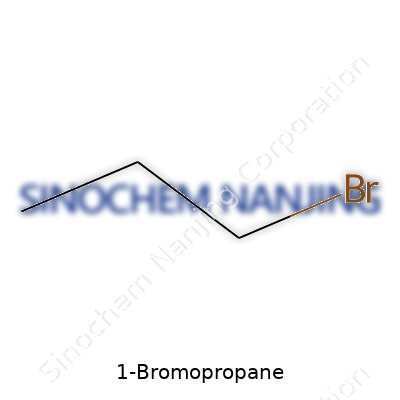
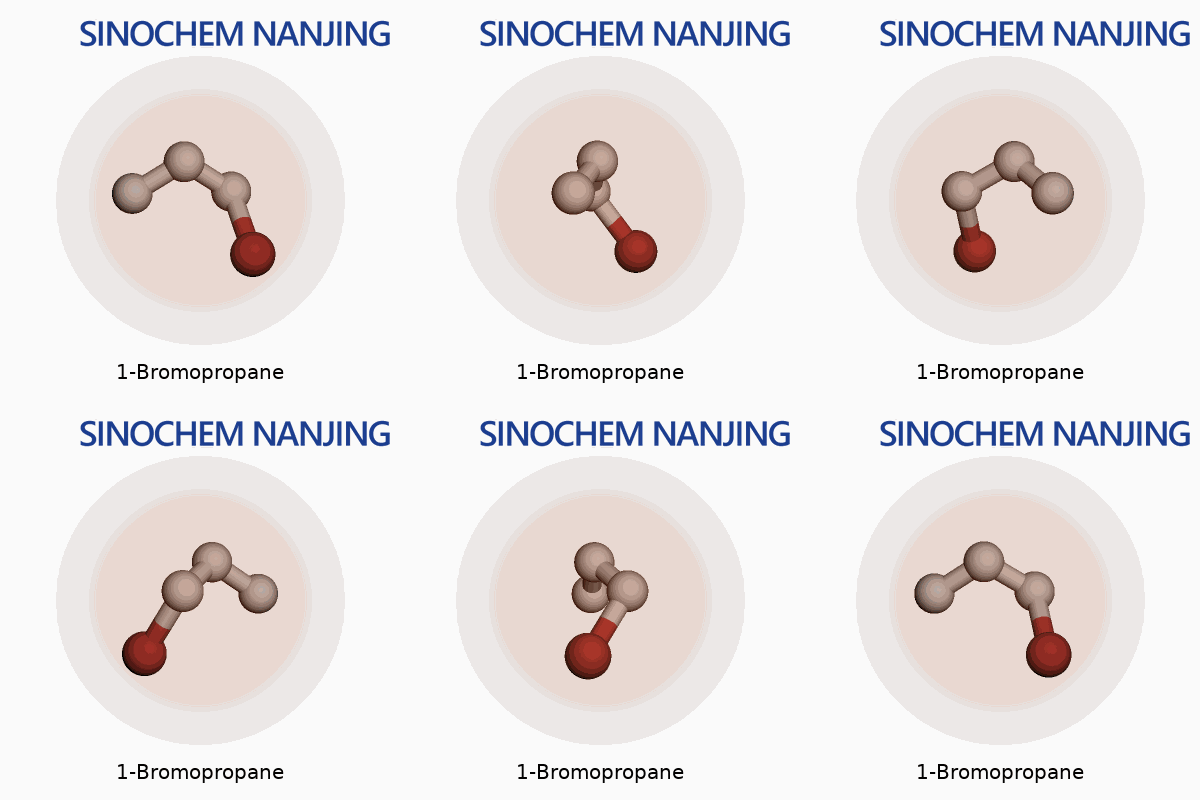
| Names | |
| Preferred IUPAC name | 1-Bromopropane |
| Other names |
n-Propyl bromide nPB 1-Propyl bromide Propyl bromide Bromopropane |
| Pronunciation | /ˌwʌnˌbroʊ.moʊˈproʊ.peɪn/ |
| Identifiers | |
| CAS Number | 106-94-5 |
| Beilstein Reference | 878184 |
| ChEBI | CHEBI:63816 |
| ChEMBL | CHEMBL16852 |
| ChemSpider | 12151 |
| DrugBank | DB14090 |
| ECHA InfoCard | 03f2d2fb-b163-482f-bd05-b173897e0a63 |
| EC Number | 203-445-0 |
| Gmelin Reference | 20386 |
| KEGG | C06549 |
| MeSH | D000701 |
| PubChem CID | 7848 |
| RTECS number | TX4110000 |
| UNII | 3E8L56VV8N |
| UN number | UN2344 |
| Properties | |
| Chemical formula | C3H7Br |
| Molar mass | 122.99 g/mol |
| Appearance | Colorless to pale yellow liquid |
| Odor | Mild, sweet |
| Density | 1.353 g/mL at 25 °C |
| Solubility in water | 2.5 g/L |
| log P | 2.1 |
| Vapor pressure | 23.4 mmHg (at 25°C) |
| Acidity (pKa) | pKa ≈ 50 |
| Basicity (pKb) | pKb = 4.24 |
| Magnetic susceptibility (χ) | -53.0×10⁻⁶ cm³/mol |
| Refractive index (nD) | 1.434 |
| Viscosity | 0.68 mPa·s (at 20 °C) |
| Dipole moment | 2.60 D |
| Thermochemistry | |
| Std molar entropy (S⦵298) | 208.6 J·mol⁻¹·K⁻¹ |
| Std enthalpy of formation (ΔfH⦵298) | –111.8 kJ·mol⁻¹ |
| Std enthalpy of combustion (ΔcH⦵298) | –2171.2 kJ/mol |
| Hazards | |
| GHS labelling | GHS02, GHS07, GHS08 |
| Pictograms | GHS02, GHS07, GHS08 |
| Signal word | Danger |
| Hazard statements | H225, H304, H315, H319, H336, H361f, H373, H411 |
| Precautionary statements | P210, P261, P280, P304+P340, P312, P403+P233 |
| Flash point | 54 °F (12 °C) |
| Autoignition temperature | 460 °C |
| Explosive limits | 3.8–9.2% |
| Lethal dose or concentration | LD50 oral rat 4260 mg/kg |
| LD50 (median dose) | LD50 (median dose): Oral - rat - 2,526 mg/kg |
| NIOSH | NIOSH: TX9450000 |
| PEL (Permissible) | 5 ppm |
| REL (Recommended) | 220 mg/m³ |
| IDLH (Immediate danger) | 250 ppm |
| Related compounds | |
| Related compounds |
1-Chloropropane 2-Bromopropane Bromomethane 2-Bromobutane n-Propyl bromide |



