1,4-Butylene Glycol: Beyond the Lab Bench
Tracing the Rise: Historical Development of 1,4-Butylene Glycol
Few chemicals stick around for decades, yet 1,4-Butylene Glycol, with its roots in mid-twentieth-century organic synthesis, has kept its place in the industrial world. Chemists hunting for flexible diols since the '40s stumbled on this compound and realized the value of its four-carbon chain. Back in those days, advancements in petrochemicals shaped whole industries. Processes matured, fed by cheap oil and the growing postwar consumer boom. Sure, the public rarely hears about the mundane intermediates, but every time a new polyurethane or resin technology took off, 1,4-Butylene Glycol often played a role behind the scenes. Engineering new routes for production mirrored the big push toward synthetic versatility and reliability, critical as the world demanded durable plastics, safe solvents, and high-performance materials.
Product Overview: More Than Just a Glycol
Walk into any industrial supply store and you’ll see glycols lining the shelves, but 1,4-Butylene Glycol stands apart from the crowd. Picture a clear, nearly odorless liquid with surprising adaptability—easily dissolves in water and alcohol, holds its own in resin production, and even shows up in personal care. Its value shines brightest in creating spandex and thermoplastic polyurethanes, two inventions fueling everything from athletic wear to medical devices. Manufacturers leaned into this versatility precisely because few other diols strike the right balance between flexibility, durability, and function the way this compound can.
Physical and Chemical Properties
1,4-Butylene Glycol’s basic stats give it broad utility: a moderate boiling point hovering around 230°C, not quite as volatile as others in its family, and a melting point low enough to stay liquid under most warehouse conditions. It carries two terminal hydroxyl groups, which means it reacts eagerly with acids, isocyanates, and even some oxidizers. Handling feels safer than working with lighter, more aggressive glycols. Its viscosity and miscibility make it ideal for blending, and the mild odor means workers are less likely to complain after a shift spent mixing up new formulations. That’s not trivial; keeping factory air tolerable leads to fewer complaints—and fewer headaches.
Technical Specs and Labeling in Practice
Regulators and buyers want to see numbers they can trust—assay usually hovers above 99% pure, water content kept low, acid numbers in check to prevent side reactions down the line. Hazmat signs warn about skin and eye irritation, but with gloves and goggles, users usually work without trouble. In labeling, it picks up multiple synonyms: tetramethylene glycol, 1,4-dihydroxybutane, or even 1,4-butandiol. Honest and accurate labeling matters both for safety and trade, especially when shippers cross international lines and customs officials pore over tanks and drums in port warehouses.
How It’s Made: Preparation Methods That Matter
Most commercial supplies come from two main chemical reactions. The first starts with acetylene and formaldehyde, followed by hydrogenation under high heat and pressure. The second starts with succinic acid or its esters, reducing these compounds into the alcohol. Both routes demand close attention—nobody wants runaway reactions or poorly catalyzed batches wrecking a factory timeline. Over the years, improvement in catalysts and purification techniques led to better yields and lower costs, opening doors for secondary uses that weren’t in the cards half a century ago.
Chemical Reactions and Downstream Modifications
Chemists eager to create new polymers look to 1,4-Butylene Glycol as a reliable building block. Its two alcohol groups fit easily in esterification, etherification, and addition reactions. Mix it with diacid chlorides or phosgene and watch as durable, stretchy polyurethanes form. React it with acids to get plasticizers and flexible coatings. It doesn’t force you down a single chemical path, which means more experimentation and innovation for the next generation of smart materials. I’ve watched lab techs tweak reaction ratios by the milliliter, and even small changes make a world of difference in the final product’s properties.
Synonyms & Product Names: The Language of the Industry
Names carry weight in the chemical trade. Depending on the supplier or regulatory authority, expect to see "1,4-Butanediol", "tetramethylene glycol", "1,4-dihydroxybutane", or the short-form "BDO" stamped on labels and manifests. Overlapping synonyms sometimes cause confusion for buyers jumping between regions, so due diligence in labeling and documentation makes all the difference. For buyers, double-checking a spec sheet or certificate of analysis saves real money by avoiding mix-ups.
Safety and Operational Standards
Safety protocols around 1,4-Butylene Glycol reflect lessons learned from decades of chemical manufacturing. It rarely causes problems in small exposures, yet contact with skin or eyes brings irritation pretty fast. Chronic exposure or ingestion—rare on the manufacturing floor but possible in case of leaks—brings bigger risks, so training on spill response and personal protective equipment remains vital. Standards from organizations like OSHA and their overseas counterparts recommend clear ventilation, gloves, and eye wash stations. Storage away from strong acids and oxidizers keeps it from breaking down in the drum or reacting unexpectedly. On-site audits and regular refresher courses in safety culture minimize accidents and build trust with both workers and customers.
Application Areas: From Fibers to Fuels
It’s easy to overlook the quiet impact this compound has had across industries. Polyurethane resins owe much of their flexibility to BDO’s diol backbone, making it a backbone of modern athletic wear, paint, coatings for electronics, and even synthetic leathers. You’ll also spot it in plasticizers—those chemicals that let toys bend instead of snap—and solvents used to blend inks and adhesives. In pharmaceuticals, chemical engineers use derivatives for making active ingredients and slow-release tablets. In recent years, the push for bio-based polymers brought 1,4-Butylene Glycol back to the drawing board, with startups searching for cheaper, greener routes from plant sugars instead of fossil fuels.
Research and Development: Keeping Pace with Innovation
Research labs keep poking at the old formula, aiming for higher performance and lower environmental footprints. Interest in biocatalysis—using enzymes instead of heavy metals—created a small wave of sustainable production studies, which could help sidestep dirty side-streams. Some teams focus squarely on tweaking molecular weight distribution in polyesters, aiming to control exactly how spandex or PET fibers perform in everyday use. As regulations tighten around petrochemicals, every small efficiency gain and purity bump from R&D trickles down, helping companies stay one step ahead of future bans or taxes. These innovations force traditional players to modernize processes or get left behind as the world’s attitude toward “forever chemicals” continues to shift.
Toxicity Research: The Human and Environmental Costs
Despite its many uses, 1,4-Butylene Glycol faces increased scrutiny for toxicity, both acute and chronic. Lab tests show limited direct toxicity from skin exposure in short windows, but animal studies raise flags when high doses build up or when the compound hits waterways. The breakdown products—from incomplete incineration or uncontrolled releases—don’t just disappear. Municipal water systems and soil tests near old factory sites sometimes reveal slow leaching. Activists and scientists alike have pressured industry groups to step up monitoring, ensuring discharges and waste handling close the loop and prevent slow, silent harm. Responsible operators respond with tighter emission limits and more transparent spill reporting, knowing a single incident can cost far more than prevention ever will.
Future Prospects: Toward Greener and Smarter Chemistry
Looking ahead, the fate of 1,4-Butylene Glycol ties closely with the rise of circular economy thinking and tougher climate targets. Eco-minded start-ups race traditional chemical giants to pioneer fermentation methods drawing from sugars, not oil, offering hope for lower carbon commodities. Textile firms experiment with recyclable spandex and waterborne coatings that tap into new variants, dialing back on waste and pollution. Smart supply chains use real-time data to monitor quality, spot leaks, and adapt to customer needs, reflecting a drive for both traceability and resilience.
In this landscape, holding a practical and honest view of the benefits and costs matters more than ever. Progress never comes easy, and the industrial world is built on a chain of decisions stretching back generations. 1,4-Butylene Glycol isn’t just another chemical—it’s a testament to adaptation, innovation, and the constant search for better ways to do business while limiting harm.
What is 1,4-Butylene Glycol used for?
The Ingredient You See But Rarely Notice
You don’t come across 1,4-butylene glycol on your grocery shelves, but it does sneak into a lot of stuff you use every day. If you’re reading labels on your moisturizer or a bottle of shampoo, you’ll spot it near the bottom of the list. This ingredient acts as a humectant, which means it helps skin care products hold onto moisture. If you’ve ever used a face cream that doesn’t dry out your skin or feels a bit slippery, you’ve probably used something with butylene glycol in it.
Helping Skincare Go Down Smooth
Skin care brands rely on this glycol to give lotions and serums that smooth, spreadable texture. Nobody wants chunky or patchy face cream. I remember trying a “natural” moisturizer once that skipped these kinds of ingredients, and it just sat on my skin like heavy wax. That experience made me realize how much these invisible helpers matter. Butylene glycol helps blend water and oil-based ingredients, so everything glides over your skin without leaving a film. This stuff also helps active ingredients—like retinol or vitamin C—sink in deeper, so you get a bigger bang for your buck.
Keeping Products Stable and Fresh
No one wants to open a bottle and find mold or weird scents after a week. Butylene glycol holds down the fort in formulas. It acts as a mild preservative, discouraging nasty bacteria from moving in. That matters for safety. According to data from the Cosmetic Ingredient Review, formulas with butylene glycol tend to keep longer and stay fresher on your shelf—important if you stretch that tub of face cream over a few months.
Not Just Beauty—Making Plastics, Fibers, and More
The story goes beyond the bathroom cabinet. Manufacturers use 1,4-butylene glycol to make plastics for car parts, fibers for clothing and carpets, and even some flexible plastic pipes you’d find in houses. That versatility is something you notice if you’ve ever walked through a factory or toured a chemical plant. Companies value it because it doesn’t just work in one place; it slides into many roles. In the plastics world, makers use it to create polyurethanes and polyester resins. These materials show up in items like seat cushions, insulation foam, and waterproof coatings.
Is It Safe?
Talk of chemicals in skin care can make people uneasy, which is understandable given all the green-washing and scary headlines out there. So far, scientific reviews support the idea that butylene glycol is low-risk at the levels used in cosmetics and household items. Allergy and irritation rates stay low compared to harsher ingredients like alcohol. The World Health Organization and U.S. FDA both keep an eye on it, but they haven’t put any big warning signs on the ingredient for everyday use.
Room for Cleaner Chemistry
Plenty of people worry about what’s going down the drain with every shower—myself included. The chemistry world has started exploring plant-based ways to make glycols, with less reliance on fossil fuels. Big brands push for more eco-friendly supply chains as shoppers demand greener options. If these newer methods catch on, we could see sustainable butylene glycol become the standard. In the meantime, reading your labels and checking for ingredient transparency is a smart habit, whether you’re focused on health or the health of the planet.
Is 1,4-Butylene Glycol safe in cosmetics and skincare?
What Is 1,4-Butylene Glycol Doing in My Face Cream?
Stand in any drugstore, turn over a bottle of moisturizer, and chances are 1,4-butylene glycol shows up on the label. This clear, odorless liquid slides into everything from serums to cleansers. Chemists include it not because it sounds fancy, but because it keeps creams smooth, helps dissolve ingredients, and stops products from drying out in the bottle. The point is not to impress; it’s to make that $30 moisturizer feel better on the skin and last longer on the shelf.
Sifting Fact from Scare
I’ve watched social media toss around chemical names like they’re red flags. Folks who love “clean beauty” make a big deal out of any ingredient sounding synthetic. The truth is, the scientific community studies these things with microscopes, not megaphones. Regulatory groups like the Cosmetic Ingredient Review (CIR) and global watchdogs have taken hard looks at 1,4-butylene glycol. Over the years, their data show almost no risk at the levels found in cosmetics.
Dermatologists see this stuff every day. The American Academy of Dermatology points to low allergy rates — only a tiny group breaks out or gets a mild rash, often because of sensitive skin, not just the ingredient. Most folks’ skin shrugs it off. The CIR has consistently stamped it as safe for the vast majority of people. They comb through research, dosing data, and check-up records to make these calls. Their reports don’t come out of thin air; they’re built on decades of study.
Where Safety Starts and Stops
I try out a ton of products — the perks of writing about beauty for years. If 1,4-butylene glycol kept showing up on lists of allergy triggers, or if dermatologists told me to steer clear, I’d pay attention. Instead, the ingredient keeps popping up in dermatologist-recommended lines and “clean” formulas alike. I still scan for reactions, since each person’s skin is its own beast. If you know your skin flares up easily, spot-testing a dab behind the ear or on your inner arm keeps surprises at bay.
Some people raise health worries because 1,4-butylene glycol is related distantly to other glycols, a few of which have tough reputations. That doesn’t hold up under scrutiny. The chemical structure, dose, and way our skin interacts with this ingredient set it apart. If a product sold in stores followed the rules and didn’t cause rash in patch testing, it stands as safe for everyday use.
Better Choices for Sensitive Skin
For folks with eczema, broken skin, or super-reactive faces, keeping an eye on every ingredient list pays off. Sensitive types sometimes react to common things — even botanicals or natural extracts. If you sense irritation, jot down the product and check its ingredient list. Dermatologists recommend switching brands or formulas over yanking every “chemical” ingredient. Safety means more than black-and-white labels; it covers your personal reactions and a mountain of clinical trial evidence.
The heart of the matter is trust. Product safety relies on open research, clear labels, and honest dialogue between brands, scientists, and those of us with skin in the game. Don’t buy into fear over a chemical name. Arm yourself with facts, read labels, and keep a line open to your dermatologist. That’s how you find skincare that cares for your face and respects the science behind it.
How is 1,4-Butylene Glycol different from other glycols?
Not All Glycols Are Cut From the Same Cloth
Glycols don’t get a lot of attention outside of factories and ingredient labels, but they end up in everything from coolants to lotions to industrial solvents. Among this group, 1,4-Butylene Glycol jumps out for a few practical reasons. I’ve seen product engineers and formulators reach for 1,4-Butylene Glycol over other options like propylene glycol or ethylene glycol when they want a very specific set of results—especially in cosmetics and in certain industrial blends.
Not Just a Moisturizer: The Double-Edged Sword
I’ve run into 1,4-Butylene Glycol most often in skin care products. Compared to standard propylene glycol, 1,4-Butylene Glycol’s slightly longer carbon chain means it glides on less sticky and holds moisture well—without the greasy afterfeel some glycols leave behind. Chemists prefer it when they want to keep products from drying out, especially in climates where humidity jumps around. Some manufacturers also say it stabilizes formulas better, and unlike ethylene glycol, which is toxic, 1,4-Butylene Glycol is considered safe by big regulatory agencies when used correctly.
Solubility That Goes the Extra Mile
This glycol’s structure lets it dissolve both water-based and oil-based substances much better than a shorter glycol. In practice, this means fewer headaches in the lab and a smoother product at the end. Take perfume or specialty cleaning solutions—these need a solvent that doesn’t settle apart. I’ve watched teams solve tough formulation problems just by swapping in 1,4-Butylene Glycol, especially when consistency and clarity matter. This isn’t about brand preference; it's chemistry doing what it does best.
Safety and Environmental Questions Can't Be Dodged
Stories of contamination or accidental misuse of glycols make headlines from time to time, so safety isn’t just some legal checkbox. Ethylene glycol is notorious for being hazardous—think antifreeze poisonings—while propylene glycol usually gets the “generally recognized as safe” label. 1,4-Butylene Glycol has a better record, but that doesn’t give it a free pass. Some studies in animals show mild irritation if abused, and I’ve found that transparency matters: companies owe it to consumers to explain what’s inside and why it’s safe, not just bury it behind scientific jargon.
Choices Come Down to People, Not Just Molecules
Innovation feels exciting until it runs up against costs, sourcing, or public perception. I've watched small manufacturers swap out 1,4-Butylene Glycol for the cheaper propylene glycol—not because it's better, but because budgets rule. Meanwhile, larger brands tout the smoother skin feeling and fresher shelf life they get with 1,4. This isn’t just an ingredient decision; it’s about listening to consumers, weighing risks, and staying nimble as new research comes out. The real gap between glycols isn’t just technical. It shows up in the choices people make on the ground.
Responsible Use and the Road Forward
It’s easy to lose sight of the basics: clear labeling, thorough research, real-world testing, and putting safety above all. No matter how slick 1,4-Butylene Glycol looks on a specification sheet, each batch affects real people. Regulators, manufacturers, and consumers all play a part in making sure this and other glycols end up in the right place and at the right levels. The industry owes it to everyone to keep updating safety checks, push for open science, and remember that a gentle moisturizer in one context could cause trouble in another.
Can 1,4-Butylene Glycol cause skin irritation or allergies?
The Reality Behind Everyday Ingredients
Almost every bottle in the skincare aisle claims to be gentle, hydrating, or "skin-friendly." Flip the label, and you'll run into ingredients you may never have heard of before. 1,4-Butylene glycol is one of those names that keeps popping up in toners, serums, and lotions. Many people wonder if there’s any risk in applying a chemical like this to the skin, especially if someone deals with sensitivity or allergies. I’ve fielded the same concern with my own family, since my parents have history of eczema and hives. It’s natural to feel uneasy about chemicals you can't pronounce.
What Does 1,4-Butylene Glycol Do?
This ingredient acts as a humectant and solvent, helping products stay smooth, resist clumping, and glide onto the skin without greasiness. That’s a science way of saying it keeps the formula from drying out: kind of like how glycerin works in soap or moisturizer. If you spend any time reading dermatology papers, you will see that 1,4-butylene glycol stands out as both functional and relatively low-risk. For example, studies from regulatory bodies, such as the Cosmetic Ingredient Review, have cleared it for use in cosmetics and personal care products.
Skin Irritation: Who Should Watch Out?
Still, not all skin behaves the same way. Some folks notice redness, itchiness, or dry patches after trying new products. My wife has reacted to new lotions before, so we looked into clinical patch test data for these types of glycols. In large studies, less than 1% of test subjects developed irritation when exposed to 1,4-butylene glycol. If there’s pre-existing skin damage, allergic tendencies, or severe eczema, the odds get higher, because broken or inflamed skin lets in more irritants. In people with healthy skin barriers, reactions stay rare.
Going Beyond the Ingredient List
It's always smart to consider the whole formula, not just single ingredients. Often, irritation comes from fragrances, preservatives, or even the pH balance, and not necessarily from 1,4-butylene glycol itself. For example, my cousin struggled with breakouts until she tried fragrance-free products. Instead of worrying about chemical names, searching for unscented, hypoallergenic versions can pay off. People who already know their skin reacts to glycols or alcohols might do well to avoid 1,4-butylene glycol, even if it's considered low-risk for most.
How to Safely Try New Products
Plenty of people want to avoid unnecessary discomfort. Basic patch testing never loses value—applying a dab on the inside of the arm and waiting a couple of days. If nothing happens, people usually move on to regular use. Parents with small children, or adults with inflamed skin, might want to talk to a dermatologist before patch testing, since reactions tend to show up faster in compromised skin. Some reputable brands label their products for sensitive skin and run more extensive, third-party testing on formulas that include glycols like this one.
Improving Ingredient Transparency
Consumers crave honesty and clear labeling, especially if allergies run in the family. Companies can do more: offering plain language explanations, linking to safety assessments, and providing solid clinical data builds trust. Online beauty forums and dermatologist Q&As help, but direct statements right on product labels make life easier for everyone. Less guessing, fewer surprise rashes—that’s what people are after in the end.
Is 1,4-Butylene Glycol derived from natural or synthetic sources?
A Look at the Source
Standing in the skincare aisle, you notice ingredient lists are growing longer every year. As people pay closer attention, they start to ask more questions, especially about what goes into their creams and serums. One ingredient that keeps popping up is 1,4-Butylene Glycol. Its name suggests science lab more than garden, so folks often wonder where it really comes from.
1,4-Butylene Glycol is a clear, viscous liquid. It works as a humectant, helping the skin retain moisture. It dissolves other ingredients, lends products a smooth feel, and helps prevent drying out, but the real curiosity always circles back to whether it’s born from nature or made synthetically.
How Manufacturers Make It
Big chemical companies mostly make 1,4-Butylene Glycol through processes that start with petrochemicals. This means breaking down crude oil derivatives, building up the glycol in controlled environments. Most of us picture test tubes and steel tanks rather than a farm or a forest in this part of the story, and rightly so. According to market research and ingredient suppliers, the overwhelming share on the market derives from these synthetic routes. This synthetic version ends up in most mass-market skincare and industrial applications.
People hunt for more natural versions, and in some rare cases, producers turn to renewable feedstocks. Corn, sugar, or other plant materials offer alternative starting points. The chemical synthesis is similar, but it begins with plant-derived raw materials. These ‘green chemistry’ tactics grew with consumer demand for “natural” or “eco-friendly” labeling. Yet, even these renewable-sourced alternatives go through a series of industrial reactions, so the end product shows up chemically identical to the synthetic sort—the label difference lies in the source of the raw materials, not the glycol itself.
Does Origin Change Safety or Quality?
Looking for safety data, I notice dermatologists and toxicology reports agree on one thing: 1,4-Butylene Glycol shows a low risk of irritation in most people. Both petrochemical and bio-based versions undergo rigorous purification. Strict quality controls screen for impurities. Whether derived from plant or petroleum, the finished product meets the same specifications for cosmetics. Skin allergy rates stay low, and the Environmental Working Group scores it near the “makeup middle”—not entirely risk-free, but lower on concerns than many preservatives or fragrances.
More shoppers weigh product sustainability than ever. Brands know buyers scan labels for clues about carbon footprints and renewable resources. Switching over to plant-based glycol sometimes appeals to small formulators and green beauty brands, but global supply remains dominated by the synthetic route. The shift takes hefty infrastructure and rarely happens overnight; market trends inch forward, nudged by both customer pressure and improvements in industrial biotech.
Solutions and Future Progress
If you want to avoid petrochemicals, keep an eye out for clear ingredient sourcing. Some products now state “from natural sources” or highlight renewable content. Supporting brands who invest in plant-derived inputs can help signal demand, encouraging more companies to rethink sourcing. Still, vigilance is key—greenwashing isn’t rare.
Consumers curious about alternatives can also look up certifications such as COSMOS or Ecocert, which inspect ingredient origins. Most people won’t notice a tactile difference in their moisturizer if the glycol is plant-based, but some might appreciate a smaller oil footprint. Industry watchers believe biotechnology will play a bigger role going forward, as fermentation and other enzymatic techniques make it possible to tap non-petrochemical feedstocks at larger scales, potentially shrinking reliance on fossil fuels, one tube of face cream at a time.
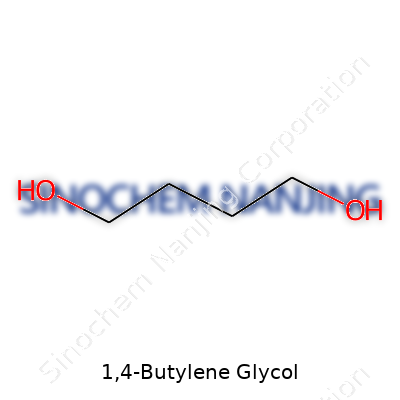
| Names | |
| Preferred IUPAC name | butane-1,4-diol |
| Other names |
1,4-Butanediol Tetramethylene glycol BDO 1,4-Butyl glycol Butane-1,4-diol |
| Pronunciation | /ˈwʌn.fɔːr ˈbjuːtɪliːn ˈɡlaɪkɒl/ |
| Identifiers | |
| CAS Number | 110-63-4 |
| Beilstein Reference | 3580463 |
| ChEBI | CHEBI:16932 |
| ChEMBL | CHEMBL16536 |
| ChemSpider | 5027 |
| DrugBank | DB02172 |
| ECHA InfoCard | ECHA InfoCard: 100.003.570 |
| EC Number | 203-498-2 |
| Gmelin Reference | 82231 |
| KEGG | C08238 |
| MeSH | D001822 |
| PubChem CID | 8030 |
| RTECS number | EK2975000 |
| UNII | DI56V463MM |
| UN number | UN No. 1993 |
| Properties | |
| Chemical formula | C4H10O2 |
| Molar mass | 90.12 g/mol |
| Appearance | Colorless transparent liquid |
| Odor | Odorless |
| Density | 1.004 g/cm³ |
| Solubility in water | Miscible |
| log P | -0.46 |
| Vapor pressure | <0.01 mmHg (20°C) |
| Acidity (pKa) | 14.77 |
| Magnetic susceptibility (χ) | -7.4×10⁻⁶ |
| Refractive index (nD) | 1.446-1.448 |
| Viscosity | 23.56 mPa·s (25 °C) |
| Dipole moment | 2.48 D |
| Thermochemistry | |
| Std molar entropy (S⦵298) | 225.1 J·mol⁻¹·K⁻¹ |
| Std enthalpy of formation (ΔfH⦵298) | -589.92 kJ/mol |
| Std enthalpy of combustion (ΔcH⦵298) | -2434 kJ/mol |
| Pharmacology | |
| ATC code | D04AX30 |
| Hazards | |
| Main hazards | Causes skin irritation. Causes serious eye irritation. |
| GHS labelling | GHS07 |
| Pictograms | GHS07,GHS09 |
| Signal word | Warning |
| Hazard statements | Hazard statements: Not a hazardous substance or mixture according to the Globally Harmonized System (GHS) |
| Precautionary statements | Precautionary statements: P264, P270, P305+P351+P338, P337+P313 |
| NFPA 704 (fire diamond) | 1,1,0 |
| Flash point | 125°C |
| Autoignition temperature | 370°C |
| Explosive limits | 4.6–15.0% |
| Lethal dose or concentration | LD50 Oral Rat 5,100 mg/kg |
| LD50 (median dose) | LD50 (median dose): Oral (rat): 5,100 mg/kg |
| PEL (Permissible) | Not established |
| REL (Recommended) | 3.0% |
| Related compounds | |
| Related compounds |
Ethylene glycol Propylene glycol 1,3-Butylene glycol 1,5-Pentanediol Diethylene glycol |



